



Search News
Industry Portal
Popular Tags
All categories
Green Building Certification Price: What Drives Total Cost?




Green Building Certification Price: What Drives Total Cost?
Green building certification price can vary widely, but the total cost is rarely defined by registration fees alone.
For budget approval, the bigger issue is cost structure, not the headline fee.
In real projects, certification spending expands through design revisions, compliance checks, material selection, performance modeling, and internal coordination.
That is why two projects with similar floor area can show very different green building certification price outcomes.
A practical review should separate direct fees from hidden implementation costs and long-term savings.
Once those drivers are visible, approval becomes faster, cleaner, and less exposed to change orders later.
Start With the Cost Categories
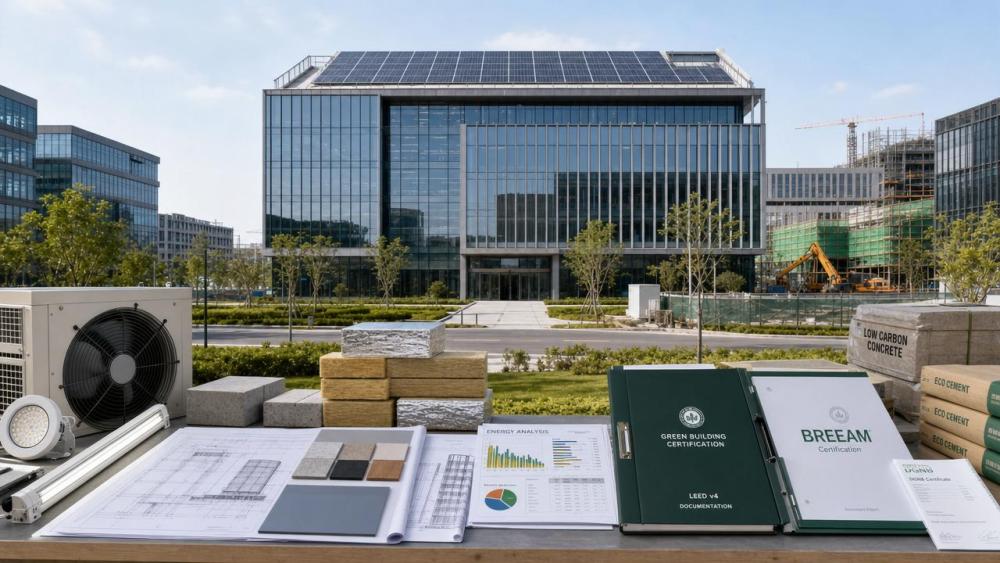
The first mistake is treating green building certification price as a single invoice.
It is usually a bundle of costs that appear at different stages.
Most projects include five major cost layers:
- registration and certification fees
- consulting and documentation support
- energy, daylight, water, or carbon modeling
- design and material compliance adjustments
- construction-phase tracking and final submission work
This breakdown matters because certification fees alone may represent only a small share of total spend.
The larger share often comes from what the team must do to qualify.
From a cost-control view, implementation complexity is usually the real budget driver.
Certification System Changes the Price Base
Not every standard prices the same way.
LEED, BREEAM, WELL, EDGE, and local green rating systems use different scoring logic and evidence requirements.
That directly affects green building certification price.
A simpler pathway may lower upfront consulting costs, but may also deliver less procurement value in certain tenders.
A globally recognized system can cost more, yet strengthen financing, leasing, export visibility, or brand credibility.
Before approving a budget, compare the system against three business questions:
- Is the certification required by clients, investors, or regulation?
- Will the label improve asset value or tender competitiveness?
- Does the chosen system match the project’s geography and operating model?
If the answer is unclear, the project may be paying a premium without capturing the full commercial return.
Project Type Has a Bigger Impact Than Many Expect
Green building certification price rises when the asset itself is harder to document or optimize.
An office tower, logistics park, industrial plant, hospital, school, or mixed-use complex do not face the same workload.
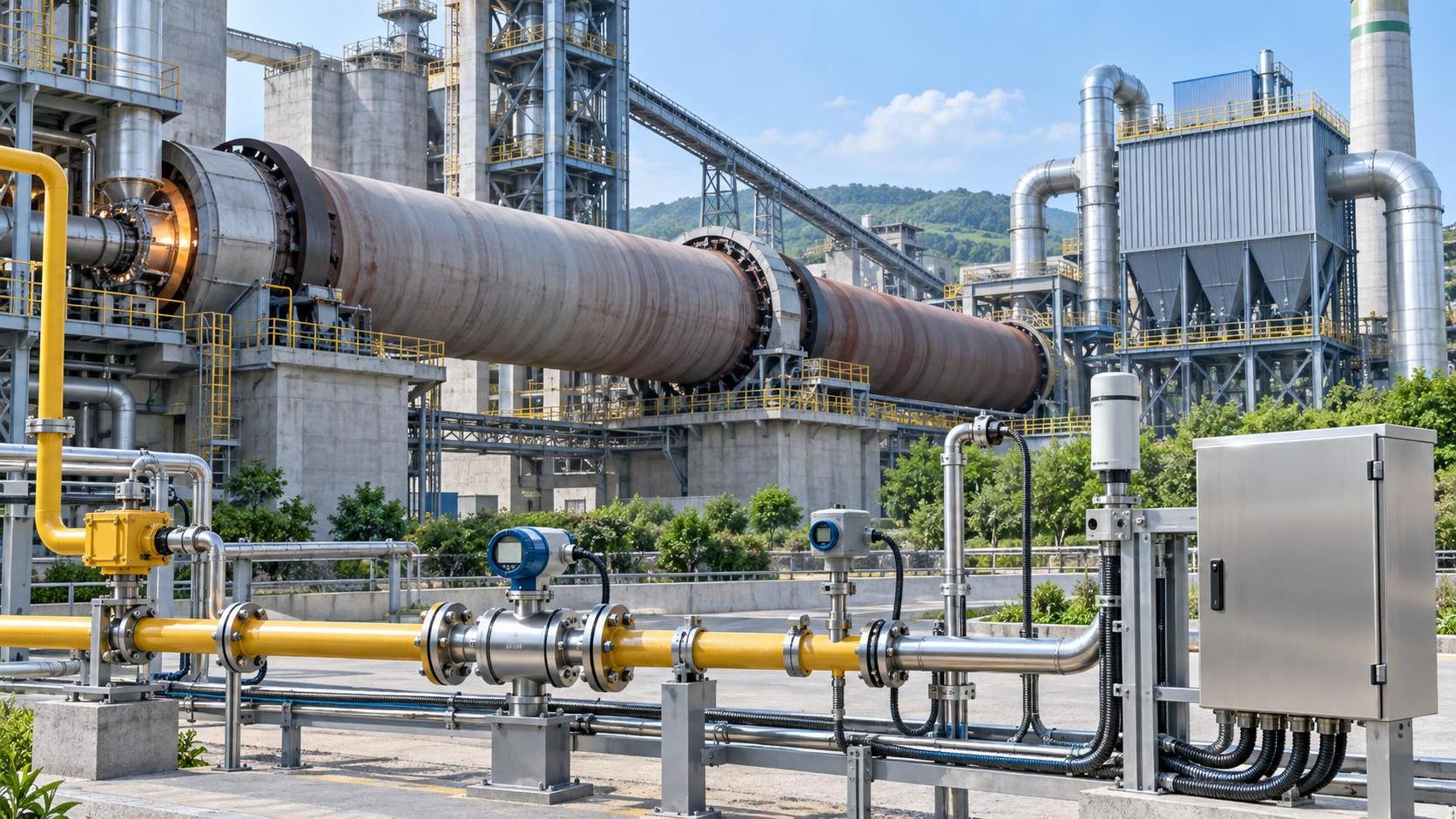
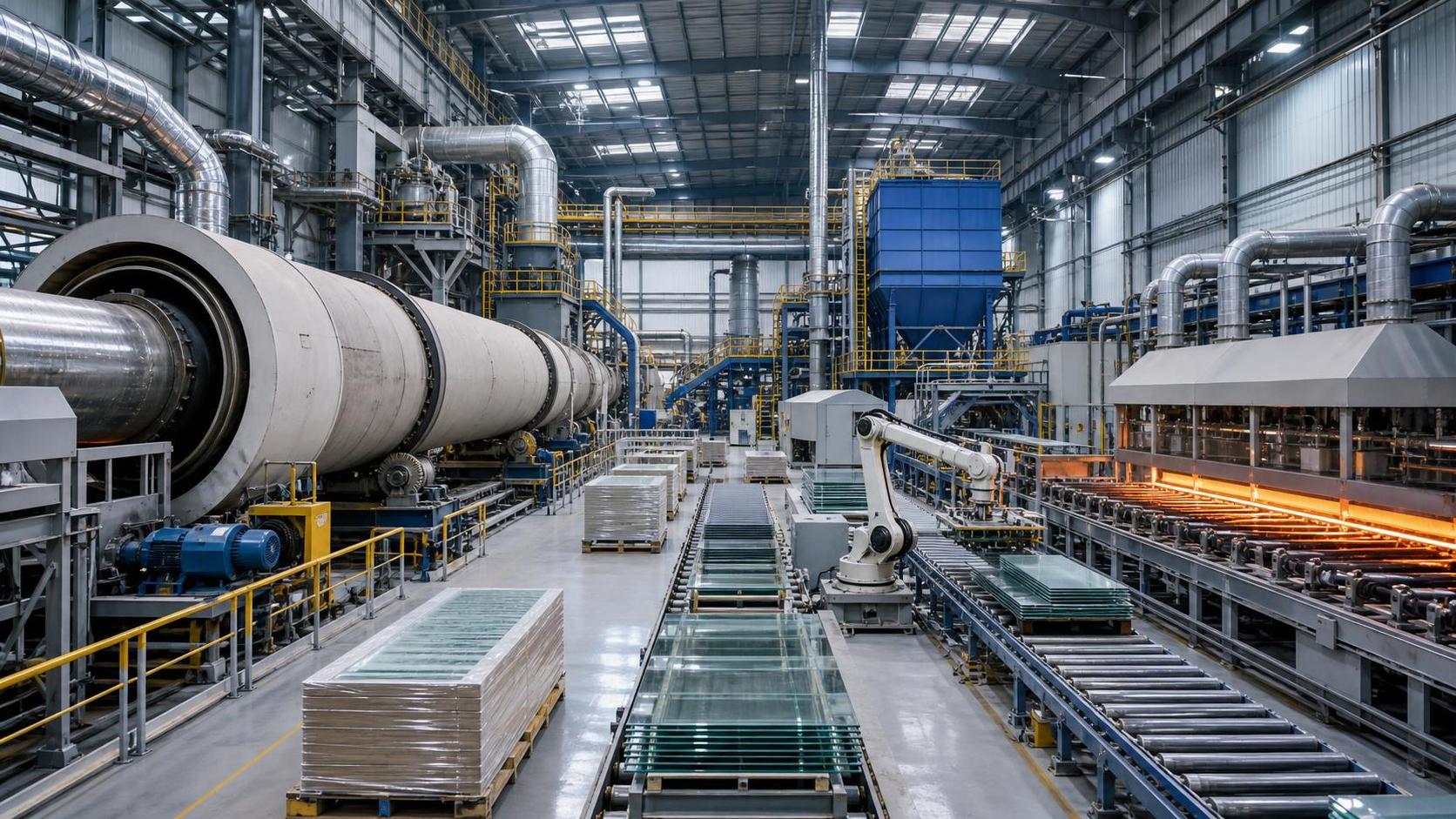
Industrial and building-material facilities can be especially complex.
They often involve process heat, dust control, utility intensity, water reuse, emissions management, and specialized equipment layouts.
That means more modeling, more supplier data collection, and more evidence review.
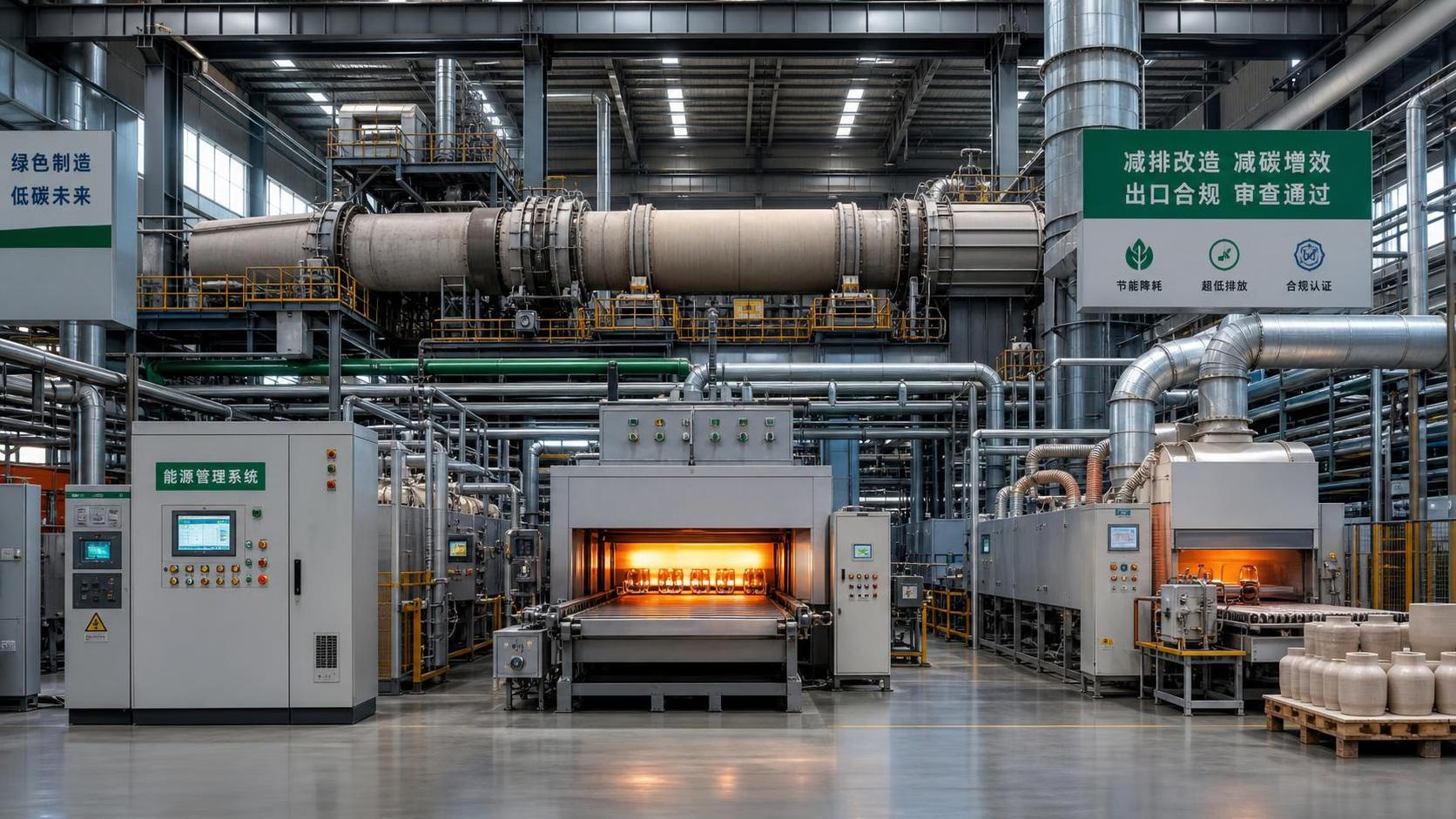
For example, projects linked to cement grinding, glass processing, AAC systems, or kiln upgrades may need extra attention in areas such as:
- energy intensity baselines
- waste heat recovery integration
- low-dust process design
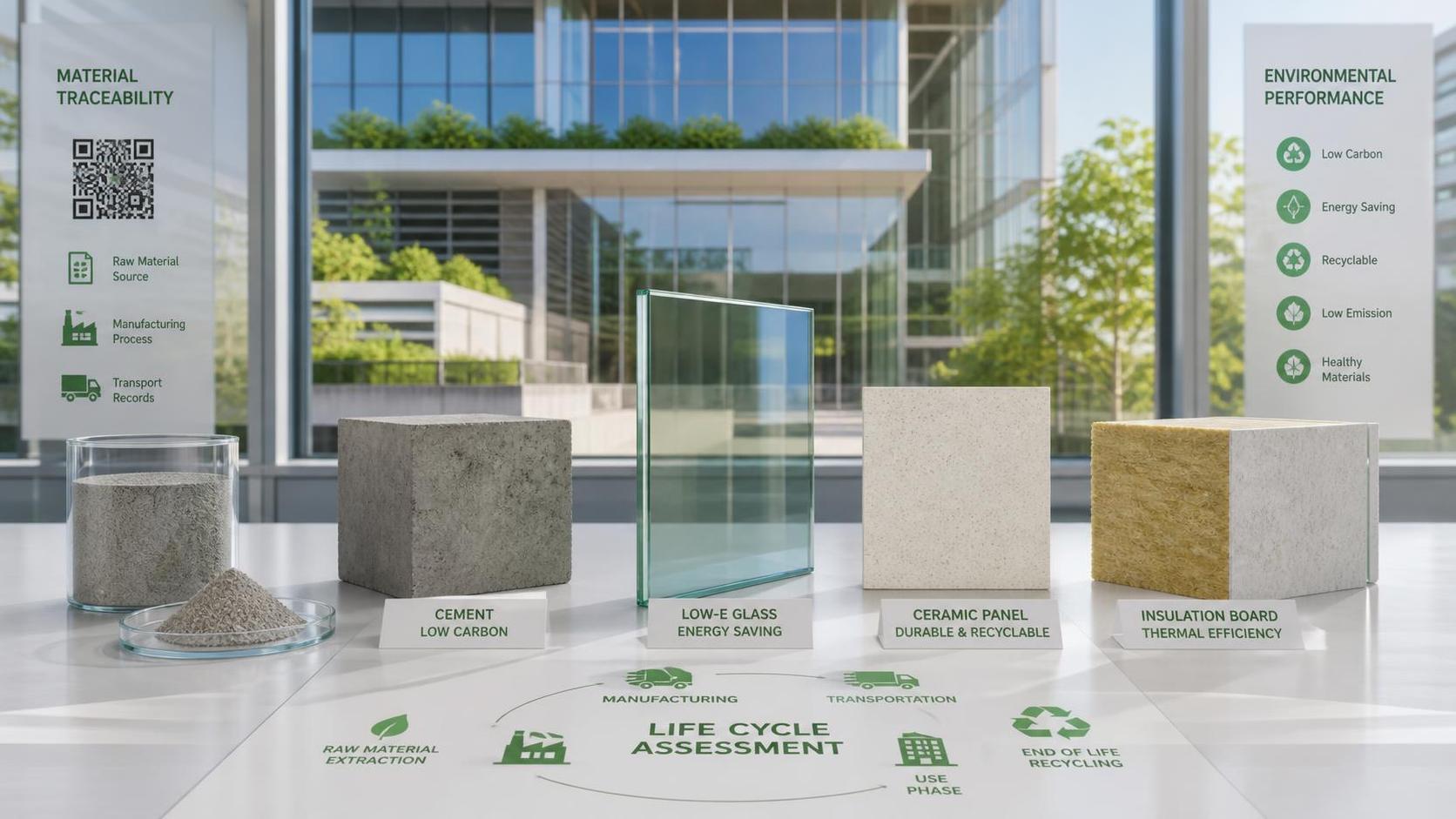
- material traceability and recycled content
- water recycling and environmental reporting
So, a realistic budget must reflect asset complexity, not just project area.
Design Timing Can Save or Multiply Cost
One of the most controllable drivers of green building certification price is timing.
If certification targets are defined early, many requirements can be absorbed into normal design decisions.
If they appear late, the team often pays for redesign, resubmission, delayed procurement, and product replacement.
This is where total cost starts climbing fast.
Late-stage certification commonly triggers:
- HVAC and envelope revisions
- new submittal requests for suppliers
- extra commissioning scope
- schedule slippage during approval
- higher consultant involvement
In practical terms, early alignment usually lowers green building certification price far more effectively than fee negotiation.
That also reduces change-order risk, which matters in formal approval workflows.
Material Compliance Often Becomes the Hidden Budget Item
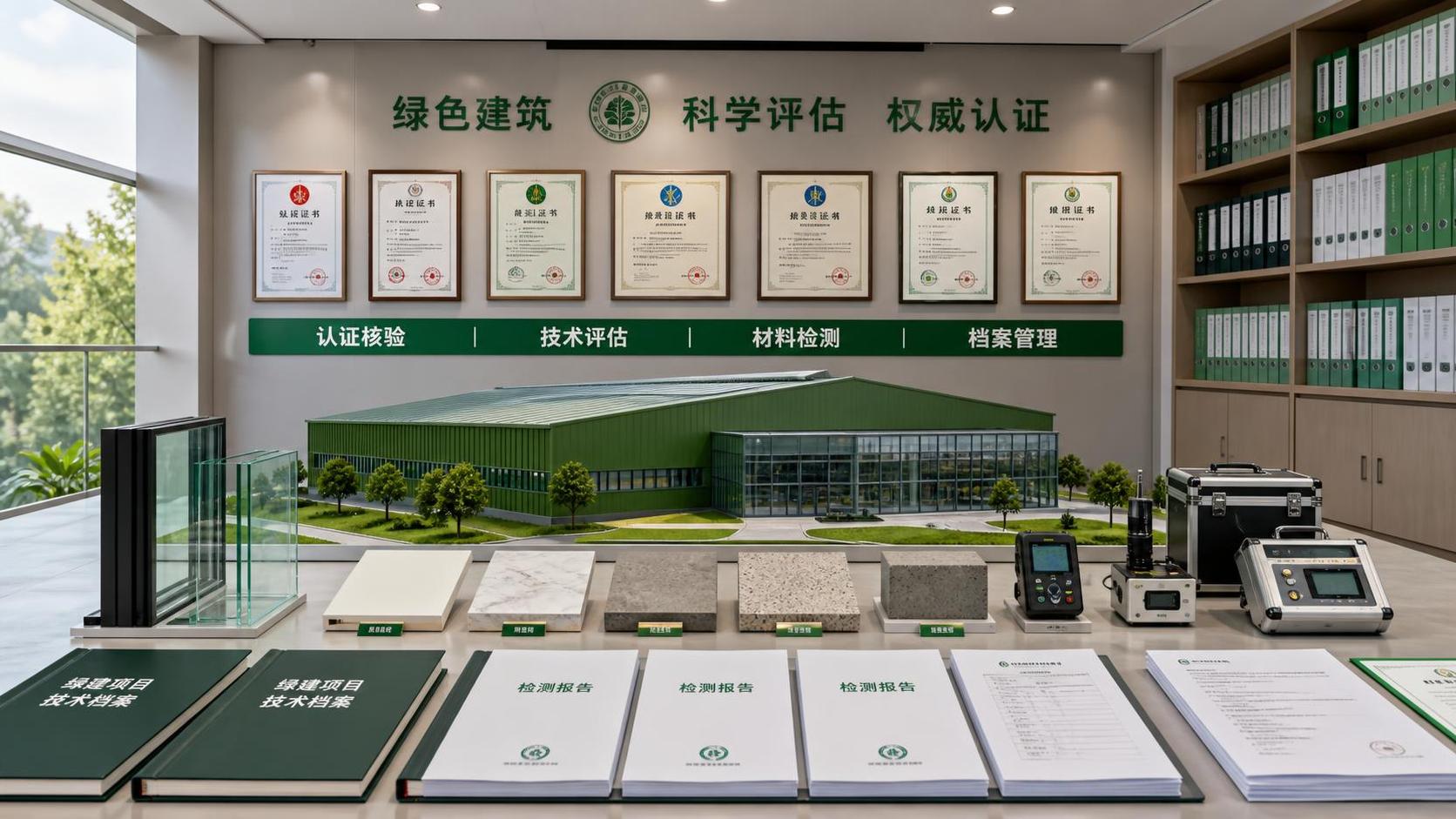
Many teams underestimate the documentation burden behind approved materials.
The green building certification price may look acceptable at kickoff, then expand when suppliers cannot provide the required data.
That problem is common in fast-moving procurement environments.
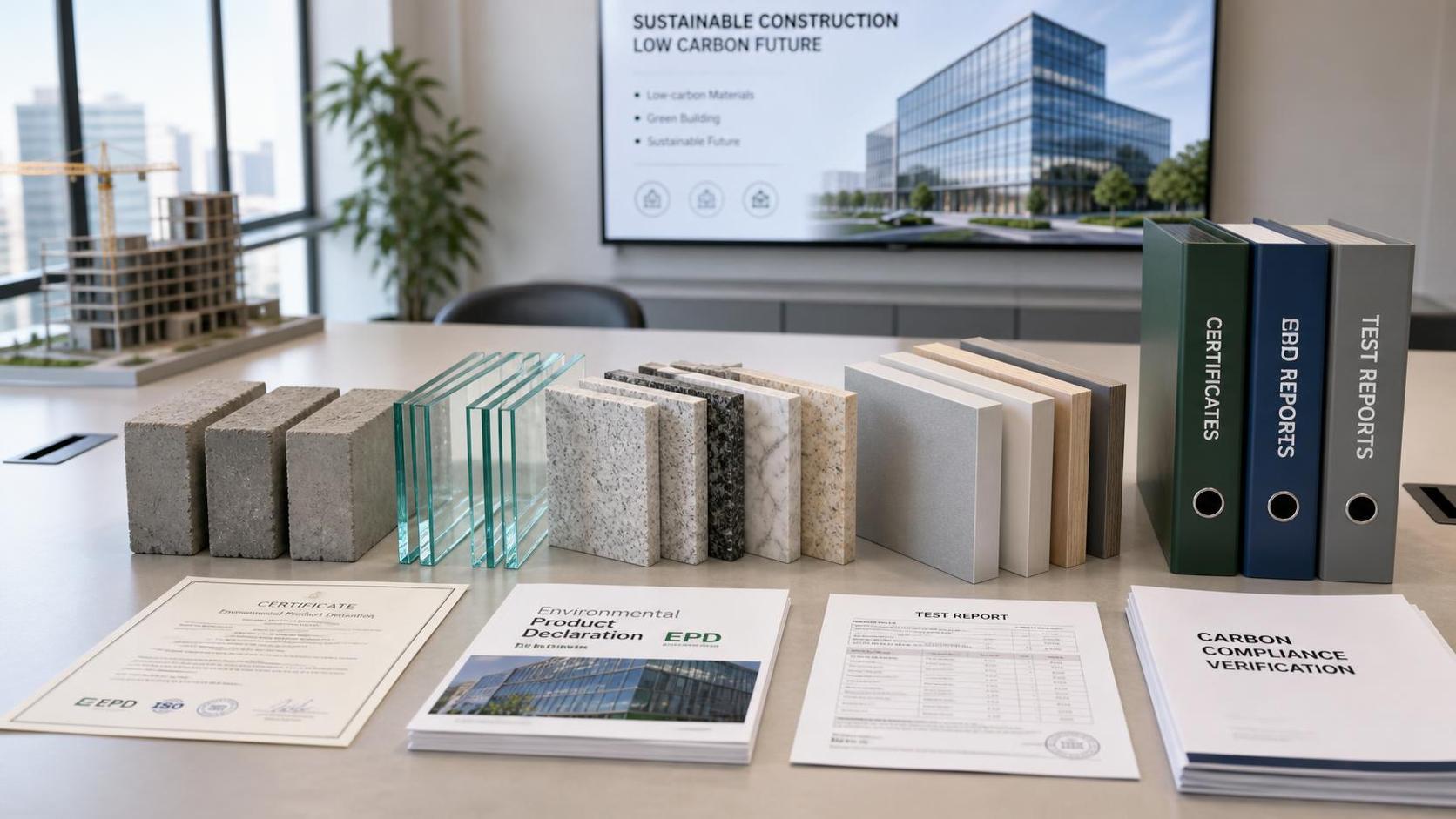
Low-emission products, recycled content, EPDs, sourcing records, and regional compliance files all take time to collect.
If materials must be switched, the issue is no longer paperwork. It becomes a direct cost event.
To control this risk, check these points before purchase approval:
- whether the supplier has certification-ready documents
- whether substitute materials affect performance models
- whether local and imported products meet the same evidence standard
- whether lead times change after compliance screening
This is especially relevant for projects using advanced glass, mineral-based panels, refractory materials, or engineered stone systems.
Energy Modeling and Performance Targets Add Real Cost
Performance claims are rarely free.
The higher the target level, the more analysis and validation the project usually needs.
That makes energy modeling a key part of green building certification price.
Costs may include simulation work, design iteration, metering strategy, commissioning, and post-installation verification.
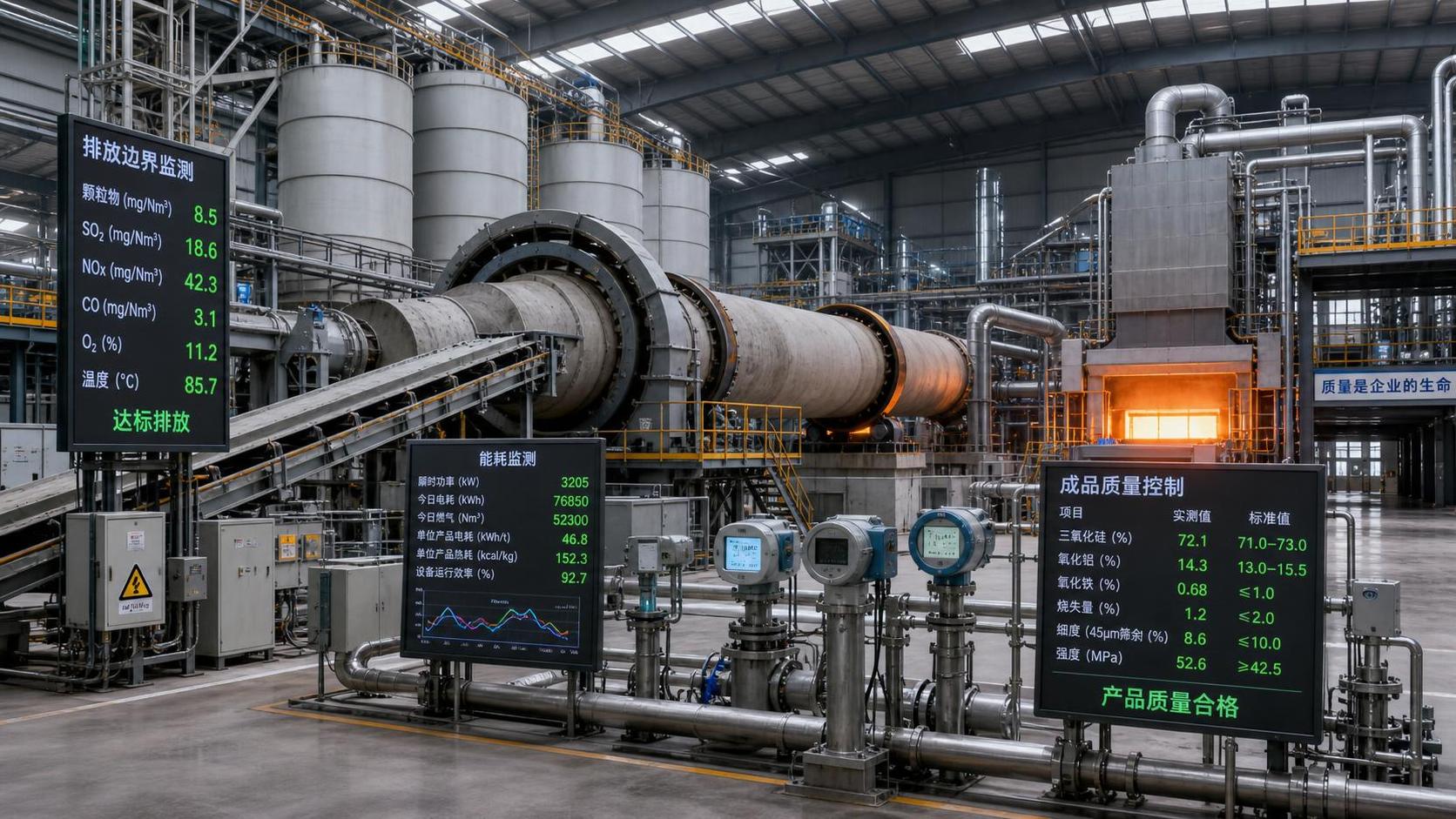
In energy-intensive facilities, modeling can become more detailed because operational loads are less standardized.
Still, this spending can support better decisions when it reveals:
- where energy loss is concentrated
- which upgrades have the fastest payback
- how process systems affect utility demand
- which certification credits are too expensive to chase
In other words, some certification cost is also diagnostic value.
Internal Labor and Delay Cost Should Not Be Ignored
One of the least visible parts of green building certification price is internal time.
Teams often focus on consultant proposals while overlooking hours spent by procurement, engineering, legal, project management, and operations.
Those hours have real cost, especially when approval cycles are strict.
More importantly, slow documentation can delay construction milestones or equipment release.
That creates indirect financial pressure far beyond the published certification fee.
A stronger review model includes:
- document owner by discipline
- supplier response deadlines
- approval checkpoints before ordering
- contingency for resubmission or missing evidence
This small governance step often cuts both delay risk and total certification cost.
How to Evaluate Green Building Certification Price More Accurately
A better decision comes from comparing full cost against full value.
That means reviewing not only what certification costs, but what non-certification may also cost.
This approach turns green building certification price into an investment analysis, not a fee debate.
That shift usually improves decision quality.
A Smarter Approval Path
The most reliable way to manage green building certification price is to define scope early and challenge assumptions line by line.
Ask which costs are fixed, which are variable, and which depend on team discipline.
Then test whether the selected certification creates measurable business value.
For industrial and construction-related assets, that value may include efficiency gains, emissions readiness, stronger compliance positioning, and better long-term operating performance.
When the cost model is transparent, approvals move faster and surprise spending becomes less likely.
That is the real goal: not just getting certified, but getting the economics right before the project locks in.
Related News
- Can EU ETS compliance software reduce errors in emissions reporting?Author :Dr. Alaric Vance

- How to verify a green building certification agency before hiringAuthor :Dr. Alaric Vance

- What do BREEAM material standards require from construction products?Author :Dr. Alaric Vance

- When does a hydrogen fuel kiln reduce emissions in ceramic firing?Author :Dr. Alaric Vance

- What counts in carbon emissions reporting under today’s ESG rulesAuthor :Dr. Alaric Vance

- How to verify whether a green building certification company is credibleAuthor :Dr. Alaric Vance

- How to verify carbon compliance in building materials before project approvalAuthor :Dr. Alaric Vance

- ISO 50100:2026 Reshapes Decarbonization ComplianceAuthor :Dr. Alaric Vance

- How to Measure Building Material Emissions Reduction for ESG ReportingAuthor :Dr. Alaric Vance

- How to Evaluate EU ETS Compliance Software for Audit Readiness and Data AccuracyAuthor :Dr. Alaric Vance

- What Green Material Certification Means for ESG Compliance in ManufacturingAuthor :Dr. Alaric Vance

- How Green Building Material Manufacturing Supports ESG Compliance and Cost ControlAuthor :Dr. Alaric Vance

- EU Extends CBAM Transition, Adds August Carbon Filing RuleAuthor :Dr. Alaric Vance

- EU CBAM Phase Three Reaches Equipment ExportersAuthor :Dr. Alaric Vance

- EU Tightens CE-EPD Rules for Glass MachineryAuthor :Dr. Alaric Vance

- Low-Carbon Cement Production System: Cost, ROI, and Compliance BasicsAuthor :Dr. Alaric Vance

- EU Carbon Compliance Materials: 2026 Rule Changes That Affect SourcingAuthor :Dr. Alaric Vance

- Decarbonization in Building Materials: 5 Cost Drivers to Watch in 2026Author :Dr. Alaric Vance

- Tailings Recycling Technology Trends Shaping ESG Compliance in 2026Author :Dr. Alaric Vance

- Green Building Certification Criteria That Matter in Material SelectionAuthor :Dr. Alaric Vance

- EU Carbon Compliance Materials: Key Rules and Cost Risks in 2026Author :Dr. Alaric Vance

- Tailings Recycling China: Policy and Project Outlook 2026Author :Dr. Alaric Vance

- EU Sets CBAM Trial Rules for Glass and CeramicsAuthor :Dr. Alaric Vance

- Carbon Reduction Roadmap: 5 Cost Levers That Matter in 2026Author :Dr. Alaric Vance

- EU CBAM Extends to Glass and Ceramics in 2026Author :Dr. Alaric Vance

- Green Building Certification Rating: What Changes Project Value in 2026Author :Dr. Alaric Vance

- Cement Dust Emission Control Options Under New ESG Compliance PressureAuthor :Dr. Alaric Vance

- Industrial Dust Emission Control for Material Handling Compliance GuideAuthor :Dr. Alaric Vance

- EU CBAM Extends to Glass and Ceramic EquipmentAuthor :Dr. Alaric Vance

- Cement Plant Dust Control Options Compared for Compliance and Operating CostAuthor :Dr. Alaric Vance

- Low-Carbon Cement Materials in 2026: Cost, Carbon Rules, and Supply RisksAuthor :Dr. Alaric Vance

- Fly Ash Cement Applications: Best Uses and Performance LimitsAuthor :Dr. Alaric Vance

- Dust Free Production: Key Process Controls That Actually WorkAuthor :Dr. Alaric Vance

- EU REACH Update Raises Export Compliance Bar for Glass and Quartz LinesAuthor :Dr. Alaric Vance

- EU CBAM Guidance Brings Grid Carbon Factors Into Export FilingsAuthor :Dr. Alaric Vance

- Carbon Reduction in Cement Plants: Practical Routes and Trade-OffsAuthor :Dr. Alaric Vance