



Search News
Industry Portal
Popular Tags
All categories
Tailings Recycling China: Policy and Project Outlook 2026




Tailings Recycling China Is Entering a Different Stage
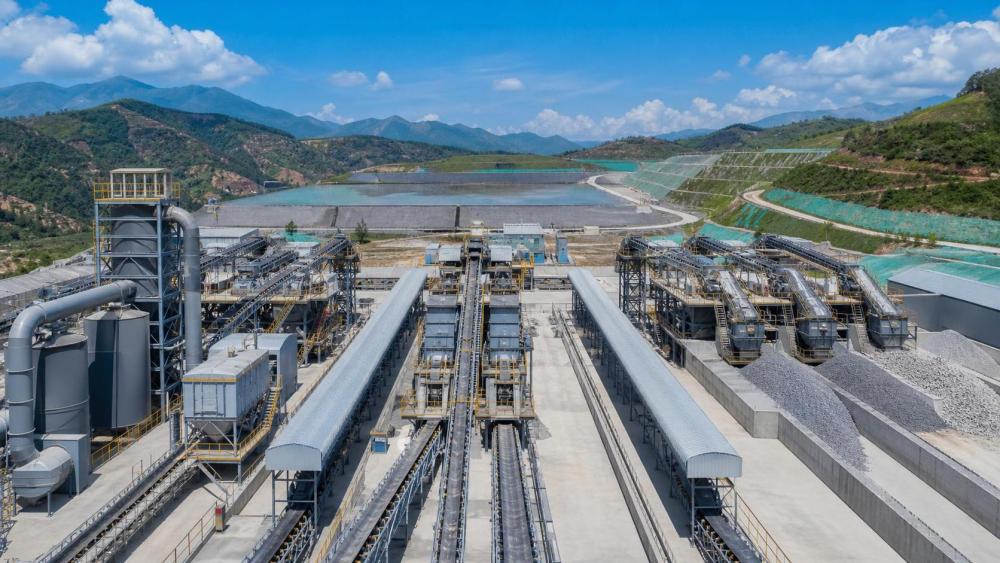
Tailings recycling China is no longer a peripheral environmental task.
It is increasingly tied to resource security, land control, carbon pressure, and the economics of construction materials.
That shift matters because tailings now sit at the intersection of mining policy and industrial reuse.
From recent signals, 2026 looks less like a simple volume story and more like a quality and project-structure story.
The practical question is changing.
Instead of asking whether tailings can be reused, the market is asking where reuse can meet standards, margins, and permitting requirements at scale.
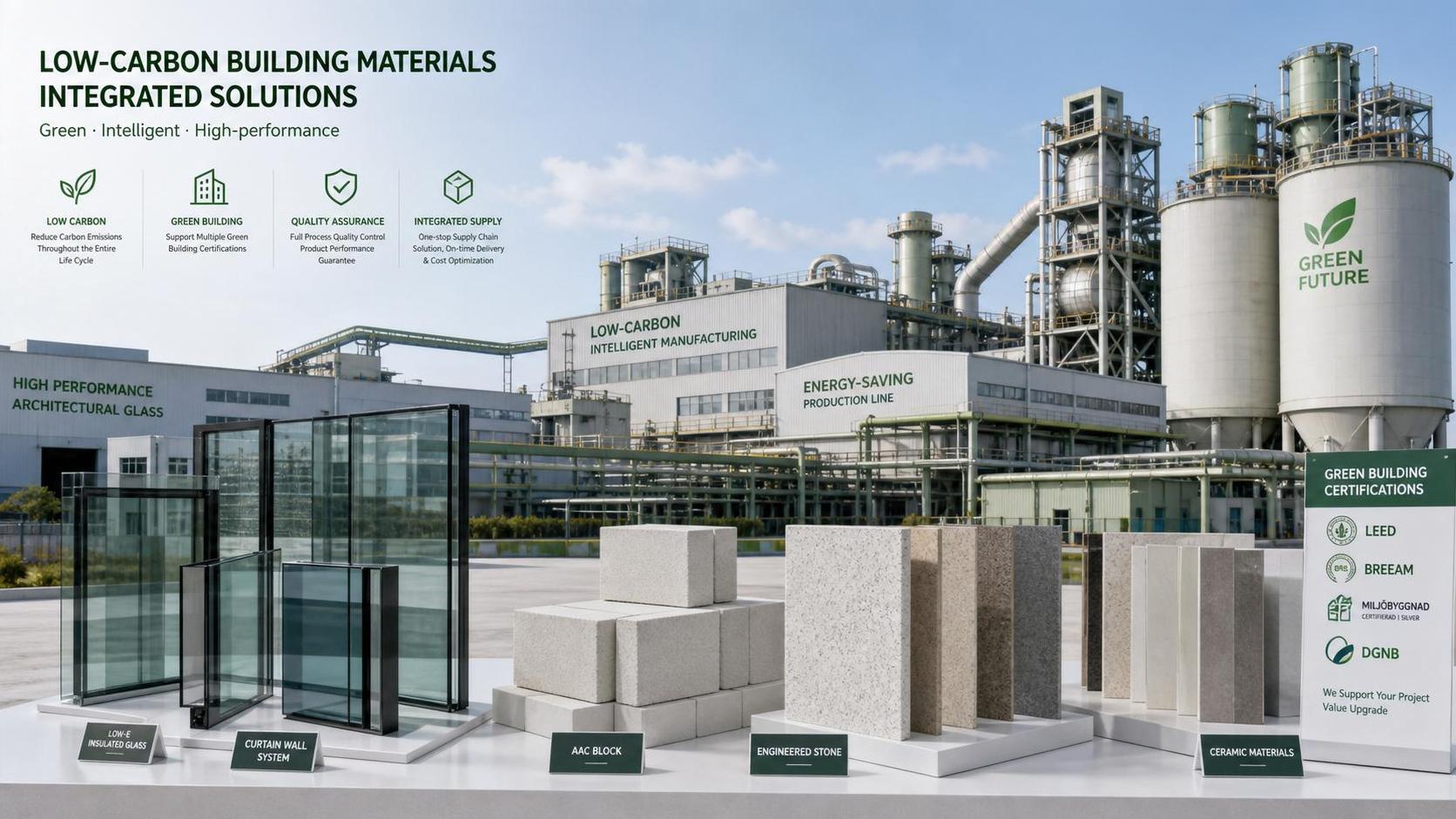
This is especially relevant across cement systems, aggregates, bricks, AAC, glass raw material preparation, and other non-metallic processing chains.
In that sense, tailings recycling China fits naturally into the industrial logic followed by NMBS.
The issue is not waste alone.
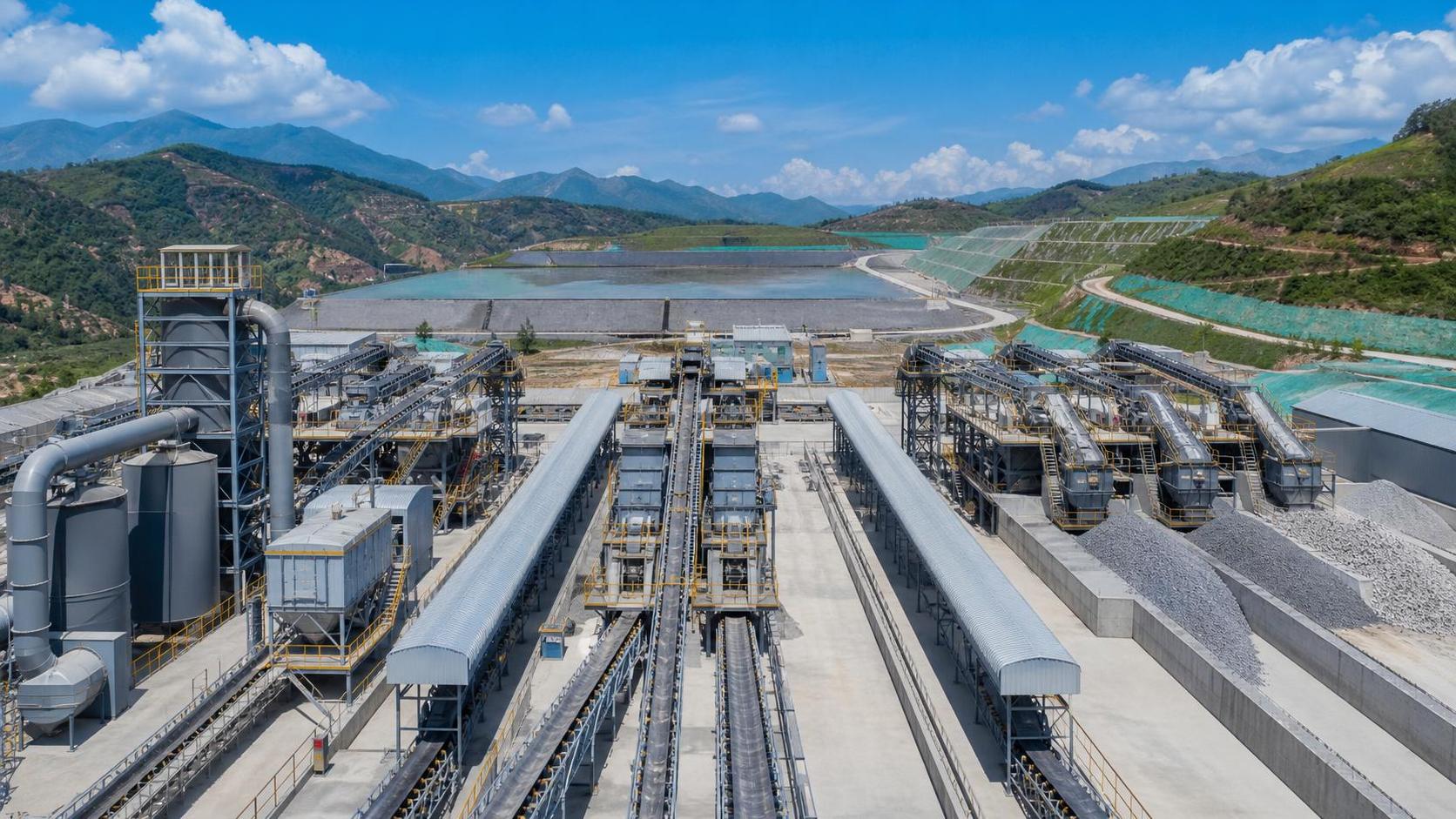
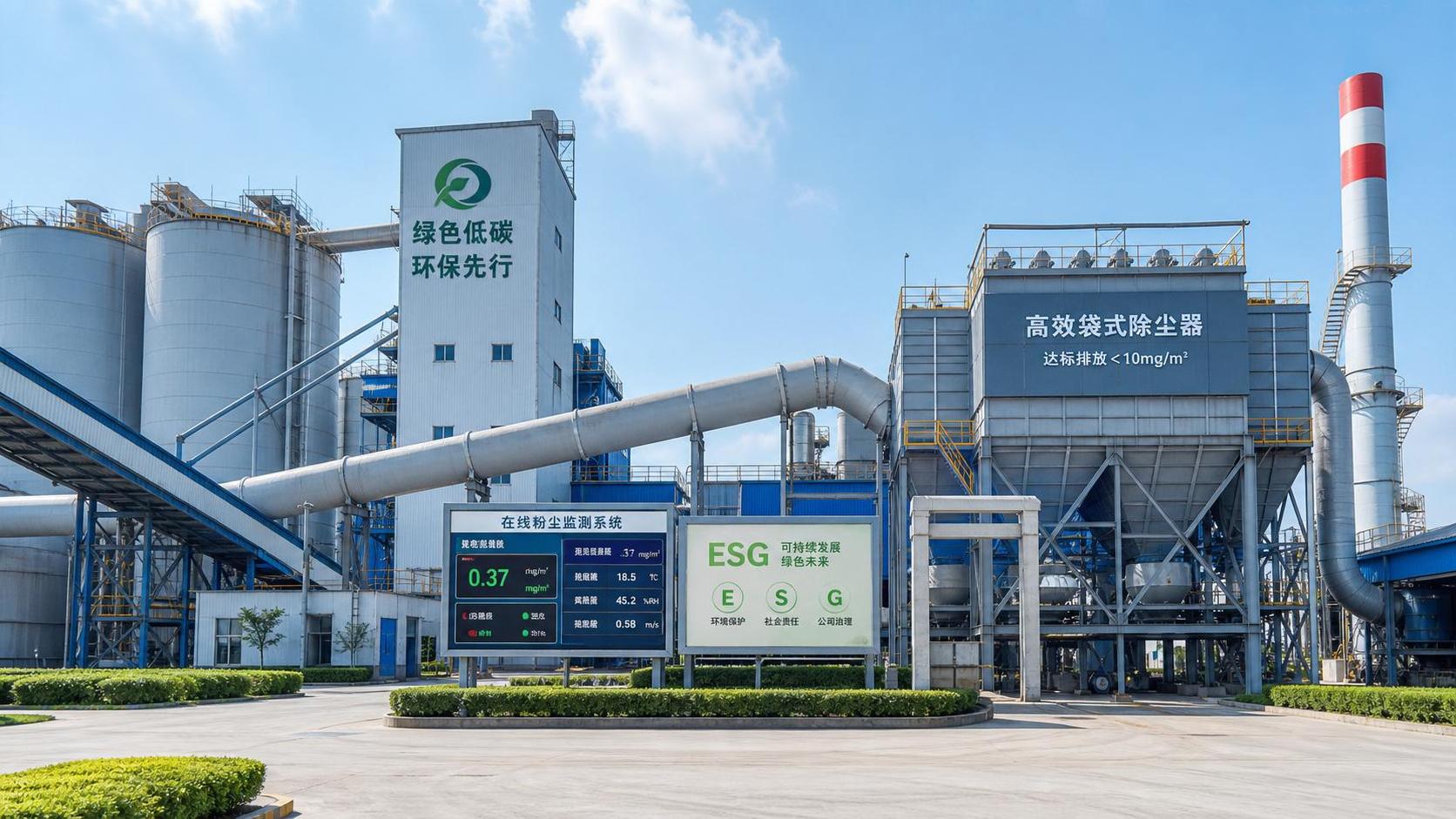
It is about how processing equipment, grading control, dust handling, thermal efficiency, and compliance systems turn residues into usable inputs.
Why the change is becoming more visible now
Several forces are pushing tailings recycling China into mainstream industrial planning.
None of them is new alone, but their combined effect is now stronger.
- Environmental targets are tightening around stockpile safety, dust emissions, seepage risk, and land restoration obligations.
- Construction material sectors are under pressure to lower virgin mineral use and improve circularity metrics.
- Local governments are looking for industrial projects that convert legacy waste into tax-generating output.
- Processing technology has improved in classification, dewatering, fine grinding, impurity removal, and automated monitoring.
- Investment screening is becoming more selective, favoring projects with measurable offtake and compliance visibility.
A more important signal is that project discussions now mention downstream application earlier.
That was not always the case.
Older tailings projects often started from disposal pressure and searched for a market later.
Current planning is more likely to begin with cementitious substitution, aggregate demand, ceramic blending, or backfill system economics.
This makes tailings recycling China more bankable, but also less forgiving.
Policy direction for 2026 is likely to favor usable projects over symbolic ones
The next phase will probably reward projects that can prove technical fit and operating discipline.
Policy support may still be broad in principle, yet approval logic is becoming narrower in practice.
That means tailings recycling China will be judged less by headline tonnage and more by the following conditions.
In other words, policy is moving closer to plant reality.
This reduces room for concept-driven announcements without robust process design.
Demand is shifting toward processing systems, not just recycling claims
One reason tailings recycling China is gaining traction is that end-use routes are becoming more specific.
Yet that also exposes the technical limits of generic recycling narratives.
Actual reuse depends on mineralogy, particle size distribution, moisture, contaminants, and consistency over time.
That is why project quality increasingly depends on process systems familiar to NMBS sectors.
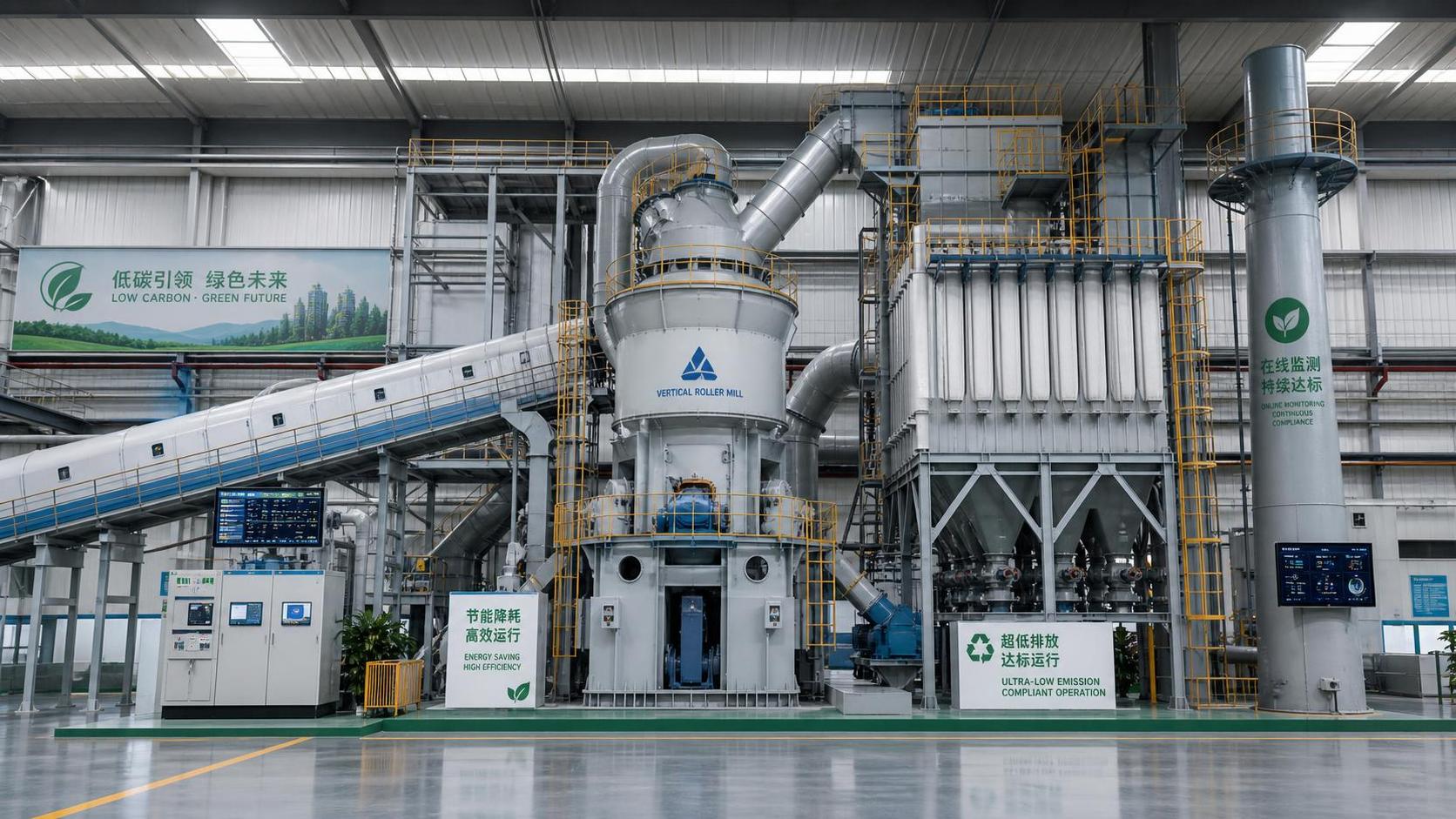
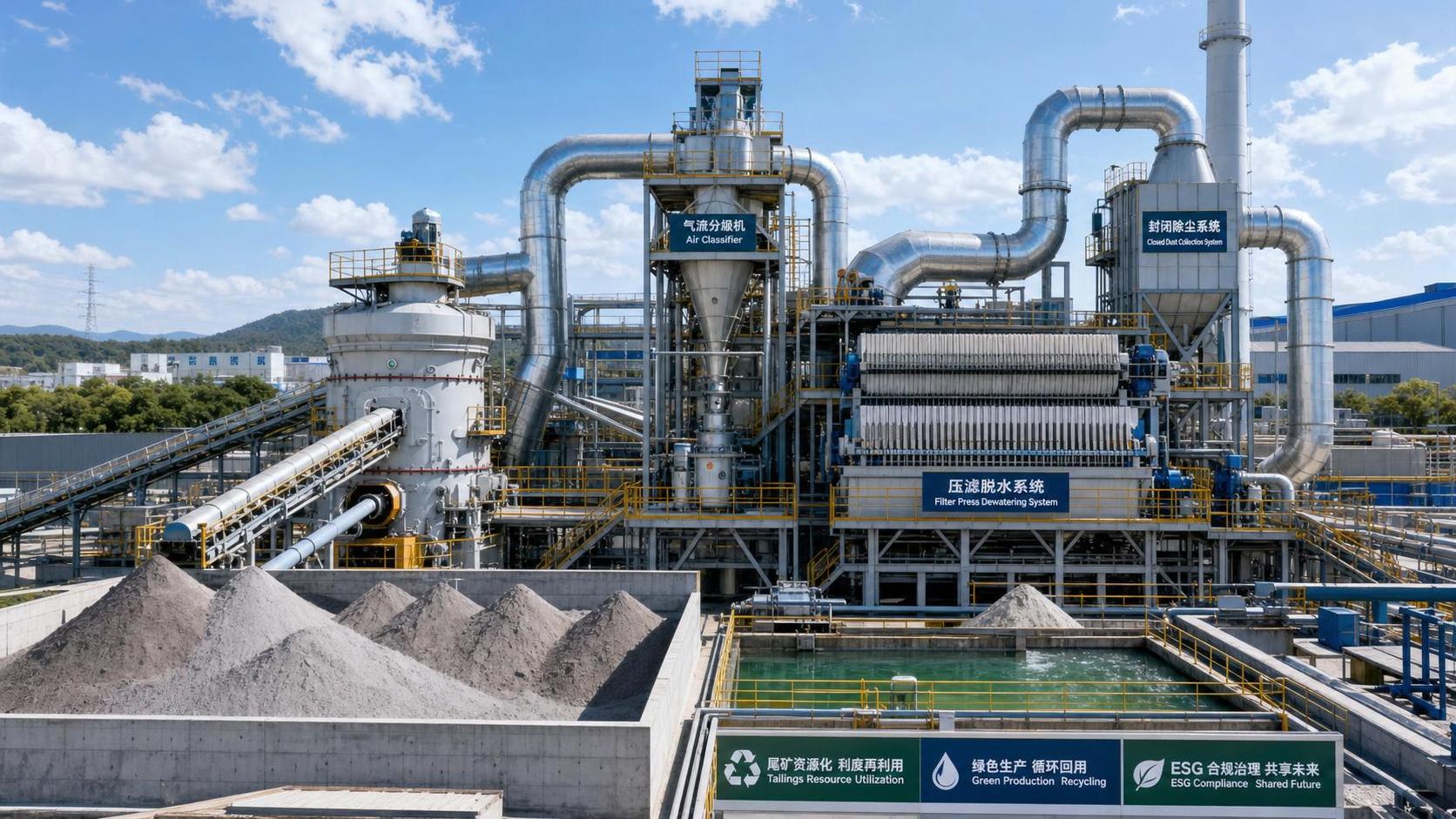
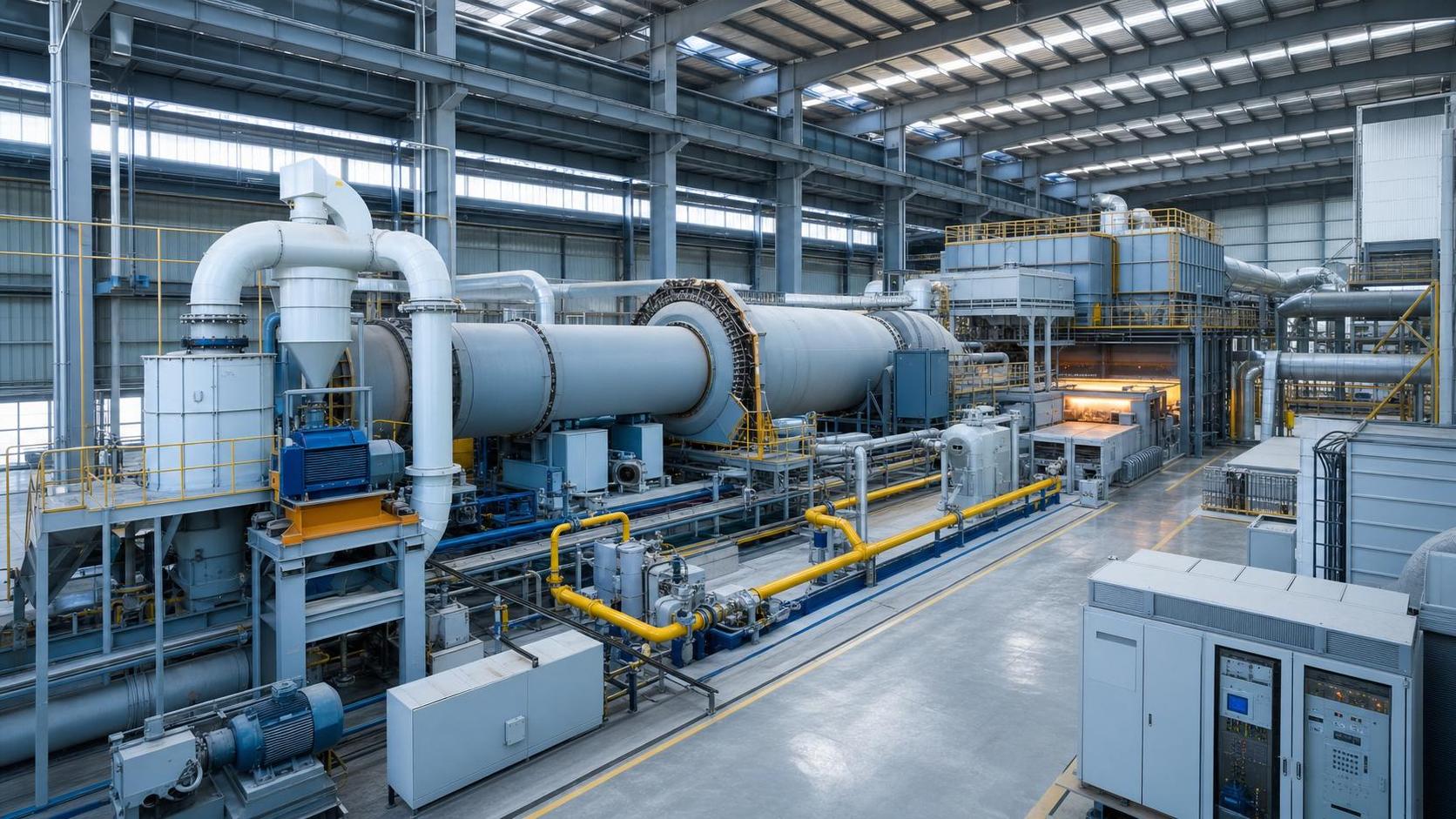
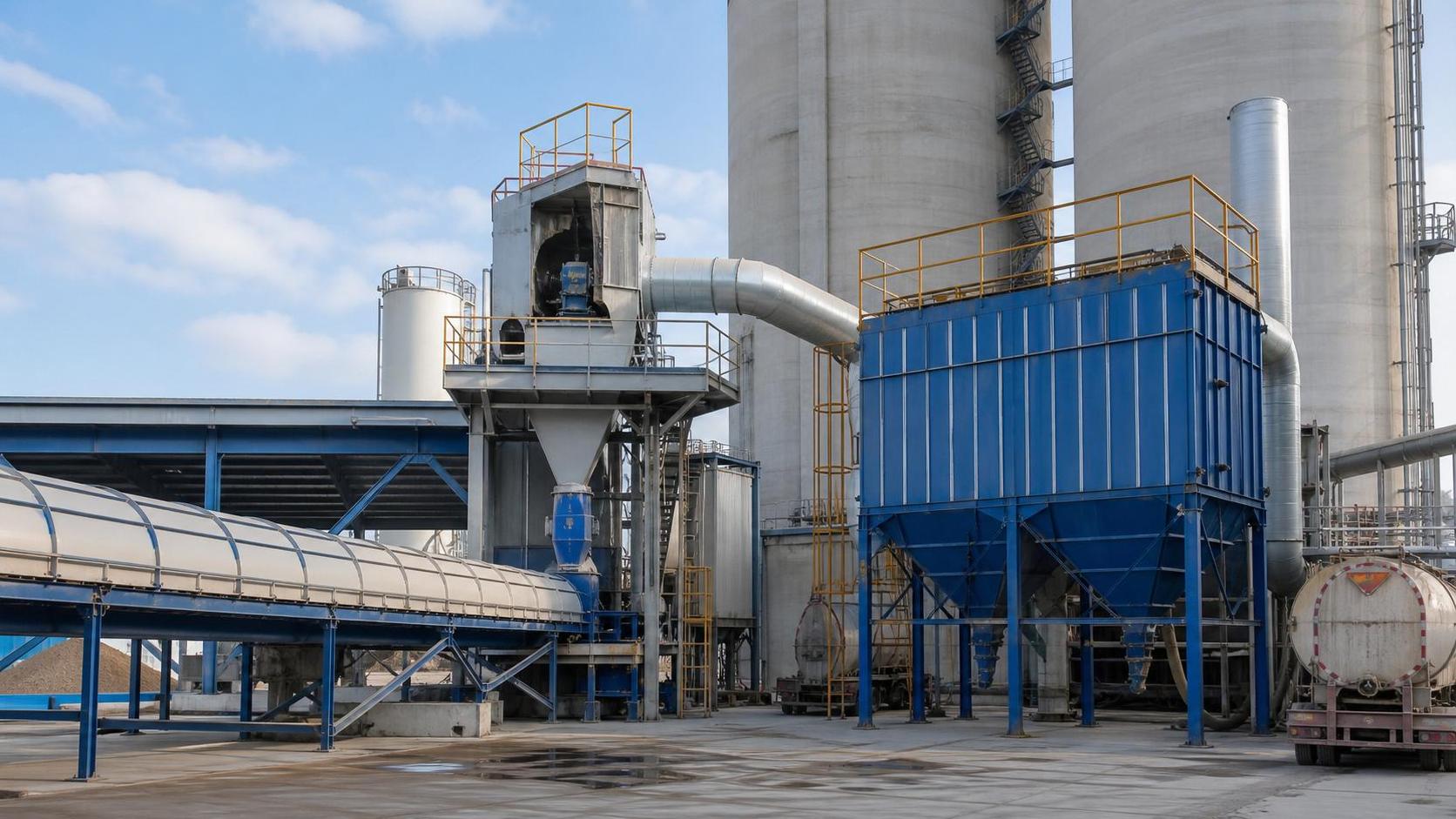
Vertical mills, roller presses, classifiers, dewatering units, dust-control systems, conveyors, and digital monitoring are part of the same commercial equation.
More visible now is the role of application-linked processing.
- For cement and supplementary materials, fineness stability and chemical compatibility matter more than nominal recovery rate.
- For bricks, blocks, and AAC, moisture control and blending behavior influence yield and cracking risk.
- For ceramics, glass, or refractory-related routes, impurity thresholds can decide whether a material is useful at all.
- For aggregates and road materials, gradation and mechanical performance remain central to acceptance.
This is where tailings recycling China stops being a policy phrase and becomes an equipment and process question.
The impact will not be limited to one part of the value chain
The strongest opportunities are likely to emerge where multiple industrial links can share value.
Standalone recycling lines may still appear, but integrated models look more resilient.
For mining regions, the benefit is obvious.
Lower storage pressure, improved environmental performance, and better land-use outcomes support local policy alignment.
For building material systems, the benefit is more strategic.
Tailings can become part of a broader raw material diversification strategy, especially where traditional mineral inputs face cost or permit constraints.
For EPC planning, the implication is a wider system boundary.
Material characterization, storage, pre-treatment, grinding, blending, emissions control, and finished-product validation now need tighter coordination.
For capital evaluation, tailings recycling China changes the risk map.
Feedstock quality risk may be higher than in conventional raw materials, but long-term input security can improve where stockpiles are large and well-documented.
That tradeoff should not be treated lightly.
Where project pipelines are likely to concentrate
Not every region will develop the same way.
Pipeline visibility for tailings recycling China is likely to be strongest where three conditions overlap.
- Large historical tailings inventories with clear environmental pressure.
- Nearby demand from cement, wall materials, infrastructure fill, or mineral processing clusters.
- Local policy willingness to support industrial reuse with permitting coordination.
What deserves closer watching is the rise of hybrid projects.
These combine resource recovery, low-carbon material production, and environmental remediation within one investment story.
That structure can improve project defensibility, especially when carbon reduction and land restoration metrics are visible.
It also suits the industrial intelligence approach used by NMBS.
Projects are more credible when process detail, equipment logic, and application fit are presented together rather than separately.
The more practical questions now matter more than the headline opportunity
A large addressable market does not guarantee a durable business case.
In tailings recycling China, practical filters are becoming decisive.
- Is the tailings body sufficiently characterized across seasons and extraction zones?
- Can the processing line maintain target fineness, moisture, and impurity control at commercial scale?
- Does the downstream application have an acceptance path through standards, testing, and customer validation?
- Are dust, water, and transport costs low enough to preserve margin after compliance spending?
- Can the project show carbon or raw-material savings with auditable data?
These are not minor details.
They determine whether tailings recycling China remains a policy-aligned idea or becomes a repeatable industrial model.
A sensible 2026 outlook starts with disciplined observation
The medium-term direction appears constructive, but selective.
Tailings recycling China should benefit from stronger circular-economy pressure and more mature process technology.
Still, the most credible gains will come from projects that connect residue treatment with real industrial consumption.
For 2026 tracking, attention should stay on four signals.
- Regional policy documents that link tailings utilization to construction material upgrading or green manufacturing.
- Projects that specify grinding, classification, dust control, or digital quality systems instead of broad recycling language.
- Partnership structures between mining assets, material plants, and EPC providers.
- Evidence that reuse economics hold after testing, transport, and compliance costs are included.
The next useful step is not to assume uniform growth.
It is to compare application routes, test process stability, follow regional permitting signals, and build a phased project screen.
That approach is more likely to identify where tailings recycling China can create durable value across low-carbon building materials and non-metallic processing systems.
Related News
- Can EU ETS compliance software reduce errors in emissions reporting?Author :Dr. Alaric Vance

- How to verify a green building certification agency before hiringAuthor :Dr. Alaric Vance

- What do BREEAM material standards require from construction products?Author :Dr. Alaric Vance

- When does a hydrogen fuel kiln reduce emissions in ceramic firing?Author :Dr. Alaric Vance

- What counts in carbon emissions reporting under today’s ESG rulesAuthor :Dr. Alaric Vance

- How to verify whether a green building certification company is credibleAuthor :Dr. Alaric Vance

- How to verify carbon compliance in building materials before project approvalAuthor :Dr. Alaric Vance

- ISO 50100:2026 Reshapes Decarbonization ComplianceAuthor :Dr. Alaric Vance

- How to Measure Building Material Emissions Reduction for ESG ReportingAuthor :Dr. Alaric Vance

- How to Evaluate EU ETS Compliance Software for Audit Readiness and Data AccuracyAuthor :Dr. Alaric Vance

- What Green Material Certification Means for ESG Compliance in ManufacturingAuthor :Dr. Alaric Vance

- How Green Building Material Manufacturing Supports ESG Compliance and Cost ControlAuthor :Dr. Alaric Vance

- EU Extends CBAM Transition, Adds August Carbon Filing RuleAuthor :Dr. Alaric Vance

- EU CBAM Phase Three Reaches Equipment ExportersAuthor :Dr. Alaric Vance

- EU Tightens CE-EPD Rules for Glass MachineryAuthor :Dr. Alaric Vance

- Low-Carbon Cement Production System: Cost, ROI, and Compliance BasicsAuthor :Dr. Alaric Vance

- EU Carbon Compliance Materials: 2026 Rule Changes That Affect SourcingAuthor :Dr. Alaric Vance

- Decarbonization in Building Materials: 5 Cost Drivers to Watch in 2026Author :Dr. Alaric Vance

- Tailings Recycling Technology Trends Shaping ESG Compliance in 2026Author :Dr. Alaric Vance

- Green Building Certification Criteria That Matter in Material SelectionAuthor :Dr. Alaric Vance

- EU Carbon Compliance Materials: Key Rules and Cost Risks in 2026Author :Dr. Alaric Vance

- Tailings Recycling China: Policy and Project Outlook 2026Author :Dr. Alaric Vance

- EU Sets CBAM Trial Rules for Glass and CeramicsAuthor :Dr. Alaric Vance

- Carbon Reduction Roadmap: 5 Cost Levers That Matter in 2026Author :Dr. Alaric Vance

- EU CBAM Extends to Glass and Ceramics in 2026Author :Dr. Alaric Vance

- Green Building Certification Rating: What Changes Project Value in 2026Author :Dr. Alaric Vance

- Cement Dust Emission Control Options Under New ESG Compliance PressureAuthor :Dr. Alaric Vance

- Industrial Dust Emission Control for Material Handling Compliance GuideAuthor :Dr. Alaric Vance

- EU CBAM Extends to Glass and Ceramic EquipmentAuthor :Dr. Alaric Vance

- Cement Plant Dust Control Options Compared for Compliance and Operating CostAuthor :Dr. Alaric Vance

- Low-Carbon Cement Materials in 2026: Cost, Carbon Rules, and Supply RisksAuthor :Dr. Alaric Vance

- Fly Ash Cement Applications: Best Uses and Performance LimitsAuthor :Dr. Alaric Vance

- Dust Free Production: Key Process Controls That Actually WorkAuthor :Dr. Alaric Vance

- EU REACH Update Raises Export Compliance Bar for Glass and Quartz LinesAuthor :Dr. Alaric Vance

- EU CBAM Guidance Brings Grid Carbon Factors Into Export FilingsAuthor :Dr. Alaric Vance

- Carbon Reduction in Cement Plants: Practical Routes and Trade-OffsAuthor :Dr. Alaric Vance