



Search News
Industry Portal
Popular Tags
All categories
Tailings Recycling Technology Trends Shaping ESG Compliance in 2026




Tailings Recycling Technology Trends Are Moving From Waste Control to Strategic ESG Infrastructure
In 2026, tailings recycling technology trends are no longer a niche topic inside mining operations.
They are shaping capital plans across cement, glass, ceramics, refractories, aggregates, and low-carbon building materials.
That shift is happening because ESG compliance now reaches beyond emissions reporting.
It increasingly covers waste intensity, water reuse, land impact, traceable secondary materials, and process-level resource efficiency.
For industrial groups handling minerals, silica, fly ash, stone powder, or metallurgical residues, tailings are becoming a balance-sheet issue.
They affect permitting timelines, insurance exposure, operating cost, and access to green project finance.
The more important signal is that tailings recycling technology trends are now influencing equipment selection and plant design much earlier.
This is especially visible in non-metallic material processing, where waste streams can often become usable inputs.
That practical connection matters to industries tracked by NMBS, where process systems are judged by both output performance and compliance readiness.
Why the Signal Is Stronger in 2026
Several pressures are converging at the same time.
Carbon rules are tightening, but disposal rules are also becoming more measurable and harder to defer.
At the same time, virgin raw material quality is less predictable in many regions.
That makes recovered mineral fractions more attractive than they were a few years ago.
Energy prices also changed the economics.
When grinding, dewatering, classification, and thermal treatment can be integrated efficiently, recycling tailings can support lower total production cost.
In practice, tailings recycling technology trends are being accelerated by four factors:
- Stricter ESG audits that examine waste recovery rates, water circulation, and storage risk.
- Greater demand for supplementary mineral inputs in cementitious and engineered material systems.
- Digital monitoring tools that make recovery performance visible at line level.
- Pressure from tenders and financiers for compliance-ready production assets.
This is why the conversation has shifted from “Can we recycle tailings?” to “Which route is bankable and scalable?”
The Technology Direction Is Becoming More Process-Oriented
Earlier projects often treated tailings recycling as a separate environmental add-on.
That model is losing ground.
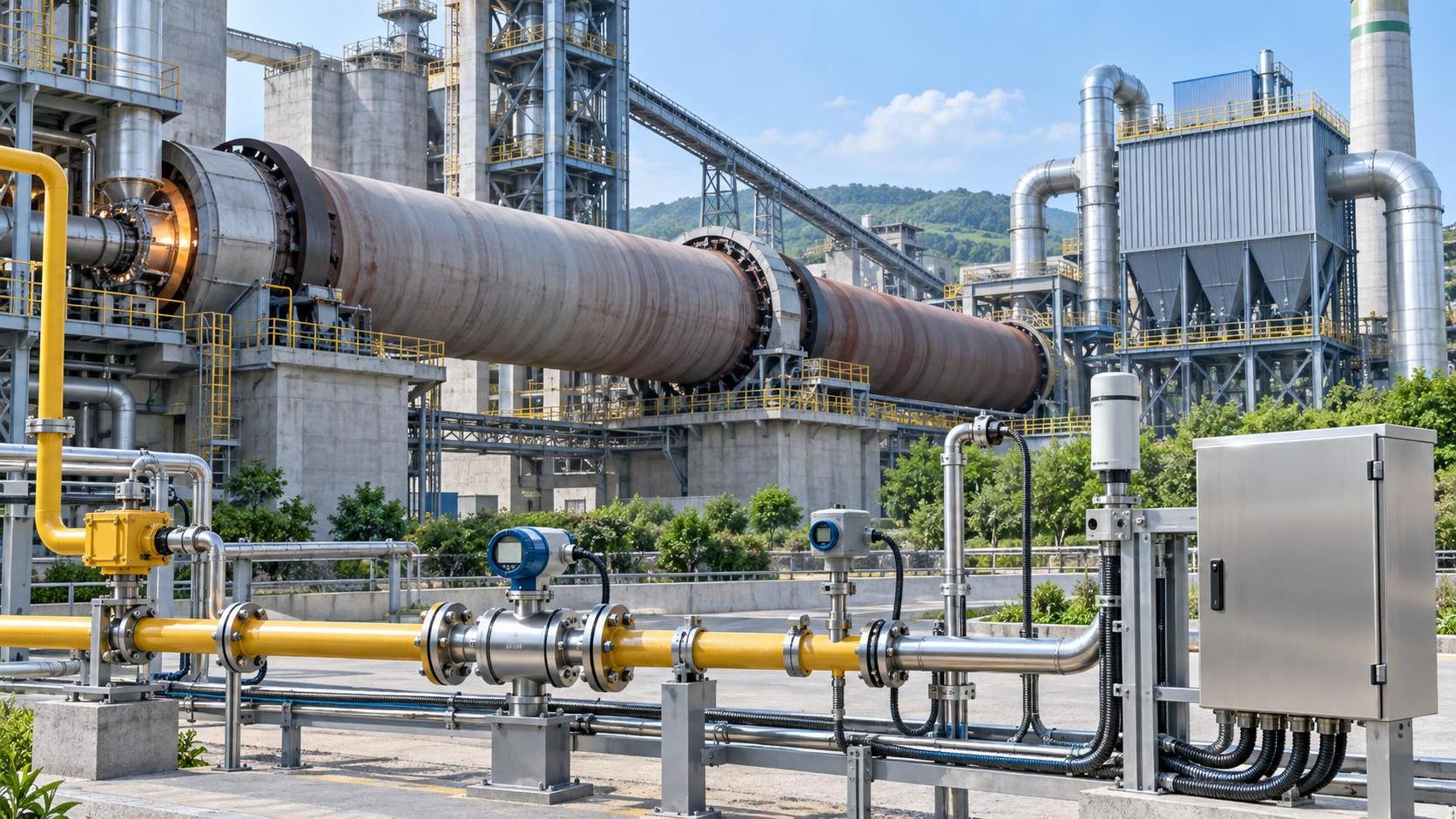
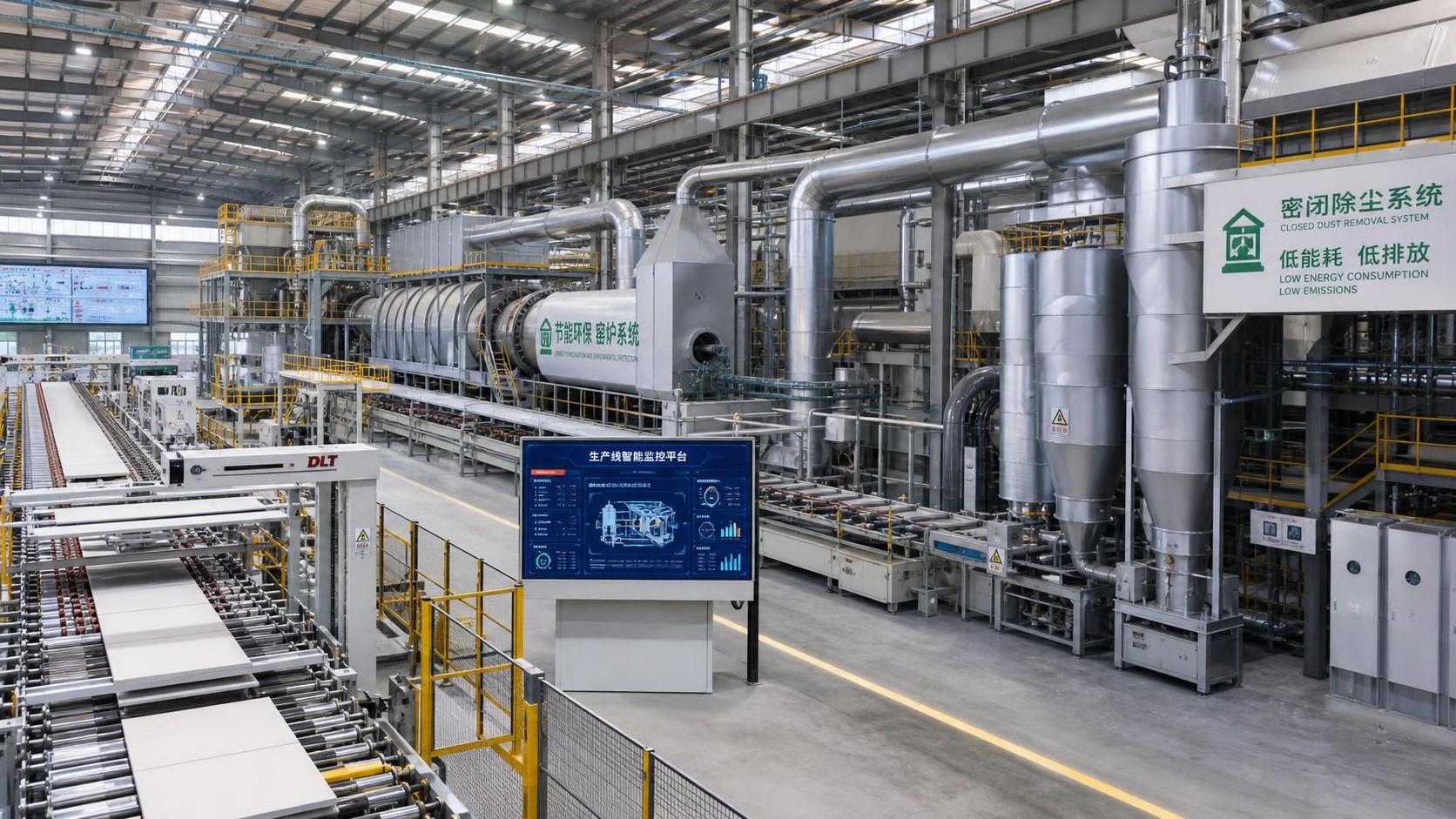
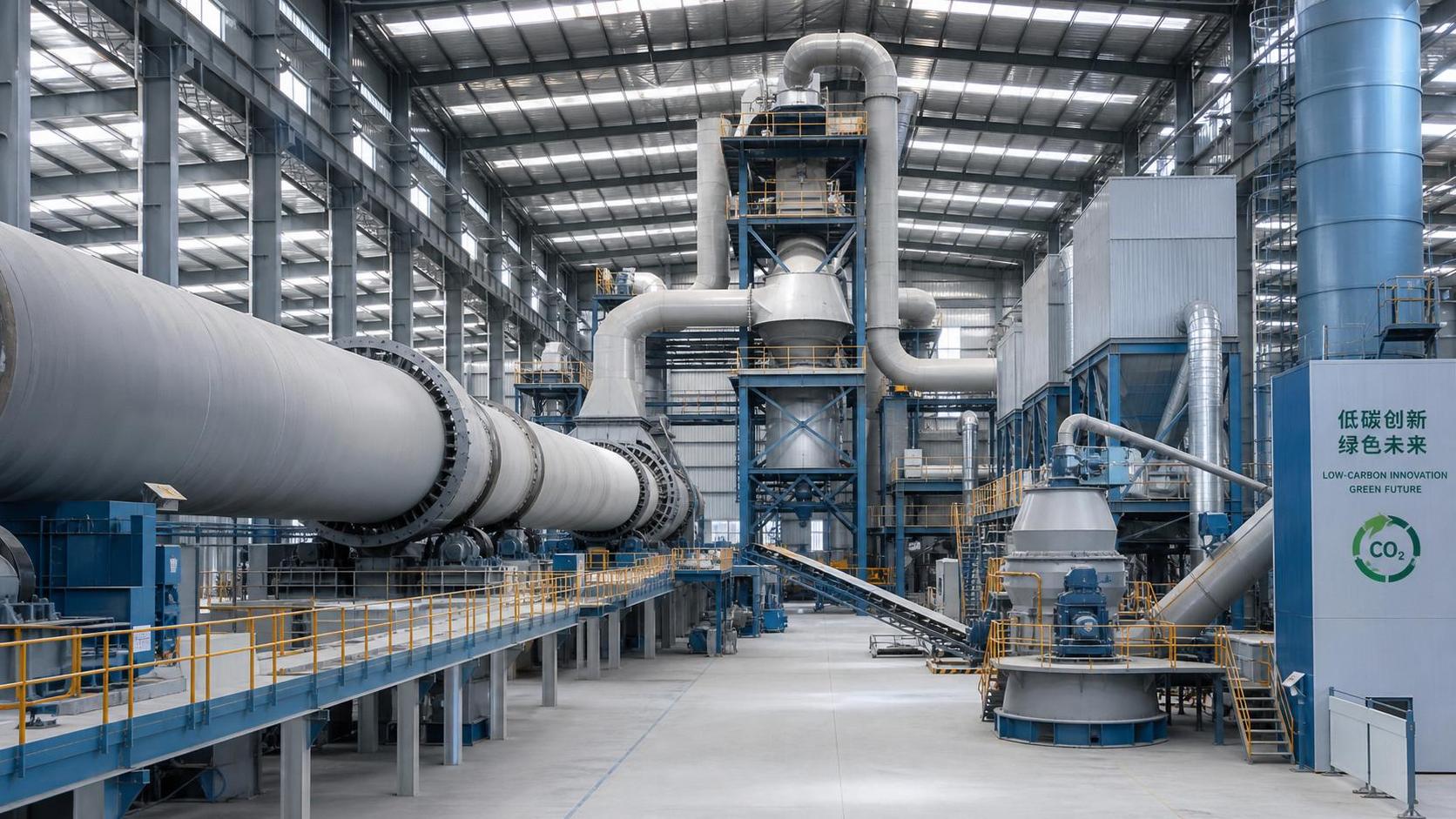
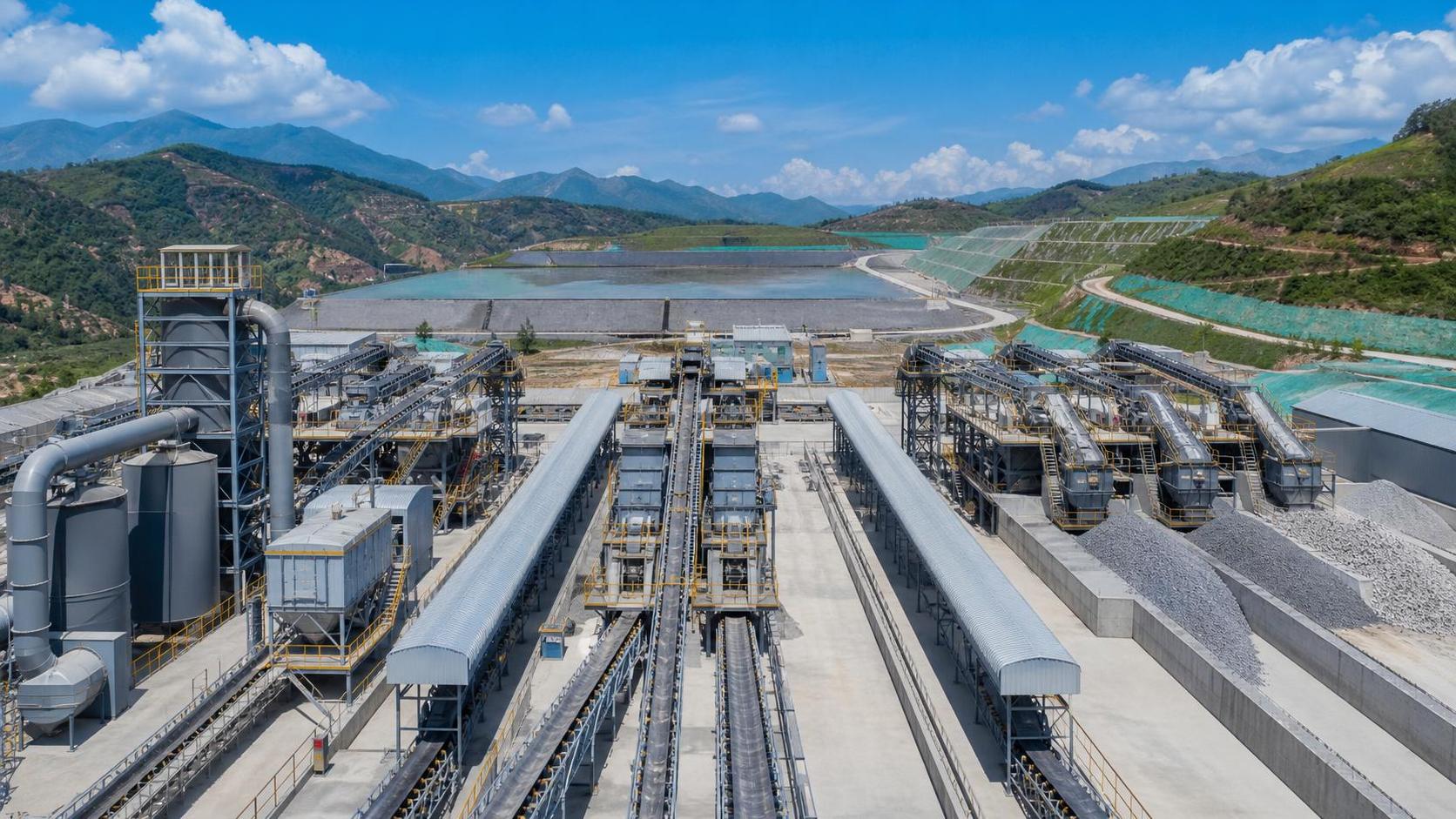
Current tailings recycling technology trends favor integrated process systems linked to crushing, grinding, drying, classification, blending, and dust control.
This matters because recycled tailings rarely deliver value through one machine alone.
Value comes from stable particle size, moisture control, impurity management, and consistent downstream performance.
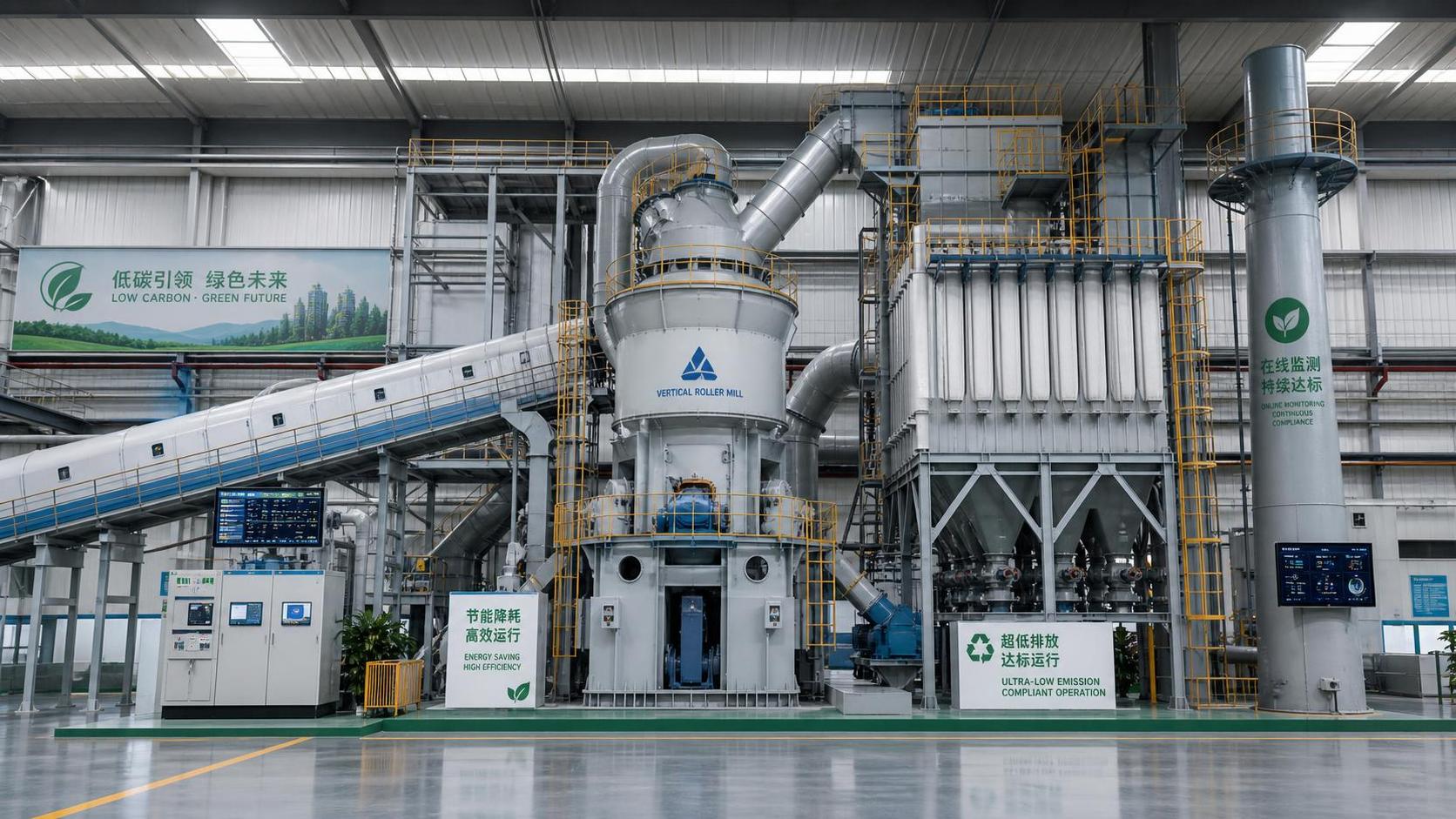
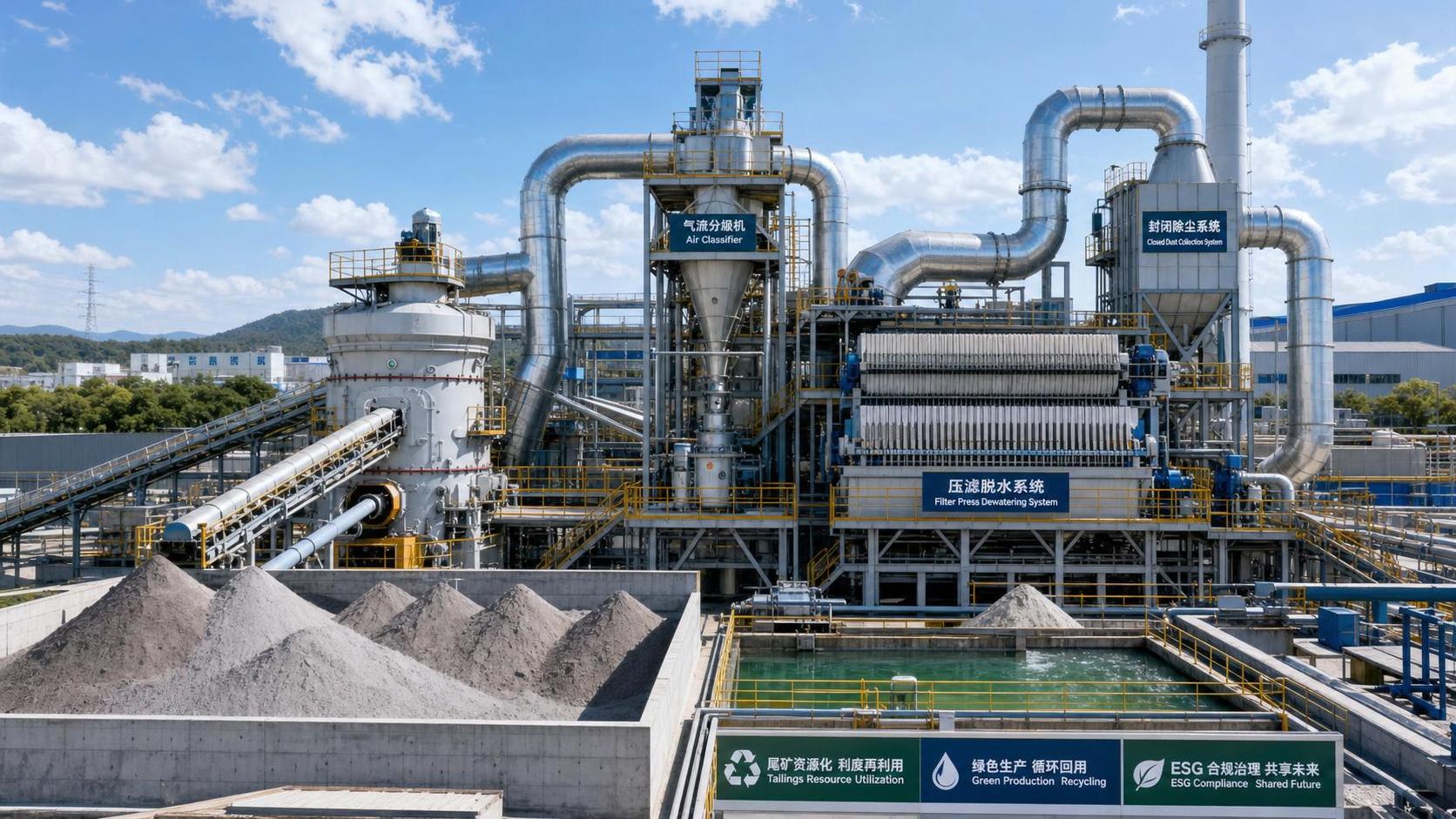
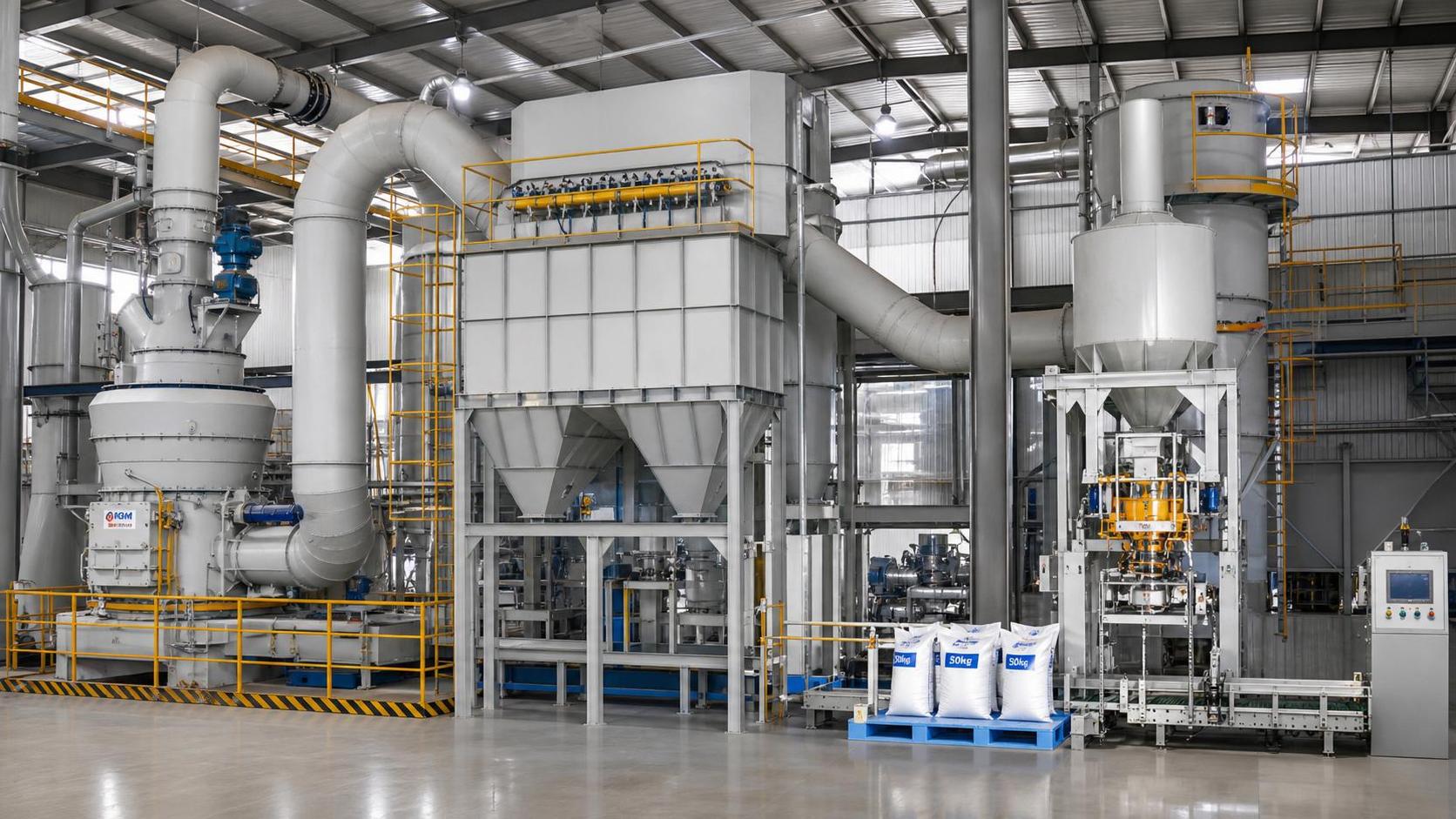
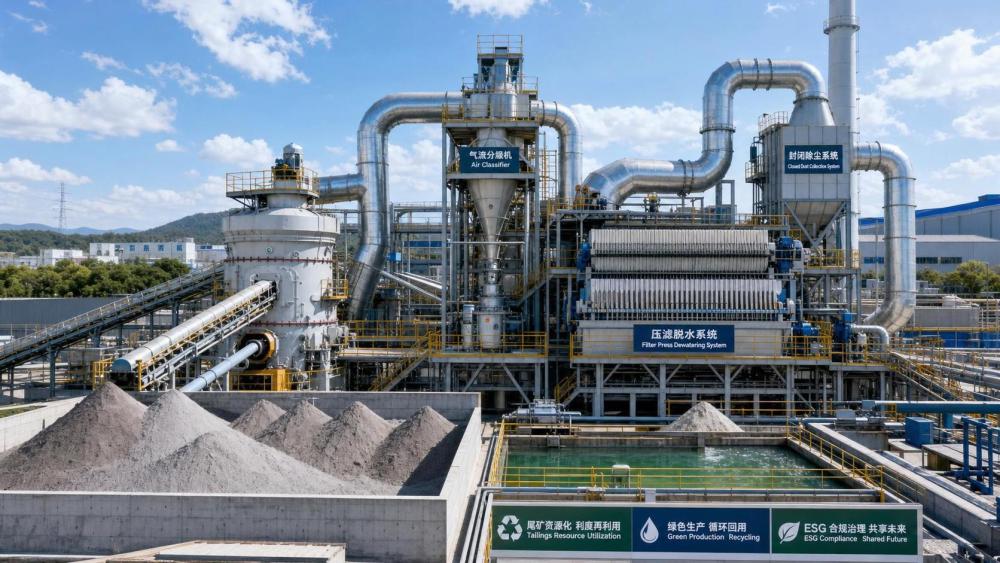
That is why equipment decisions increasingly involve vertical mills, high-pressure grinding systems, air classifiers, filter presses, thermal drying units, and closed-loop dust collection.
For building materials operations, the useful question is no longer only recovery rate.
The better question is whether recovered tailings can meet formulation needs without creating instability in strength, color, firing behavior, or finishing quality.
Demand Is Expanding Beyond Mining Sites
A notable development is where tailings recycling technology trends are creating demand.
The demand is no longer confined to tailings pond remediation or ore beneficiation upgrades.
It is moving into material substitution strategies across heavy building materials.
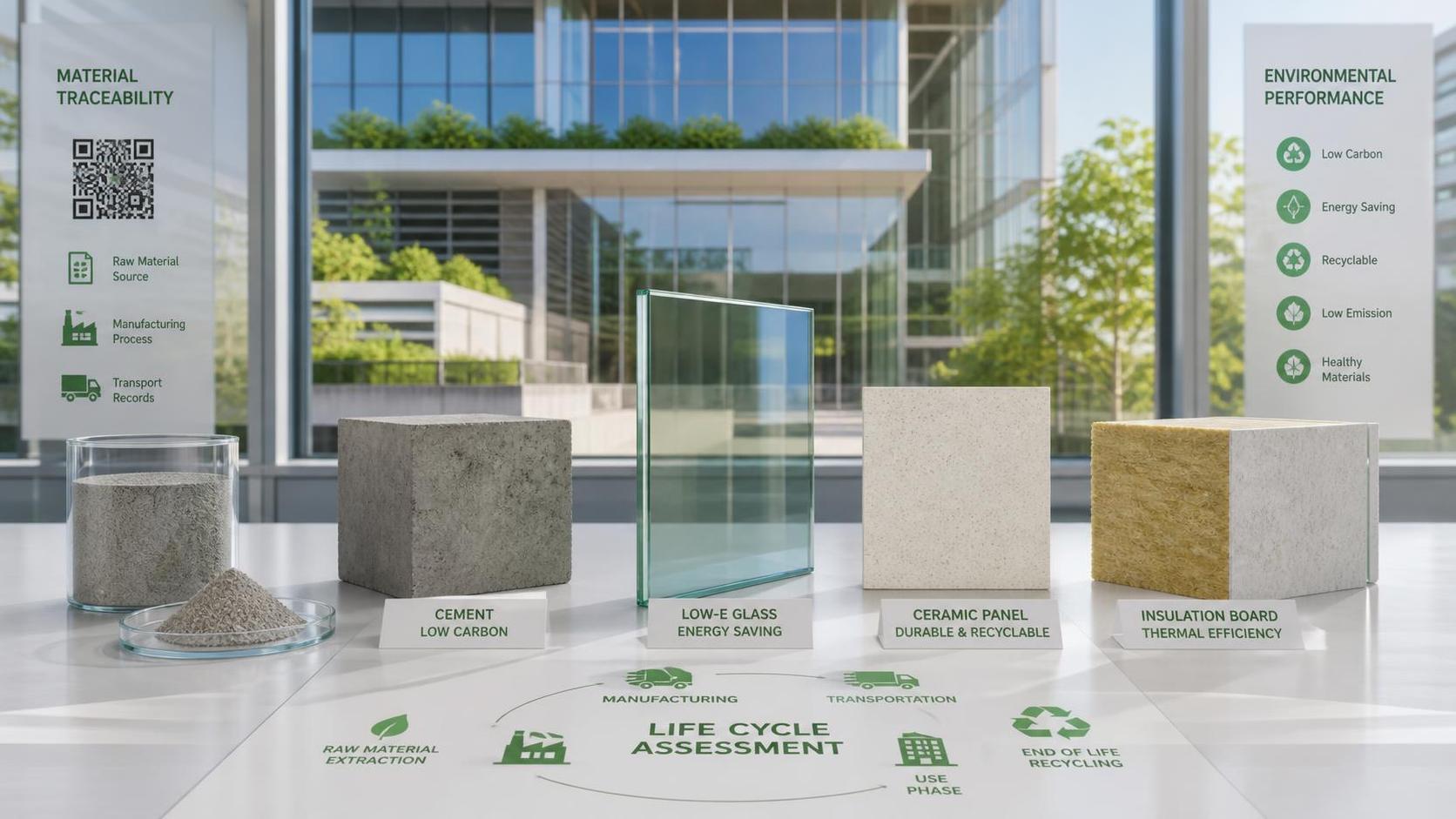
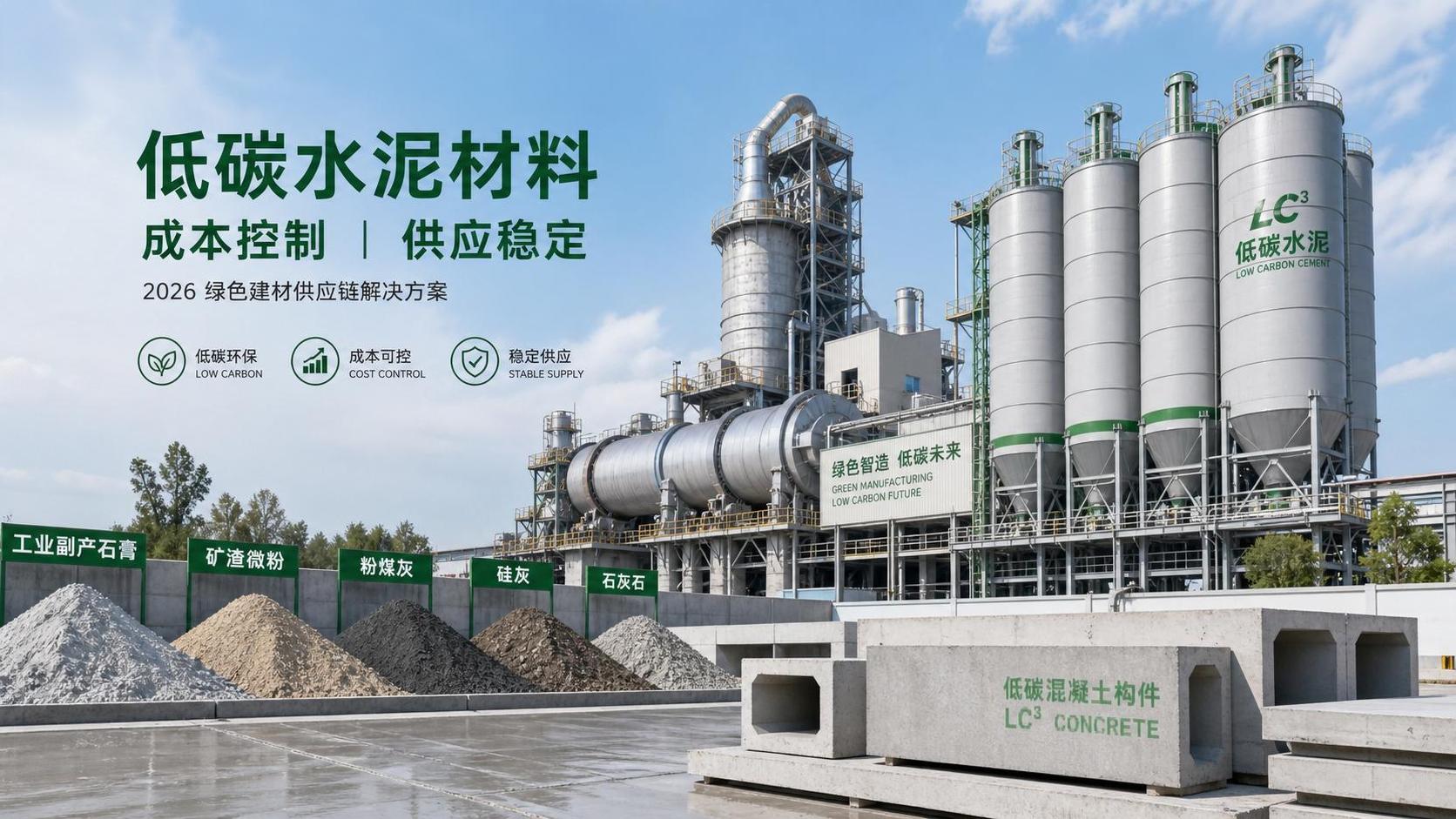
In cement systems, selected tailings can support clinker factor reduction or specialized blended products.
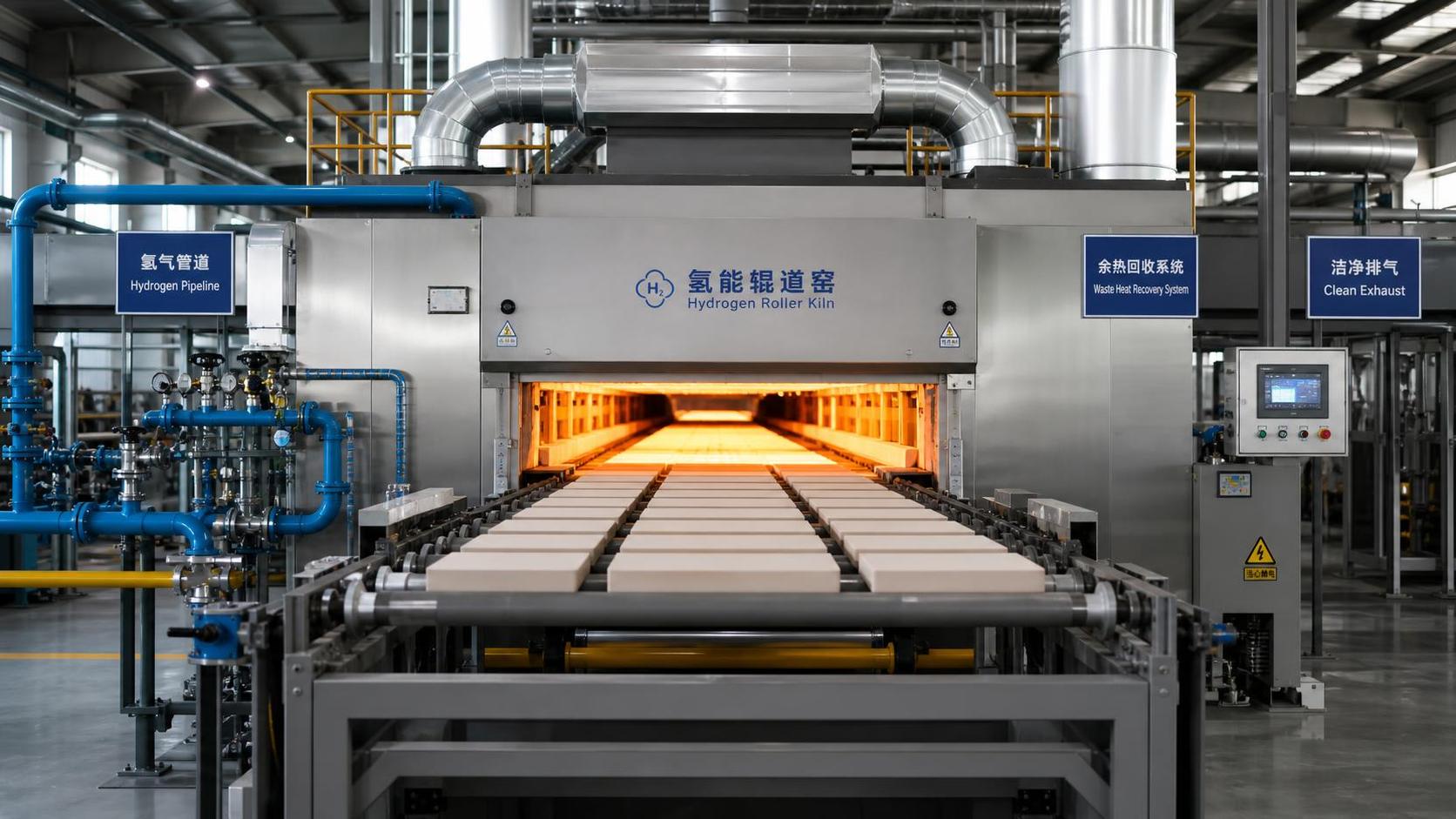
In ceramics and refractory production, mineral residues may offer usable silica, alumina, or filler fractions after proper conditioning.
In engineered stone and panel lines, recovered fines can support cost control if particle distribution is well managed.
Glass-related applications remain more selective, but pre-treatment and purity sorting are improving feasibility in adjacent feed systems.
This broader relevance explains why NMBS-style industrial intelligence is increasingly valuable.
The issue is not just whether a recovery technology exists.
It is whether it aligns with downstream process physics, carbon strategy, and tender expectations.
What is changing in project evaluation
Project reviews are becoming more cross-functional.
Recovered material value is being assessed alongside emissions intensity, water balance, filtration load, and automation compatibility.
That changes investment logic.
A technically successful line may still underperform if sampling, traceability, or environmental reporting are weak.
Compliance Is Becoming a Data Problem as Much as an Equipment Problem
One of the clearest tailings recycling technology trends is the rise of measurable compliance.
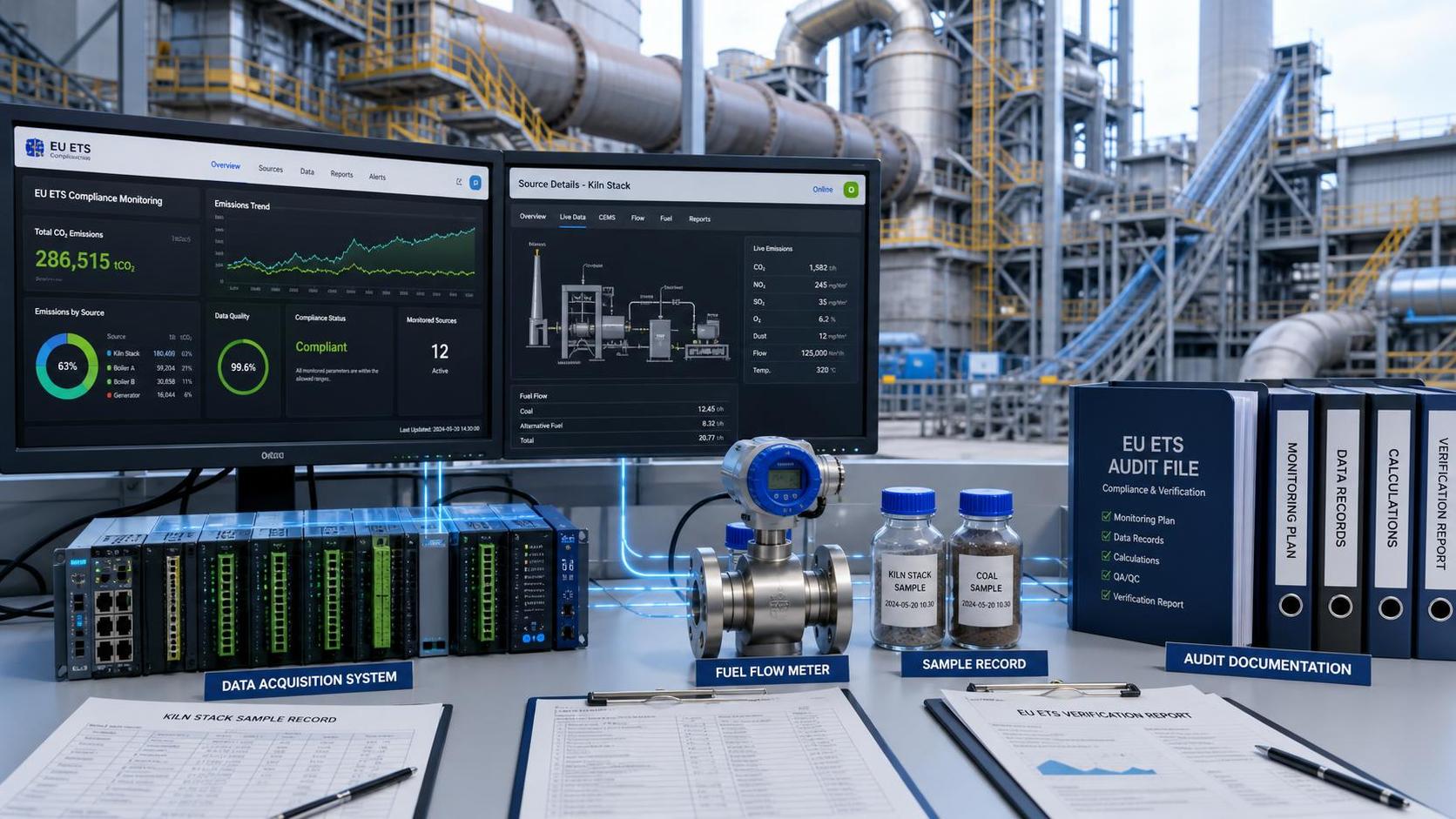
Regulators, lenders, and customers increasingly expect evidence, not general sustainability claims.
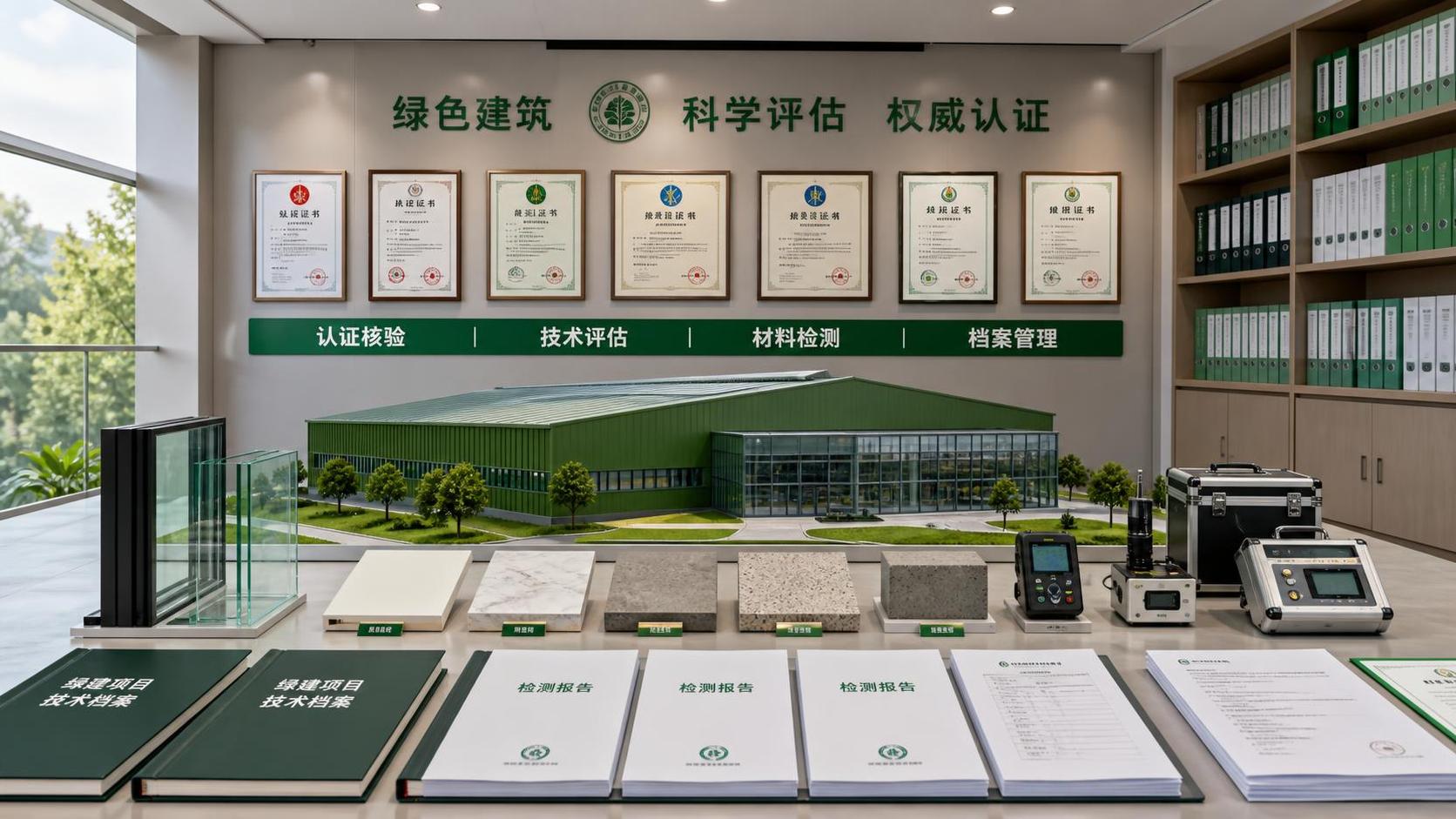
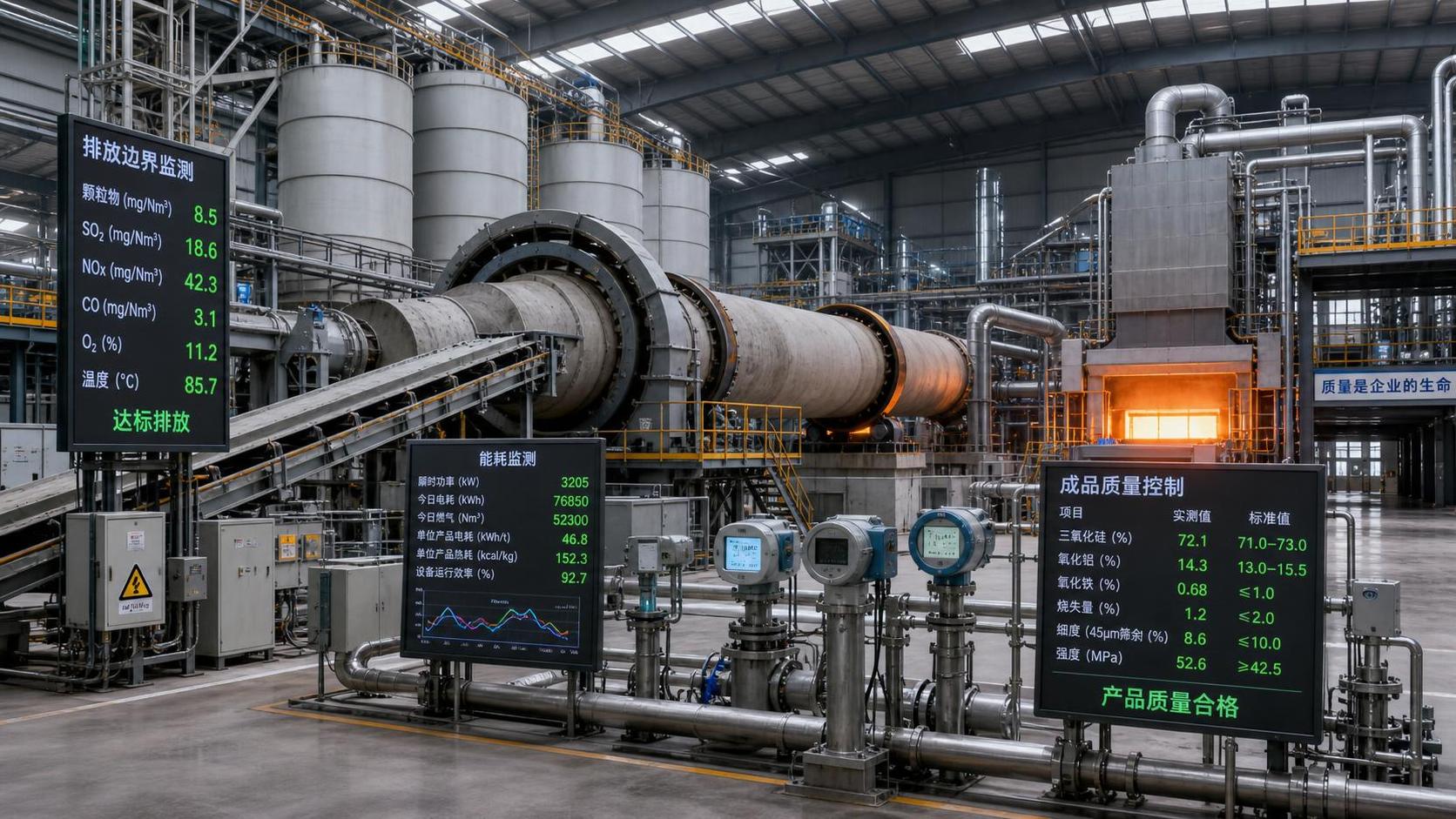
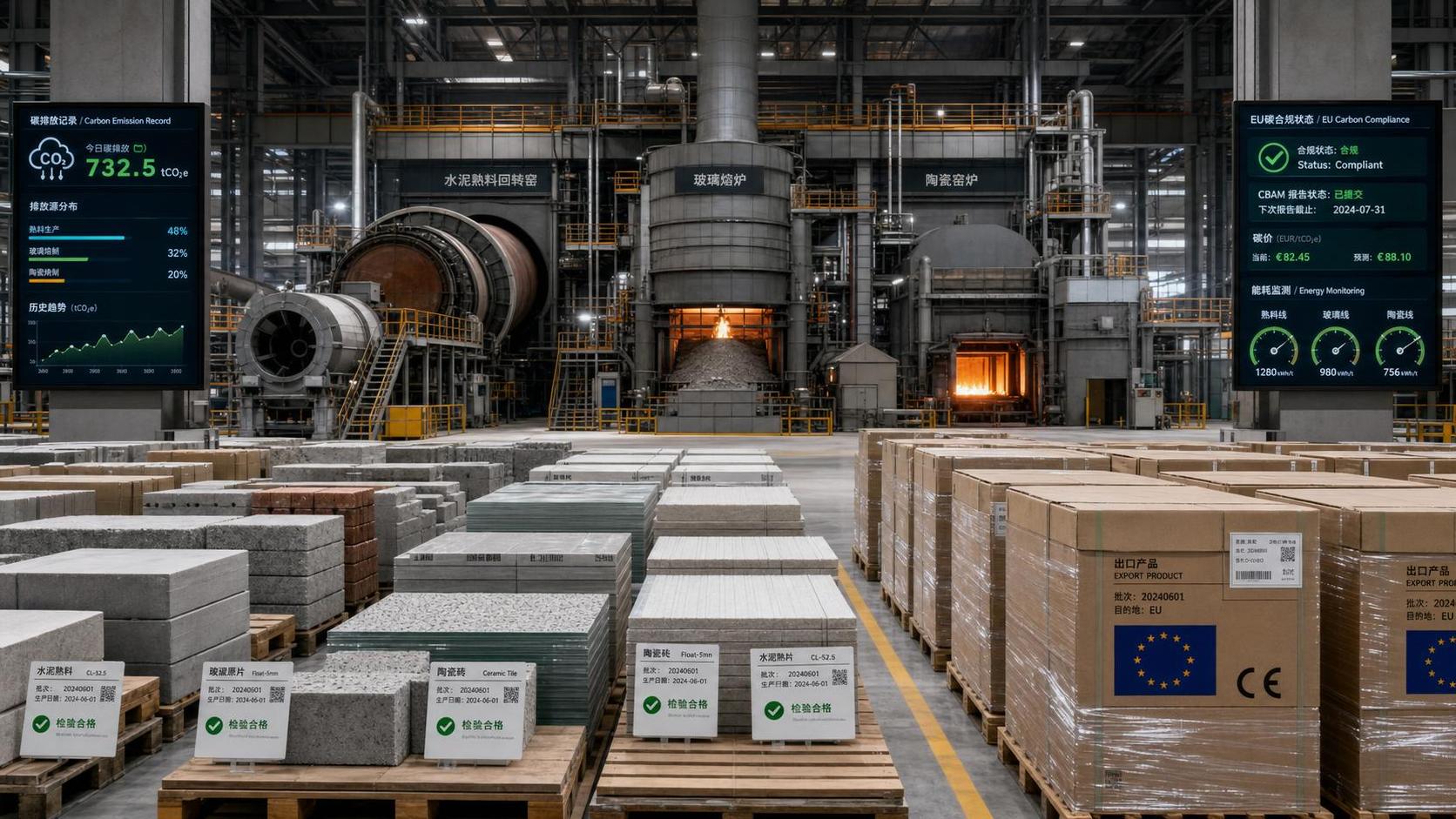
That pushes recycling projects toward sensor integration, automated sampling, moisture tracking, and digital material flow records.
This is especially relevant in process-heavy sectors where line interruptions are expensive.
If recycled tailings are introduced without reliable controls, quality drift can erase ESG gains through higher rejects and energy waste.
More advanced plants are therefore linking recovery systems with central control layers.
That includes feed consistency alarms, storage condition monitoring, filter cake moisture data, and batch traceability.
In practical terms, tailings recycling technology trends now favor solutions that can be audited as well as operated.
The Business Impact Reaches Cost, Risk, and Market Access at Once
It is tempting to view tailings recycling mainly as a waste reduction story.
That reading is too narrow.
The real impact is cumulative.
When executed well, tailings recycling technology trends can improve raw material resilience, reduce disposal liabilities, support carbon narratives, and strengthen bid competitiveness.
When executed poorly, they create unstable quality, hidden handling costs, and compliance exposure.
This is why many industrial groups are becoming more selective about the projects they approve.
- Short-cycle value comes from lower disposal cost and better use of on-site residues.
- Medium-term value comes from reduced dependence on volatile virgin inputs.
- Longer-term value comes from stronger ESG positioning in financing and export-oriented tenders.
That layered effect explains why tailings recycling technology trends are appearing in strategic planning, not just plant maintenance agendas.
What Deserves Attention Before the Next Investment Cycle
The most useful response in 2026 is disciplined screening, not broad enthusiasm.
Tailings differ widely in chemistry, moisture, fineness, contamination, and downstream suitability.
So the quality of judgment matters more than the volume of sustainability language around a project.
Three areas deserve close attention:
- Material fit: verify mineralogy, variability, and compatibility with target products before scaling equipment.
- System fit: assess grinding, drying, dust collection, thermal balance, and automation together.
- Compliance fit: confirm traceability, water recovery, emissions control, and reporting capability from the start.
From recent market behavior, projects with these three checks tend to move faster from pilot logic to operating reality.
They also produce clearer ROI discussions because technical and ESG assumptions are tested together.
The Next Moves Should Be Practical, Not Symbolic
By 2026, tailings recycling technology trends are defining a more disciplined industrial standard.
Waste is being reclassified as a process resource, but only where equipment, controls, and application logic can support that claim.
That is the point many sectors are now reaching.
The next step is to map recovery opportunities against real production lines, not abstract ESG targets.
Review which waste streams already have viable mineral value.
Compare process routes that affect moisture, fineness, impurity removal, and dust emissions.
Then build a staged plan around test data, compliance metrics, and downstream performance thresholds.
In markets where ESG compliance is becoming operational rather than declarative, that is where stronger competitiveness will come from.
Related News
- Can EU ETS compliance software reduce errors in emissions reporting?Author :Dr. Alaric Vance

- How to verify a green building certification agency before hiringAuthor :Dr. Alaric Vance

- What do BREEAM material standards require from construction products?Author :Dr. Alaric Vance

- When does a hydrogen fuel kiln reduce emissions in ceramic firing?Author :Dr. Alaric Vance

- What counts in carbon emissions reporting under today’s ESG rulesAuthor :Dr. Alaric Vance

- How to verify whether a green building certification company is credibleAuthor :Dr. Alaric Vance

- How to verify carbon compliance in building materials before project approvalAuthor :Dr. Alaric Vance

- ISO 50100:2026 Reshapes Decarbonization ComplianceAuthor :Dr. Alaric Vance

- How to Measure Building Material Emissions Reduction for ESG ReportingAuthor :Dr. Alaric Vance

- How to Evaluate EU ETS Compliance Software for Audit Readiness and Data AccuracyAuthor :Dr. Alaric Vance

- What Green Material Certification Means for ESG Compliance in ManufacturingAuthor :Dr. Alaric Vance

- How Green Building Material Manufacturing Supports ESG Compliance and Cost ControlAuthor :Dr. Alaric Vance

- EU Extends CBAM Transition, Adds August Carbon Filing RuleAuthor :Dr. Alaric Vance

- EU CBAM Phase Three Reaches Equipment ExportersAuthor :Dr. Alaric Vance

- EU Tightens CE-EPD Rules for Glass MachineryAuthor :Dr. Alaric Vance

- Low-Carbon Cement Production System: Cost, ROI, and Compliance BasicsAuthor :Dr. Alaric Vance

- EU Carbon Compliance Materials: 2026 Rule Changes That Affect SourcingAuthor :Dr. Alaric Vance

- Decarbonization in Building Materials: 5 Cost Drivers to Watch in 2026Author :Dr. Alaric Vance

- Tailings Recycling Technology Trends Shaping ESG Compliance in 2026Author :Dr. Alaric Vance

- Green Building Certification Criteria That Matter in Material SelectionAuthor :Dr. Alaric Vance

- EU Carbon Compliance Materials: Key Rules and Cost Risks in 2026Author :Dr. Alaric Vance

- Tailings Recycling China: Policy and Project Outlook 2026Author :Dr. Alaric Vance

- EU Sets CBAM Trial Rules for Glass and CeramicsAuthor :Dr. Alaric Vance

- Carbon Reduction Roadmap: 5 Cost Levers That Matter in 2026Author :Dr. Alaric Vance

- EU CBAM Extends to Glass and Ceramics in 2026Author :Dr. Alaric Vance

- Green Building Certification Rating: What Changes Project Value in 2026Author :Dr. Alaric Vance

- Cement Dust Emission Control Options Under New ESG Compliance PressureAuthor :Dr. Alaric Vance

- Industrial Dust Emission Control for Material Handling Compliance GuideAuthor :Dr. Alaric Vance

- EU CBAM Extends to Glass and Ceramic EquipmentAuthor :Dr. Alaric Vance

- Cement Plant Dust Control Options Compared for Compliance and Operating CostAuthor :Dr. Alaric Vance

- Low-Carbon Cement Materials in 2026: Cost, Carbon Rules, and Supply RisksAuthor :Dr. Alaric Vance

- Fly Ash Cement Applications: Best Uses and Performance LimitsAuthor :Dr. Alaric Vance

- Dust Free Production: Key Process Controls That Actually WorkAuthor :Dr. Alaric Vance

- EU REACH Update Raises Export Compliance Bar for Glass and Quartz LinesAuthor :Dr. Alaric Vance

- EU CBAM Guidance Brings Grid Carbon Factors Into Export FilingsAuthor :Dr. Alaric Vance

- Carbon Reduction in Cement Plants: Practical Routes and Trade-OffsAuthor :Dr. Alaric Vance