



Search News
Industry Portal
Popular Tags
All categories
EU CBAM Extends to Glass and Ceramics in 2026




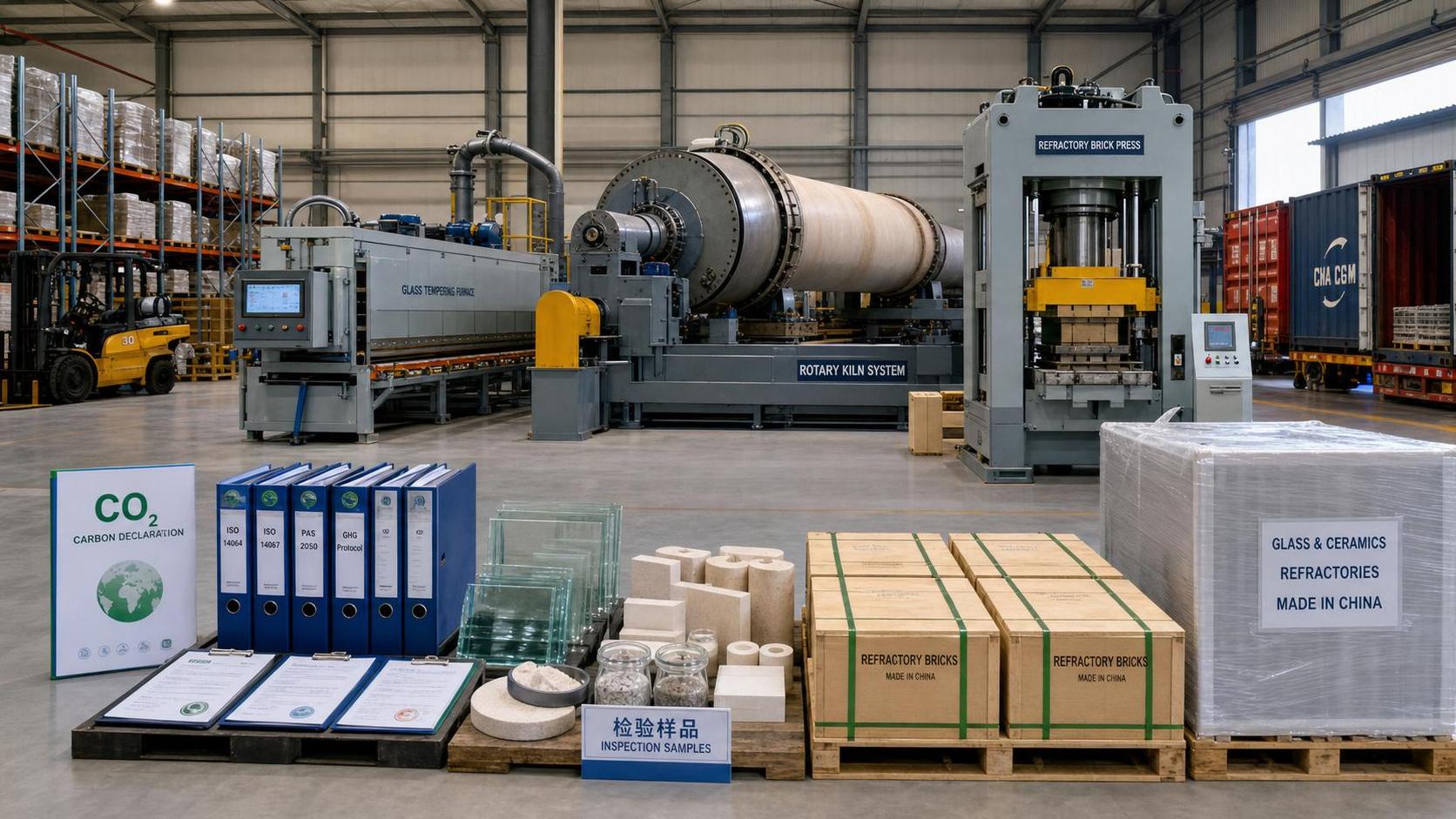
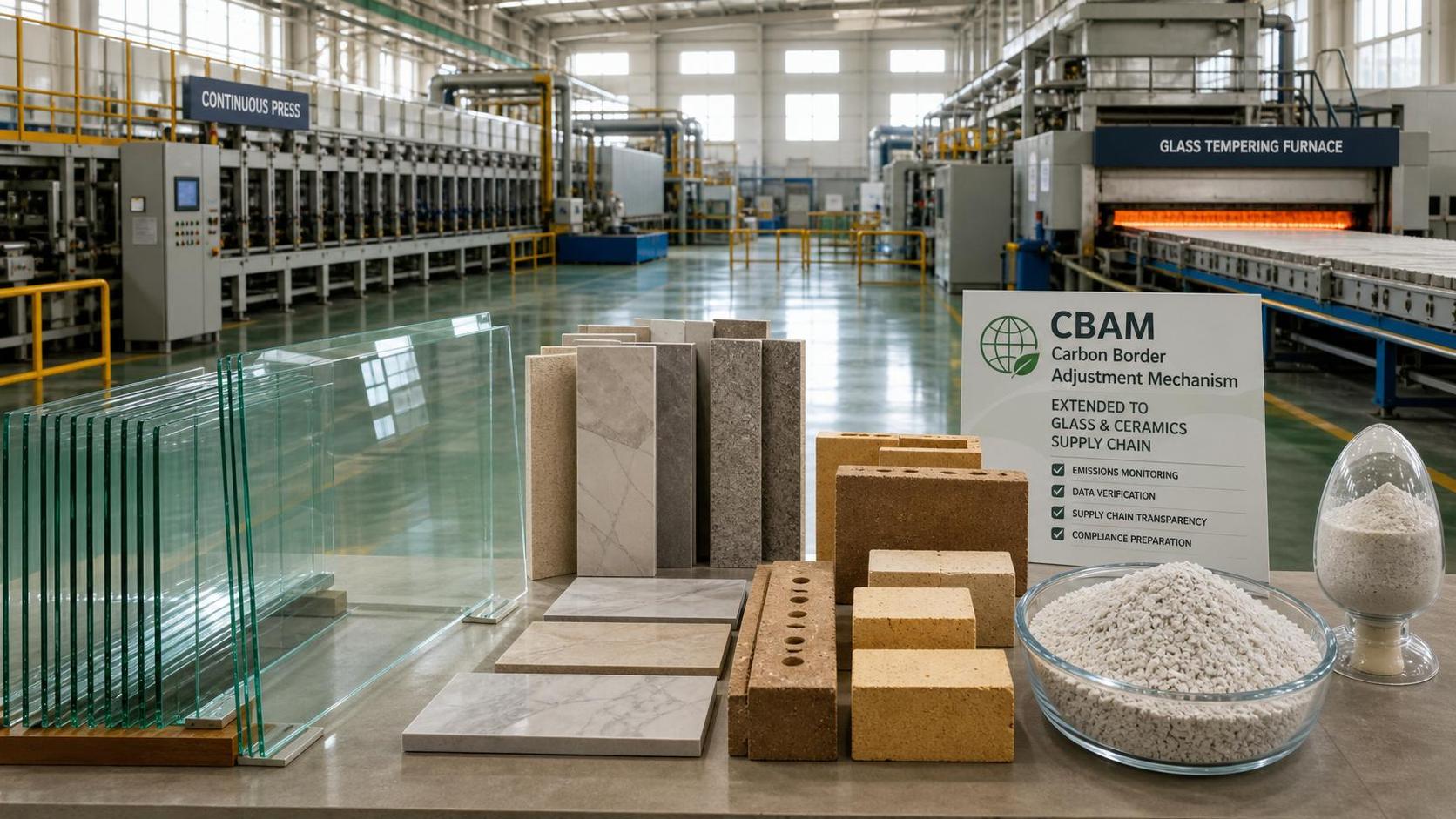
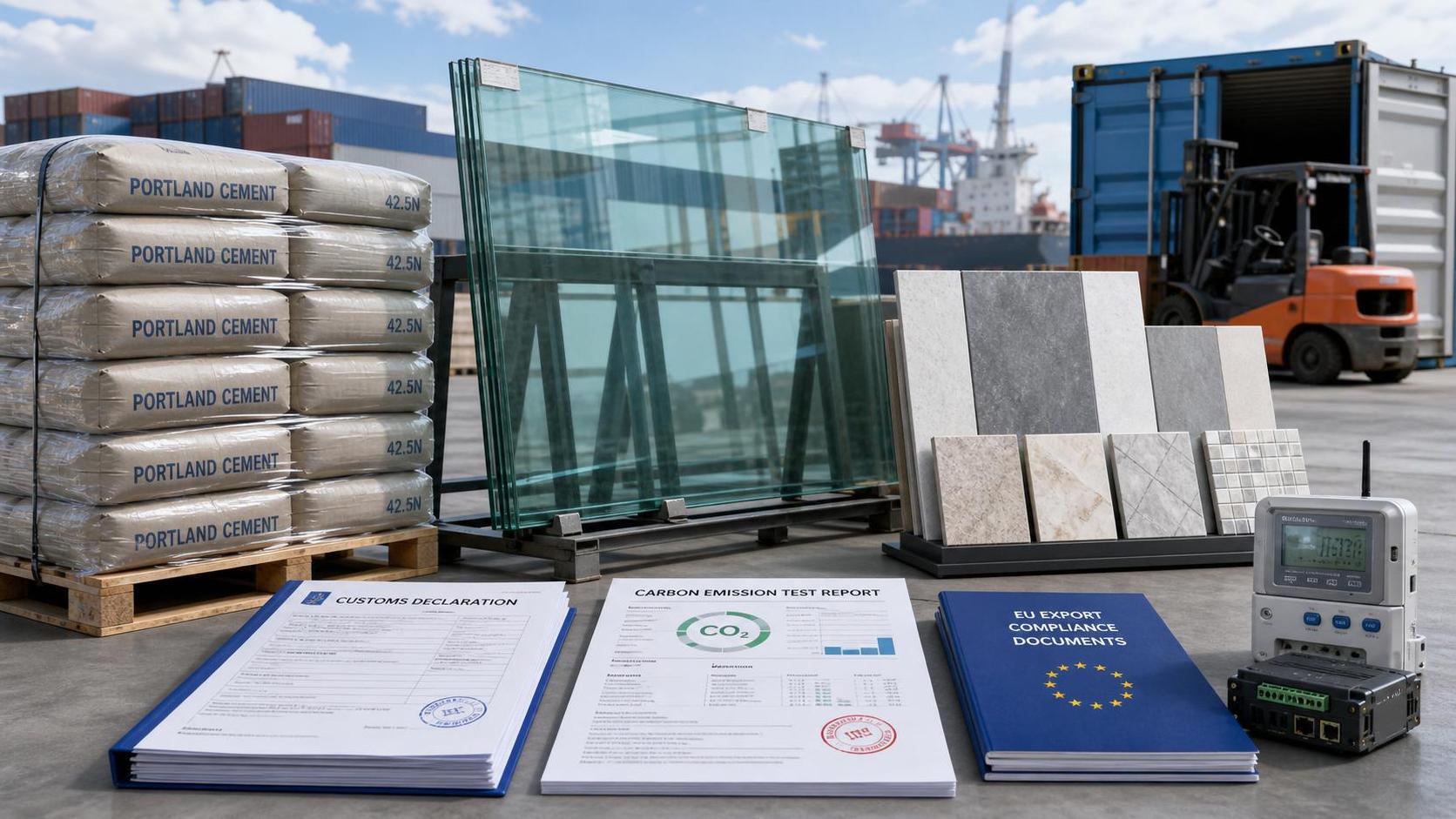
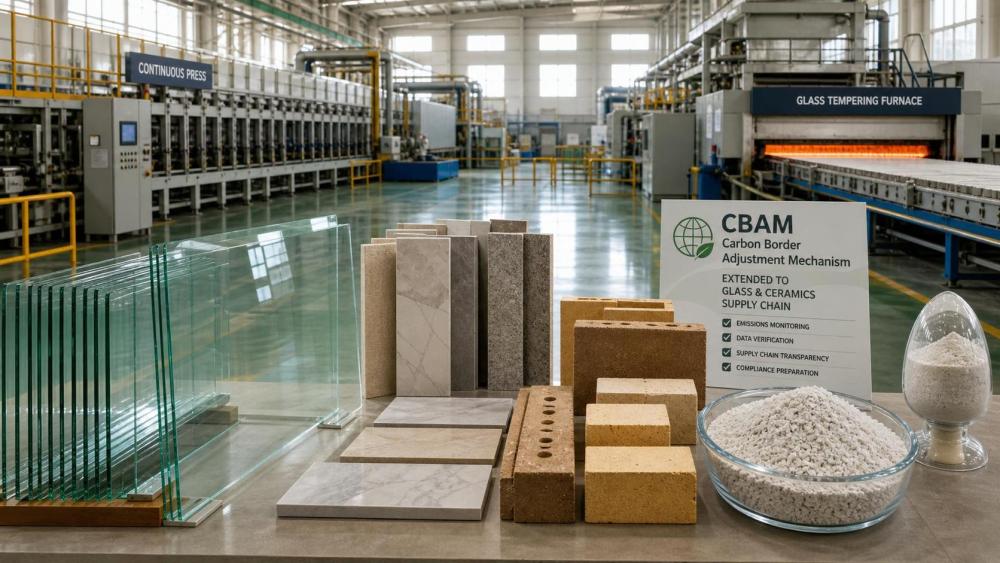
On July 3, 2026, the European Commission released a revised set of CBAM implementing rules that broadens coverage beyond steel and cement to include flat glass, construction ceramics, refractory bricks, and certain raw materials tied to quartz stone press systems, including kaolin, silica sand, and alumina powder. With trial implementation set to start in October 2026, this update is relevant not only to importers but also to suppliers, equipment-related project participants, and end users connected to Flat/Bent Glass Tempering Furnaces, Refractory Brick Presses, Continuous Panel Presses, and Quartz Stone Press Lines, because compliance costs and documentation requirements are moving closer to day-to-day commercial execution.
What the revised rules now cover
According to the information provided, the European Commission formally issued the revised CBAM implementing rules on July 3, 2026. The revision brings flat glass, building ceramics, refractory bricks, and raw materials involved in quartz stone press systems into the scope of the carbon border adjustment mechanism for the first time.
The raw materials specifically referenced include kaolin, silica sand, and alumina powder. The stated start point for trial operation is October 2026.
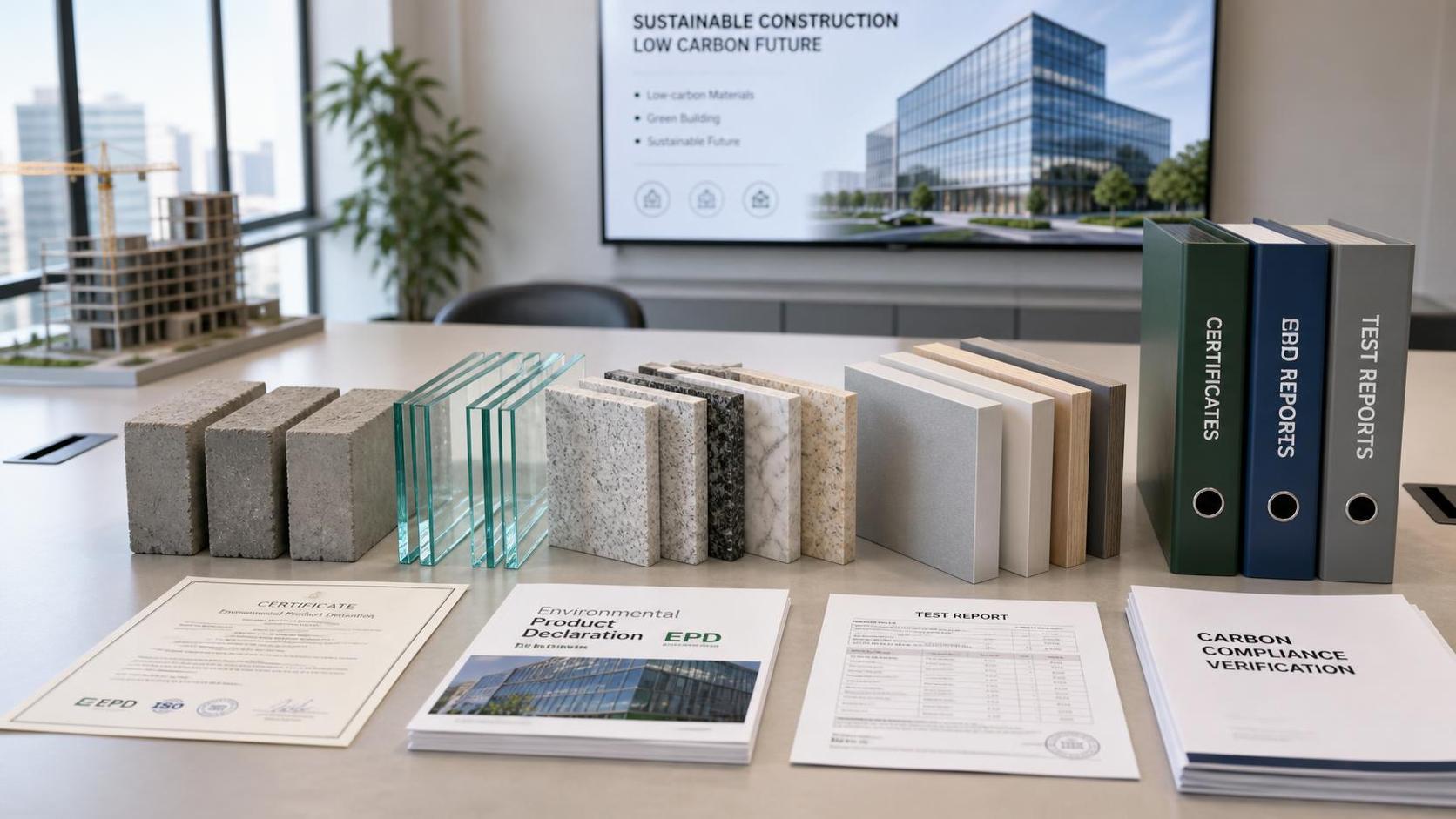
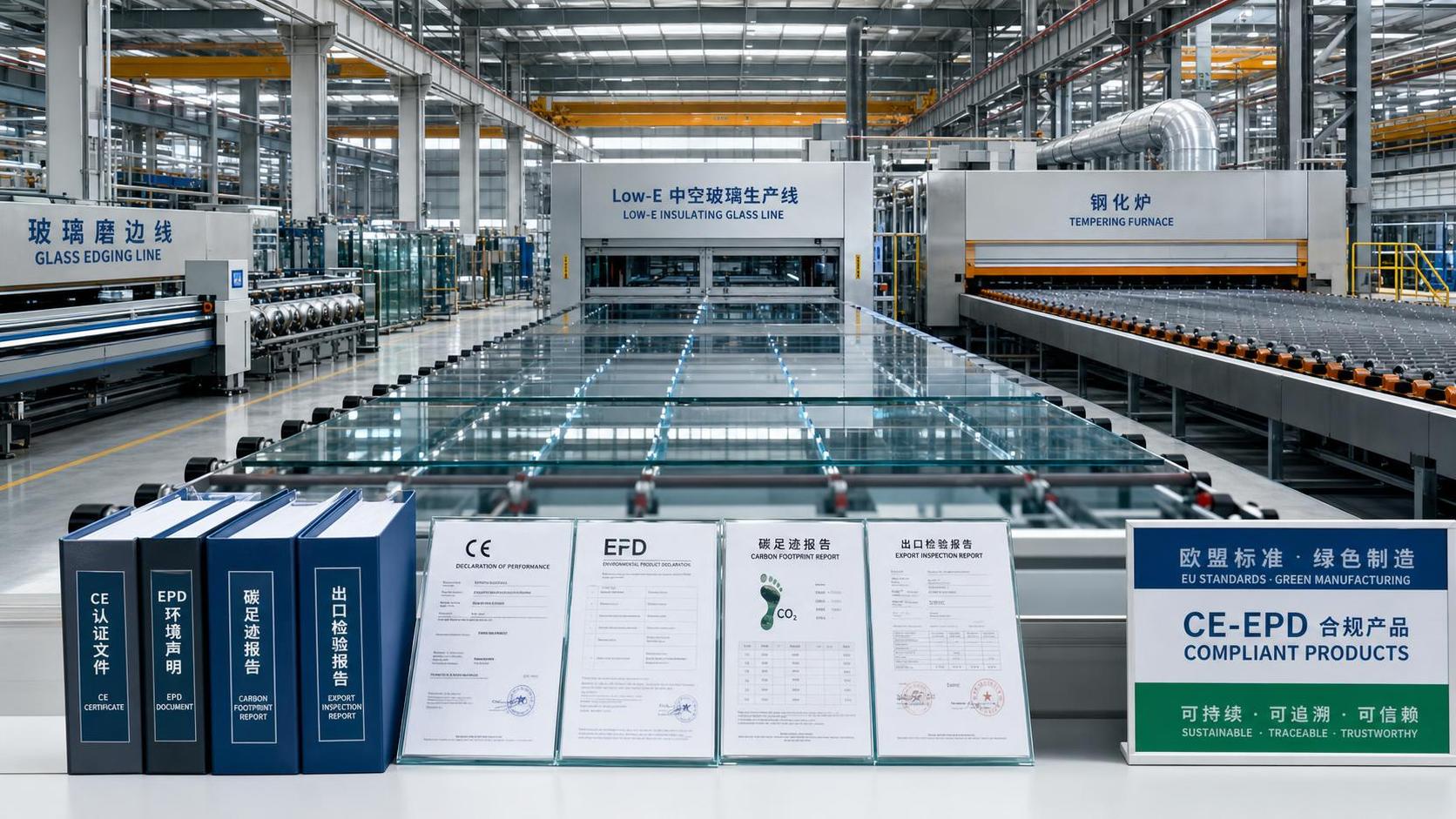
The information provided also states that this adjustment directly affects the compliance costs borne by end users linked to Chinese exports of Flat/Bent Glass Tempering Furnaces, Refractory Brick Presses, Continuous Panel Presses, and Quartz Stone Press Lines. Importers are expected to secure supplier EPDs and LCA data in advance in order to complete CBAM declarations.
Where the pressure is likely to appear first
Import-side filing shifts from policy awareness to document readiness
From an industry perspective, importers are among the first parties likely to feel the operational impact because CBAM reporting depends on supplier-side environmental documentation. The immediate issue is not only whether goods fall within scope, but whether supporting EPD and LCA materials can be obtained in time and aligned with declaration needs.
Suppliers of covered materials face new information requests
Analysis shows that suppliers connected to flat glass, construction ceramics, refractory products, and the named raw materials may face growing pressure from customers for standardized emissions-related documentation. The impact is likely to show up in quotation review, order confirmation, and pre-shipment coordination rather than in product movement alone.
Equipment-linked projects may see cost discussions move downstream
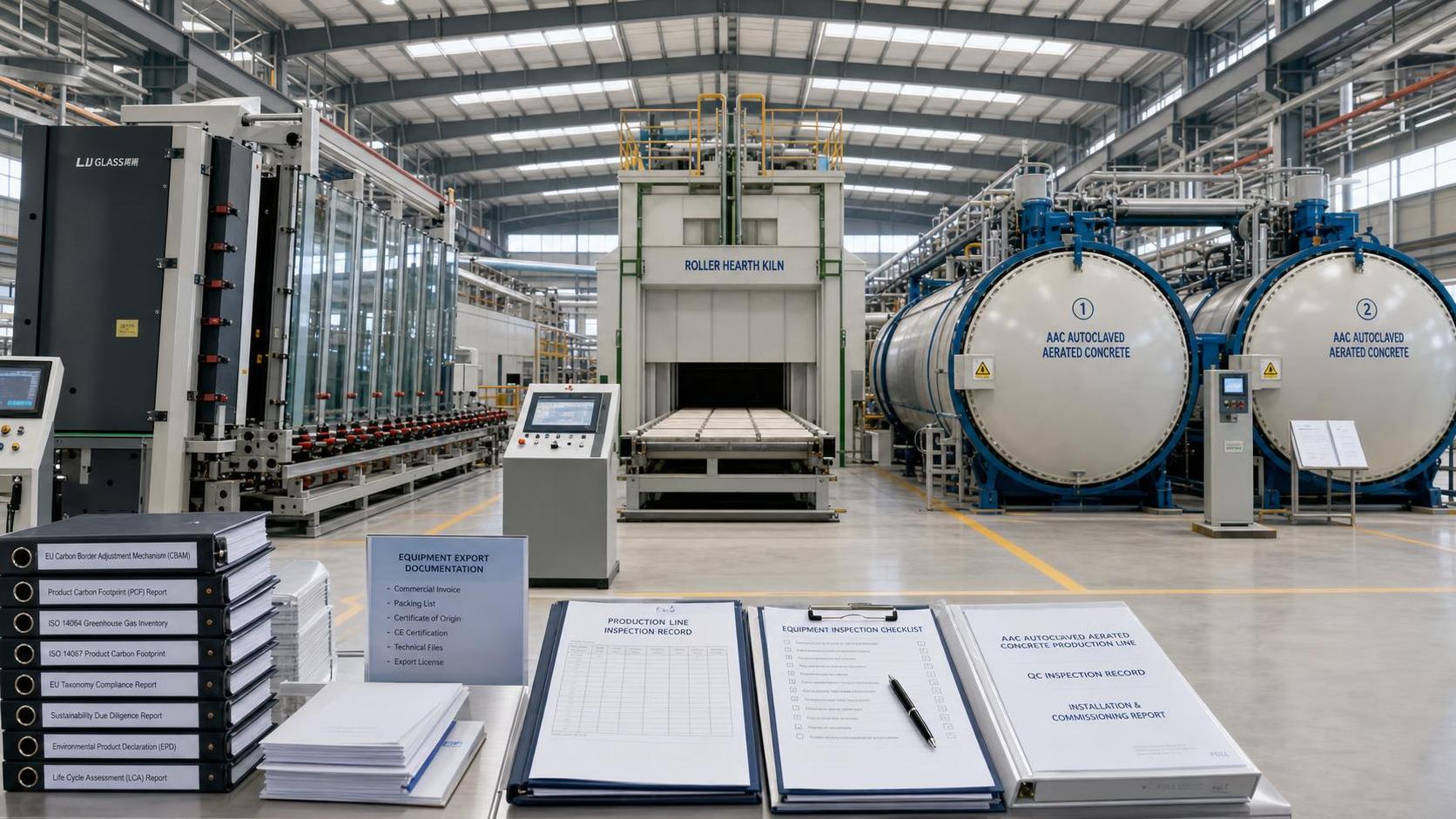
What deserves closer attention is the link between covered materials and equipment end users. For projects involving Flat/Bent Glass Tempering Furnaces, Refractory Brick Presses, Continuous Panel Presses, and Quartz Stone Press Lines, the compliance burden described in the provided information sits closer to the operating and procurement side of the project. That means commercial discussions may increasingly include not just equipment terms, but also the carbon-related paperwork behind materials and inputs tied to production.
Practical issues companies should watch now
Check which product and material descriptions trigger follow-up work
Analysis shows that businesses should first focus on whether their traded goods, supplied materials, or project inputs connect to the newly named categories. The practical issue is product mapping: once a transaction touches flat glass, construction ceramics, refractory bricks, or the listed raw materials, CBAM-related review may move from a legal topic into a transaction-level task.
Prepare EPD and LCA collection earlier in the sales cycle
The provided information makes clear that importers need supplier EPDs and LCA data in advance. In practice, that means companies may need to move document collection forward rather than waiting until shipment or customs-stage preparation. For businesses working across multiple suppliers, consistency and completeness of those documents are likely to matter as much as availability.
Separate policy wording from execution at customer level
Observably, the policy signal and the actual burden on business do not land in the same place at the same time. The rules describe scope, but the commercial effect may emerge through customer inquiries, contract clarification, procurement screening, and requests for supporting files. Companies involved in export-oriented equipment or material supply should watch how counterparties translate the rule change into documentary and timing requirements.
Review delivery schedules and communication responsibilities
Where cross-border supply is involved, another point to monitor is who is responsible for gathering, validating, and submitting emissions-related information. Analysis shows that this can affect delivery coordination, supplier communication, and pre-delivery checks, especially where multiple parties contribute materials or process stages connected to the final declaration.
Why this looks like more than a one-off category update
This section is an editorial observation. It is more appropriate to understand this development as a policy signal with immediate procedural consequences, rather than as a fully settled end state for the affected industries. The confirmed facts already point to a broader compliance perimeter, but the exact commercial impact will depend on how importers, suppliers, and project participants implement documentation and reporting in practice.
From an industry perspective, the notable point is that the change does not stay confined to headline product groups. It reaches into upstream raw materials and into equipment-related application scenarios through end-user compliance costs. That makes the update relevant across several points of the supply chain, even where the exported item itself is not the final regulated good in a simple sense.
How this update is best understood for now
At this stage, the most balanced reading is that the revised CBAM rules create a near-term compliance preparation issue and a longer-term monitoring signal for companies tied to glass, ceramics, refractory materials, and related project equipment. The confirmed change is real and time-bound, with trial operation starting in October 2026, but the full business effect still depends on how documentation, procurement practice, and importer requirements develop after rollout.
For industry participants, the immediate takeaway is not to overstate the outcome, but also not to treat it as a distant policy headline. The closer question is whether current supplier data, customer communication, and transaction processes are ready for CBAM-linked filing needs.
Basis of this article and what still needs verification
This article is based on the user-provided news title, event date, and event summary. It has been written from those confirmed inputs only.
For this type of industry update, relevant source categories typically include official announcements, company disclosures, industry association releases, authoritative media reporting, and standards or compliance documents. A specific official source link was not provided in the input, so the precise underlying publication path still requires ongoing verification.
Further follow-up should focus on any later official clarifications to the revised implementing rules, category interpretation in actual declaration work, and how EPD and LCA documentation requirements are applied in importer-side execution.
Related News
- Can EU ETS compliance software reduce errors in emissions reporting?Author :Dr. Alaric Vance

- How to verify a green building certification agency before hiringAuthor :Dr. Alaric Vance

- What do BREEAM material standards require from construction products?Author :Dr. Alaric Vance

- When does a hydrogen fuel kiln reduce emissions in ceramic firing?Author :Dr. Alaric Vance

- What counts in carbon emissions reporting under today’s ESG rulesAuthor :Dr. Alaric Vance

- How to verify whether a green building certification company is credibleAuthor :Dr. Alaric Vance

- How to verify carbon compliance in building materials before project approvalAuthor :Dr. Alaric Vance

- ISO 50100:2026 Reshapes Decarbonization ComplianceAuthor :Dr. Alaric Vance

- How to Measure Building Material Emissions Reduction for ESG ReportingAuthor :Dr. Alaric Vance

- How to Evaluate EU ETS Compliance Software for Audit Readiness and Data AccuracyAuthor :Dr. Alaric Vance

- What Green Material Certification Means for ESG Compliance in ManufacturingAuthor :Dr. Alaric Vance

- How Green Building Material Manufacturing Supports ESG Compliance and Cost ControlAuthor :Dr. Alaric Vance

- EU Extends CBAM Transition, Adds August Carbon Filing RuleAuthor :Dr. Alaric Vance

- EU CBAM Phase Three Reaches Equipment ExportersAuthor :Dr. Alaric Vance

- EU Tightens CE-EPD Rules for Glass MachineryAuthor :Dr. Alaric Vance

- Low-Carbon Cement Production System: Cost, ROI, and Compliance BasicsAuthor :Dr. Alaric Vance

- EU Carbon Compliance Materials: 2026 Rule Changes That Affect SourcingAuthor :Dr. Alaric Vance

- Decarbonization in Building Materials: 5 Cost Drivers to Watch in 2026Author :Dr. Alaric Vance

- Tailings Recycling Technology Trends Shaping ESG Compliance in 2026Author :Dr. Alaric Vance

- Green Building Certification Criteria That Matter in Material SelectionAuthor :Dr. Alaric Vance

- EU Carbon Compliance Materials: Key Rules and Cost Risks in 2026Author :Dr. Alaric Vance

- Tailings Recycling China: Policy and Project Outlook 2026Author :Dr. Alaric Vance

- EU Sets CBAM Trial Rules for Glass and CeramicsAuthor :Dr. Alaric Vance

- Carbon Reduction Roadmap: 5 Cost Levers That Matter in 2026Author :Dr. Alaric Vance

- EU CBAM Extends to Glass and Ceramics in 2026Author :Dr. Alaric Vance

- Green Building Certification Rating: What Changes Project Value in 2026Author :Dr. Alaric Vance

- Cement Dust Emission Control Options Under New ESG Compliance PressureAuthor :Dr. Alaric Vance

- Industrial Dust Emission Control for Material Handling Compliance GuideAuthor :Dr. Alaric Vance

- EU CBAM Extends to Glass and Ceramic EquipmentAuthor :Dr. Alaric Vance

- Cement Plant Dust Control Options Compared for Compliance and Operating CostAuthor :Dr. Alaric Vance

- Low-Carbon Cement Materials in 2026: Cost, Carbon Rules, and Supply RisksAuthor :Dr. Alaric Vance

- Fly Ash Cement Applications: Best Uses and Performance LimitsAuthor :Dr. Alaric Vance

- Dust Free Production: Key Process Controls That Actually WorkAuthor :Dr. Alaric Vance

- EU REACH Update Raises Export Compliance Bar for Glass and Quartz LinesAuthor :Dr. Alaric Vance

- EU CBAM Guidance Brings Grid Carbon Factors Into Export FilingsAuthor :Dr. Alaric Vance

- Carbon Reduction in Cement Plants: Practical Routes and Trade-OffsAuthor :Dr. Alaric Vance