



Search News
Industry Portal
Popular Tags
All categories
Green Building Certification Criteria That Matter in Material Selection




Material selection is no longer judged only by strength, appearance, or installed cost.
In current projects, green building certification criteria shape how materials are screened, documented, and approved.
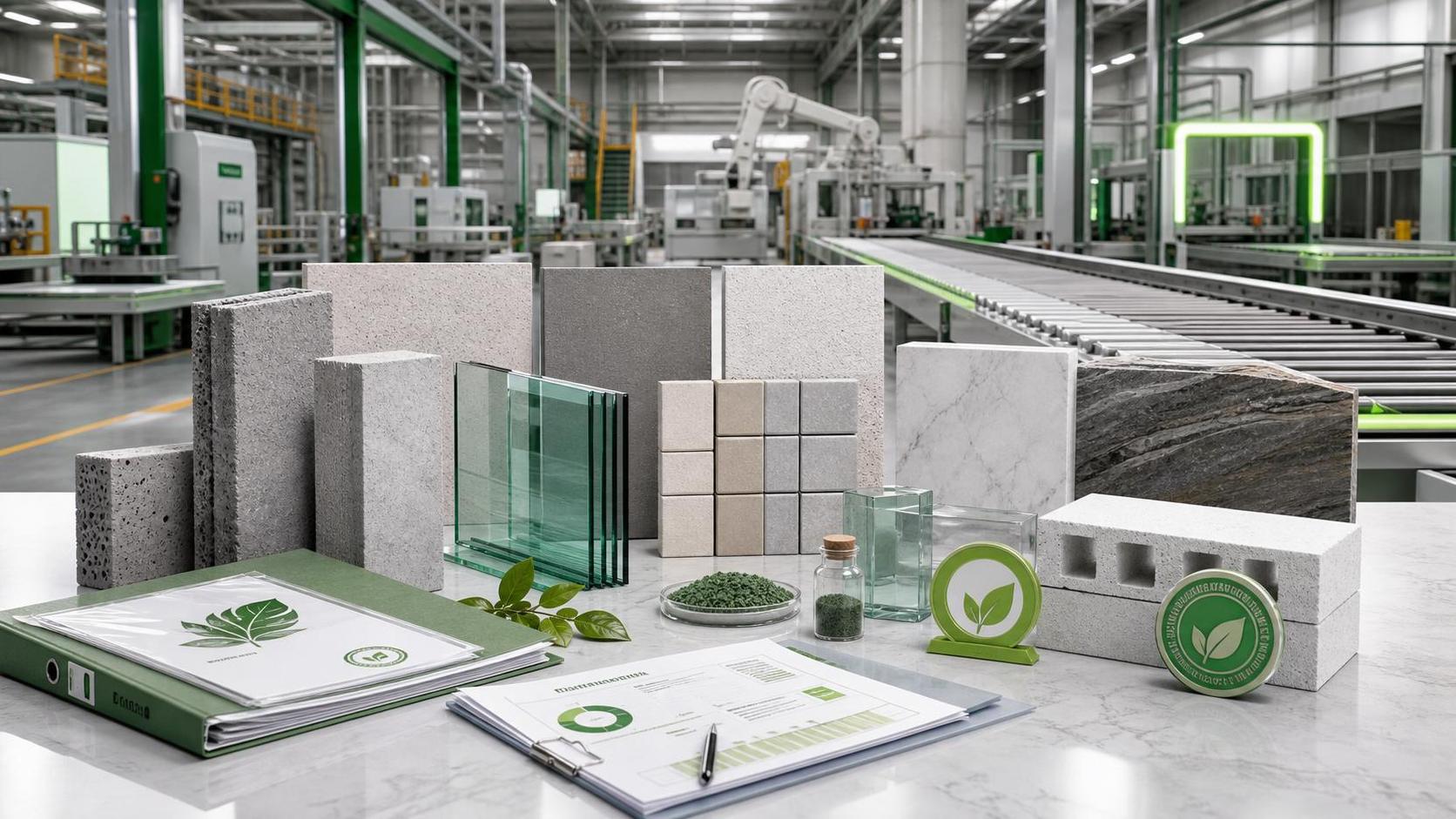
That shift matters across cement, glass, ceramics, AAC, stone, and engineered mineral products.
A material may perform well physically, yet still create risk if emissions data, recycled content evidence, or lifecycle records are weak.
For industrial building systems, the real task is practical: identify which certification factors affect selection decisions, supplier comparison, and compliance outcomes.
Why certification criteria now influence material choices
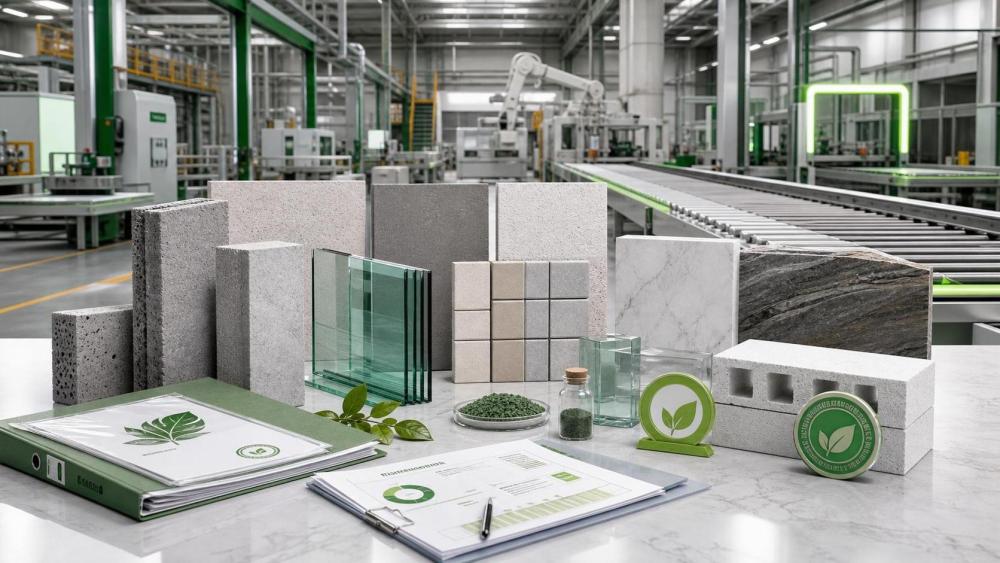
Green building standards have moved from optional branding tools to active procurement filters.
Developers, EPC teams, and investors increasingly need traceable proof, not broad sustainability claims.
This is especially visible in energy-intensive material chains.
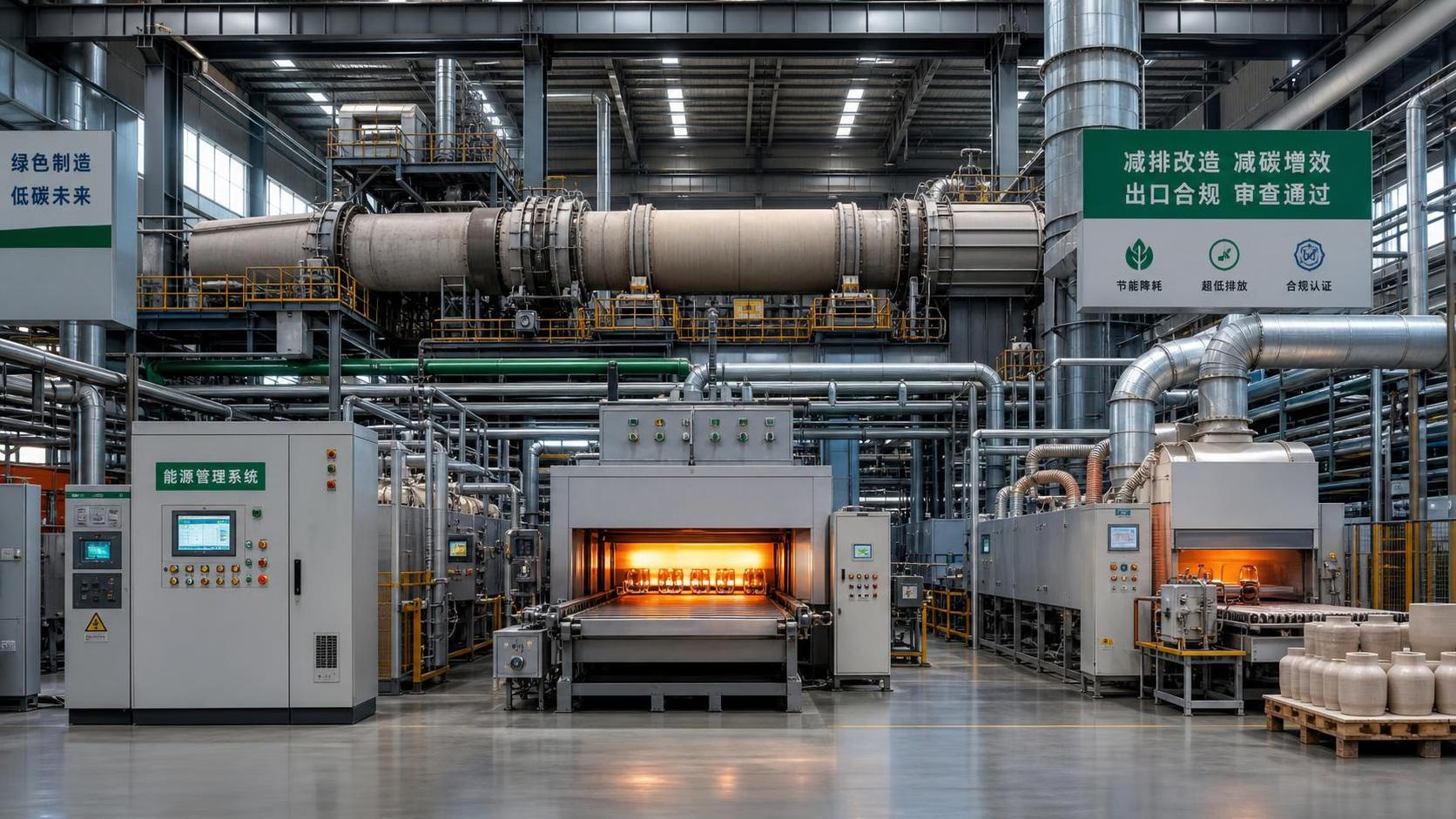
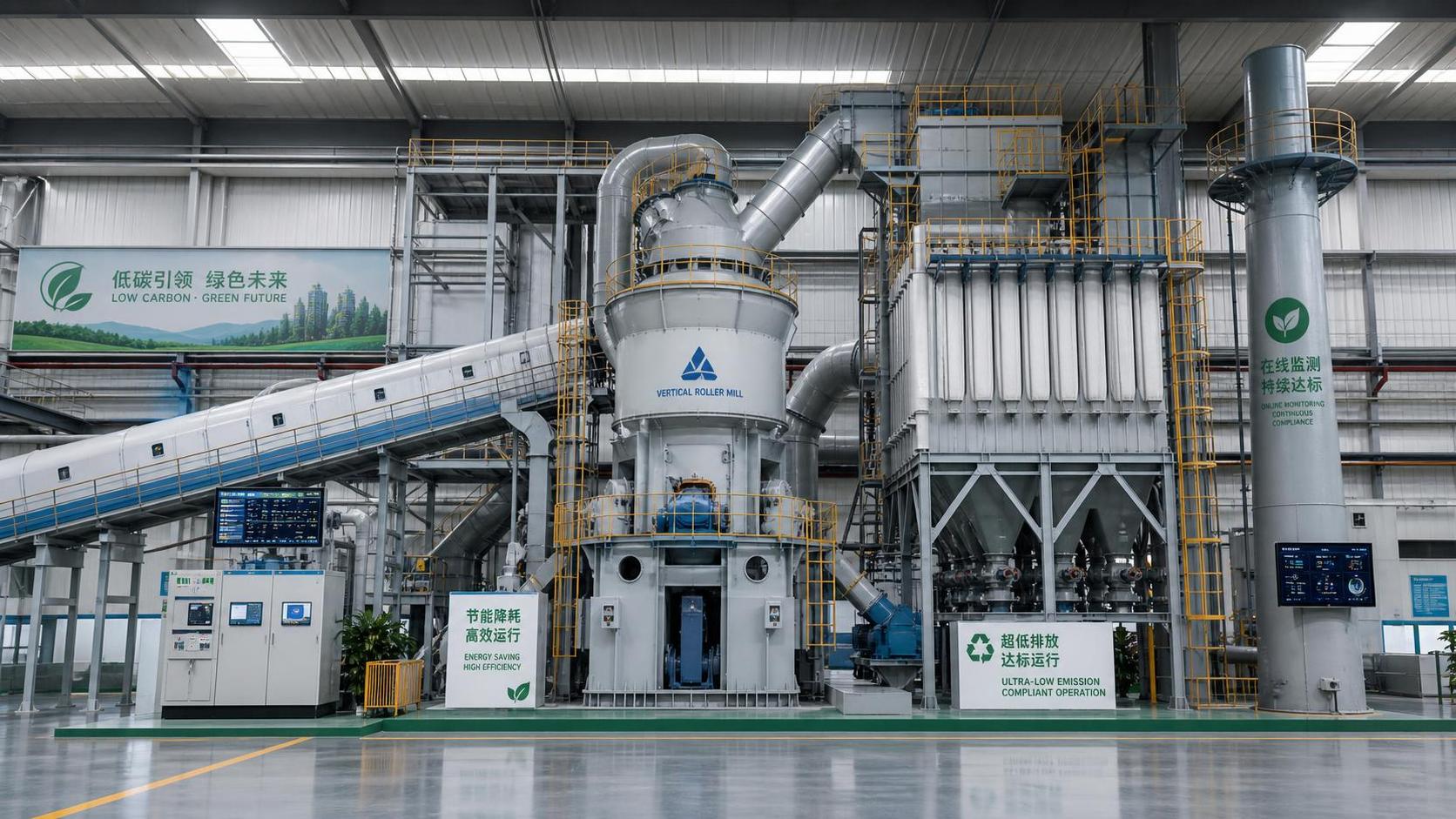
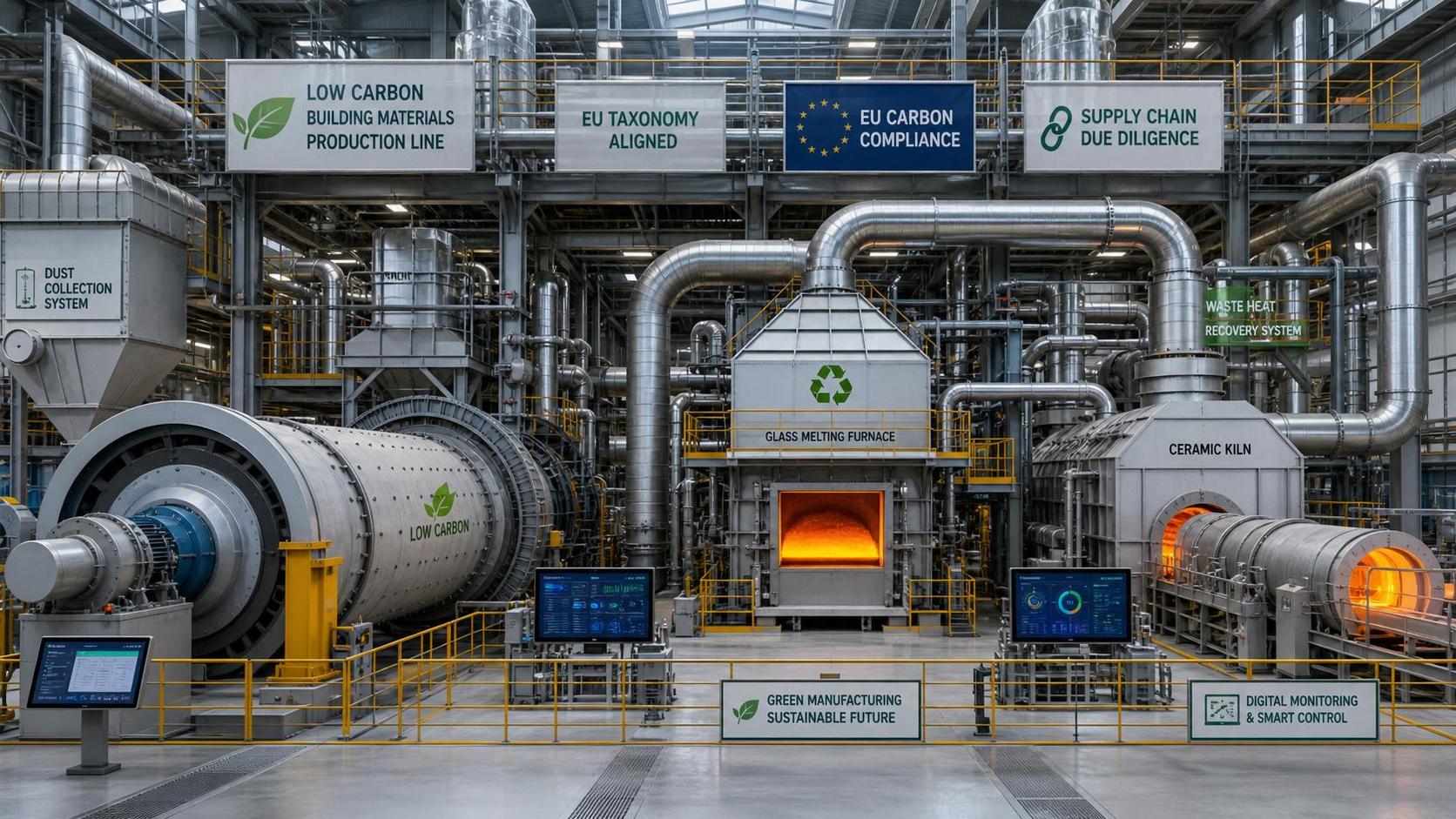
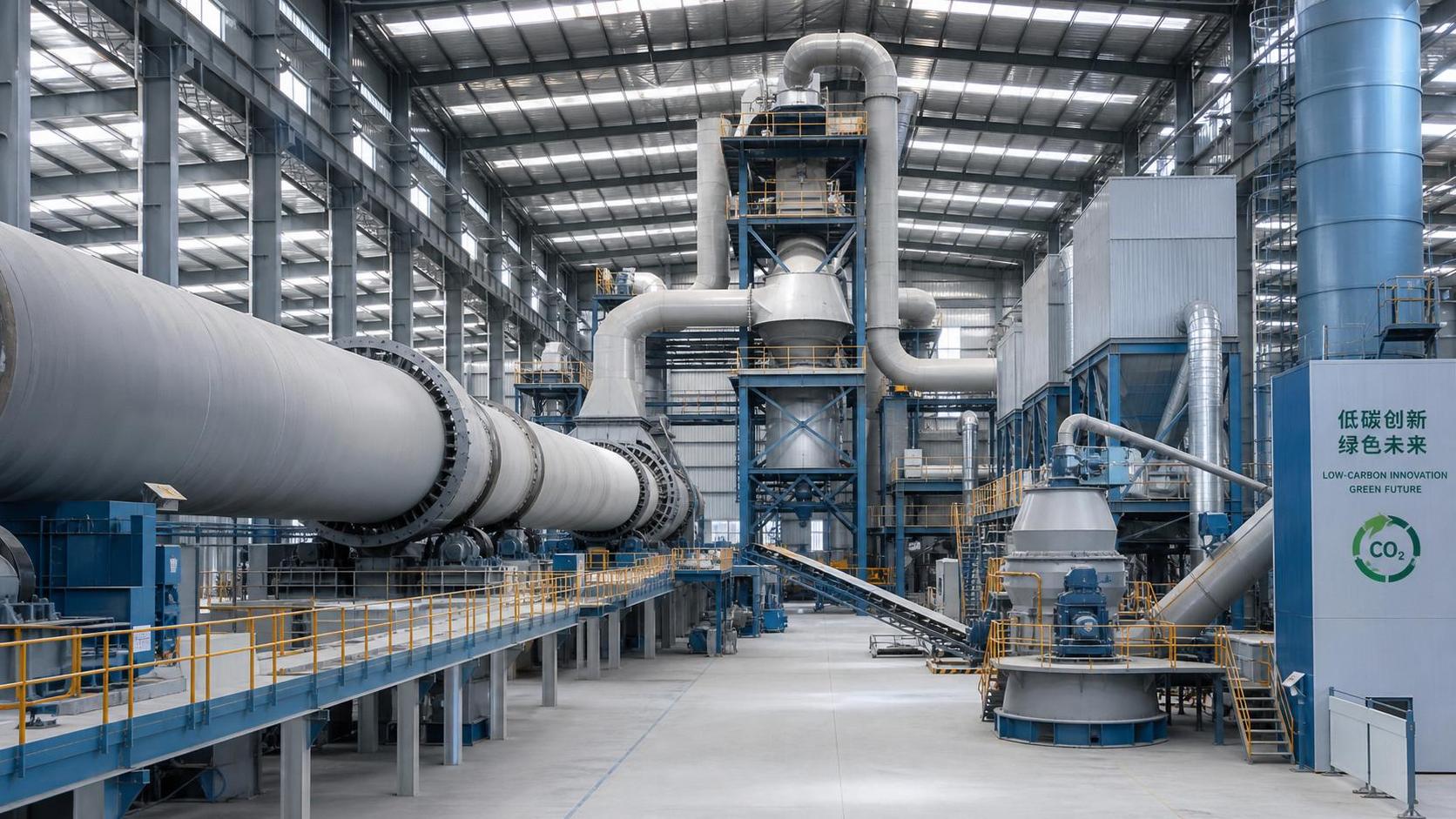
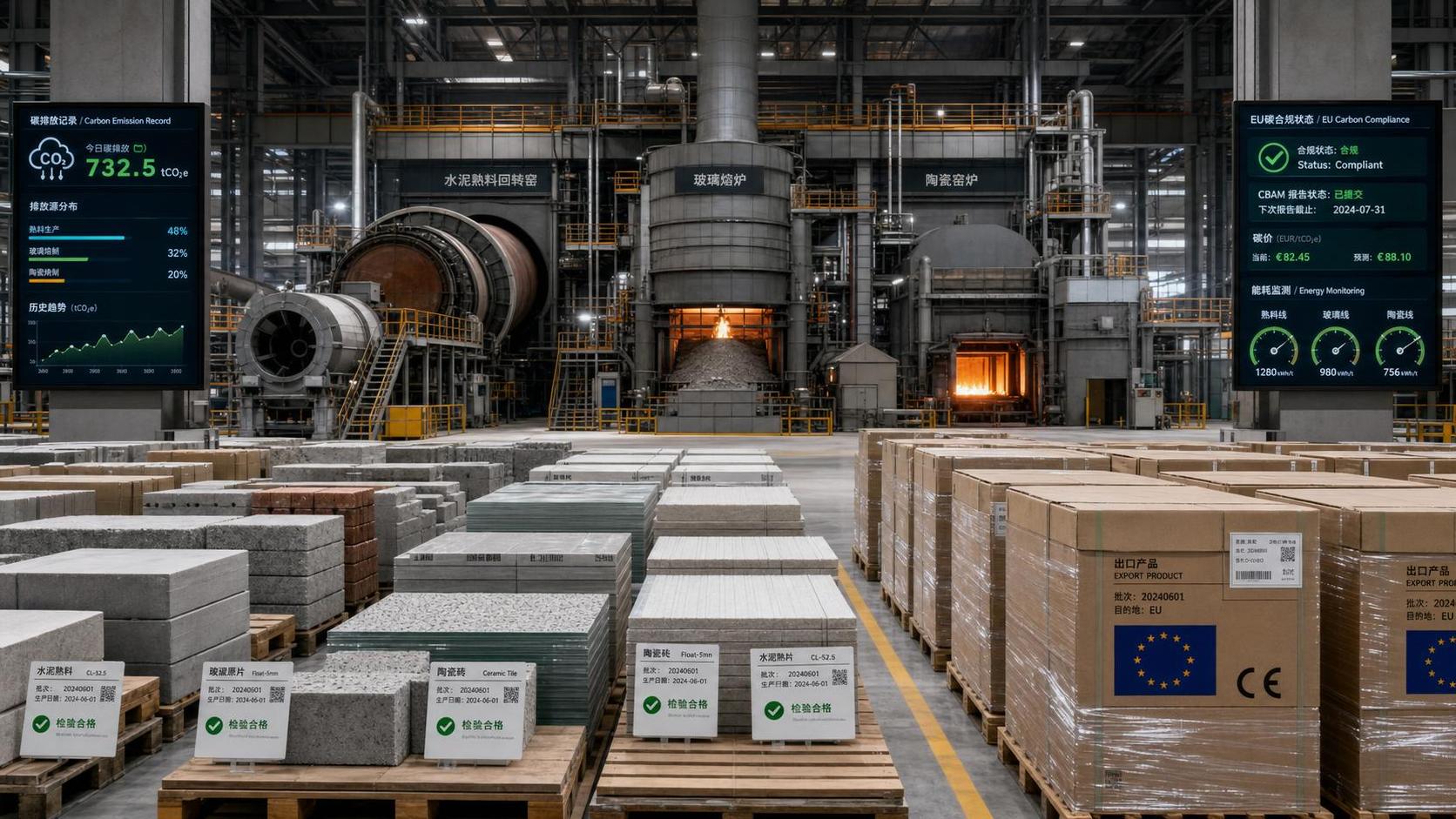
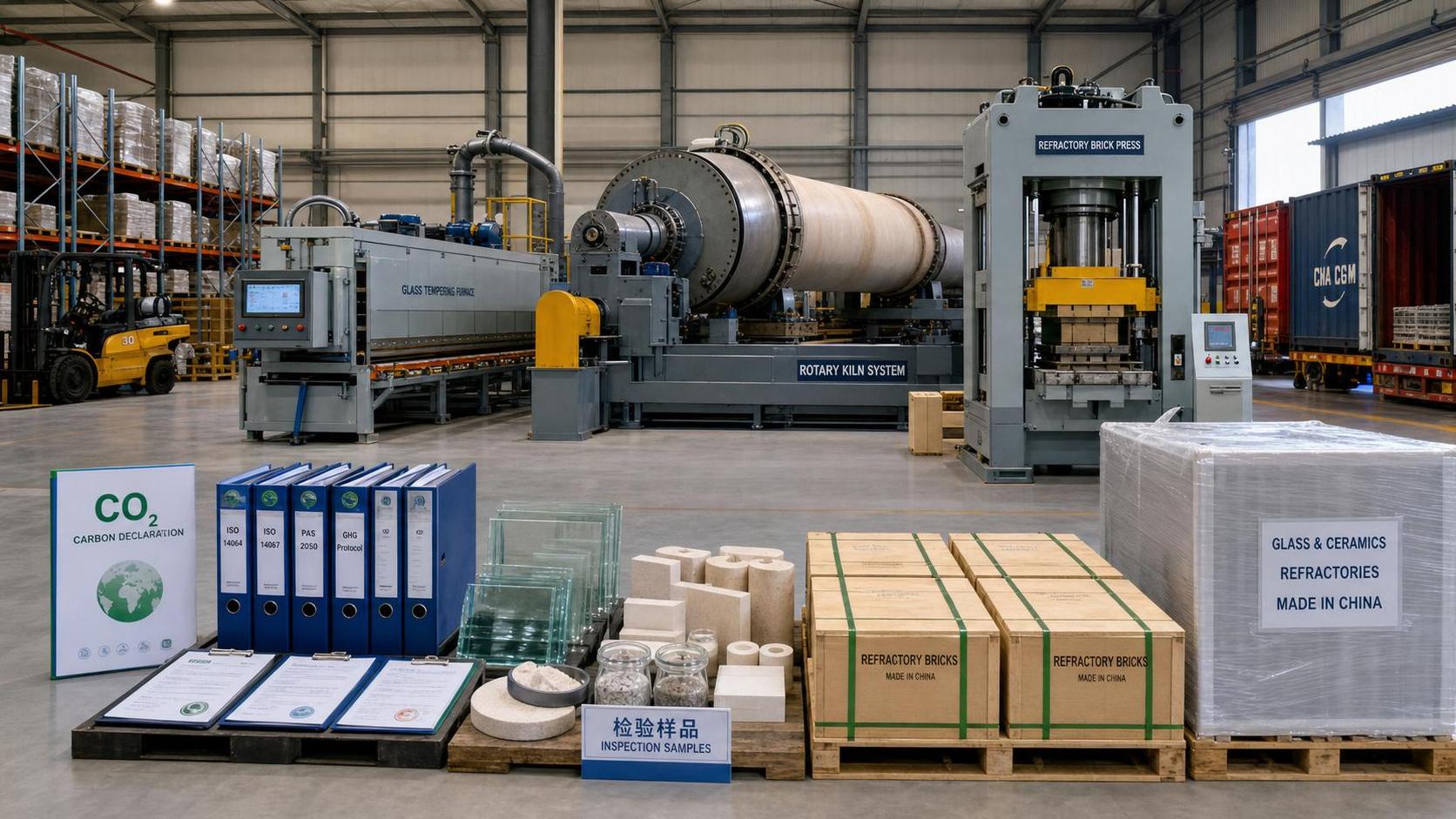
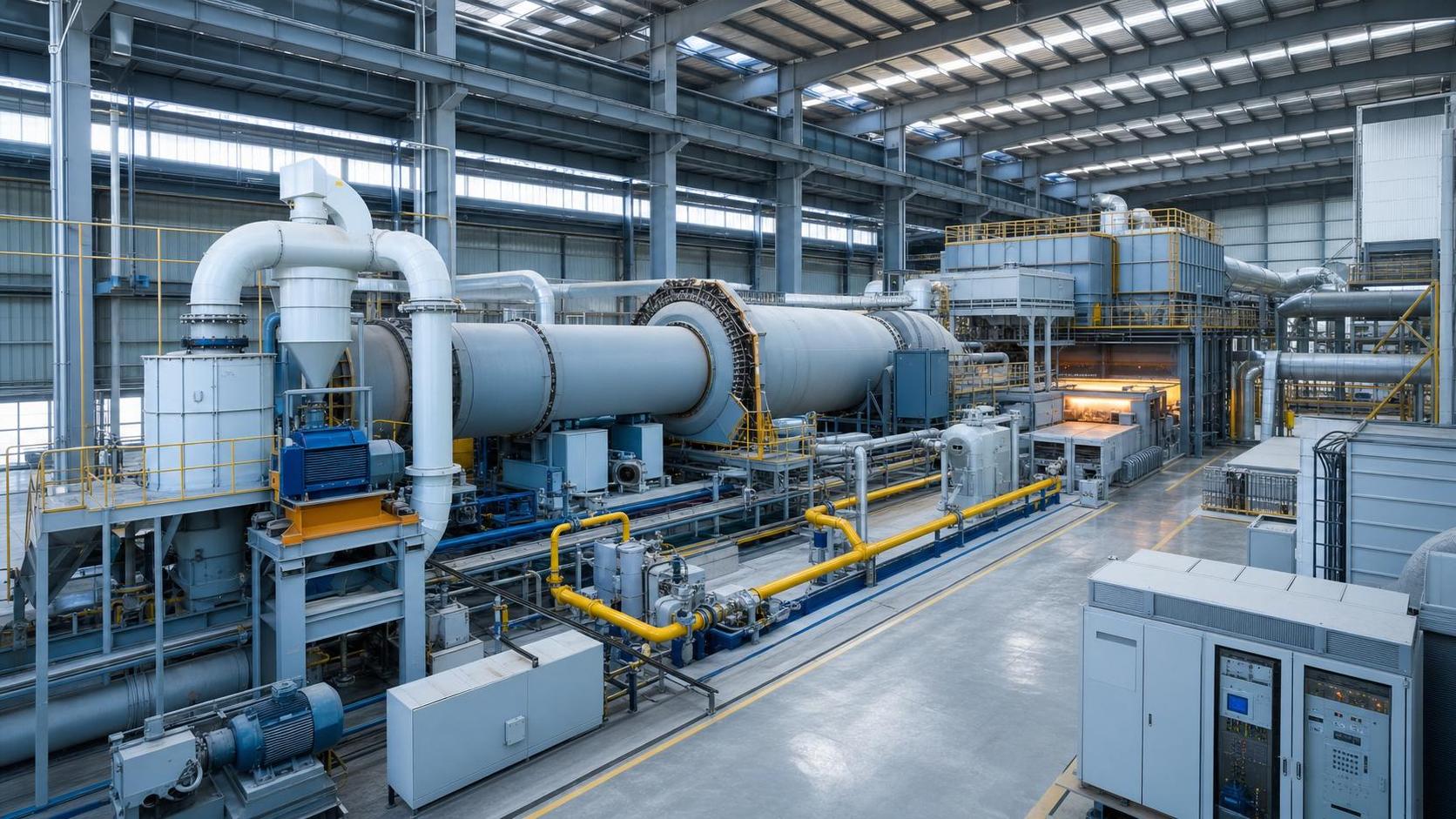
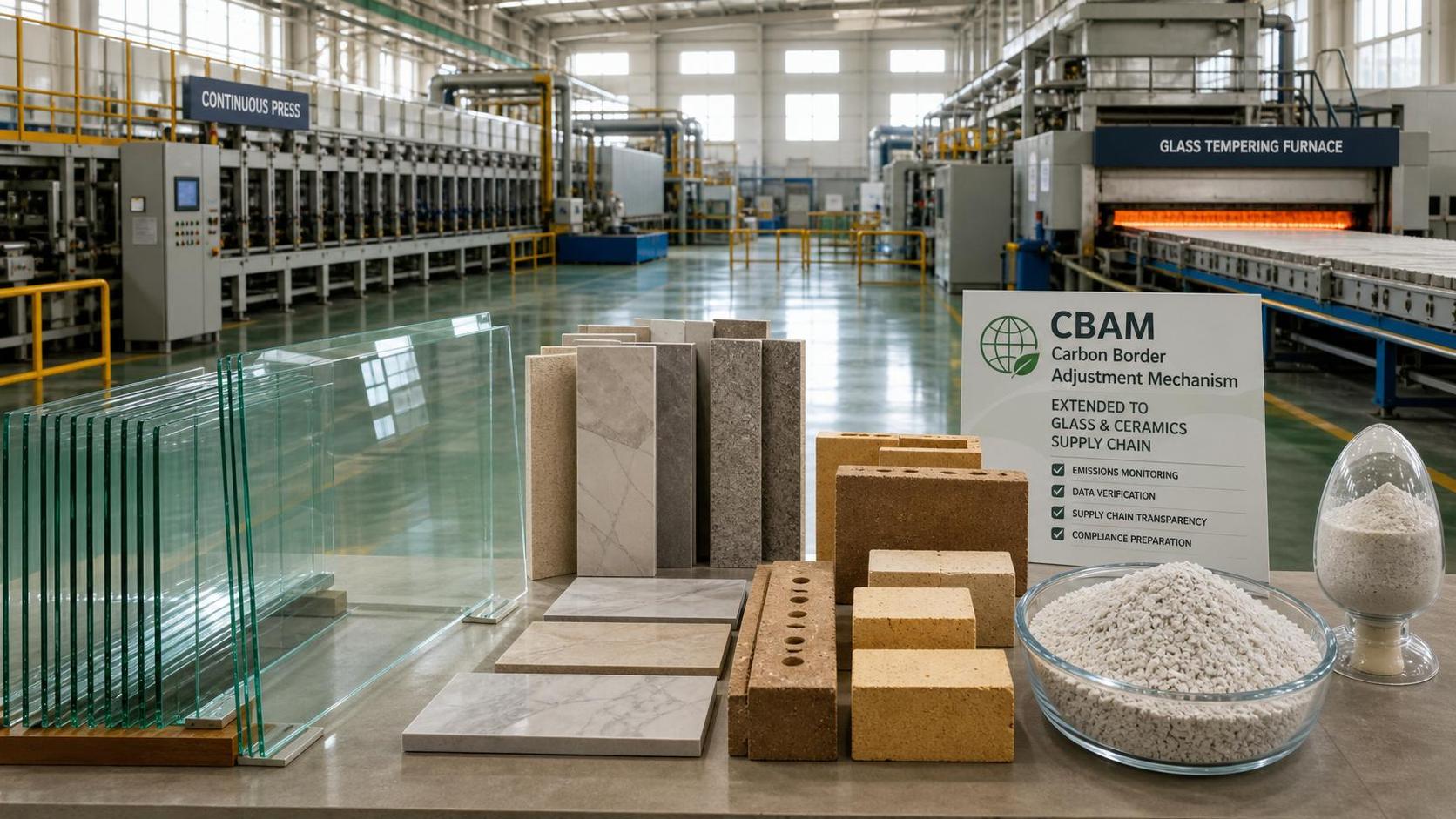
Cement grinding systems, glass tempering lines, ceramic kilns, refractory presses, and stone processing plants all sit under stronger carbon and environmental scrutiny.
As a result, green building certification criteria now affect upstream production technology as much as downstream project specification.
This is where NMBS has practical relevance.
Its coverage of non-metallic material equipment and low-carbon process upgrades helps connect plant-level decisions with certification-facing material performance.
What green building certification criteria usually measure
The term sounds broad, but the evaluation logic is fairly concrete.
Most green building certification criteria examine whether a material reduces environmental burden while still supporting long-term building performance.
Simple marketing phrases are rarely enough.
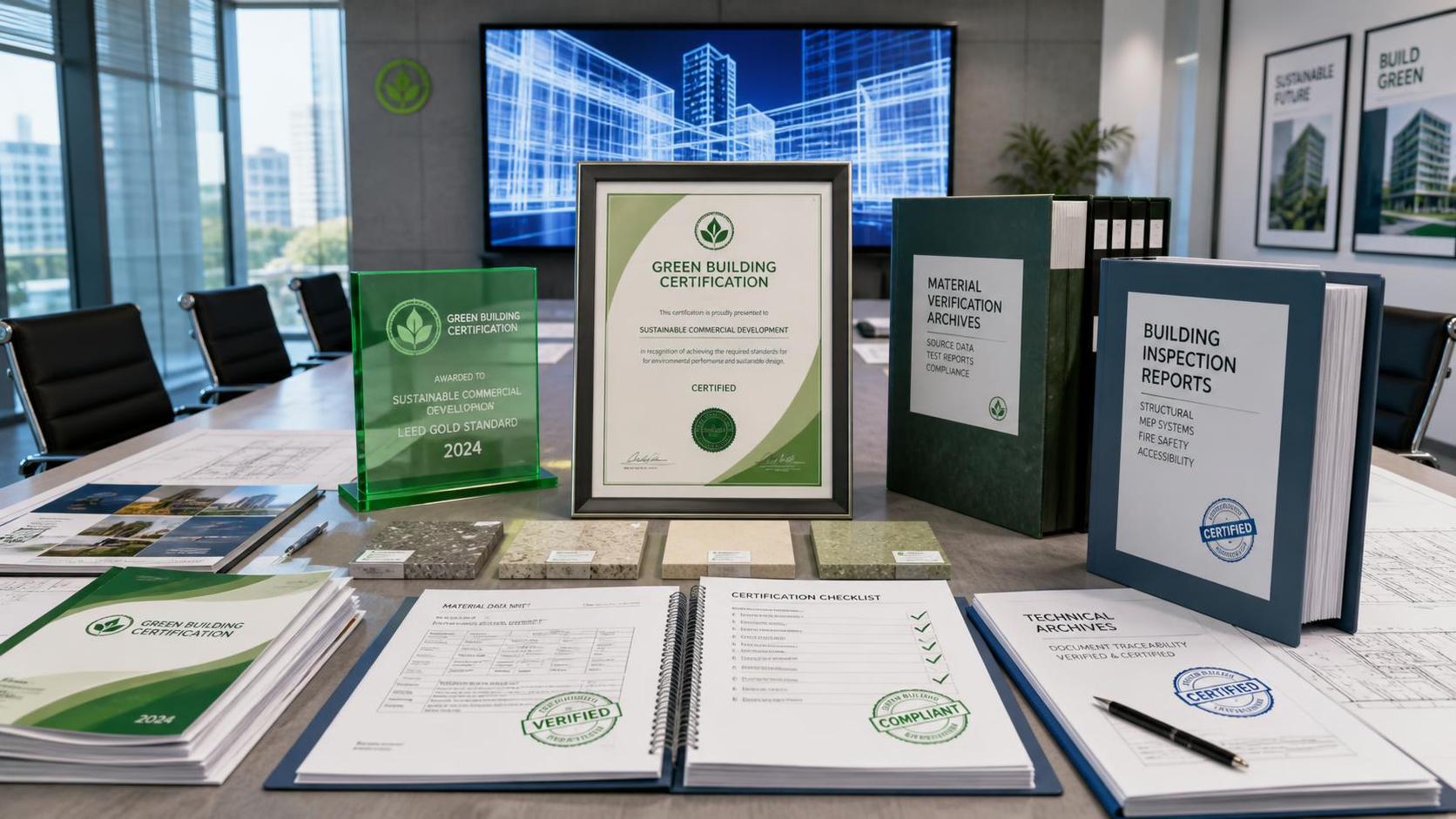
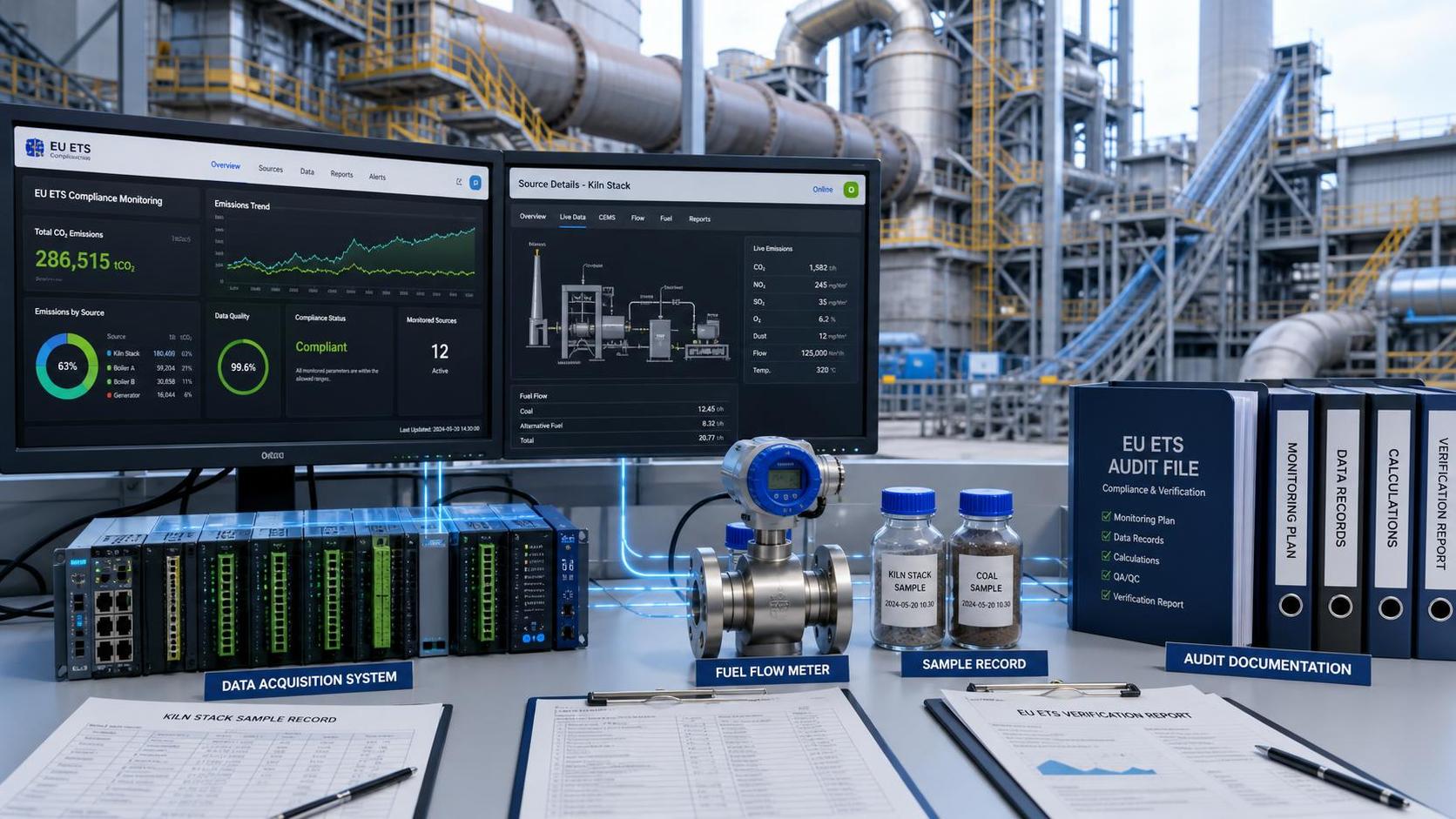
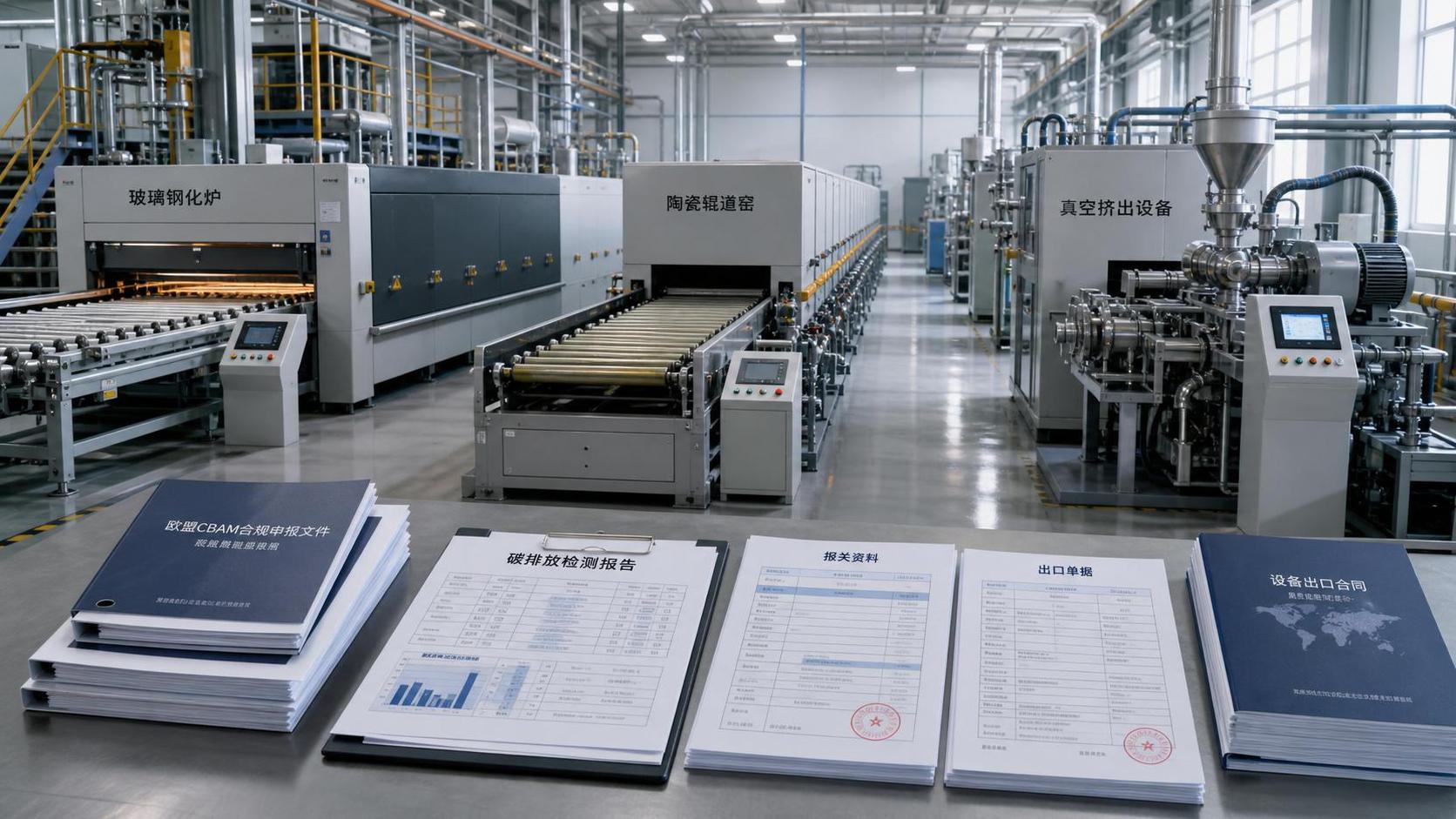
Certifications and rating systems usually look for verified data, recognized test methods, and consistent documentation across the supply chain.
The criteria may vary by scheme, but several recurring dimensions matter in almost every material review.
The criteria that most often decide material approval
Embodied carbon and verified declarations
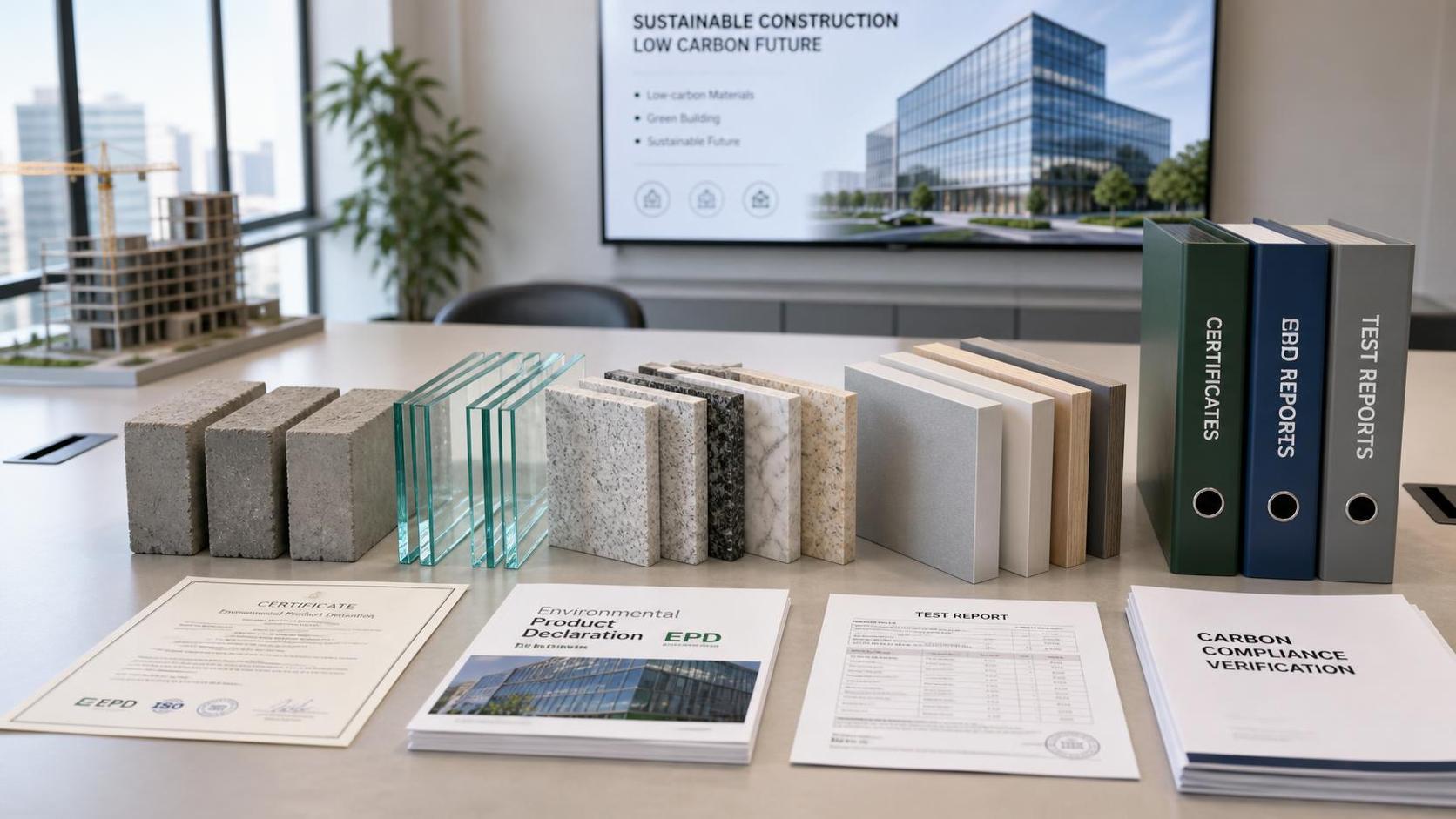
Embodied carbon has become one of the most influential green building certification criteria in material selection.
For non-metallic materials, this links directly to kiln efficiency, grinding energy, cullet ratio, binder composition, and waste heat recovery.
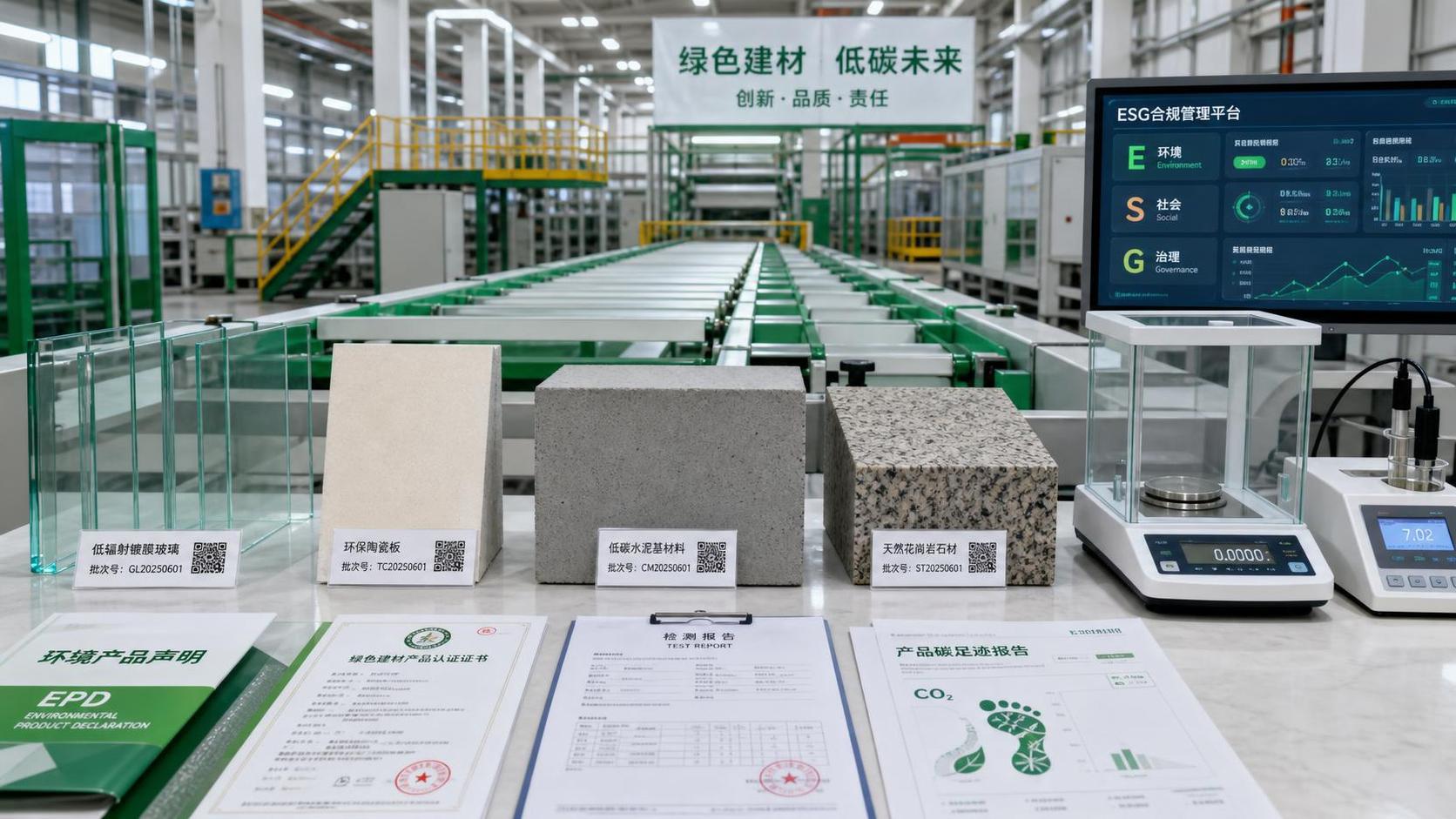
An Environmental Product Declaration is often the preferred reference point.
Without a credible EPD, low-carbon claims are difficult to compare across suppliers.
Recycled content and industrial by-product use
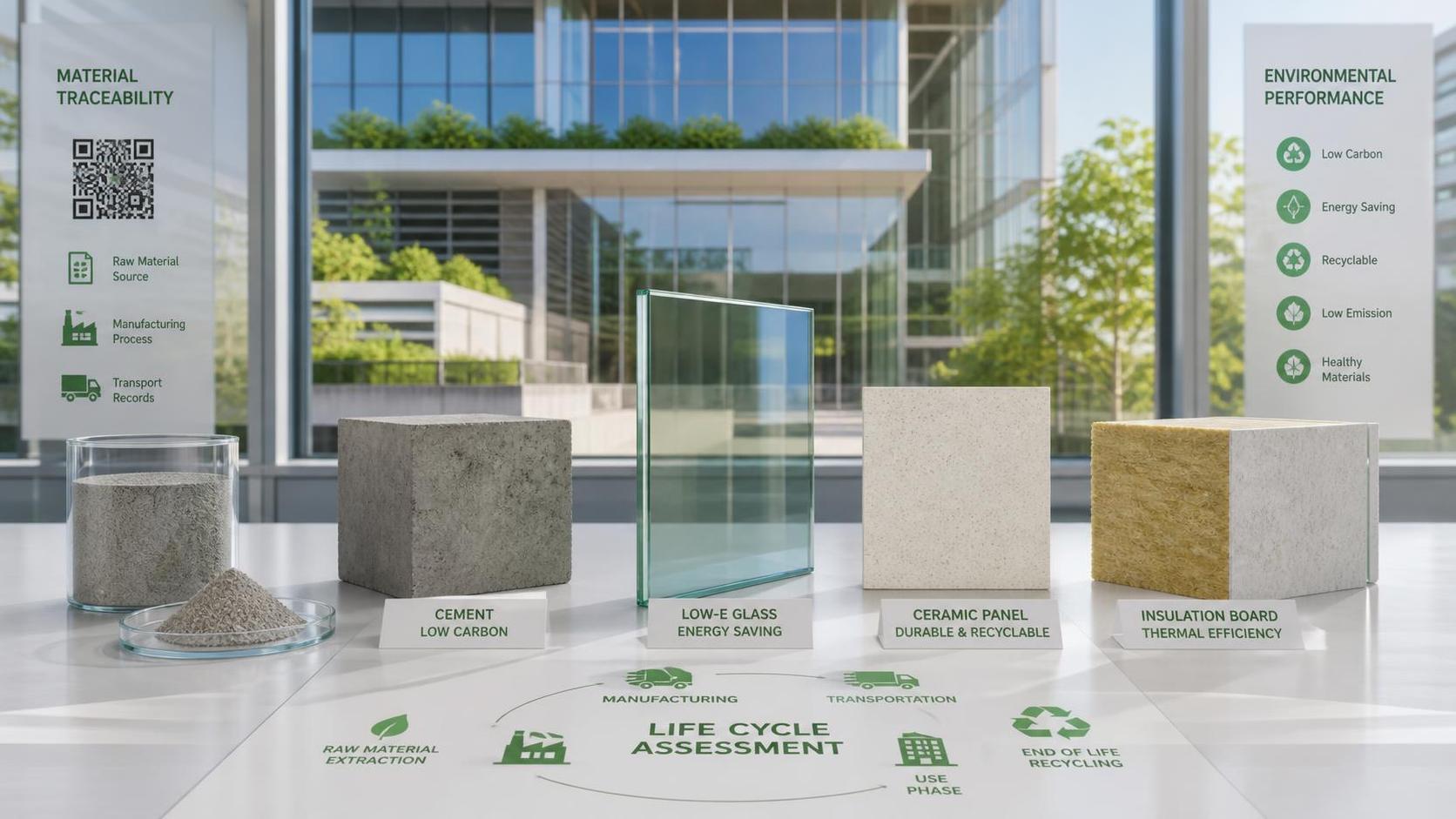
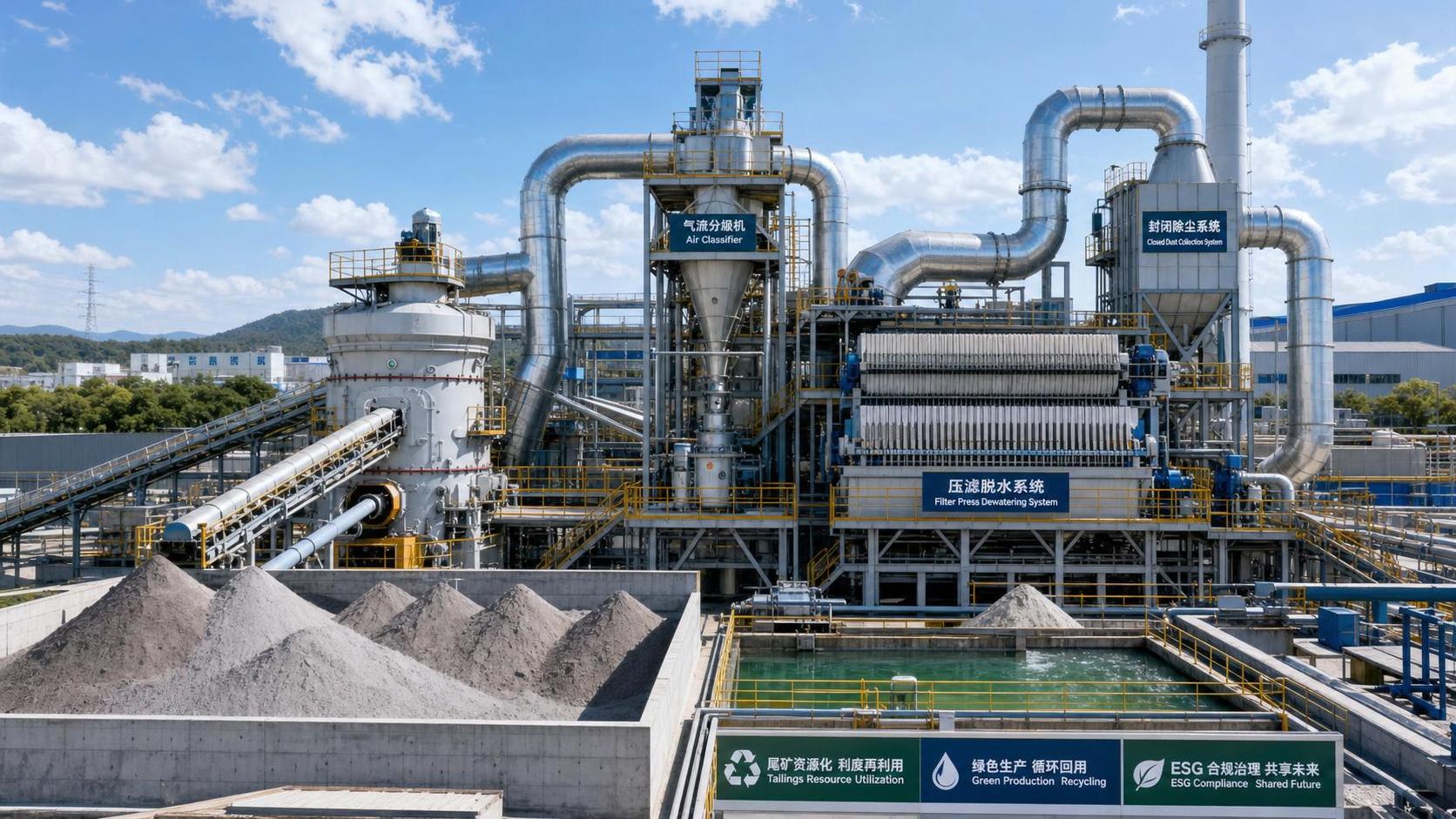
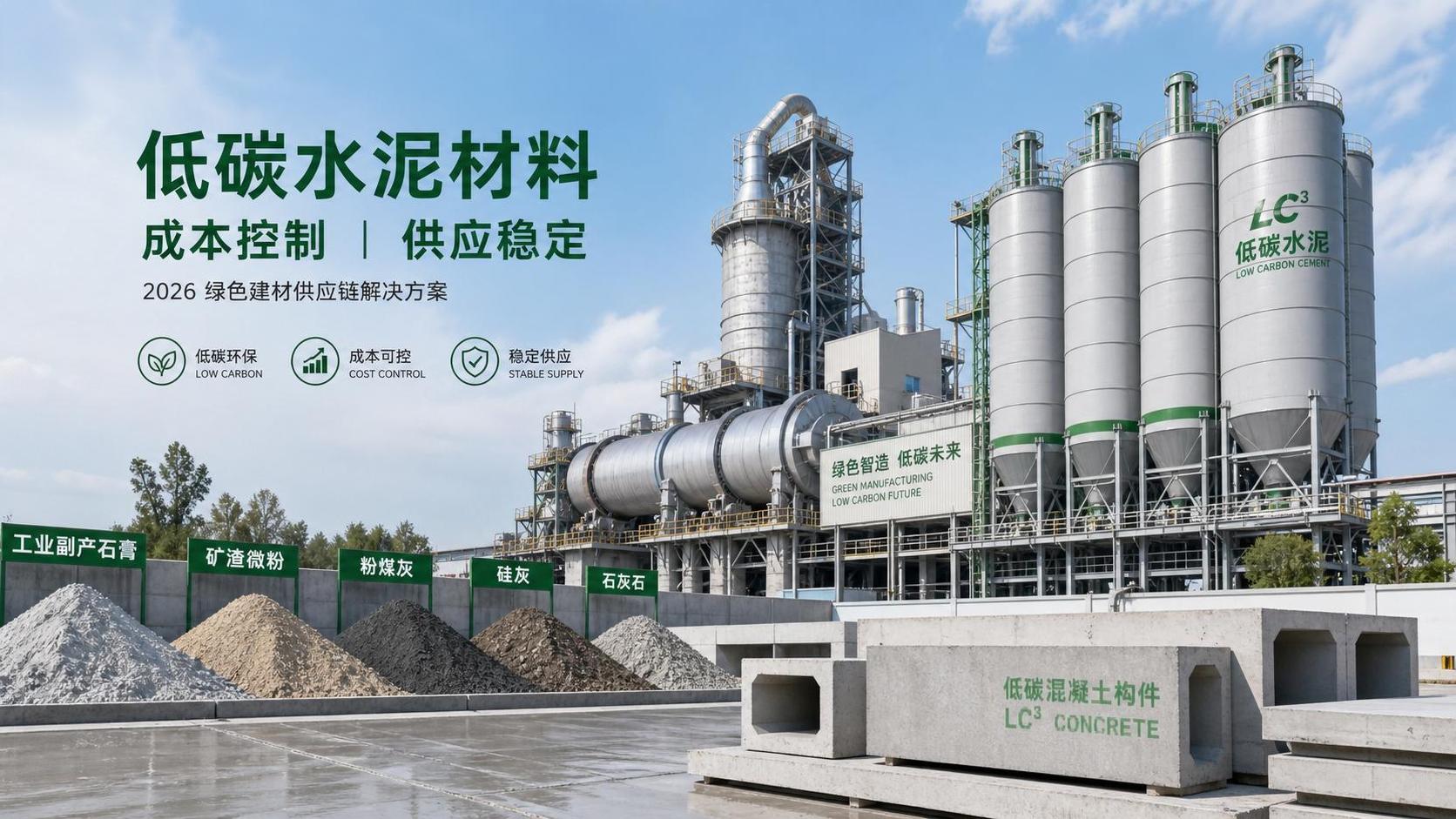
Many materials gain certification value by incorporating fly ash, slag, glass cullet, tailings, or recycled mineral inputs.
Still, the percentage alone is not enough.
The source, contamination control, and effect on physical performance must also be clear.
This is especially important in AAC, ceramic bodies, cementitious blends, and engineered stone products.
Emission control during production and use
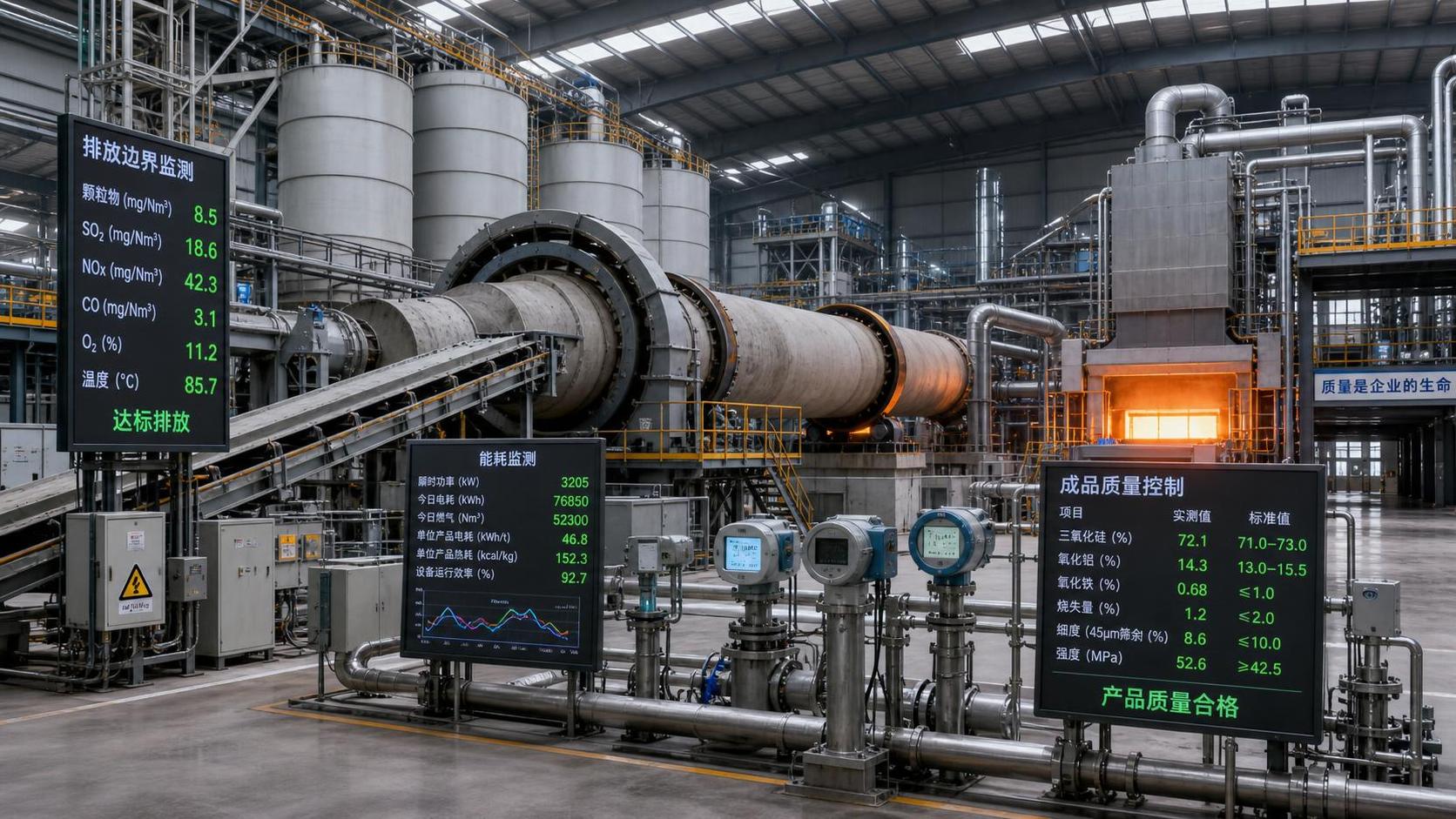
Green building certification criteria increasingly connect product acceptance to cleaner manufacturing conditions.
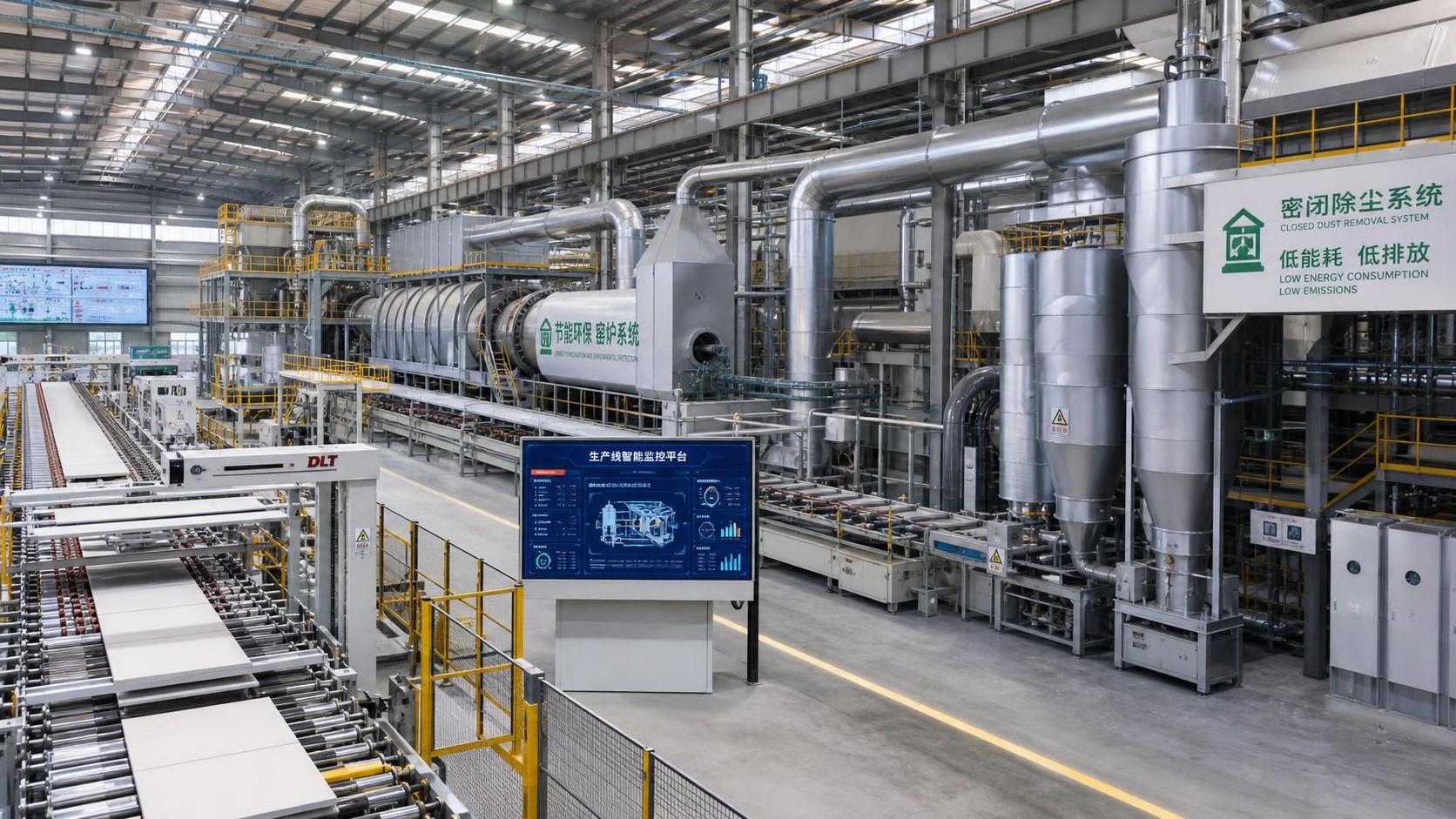
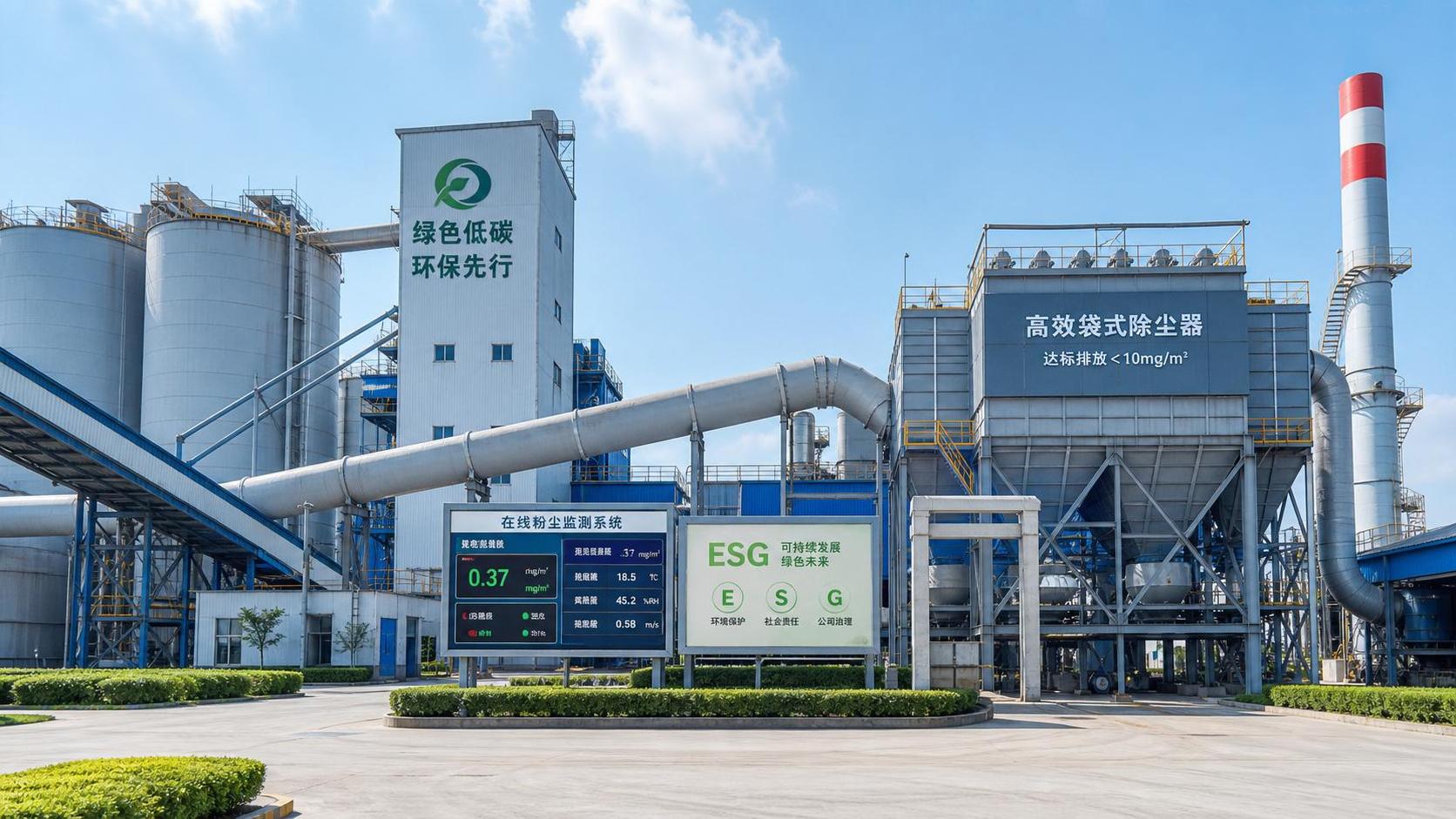
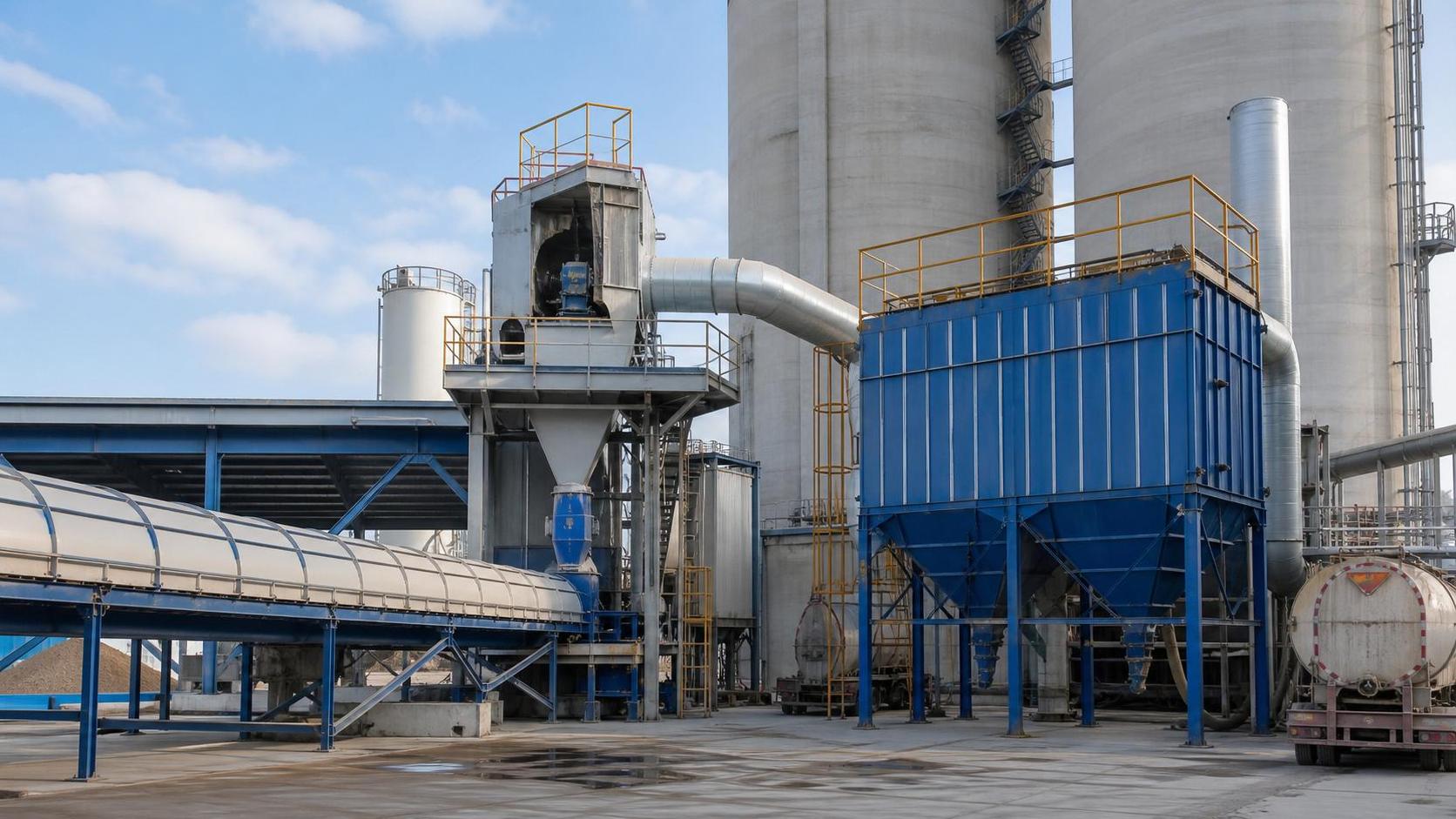
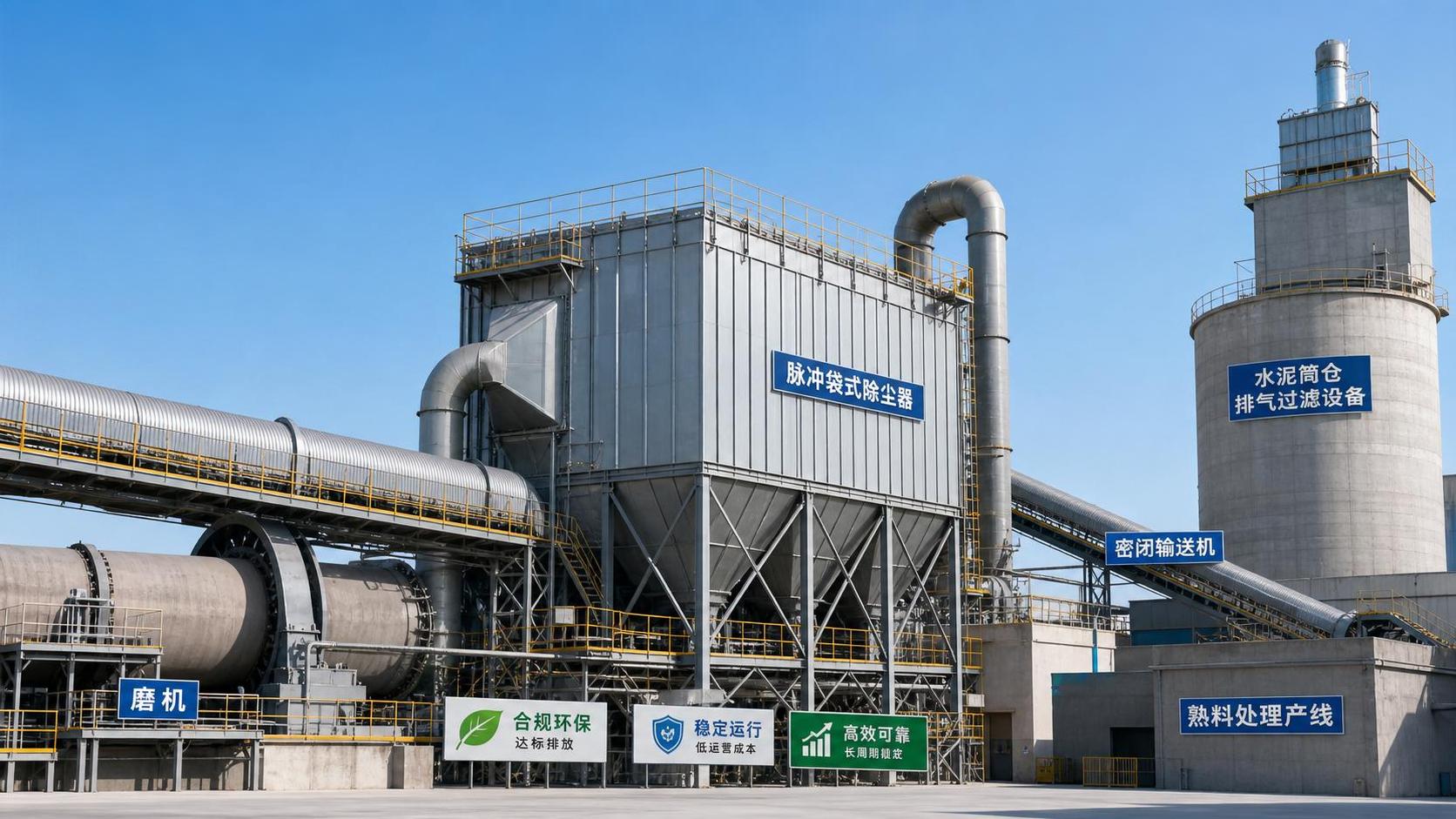
Dust collection systems, zero-dust transfer points, cleaner burners, and process enclosure can support stronger environmental positioning.
For finished materials, attention shifts to VOCs, formaldehyde, and hazardous substance restrictions where relevant.
Durability as a sustainability factor
A shorter replacement cycle can cancel out a low initial carbon profile.
That is why durability remains one of the most practical green building certification criteria.
Thermal shock resistance in refractories, warpage control in PV glass, abrasion resistance in stone, and dimensional stability in blocks all matter.
How these criteria apply across material categories
The weight of each criterion changes by application.
In practice, material selection should match the building function, specification path, and evidence available from production systems.
- Cement and binders: focus on clinker factor, supplementary materials, grinding efficiency, and EPD quality.
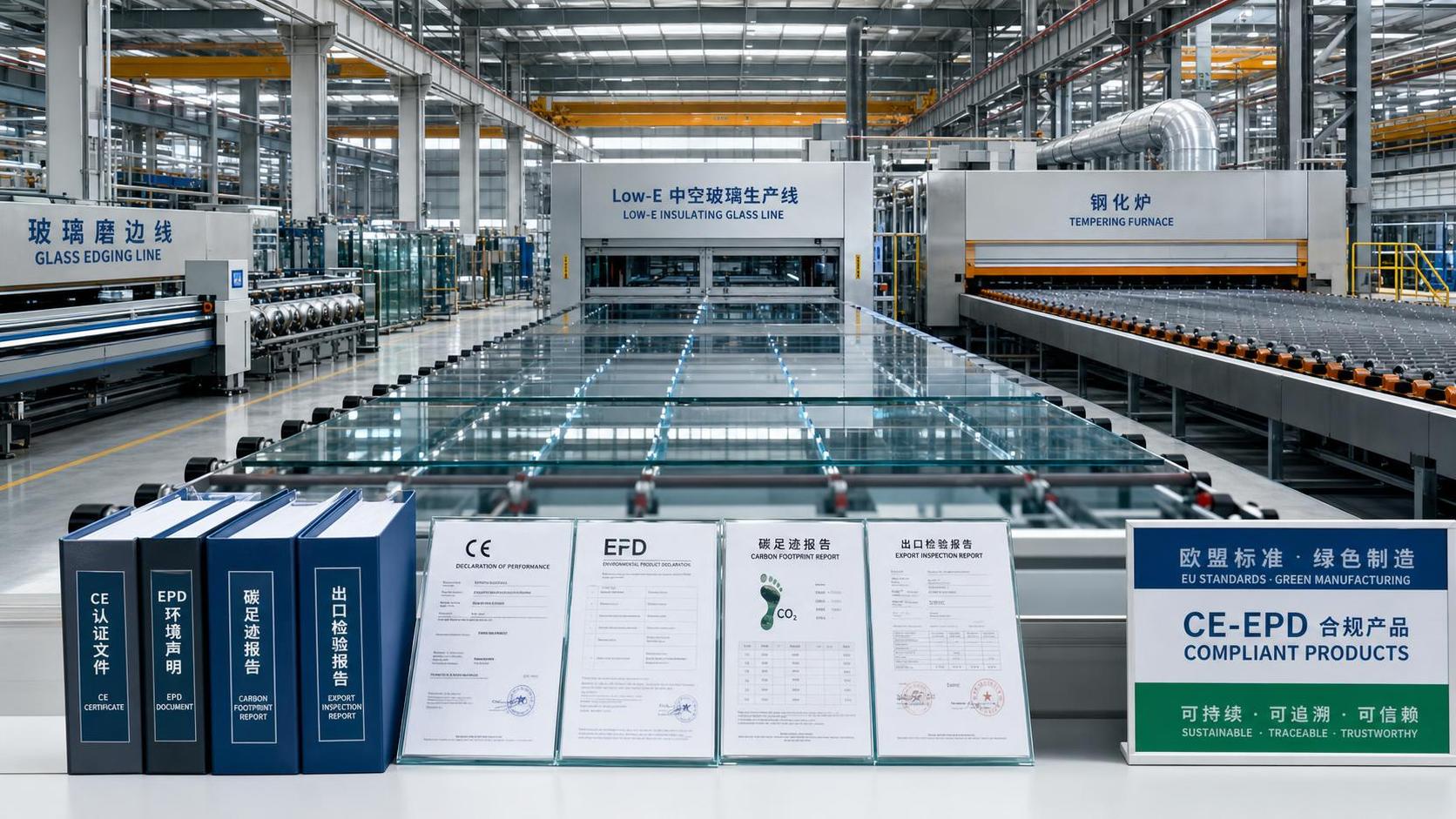
- Architectural and PV glass: assess furnace energy profile, cullet use, coating chemistry, and long-term performance stability.
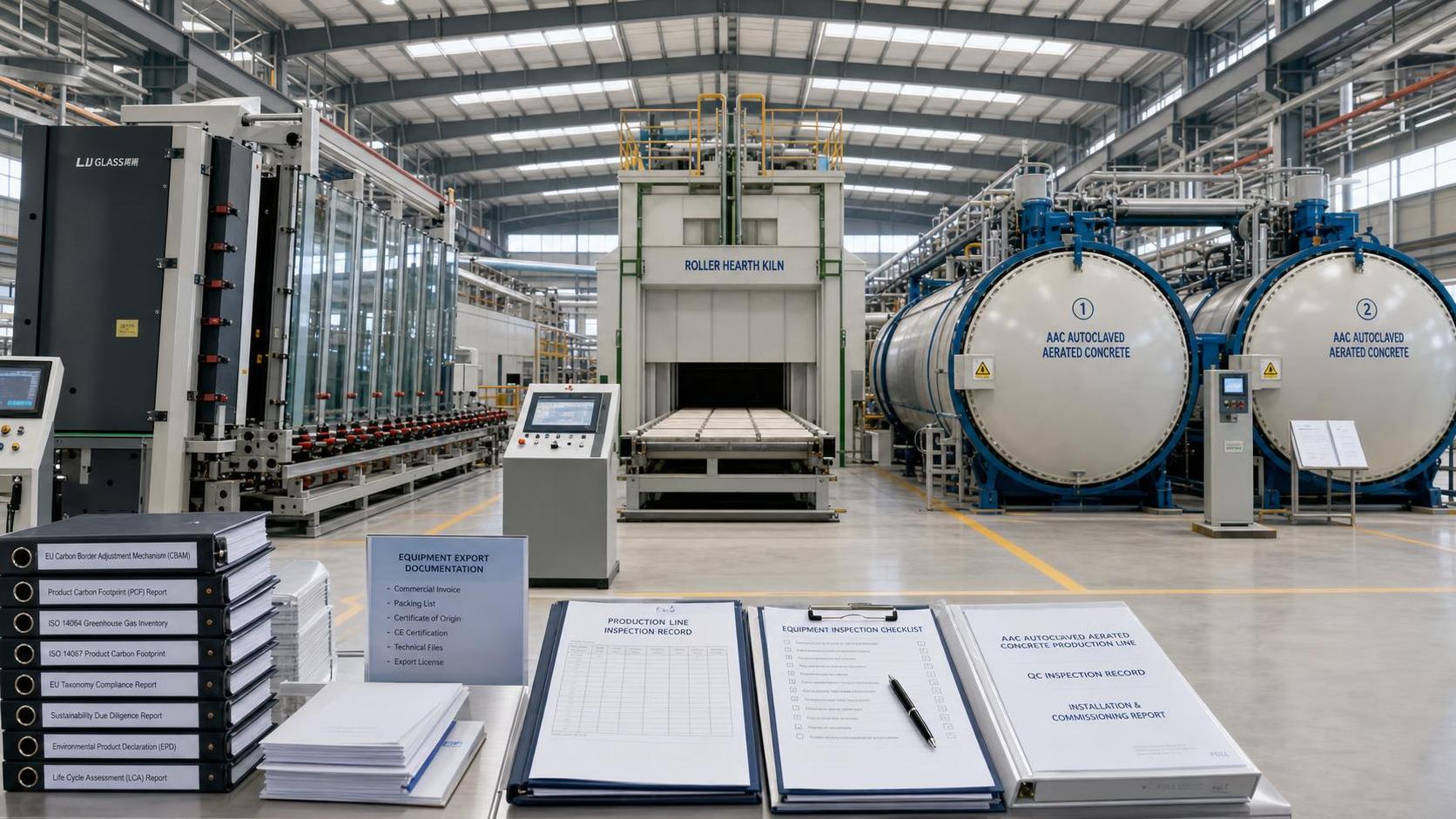
- AAC and masonry units: review density control, autoclaving consistency, thermal performance, and recycled feed integration.
- Ceramics and refractories: check kiln fuel intensity, firing optimization, product longevity, and waste recovery options.
- Stone and engineered slabs: examine cutting waste reduction, water recycling, resin emissions, and repair or reuse potential.
This category-specific view prevents a common mistake.
A single generic sustainability score rarely explains whether one material is truly better for a given project condition.
Reading supplier claims with more discipline
In many tenders, the weak point is not the absence of claims.
It is the gap between claims, test boundaries, and production reality.
Green building certification criteria should therefore be used as a filtering framework, not just a checklist.
Useful questions during comparison
- Is the environmental data product-specific or based on a broad corporate average?
- Do process upgrades actually affect carbon intensity, or are they only described qualitatively?
- Is recycled content stable enough for repeated supply?
- Are emissions and durability results supported by current testing?
- Can the supplier explain how production equipment influences certification-relevant outcomes?
That last point is often overlooked.
Equipment selection affects particle size control, fuel use, thermal uniformity, waste generation, and defect rates.
Those factors later shape the data used in green building certification criteria.
Why process intelligence matters before certification paperwork
A frequent assumption is that certification value appears at the documentation stage.
In reality, it starts much earlier inside the plant.
Grinding systems influence cement fineness and energy load.
Glass tempering lines affect reject rate and energy use.
Kiln heat recovery changes fuel demand.
Automation improves consistency, which strengthens data credibility.
NMBS is useful here because it links equipment capability with material outcomes in a commercially readable way.
That makes it easier to judge whether a low-carbon claim is operationally believable.
A practical way to move from screening to decision
A workable review process usually starts with project priorities.
Carbon reduction, indoor health, durability, and circularity do not always carry equal weight.
Once those priorities are ranked, the relevant green building certification criteria can be mapped to each candidate material.
Then compare not only certificates, but also process evidence, test scope, and supply consistency.
The strongest decisions usually come from combining three views: certified data, engineering logic, and application fit.
That approach reduces procurement risk and improves confidence in long-term project performance.
For the next step, build a short internal matrix around embodied carbon, emissions, durability, recycled inputs, and documentation quality.
Used consistently, that matrix turns green building certification criteria from a compliance burden into a sharper material selection tool.
Related News
- Can EU ETS compliance software reduce errors in emissions reporting?Author :Dr. Alaric Vance

- How to verify a green building certification agency before hiringAuthor :Dr. Alaric Vance

- What do BREEAM material standards require from construction products?Author :Dr. Alaric Vance

- When does a hydrogen fuel kiln reduce emissions in ceramic firing?Author :Dr. Alaric Vance

- What counts in carbon emissions reporting under today’s ESG rulesAuthor :Dr. Alaric Vance

- How to verify whether a green building certification company is credibleAuthor :Dr. Alaric Vance

- How to verify carbon compliance in building materials before project approvalAuthor :Dr. Alaric Vance

- ISO 50100:2026 Reshapes Decarbonization ComplianceAuthor :Dr. Alaric Vance

- How to Measure Building Material Emissions Reduction for ESG ReportingAuthor :Dr. Alaric Vance

- How to Evaluate EU ETS Compliance Software for Audit Readiness and Data AccuracyAuthor :Dr. Alaric Vance

- What Green Material Certification Means for ESG Compliance in ManufacturingAuthor :Dr. Alaric Vance

- How Green Building Material Manufacturing Supports ESG Compliance and Cost ControlAuthor :Dr. Alaric Vance

- EU Extends CBAM Transition, Adds August Carbon Filing RuleAuthor :Dr. Alaric Vance

- EU CBAM Phase Three Reaches Equipment ExportersAuthor :Dr. Alaric Vance

- EU Tightens CE-EPD Rules for Glass MachineryAuthor :Dr. Alaric Vance

- Low-Carbon Cement Production System: Cost, ROI, and Compliance BasicsAuthor :Dr. Alaric Vance

- EU Carbon Compliance Materials: 2026 Rule Changes That Affect SourcingAuthor :Dr. Alaric Vance

- Decarbonization in Building Materials: 5 Cost Drivers to Watch in 2026Author :Dr. Alaric Vance

- Tailings Recycling Technology Trends Shaping ESG Compliance in 2026Author :Dr. Alaric Vance

- Green Building Certification Criteria That Matter in Material SelectionAuthor :Dr. Alaric Vance

- EU Carbon Compliance Materials: Key Rules and Cost Risks in 2026Author :Dr. Alaric Vance

- Tailings Recycling China: Policy and Project Outlook 2026Author :Dr. Alaric Vance

- EU Sets CBAM Trial Rules for Glass and CeramicsAuthor :Dr. Alaric Vance

- Carbon Reduction Roadmap: 5 Cost Levers That Matter in 2026Author :Dr. Alaric Vance

- EU CBAM Extends to Glass and Ceramics in 2026Author :Dr. Alaric Vance

- Green Building Certification Rating: What Changes Project Value in 2026Author :Dr. Alaric Vance

- Cement Dust Emission Control Options Under New ESG Compliance PressureAuthor :Dr. Alaric Vance

- Industrial Dust Emission Control for Material Handling Compliance GuideAuthor :Dr. Alaric Vance

- EU CBAM Extends to Glass and Ceramic EquipmentAuthor :Dr. Alaric Vance

- Cement Plant Dust Control Options Compared for Compliance and Operating CostAuthor :Dr. Alaric Vance

- Low-Carbon Cement Materials in 2026: Cost, Carbon Rules, and Supply RisksAuthor :Dr. Alaric Vance

- Fly Ash Cement Applications: Best Uses and Performance LimitsAuthor :Dr. Alaric Vance

- Dust Free Production: Key Process Controls That Actually WorkAuthor :Dr. Alaric Vance

- EU REACH Update Raises Export Compliance Bar for Glass and Quartz LinesAuthor :Dr. Alaric Vance

- EU CBAM Guidance Brings Grid Carbon Factors Into Export FilingsAuthor :Dr. Alaric Vance

- Carbon Reduction in Cement Plants: Practical Routes and Trade-OffsAuthor :Dr. Alaric Vance