



Search News
Industry Portal
Popular Tags
All categories
Tailings Recycling in China: Policy Shifts and Cost Pressure




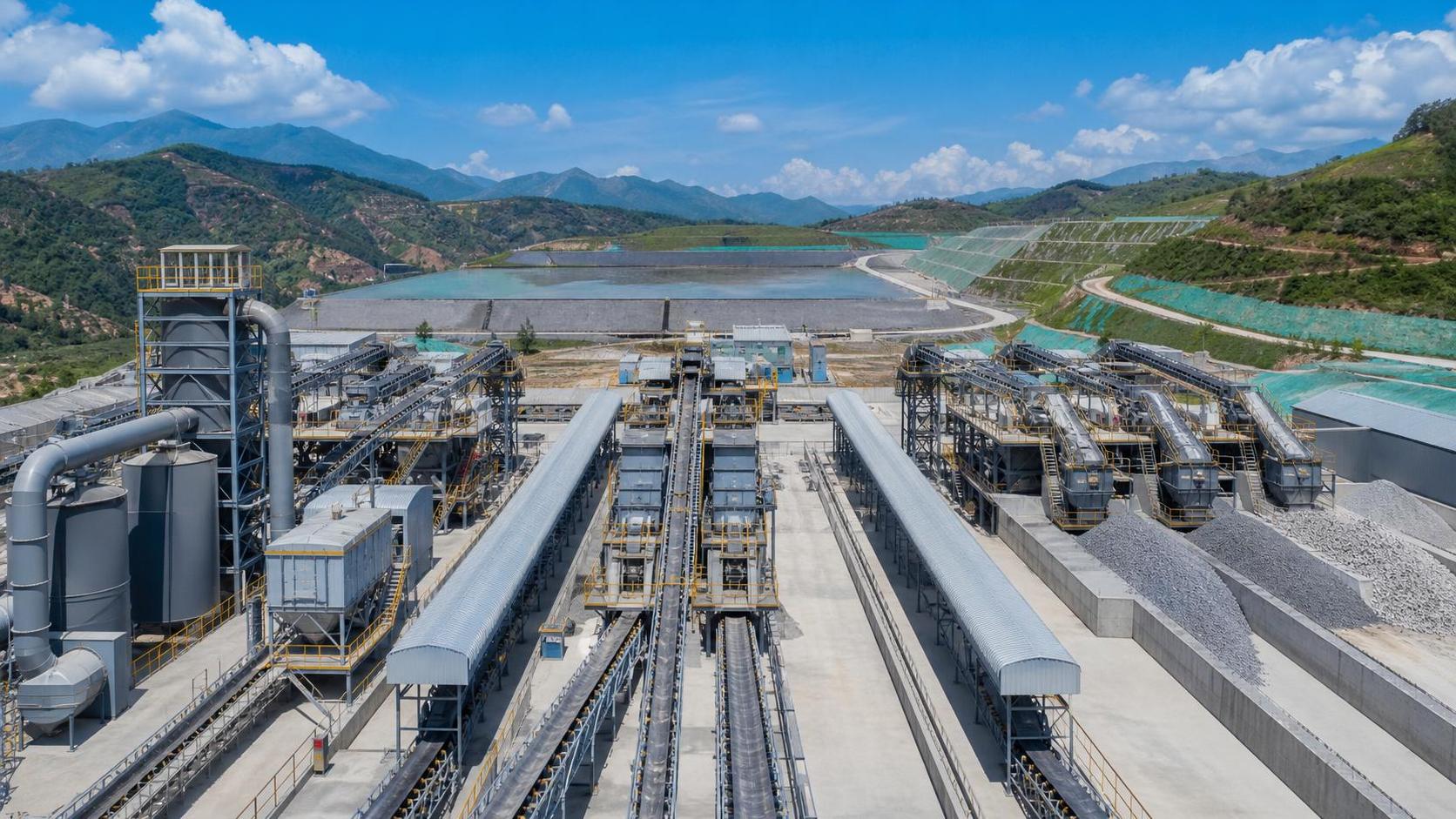
Tailings recycling China is moving from a disposal problem to a strategic industrial issue. Tighter environmental enforcement, carbon constraints, and higher energy, transport, and labor costs are changing how projects are screened.
For the mineral and building materials chain, the question is no longer simple reuse. The real challenge is whether tailings can become stable, compliant, and profitable secondary resources.
That matters across cement, aggregates, bricks, panels, glass-related mineral supply, and low-carbon construction materials. It also fits the wider NMBS view that process design, equipment choice, and operating discipline determine commercial outcomes.
Why the policy environment has changed
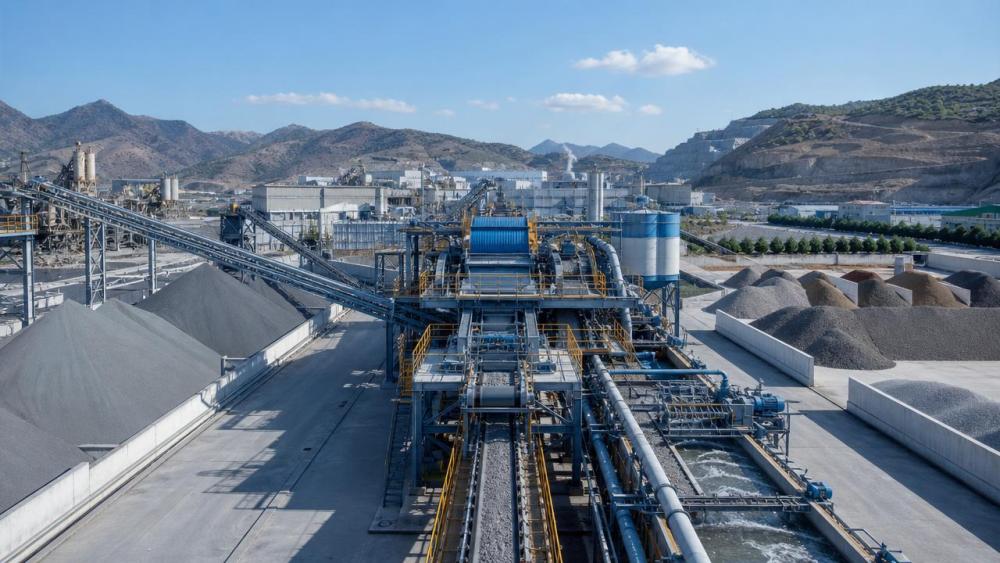
China has long promoted comprehensive utilization of industrial solid waste. What is different now is the stronger link between waste policy, land control, safety oversight, and decarbonization pressure.
Tailings ponds are under closer scrutiny because they involve environmental liability, water management, and long-term land occupation. In many regions, stockpiling is becoming a more expensive and less defensible option.
At the same time, local governments want higher resource efficiency and cleaner production. That gives tailings recycling China a more practical policy base, especially where mining and construction materials clusters overlap.
The policy shift does not mean every tailings stream is suddenly attractive. It means low-value disposal now faces more friction, while technically sound reuse projects receive more attention, faster approvals, or stronger local support.
What tailings recycling really means in business terms
Tailings are not a single material. Their value depends on mineralogy, particle size, moisture, impurities, and distance to end use. A quartz-rich stream behaves very differently from iron, copper, gold, or polymetallic tailings.
In business terms, tailings recycling China usually involves one of three paths: resource recovery, construction material substitution, or feedstock blending for downstream processing systems.
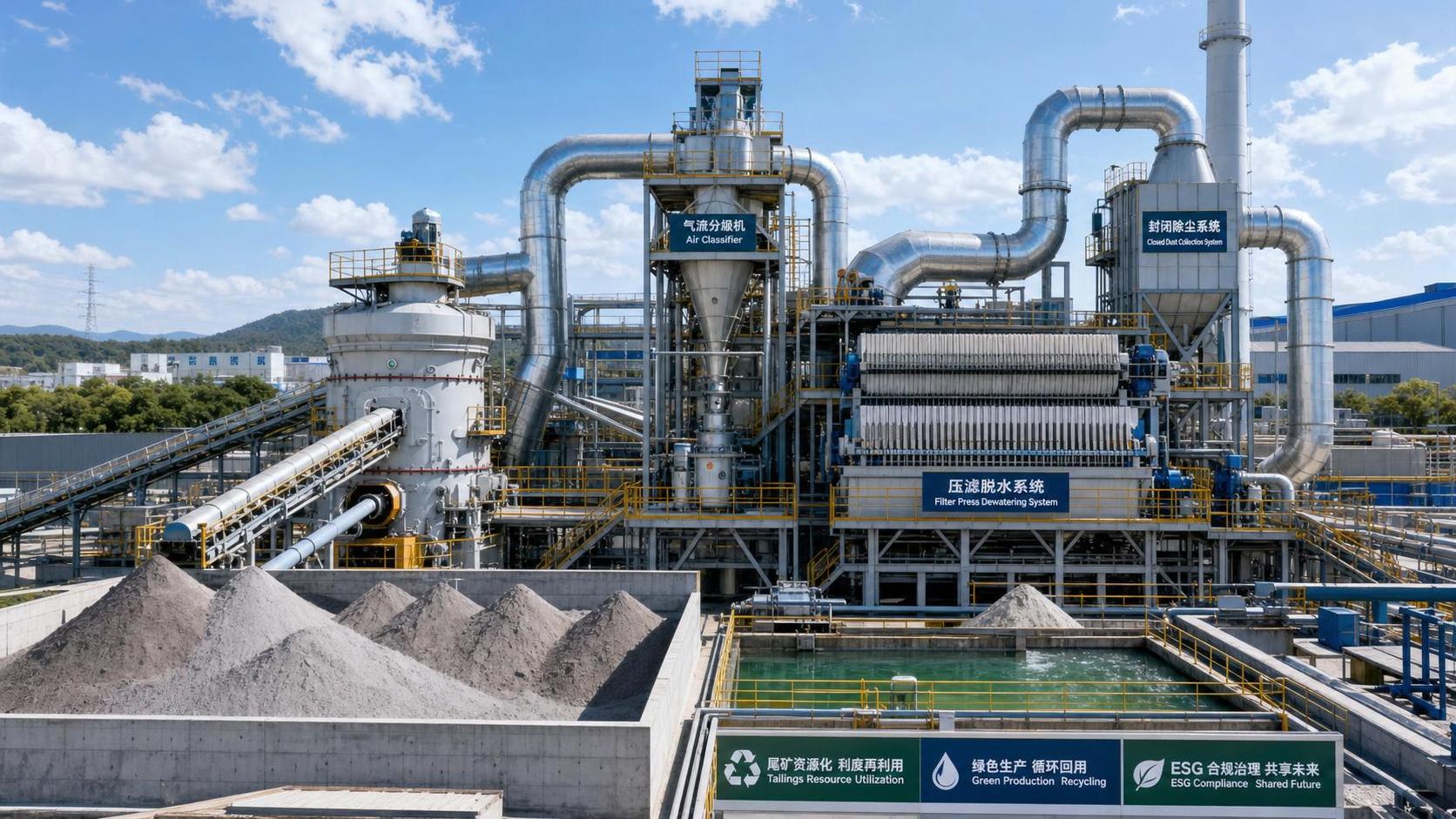
- Resource recovery targets residual valuable minerals through regrinding, classification, flotation, magnetic separation, or dewatering upgrades.
- Construction material substitution uses tailings in cementitious blends, bricks, blocks, aggregates, backfill, road base, or engineered panels.
- Feedstock blending mixes selected tailings with fly ash, slag, limestone, clay, or silica sources for controlled industrial processes.
The commercial test is straightforward. Can the process deliver consistent quality, acceptable compliance risk, and a delivered cost that beats or matches conventional raw materials?
Where cost pressure is reshaping investment logic
Cost pressure is the main filter on new projects. Many tailings recycling China proposals look attractive on paper, then weaken when real operating conditions are modeled.
Energy is one pressure point. Fine grinding, drying, classification, and impurity removal can consume enough power to erase the advantage of low-cost feedstock.
Water is another. If the process needs extensive washing, thickening, or wastewater treatment, the economics become highly site-specific.
Transport often decides the outcome. Tailings may be abundant, but heavy low-value materials do not travel well unless the receiving plant is close or the application has strong margin support.
Compliance also has a cost. Testing, permitting, dust control, heavy metal monitoring, and traceability systems are now part of normal project economics rather than optional extras.
Key cost variables to compare early
The strongest application paths today
The most credible opportunities are usually those linked to existing process systems. That reduces market education cost and makes it easier to integrate tailings into established production lines.
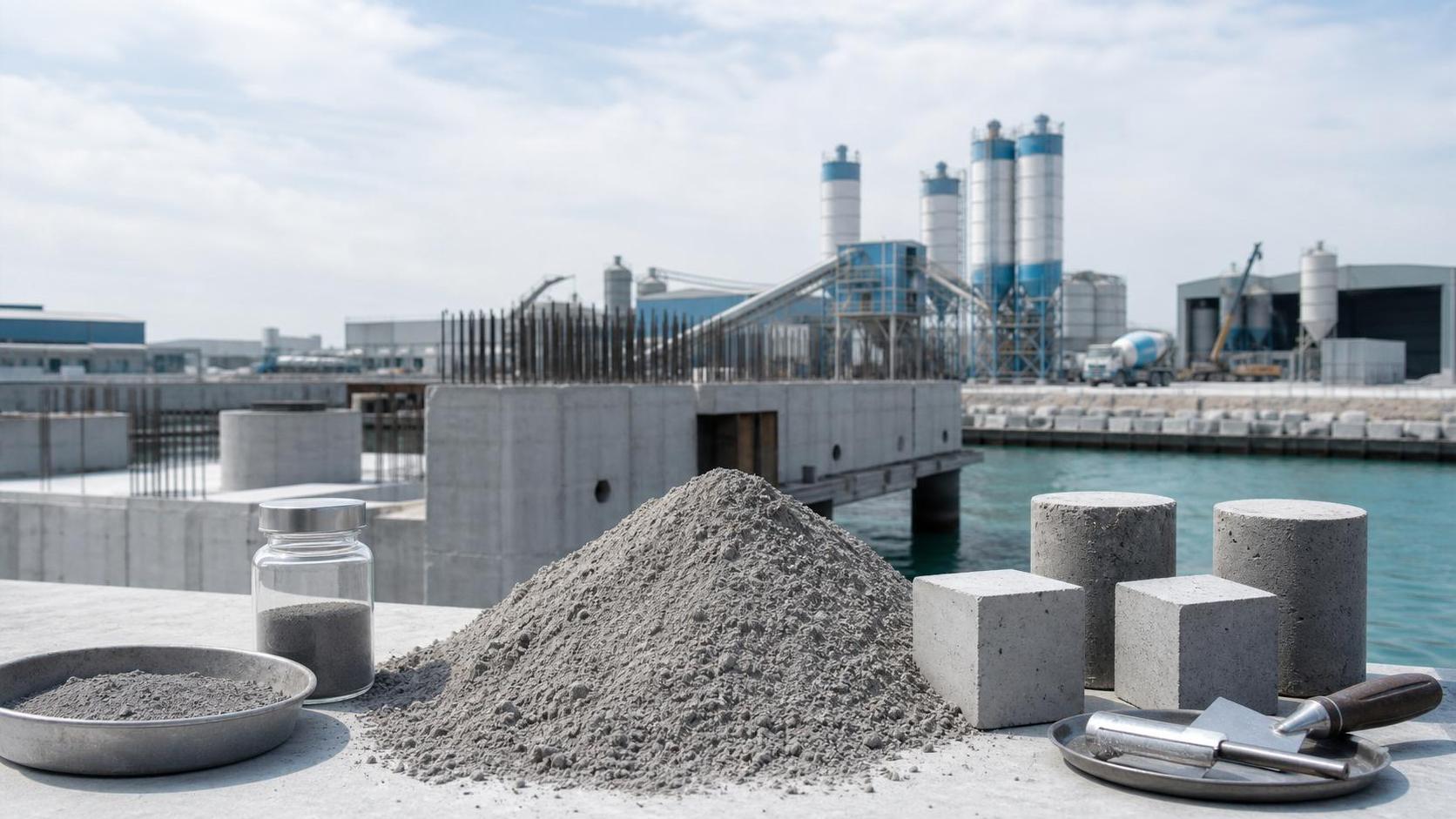
In cement and supplementary materials, selected tailings can serve as mineral components, corrective additives, or blended feed when chemistry and fineness are controlled. The value case improves where grinding assets already exist.
In brick, block, and AAC-related systems, tailings may substitute part of natural sand, fly ash, or siliceous material. Success depends on stable moisture control, forming behavior, and final strength consistency.
In aggregates, road base, and mine backfill, the barriers can be lower. These applications tolerate wider material variation, although geotechnical performance and leaching safety remain critical.
Some streams also fit glass, ceramics, refractory, or quartz-related supply chains, but only when purity and thermal behavior meet tight process windows. This is where detailed process intelligence matters more than broad recycling claims.
Why equipment selection is central
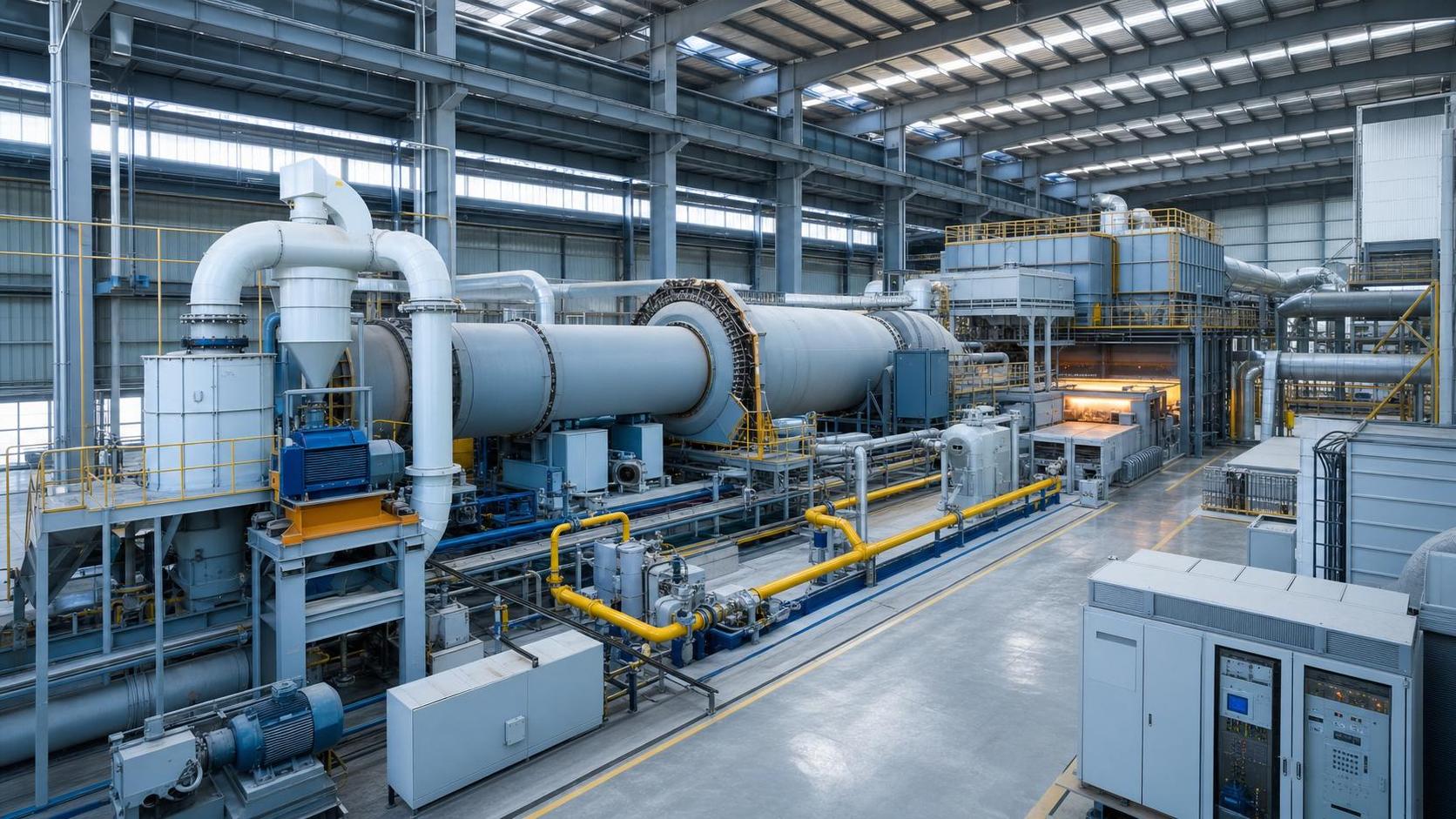
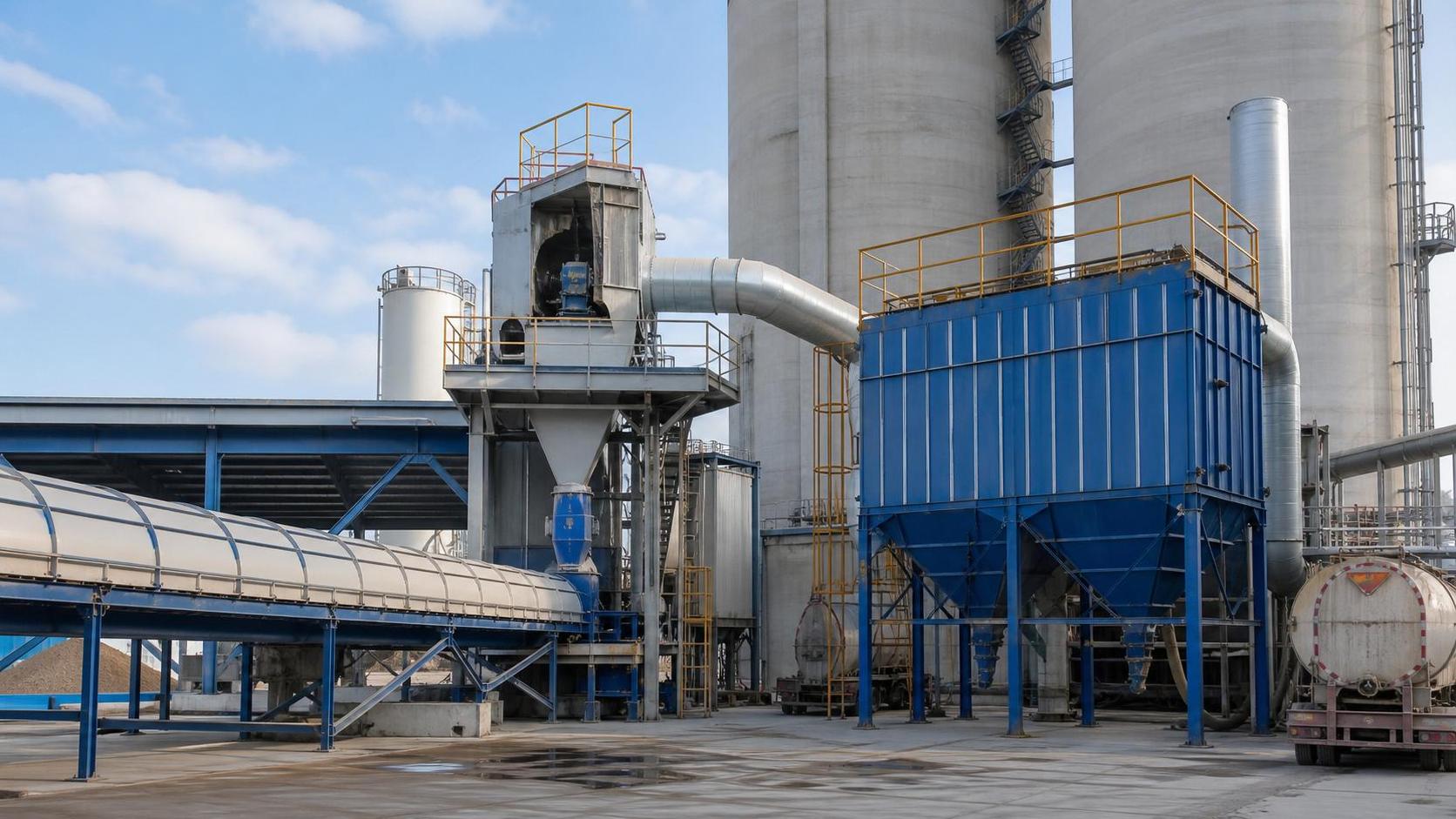
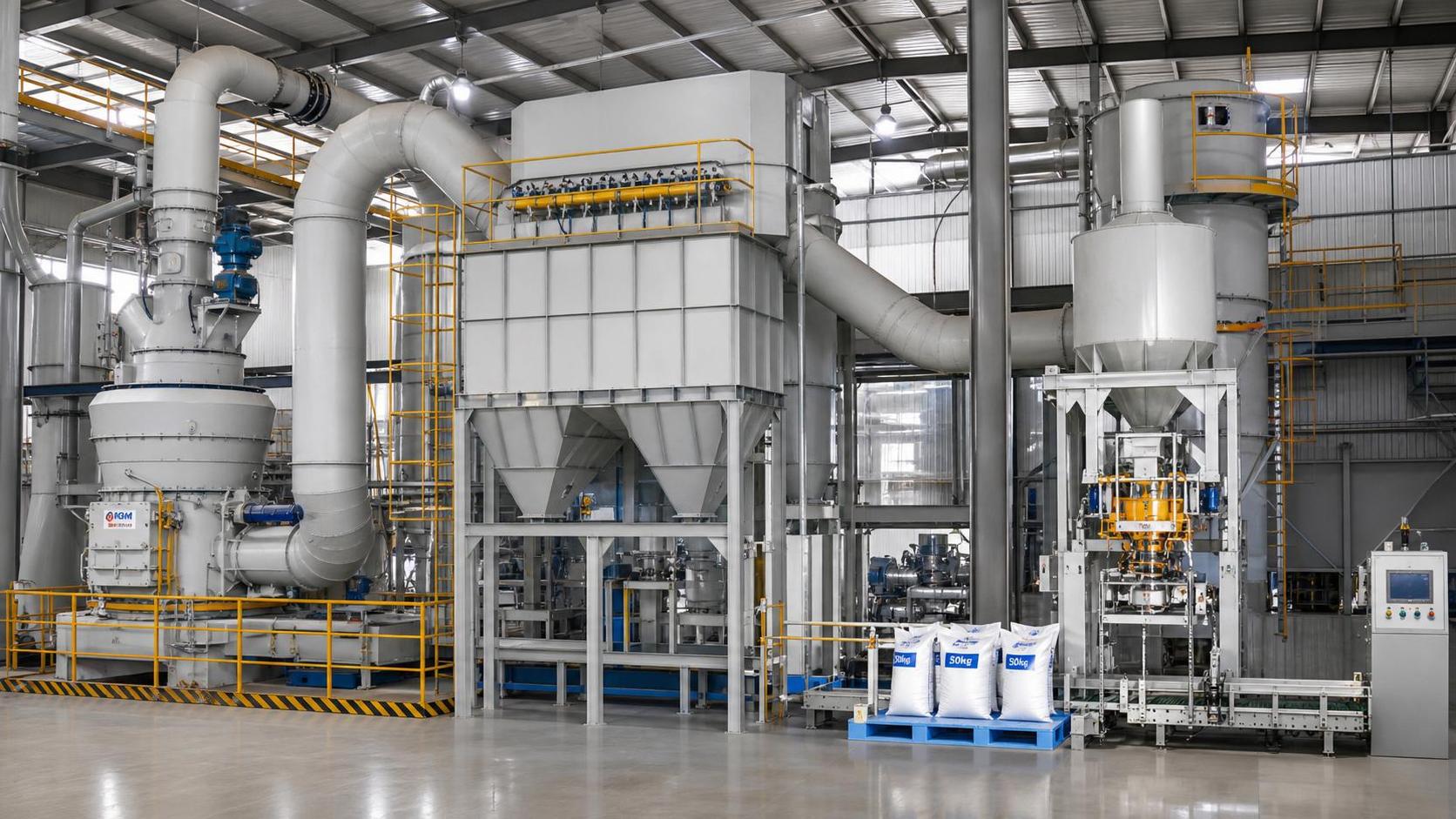
Tailings recycling China is rarely solved by one machine. The outcome depends on the whole line, including crushing, grinding, classification, dosing, dewatering, drying, storage, and dust collection.
This is why platforms such as NMBS are relevant to the topic. Tailings utilization is closely tied to non-metallic processing equipment and low-carbon building material systems, not just to mining waste policy.
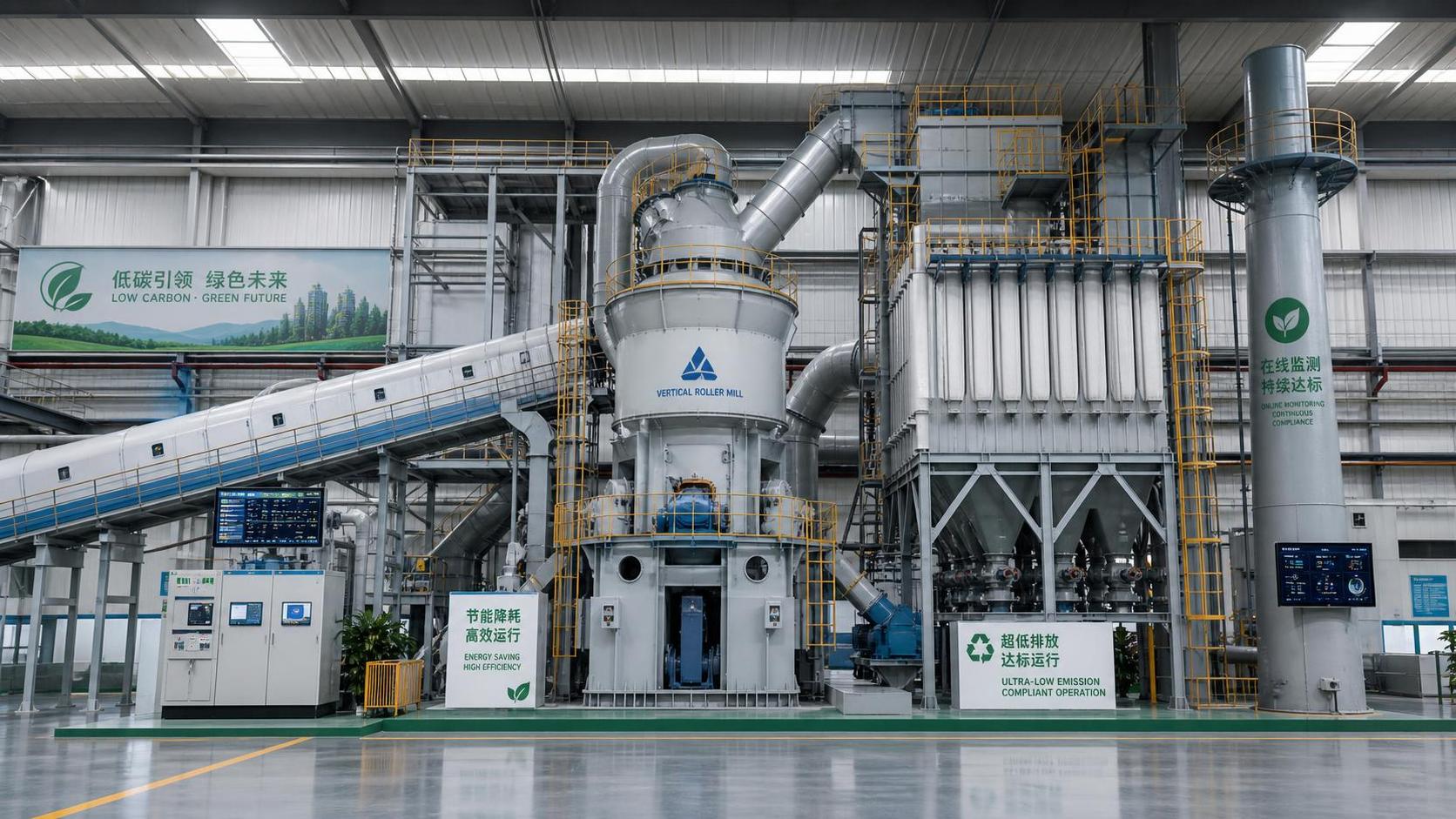
A vertical mill, high-pressure roller mill, drying circuit, or automated batching system can improve economics. Yet the wrong configuration can lock a project into unstable throughput or excessive specific energy use.
How to judge project quality before capital is committed
A strong project starts with material truth, not marketing assumptions. Representative sampling across seasons, storage conditions, and mine zones is essential because tailings composition can drift significantly.
The next step is matching the material to a realistic end market. A lower-spec application with steady local demand may outperform a high-value application that needs expensive purification.
Process design should then be tested against three metrics: product consistency, full delivered cost, and compliance resilience. If one of these fails, scale-up risk rises quickly.
- Check whether pilot data reflects continuous production rather than short laboratory runs.
- Compare disposal savings with actual processing and logistics costs, not with theoretical raw material prices.
- Review emissions, wastewater, and residue streams created by the recycling process itself.
- Test how sensitive margins are to electricity tariffs, transport radius, and product acceptance rates.
In many cases, the most bankable route is phased development. A simpler application can validate supply stability and operating discipline before moving into higher-spec products.
What the next phase of tailings recycling China looks like
The next phase will likely favor integrated projects rather than stand-alone recycling stories. Sites that combine raw material access, process equipment, nearby demand, and compliance capability will have a clear advantage.
Digital monitoring will also matter more. Moisture tracking, particle size control, automated dosing, and energy data can reduce the variability that often undermines tailings utilization projects.
Carbon pressure adds another layer. If tailings can replace virgin extraction, reduce landfill burden, or improve blended material efficiency, the value case may extend beyond direct raw material savings.
Still, tailings recycling China will not become attractive through policy language alone. The winners will be operations that connect regulatory direction with process engineering, local market fit, and disciplined cost control.
A practical next step is to build a decision framework around material characterization, application fit, equipment pathway, compliance exposure, and transport radius. That approach creates a clearer basis for comparing opportunities and rejecting weak ones early.
Related News
- Can EU ETS compliance software reduce errors in emissions reporting?Author :Dr. Alaric Vance

- How to verify a green building certification agency before hiringAuthor :Dr. Alaric Vance

- What do BREEAM material standards require from construction products?Author :Dr. Alaric Vance

- When does a hydrogen fuel kiln reduce emissions in ceramic firing?Author :Dr. Alaric Vance

- What counts in carbon emissions reporting under today’s ESG rulesAuthor :Dr. Alaric Vance

- How to verify whether a green building certification company is credibleAuthor :Dr. Alaric Vance

- How to verify carbon compliance in building materials before project approvalAuthor :Dr. Alaric Vance

- ISO 50100:2026 Reshapes Decarbonization ComplianceAuthor :Dr. Alaric Vance

- How to Measure Building Material Emissions Reduction for ESG ReportingAuthor :Dr. Alaric Vance

- How to Evaluate EU ETS Compliance Software for Audit Readiness and Data AccuracyAuthor :Dr. Alaric Vance

- What Green Material Certification Means for ESG Compliance in ManufacturingAuthor :Dr. Alaric Vance

- How Green Building Material Manufacturing Supports ESG Compliance and Cost ControlAuthor :Dr. Alaric Vance

- EU Extends CBAM Transition, Adds August Carbon Filing RuleAuthor :Dr. Alaric Vance

- EU CBAM Phase Three Reaches Equipment ExportersAuthor :Dr. Alaric Vance

- EU Tightens CE-EPD Rules for Glass MachineryAuthor :Dr. Alaric Vance

- Low-Carbon Cement Production System: Cost, ROI, and Compliance BasicsAuthor :Dr. Alaric Vance

- EU Carbon Compliance Materials: 2026 Rule Changes That Affect SourcingAuthor :Dr. Alaric Vance

- Decarbonization in Building Materials: 5 Cost Drivers to Watch in 2026Author :Dr. Alaric Vance

- Tailings Recycling Technology Trends Shaping ESG Compliance in 2026Author :Dr. Alaric Vance

- Green Building Certification Criteria That Matter in Material SelectionAuthor :Dr. Alaric Vance

- EU Carbon Compliance Materials: Key Rules and Cost Risks in 2026Author :Dr. Alaric Vance

- Tailings Recycling China: Policy and Project Outlook 2026Author :Dr. Alaric Vance

- EU Sets CBAM Trial Rules for Glass and CeramicsAuthor :Dr. Alaric Vance

- Carbon Reduction Roadmap: 5 Cost Levers That Matter in 2026Author :Dr. Alaric Vance

- EU CBAM Extends to Glass and Ceramics in 2026Author :Dr. Alaric Vance

- Green Building Certification Rating: What Changes Project Value in 2026Author :Dr. Alaric Vance

- Cement Dust Emission Control Options Under New ESG Compliance PressureAuthor :Dr. Alaric Vance

- Industrial Dust Emission Control for Material Handling Compliance GuideAuthor :Dr. Alaric Vance

- EU CBAM Extends to Glass and Ceramic EquipmentAuthor :Dr. Alaric Vance

- Cement Plant Dust Control Options Compared for Compliance and Operating CostAuthor :Dr. Alaric Vance

- Low-Carbon Cement Materials in 2026: Cost, Carbon Rules, and Supply RisksAuthor :Dr. Alaric Vance

- Fly Ash Cement Applications: Best Uses and Performance LimitsAuthor :Dr. Alaric Vance

- Dust Free Production: Key Process Controls That Actually WorkAuthor :Dr. Alaric Vance

- EU REACH Update Raises Export Compliance Bar for Glass and Quartz LinesAuthor :Dr. Alaric Vance

- EU CBAM Guidance Brings Grid Carbon Factors Into Export FilingsAuthor :Dr. Alaric Vance

- Carbon Reduction in Cement Plants: Practical Routes and Trade-OffsAuthor :Dr. Alaric Vance