



Search News
Industry Portal
Popular Tags
All categories
Building Material Carbon Quotas in Europe: What Changes Next




Carbon Quotas Are Moving From Policy News to Daily Cost Logic
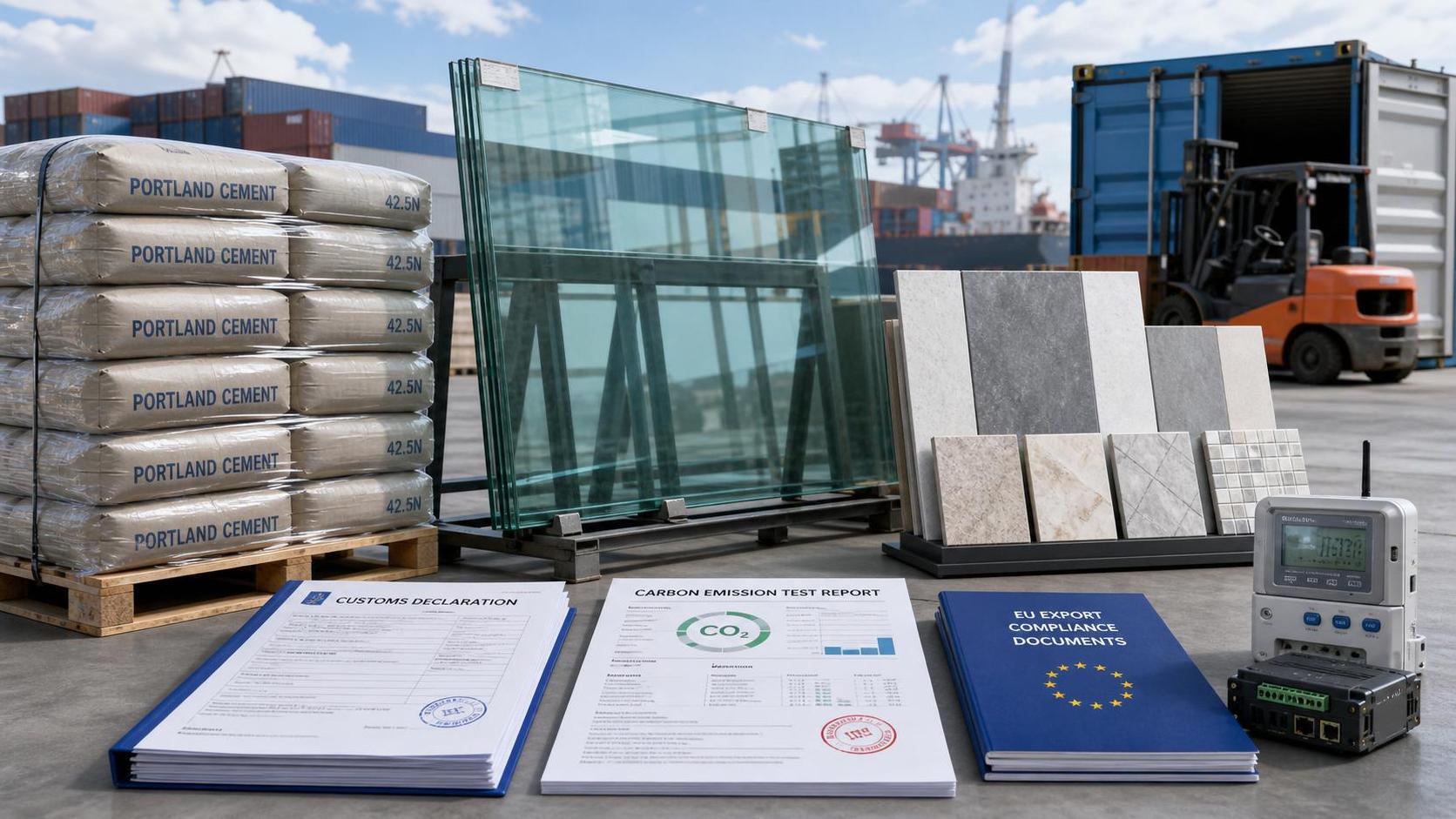
Europe’s carbon regime is entering a more demanding phase for heavy materials.
That shift makes building material carbon quotas Europe a live commercial variable, not a distant compliance topic.
For cement, glass, ceramics, AAC, refractory, and engineered stone, quota exposure now affects project valuation, sourcing assumptions, and bid competitiveness.
The important change is not only tighter climate language.
It is the gradual conversion of carbon into a measurable line within operating cost, equipment choice, and market access.
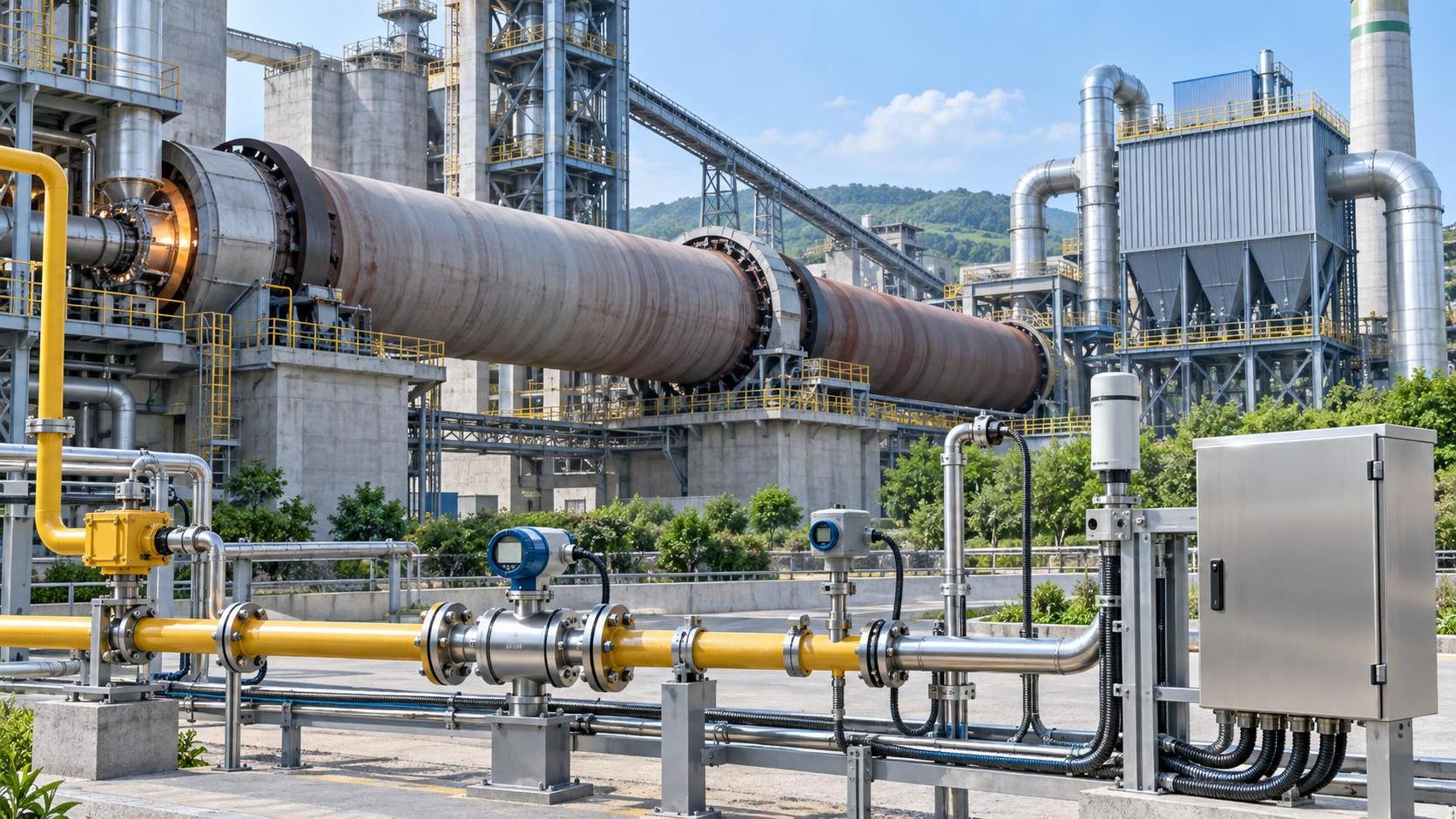
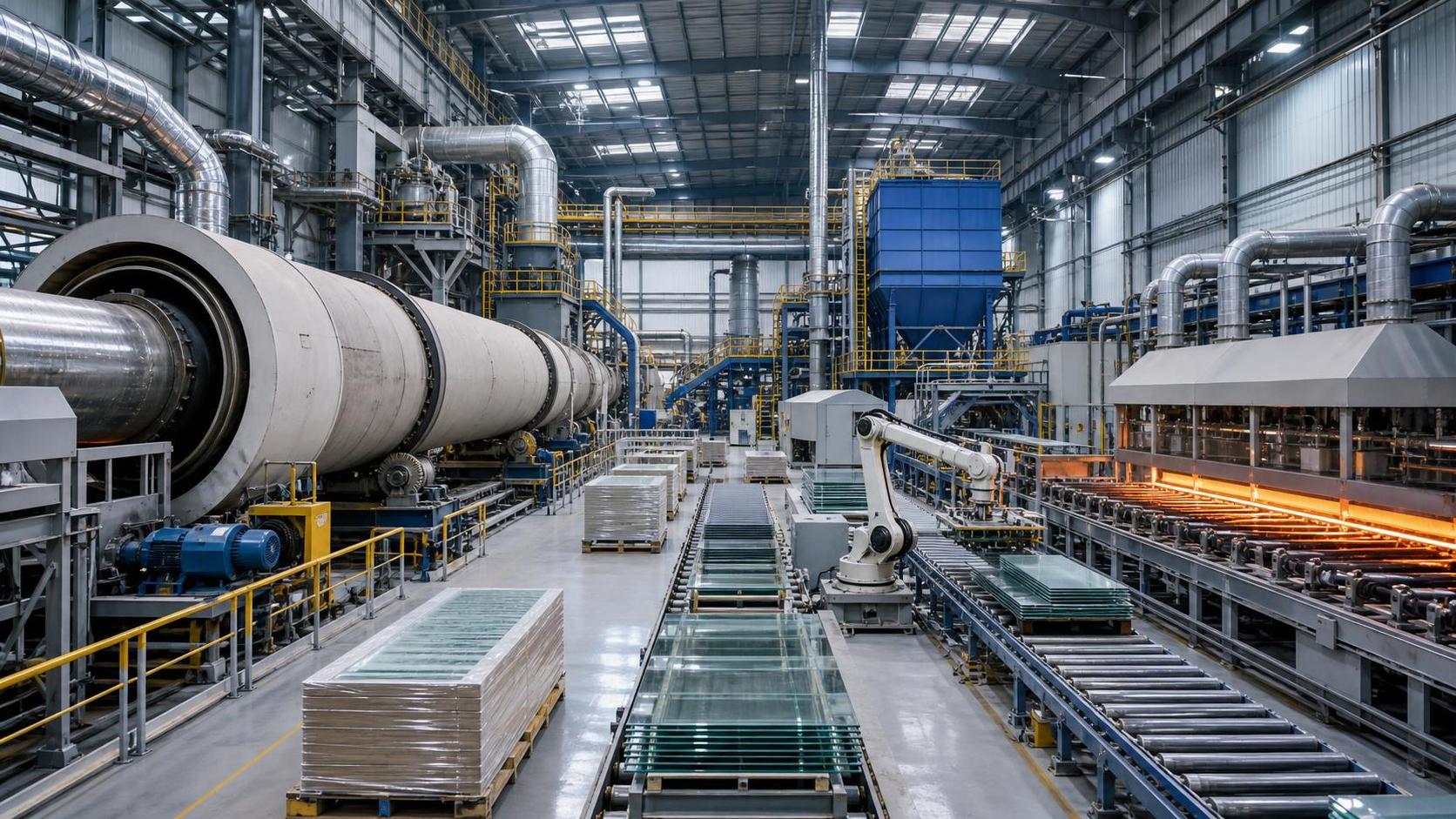
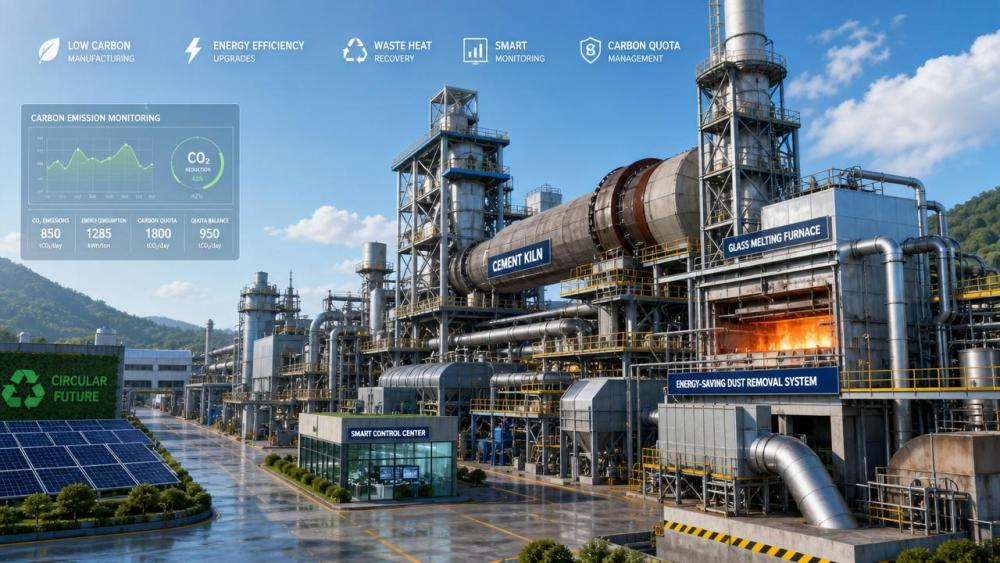
This matters across the non-metallic materials chain that NMBS follows, from grinding systems and kiln upgrades to PV glass lines and dust-control integration.
Once quotas tighten, every process parameter starts to carry strategic weight.
Energy intensity, fuel flexibility, heat recovery, automation quality, and scrap rates all become linked to carbon cost resilience.
Why the Next Stage of Building Material Carbon Quotas Europe Feels Different
The current phase is more serious because several pressures are arriving together.
Free allocation is under greater scrutiny, reporting standards are tightening, and downstream buyers increasingly compare embodied carbon across materials.
At the same time, energy price volatility has not fully disappeared.
That means carbon quotas now interact with fuel risk rather than sitting beside it.
A plant with weak thermal efficiency can lose ground twice.
It pays more for energy and faces a less favorable carbon position.
From recent market signals, three drivers stand out most clearly.
- Carbon pricing is becoming more visible in financing, supplier qualification, and tender evaluation.
- Industrial decarbonization technologies are moving from pilot language into capex screening.
- Construction value chains increasingly ask for traceable emissions data, not just general sustainability claims.
This is why building material carbon quotas Europe now shape business logic earlier in the decision cycle.
The issue appears before equipment is purchased, before output is contracted, and before a new line reaches full utilization.
The Pressure Does Not Land Evenly Across Material Segments
Quota reform does not produce one uniform market outcome.
Different material systems face different technical constraints and response speeds.
That difference is especially visible in sectors covered by NMBS intelligence.
The table shows why broad carbon averages can be misleading.
Building material carbon quotas Europe hit each segment through a different operational doorway.
In practical assessments, process detail matters more than sector labels.
Equipment Decisions Are Becoming Carbon Decisions
A notable change is how carbon quotas are reshaping equipment evaluation.
Older procurement logic often separated throughput, product quality, and environmental compliance into different conversations.
That separation is fading.
A vertical mill, tempering furnace, autoclave system, or kiln retrofit is now judged partly by future carbon exposure.
This is where technical intelligence becomes more valuable than list-price comparison.
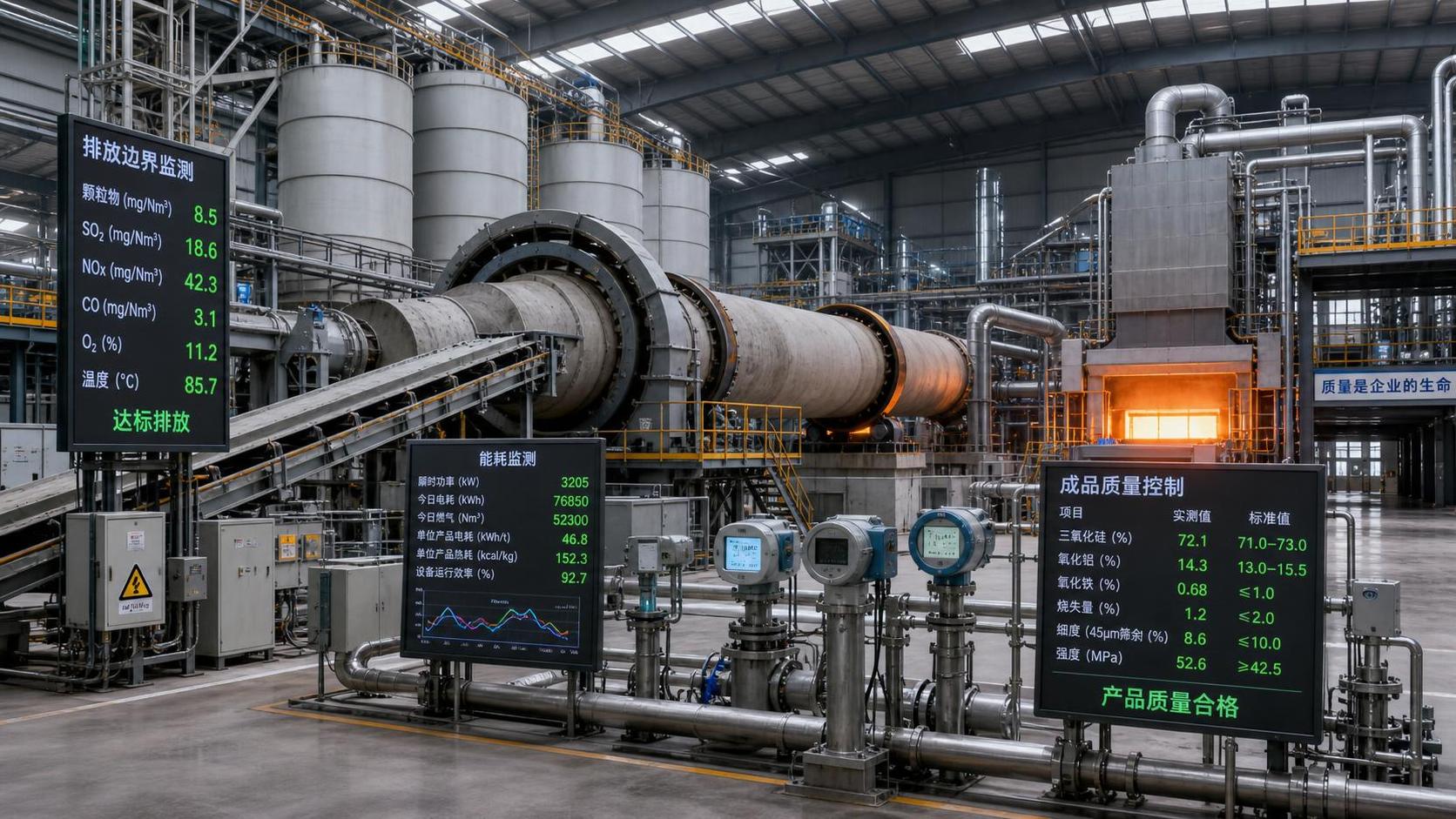
For example, a line with better particle size control may reduce overgrinding and power waste.
A glass process with stronger quenching stability may improve yield and lower carbon per square meter sold.
A refractory plant with tighter thermal monitoring may cut rejected output and shorten payback on modernization.
These are not abstract sustainability benefits.
They directly change the economics behind building material carbon quotas Europe.
More evaluation teams are therefore looking beyond nominal capacity toward carbon-adjusted productivity.
Supply Chains Are Starting to Reprice Risk More Quietly
The market does not always announce this shift with dramatic headlines.
Often it appears through quieter changes in contract terms, supplier screening, and project assumptions.
A lower quoted price can lose appeal if future compliance costs look unstable.
A technically similar supplier can gain advantage if emissions reporting is clearer and retrofit readiness is stronger.
More worth noting is the shift in international trade logic.
European climate policy increasingly influences external suppliers that want to remain credible in regulated value chains.
That expands the relevance of building material carbon quotas Europe well beyond domestic production sites.
- Projects now examine whether a supplier’s process data can support future emissions disclosures.
- Tender reviews increasingly favor equipment with measurable energy-saving and low-dust performance.
- Investment screens are paying closer attention to retrofit flexibility under stricter carbon rules.
This does not mean every asset must be replaced immediately.
It means the market is assigning higher value to lines that can adapt without major disruption.
What Deserves Closer Attention Over the Next Planning Cycle
The next useful question is not whether quotas will matter.
It is which indicators deserve continuous tracking.
Several signals have become especially relevant for forward-looking assessments.
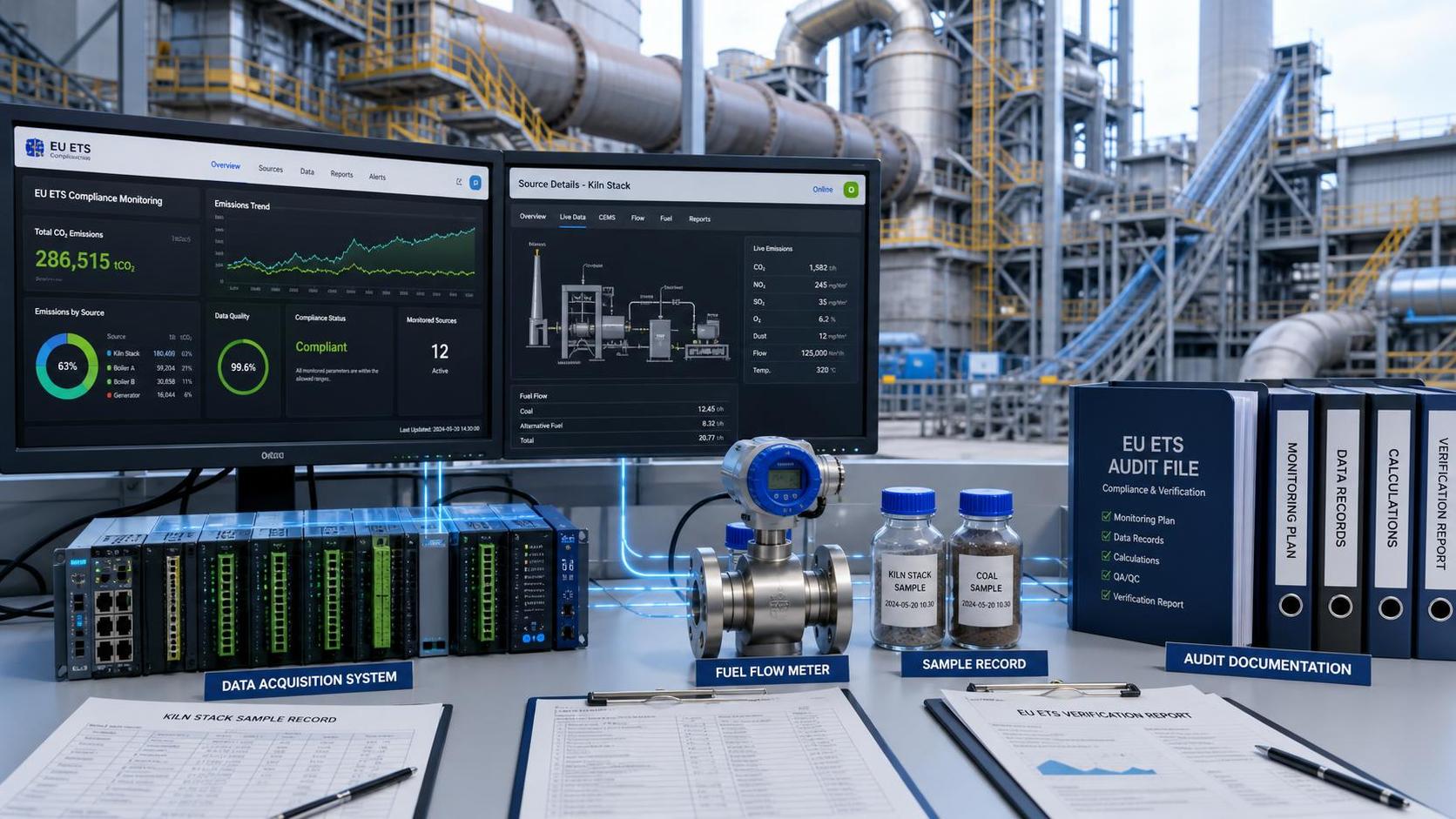
Watch the quality of emissions data, not only the headline number
A low emissions claim without consistent process data is becoming less useful.
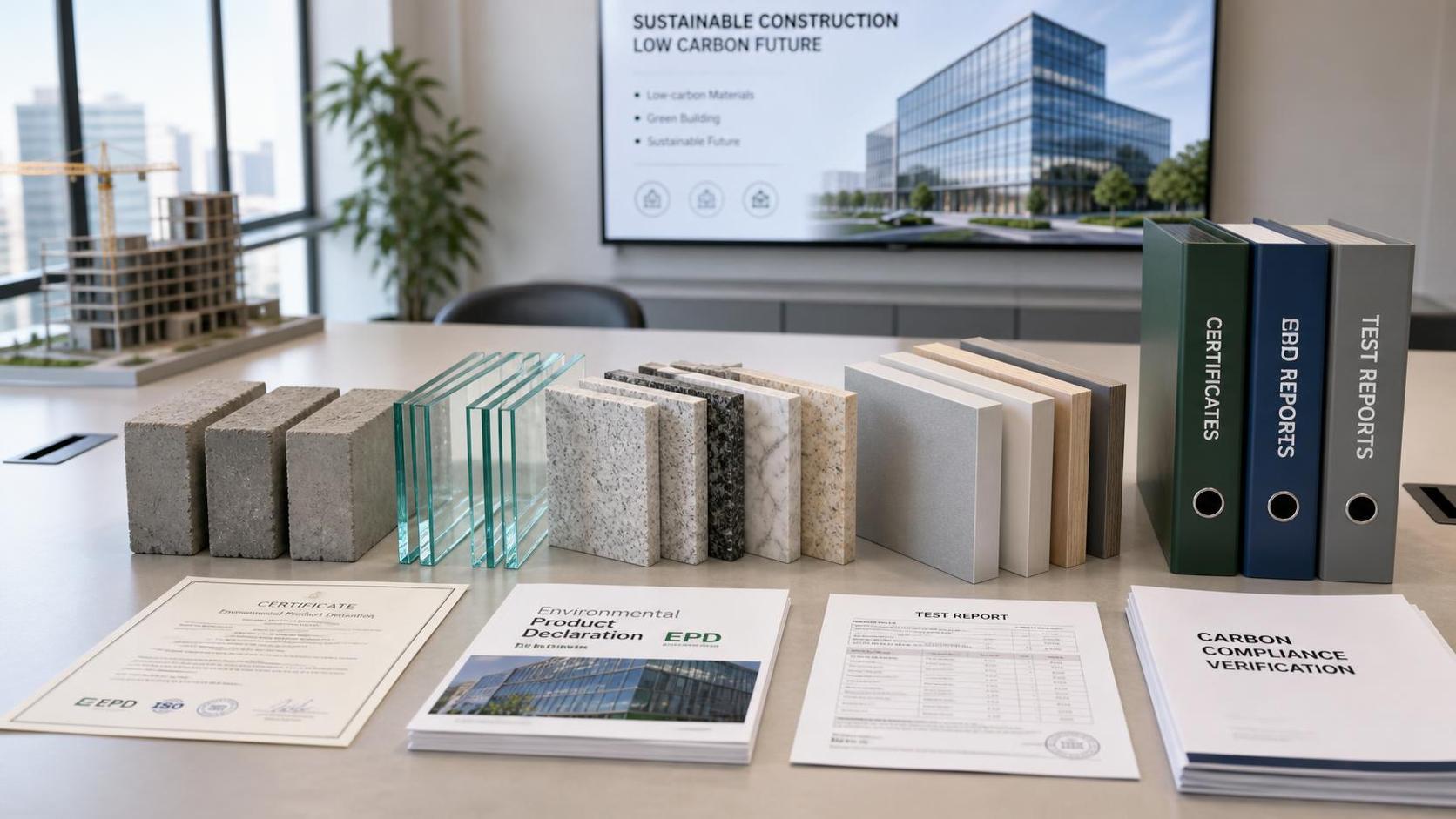
Auditability, system boundaries, and reporting discipline now influence credibility.
Compare retrofit pathways before comparing capex alone
A cheaper line can become expensive if it locks in high carbon intensity.
Fuel switching potential, heat recovery compatibility, and digital controls deserve early review.
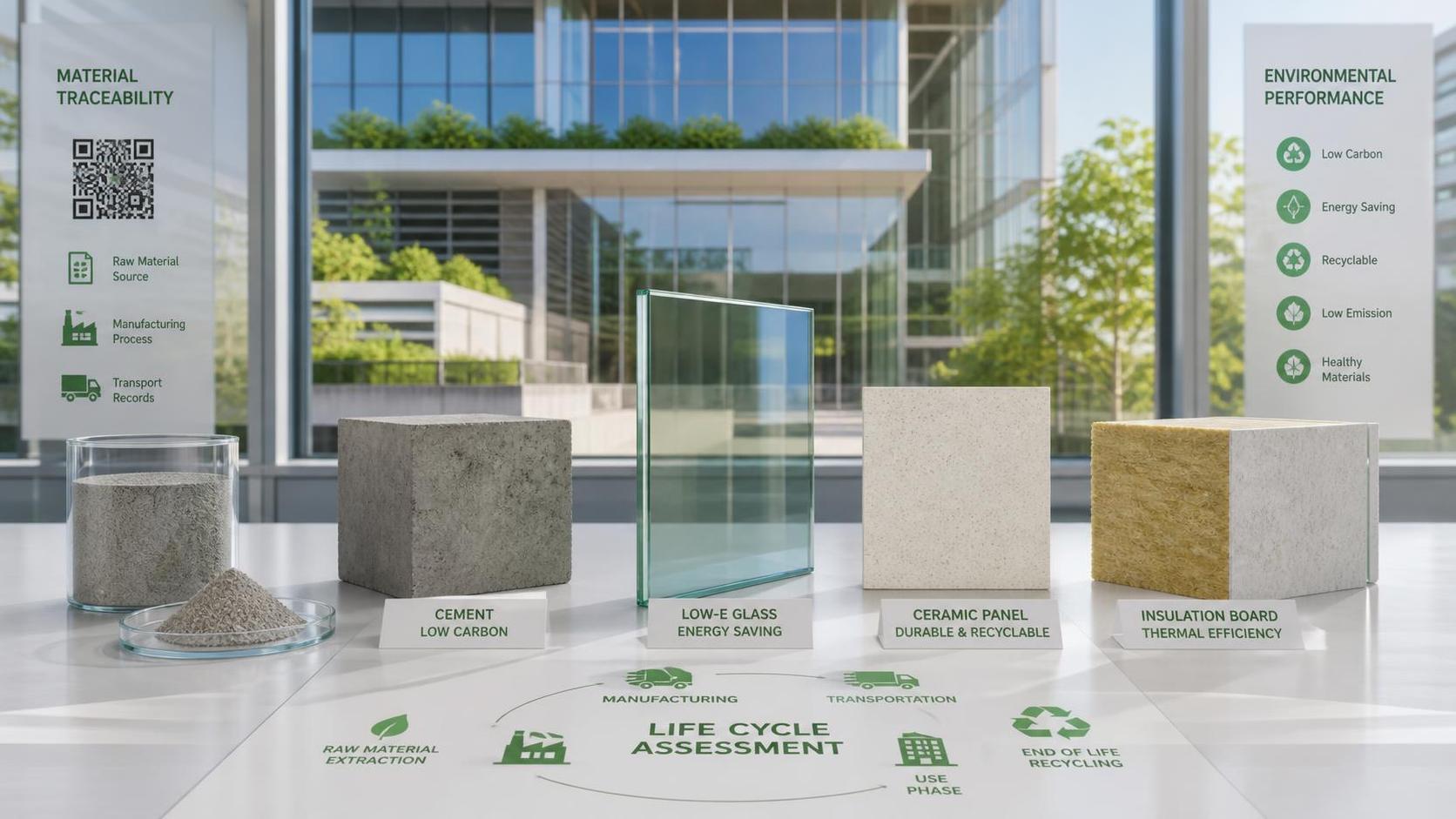
Track where product standards and green building criteria are converging
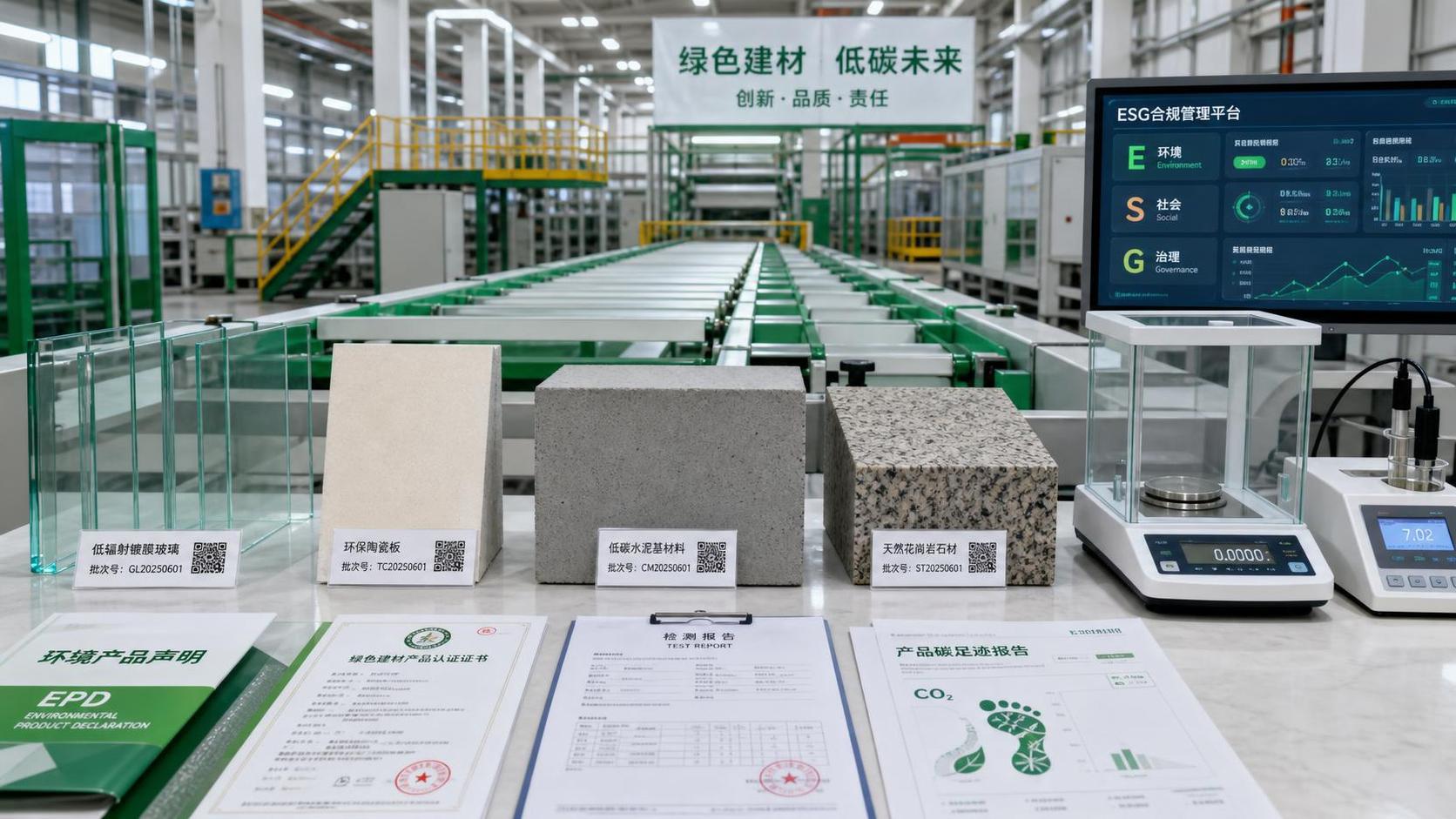
Carbon rules increasingly interact with procurement criteria in infrastructure and commercial construction.
That can alter demand for lower-clinker cement, efficient glass systems, and cleaner panel production.
In sectors observed by NMBS, the strongest performers are often those connecting process engineering with compliance foresight.
The More Durable Response Is Strategic, Not Reactive
Short-term quota management still matters, but it is no longer enough.
A durable response to building material carbon quotas Europe requires better integration between operations, equipment planning, and market positioning.
In many cases, the smartest move is staged adaptation rather than dramatic overhaul.
That could mean ranking lines by carbon sensitivity, identifying the fastest technical wins, and stress-testing supplier options against tighter policy assumptions.
It also helps to review process areas that are often undervalued.
Grinding efficiency, cullet ratio, kiln thermal balance, dust capture, scrap reduction, and automation stability can materially change carbon-adjusted returns.
The broader direction is already visible.
Europe is pushing industrial materials toward a system where carbon performance affects price discipline, supplier trust, and project access at the same time.
The most useful next step is to build a working map of exposure.
Review energy-intensive assets, compare upgrade pathways, test sourcing assumptions, and keep watching how building material carbon quotas Europe evolve across policy, equipment, and end-market demand.
Related News
- Can EU ETS compliance software reduce errors in emissions reporting?Author :Dr. Alaric Vance

- How to verify a green building certification agency before hiringAuthor :Dr. Alaric Vance

- What do BREEAM material standards require from construction products?Author :Dr. Alaric Vance

- When does a hydrogen fuel kiln reduce emissions in ceramic firing?Author :Dr. Alaric Vance

- What counts in carbon emissions reporting under today’s ESG rulesAuthor :Dr. Alaric Vance

- How to verify whether a green building certification company is credibleAuthor :Dr. Alaric Vance

- How to verify carbon compliance in building materials before project approvalAuthor :Dr. Alaric Vance

- ISO 50100:2026 Reshapes Decarbonization ComplianceAuthor :Dr. Alaric Vance

- How to Measure Building Material Emissions Reduction for ESG ReportingAuthor :Dr. Alaric Vance

- How to Evaluate EU ETS Compliance Software for Audit Readiness and Data AccuracyAuthor :Dr. Alaric Vance

- What Green Material Certification Means for ESG Compliance in ManufacturingAuthor :Dr. Alaric Vance

- How Green Building Material Manufacturing Supports ESG Compliance and Cost ControlAuthor :Dr. Alaric Vance

- EU Extends CBAM Transition, Adds August Carbon Filing RuleAuthor :Dr. Alaric Vance

- EU CBAM Phase Three Reaches Equipment ExportersAuthor :Dr. Alaric Vance

- EU Tightens CE-EPD Rules for Glass MachineryAuthor :Dr. Alaric Vance

- Low-Carbon Cement Production System: Cost, ROI, and Compliance BasicsAuthor :Dr. Alaric Vance

- EU Carbon Compliance Materials: 2026 Rule Changes That Affect SourcingAuthor :Dr. Alaric Vance

- Decarbonization in Building Materials: 5 Cost Drivers to Watch in 2026Author :Dr. Alaric Vance

- Tailings Recycling Technology Trends Shaping ESG Compliance in 2026Author :Dr. Alaric Vance

- Green Building Certification Criteria That Matter in Material SelectionAuthor :Dr. Alaric Vance

- EU Carbon Compliance Materials: Key Rules and Cost Risks in 2026Author :Dr. Alaric Vance

- Tailings Recycling China: Policy and Project Outlook 2026Author :Dr. Alaric Vance

- EU Sets CBAM Trial Rules for Glass and CeramicsAuthor :Dr. Alaric Vance

- Carbon Reduction Roadmap: 5 Cost Levers That Matter in 2026Author :Dr. Alaric Vance

- EU CBAM Extends to Glass and Ceramics in 2026Author :Dr. Alaric Vance

- Green Building Certification Rating: What Changes Project Value in 2026Author :Dr. Alaric Vance

- Cement Dust Emission Control Options Under New ESG Compliance PressureAuthor :Dr. Alaric Vance

- Industrial Dust Emission Control for Material Handling Compliance GuideAuthor :Dr. Alaric Vance

- EU CBAM Extends to Glass and Ceramic EquipmentAuthor :Dr. Alaric Vance

- Cement Plant Dust Control Options Compared for Compliance and Operating CostAuthor :Dr. Alaric Vance

- Low-Carbon Cement Materials in 2026: Cost, Carbon Rules, and Supply RisksAuthor :Dr. Alaric Vance

- Fly Ash Cement Applications: Best Uses and Performance LimitsAuthor :Dr. Alaric Vance

- Dust Free Production: Key Process Controls That Actually WorkAuthor :Dr. Alaric Vance

- EU REACH Update Raises Export Compliance Bar for Glass and Quartz LinesAuthor :Dr. Alaric Vance

- EU CBAM Guidance Brings Grid Carbon Factors Into Export FilingsAuthor :Dr. Alaric Vance

- Carbon Reduction in Cement Plants: Practical Routes and Trade-OffsAuthor :Dr. Alaric Vance