



Search News
Industry Portal
Popular Tags
All categories
EU Tightens CE-EPD Rules for Glass Machinery




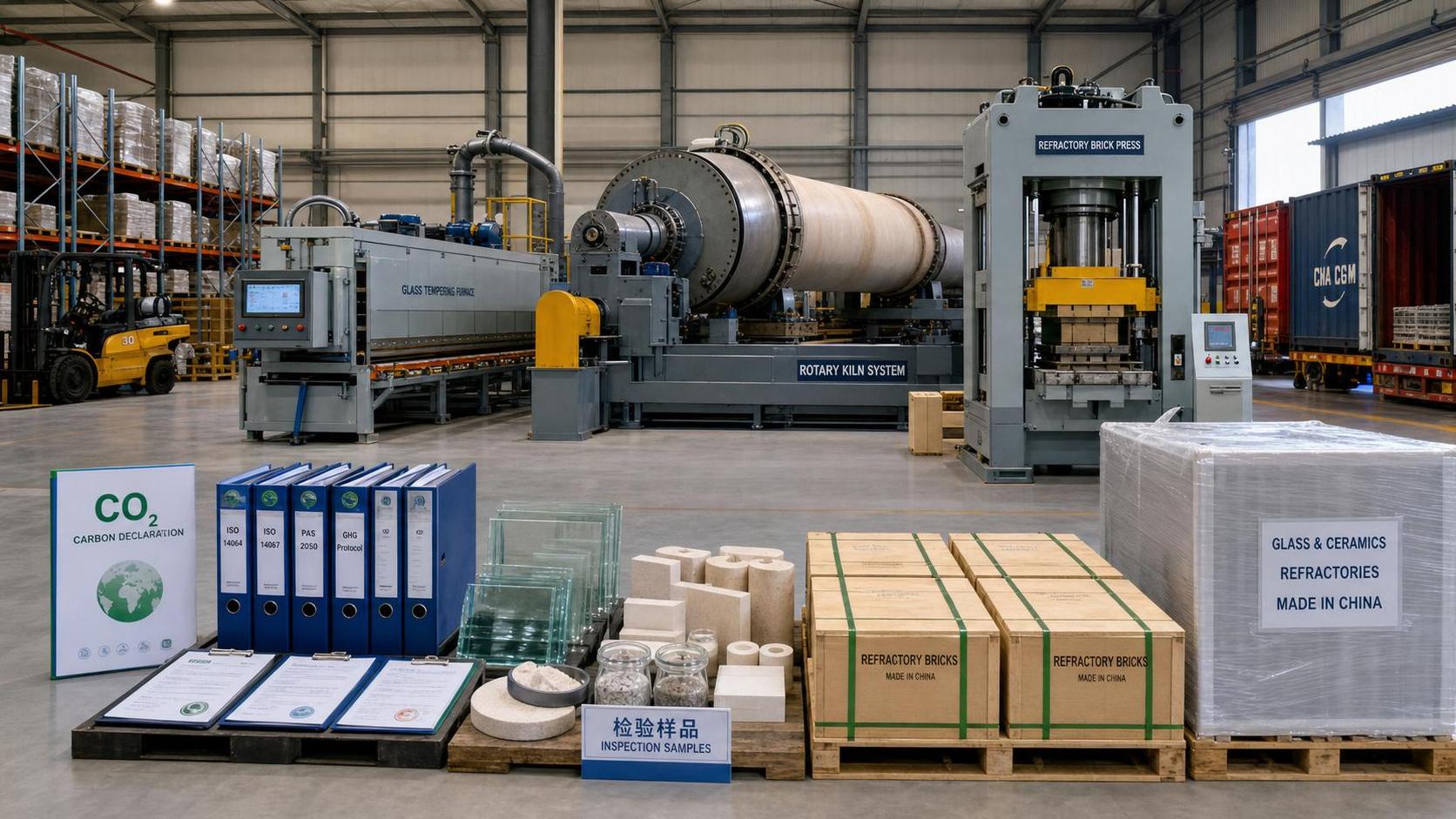
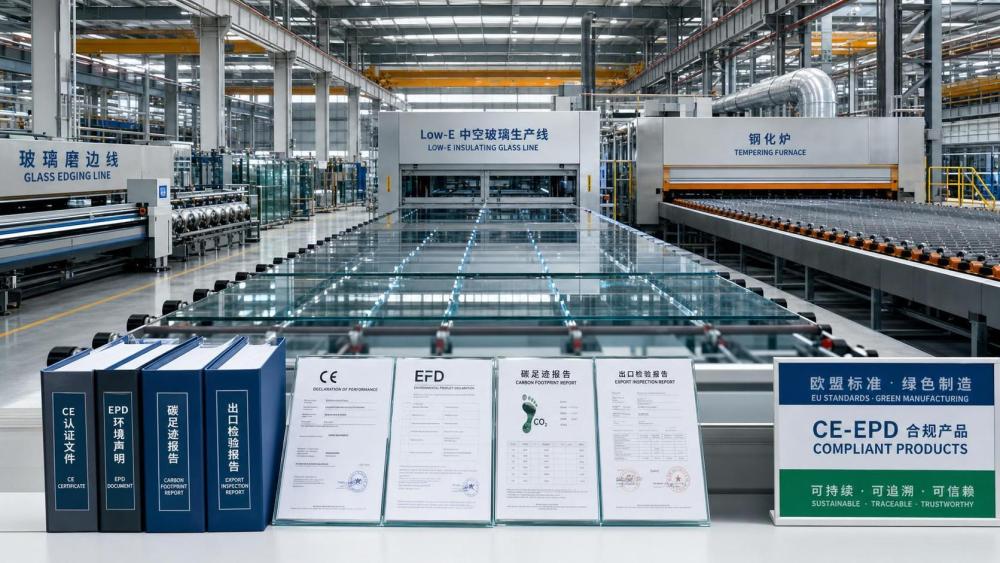
On July 20, 2026, the European Commission released updated implementation guidance for CE-EPD in glass processing machinery, with mandatory enforcement set for August 1. The update brings PV glass edge-processing lines, Low-E/IGU production lines, and flat or bent glass tempering furnaces into a compulsory carbon footprint declaration framework. For exporters, distributors, and manufacturers serving the European market, the immediate point of attention is that verified EPD documentation now reaches beyond the machine itself and into upstream electricity and steel supply chain data, with direct relevance to type testing, customs documentation, and distributor purchasing access.
What the New Guideline Formally Covers
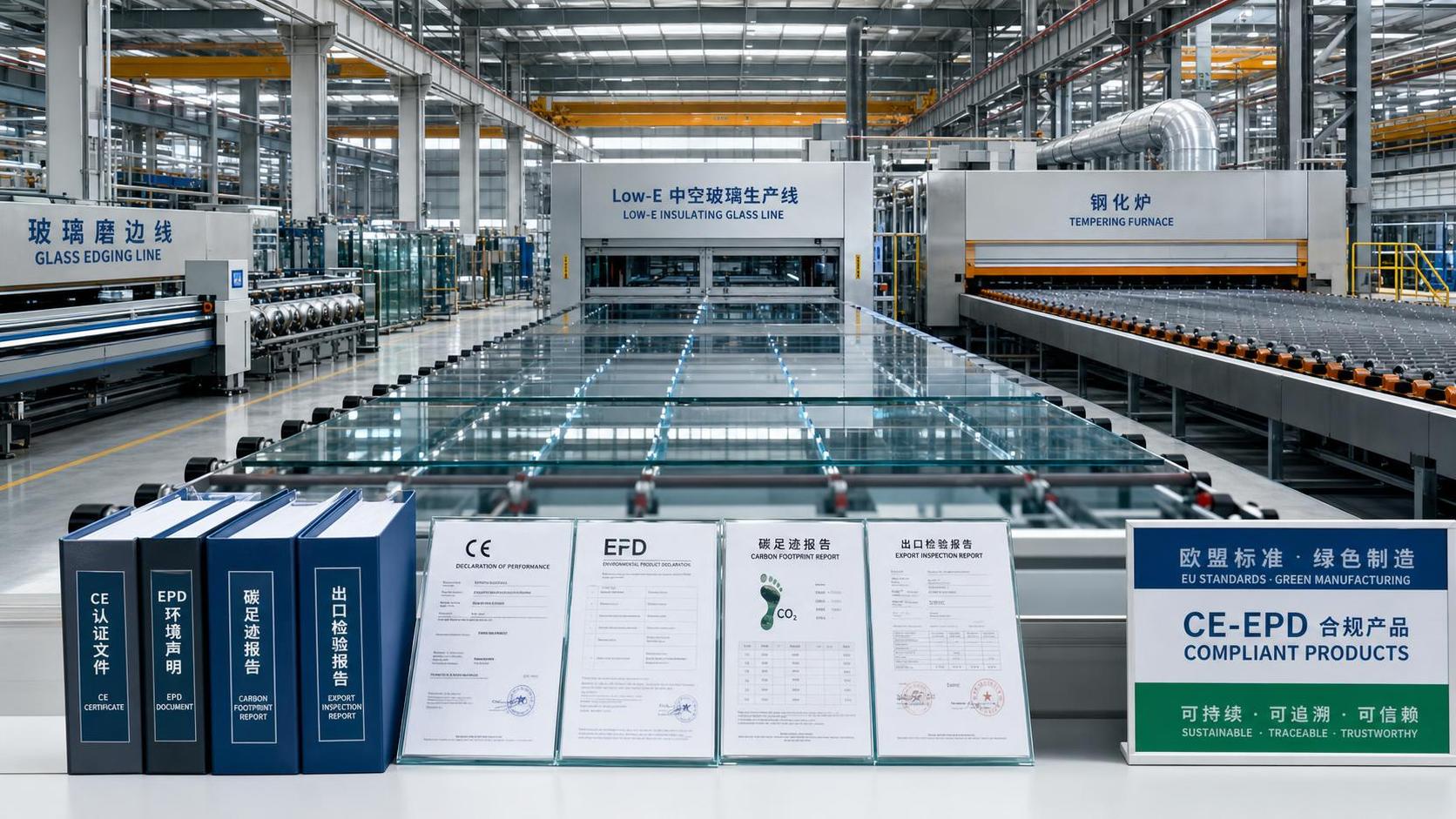
The confirmed update is the publication of CE-EPD for Glass Processing Machinery: Technical Implementation Guidelines v2.1 by the European Commission on July 20, 2026. According to the provided information, the guideline makes carbon footprint declarations mandatory for three equipment categories: PV glass edge-processing lines, Low-E/IGU production lines, and flat or curved glass tempering furnaces.
The same information states that exporters must provide an Environmental Product Declaration verified by an accredited third party. The required data scope covers the full machine life cycle and explicitly includes upstream electricity and steel supply chains linked to Chinese manufacturers.
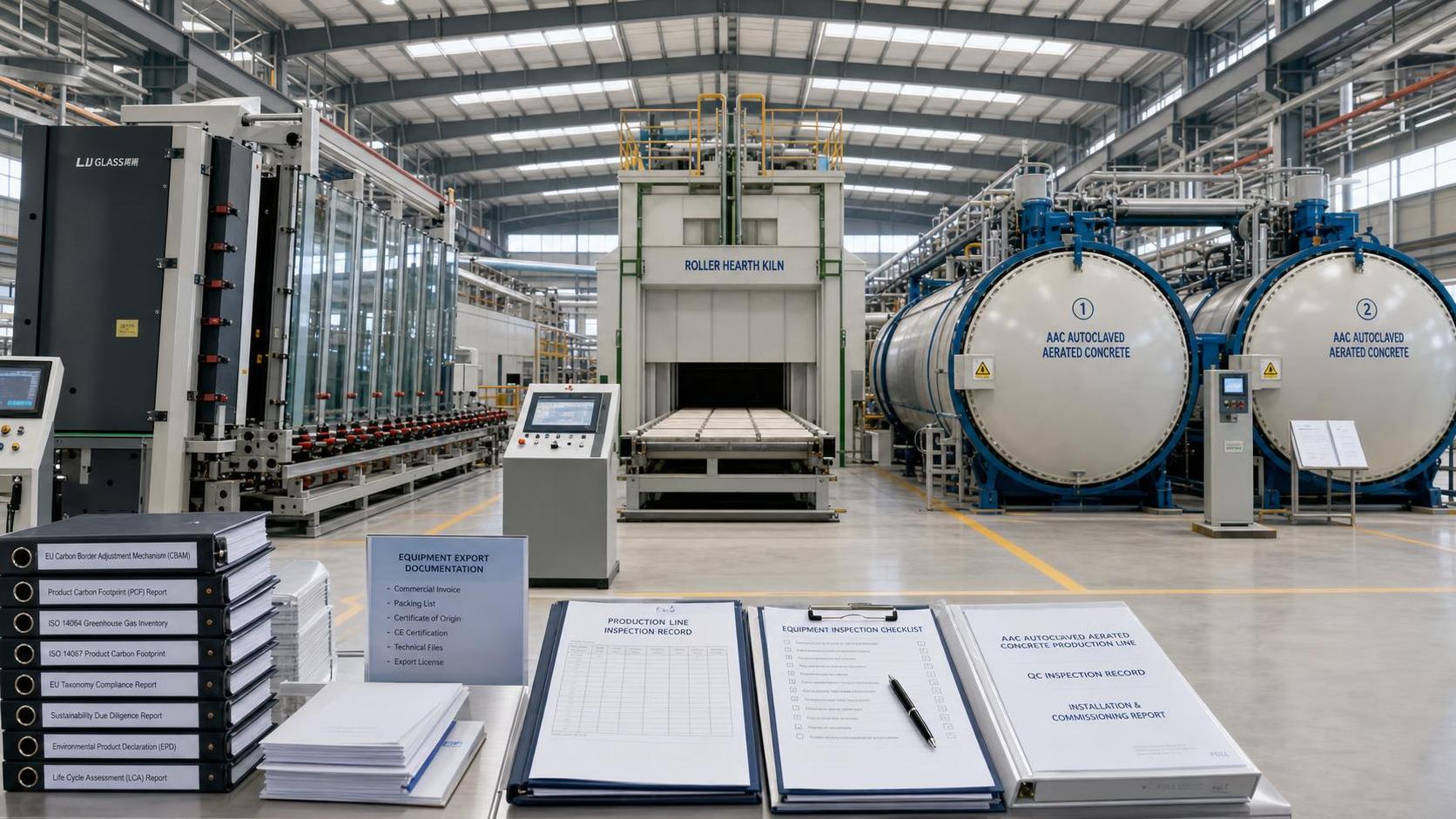
The implementation detail also directly affects three practical areas for Chinese glass machinery exporters: type inspection, customs clearance documentation, and procurement access through European distributors.
Where the Pressure Will Be Felt Across the Chain
Export transactions may face a documentation threshold
From an industry perspective, trading companies and direct exporters are likely to feel the first impact at the transaction stage. The reason is straightforward: the new rule is tied not only to product qualification in principle, but also to the documents needed to support market entry. The business impact is therefore likely to appear in quotation preparation, contract discussions, and shipment-related paperwork.
What deserves closer attention is whether an exporter can present a third-party verified EPD with the required life-cycle scope at the time a buyer, testing body, or customs-related process asks for it. In practice, the compliance issue is no longer limited to a machinery specification sheet.
Manufacturers will be pushed upstream into data collection
Analysis shows that machinery producers are affected because the declaration boundary extends into upstream electricity and steel inputs. That means the issue is not confined to final assembly data. The affected business links are likely to include supplier coordination, internal records, and the consistency of information used in compliance files.
For manufacturers, the key change is that carbon-footprint readiness becomes partly dependent on whether upstream inputs can be documented in a way that supports accredited third-party verification.
European distributors may tighten procurement entry checks
Observably, distributors in Europe are positioned as another important gatekeeper because the rule directly touches procurement access. Even where commercial demand remains intact, the purchasing process may become more selective if required EPD materials are incomplete or delayed.
The practical implication is that procurement screening may shift earlier in the sales cycle. Suppliers targeting European distribution channels should therefore pay attention not only to technical performance, but also to how compliance documents are prepared and presented.
What Companies Should Track Now
Focus first on the covered equipment categories
The most immediate task is to identify whether current exports or pending orders involve the equipment categories explicitly named in the guideline: PV glass edge-processing lines, Low-E/IGU production lines, and flat or bent glass tempering furnaces. This matters because the compliance burden described in the update is category-specific, not a general statement about all industrial equipment.
Separate legal text from operational readiness
Analysis shows that a published rule and actual execution readiness are not the same thing. A company may know that third-party verified EPDs are required, yet still face gaps in internal data, supplier coordination, or document timing. The operational question is whether the required life-cycle information can be assembled in a form that supports type inspection and customs files without delaying delivery.
Check upstream supplier documentation discipline
Because the stated data boundary includes upstream electricity and steel supply chains, supplier-facing preparation becomes a practical issue. Companies should pay attention to whether upstream partners can support the data trail needed for verification, and whether those inputs are documented consistently enough to be used in external declarations.
Prepare customer and channel communication early
The update also has a communication dimension. Exporters and manufacturers serving Europe may need to clarify with distributors or buyers what document set will be expected and at which stage of procurement or shipment it will be reviewed. This is particularly relevant where purchasing access and customs documentation are both implicated by the same rule.
Why This Looks Like More Than a Short-Term Filing Change
Observably, this development should not be read as a routine paperwork revision alone. The requirement for accredited third-party verified EPDs, combined with life-cycle coverage that reaches upstream electricity and steel, points to a stricter compliance interpretation around machinery carbon disclosure.
At the same time, it would be premature to treat every downstream market outcome as already settled. Based on the provided information, the clearest confirmed effect is on compliance-related access points: type inspection, customs documents, and distributor procurement entry. It is more appropriate to understand this as an implemented rule with immediate operational consequences, while still treating broader commercial effects as something the industry needs to keep observing.
How the Market Is Best Reading This Update
In practical terms, this update signals that carbon-footprint disclosure for certain glass deep-processing equipment is moving closer to a market-access condition rather than remaining a peripheral sustainability statement. The relevance is strongest for Chinese exporters and manufacturers whose European business depends on smooth certification, customs handling, and distributor acceptance.
Current industry interpretation should remain disciplined. This is not a basis for broad conclusions about all glass machinery demand, but it is a clear sign that compliance documentation is becoming a more central part of export execution for the covered equipment categories.
Basis of This Article and What Still Needs Verification
This article is based on the user-provided news title, event date, and event summary concerning the July 20, 2026 release of the European Commission's CE-EPD for Glass Processing Machinery: Technical Implementation Guidelines v2.1 and its mandatory enforcement from August 1.
For this type of industry update, commonly relevant source categories may include official notices, standard or guideline documents, company disclosures, industry association releases, and reporting by established trade media. The specific official source link was not provided in the input, so continued verification is still necessary.
What remains worth tracking is whether there are further clarifications in official wording, implementation interpretation, documentation practice, or related procurement and customs expectations affecting the covered machinery categories.
Related News
- Can EU ETS compliance software reduce errors in emissions reporting?Author :Dr. Alaric Vance

- How to verify a green building certification agency before hiringAuthor :Dr. Alaric Vance

- What do BREEAM material standards require from construction products?Author :Dr. Alaric Vance

- When does a hydrogen fuel kiln reduce emissions in ceramic firing?Author :Dr. Alaric Vance

- What counts in carbon emissions reporting under today’s ESG rulesAuthor :Dr. Alaric Vance

- How to verify whether a green building certification company is credibleAuthor :Dr. Alaric Vance

- How to verify carbon compliance in building materials before project approvalAuthor :Dr. Alaric Vance

- ISO 50100:2026 Reshapes Decarbonization ComplianceAuthor :Dr. Alaric Vance

- How to Measure Building Material Emissions Reduction for ESG ReportingAuthor :Dr. Alaric Vance

- How to Evaluate EU ETS Compliance Software for Audit Readiness and Data AccuracyAuthor :Dr. Alaric Vance

- What Green Material Certification Means for ESG Compliance in ManufacturingAuthor :Dr. Alaric Vance

- How Green Building Material Manufacturing Supports ESG Compliance and Cost ControlAuthor :Dr. Alaric Vance

- EU Extends CBAM Transition, Adds August Carbon Filing RuleAuthor :Dr. Alaric Vance

- EU CBAM Phase Three Reaches Equipment ExportersAuthor :Dr. Alaric Vance

- EU Tightens CE-EPD Rules for Glass MachineryAuthor :Dr. Alaric Vance

- Low-Carbon Cement Production System: Cost, ROI, and Compliance BasicsAuthor :Dr. Alaric Vance

- EU Carbon Compliance Materials: 2026 Rule Changes That Affect SourcingAuthor :Dr. Alaric Vance

- Decarbonization in Building Materials: 5 Cost Drivers to Watch in 2026Author :Dr. Alaric Vance

- Tailings Recycling Technology Trends Shaping ESG Compliance in 2026Author :Dr. Alaric Vance

- Green Building Certification Criteria That Matter in Material SelectionAuthor :Dr. Alaric Vance

- EU Carbon Compliance Materials: Key Rules and Cost Risks in 2026Author :Dr. Alaric Vance

- Tailings Recycling China: Policy and Project Outlook 2026Author :Dr. Alaric Vance

- EU Sets CBAM Trial Rules for Glass and CeramicsAuthor :Dr. Alaric Vance

- Carbon Reduction Roadmap: 5 Cost Levers That Matter in 2026Author :Dr. Alaric Vance

- EU CBAM Extends to Glass and Ceramics in 2026Author :Dr. Alaric Vance

- Green Building Certification Rating: What Changes Project Value in 2026Author :Dr. Alaric Vance

- Cement Dust Emission Control Options Under New ESG Compliance PressureAuthor :Dr. Alaric Vance

- Industrial Dust Emission Control for Material Handling Compliance GuideAuthor :Dr. Alaric Vance

- EU CBAM Extends to Glass and Ceramic EquipmentAuthor :Dr. Alaric Vance

- Cement Plant Dust Control Options Compared for Compliance and Operating CostAuthor :Dr. Alaric Vance

- Low-Carbon Cement Materials in 2026: Cost, Carbon Rules, and Supply RisksAuthor :Dr. Alaric Vance

- Fly Ash Cement Applications: Best Uses and Performance LimitsAuthor :Dr. Alaric Vance

- Dust Free Production: Key Process Controls That Actually WorkAuthor :Dr. Alaric Vance

- EU REACH Update Raises Export Compliance Bar for Glass and Quartz LinesAuthor :Dr. Alaric Vance

- EU CBAM Guidance Brings Grid Carbon Factors Into Export FilingsAuthor :Dr. Alaric Vance

- Carbon Reduction in Cement Plants: Practical Routes and Trade-OffsAuthor :Dr. Alaric Vance