



Search News
Industry Portal
Popular Tags
All categories
Vietnam Construction Growth Lifts Green Materials Demand




The timing of the development was not specified in the source material, but the signal is clear: Vietnam’s construction market is being shaped by expected 2026 growth, rising demand for imported green building materials, and stricter ESG-related entry standards in public and EPC-linked procurement. For traders, manufacturers, project suppliers, and procurement teams, the key issue is no longer only volume demand, but also whether product certification can determine market access.

What the reported update confirms
A recent report from the securities division of the Bank for Investment and Development of Vietnam states that Vietnam’s construction industry is expected to grow by 10% in 2026. The report links that outlook to social housing programs and large-scale infrastructure development.
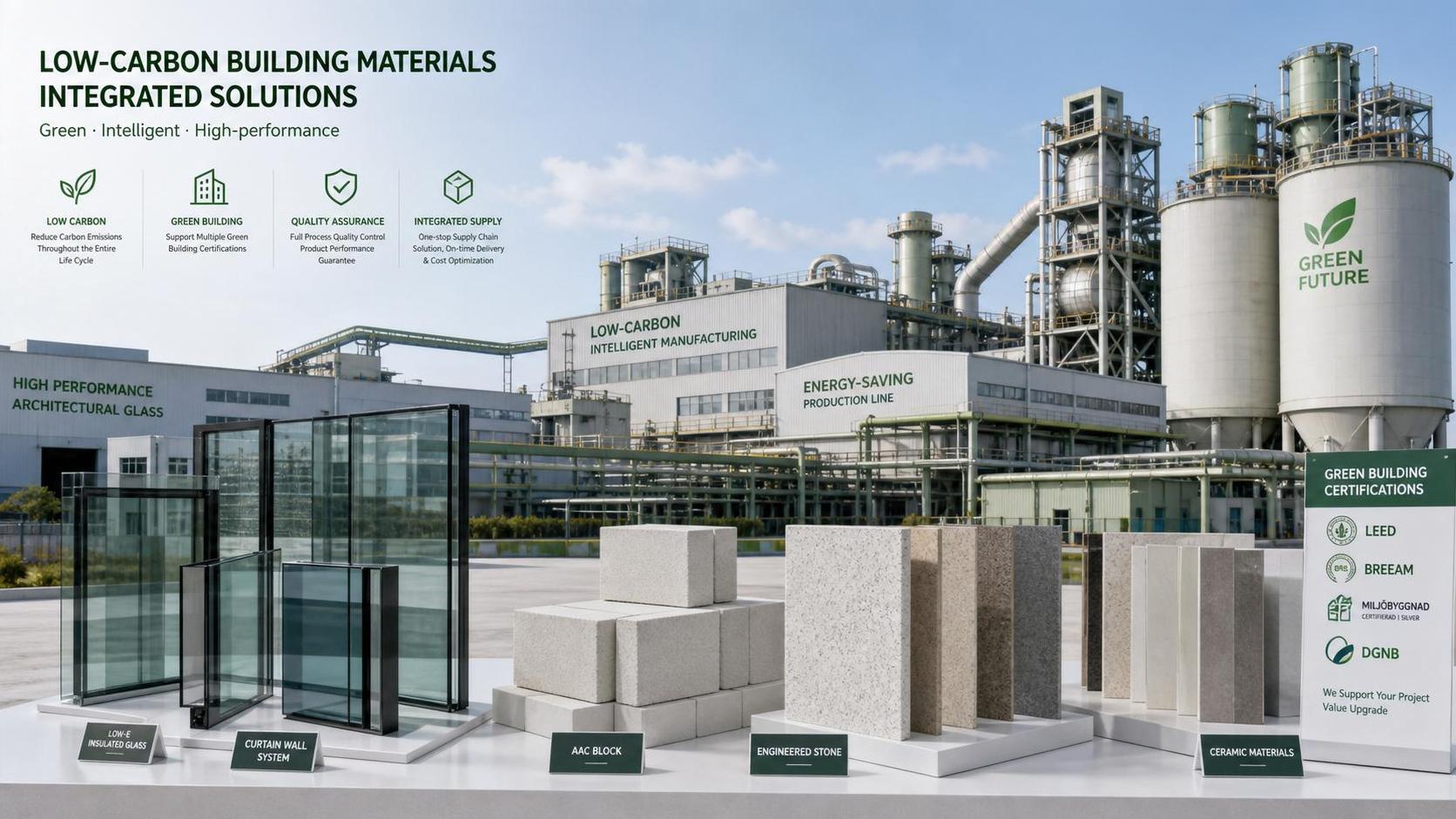
According to the same information, this expected expansion is driving higher import demand for high-performance coated steel sheets, AAC panels, and low-emissivity glass.
The input also states that after NS BlueScope Vietnam obtained ResponsibleSteel certification, local EPC projects began treating that certification as a mandatory tender requirement. Suppliers without the certification have been excluded from shortlists for government projects.
Where the pressure is likely to appear across the chain
Import-facing material suppliers may see demand shift toward qualified products
From an industry perspective, companies involved in direct trade are likely to feel the first impact because the reported demand increase is tied to imported high-performance and green-oriented materials. What deserves closer attention is not only whether order volumes rise, but whether buyers begin screening products more tightly around certification and specification fit.
Manufacturing and processing businesses may face a dual requirement
For processors and manufacturers using coated steel, AAC-related inputs, or architectural glass products, the development suggests a dual market requirement: performance suitability and ESG-linked compliance. Analysis shows that product competitiveness may increasingly depend on whether technical supply can be matched with documentation acceptable to EPC and government-linked buyers.
Project procurement teams may tighten shortlist criteria earlier in the bidding cycle
Procurement functions in EPC projects and government-related construction work may be affected through prequalification and supplier selection rather than only final purchasing decisions. Observably, if ResponsibleSteel certification is already being treated as a hard tender condition in some local EPC cases, supplier review may move upstream, with non-compliant vendors filtered out before price and delivery are fully discussed.
Supply chain service providers may need to adapt document and lead-time management
Logistics, sourcing support, and supply chain coordination providers may also be affected because material demand and qualification requirements are moving together. The business impact may show up in document readiness, certification verification, and the ability to align lead times with procurement windows for infrastructure and social housing-related projects.
What companies should watch now
Track how certification language appears in actual tenders
Companies should focus on whether certification requirements remain limited to selected EPC projects or begin appearing more broadly in public procurement practice. The practical issue is not the existence of one certification case alone, but how often such language becomes a repeat condition in bidding documents.
Prioritize the material categories already mentioned in the update
The most immediate product focus should remain on the categories explicitly referenced in the source material: high-performance coated steel sheets, AAC panels, and low-emissivity glass. For businesses serving Vietnam, these categories warrant closer monitoring in quoting, stocking, supplier qualification, and customer communication.
Prepare compliance files alongside commercial offers
Analysis shows that for suppliers seeking access to government-linked or EPC-led opportunities, pricing and delivery proposals may no longer be sufficient on their own. Certification records, supporting documents, and proof of qualification may become central to staying in tender shortlists.
Separate market signal from confirmed rule expansion
What deserves closer attention is the difference between a strong project-level signal and a fully generalized market rule. Companies should avoid assuming that every project now applies identical standards, while still preparing for broader adoption if more tenders begin using ESG-related thresholds.
Why this looks bigger than a short-term demand story
This section is an observation rather than a statement of fact. Observably, the update points to two changes happening at the same time: a demand-side increase tied to construction growth, and a market-access filter tied to certification. That combination matters because it suggests that suppliers may not benefit equally from growth if qualification standards tighten faster than supply readiness.
It is more appropriate to understand this as an early but meaningful industry signal rather than a completed market transformation. The demand outlook is clear in the reported projection, but the broader extent of certification-based exclusion still requires continued observation across more tenders and project categories.
How this development is best understood for now
At this stage, the reported development should be read as more than a simple increase in construction activity. It indicates that in Vietnam’s building materials market, demand growth and ESG-linked procurement conditions may be advancing together. For industry participants, the most rational conclusion is that commercial opportunity may increasingly depend on both product relevance and qualification readiness.
It is therefore more appropriate to understand this as a medium- to long-term market signal that still needs ongoing verification in actual procurement practice, rather than as a fully settled market-wide rule.
Source note and points for follow-up
This article is based on the user-provided news title, event timing, and summary. The specific official source link was not provided in the input, so the underlying information still requires continued verification against primary materials where available.
For this type of development, the source categories typically worth checking include official announcements, company statements, industry association updates, authoritative media coverage, and documents from relevant standards or certification bodies. Follow-up attention should focus on whether similar certification requirements appear in additional tenders, and whether demand signals for the named material categories continue to strengthen in project procurement.
Related News
- What Green Material Certification Means for ESG Compliance in ManufacturingAuthor :Dr. Alaric Vance

- How Green Building Material Manufacturing Supports ESG Compliance and Cost ControlAuthor :Dr. Alaric Vance

- EU Extends CBAM Transition, Adds August Carbon Filing RuleAuthor :Dr. Alaric Vance

- EU CBAM Phase Three Reaches Equipment ExportersAuthor :Dr. Alaric Vance

- EU Tightens CE-EPD Rules for Glass MachineryAuthor :Dr. Alaric Vance

- Low-Carbon Cement Production System: Cost, ROI, and Compliance BasicsAuthor :Dr. Alaric Vance

- EU Carbon Compliance Materials: 2026 Rule Changes That Affect SourcingAuthor :Dr. Alaric Vance

- Decarbonization in Building Materials: 5 Cost Drivers to Watch in 2026Author :Dr. Alaric Vance

- Tailings Recycling Technology Trends Shaping ESG Compliance in 2026Author :Dr. Alaric Vance

- Green Building Certification Criteria That Matter in Material SelectionAuthor :Dr. Alaric Vance

- EU Carbon Compliance Materials: Key Rules and Cost Risks in 2026Author :Dr. Alaric Vance

- Tailings Recycling China: Policy and Project Outlook 2026Author :Dr. Alaric Vance

- EU Sets CBAM Trial Rules for Glass and CeramicsAuthor :Dr. Alaric Vance

- Carbon Reduction Roadmap: 5 Cost Levers That Matter in 2026Author :Dr. Alaric Vance

- EU CBAM Extends to Glass and Ceramics in 2026Author :Dr. Alaric Vance

- Green Building Certification Rating: What Changes Project Value in 2026Author :Dr. Alaric Vance

- Cement Dust Emission Control Options Under New ESG Compliance PressureAuthor :Dr. Alaric Vance

- Industrial Dust Emission Control for Material Handling Compliance GuideAuthor :Dr. Alaric Vance

- EU CBAM Extends to Glass and Ceramic EquipmentAuthor :Dr. Alaric Vance

- Cement Plant Dust Control Options Compared for Compliance and Operating CostAuthor :Dr. Alaric Vance

- Low-Carbon Cement Materials in 2026: Cost, Carbon Rules, and Supply RisksAuthor :Dr. Alaric Vance

- Fly Ash Cement Applications: Best Uses and Performance LimitsAuthor :Dr. Alaric Vance

- Dust Free Production: Key Process Controls That Actually WorkAuthor :Dr. Alaric Vance

- EU REACH Update Raises Export Compliance Bar for Glass and Quartz LinesAuthor :Dr. Alaric Vance

- EU CBAM Guidance Brings Grid Carbon Factors Into Export FilingsAuthor :Dr. Alaric Vance

- Carbon Reduction in Cement Plants: Practical Routes and Trade-OffsAuthor :Dr. Alaric Vance

- Vietnam Construction Growth Lifts Green Materials DemandAuthor :Dr. Alaric Vance

- EU CBAM Adds Direct Green Power Filing for Cement and CeramicsAuthor :Dr. Alaric Vance

- Cement Production Technology in China: 2026 Efficiency and Emissions TrendsAuthor :Dr. Alaric Vance

- EU CBAM June Filing Tightens Rules for Building MaterialsAuthor :Dr. Alaric Vance

- Industrial Dust Emission Control: How to Cut Energy Use Without Losing Capture EfficiencyAuthor :Dr. Alaric Vance

- EU Opens CBAM Pre-Filing for Cement, Glass and CeramicsAuthor :Dr. Alaric Vance

- Fly Ash Utilization in India: Key Trends and Policy ShiftsAuthor :Dr. Alaric Vance

- EU CBAM Enters Full Levy Phase for Steel and Building Materials ExportsAuthor :Dr. Alaric Vance

- U.S. DOMINANCE Act Tightens Mineral Import ComplianceAuthor :Dr. Alaric Vance

- Industrial Green Building Certification: Compliance Risks to Check EarlyAuthor :Dr. Alaric Vance