



Search News
Industry Portal
Popular Tags
All categories
Cement Plant Machinery Upgrades That Reduce CO2 Compliance Risk




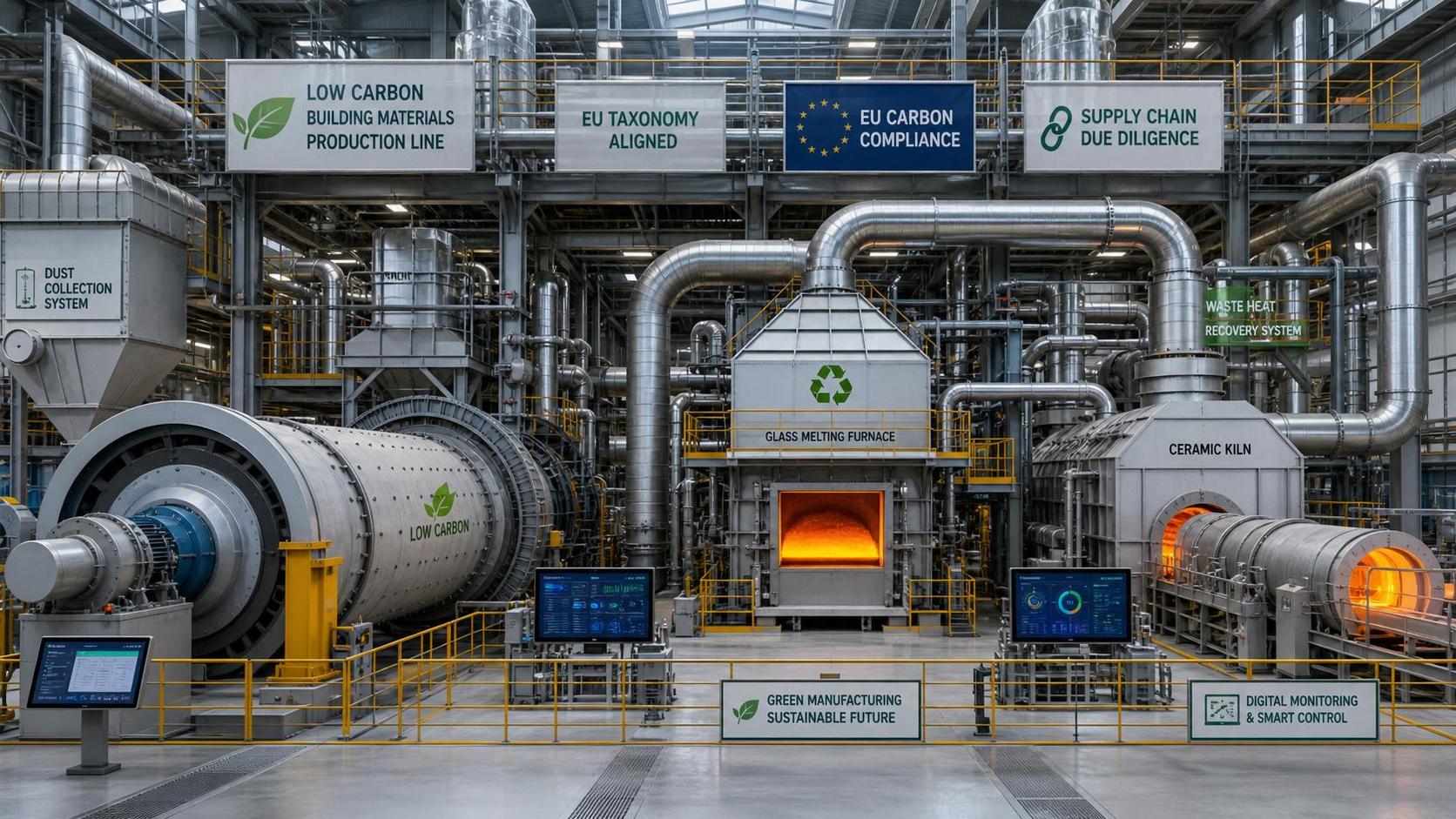
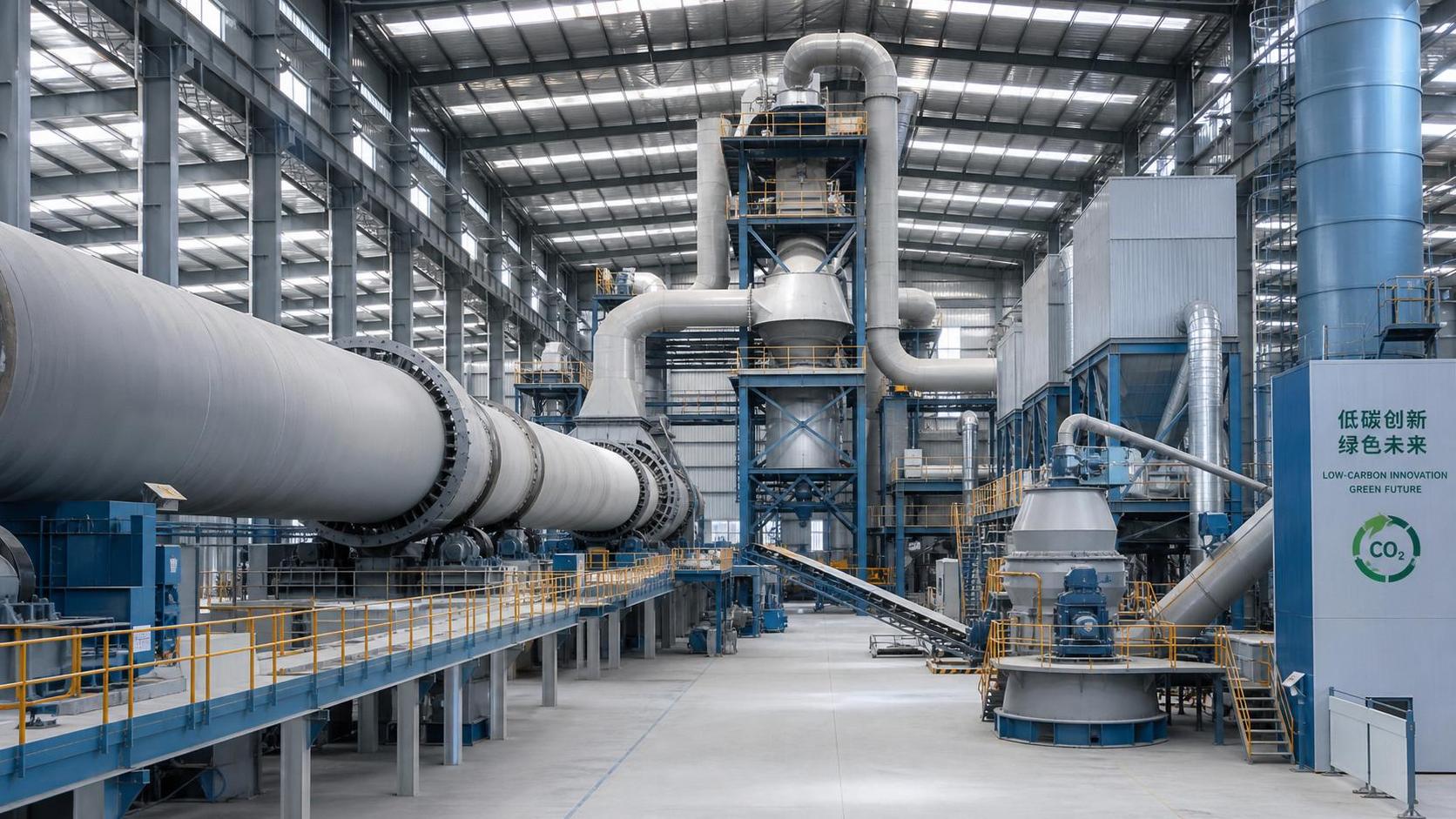
As carbon rules tighten and operating margins face new pressure, upgrading cement plant machinery is becoming a strategic priority for plant owners and investors. From waste heat recovery and efficient grinding systems to digital controls and alternative fuel integration, the right retrofit path can reduce CO2 compliance risk while improving productivity, energy performance, and long-term competitiveness in global cement markets.
Why a checklist matters for cement plant machinery upgrades
CO2 compliance risk rarely comes from one machine alone. It usually results from small losses across kiln heat balance, grinding power demand, fuel mix, dust handling, and unreliable process data.
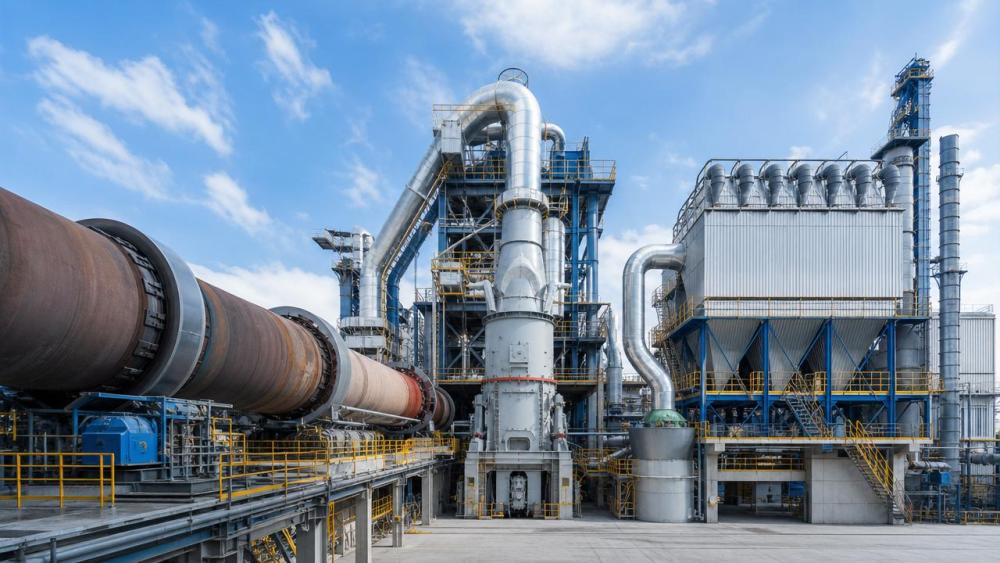
A checklist approach helps compare retrofit options using measurable factors. It also prevents capital from being spent on visible equipment while hidden emission drivers remain unchanged.
For heavy industrial systems, especially integrated lines, the best cement plant machinery upgrade path links thermal efficiency, power efficiency, uptime, and reporting accuracy into one compliance strategy.
Core checklist: upgrades that cut CO2 compliance exposure
Use the following checklist to evaluate retrofit priorities across kilns, mills, utilities, and control systems.
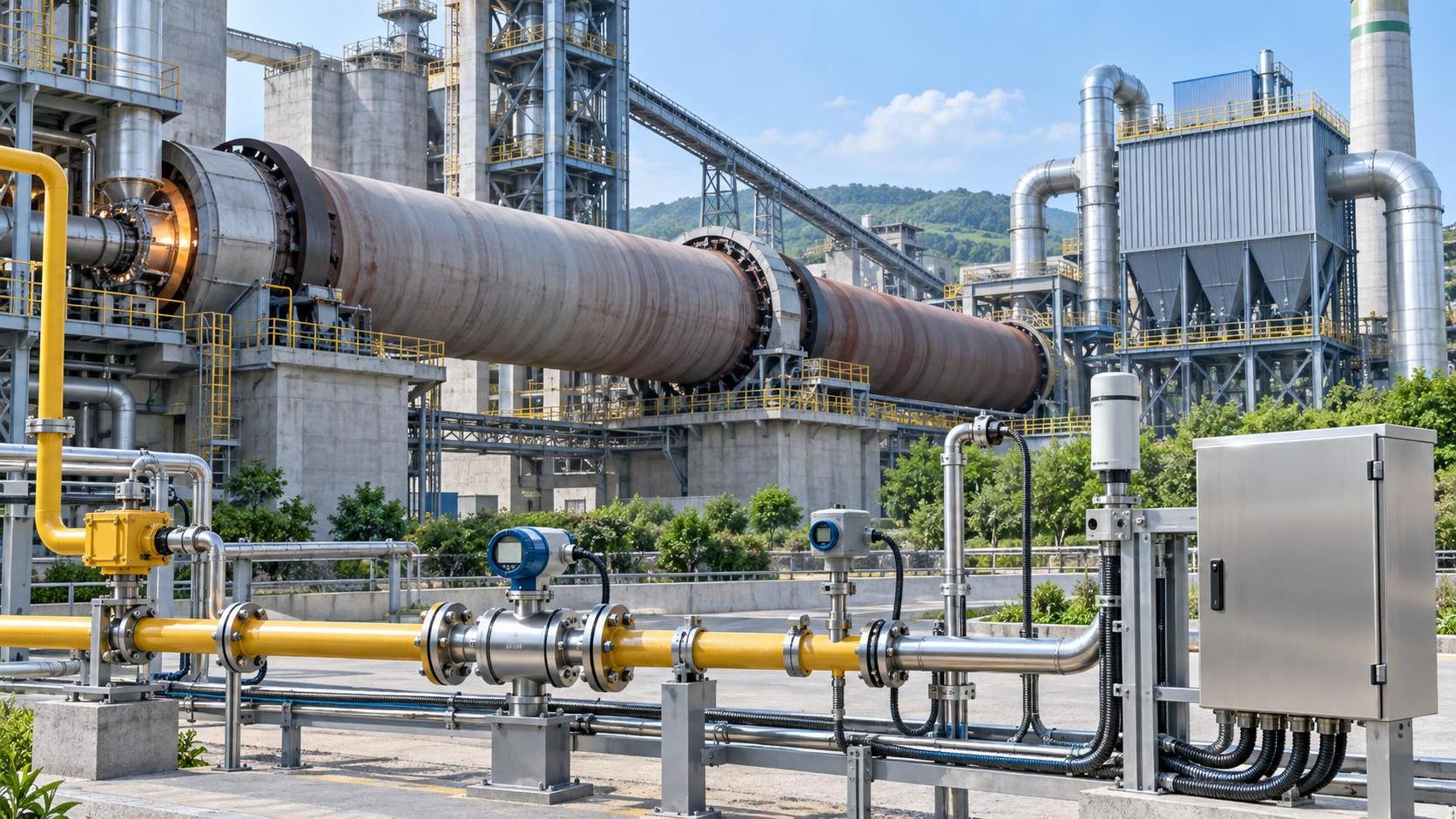
- Audit kiln specific heat consumption and map shell losses, cooler exhaust conditions, and preheater performance before selecting any major cement plant machinery upgrade.
- Install waste heat recovery where exhaust temperature, operating stability, and local power prices support a bankable reduction in indirect CO2 emissions.
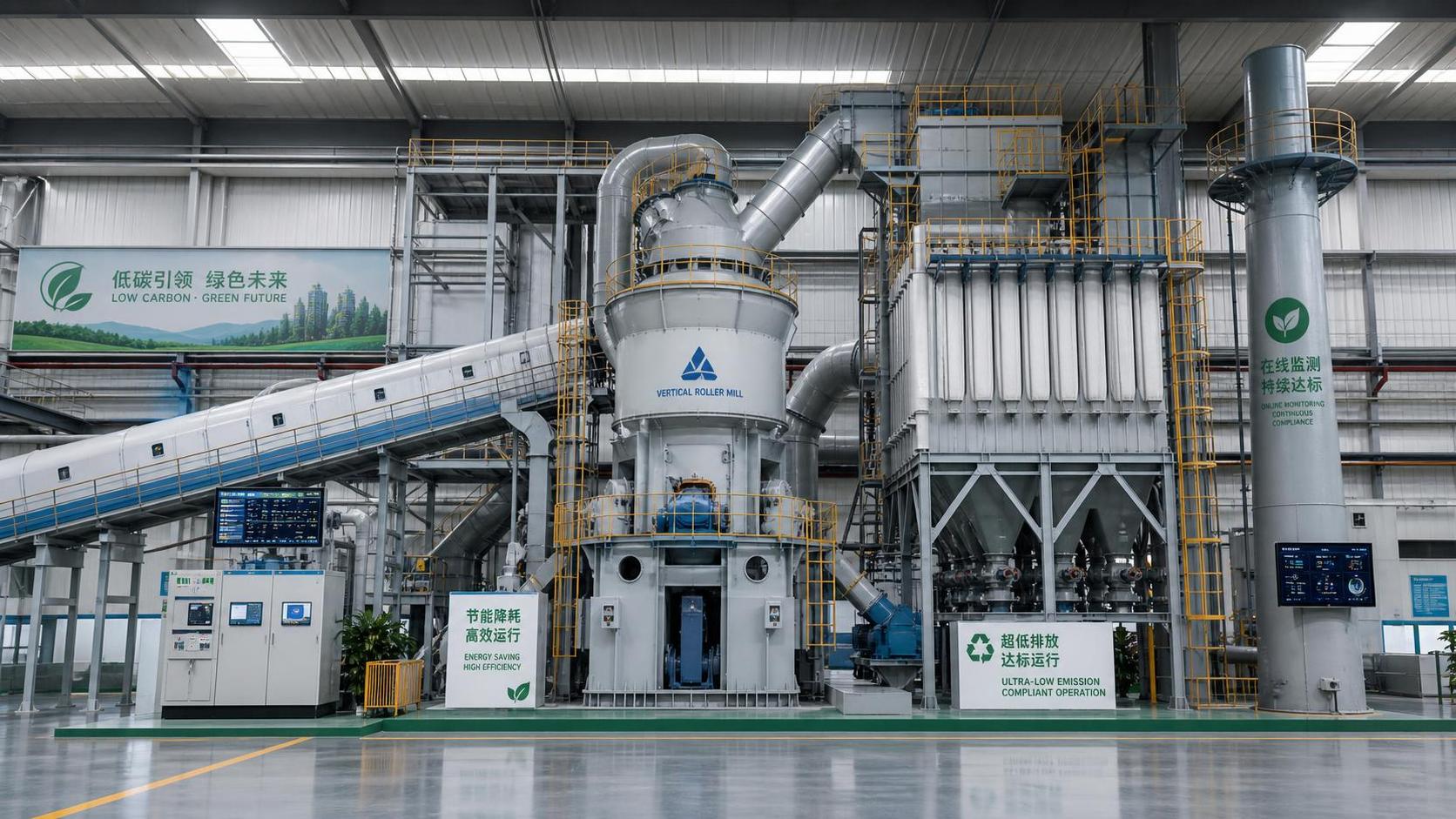
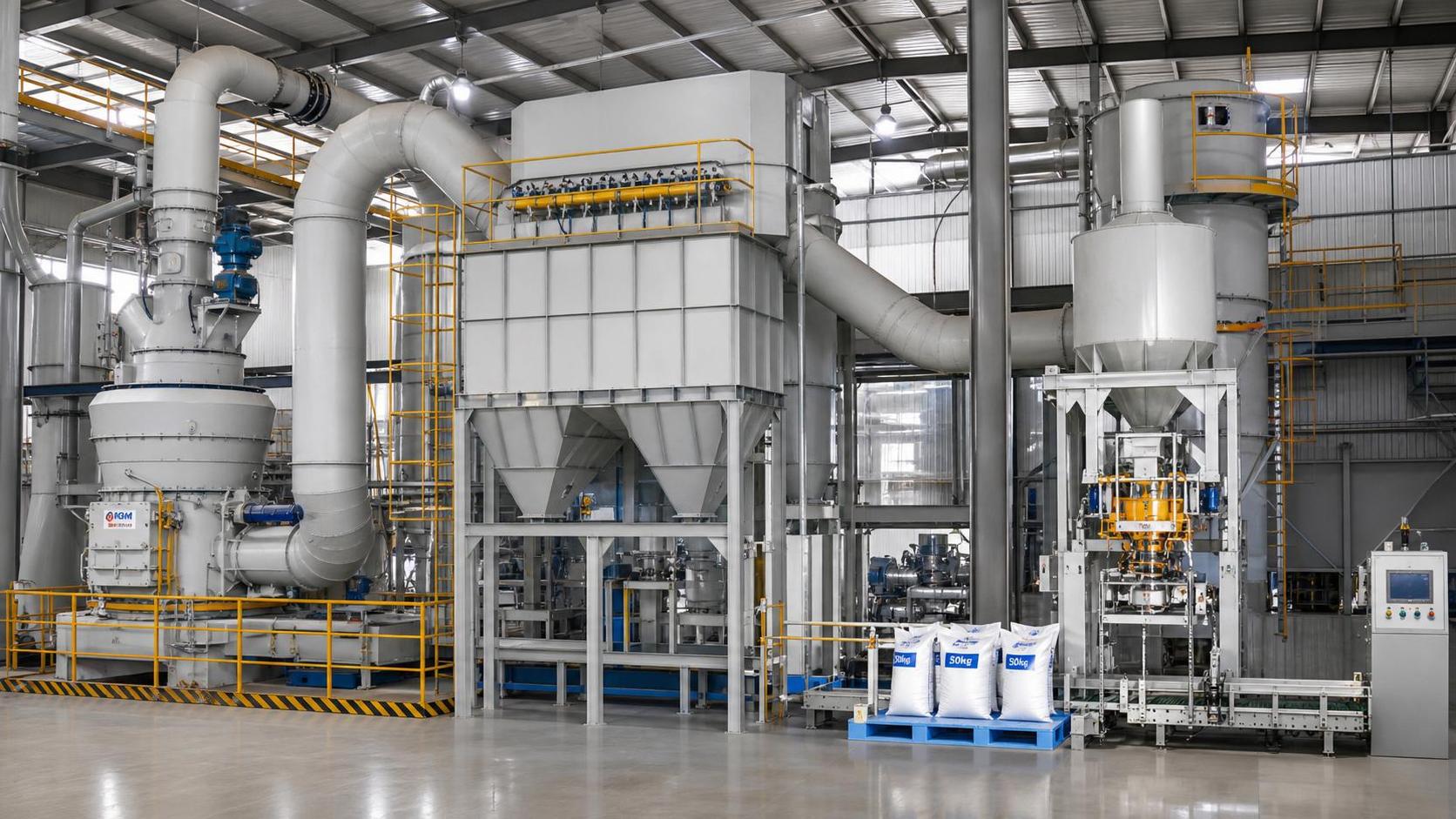
- Replace outdated ball mills or hybrid circuits with vertical roller mills or high-pressure grinding rolls when power intensity remains above current best-practice benchmarks.
- Upgrade separators, variable frequency drives, and fan systems to reduce recirculation load, lower electrical demand, and stabilize final cement fineness.
- Improve clinker cooler efficiency to recover more sensible heat, reduce fuel use, and support better kiln combustion control during production changes.
- Integrate alternative fuel dosing, storage, and feeding systems only after confirming chlorine, sulfur, moisture, and burn stability impacts on the full process line.
- Modernize burners, combustion controls, and gas analyzers to reduce excess air, avoid unstable flames, and lower thermal CO2 intensity.
- Verify that refractory design, shutdown intervals, and hot-zone wear patterns are included, because thermal leakage can erase expected gains from new machinery.
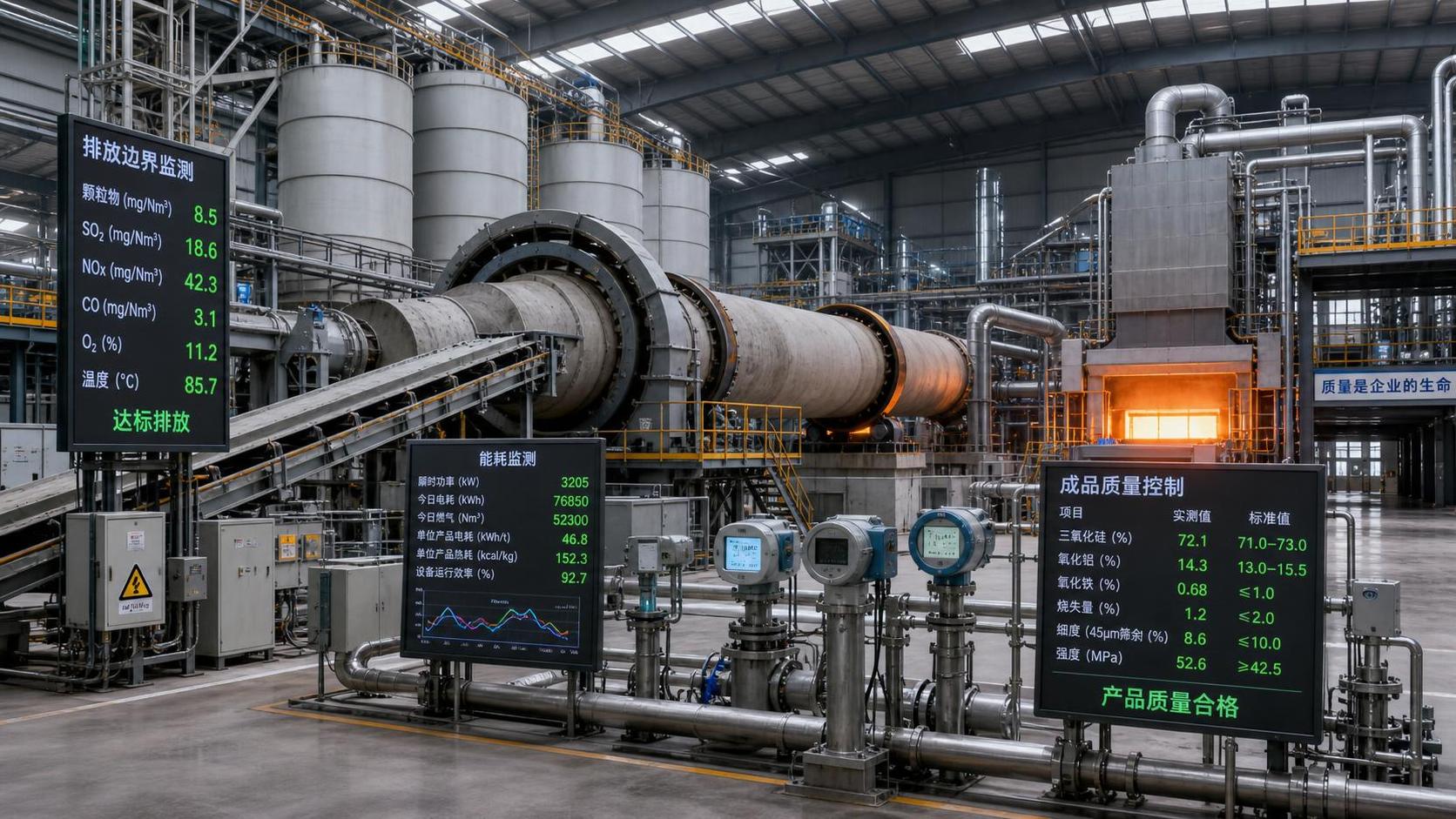
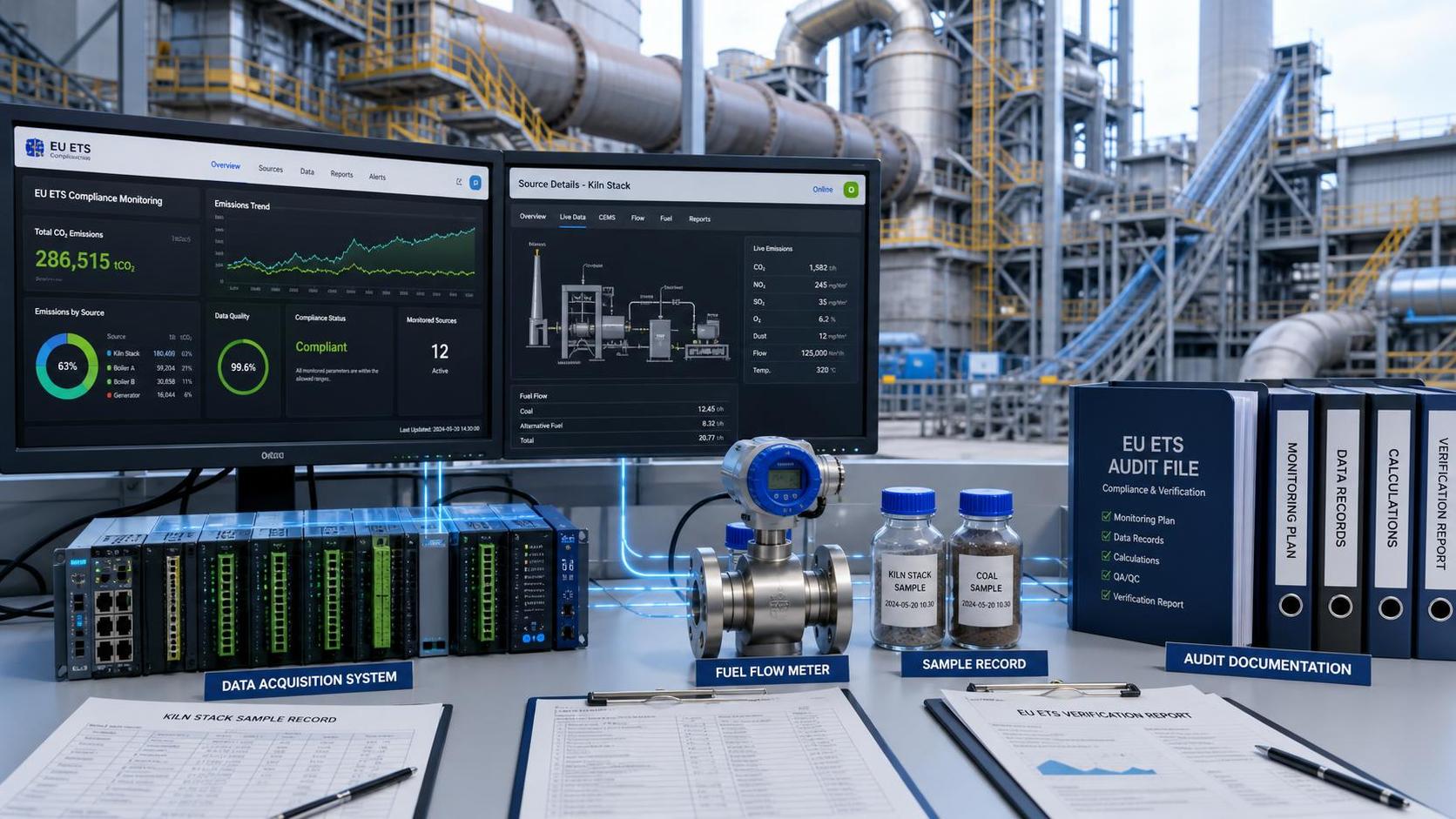
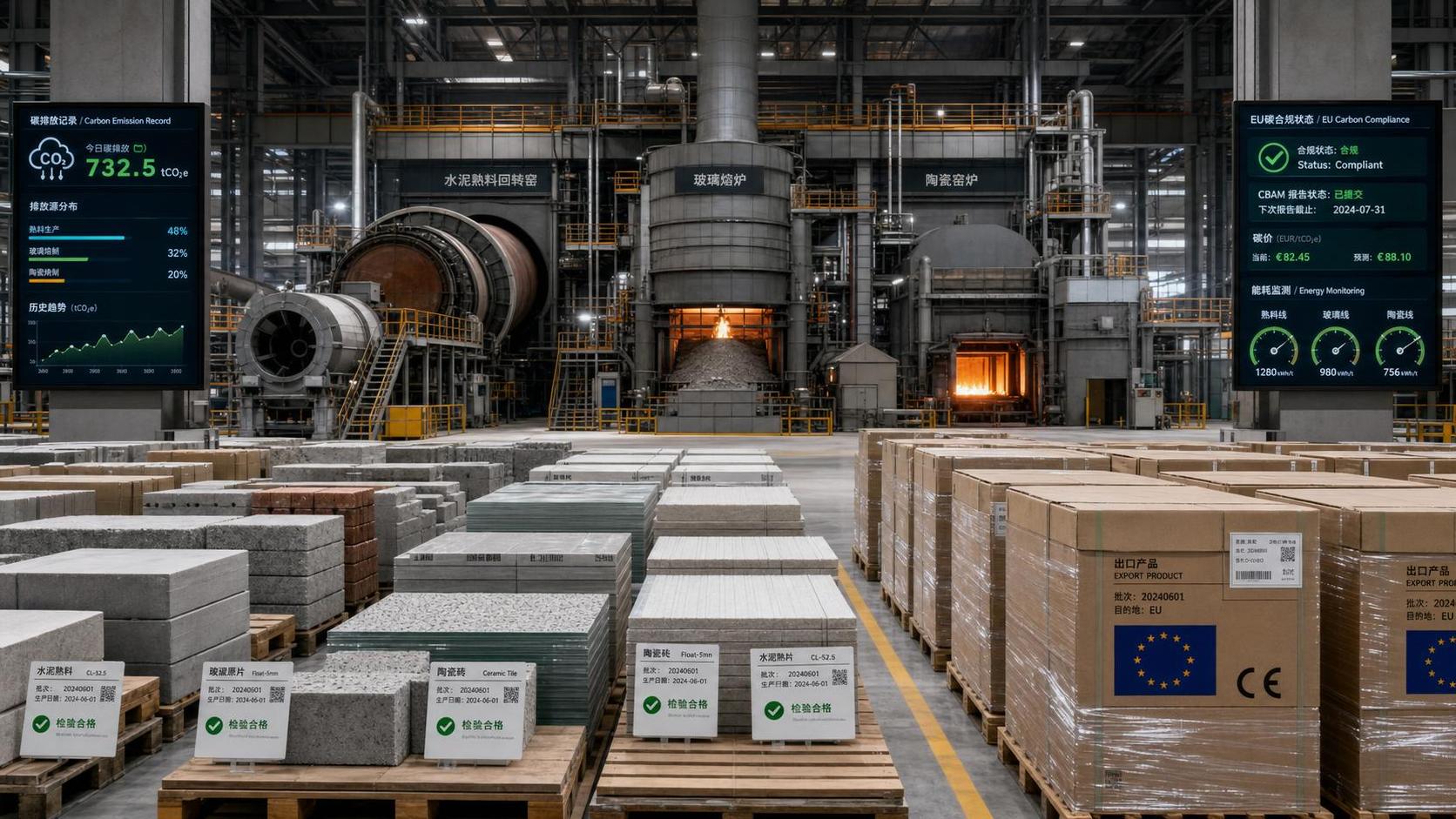
- Add digital monitoring for kiln torque, fan curves, separator load, and emissions data so compliance reporting matches real operating conditions.
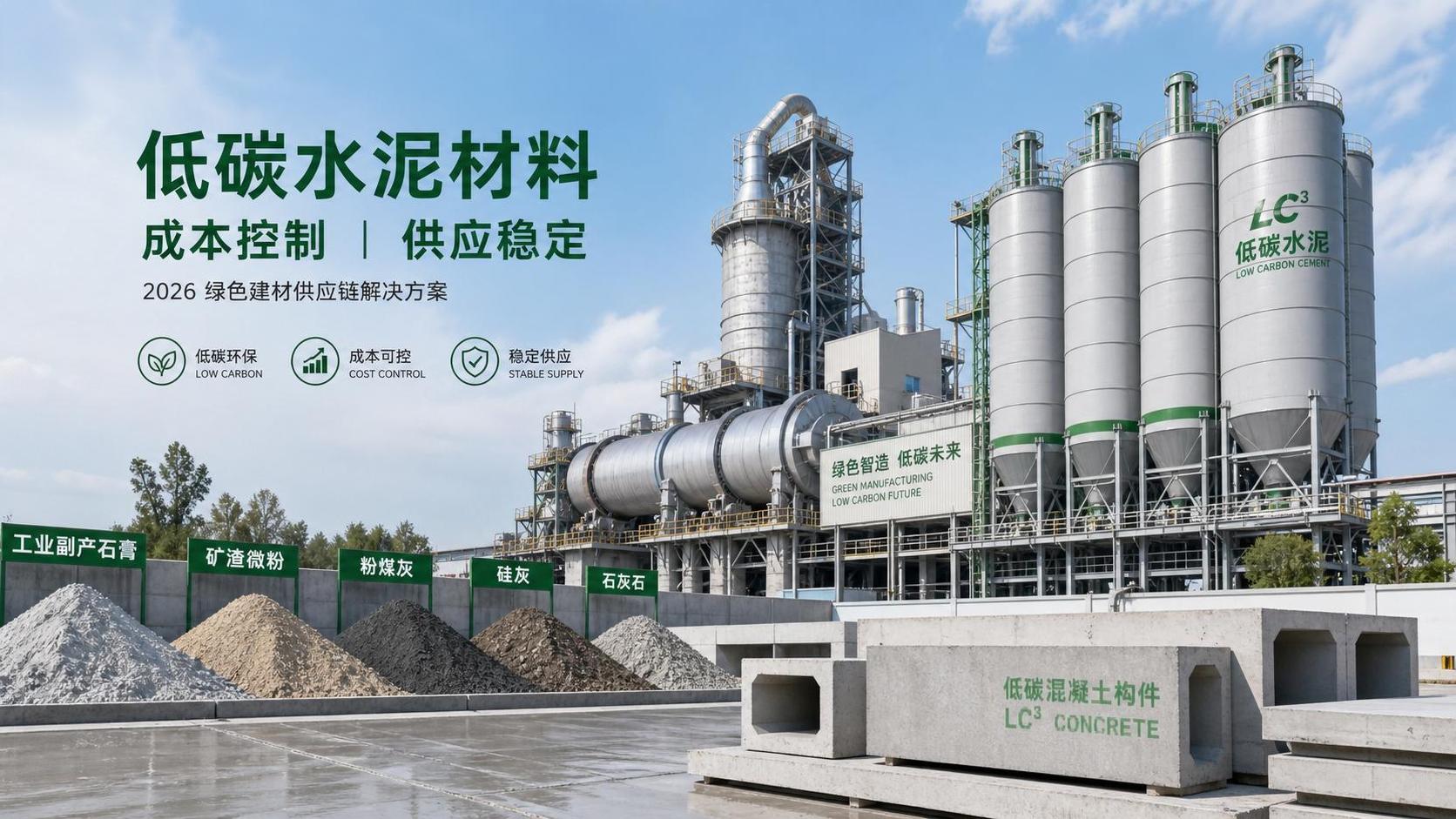
- Check cement formulation flexibility, including slag, fly ash, calcined clay, and limestone additions, because lower clinker factor often beats equipment-only decarbonization.
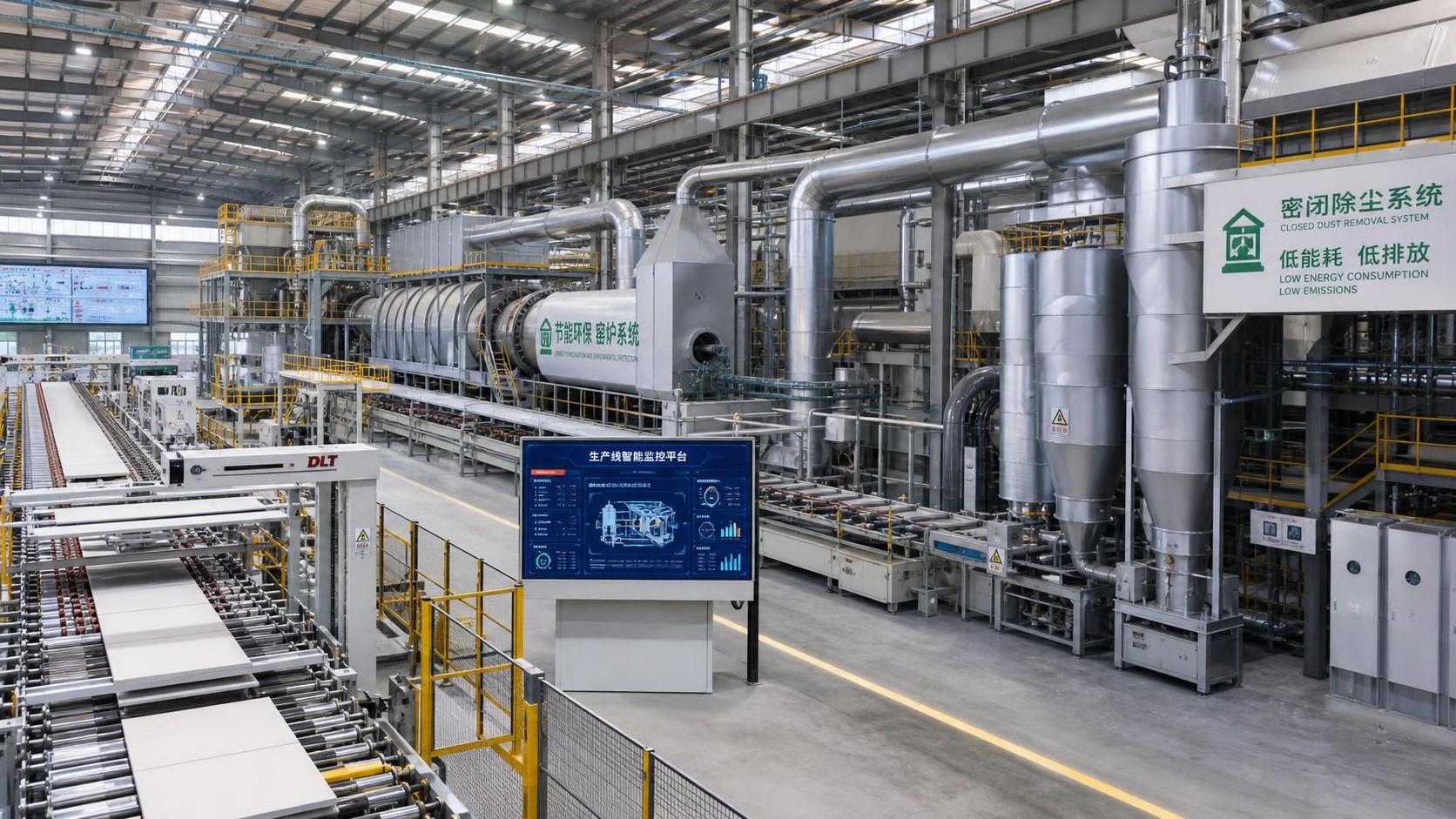
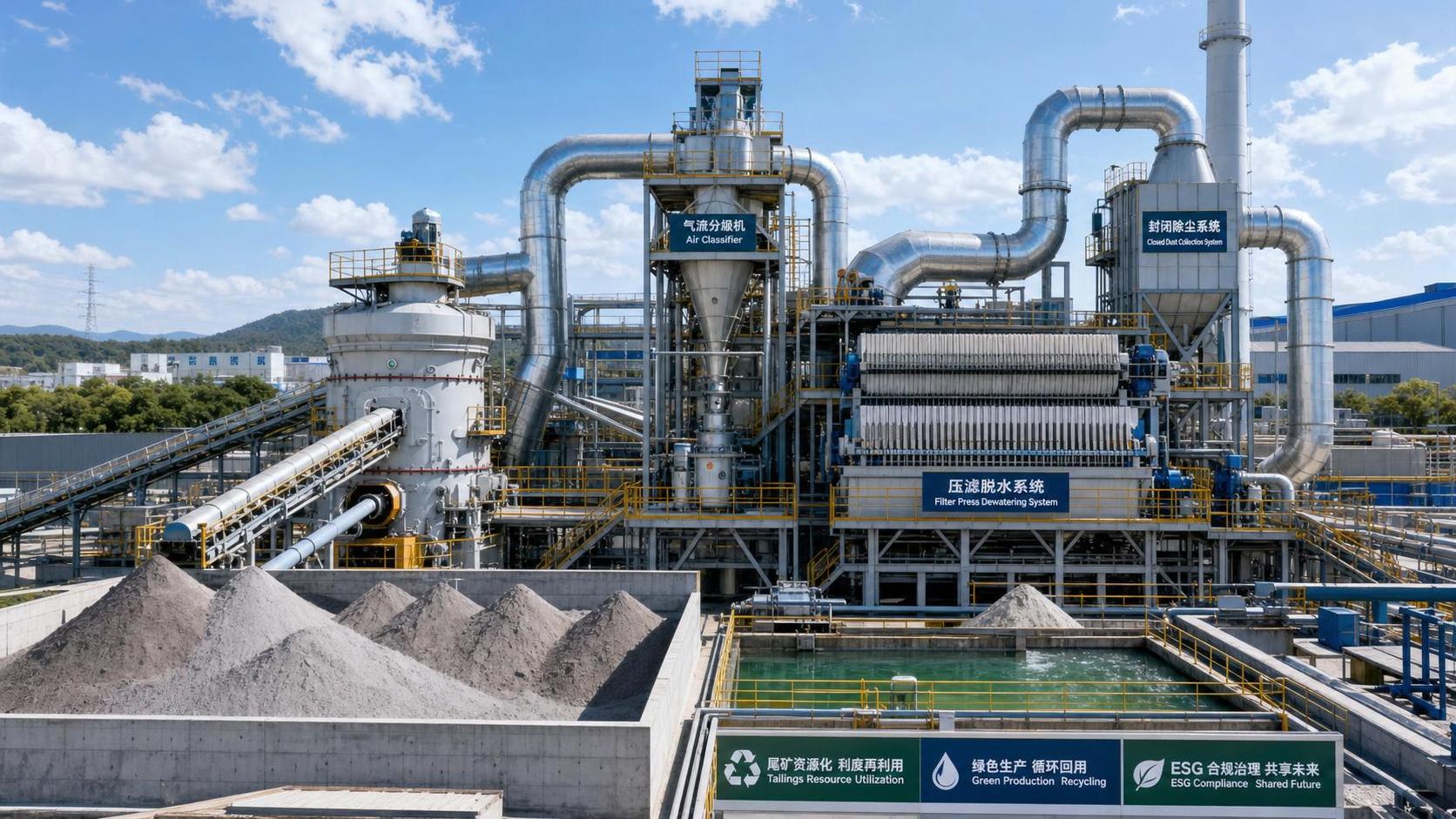
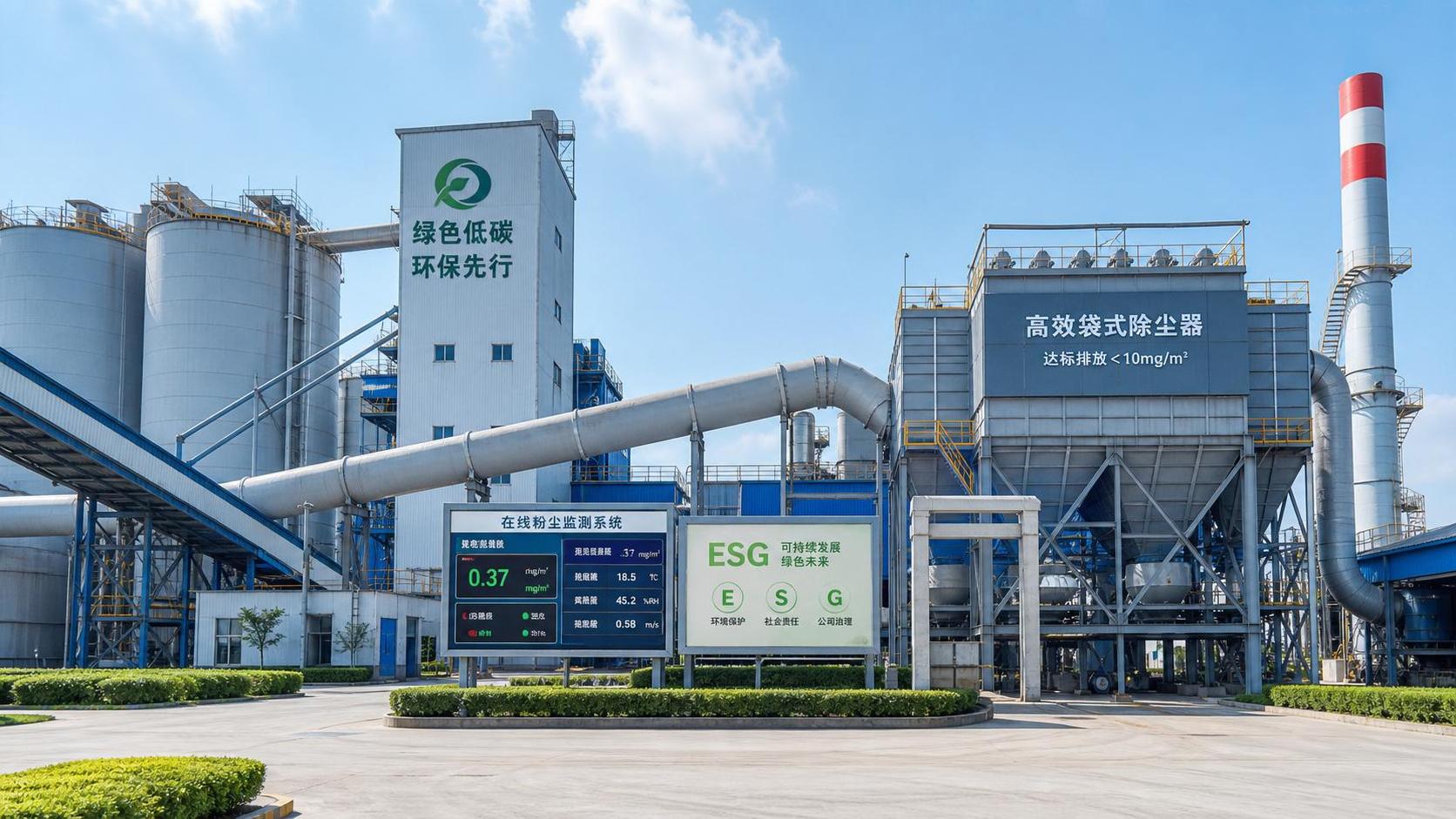
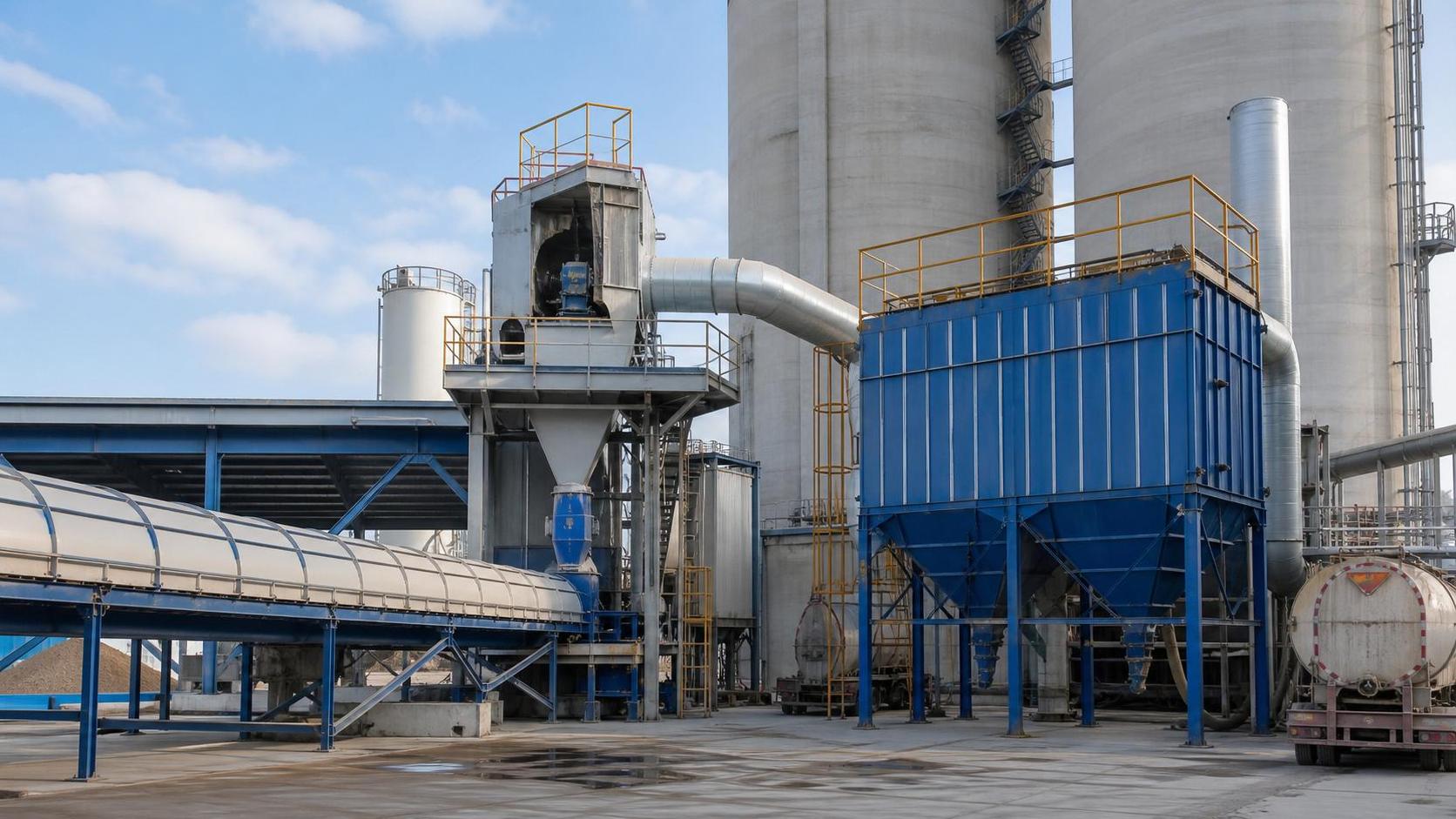
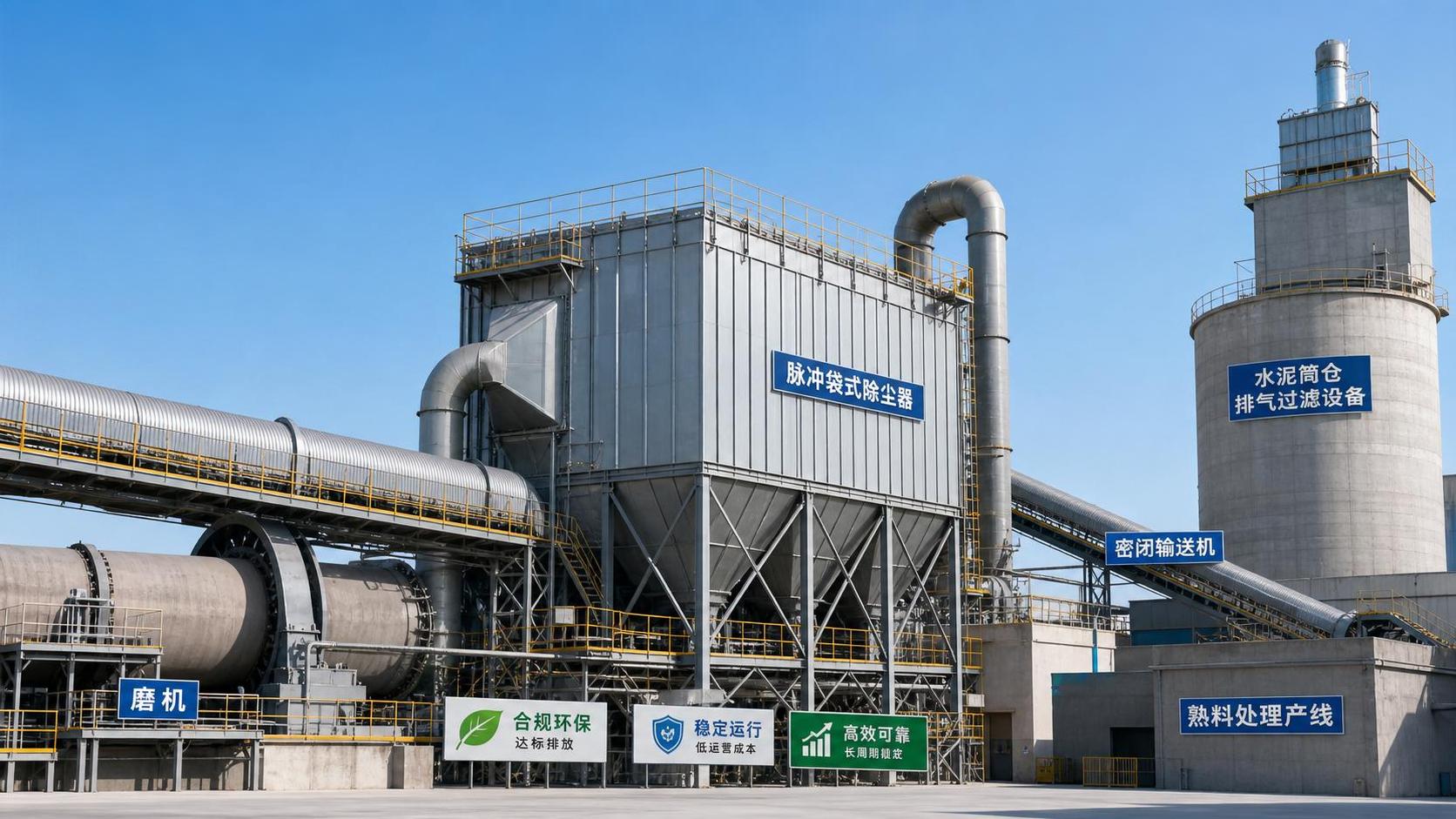
- Review dedusting equipment, air leakage, and material transport losses since poor housekeeping increases power use and weakens environmental compliance performance.
- Model retrofit payback using carbon price exposure, not energy savings alone, because future CO2 costs can change the ranking of cement plant machinery investments.
How upgrade priorities change by plant scenario
Integrated clinker and cement plants
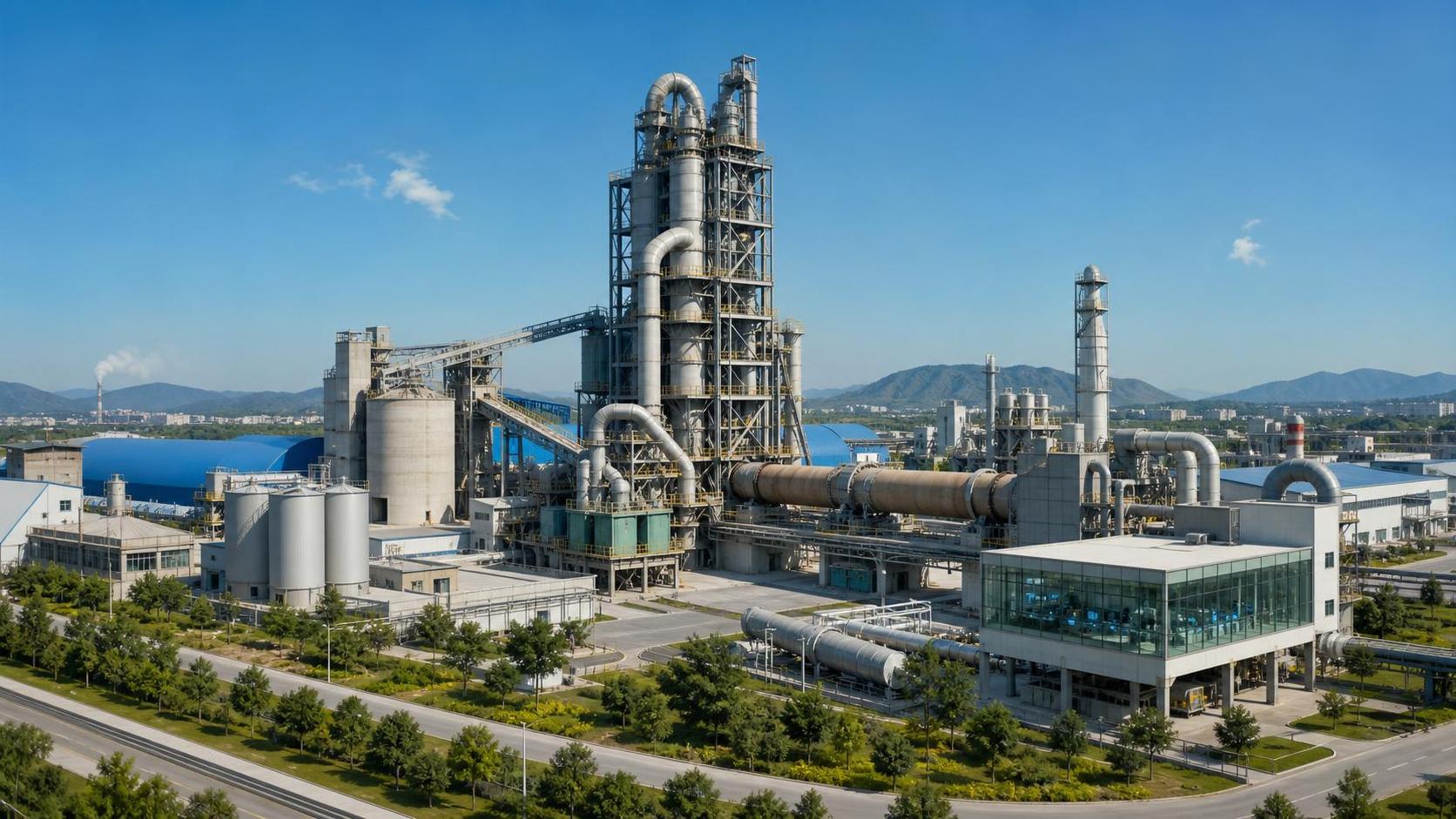
Integrated plants carry the highest direct CO2 burden because kiln fuel combustion and limestone calcination dominate the emissions profile. Here, thermal efficiency upgrades usually matter more than isolated downstream changes.
The strongest sequence often starts with cooler optimization, burner modernization, preheater leak reduction, and waste heat recovery. After that, grinding and digital controls improve the total carbon result.
Standalone grinding stations
Grinding-only operations face lower direct emissions, but electricity intensity remains critical. In this setting, efficient mills, separators, high-efficiency motors, and load-based process control define the best cement plant machinery strategy.
Because clinker is purchased, compliance pressure often shifts toward product mix and Scope 2 power sourcing. Blended cement capability can therefore be as valuable as mechanical retrofits.
Older plants with limited shutdown windows
Brownfield sites cannot always absorb full-line replacement. In such cases, modular cement plant machinery upgrades deliver better risk control than ambitious projects that overrun shutdown schedules.
High-impact options include VFD retrofits, advanced instrumentation, separator upgrades, burner tuning, and leak sealing. These changes usually require less civil work and lower integration risk.
Common blind spots that weaken CO2 compliance results
Ignoring measurement quality
A plant may install new cement plant machinery yet still fail audits if emissions, fuel flow, and power data are inconsistent. Weak instrumentation turns operational gains into unverifiable claims.
Separating process and product decisions
Machinery efficiency helps, but clinker factor often determines the larger carbon outcome. If cement formulations stay rigid, the compliance benefit of retrofits can be materially reduced.
Underestimating auxiliary systems
Compressed air, fans, conveyors, and dedusting units are frequently overlooked. Together, they can consume enough energy to distort the business case of a headline machinery investment.
Choosing technology without fuel strategy alignment
Alternative fuel systems, hydrogen-ready burners, and waste-derived feed lines require stable sourcing. Without that supply foundation, expensive upgrades may remain underused or create process instability.
Practical execution steps for a lower-risk retrofit program
- Benchmark current thermal and electrical intensity by process section, not plant average alone.
- Rank each cement plant machinery option by carbon impact, downtime risk, and maintenance complexity.
- Run a phased capex model that includes carbon pricing, production loss risk, and expected audit requirements.
- Pilot controls and instrumentation upgrades first, then validate larger mechanical investments with real operating data.
- Link retrofit acceptance tests to energy, throughput, emissions stability, and maintainability rather than nameplate output alone.
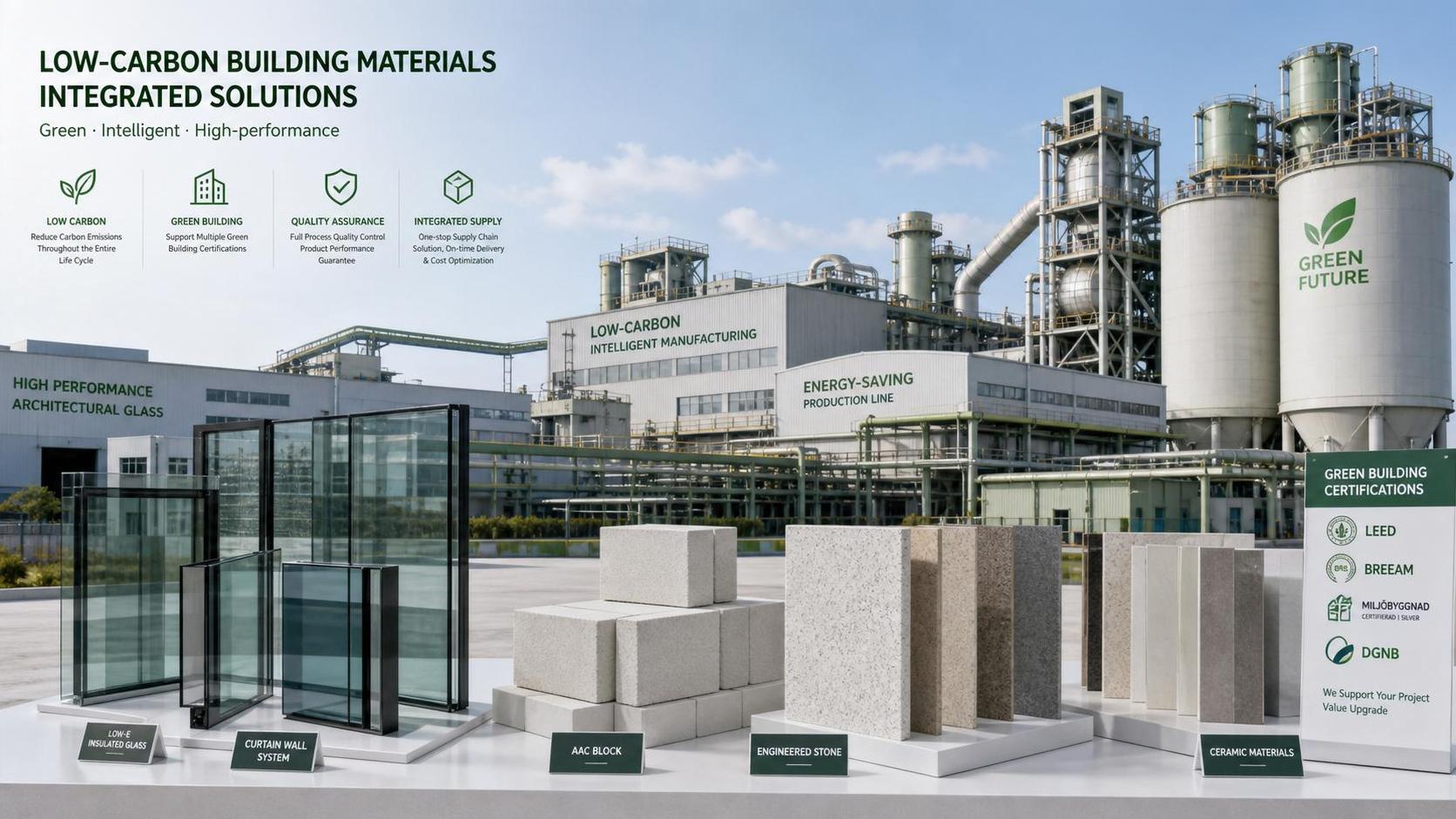
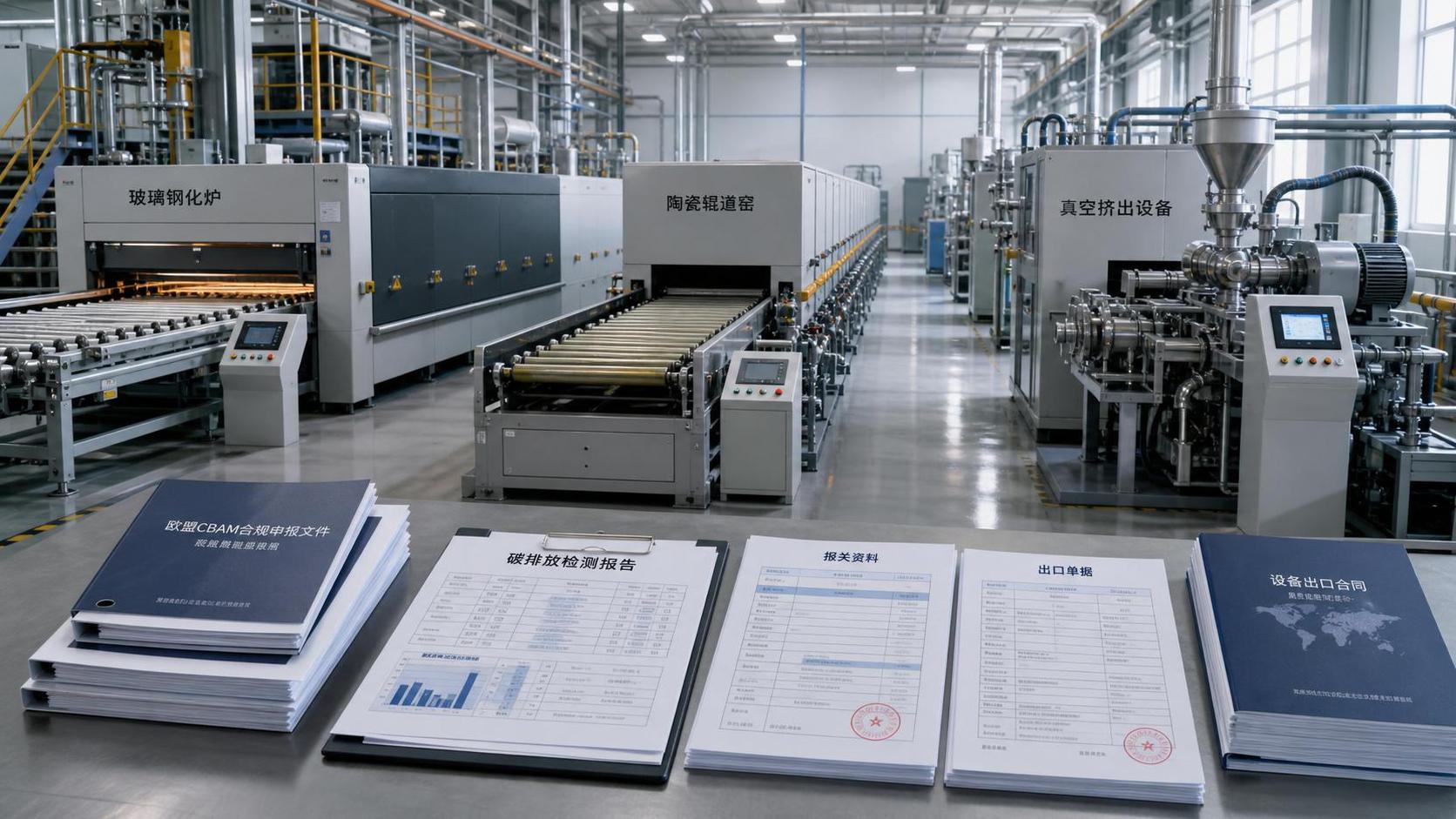
For groups active across cement, glass, ceramics, and other non-metallic materials, the same principle applies: decarbonization success comes from connecting thermodynamics, mechanical efficiency, and trustworthy plant intelligence.
Conclusion and next action
The most effective cement plant machinery upgrades are not always the largest projects. The best results usually come from a sequenced plan that combines kiln efficiency, grinding optimization, digital verification, and clinker reduction.
Start with a plant-wide diagnostic, identify the biggest emission and energy losses, then build a retrofit roadmap around measurable compliance risk reduction. That approach protects both operational resilience and long-term market position.
Related News
- Can EU ETS compliance software reduce errors in emissions reporting?Author :Dr. Alaric Vance

- How to verify a green building certification agency before hiringAuthor :Dr. Alaric Vance

- What do BREEAM material standards require from construction products?Author :Dr. Alaric Vance

- When does a hydrogen fuel kiln reduce emissions in ceramic firing?Author :Dr. Alaric Vance

- What counts in carbon emissions reporting under today’s ESG rulesAuthor :Dr. Alaric Vance

- How to verify whether a green building certification company is credibleAuthor :Dr. Alaric Vance

- How to verify carbon compliance in building materials before project approvalAuthor :Dr. Alaric Vance

- ISO 50100:2026 Reshapes Decarbonization ComplianceAuthor :Dr. Alaric Vance

- How to Measure Building Material Emissions Reduction for ESG ReportingAuthor :Dr. Alaric Vance

- How to Evaluate EU ETS Compliance Software for Audit Readiness and Data AccuracyAuthor :Dr. Alaric Vance

- What Green Material Certification Means for ESG Compliance in ManufacturingAuthor :Dr. Alaric Vance

- How Green Building Material Manufacturing Supports ESG Compliance and Cost ControlAuthor :Dr. Alaric Vance

- EU Extends CBAM Transition, Adds August Carbon Filing RuleAuthor :Dr. Alaric Vance

- EU CBAM Phase Three Reaches Equipment ExportersAuthor :Dr. Alaric Vance

- EU Tightens CE-EPD Rules for Glass MachineryAuthor :Dr. Alaric Vance

- Low-Carbon Cement Production System: Cost, ROI, and Compliance BasicsAuthor :Dr. Alaric Vance

- EU Carbon Compliance Materials: 2026 Rule Changes That Affect SourcingAuthor :Dr. Alaric Vance

- Decarbonization in Building Materials: 5 Cost Drivers to Watch in 2026Author :Dr. Alaric Vance

- Tailings Recycling Technology Trends Shaping ESG Compliance in 2026Author :Dr. Alaric Vance

- Green Building Certification Criteria That Matter in Material SelectionAuthor :Dr. Alaric Vance

- EU Carbon Compliance Materials: Key Rules and Cost Risks in 2026Author :Dr. Alaric Vance

- Tailings Recycling China: Policy and Project Outlook 2026Author :Dr. Alaric Vance

- EU Sets CBAM Trial Rules for Glass and CeramicsAuthor :Dr. Alaric Vance

- Carbon Reduction Roadmap: 5 Cost Levers That Matter in 2026Author :Dr. Alaric Vance

- EU CBAM Extends to Glass and Ceramics in 2026Author :Dr. Alaric Vance

- Green Building Certification Rating: What Changes Project Value in 2026Author :Dr. Alaric Vance

- Cement Dust Emission Control Options Under New ESG Compliance PressureAuthor :Dr. Alaric Vance

- Industrial Dust Emission Control for Material Handling Compliance GuideAuthor :Dr. Alaric Vance

- EU CBAM Extends to Glass and Ceramic EquipmentAuthor :Dr. Alaric Vance

- Cement Plant Dust Control Options Compared for Compliance and Operating CostAuthor :Dr. Alaric Vance

- Low-Carbon Cement Materials in 2026: Cost, Carbon Rules, and Supply RisksAuthor :Dr. Alaric Vance

- Fly Ash Cement Applications: Best Uses and Performance LimitsAuthor :Dr. Alaric Vance

- Dust Free Production: Key Process Controls That Actually WorkAuthor :Dr. Alaric Vance

- EU REACH Update Raises Export Compliance Bar for Glass and Quartz LinesAuthor :Dr. Alaric Vance

- EU CBAM Guidance Brings Grid Carbon Factors Into Export FilingsAuthor :Dr. Alaric Vance

- Carbon Reduction in Cement Plants: Practical Routes and Trade-OffsAuthor :Dr. Alaric Vance