







Are green building certifications relevant to cement plant upgrade projects? Increasingly, yes. They influence supplier selection, tender requirements, material specifications, financing decisions, and the environmental data customers expect.
For cement producers, certifications rarely apply directly to the plant itself. Their importance comes from how upgraded processes support lower-carbon cement products used in certified buildings.
That distinction matters. A plant upgrade should not be justified by certification language alone, but by measurable improvements in energy, emissions, product quality, traceability, and commercial access.
The Short Answer: Certifications Matter Indirectly but Commercially
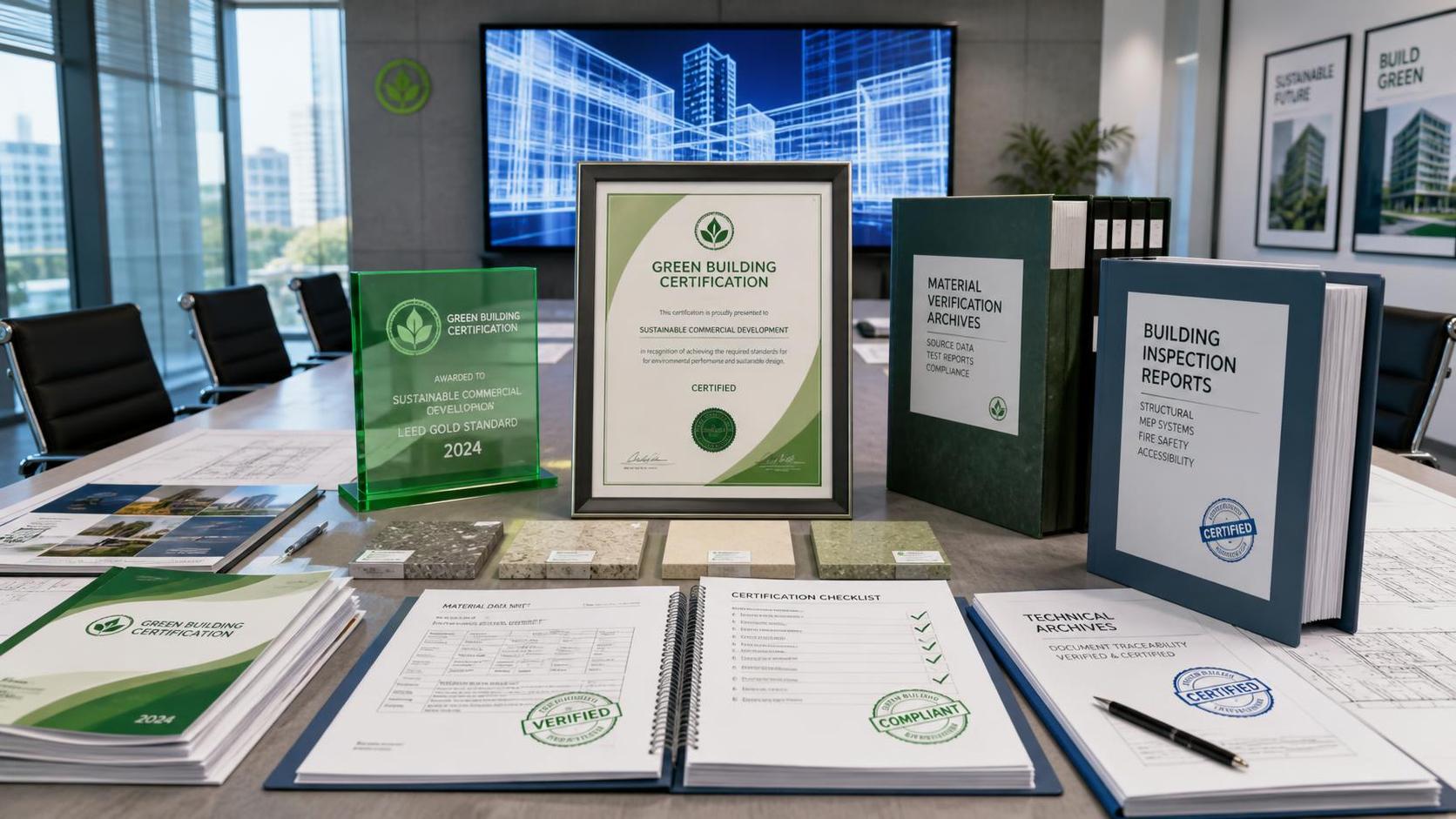
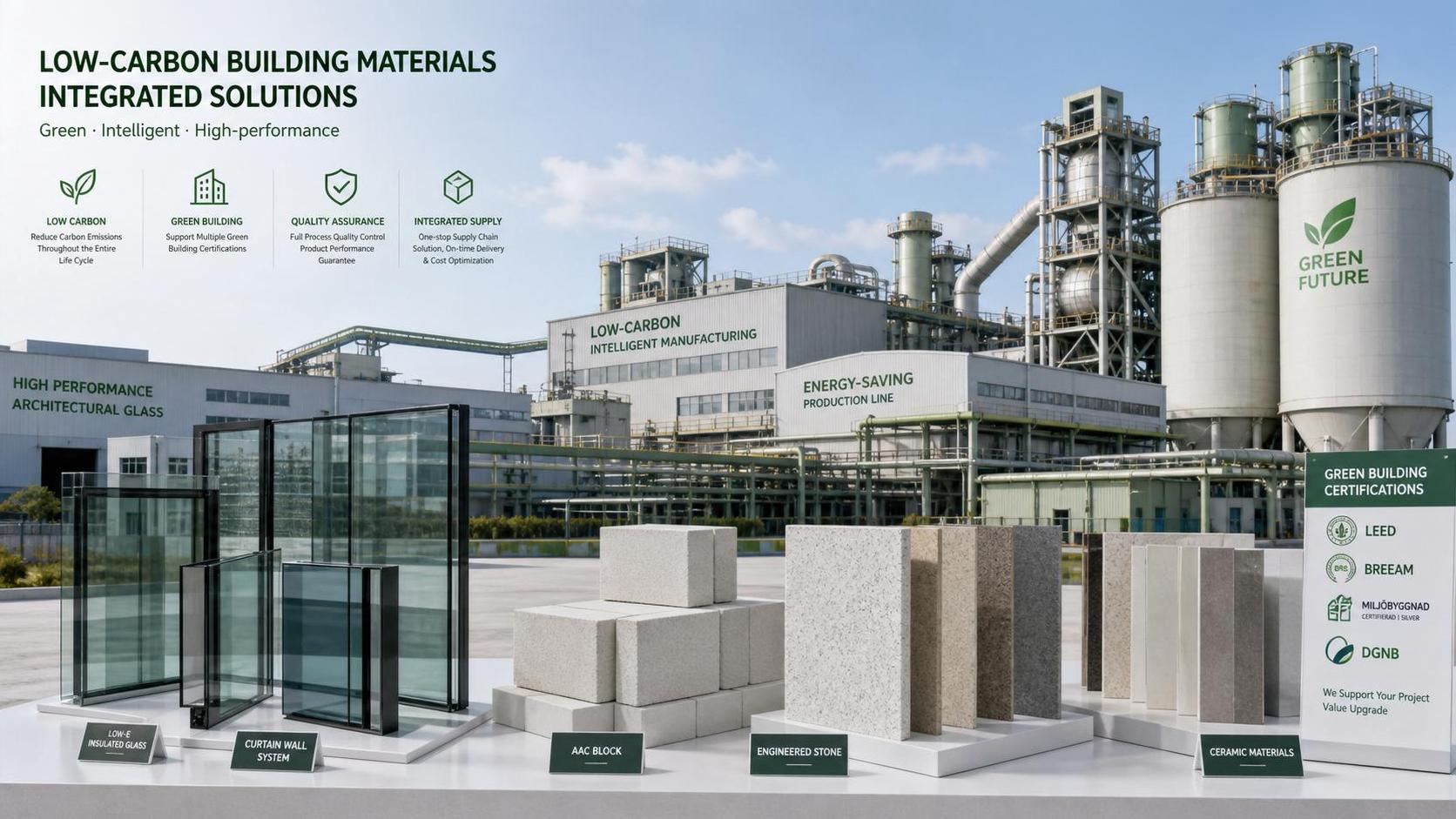
Green building systems such as LEED, BREEAM, DGNB, WELL, Green Star, and regional schemes assess building performance rather than awarding certificates to cement factories.
However, cement is a major contributor to embodied carbon in concrete. Builders pursuing certification increasingly request environmental product declarations, recycled content information, and verified carbon data.
Consequently, a cement plant upgrade can improve a producer's position within certified construction supply chains, even when the certification framework never audits the kiln directly.
The relevant question is therefore not whether a certification labels the plant green. It is whether modernization improves the environmental attributes customers need to document.
This affects both integrated plants and grinding stations. Clinker substitution, efficient grinding, supplementary cementitious materials, and lower-emission logistics can all support better project documentation.
For management teams, the business case is strongest where public procurement, multinational developers, export markets, or ESG-focused investors already demand transparent environmental performance.
Plants serving purely price-driven local markets may see less immediate certification value. Even there, energy savings, regulatory readiness, and future customer requirements can justify targeted upgrades.
Why Cement Buyers Now Ask for More Environmental Evidence
Construction buyers are under pressure to reduce whole-life carbon. They cannot make credible claims without supplier data covering material composition, manufacturing impacts, and delivery assumptions.
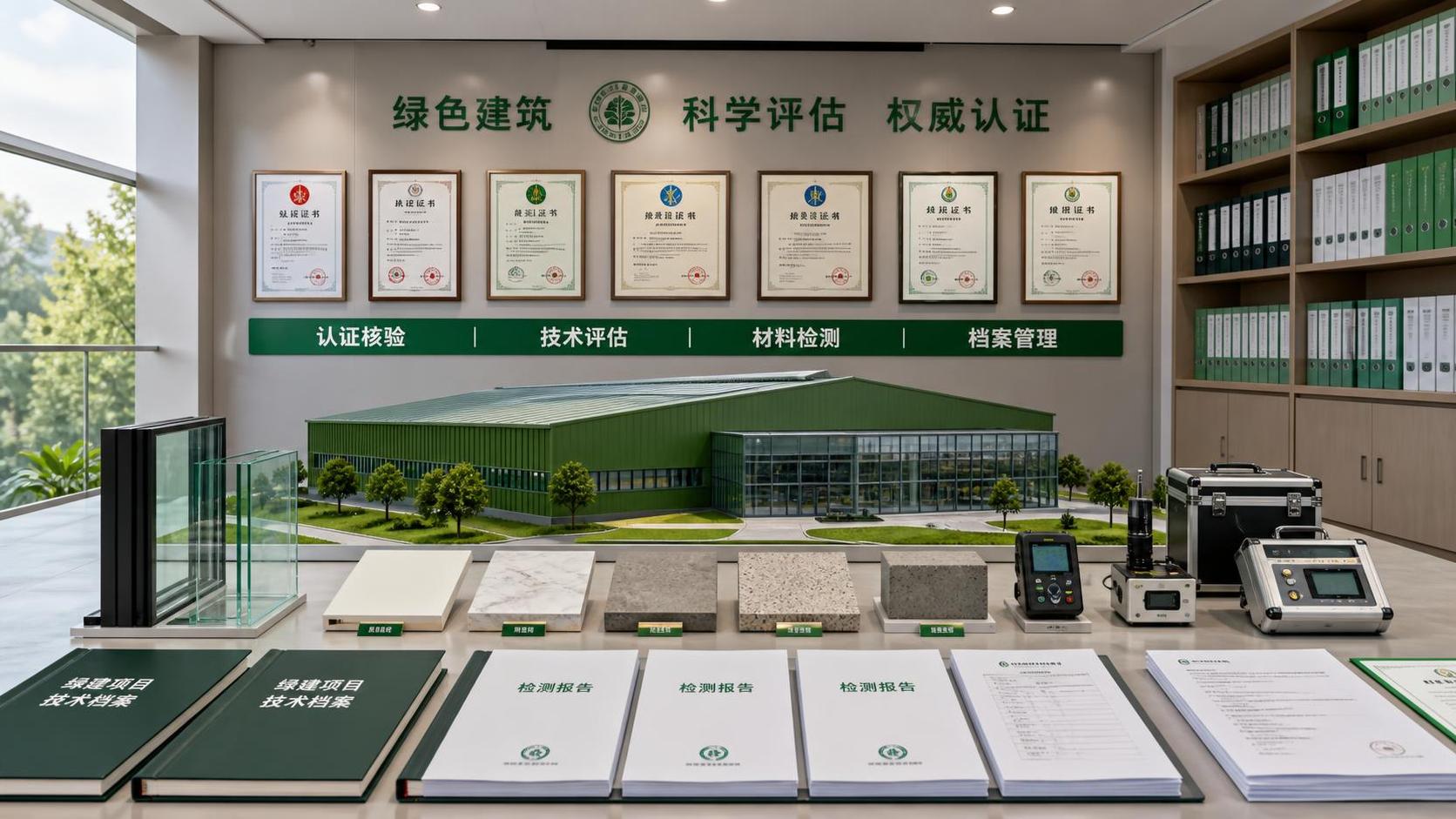
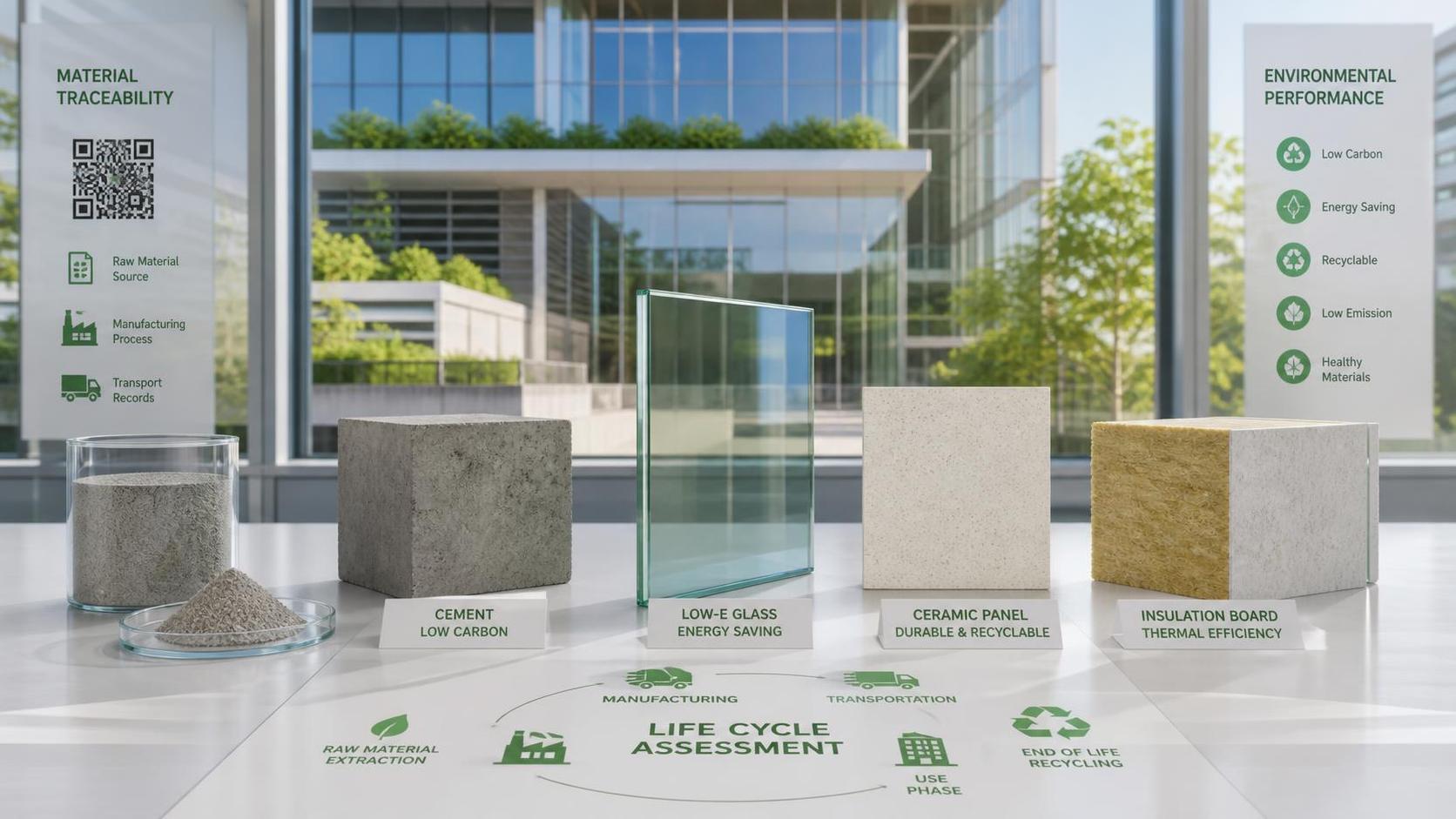
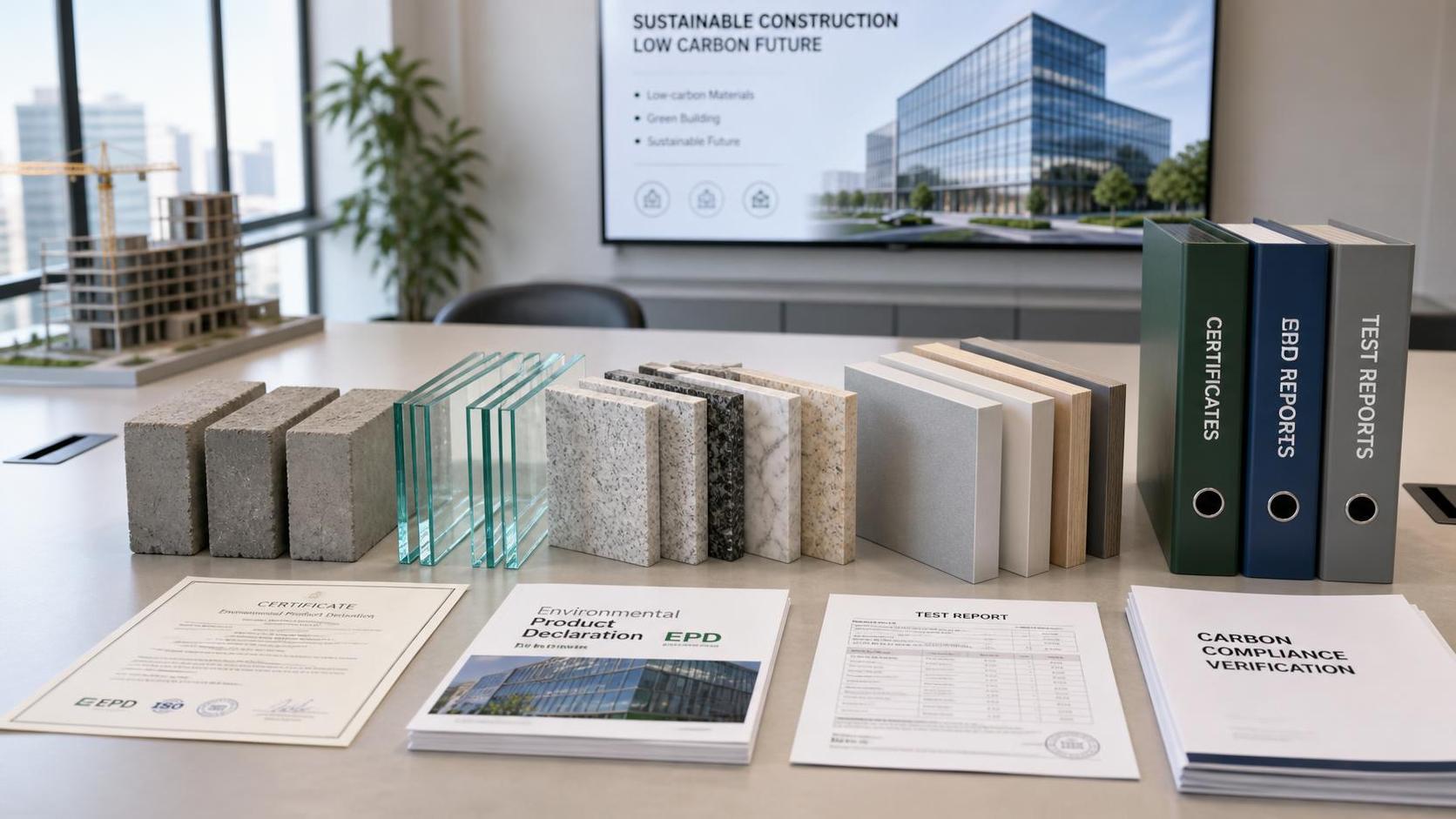
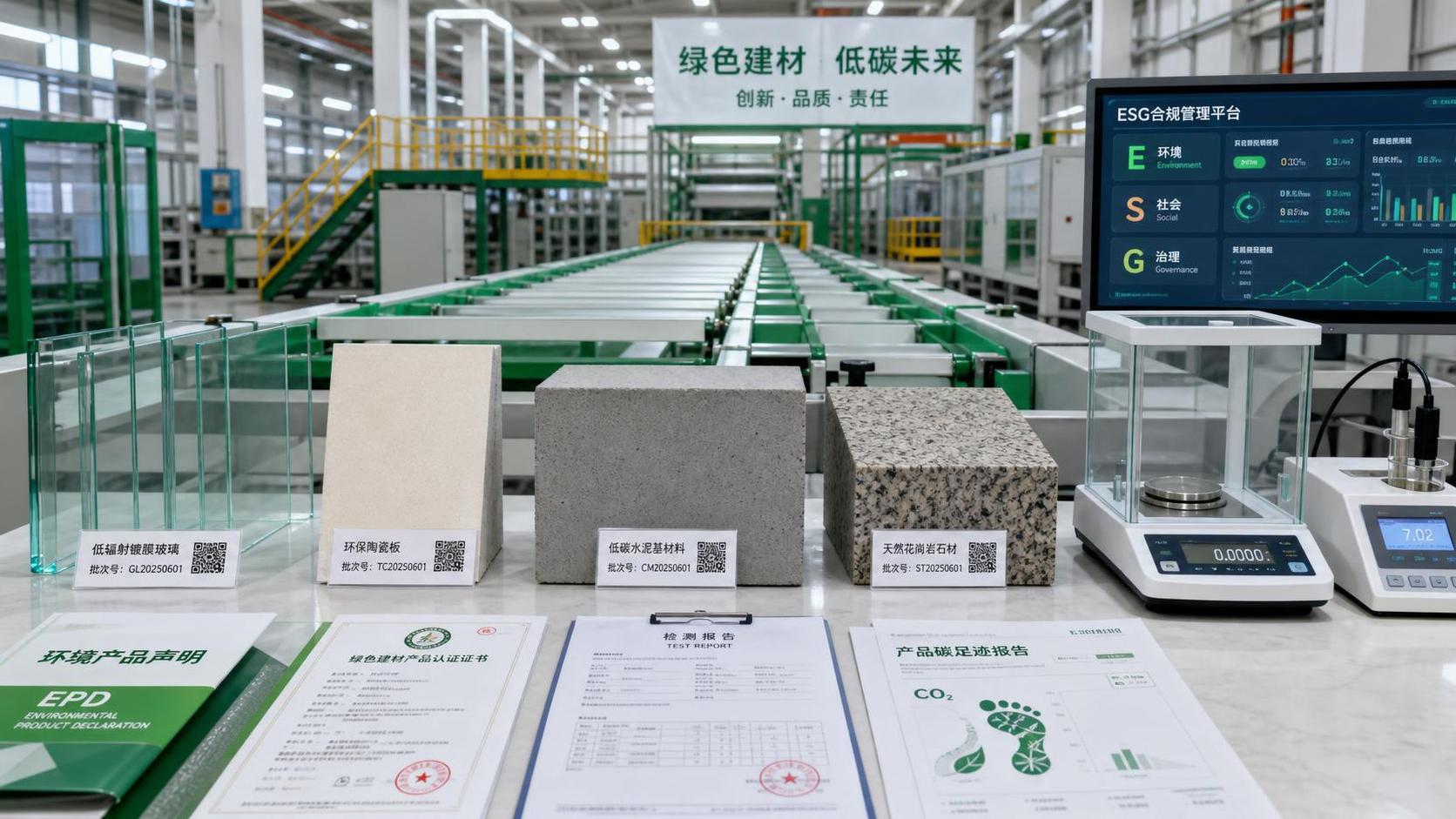
An environmental product declaration, commonly called an EPD, provides standardized lifecycle information. It does not automatically prove sustainability, but it gives projects comparable evidence for material decisions.
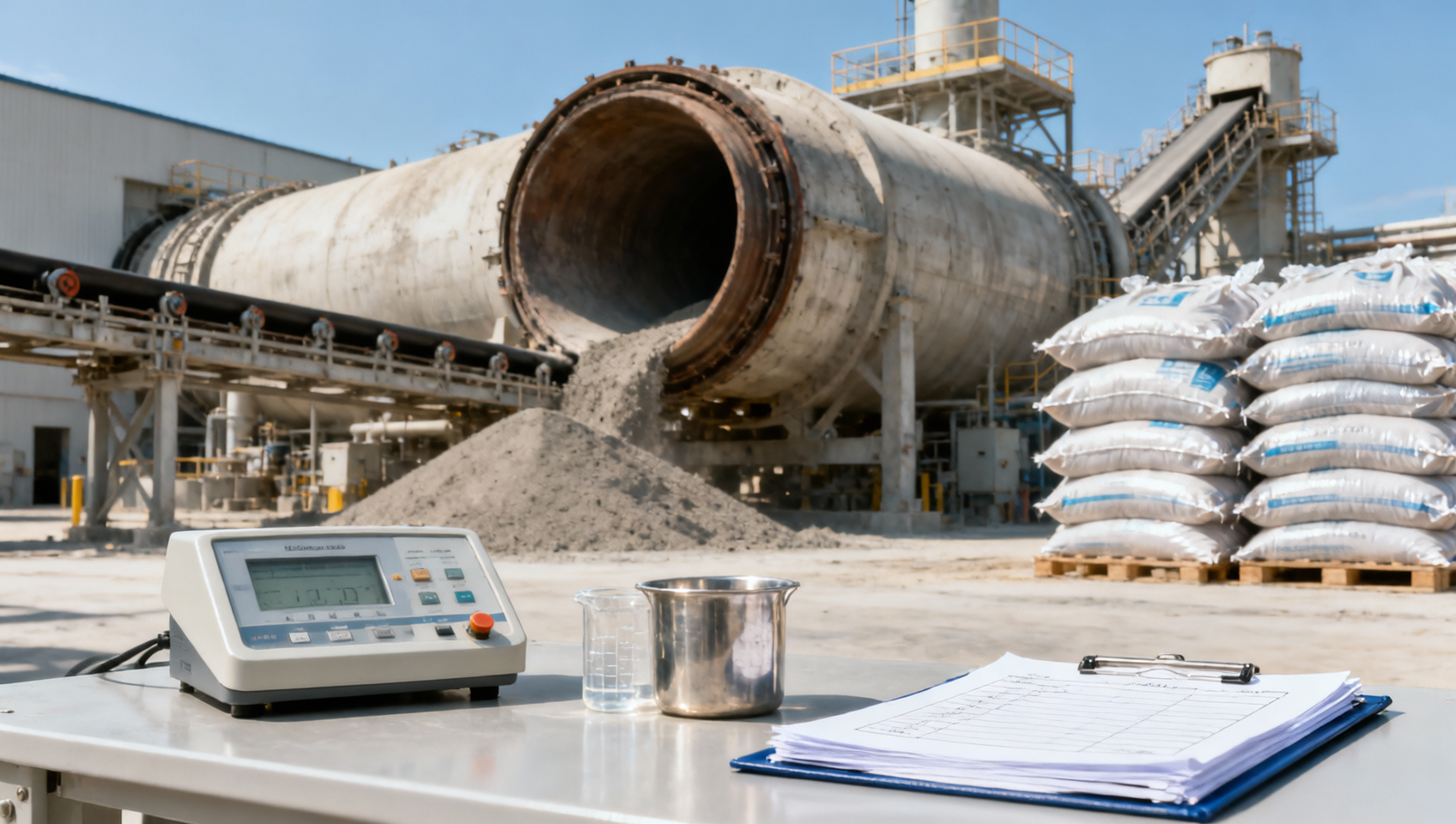
For cement suppliers, obtaining reliable EPD data requires disciplined measurement. Plant energy use, fuel mix, clinker ratio, electricity source, transport boundaries, and packaging assumptions must be defensible.
Older facilities often struggle because meters are incomplete, process records are fragmented, and product formulations vary without clear data governance across operations, laboratories, and sales teams.
Modernization can close these gaps. Digital process monitoring, laboratory integration, automated reporting, and calibrated utility meters make environmental declarations easier to maintain and update.
Certification-driven demand is especially relevant for major commercial developments, public infrastructure, data centers, airports, hospitals, universities, and projects financed by international institutions.
In these markets, procurement teams increasingly compare suppliers beyond delivered price. They examine carbon intensity, documentation quality, consistency of supply, compliance history, and technical support capability.
A plant that can provide verified product data promptly may win work against a competitor with similar cement performance but weaker environmental transparency and slower documentation.
Which Upgrade Projects Create the Most Certification-Relevant Value?
Not every equipment investment has equal relevance. The most valuable projects improve indicators that appear in lifecycle calculations, environmental declarations, customer questionnaires, or regulatory reporting.
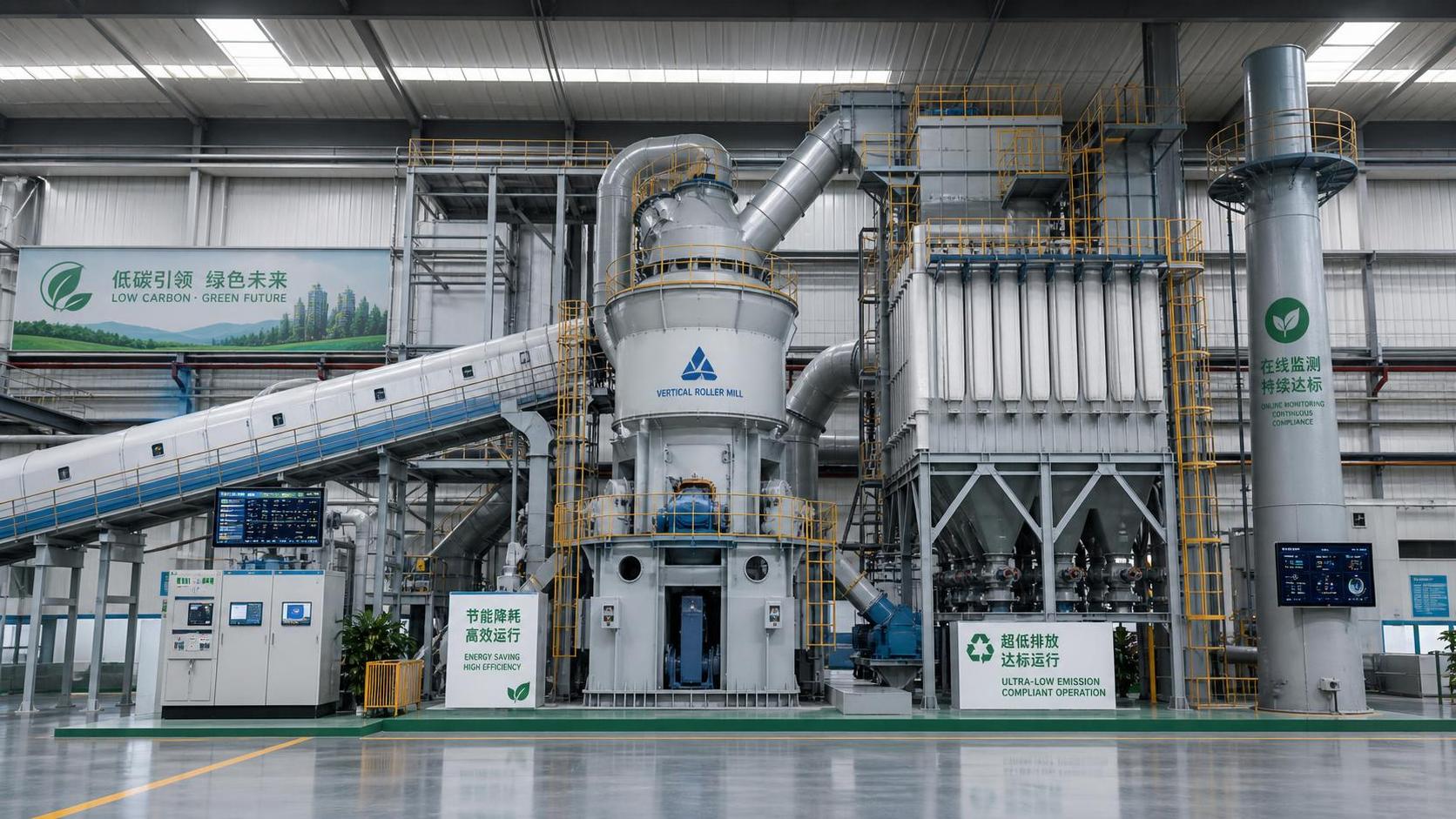
Grinding system upgrades are often a practical starting point. Vertical roller mills, high-pressure roller presses, separators, and optimized ball-mill circuits can lower specific electricity consumption.
Reduced grinding electricity improves manufacturing carbon intensity where grid emissions are significant. It can also reduce operating cost, making the environmental argument commercially stronger.
Clinker factor reduction is frequently more important than electricity savings. Increasing the use of slag, fly ash, calcined clay, limestone, or other approved materials can reduce embodied carbon.
Such changes require careful engineering. Supplementary materials affect grinding behavior, setting time, strength development, durability, product standards, storage arrangements, and customer acceptance.
Efficient material handling, separate dosing systems, silos, and quality-control automation may be necessary before a producer can safely expand lower-clinker product portfolios at commercial scale.
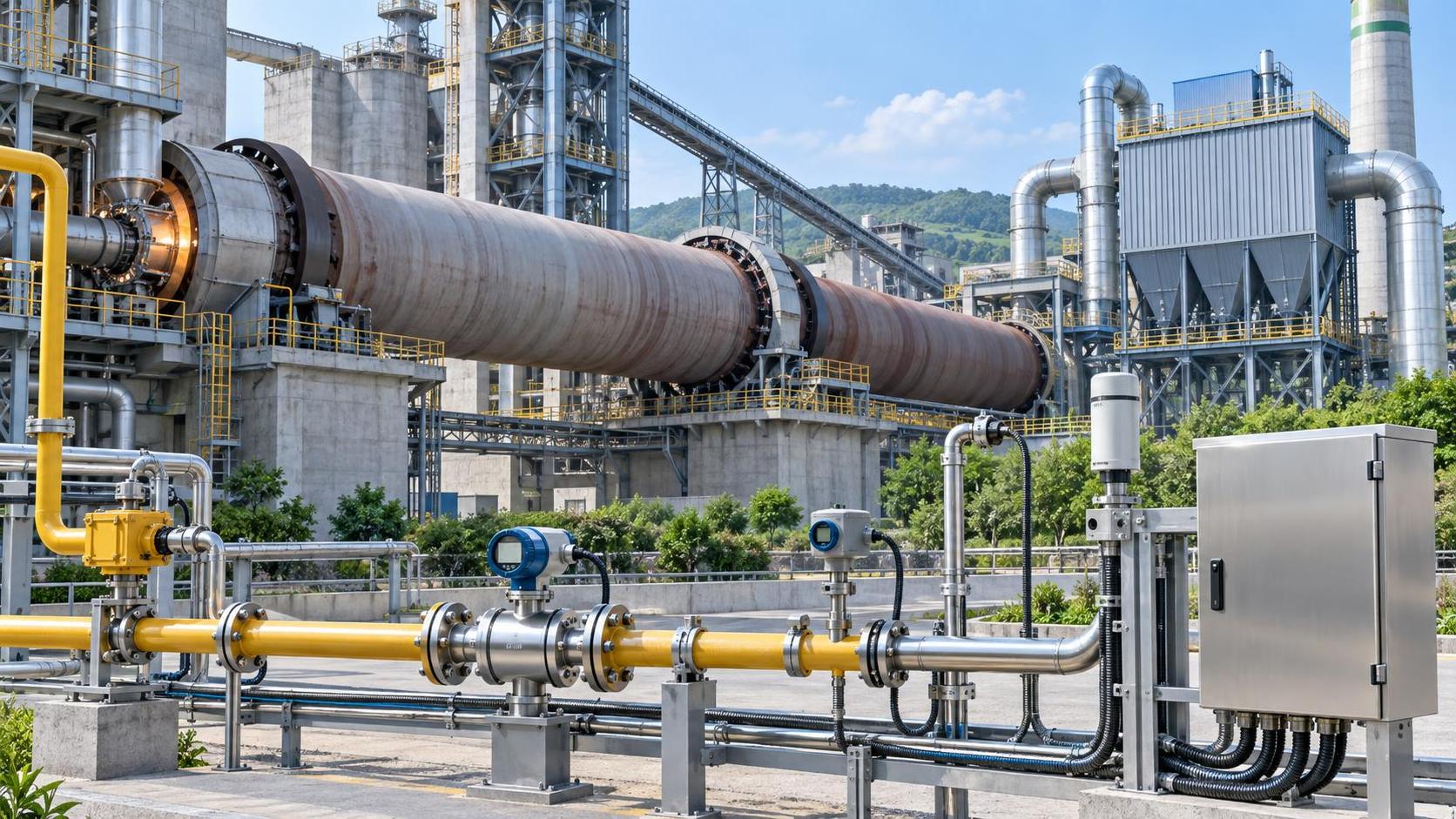
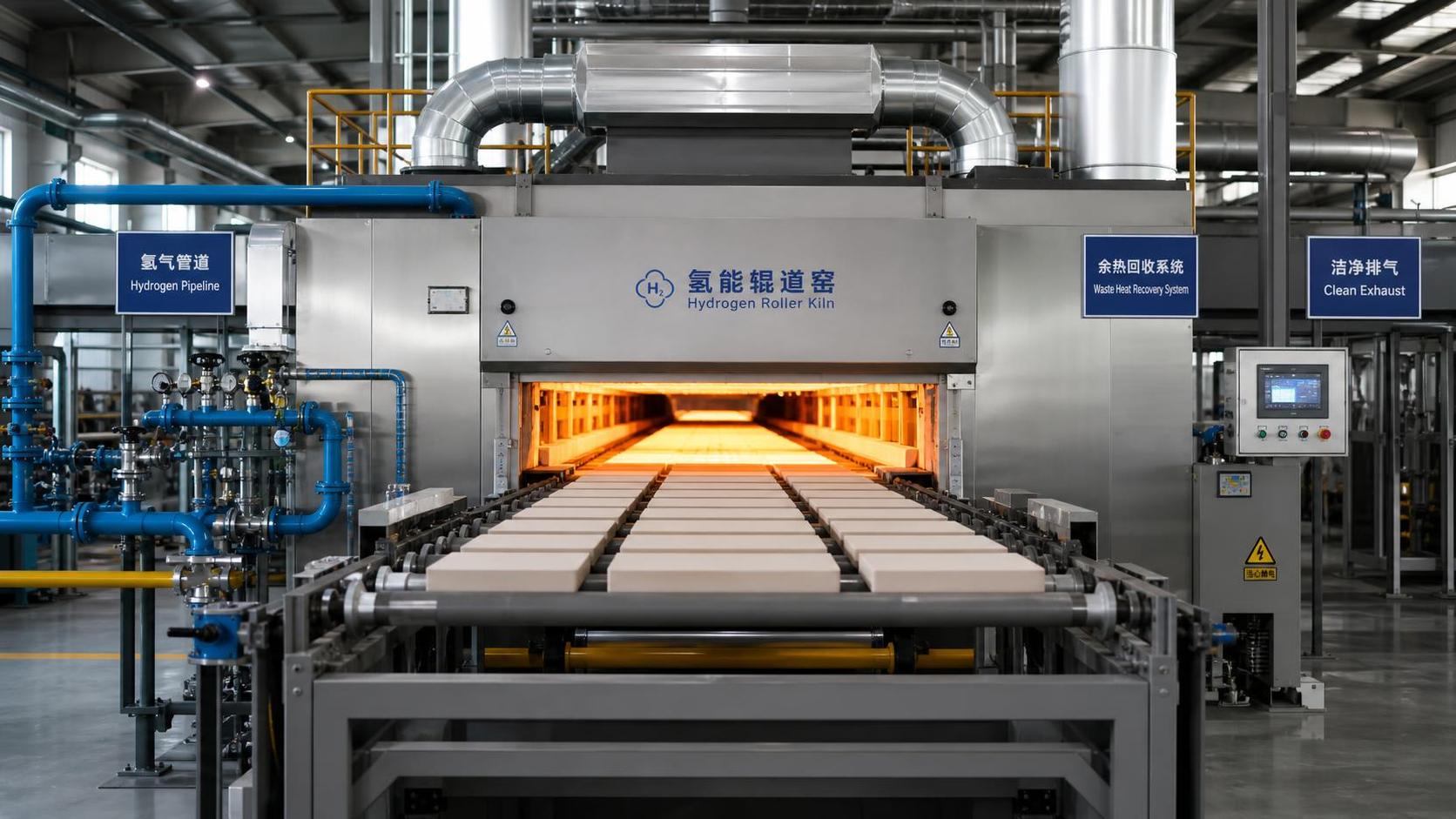
Waste heat recovery is another relevant upgrade. It can reduce purchased electricity, improve energy resilience, and support lower-carbon manufacturing where kiln exhaust conditions justify investment.
Its value depends on plant size, operating stability, heat availability, electricity tariffs, maintenance capability, and the emissions factor of displaced grid power in each location.
Carbon Reduction Must Be Measured at Product Level
Management teams should avoid broad claims that a modernized plant is sustainable. Buyers and certification consultants need product-specific figures, boundaries, assumptions, and independently credible calculations.
A lower-energy mill does not automatically create low-carbon cement. The final result depends on clinker content, fuel emissions, electricity source, raw materials, and actual production allocation.
For this reason, upgrade planning should begin with a baseline. Establish current kilograms of carbon dioxide per tonne for each cement type and major production route.
The baseline should separate direct kiln emissions, fuel combustion, purchased electricity, raw material impacts, and logistics where those elements are within the declared lifecycle boundary.
Then model expected results after each investment. Use realistic operating conditions instead of nameplate assumptions, especially for throughput, moisture, maintenance downtime, and material variability.
For example, a separator upgrade may reduce specific power substantially. Yet the product-level carbon benefit may remain modest if electricity is already low-carbon or clinker remains unchanged.
Conversely, a calcined-clay system can materially reduce cement carbon intensity. Its success depends on clay availability, thermal design, product testing, market standards, and reliable quality control.
Decision makers should prioritize projects combining measurable carbon reduction with capacity protection, energy savings, product differentiation, and a credible route to implementation.
Dust Control and Compliance Still Matter to Green Supply Chains
Green building certifications focus heavily on product impacts, but buyers also assess supplier reputation. Visible dust, repeated permit violations, and weak environmental controls can create commercial risk.
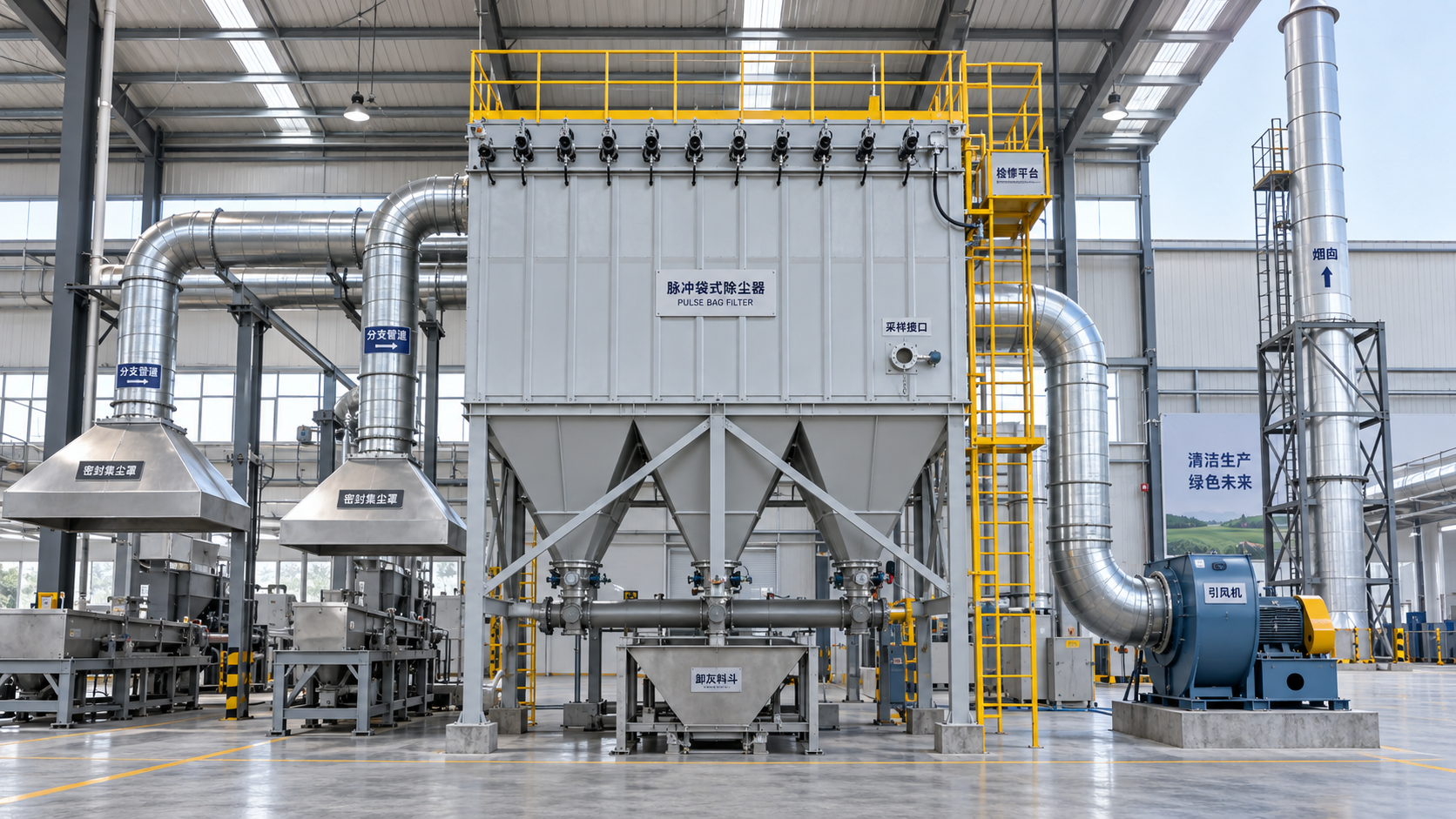
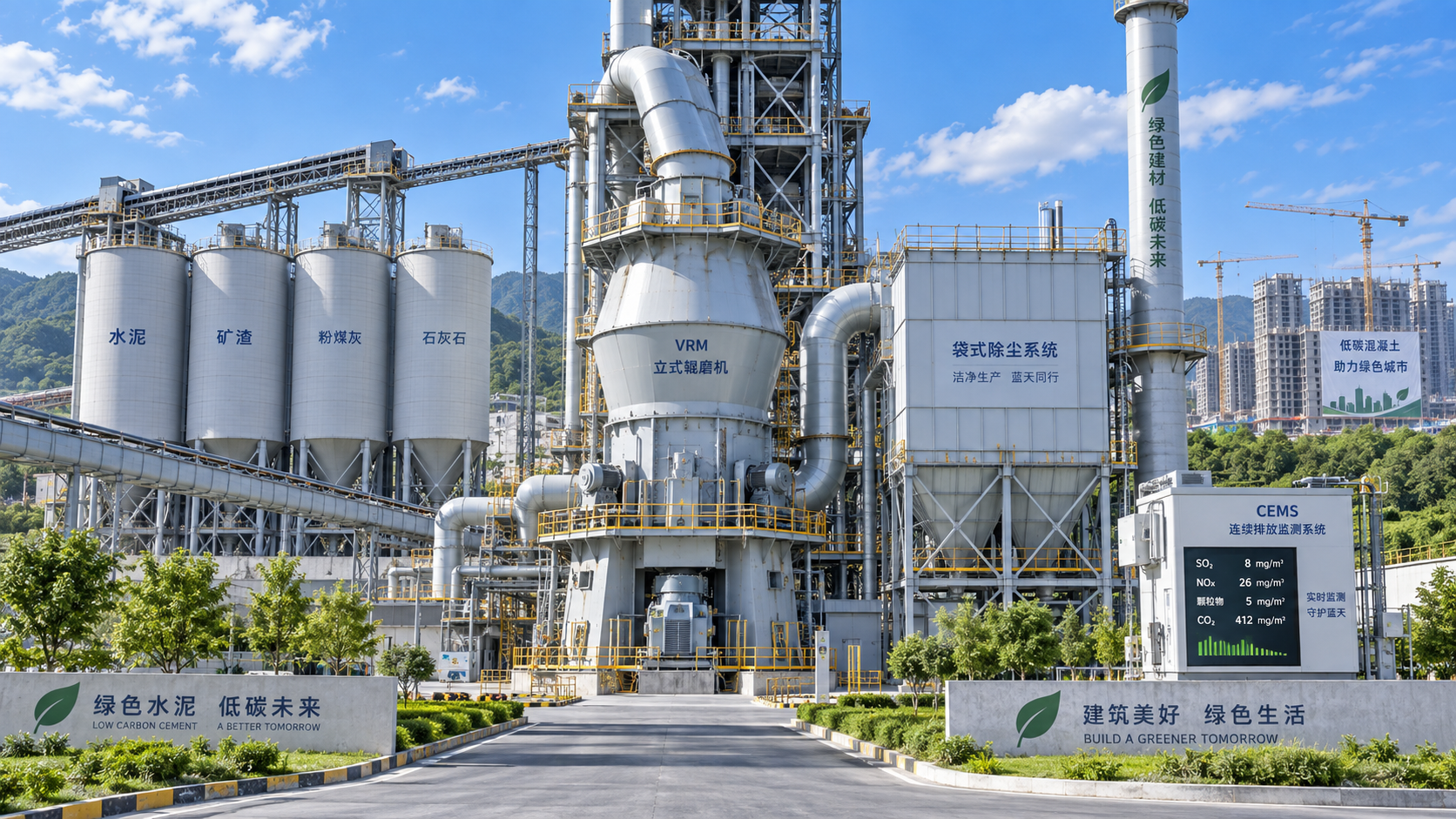
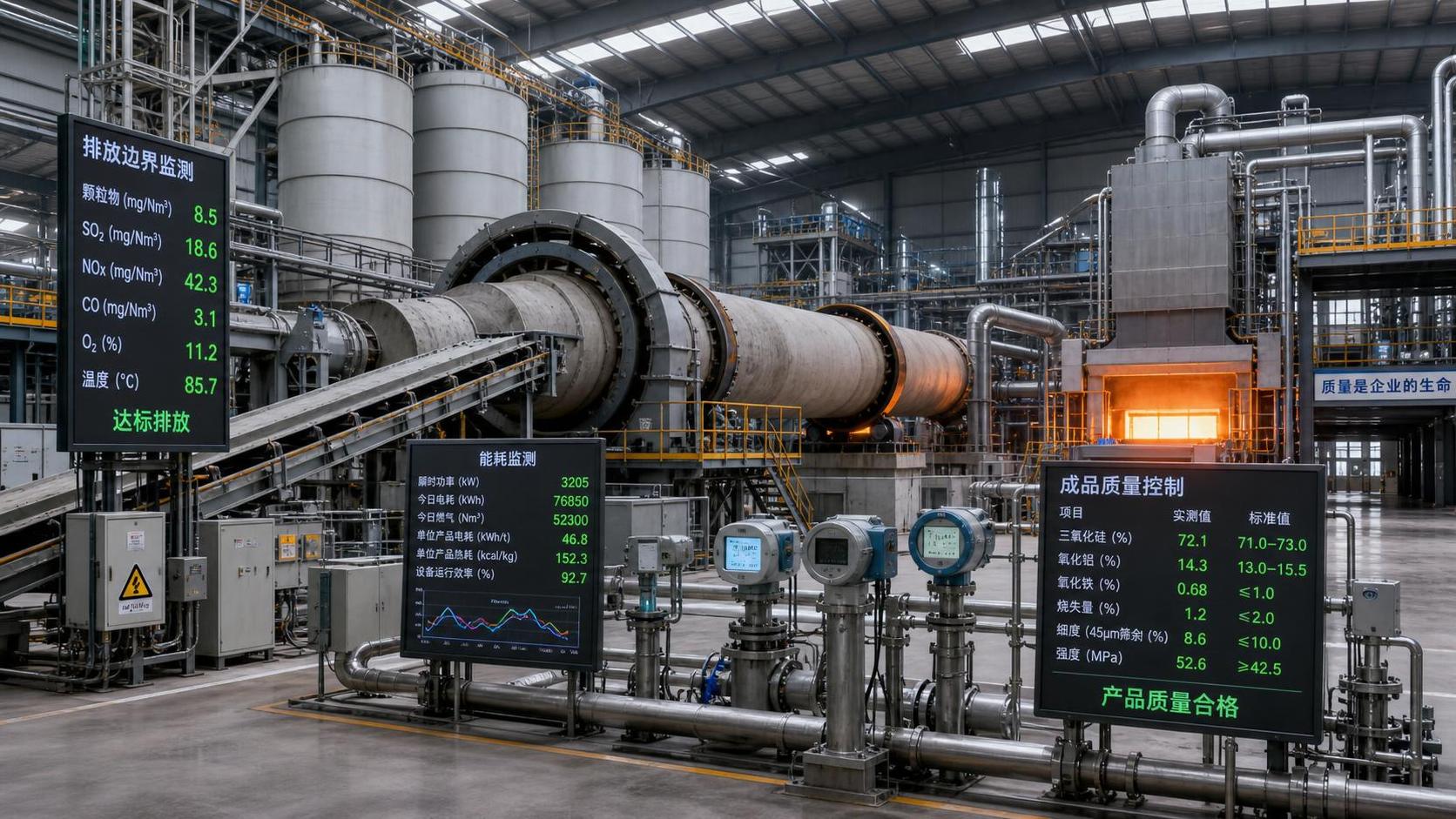
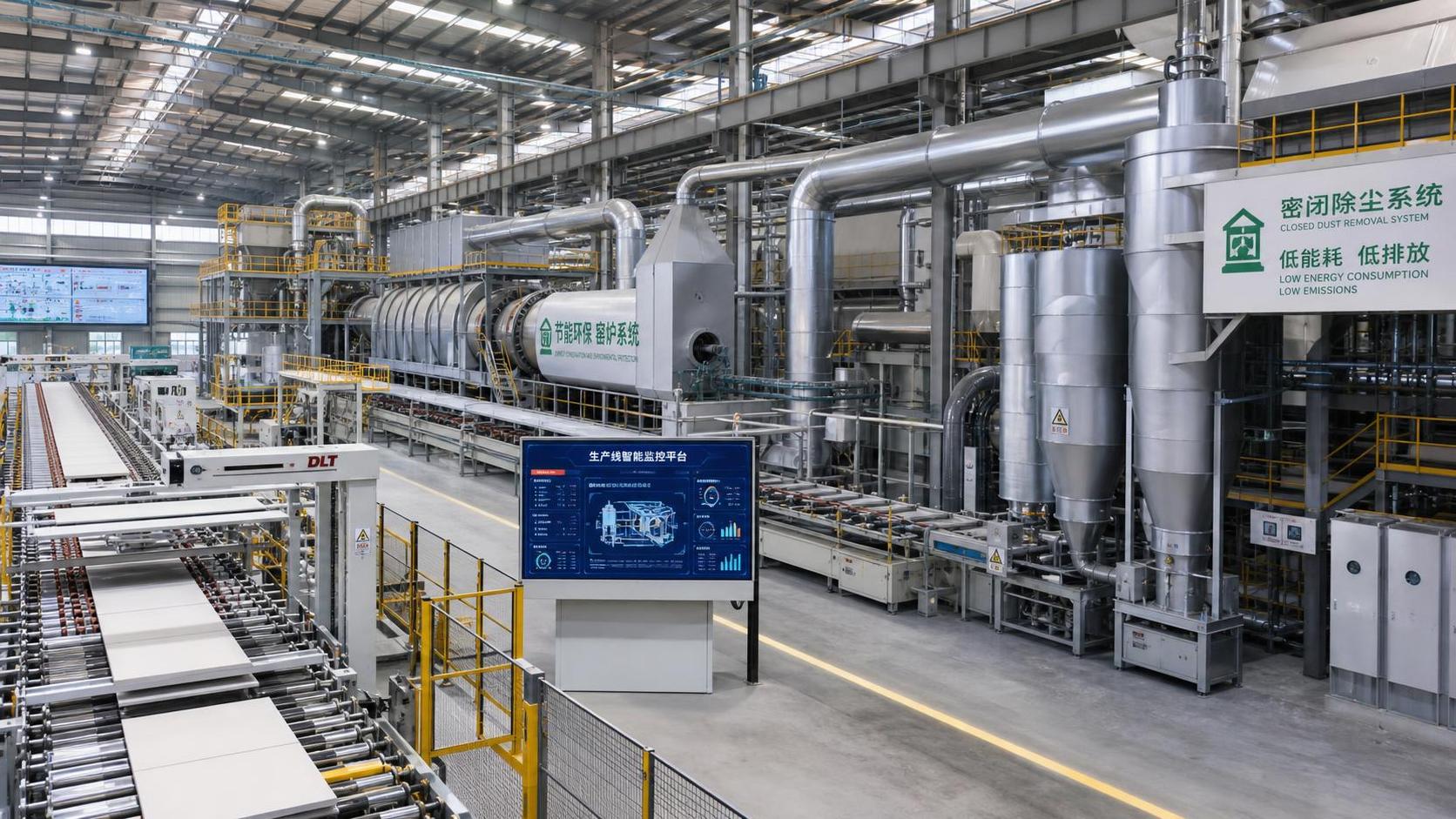
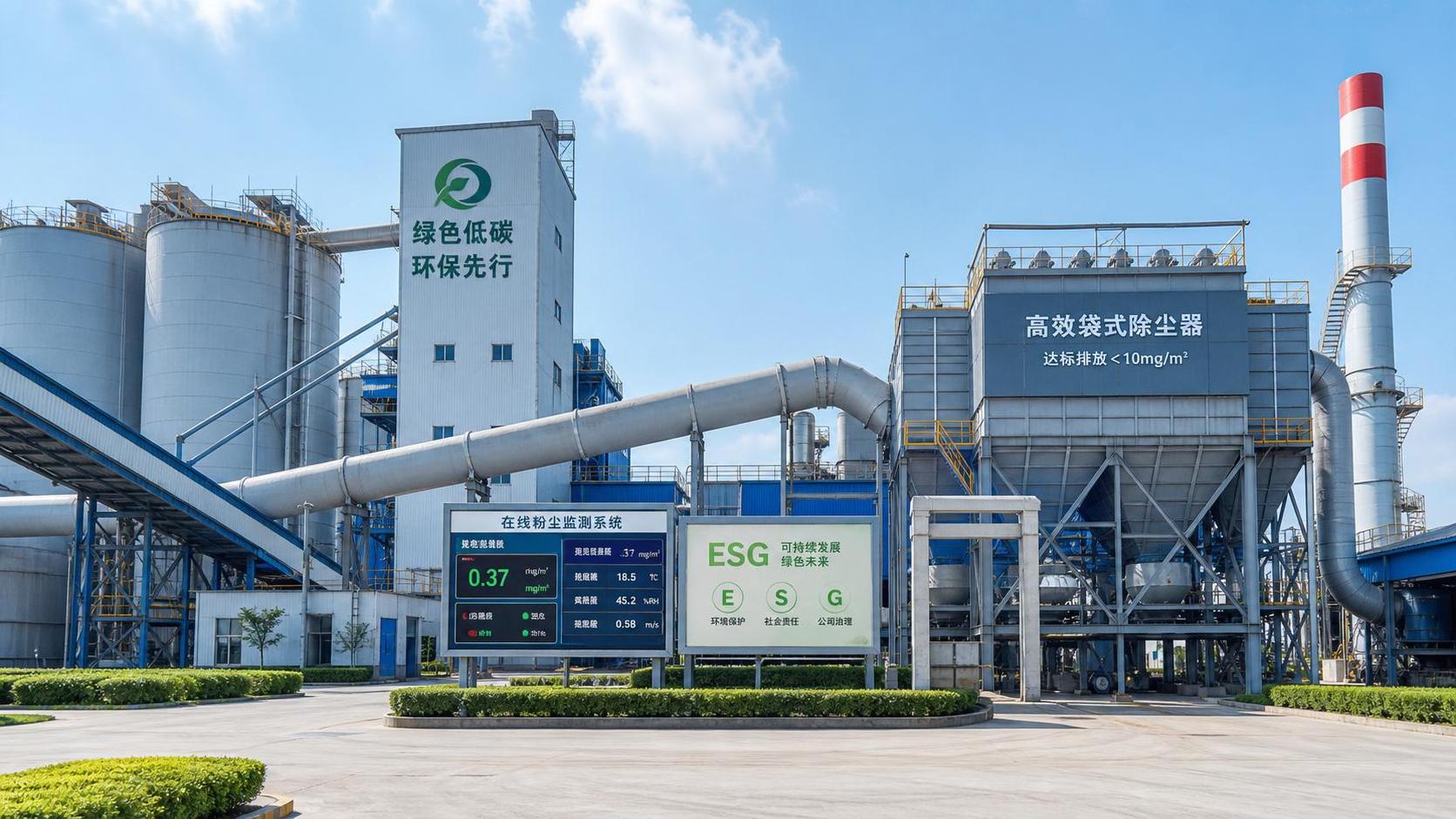
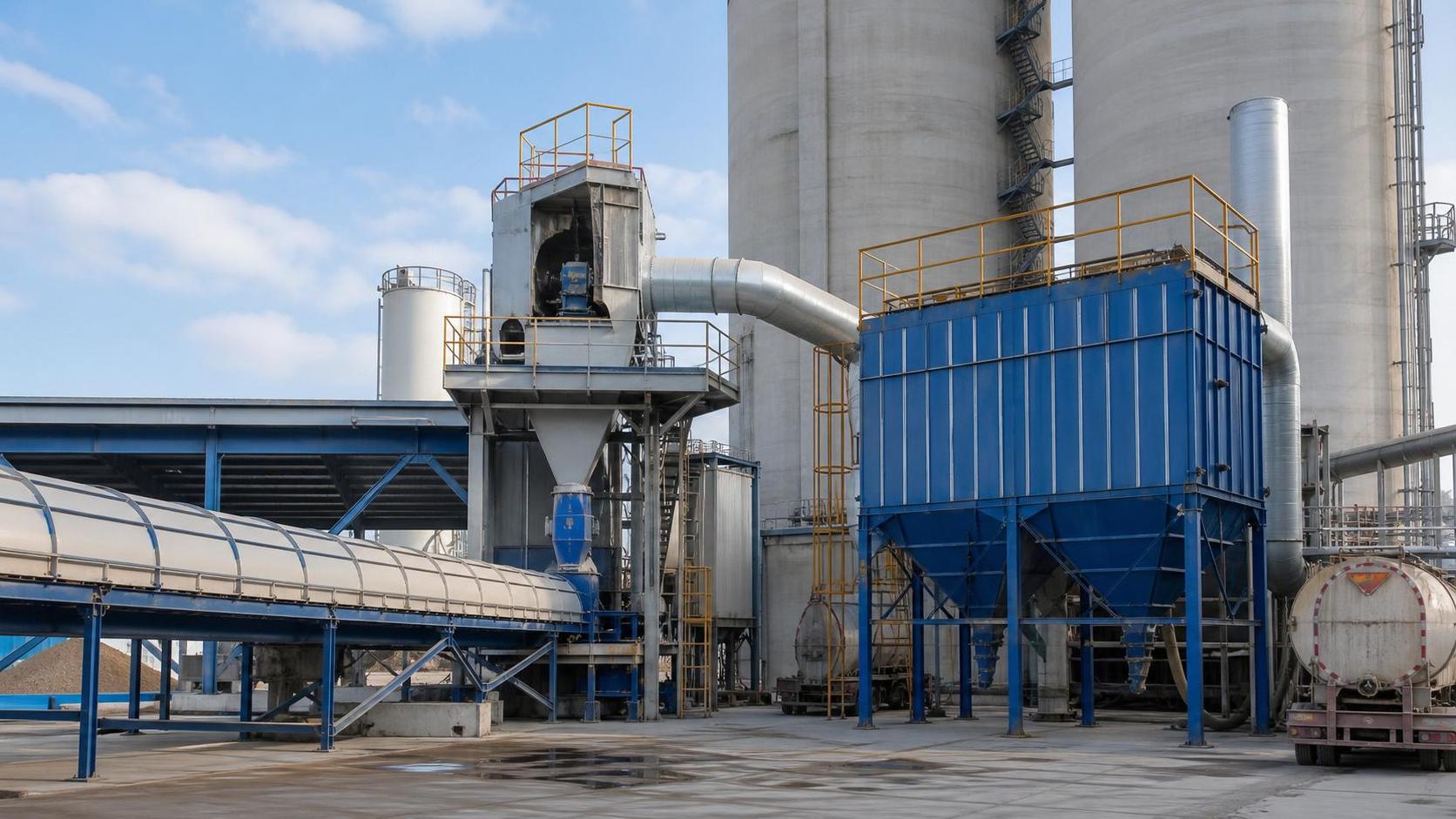
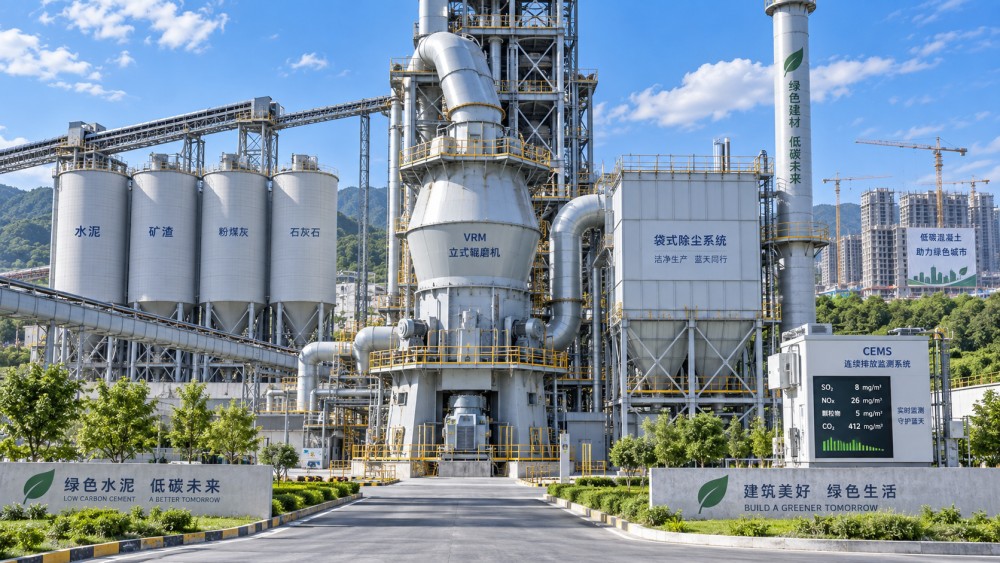
Modern bag filters, high-efficiency dust collectors, enclosed transfer points, silo vent systems, and continuous monitoring help plants meet stricter local air-quality requirements.
These investments may not directly generate many certification points. They protect operating licenses, reduce workplace exposure, limit neighborhood complaints, and strengthen customer confidence during supplier reviews.
Environmental compliance is increasingly interconnected with export readiness. International customers may request evidence of emissions controls, environmental management systems, and operational procedures before approving suppliers.
Digital monitoring adds value when it supports action. Plants need reliable alerts, maintenance workflows, emissions records, and clear responsibilities rather than dashboards that merely display data.
Automation can also stabilize production. More consistent feed control, grinding performance, and quality outcomes reduce waste, rework, off-spec material, and unnecessary energy consumption.
For older facilities, the practical objective is not perfection on day one. It is building a defensible compliance and measurement foundation that supports progressive upgrades.
How to Build a Business Case Beyond Marketing Claims
The strongest upgrade proposals connect sustainability metrics with plant economics. Carbon reductions become more persuasive when they also reduce energy expenses, avoid compliance costs, or protect revenue.
Start with the commercial exposure. Identify customer segments where EPDs, low-carbon concrete specifications, environmental scorecards, or green procurement rules affect qualification and tender outcomes.
Next, quantify operational gains. Include electricity reduction, fuel savings, maintenance changes, production reliability, material substitution benefits, and expected effects on product margins.
Then assess capital requirements honestly. Include civil works, installation downtime, spare parts, operator training, laboratory upgrades, commissioning support, and potential working-capital implications.
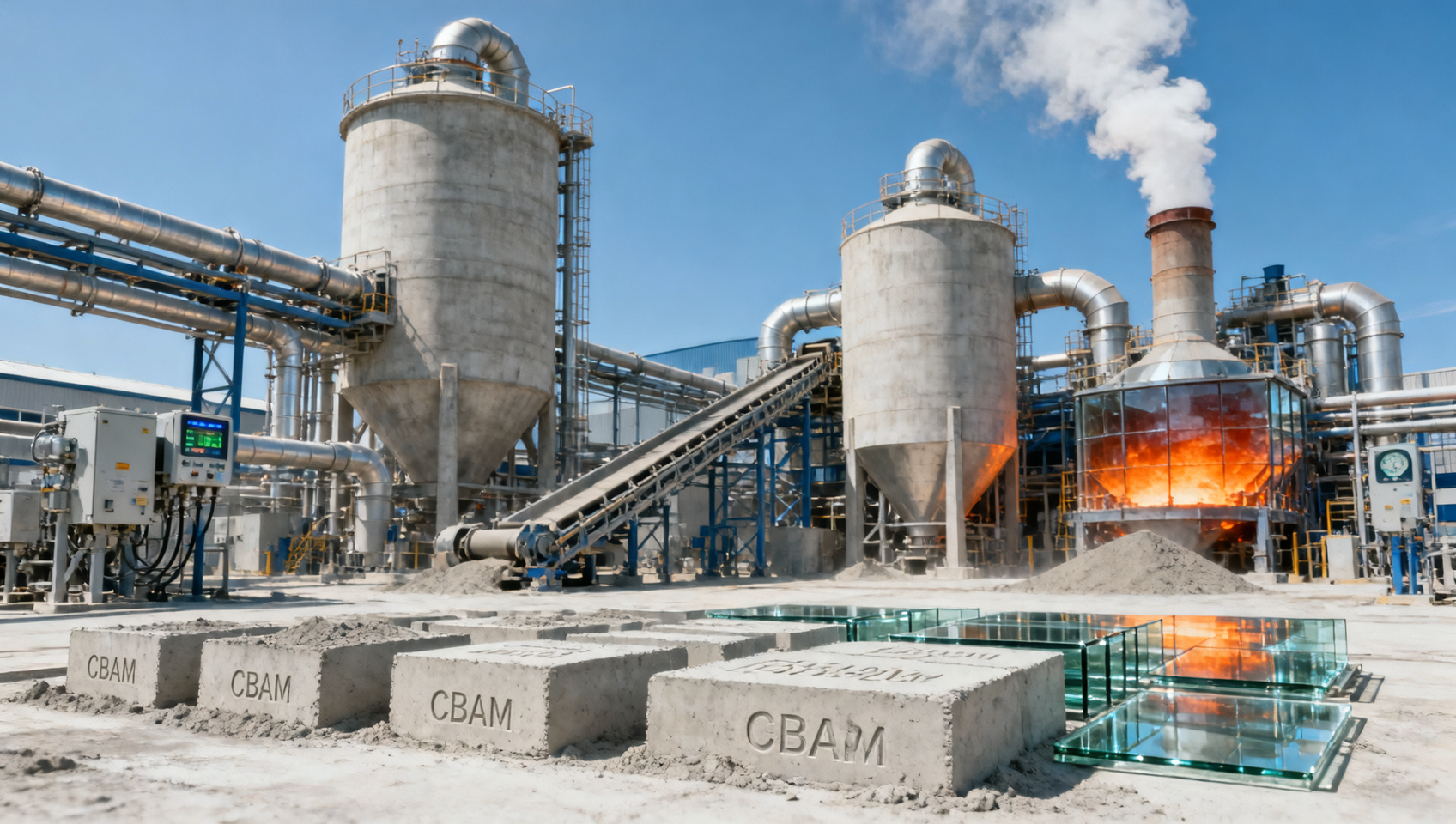
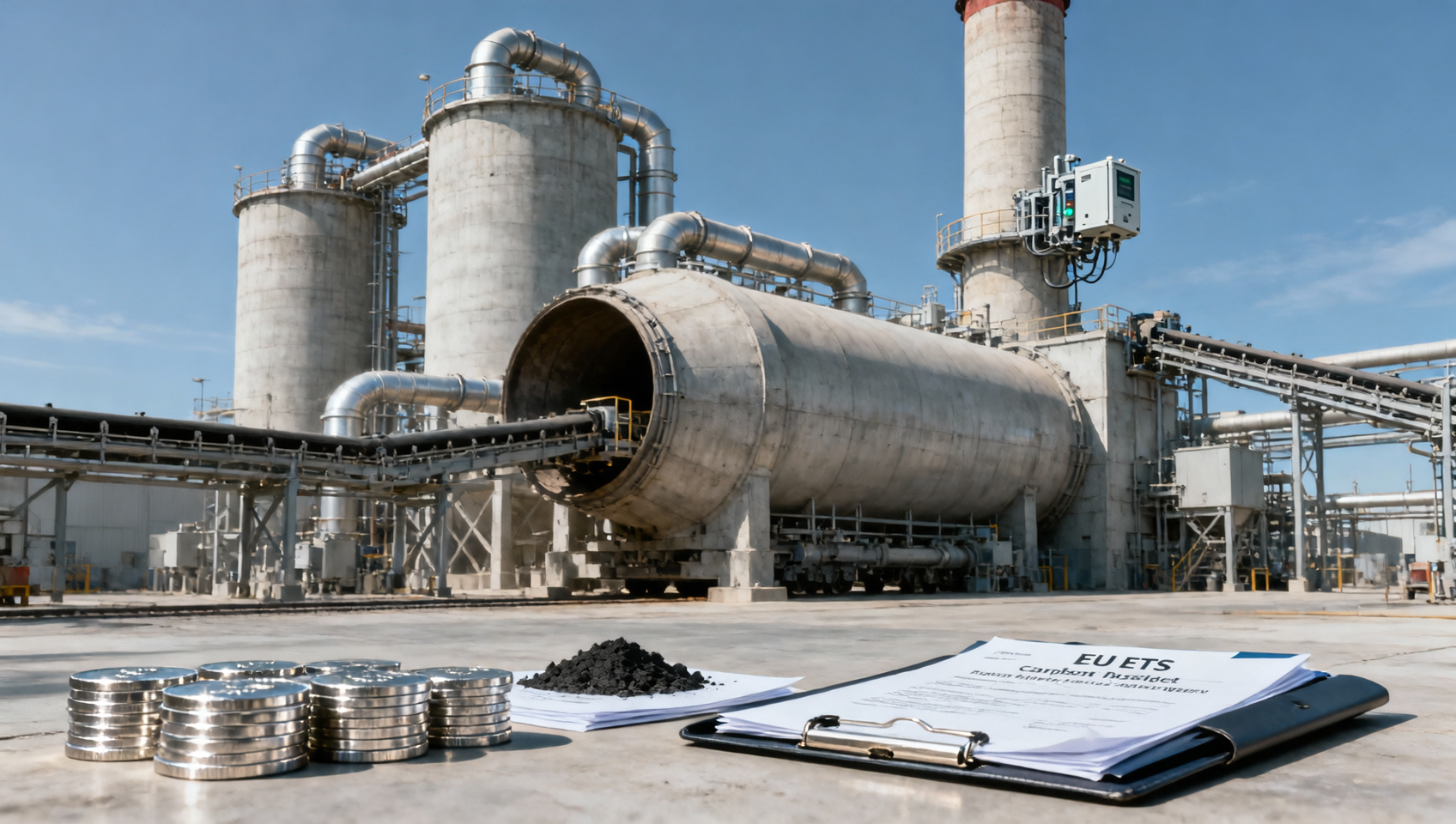
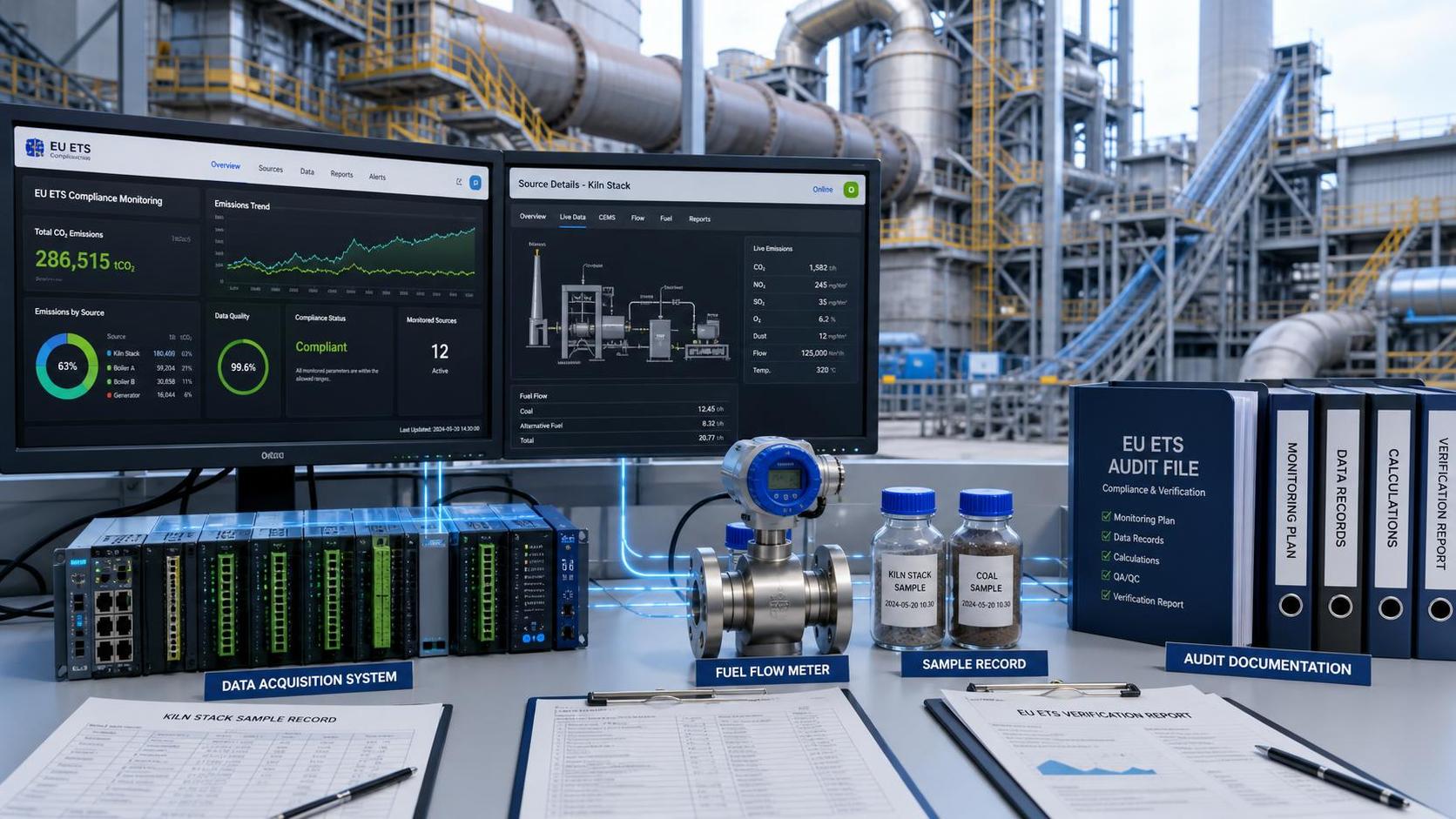
Carbon pricing should be considered where applicable. EU ETS exposure, national emissions systems, border carbon mechanisms, and corporate carbon targets can change project economics significantly.
Risk assessment should cover technical and market questions. Can alternative materials be supplied consistently? Will customers accept revised cement grades? Are permits or standards approvals required?
A phased program often reduces risk. Metering, process audits, laboratory capabilities, and digital reporting can prepare the plant before larger investments in grinding, heat recovery, or substitution.
This approach also creates evidence. Early projects establish baseline data and operational credibility, helping management evaluate later investments with fewer assumptions and stronger internal support.
What Procurement Teams Should Ask Equipment Suppliers
Equipment suppliers should be evaluated on more than quoted capacity. Procurement teams need performance guarantees that relate directly to the plant's environmental and commercial objectives.
Ask for specific power consumption under defined feed conditions, product fineness, moisture range, throughput requirements, and wear assumptions. Generic efficiency claims are insufficient for investment decisions.
For grinding projects, request evidence from comparable materials. Slag, limestone, pozzolans, calcined clay, and blended cement can behave very differently from ordinary clinker-based products.
For waste heat recovery, verify available heat, temperature profiles, operating hours, bypass conditions, cooling-water requirements, and net generation after auxiliary power consumption.
Suppliers should explain how controls integrate with existing distributed control systems, quality laboratories, maintenance platforms, and environmental reporting processes across the facility.
Data interoperability is important because environmental reporting depends on traceable information. Closed systems that cannot export reliable operational data may create future administrative limitations.
Also request a realistic commissioning plan. A high-performing technology can still fail commercially if installation disrupts production, training is inadequate, or local service support is unavailable.
Finally, compare lifecycle cost rather than purchase price alone. Efficiency, uptime, spare-part availability, service response, and product flexibility determine the long-term value of modernization.
When Green Building Certification Relevance Is Limited
Certification relevance should not be overstated. A cement plant does not become eligible for LEED or BREEAM merely because it installs efficient equipment or publishes sustainability targets.
Some project types remain largely price-sensitive, with limited demand for EPDs or low-carbon specifications. In these cases, direct energy and reliability benefits should lead the investment case.
Similarly, a facility cannot offset poor clinker quality, unreliable supply, or weak technical service with environmental documentation. Core product performance remains essential for customer retention.
Certification schemes also vary by country and project. A product attribute valued in one market may carry little weight elsewhere, particularly where local standards differ.
Producers should therefore map demand carefully. Review target geographies, construction segments, key developers, concrete producers, public buyers, and relevant material standards before committing capital.
The goal is not to chase every green label. It is to invest where verifiable environmental improvements create durable cost, compliance, customer, or market-access advantages.
A Practical Decision Framework for Cement Plant Modernization
First, determine whether priority customers require environmental declarations, carbon data, or green procurement documentation. This establishes whether certification-linked demand has near-term commercial relevance.
Second, measure the current production baseline by cement type. Without credible energy, emissions, quality, and throughput data, expected upgrade benefits cannot be evaluated confidently.
Third, identify the largest drivers of product carbon intensity. In most cases, clinker ratio and kiln emissions deserve more attention than minor incremental electricity improvements.
Fourth, screen upgrade options against operational feasibility. Consider raw material availability, product standards, existing layout, maintenance skills, grid conditions, capital limits, and planned shutdown windows.
Fifth, calculate value across several dimensions: operating cost, emissions reduction, compliance exposure, capacity, product mix, tender eligibility, and resilience against future market requirements.
Sixth, define verification requirements early. Metering architecture, laboratory data, environmental accounting methods, and third-party review should be planned alongside the engineering scope.
Finally, communicate results precisely. Customers respond better to verified product-level improvements than broad sustainability statements unsupported by clear operational evidence and recognized documentation.