



Search News
Industry Portal
Popular Tags
All categories
ISO 50100:2026 Reshapes Decarbonization Compliance




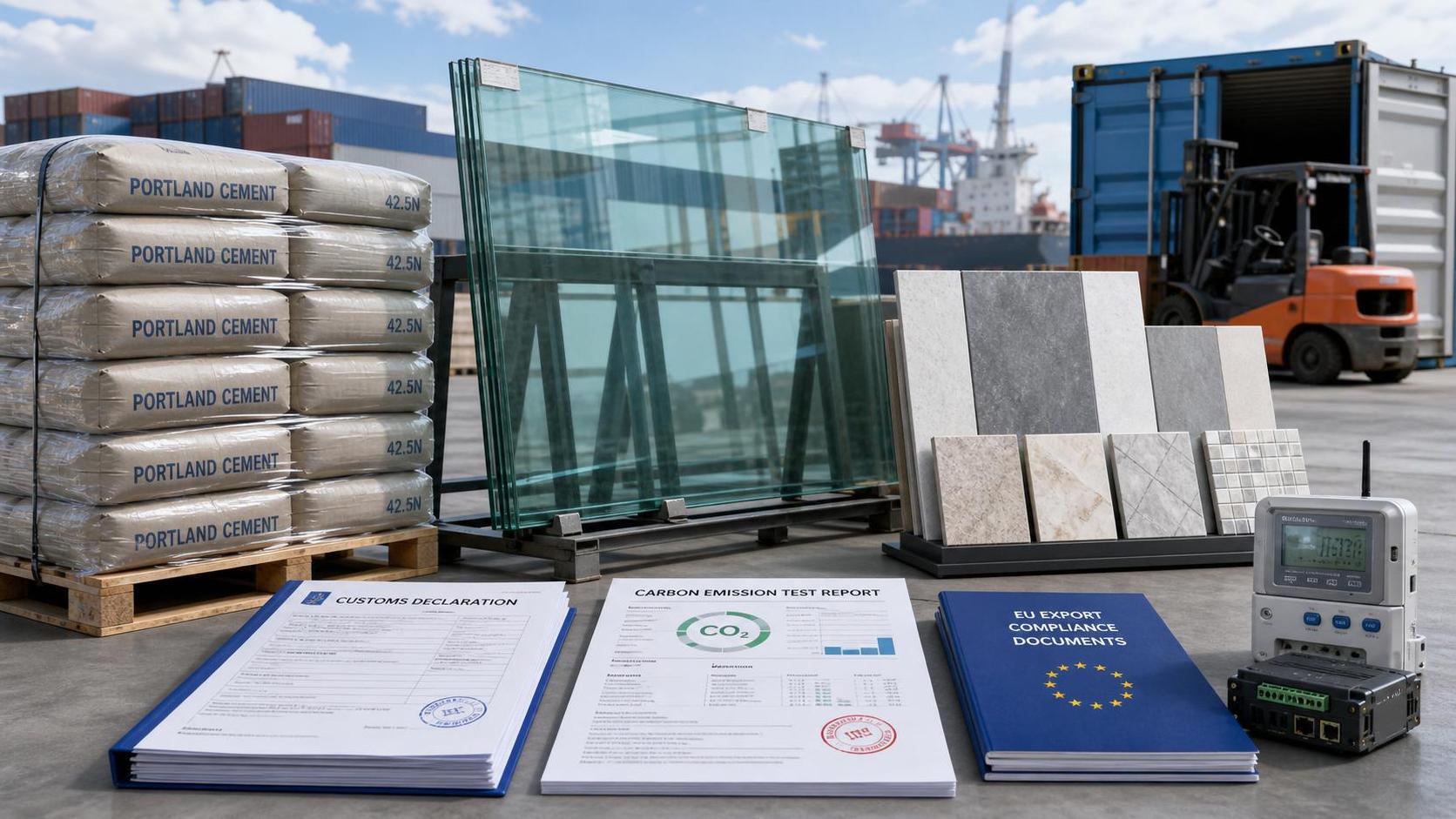
On August 4, 2026, ISO formally released ISO 50100:2026, a new international standard on energy management, energy savings, and decarbonization. The development is worth close attention because it places organization-level decarbonization requirements within the ISO 50001 framework and sets a new reference point for high-energy industrial equipment suppliers serving cement, glass, ceramics, and refractory production lines. For exporters, system integrators, manufacturers, and overseas buyers, the issue is no longer only technical efficiency, but also how decarbonization capability is presented in certification, procurement review, and delivery-related compliance discussions.

What the New Standard Formally Introduces
According to the provided event summary, ISO 50100:2026 was officially published by ISO on August 4, 2026 under the title Energy management systems and energy savings - Decarbonization - Requirements and guidance for use. The standard is described as the first international standard to bring the full organizational decarbonization chain into the ISO 50001 framework.
The confirmed summary also states that the standard excludes carbon removal and offsetting, and instead focuses on actual emissions reduction. It further establishes a new benchmark for energy-efficiency design, system integration, and export certification for equipment manufacturers serving high-energy sectors such as cement, glass, ceramics, and refractory materials.
The same summary notes that the EU CBAM transition period is already underway and that China's carbon market is expanding. In that context, overseas buyers are using this standard to assess supplier decarbonization capability and production-line upgrade plans.
Where the Compliance Pressure Is Likely to Appear First
Equipment exporters may face a stricter review baseline
From an industry perspective, exporters of equipment for cement, glass, ceramics, and refractory applications may be among the first to feel the practical effect of the new standard. The reason is straightforward: the event summary links ISO 50100:2026 directly to export certification, while overseas buyers are already using it as part of supplier evaluation. The business impact is therefore likely to show up in pre-shipment technical documentation, buyer qualification reviews, and discussions around whether an equipment package can support a customer's decarbonization pathway.
What deserves closer attention is whether export-facing materials, technical specifications, and certification narratives still focus only on conventional energy efficiency, or whether they now need to show how the equipment or system contributes to substantive emissions reduction under the buyer's compliance framework.
System integrators may be judged on upgrade logic, not only unit performance
For system integrators, the significance of ISO 50100:2026 appears broader than single-machine efficiency. Analysis shows that once decarbonization is placed within an organizational framework, buyers may pay closer attention to how process equipment, controls, and line-level integration support overall production upgrades. That can affect tender alignment, project scoping, and the completeness of technical proposals.
In practical terms, integrators may need to track how procurement documents, buyer questionnaires, and specification reviews begin to describe decarbonization capability, especially where line retrofits or production modernization projects are involved. The issue is less about adding a new marketing claim and more about whether the integration plan can be presented as part of a verifiable reduction pathway.
Procurement teams and overseas buyers may tighten supplier screening
The provided summary explicitly states that overseas purchasers are using the standard to evaluate suppliers. That matters for procurement teams because supplier selection may increasingly depend on the quality of decarbonization-related evidence, not only price, capacity, and conventional technical compliance. The likely effect is a more detailed review of supplier qualification materials, upgrade plans, and supporting technical records during sourcing and bid comparison.
Observably, this could shift part of the purchasing process toward earlier scrutiny of compliance documentation, project descriptions, and certification status. For sellers, that means the procurement stage may become a more important compliance checkpoint than the final delivery stage alone.
Certification and related service providers may see changing documentation needs
Because the event summary links the new standard to export certification, certification-related firms and technical service providers may need to monitor how clients begin to interpret documentation requirements around decarbonization. The immediate issue is not that a single mandatory format has already been confirmed in the input, but that the benchmark used in certification conversations appears to be changing.
Analysis shows that supporting materials such as technical files, system descriptions, and records tied to energy-efficiency design and line upgrades may receive greater scrutiny where customers or certification counterparties start referencing ISO 50100:2026 in qualification and review processes.
What Companies Should Track in the Next Phase
Check whether technical files match the new decarbonization framing
Companies involved in equipment manufacturing and export should review whether current technical documents describe only energy-saving performance or also explain how a solution fits a broader decarbonization pathway. The provided information does not confirm a single execution format, so this should be treated as a compliance watchpoint rather than an established filing rule.
Watch for changes in certification language and buyer questionnaires
Because the standard is already being used by overseas buyers to assess suppliers, one practical area to monitor is whether certification reviews, prequalification forms, tender documents, or procurement questionnaires begin to adopt ISO 50100:2026 terminology. Observably, even limited wording changes in these documents can affect how suppliers prepare evidence and structure their responses.
Reassess upgrade proposals for high-energy production lines
Manufacturers and integrators serving cement, glass, ceramics, and refractory industries should pay attention to how line-upgrade proposals are framed. Analysis shows that if buyers are evaluating decarbonization capability, project proposals may need to connect equipment selection, system integration, and production improvement more clearly than before. This is especially relevant where the sales process depends on technical bid alignment and solution-based procurement.
Prepare for closer links between trade compliance and delivery planning
The combination of the EU CBAM transition period, the expansion of China's carbon market, and the publication of ISO 50100:2026 suggests that trade compliance discussions may increasingly overlap with procurement timing and delivery preparation. It is more appropriate to understand this as an early operational signal: companies should watch whether customers begin asking for additional supporting records before contract award, before shipment, or during acceptance review.
Why This Looks Like an Execution Signal, Not Just a Standard Release
Analysis shows that this development is more than a routine standards update because the input ties the new ISO document to live trade and procurement contexts. The standard has been released, its scope is clearly framed around substantive emissions reduction rather than carbon removal or offsetting, and buyers are already using it in supplier assessment. That makes the news relevant as a current execution signal.
At the same time, it would be premature to treat every downstream requirement as fixed. The input does not provide detailed certification procedures, buyer-side enforcement rules, or final procurement wording. For that reason, the more balanced reading is that the baseline has changed, while many practical applications still need to be tracked through certification practice, tender documents, and market feedback.
How This Update Is Best Understood Now
At this stage, ISO 50100:2026 is best understood as a newly formalized compliance reference that may influence export certification, supplier evaluation, and production-line upgrade discussions in high-energy industrial sectors. The standard's release matters because it gives decarbonization a clearer place within an established energy management framework and because buyers appear to be using that framework in real sourcing decisions.
A rational conclusion is that this is neither a completed enforcement outcome nor a minor symbolic release. It is more appropriate to understand it as a concrete change in compliance expectations, with the full market response still requiring observation through procurement practice, certification interpretation, and supplier execution.
Basis of This Article and What Still Needs Verification
This article is based on the user-provided news title, event date, and event summary. For developments of this kind, relevant source categories usually include official announcements, regulatory publications, customs or trade authority updates, industry association materials, standards organization documents, and reporting by authoritative media.
No specific official source link was provided in the input, so the precise official publication path still requires further verification. What should continue to be monitored includes detailed implementation language, certification interpretation, changes in tender documents, market feedback from buyers and suppliers, and how companies translate the new standard into actual export and delivery practice.
Related News
- Can EU ETS compliance software reduce errors in emissions reporting?Author :Dr. Alaric Vance

- How to verify a green building certification agency before hiringAuthor :Dr. Alaric Vance

- What do BREEAM material standards require from construction products?Author :Dr. Alaric Vance

- When does a hydrogen fuel kiln reduce emissions in ceramic firing?Author :Dr. Alaric Vance

- What counts in carbon emissions reporting under today’s ESG rulesAuthor :Dr. Alaric Vance

- How to verify whether a green building certification company is credibleAuthor :Dr. Alaric Vance

- How to verify carbon compliance in building materials before project approvalAuthor :Dr. Alaric Vance

- ISO 50100:2026 Reshapes Decarbonization ComplianceAuthor :Dr. Alaric Vance

- How to Measure Building Material Emissions Reduction for ESG ReportingAuthor :Dr. Alaric Vance

- How to Evaluate EU ETS Compliance Software for Audit Readiness and Data AccuracyAuthor :Dr. Alaric Vance

- What Green Material Certification Means for ESG Compliance in ManufacturingAuthor :Dr. Alaric Vance

- How Green Building Material Manufacturing Supports ESG Compliance and Cost ControlAuthor :Dr. Alaric Vance

- EU Extends CBAM Transition, Adds August Carbon Filing RuleAuthor :Dr. Alaric Vance

- EU CBAM Phase Three Reaches Equipment ExportersAuthor :Dr. Alaric Vance

- EU Tightens CE-EPD Rules for Glass MachineryAuthor :Dr. Alaric Vance

- Low-Carbon Cement Production System: Cost, ROI, and Compliance BasicsAuthor :Dr. Alaric Vance

- EU Carbon Compliance Materials: 2026 Rule Changes That Affect SourcingAuthor :Dr. Alaric Vance

- Decarbonization in Building Materials: 5 Cost Drivers to Watch in 2026Author :Dr. Alaric Vance

- Tailings Recycling Technology Trends Shaping ESG Compliance in 2026Author :Dr. Alaric Vance

- Green Building Certification Criteria That Matter in Material SelectionAuthor :Dr. Alaric Vance

- EU Carbon Compliance Materials: Key Rules and Cost Risks in 2026Author :Dr. Alaric Vance

- Tailings Recycling China: Policy and Project Outlook 2026Author :Dr. Alaric Vance

- EU Sets CBAM Trial Rules for Glass and CeramicsAuthor :Dr. Alaric Vance

- Carbon Reduction Roadmap: 5 Cost Levers That Matter in 2026Author :Dr. Alaric Vance

- EU CBAM Extends to Glass and Ceramics in 2026Author :Dr. Alaric Vance

- Green Building Certification Rating: What Changes Project Value in 2026Author :Dr. Alaric Vance

- Cement Dust Emission Control Options Under New ESG Compliance PressureAuthor :Dr. Alaric Vance

- Industrial Dust Emission Control for Material Handling Compliance GuideAuthor :Dr. Alaric Vance

- EU CBAM Extends to Glass and Ceramic EquipmentAuthor :Dr. Alaric Vance

- Cement Plant Dust Control Options Compared for Compliance and Operating CostAuthor :Dr. Alaric Vance

- Low-Carbon Cement Materials in 2026: Cost, Carbon Rules, and Supply RisksAuthor :Dr. Alaric Vance

- Fly Ash Cement Applications: Best Uses and Performance LimitsAuthor :Dr. Alaric Vance

- Dust Free Production: Key Process Controls That Actually WorkAuthor :Dr. Alaric Vance

- EU REACH Update Raises Export Compliance Bar for Glass and Quartz LinesAuthor :Dr. Alaric Vance

- EU CBAM Guidance Brings Grid Carbon Factors Into Export FilingsAuthor :Dr. Alaric Vance

- Carbon Reduction in Cement Plants: Practical Routes and Trade-OffsAuthor :Dr. Alaric Vance