



Search News
Industry Portal
Popular Tags
All categories
Vietnam Tightens Quartz Press Import Requirements




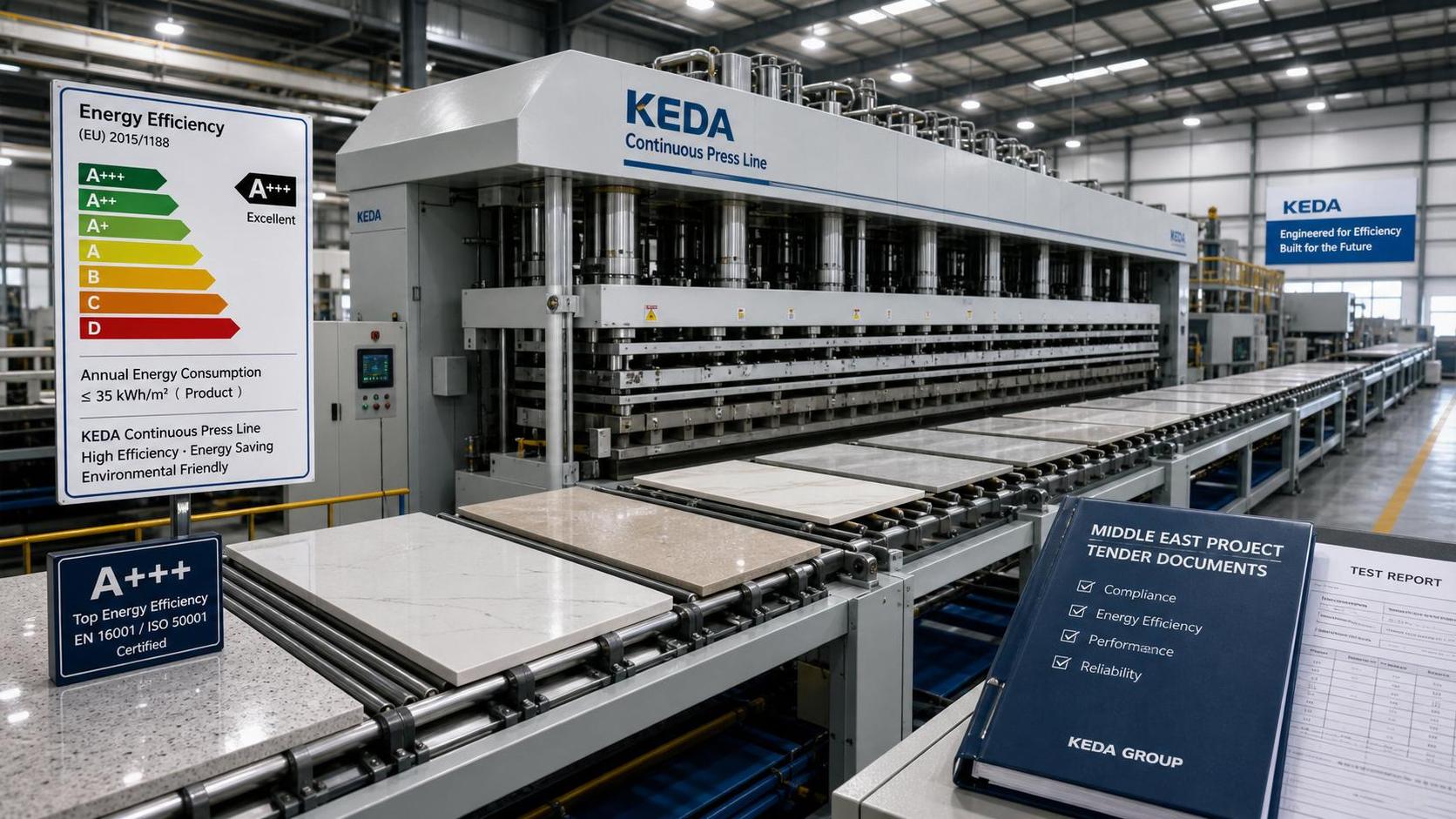
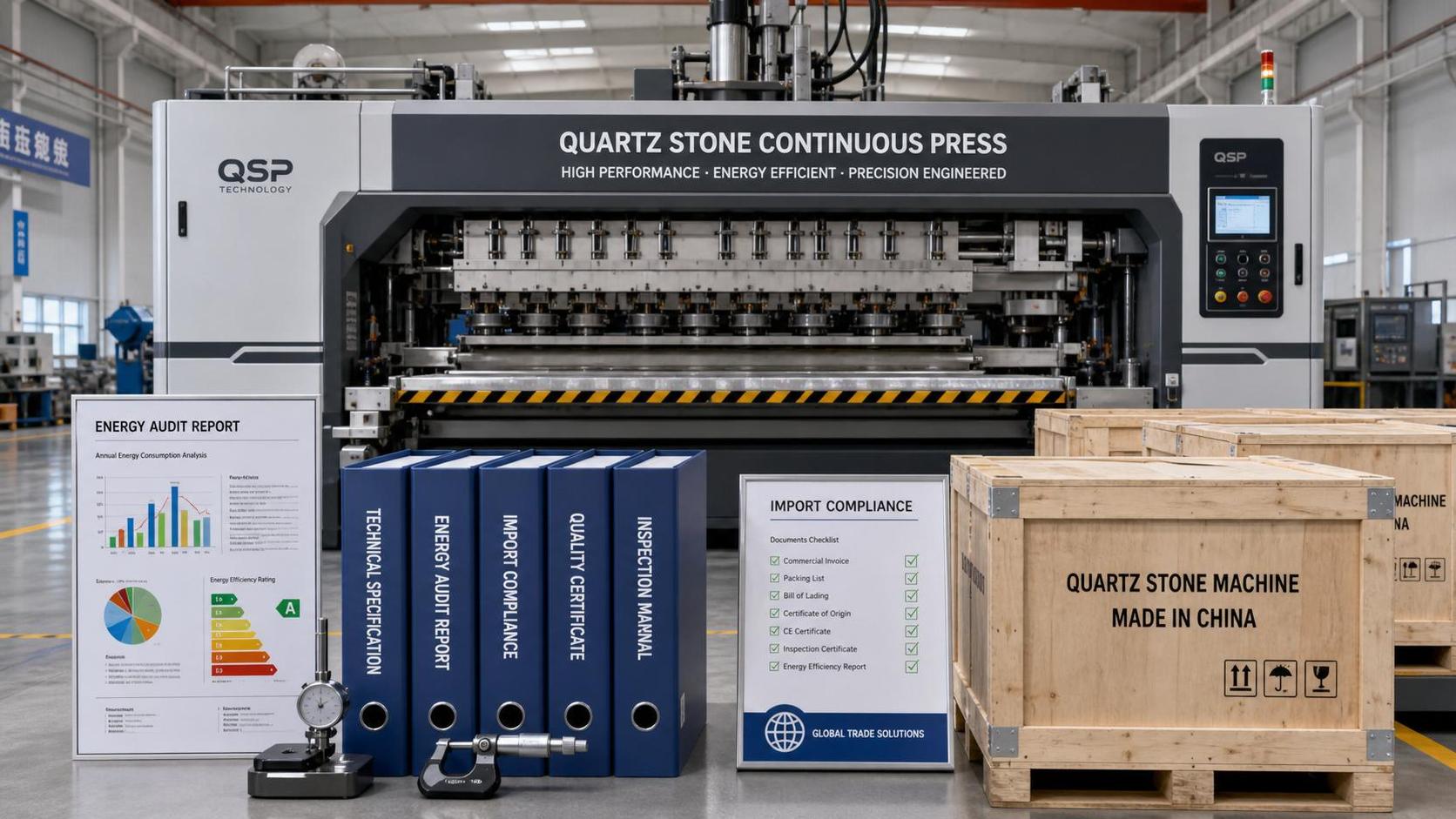
On July 8, 2026, Vietnam’s Ministry of Industry and Trade (MOIT) issued Circular No. 18/2026/TT-BCT, introducing new import compliance requirements for continuous panel presses used in quartz stone production. From September 1, 2026, imported equipment in this category must be supported by an A++ energy-efficiency test report issued by a Vietnam-recognized laboratory, together with a Vietnamese-language operation and maintenance manual and a spare parts list. For equipment suppliers, importers, customs-facing logistics teams, and downstream buyers, the change matters because it shifts compliance checks closer to customs clearance and can directly affect delivery timing.
What the new circular requires
According to the provided event summary, MOIT signed Circular No. 18/2026/TT-BCT on July 8, 2026. The rule takes effect on September 1, 2026 and applies to all imported continuous panel presses for quartz stone production.
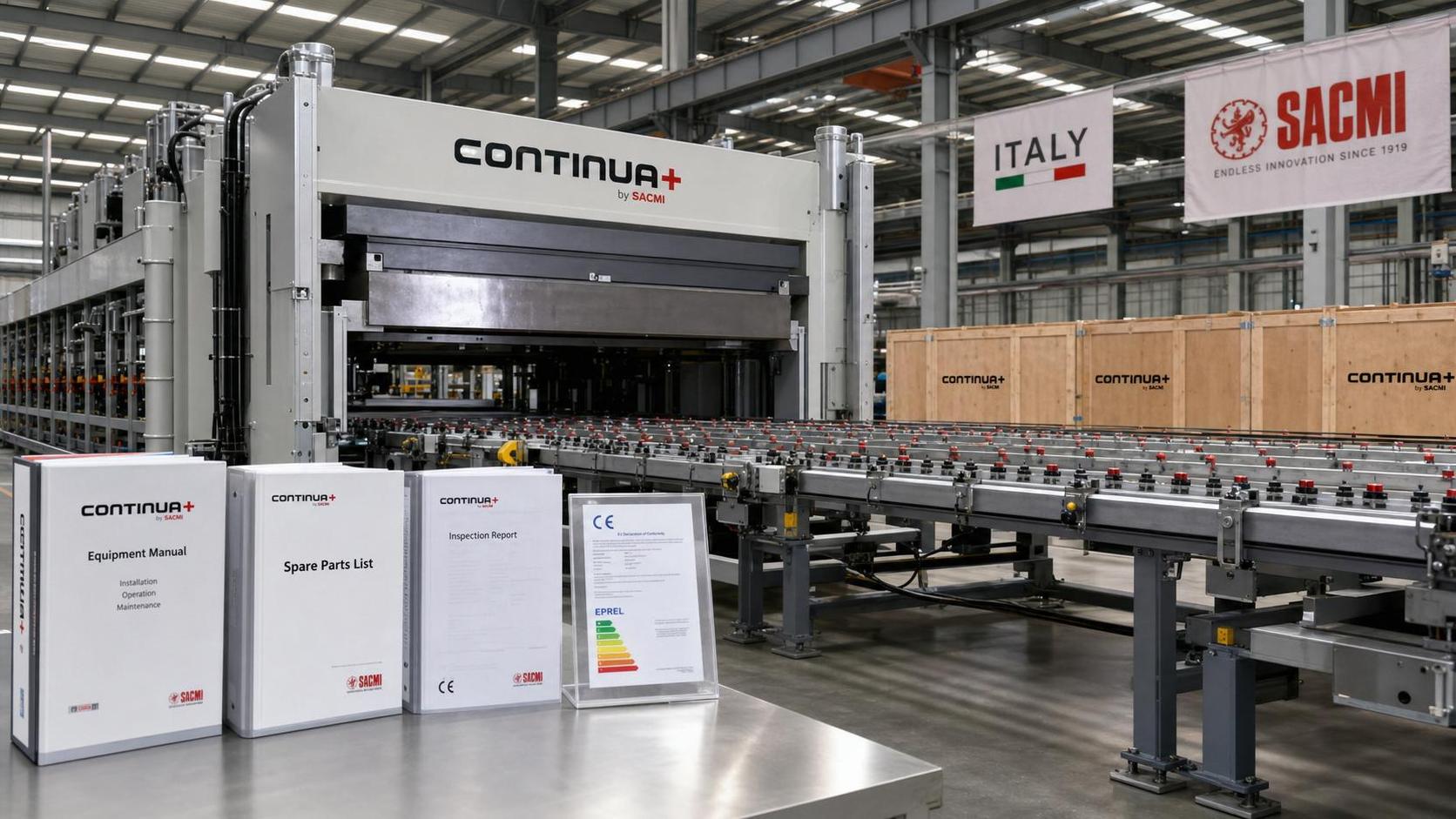
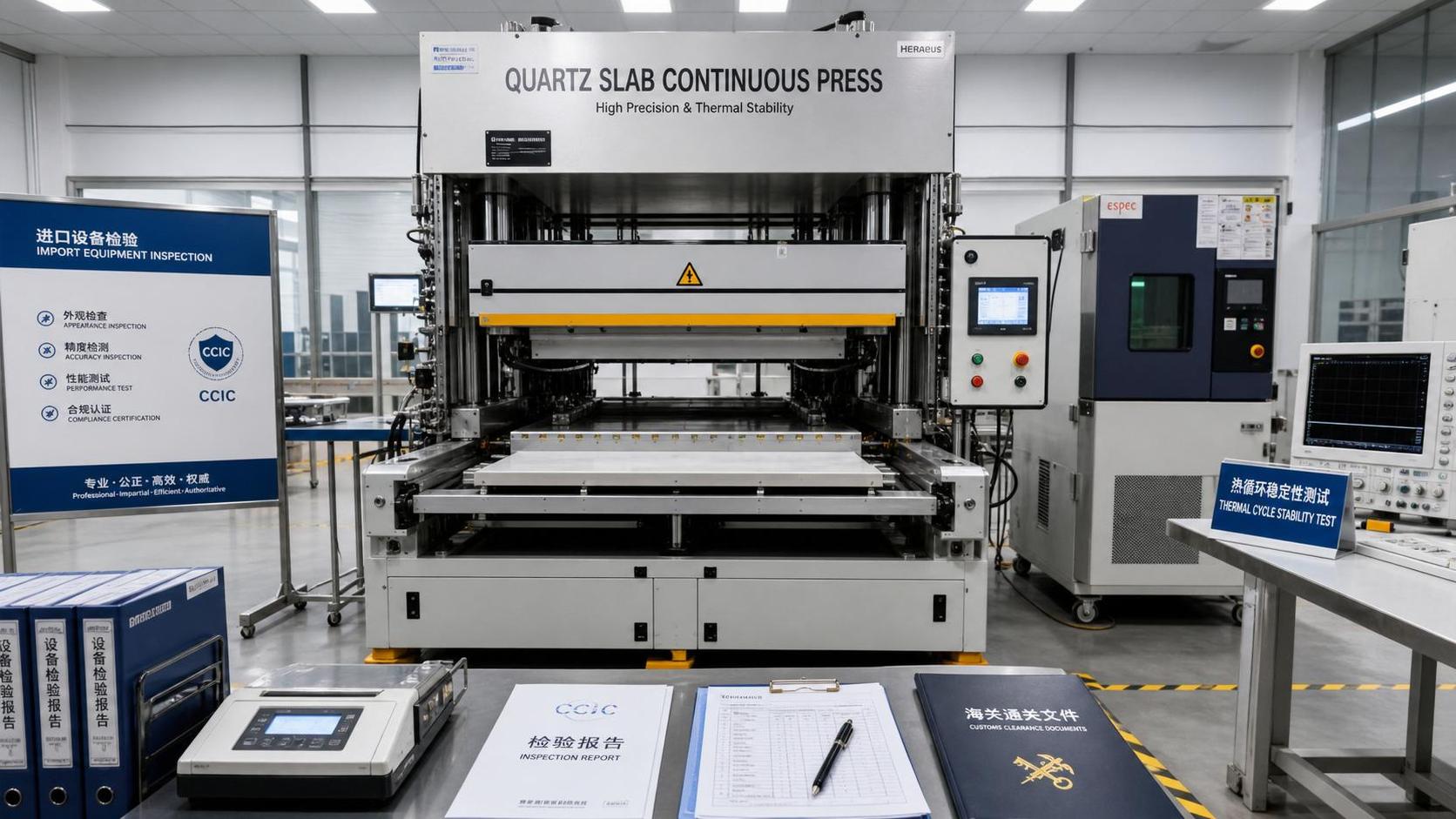
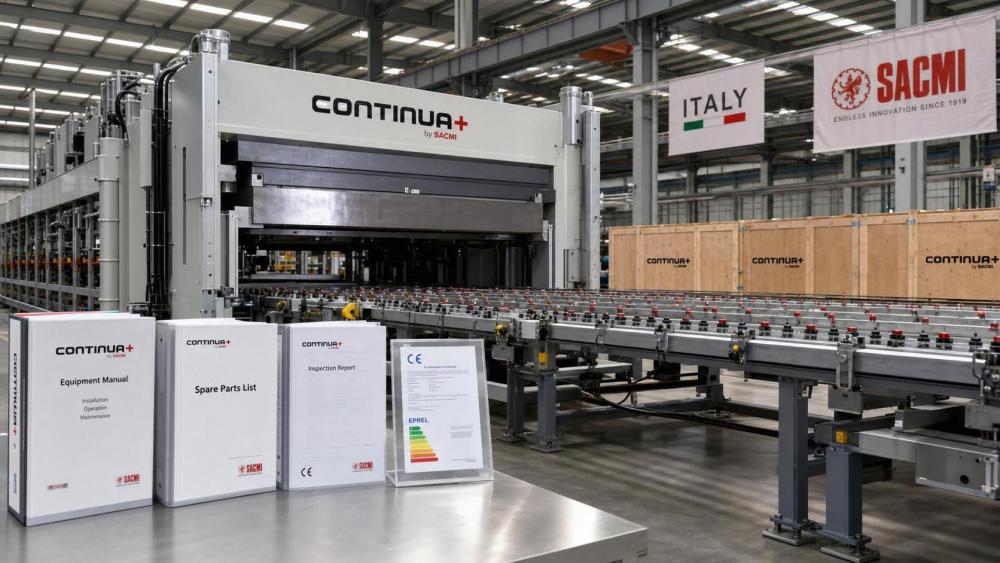
The circular requires three accompanying elements for imported equipment: an A++ energy-efficiency test report issued by a Vietnam-recognized laboratory, a Vietnamese-language operation and maintenance manual, and a spare parts list.
The summary states that the measure affects suppliers from major exporting countries including China, Germany, and Italy. It also states that non-compliant equipment may be held by customs in Hanoi or Ho Chi Minh City and sent for technical rectification, with average clearance delays of 12 to 18 working days.
Where the pressure points may emerge across the supply chain
Export suppliers now face a narrower documentation window
From an industry perspective, overseas equipment suppliers are likely to feel the rule first because the new requirement is tied not only to machine performance but also to the form and localization of supporting documents. The practical impact may appear in pre-shipment preparation, document review, and handover packages delivered to customers or agents in Vietnam. What deserves closer attention is whether product files already prepared for other markets can meet the Vietnam-specific requirement without additional testing and document localization.
Importers and procurement teams may need earlier compliance screening
For importers and procurement-side buyers, the rule raises the importance of checking compliance conditions before shipment rather than during customs processing. Analysis shows that the risk is not limited to the machine itself; incomplete manuals, missing spare-parts documentation, or the absence of a qualifying laboratory report could affect the release timetable. In practical terms, procurement and contract teams may need to verify documentation scope earlier in the purchasing cycle.
Logistics and customs-handling parties may see delivery timing risk increase
Supply-chain service providers and customs-facing coordinators may be affected because the summary links non-compliance to customs detention and technical rectification in Hanoi and Ho Chi Minh City. Observably, this turns documentation accuracy into a delivery issue. For projects tied to installation schedules, commissioning windows, or plant expansion timelines, the cited 12 to 18 working day delay is a material planning variable.
After-sales and technical support functions become part of compliance readiness
The requirement for a Vietnamese-language operation and maintenance manual and spare parts list suggests that after-sales preparation is becoming more closely connected to import acceptance. Analysis shows that technical support teams, documentation teams, and service partners may need to coordinate earlier so that translated manuals and spare-parts information are complete before arrival rather than prepared later as routine service material.
What companies should watch before the September start date
Check whether existing test documentation matches the stated requirement
Companies involved in export or import should focus first on whether current energy-efficiency documentation can satisfy the requirement for an A++ test report from a Vietnam-recognized laboratory. The event summary does not provide further execution detail, so it remains important to watch how this recognition standard is applied in practice.
Review localization of technical files, not only product brochures
What deserves closer attention is the scope of Vietnamese-language documentation. The provided summary specifically mentions an operation and maintenance manual and a spare parts list. Businesses should therefore review whether their current technical file package includes these documents in a form suitable for customs-facing compliance use rather than only for post-sale support.
Reassess lead times in contracts and shipment planning
Because non-compliant equipment may be held and sent for technical rectification, companies may need to reassess delivery commitments, factory acceptance planning, and import timing assumptions. This is an analytical observation rather than a confirmed market outcome, but the stated 12 to 18 working day delay indicates that lead-time buffers could become more relevant for shipments scheduled close to project milestones.
Track whether bidding and purchase specifications begin to reflect the rule
It is more appropriate to understand this stage as one in which documentation and qualification language may start appearing more clearly in tenders, purchase orders, or supplier checklists. The input does not confirm such downstream changes yet, so this remains an area for continued monitoring rather than a completed shift.
Why this looks like an execution signal, not just a policy notice
Analysis shows that this development is better read as an operational compliance signal because it connects technical documentation and laboratory certification directly to import handling. The combination of an effective date, named document requirements, and a customs consequence makes the measure more concrete than a general policy statement. At the same time, observably, some elements still require follow-up attention, including how certification recognition is applied in practice and whether market participants face consistent enforcement across shipments.
How to read the change at this stage
The immediate significance of the circular is that import compliance for quartz stone continuous panel presses in Vietnam is becoming more document-intensive and more time-sensitive. For affected suppliers and buyers, the issue is not only technical eligibility but also whether testing, localization, and shipment documents are aligned before customs review begins. It is more appropriate to understand this development as a rule already entering the execution phase, while some practical interpretation points still warrant close observation.
Basis of this article and points that still need verification
This article is based on the user-provided news title, event date, and event summary. For events of this type, relevant source categories commonly include official government notices, releases from regulatory authorities, customs or trade administration information, industry association updates, standards-related documents, and reporting by authoritative trade media.
A specific official source link was not provided in the input, so the underlying document trail should continue to be verified. Follow-up attention is still needed on detailed implementation language, certification acceptance practice, customs enforcement consistency, possible changes in tender documentation, and feedback from companies handling affected shipments.
Related News
- Automatic Hydraulic Press Sizing: Output, Pressure, and Downtime Trade-OffsAuthor :Super-hard Machining Strategist

- Ceramic Press India: How to Compare Capacity, Automation, and ROIAuthor :Super-hard Machining Strategist

- IQSA Issues 2026 Energy Rating Standard for Continuous Panel PressesAuthor :Super-hard Machining Strategist

- Vietnam Tightens Quartz Press Import RequirementsAuthor :Super-hard Machining Strategist

- M6TC Audit Rule Tightens Quartz Press ImportsAuthor :Super-hard Machining Strategist

- Gulf Six Tighten Energy Audit Rule for Quartz Press ImportsAuthor :Super-hard Machining Strategist

- IQSA: Continuous Quartz Press Demand Jumps 42%Author :Super-hard Machining Strategist
![]()
- Ceramic Molding Technology for Tiles: Common Cracking Causes and FixesAuthor :Super-hard Machining Strategist

- Vietnam to Require Local Testing for Quartz Press ImportsAuthor :Super-hard Machining Strategist

- Vietnam Tightens Quartz Press Imports Under QCVN 172:2026Author :Super-hard Machining Strategist

- Vietnam Tightens Testing for Imported Quartz Slab PressesAuthor :Super-hard Machining Strategist

- Vietnam Requires Dual Certification for Quartz Stone Press ImportsAuthor :Super-hard Machining Strategist

- Advanced ceramic body forming: key defects to avoidAuthor :Super-hard Machining Strategist

- US Finalizes China Fiberglass Door Panel DutiesAuthor :Super-hard Machining Strategist

- How to Evaluate a Vibration Compression Press for Stable DensityAuthor :Super-hard Machining Strategist

- How a Warpage Control System Improves Panel FlatnessAuthor :Super-hard Machining Strategist

- EuroBLECH 2026 Highlights Low-Carbon Sheet ProcessingAuthor :Super-hard Machining Strategist