



Search News
Industry Portal
Popular Tags
All categories
EuroBLECH 2026 Highlights Low-Carbon Sheet Processing




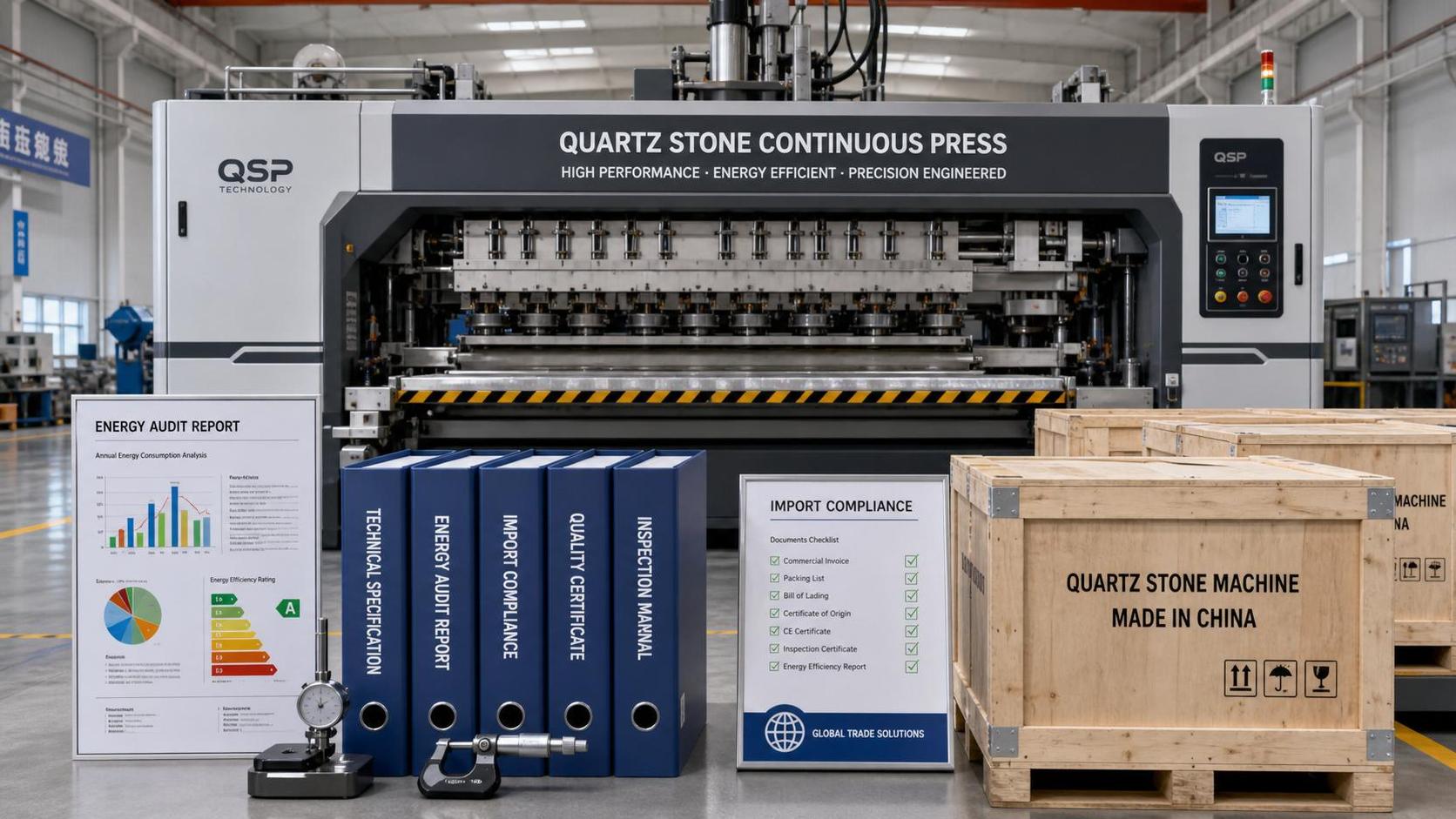
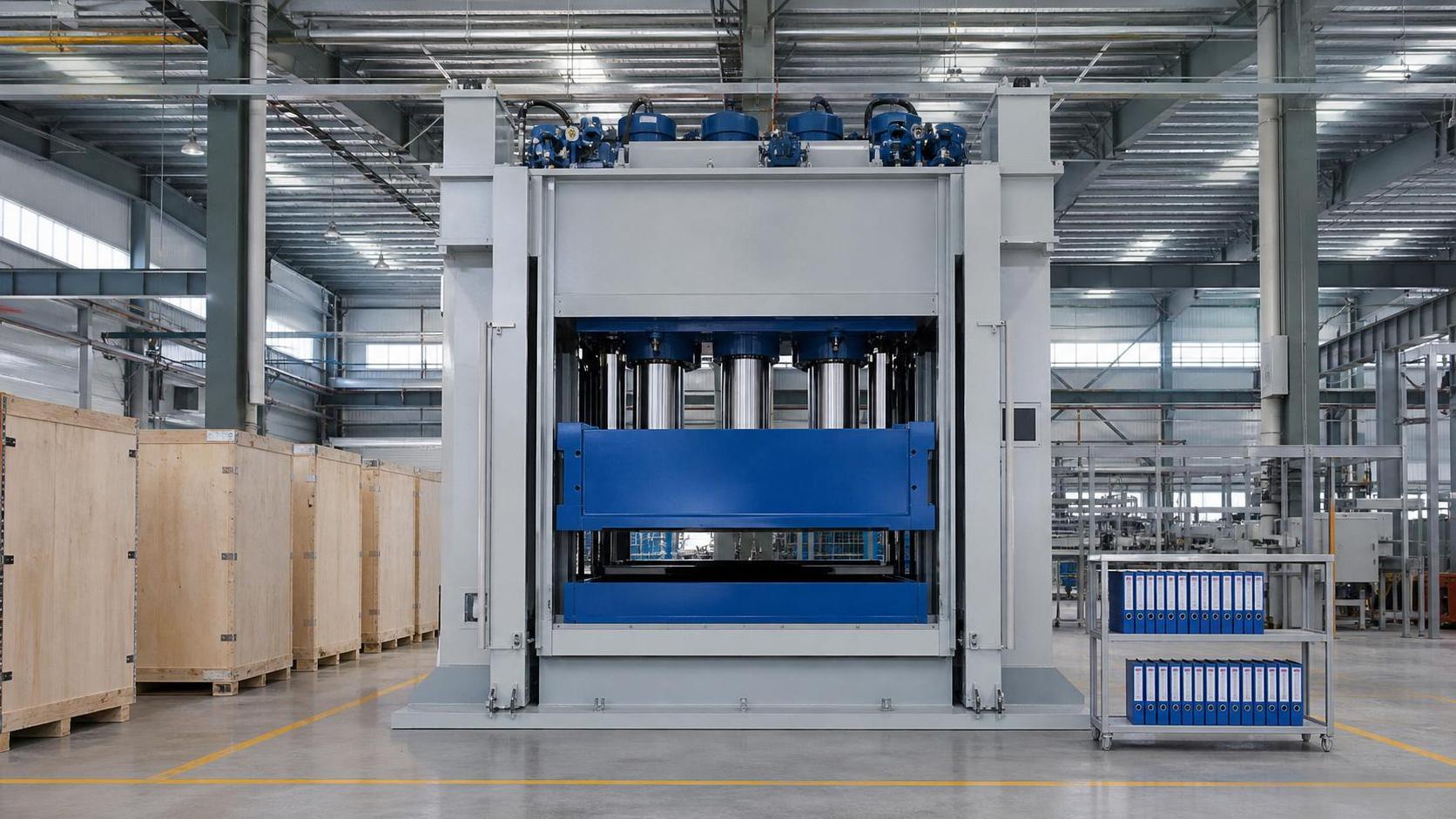
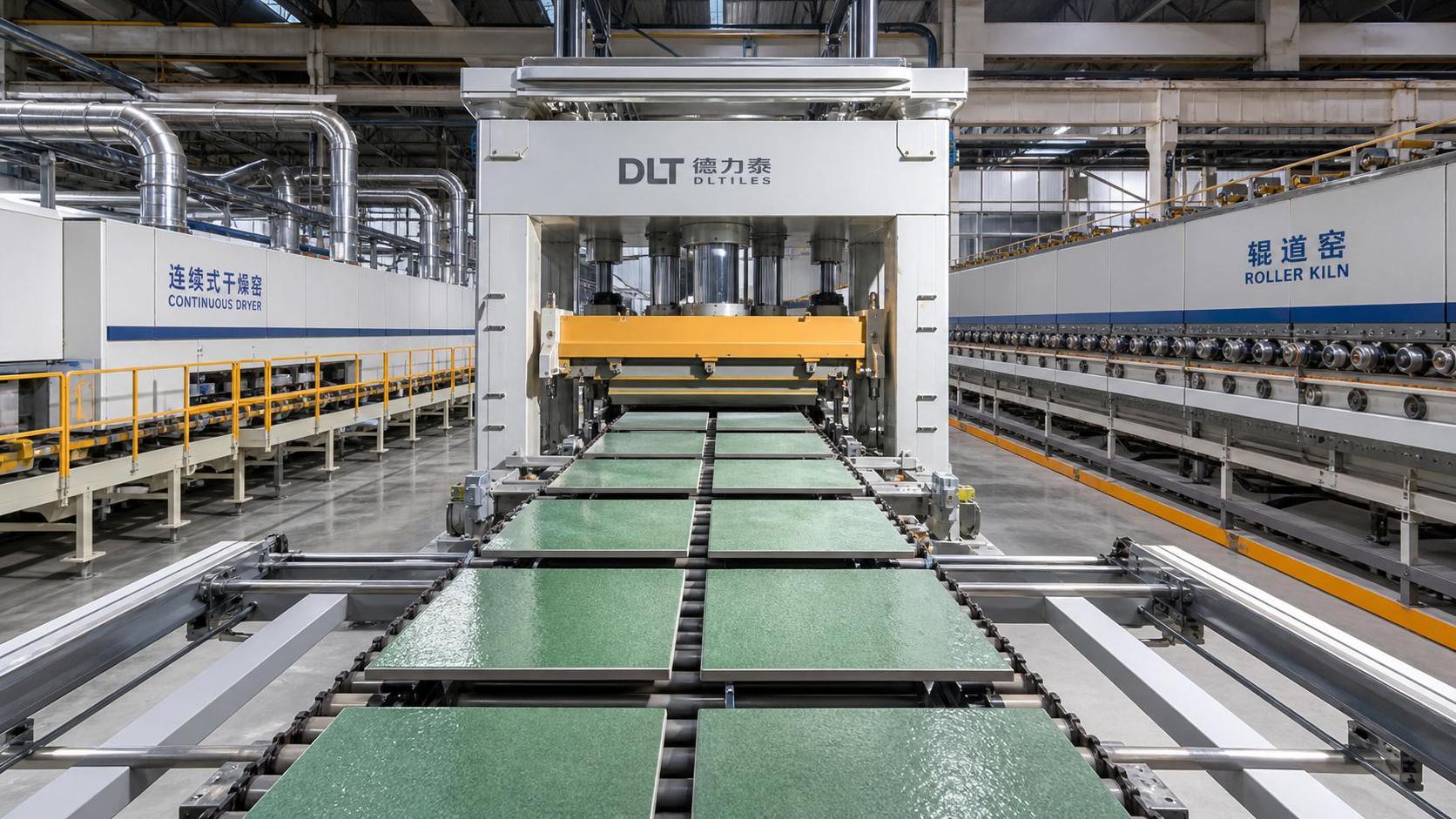
Registration has opened for EuroBLECH 2026 in Hanover, scheduled for October 22–25, 2026, with a program that places low-carbon sheet processing and practical equipment applications at the center of attention. For suppliers of quartz stone presses, continuous panel presses, roller-hearth kilns, and related composite processing systems, the update is worth watching because it links product display, process certification, and potential access to EU green procurement discussions in one exhibition setting.
What the event has confirmed so far
EuroBLECH 2026 will take place in Hanover from October 22 to 25, 2026, and registration is already open. The theme for this edition is “where sheet metal innovation meets practical application.”
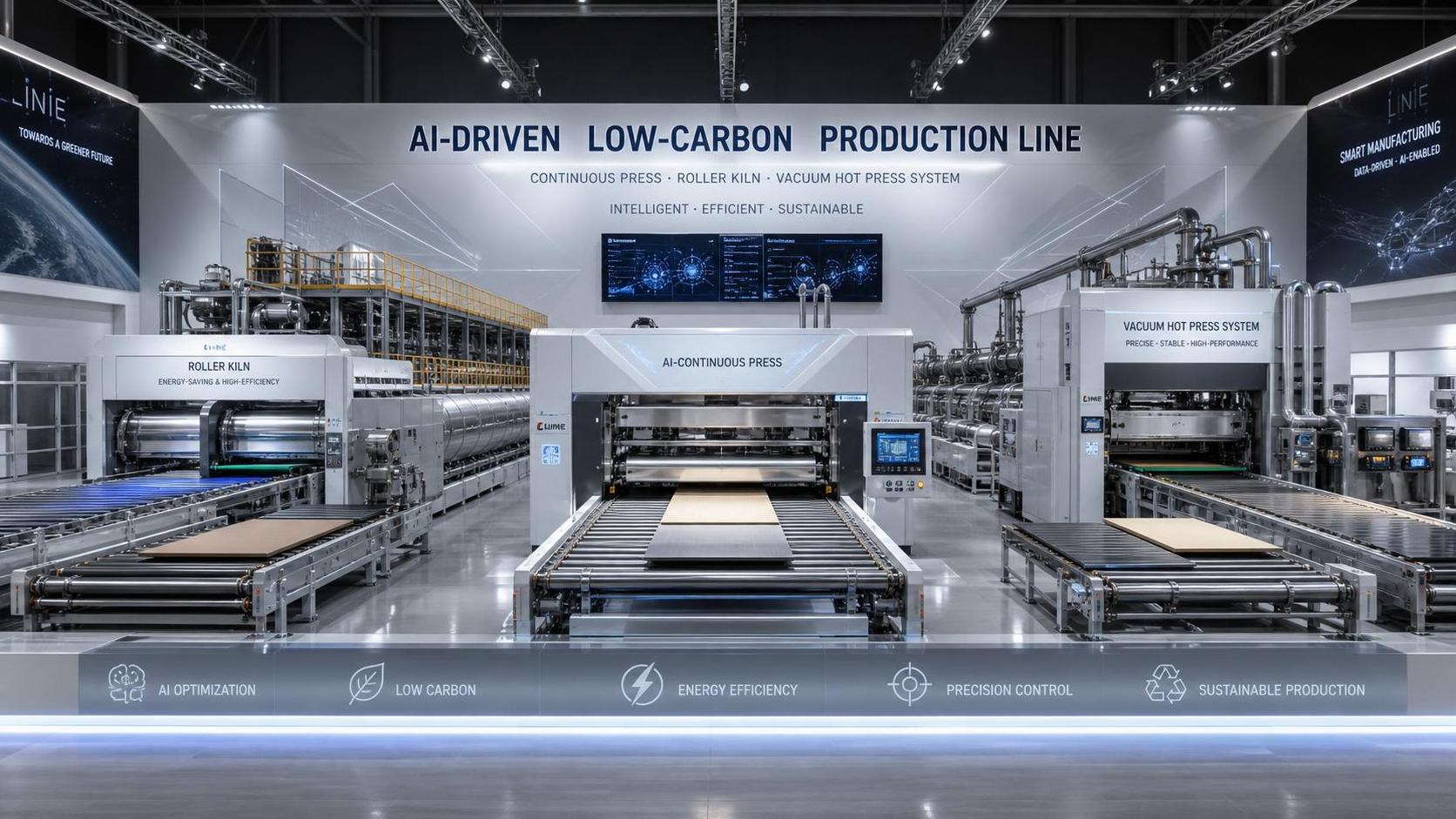
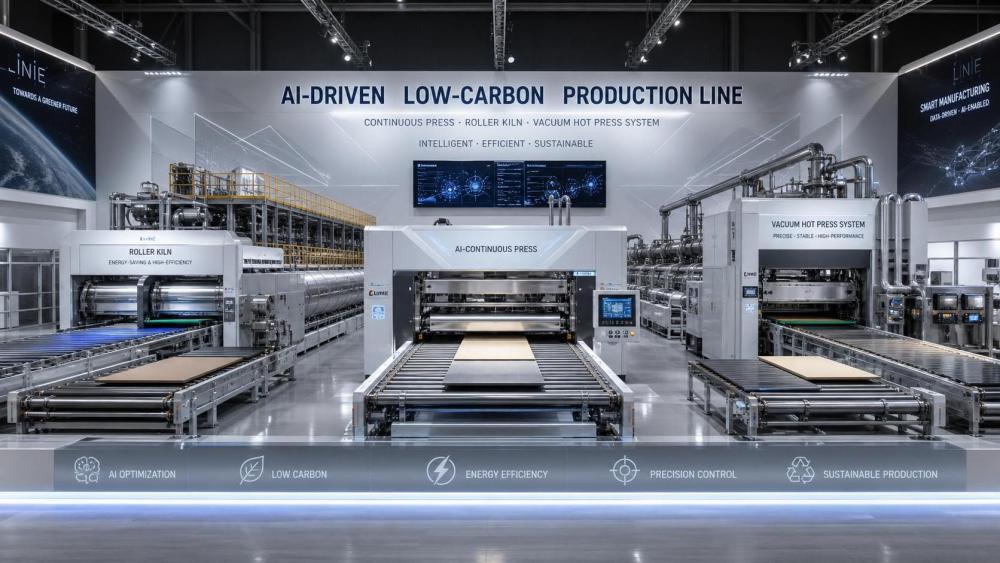
The announced focus areas include AI-driven continuous press lines, roller-hearth sintering furnaces, vacuum hot-press systems, and integrated press solutions for quartz stone and artificial stone production.
The organizer has also confirmed a new “Sustainable Production Zone.” According to the event summary provided, this area will include a dedicated low-carbon process certification channel and is positioned as an entry point for Chinese suppliers of quartz stone presses, continuous panel presses, and roller kilns to connect with EU green procurement demand.
Why different parts of the supply chain may pay attention
Equipment exporters are not only looking at display opportunities
From an industry perspective, manufacturers and direct trading companies involved in press systems, sintering equipment, and kiln solutions may be affected first because the exhibition update is not limited to product showcasing. The addition of a certification-oriented channel suggests that technical presentation and market access conversations may become more closely linked in this event setting.
Procurement teams may focus on process credibility
For buyers and sourcing teams, the development matters because the event highlights low-carbon production processes alongside equipment integration. Analysis shows that attention may extend beyond machine specifications to how process routes are presented, documented, and aligned with green procurement requirements in Europe.
Service and delivery partners may need earlier coordination
Supply chain service providers, project coordinators, and after-sales support teams may also need to watch this shift. If supplier participation increasingly depends on certification pathways or procurement-facing documentation, the impact may show up in pre-sales communication, document preparation, delivery planning, and customer response cycles rather than in exhibition marketing alone.
What companies should watch before the exhibition window
How the organizer defines the certification pathway
What deserves closer attention is the exact wording and practical scope of the low-carbon process certification channel. Companies should distinguish between a trade-show access mechanism, a procurement communication tool, and any broader compliance implication, rather than treating them as the same thing.
Which product categories gain the most visibility
The confirmed focus on AI-driven continuous press lines, roller-hearth sintering furnaces, vacuum hot-press systems, and integrated stone press solutions means suppliers in these categories should track whether official event communications continue to emphasize these segments in the lead-up to October 2026.
Whether customer dialogue shifts from equipment to system solutions
Observably, the combination of automation, thermal processing, pressing systems, and low-carbon framing may push commercial discussions toward integrated solutions rather than standalone machines. Companies involved in quotation, technical support, and project communication should be prepared for questions that connect process flow, equipment configuration, and sustainability positioning.
How export-facing documentation needs may change
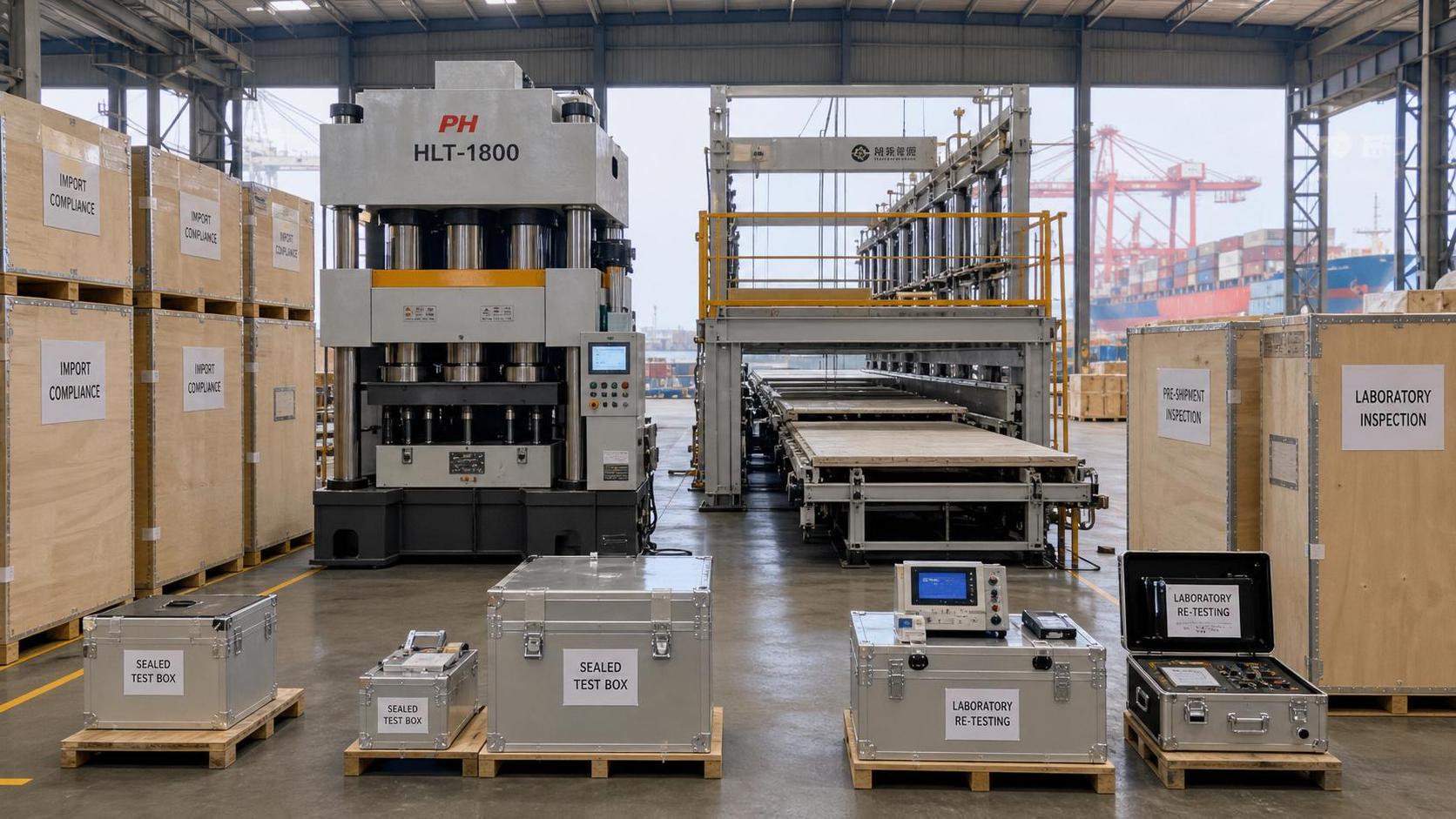
For teams targeting EU opportunities, it is practical to monitor whether buyers, channels, or exhibition-related contacts begin asking for more detailed process descriptions, qualification materials, or certification-related supporting documents. This is less a broad management issue than a front-line business preparation issue tied to communication and delivery readiness.
How this signal should be read at this stage
Analysis shows that this update is better understood as an emerging market-access signal than as a completed market outcome. The confirmed facts point to a stronger connection between low-carbon process presentation and equipment export opportunities, especially for Chinese suppliers in selected equipment categories, but they do not yet prove actual order conversion or a settled procurement standard.
From an industry perspective, the more important takeaway is that exhibition platforms are increasingly being used to connect technology display with procurement language and process qualification. That makes this development relevant not only for exhibitors, but also for product planning, overseas sales, and customer-facing technical teams.
What this means for the sector now
At this point, the EuroBLECH 2026 update suggests a clearer window for suppliers of metal and non-metal composite processing equipment to engage with European low-carbon procurement themes through a major industry exhibition. It is more appropriate to understand this as a near-term operating signal with possible longer-term implications, rather than as a confirmed structural shift that has already fully translated into business results.
Basis of this article and points for follow-up
This article is based on the user-provided news title, event date, and event summary. For developments of this type, commonly relevant source categories may include official event announcements, company disclosures, industry association updates, authoritative media reports, and standard-setting documents.
A specific official source link was not provided in the input, so further verification remains necessary. Follow-up attention should focus on later organizer statements, any clarification of the “Sustainable Production Zone,” and any more detailed description of the low-carbon certification channel and its practical business use.
Related News
- Automatic Hydraulic Press Sizing: Output, Pressure, and Downtime Trade-OffsAuthor :Super-hard Machining Strategist

- Ceramic Press India: How to Compare Capacity, Automation, and ROIAuthor :Super-hard Machining Strategist

- IQSA Issues 2026 Energy Rating Standard for Continuous Panel PressesAuthor :Super-hard Machining Strategist

- Vietnam Tightens Quartz Press Import RequirementsAuthor :Super-hard Machining Strategist

- M6TC Audit Rule Tightens Quartz Press ImportsAuthor :Super-hard Machining Strategist

- Gulf Six Tighten Energy Audit Rule for Quartz Press ImportsAuthor :Super-hard Machining Strategist

- IQSA: Continuous Quartz Press Demand Jumps 42%Author :Super-hard Machining Strategist
![]()
- Ceramic Molding Technology for Tiles: Common Cracking Causes and FixesAuthor :Super-hard Machining Strategist

- Vietnam to Require Local Testing for Quartz Press ImportsAuthor :Super-hard Machining Strategist

- Vietnam Tightens Quartz Press Imports Under QCVN 172:2026Author :Super-hard Machining Strategist

- Vietnam Tightens Testing for Imported Quartz Slab PressesAuthor :Super-hard Machining Strategist

- Vietnam Requires Dual Certification for Quartz Stone Press ImportsAuthor :Super-hard Machining Strategist

- Advanced ceramic body forming: key defects to avoidAuthor :Super-hard Machining Strategist

- US Finalizes China Fiberglass Door Panel DutiesAuthor :Super-hard Machining Strategist

- How to Evaluate a Vibration Compression Press for Stable DensityAuthor :Super-hard Machining Strategist

- How a Warpage Control System Improves Panel FlatnessAuthor :Super-hard Machining Strategist

- EuroBLECH 2026 Highlights Low-Carbon Sheet ProcessingAuthor :Super-hard Machining Strategist