



Search News
Industry Portal
Popular Tags
All categories
M6TC Audit Rule Tightens Quartz Press Imports




On December 1, 2026, a new compliance requirement tied to imported quartz stone continuous panel presses enters mandatory enforcement across six Middle Eastern markets covered by the M6TC framework. The change matters not only because it adds a pre-customs local energy-efficiency audit, but also because it connects market access, technical documentation, certification readiness, and delivery planning for exporters, buyers, and service providers involved in equipment trade.

What the new requirement formally introduces
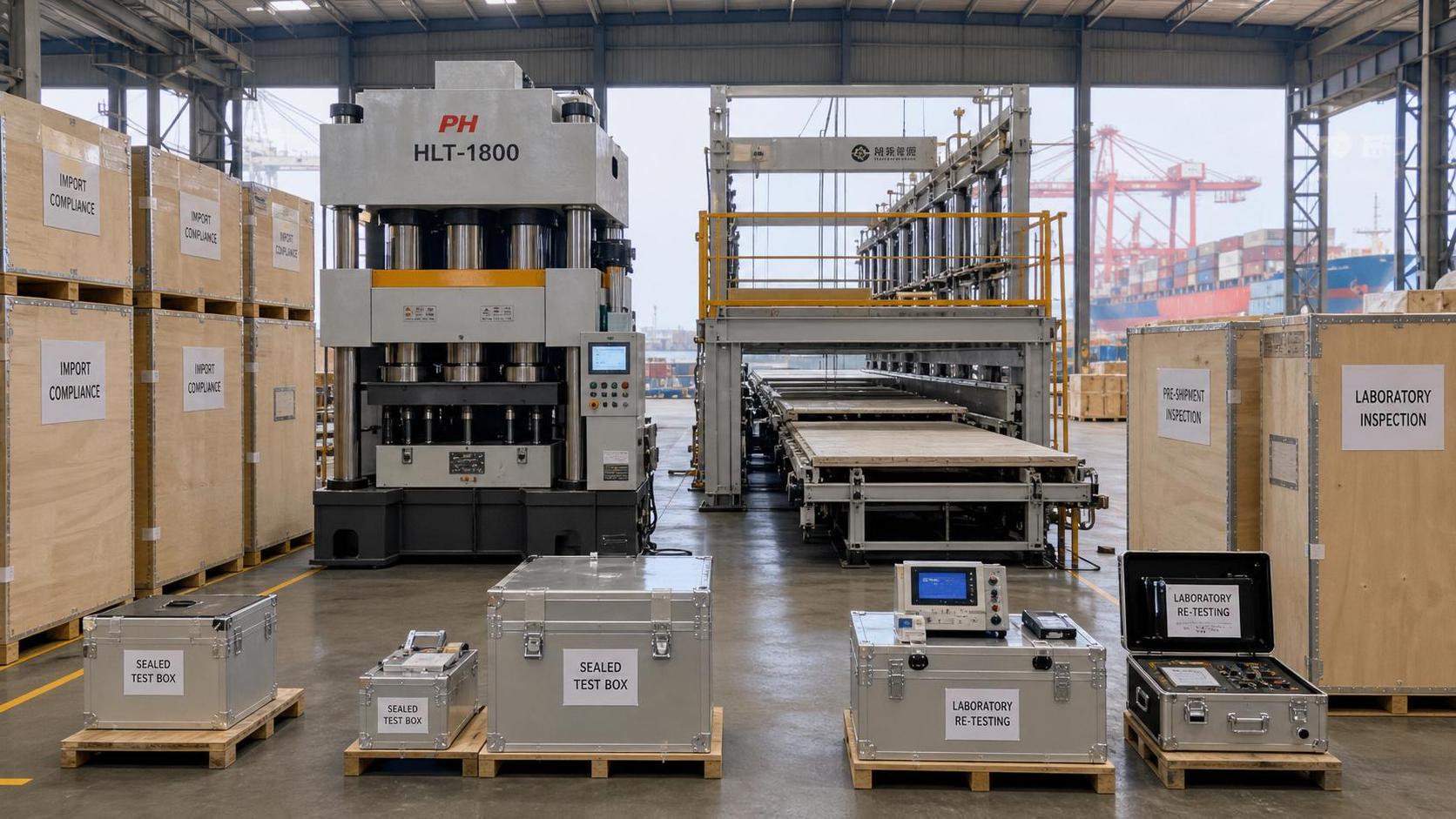
According to the provided information, Saudi Arabia, the United Arab Emirates, Qatar, Kuwait, Oman, and Bahrain jointly signed Annex III to the Framework for Mutual Recognition of Energy Efficiency for Non-Metallic Building Materials Processing Equipment on July 7, 2026. Under that annex, all imported Continuous Panel Presses for quartz stone must complete a localized energy-efficiency audit by an M6TC-authorized body before customs clearance.
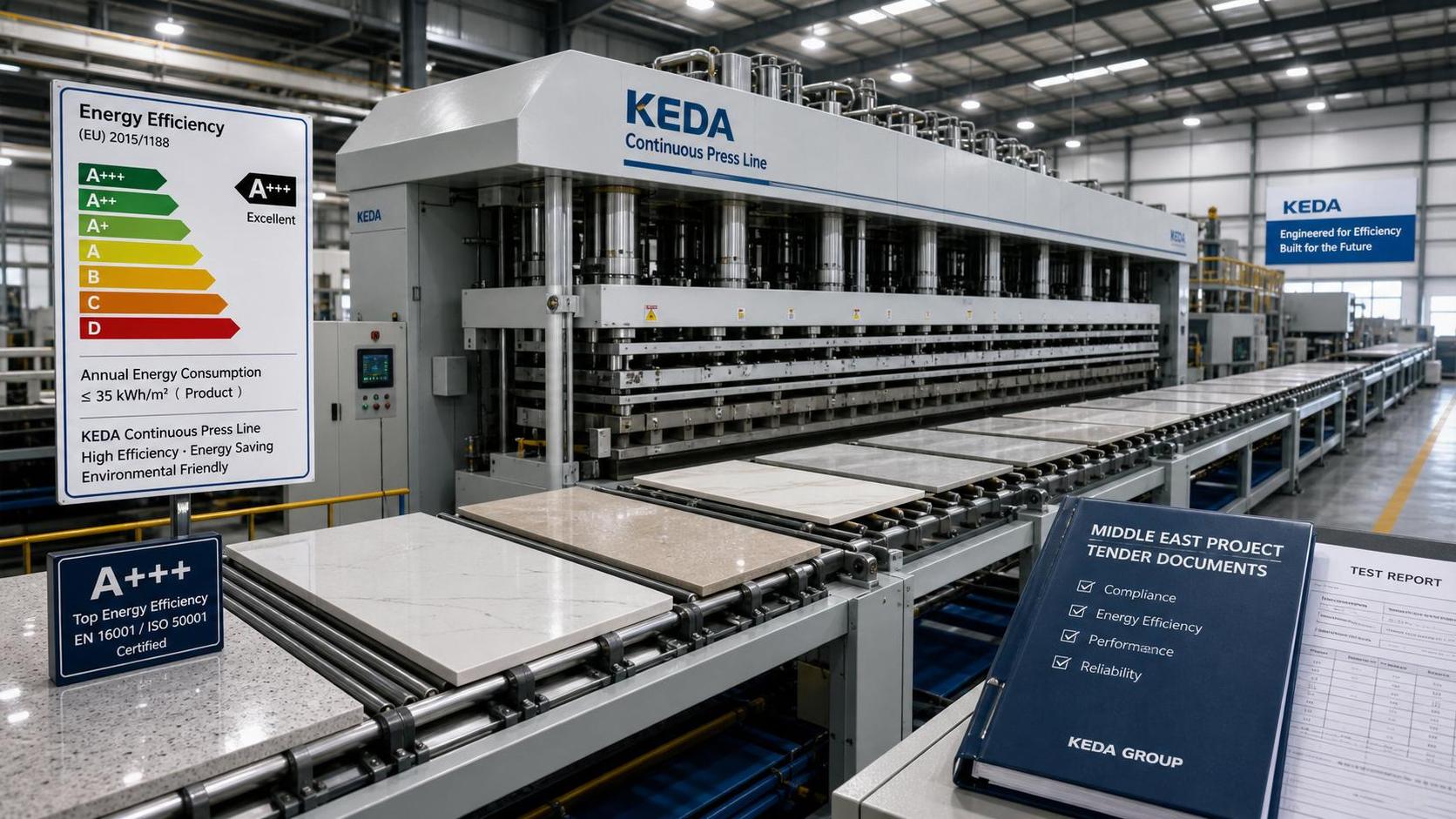
The audit scope specified in the provided summary includes heat recovery rate, electricity consumption per ton, and verification of the PLC energy-consumption monitoring module. Full mandatory enforcement begins on December 1, 2026.
The provided information also states that Chinese exporters must submit an ISO 50001:2025 energy management system certificate together with a third-party pre-audit report.
Where the operational pressure is likely to appear
Export transactions now face a stronger pre-clearance gate
From an industry perspective, exporters of quartz stone continuous panel presses are the first group likely to feel the impact because the rule is linked directly to customs clearance. The practical effect is that shipment readiness may no longer depend only on contract terms and technical specifications, but also on whether the localized audit and supporting compliance file can be completed in time. What deserves closer attention is the combination of audit content and document requirements, especially where export documentation must align with equipment energy-performance claims.
Buyers and project procurement teams may need to adjust equipment selection criteria
Purchasers and project owners in the six-country market may also be affected because imported equipment that has not completed the required local audit could face entry barriers at the clearance stage. Analysis shows that procurement review is likely to move upstream, with greater attention to whether suppliers can provide the required ISO 50001:2025 certificate, pre-audit materials, and technical evidence relevant to the three named audit items.
Certification and testing-related service providers enter a more visible role
Certification-related companies, audit support providers, and testing service institutions may see a more central role in transaction execution because the rule explicitly references M6TC-authorized auditing and third-party pre-audit reporting. Observably, this does not confirm how each market will process documents in practice, but it does indicate that compliance support functions may become part of delivery planning rather than a later administrative step.
After-sales and technical support teams may need stronger documentation continuity
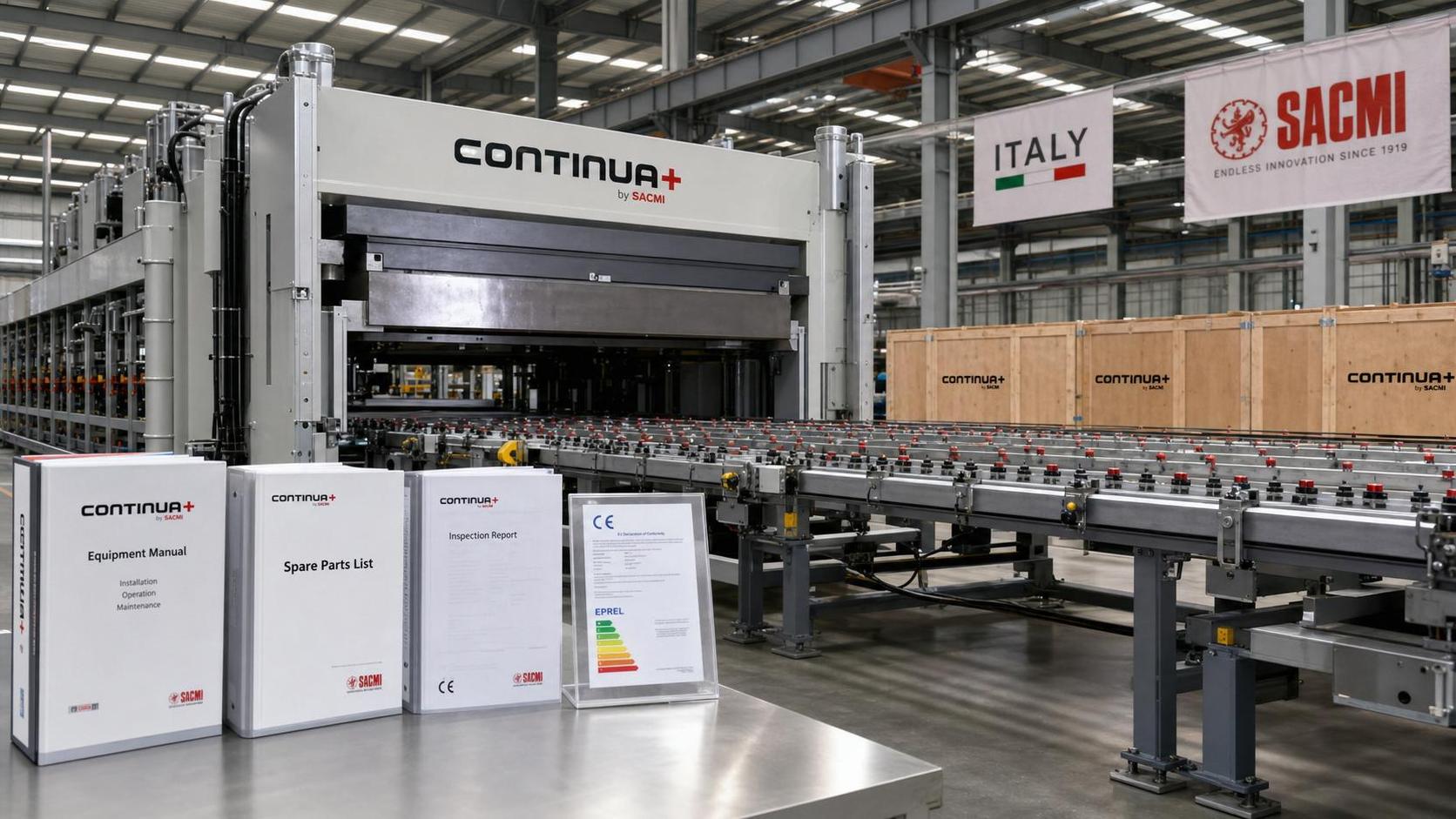
For suppliers and service teams, the stated verification of the PLC energy-consumption monitoring module suggests that technical files, operating documentation, and equipment configuration records may receive closer attention in cross-border delivery and post-installation support. The confirmed facts do not describe post-clearance enforcement, but the rule change still signals that traceable technical consistency could matter more during handover and support coordination.
What companies should check now
Review whether compliance files match the named audit items
Companies involved in exports to the six-country market should closely review whether existing technical documents, test descriptions, and equipment specifications can support review of heat recovery rate, electricity consumption per ton, and PLC energy-consumption monitoring module verification. The provided information does not define detailed submission formats, so this remains a point to monitor rather than a settled requirement.
Check certification readiness against the stated exporter requirement
For Chinese exporters, the immediate issue is document readiness around the ISO 50001:2025 energy management system certificate and the required third-party pre-audit report. Analysis shows that this should be treated as a transaction preparation issue as much as a certification issue, because any missing or misaligned document could affect shipment timing and customer acceptance planning.
Reassess delivery schedules and bid documentation
Where equipment is being quoted, tendered, or prepared for export, companies should pay attention to whether bid files, supply contracts, and delivery schedules need to reflect the mandatory pre-clearance audit step. The available facts do not provide a detailed enforcement workflow, so businesses should avoid assuming that prior documentation practice will remain sufficient after December 1, 2026.
Watch for official wording and market-level execution practice
What deserves closer attention is how the requirement will be expressed in customs-facing procedures, procurement documents, and compliance review language used by authorized bodies and buyers. At this stage, the confirmed facts establish the mandatory rule and the required elements, but they do not fully describe the operating interpretation that market participants may apply in day-to-day transactions.
How this development is best understood at this stage
Observably, this is more than a general policy signal. The rule has a defined enforcement date, a named audit scope, and a clear document expectation for Chinese exporters, which makes it more appropriate to understand as a concrete market-access compliance change rather than a preliminary policy direction.
At the same time, analysis shows that some parts of practical implementation still require continued observation. The provided information does not specify the exact procedural sequence used by each authorized body, nor does it set out detailed customs documentation mechanics, procurement wording, or how quickly market participants will standardize compliance expectations. For that reason, the development should also be read as an execution signal that will likely shape documentation practice and transaction planning over time.
Why the market should keep this on the radar
The immediate significance of this update lies in the fact that energy-efficiency review is being tied directly to import clearance for a specific equipment category. For the industry, the key point is not only that a new audit exists, but that market entry, certification evidence, and technical documentation are now more closely connected in the trade flow for quartz stone continuous panel presses.
It is more appropriate to understand this as an already-landed compliance requirement with further execution details still worth watching. Companies dealing with the six-country market should therefore treat it as a live rule change, while continuing to monitor how certification interpretation, document review practice, bidding language, and market feedback develop after enforcement begins.
Basis of this article and items still requiring verification
This article is generated from the user-provided news title, event date, and event summary. For developments of this type, commonly relevant source categories may include official notices, releases by regulatory bodies, customs or trade authorities, industry association updates, standard-setting documents, and reporting by authoritative media. A specific official source link was not provided in the input, so the underlying official publication path still needs ongoing verification.
Further observation is still needed on implementing details, certification interpretation, audit execution practice, tender document changes, market feedback, and how companies operationalize the requirement in export and delivery processes.
Related News
- Automatic Hydraulic Press Sizing: Output, Pressure, and Downtime Trade-OffsAuthor :Super-hard Machining Strategist

- Ceramic Press India: How to Compare Capacity, Automation, and ROIAuthor :Super-hard Machining Strategist

- IQSA Issues 2026 Energy Rating Standard for Continuous Panel PressesAuthor :Super-hard Machining Strategist

- Vietnam Tightens Quartz Press Import RequirementsAuthor :Super-hard Machining Strategist

- M6TC Audit Rule Tightens Quartz Press ImportsAuthor :Super-hard Machining Strategist

- Gulf Six Tighten Energy Audit Rule for Quartz Press ImportsAuthor :Super-hard Machining Strategist

- IQSA: Continuous Quartz Press Demand Jumps 42%Author :Super-hard Machining Strategist
![]()
- Ceramic Molding Technology for Tiles: Common Cracking Causes and FixesAuthor :Super-hard Machining Strategist

- Vietnam to Require Local Testing for Quartz Press ImportsAuthor :Super-hard Machining Strategist

- Vietnam Tightens Quartz Press Imports Under QCVN 172:2026Author :Super-hard Machining Strategist

- Vietnam Tightens Testing for Imported Quartz Slab PressesAuthor :Super-hard Machining Strategist

- Vietnam Requires Dual Certification for Quartz Stone Press ImportsAuthor :Super-hard Machining Strategist

- Advanced ceramic body forming: key defects to avoidAuthor :Super-hard Machining Strategist

- US Finalizes China Fiberglass Door Panel DutiesAuthor :Super-hard Machining Strategist

- How to Evaluate a Vibration Compression Press for Stable DensityAuthor :Super-hard Machining Strategist

- How a Warpage Control System Improves Panel FlatnessAuthor :Super-hard Machining Strategist

- EuroBLECH 2026 Highlights Low-Carbon Sheet ProcessingAuthor :Super-hard Machining Strategist