



Search News
Industry Portal
Popular Tags
All categories
IQSA: Continuous Quartz Press Demand Jumps 42%




The timing of the underlying factory investment decisions was not clearly specified in the available information, but the market signal became public on July 5, 2026, when the International Quartz Surface Association (IQSA) released its Global Quartz Surface Manufacturing Capacity Outlook Q2 2026. For equipment suppliers, engineered stone manufacturers, procurement teams, and supply-chain service providers, the update is worth close attention because it links new quartz surface capacity directly to a sharp rise in demand for continuous panel presses with large-format and precision-control requirements.

What IQSA Confirmed in Its Q2 2026 Capacity Update
According to IQSA, 78% of newly added quartz surface production lines in the first half of 2026 used Continuous Panel Presses. The association also stated that demand for this equipment category increased by 42% year on year.
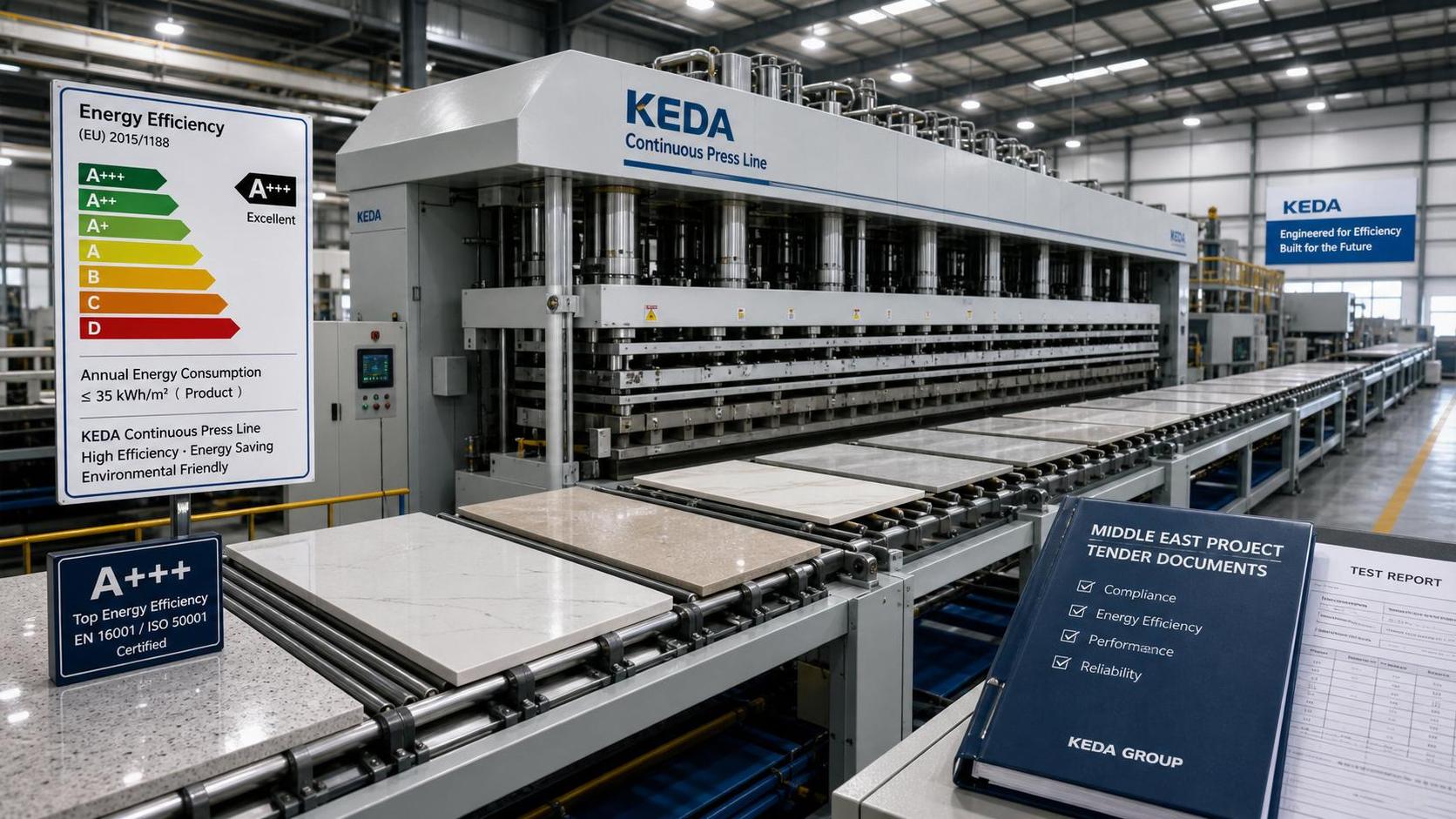
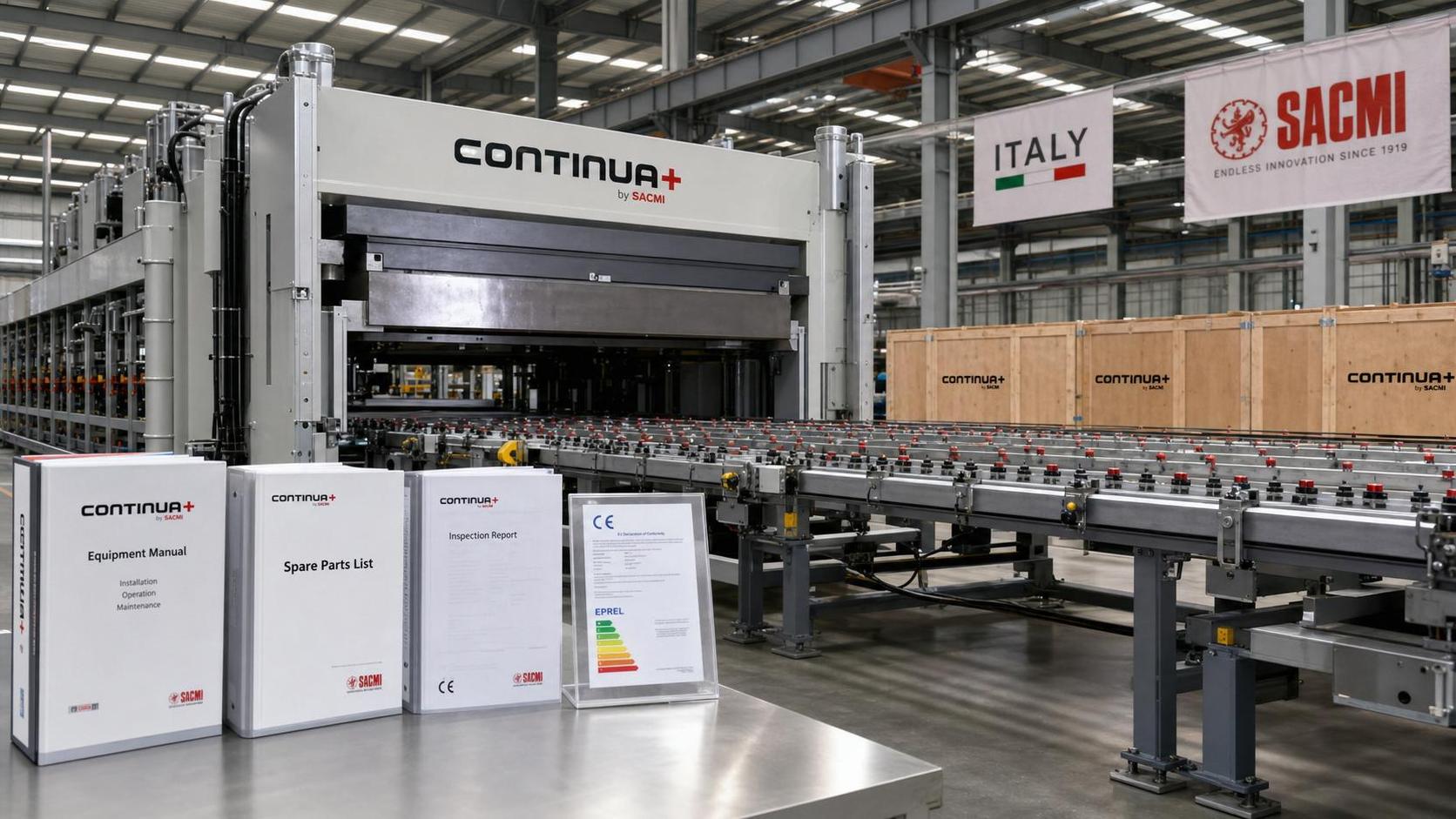
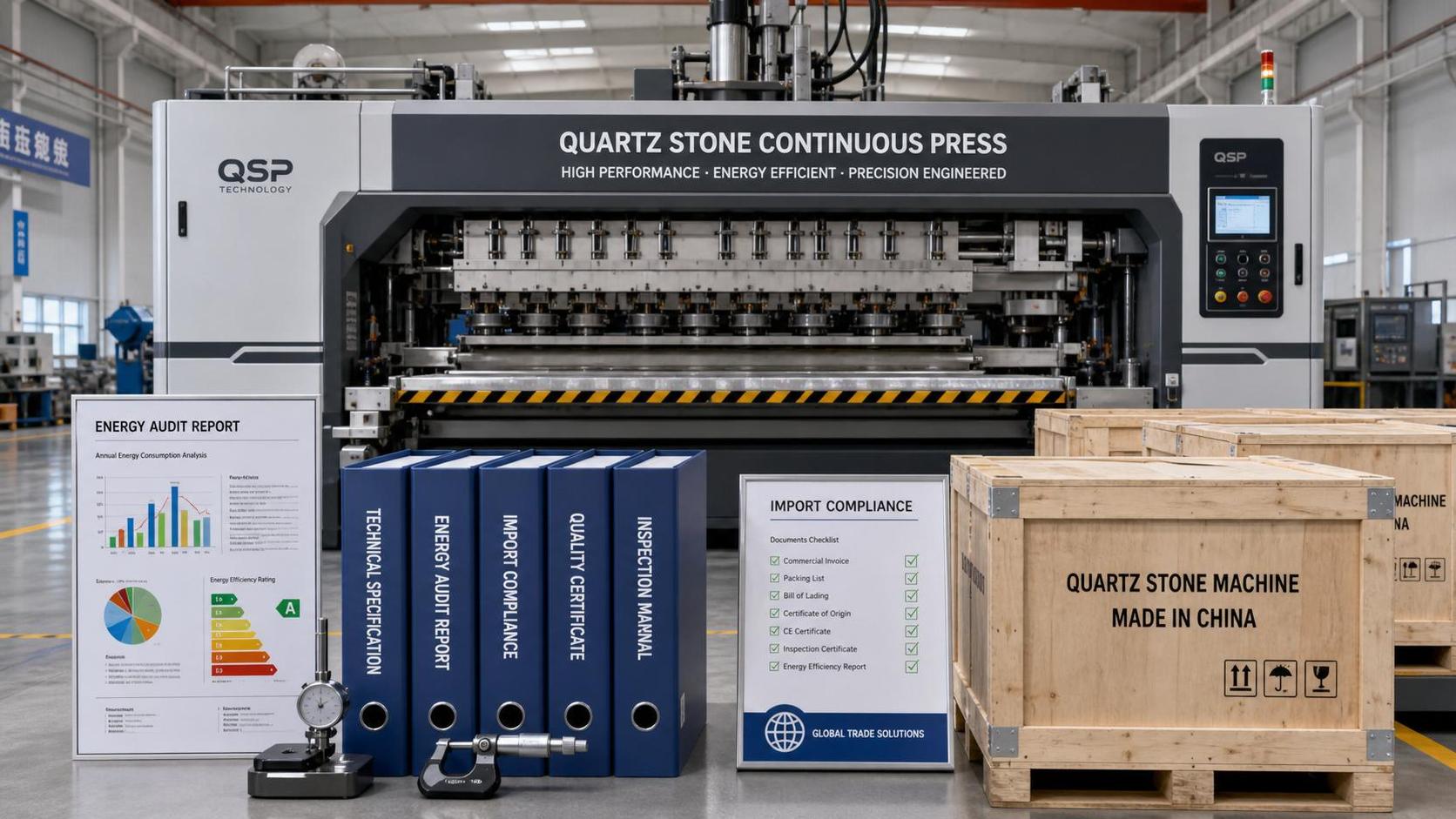
The reported growth was led by new factory activity tied to the Saudi NEOM building materials cluster, Phase II of RAK Ceramics in the UAE, and the Binh Duong industrial park in Vietnam. IQSA’s summary further indicated that these projects required press systems capable of supporting slabs of at least 3200 x 1600 mm, dual-side synchronous pressing, and online thickness tolerance of no more than 0.15 mm.
Why Different Parts of the Supply Chain May Be Affected
Equipment makers are facing a more specific technical buying brief
From an industry perspective, press manufacturers and related machinery suppliers may be affected first because the reported demand is not only about volume, but also about specification. The business impact is likely to appear in product configuration, quotation, delivery planning, and technical communication with new plants that are prioritizing larger slab formats and tighter online tolerance control.
Quartz surface producers may need to reassess line planning
For processing and manufacturing companies, the update matters because it shows where new capacity is being built and what type of production equipment is being selected. Analysis shows that producers considering expansion, relocation, or technology upgrades may need to pay closer attention to whether future line layouts, panel sizes, and process consistency expectations are shifting toward continuous pressing as a practical benchmark.
Procurement and project teams may see tighter evaluation standards
Buyers and project procurement teams may be affected in equipment selection, tender preparation, and supplier comparison. What deserves closer attention is that the cited projects were associated with clear performance thresholds, which can raise the importance of technical documentation, compliance discussion, and proof of stable operating capability during supplier review.
Supply-chain and delivery service providers may need earlier coordination
For supply-chain service providers, the possible effect is less about demand headlines and more about execution pressure. If more new lines are built around continuous panel presses with defined size and tolerance targets, logistics planning, installation scheduling, and cross-border project coordination may need to start earlier and remain more tightly aligned with factory commissioning timelines.
Operational Points Companies Should Watch Now
Track whether technical requirements stay consistent in later disclosures
Analysis shows that the most immediate issue is not to generalize beyond the released figures, but to monitor whether the slab-size, synchronous pressing, and thickness-tolerance requirements continue to appear in later official or project-level updates. That distinction matters for companies deciding whether this is a recurring specification trend or a concentration in a limited set of new projects.
Review how quotations and specifications are being framed
For equipment vendors and procurement teams, current attention should go to how technical offers are structured around the requirements already cited by IQSA. In practice, this affects specification matching, bid clarification, and customer communication, especially where buyers may compare suppliers on measurable production and tolerance outcomes rather than broad capacity claims.
Prepare for longer coordination cycles around delivery and commissioning
Observably, projects linked to new factory launches usually put pressure on scheduling discipline, even when the exact event timing behind each investment decision has not been specified here. Companies involved in procurement, shipment, installation, or commissioning should therefore focus on delivery sequence, supporting documentation, and communication readiness rather than assuming that strong demand alone will convert smoothly into executed orders.
Separate market signal from confirmed market structure
What deserves closer attention is the difference between a reported purchasing pattern in newly added lines and a confirmed long-term reset of the entire quartz equipment market. For business planning, that means companies should use the IQSA update as an input for scenario preparation, while still validating customer-level demand and project timing individually.
How This Signal Should Be Read at This Stage
This section is an editorial observation. It is more appropriate to understand the IQSA release as a strong directional signal rather than a complete conclusion about the future structure of quartz surface equipment demand. The concentration of growth in the Middle East and Southeast Asia, combined with explicit requirements for large-format panels and tight tolerance control, suggests that buyers in new capacity projects are prioritizing output consistency and production format capability at the equipment-selection stage.
At the same time, the available information is still limited to the figures and project references provided in the summary. Analysis shows that the industry should continue watching whether this pattern expands across more regions and more project types before treating it as a settled global standard.
What the Update Means for the Market
In practical terms, the IQSA update matters because it connects new quartz surface capacity additions with a clearly defined equipment preference. That has implications for machinery suppliers, plant investors, procurement teams, and project service providers that operate around new line deployment.
Taking the current information on its own, it is more appropriate to understand this development as a meaningful market signal with near-term operational relevance and possible longer-term implications, rather than as proof that the whole sector has already shifted permanently. Continued attention should remain on follow-up disclosures, project execution details, and whether the same technical thresholds appear repeatedly in future capacity additions.
Basis of This Article and What Still Needs Verification
This article is based on the user-provided news title, event timing note, and event summary. The information cited here relates to a category of sources that would commonly include association releases, company announcements, industry association updates, authoritative media coverage, and technical or standards-related documents.
No specific official source link was provided in the input, so the exact official link remains unverified and should continue to be checked. Observably, the next points worth monitoring are whether IQSA or the referenced projects publish fuller technical details, whether later capacity outlook updates confirm the same procurement pattern, and whether the stated equipment requirements continue to appear in subsequent factory announcements.
Related News
- Automatic Hydraulic Press Sizing: Output, Pressure, and Downtime Trade-OffsAuthor :Super-hard Machining Strategist

- Ceramic Press India: How to Compare Capacity, Automation, and ROIAuthor :Super-hard Machining Strategist

- IQSA Issues 2026 Energy Rating Standard for Continuous Panel PressesAuthor :Super-hard Machining Strategist

- Vietnam Tightens Quartz Press Import RequirementsAuthor :Super-hard Machining Strategist

- M6TC Audit Rule Tightens Quartz Press ImportsAuthor :Super-hard Machining Strategist

- Gulf Six Tighten Energy Audit Rule for Quartz Press ImportsAuthor :Super-hard Machining Strategist

- IQSA: Continuous Quartz Press Demand Jumps 42%Author :Super-hard Machining Strategist
![]()
- Ceramic Molding Technology for Tiles: Common Cracking Causes and FixesAuthor :Super-hard Machining Strategist

- Vietnam to Require Local Testing for Quartz Press ImportsAuthor :Super-hard Machining Strategist

- Vietnam Tightens Quartz Press Imports Under QCVN 172:2026Author :Super-hard Machining Strategist

- Vietnam Tightens Testing for Imported Quartz Slab PressesAuthor :Super-hard Machining Strategist

- Vietnam Requires Dual Certification for Quartz Stone Press ImportsAuthor :Super-hard Machining Strategist

- Advanced ceramic body forming: key defects to avoidAuthor :Super-hard Machining Strategist

- US Finalizes China Fiberglass Door Panel DutiesAuthor :Super-hard Machining Strategist

- How to Evaluate a Vibration Compression Press for Stable DensityAuthor :Super-hard Machining Strategist

- How a Warpage Control System Improves Panel FlatnessAuthor :Super-hard Machining Strategist

- EuroBLECH 2026 Highlights Low-Carbon Sheet ProcessingAuthor :Super-hard Machining Strategist