



Search News
Industry Portal
Popular Tags
All categories
Jiangsu Launches First Fully Electric AAC Autoclave Line




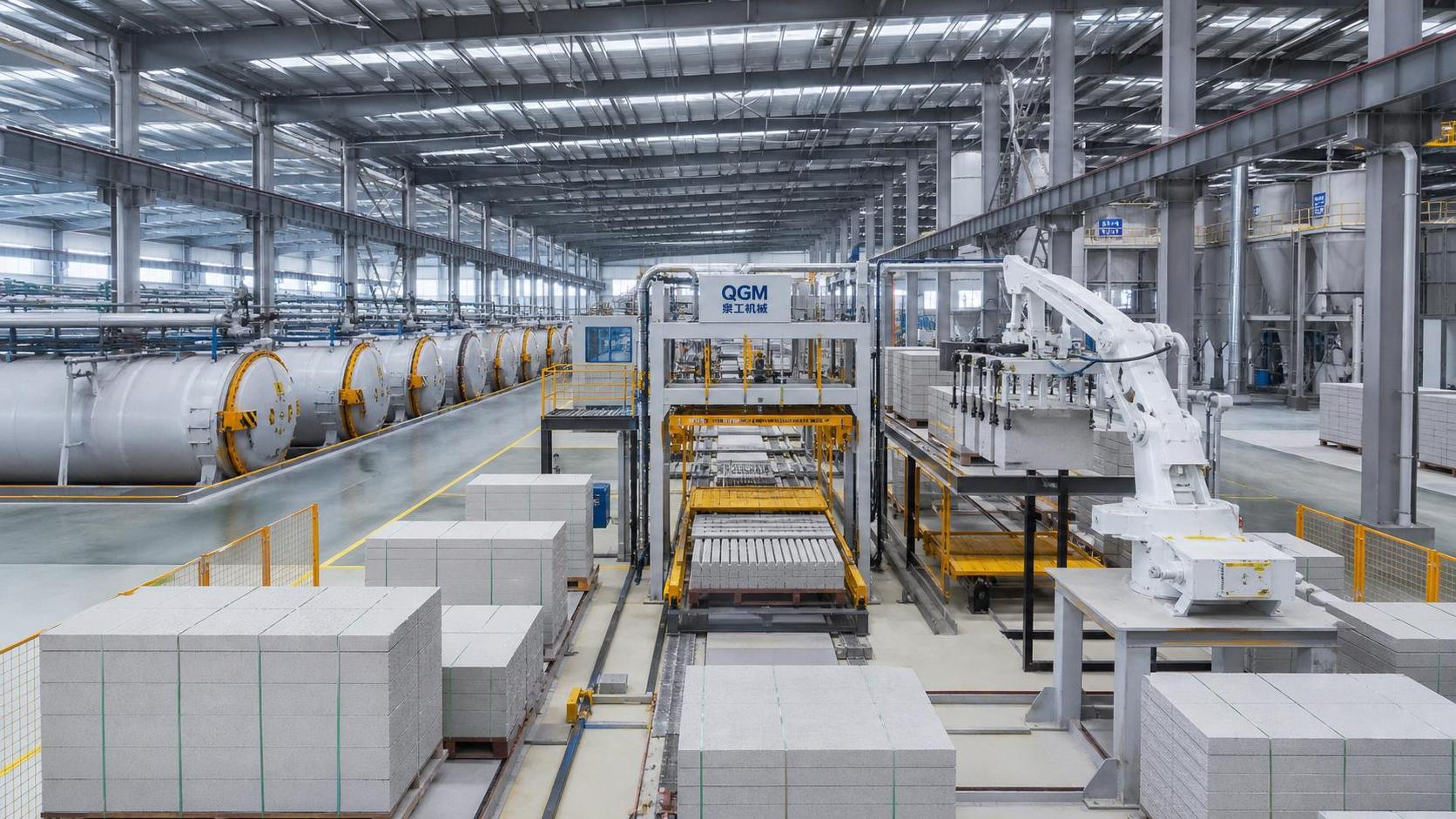
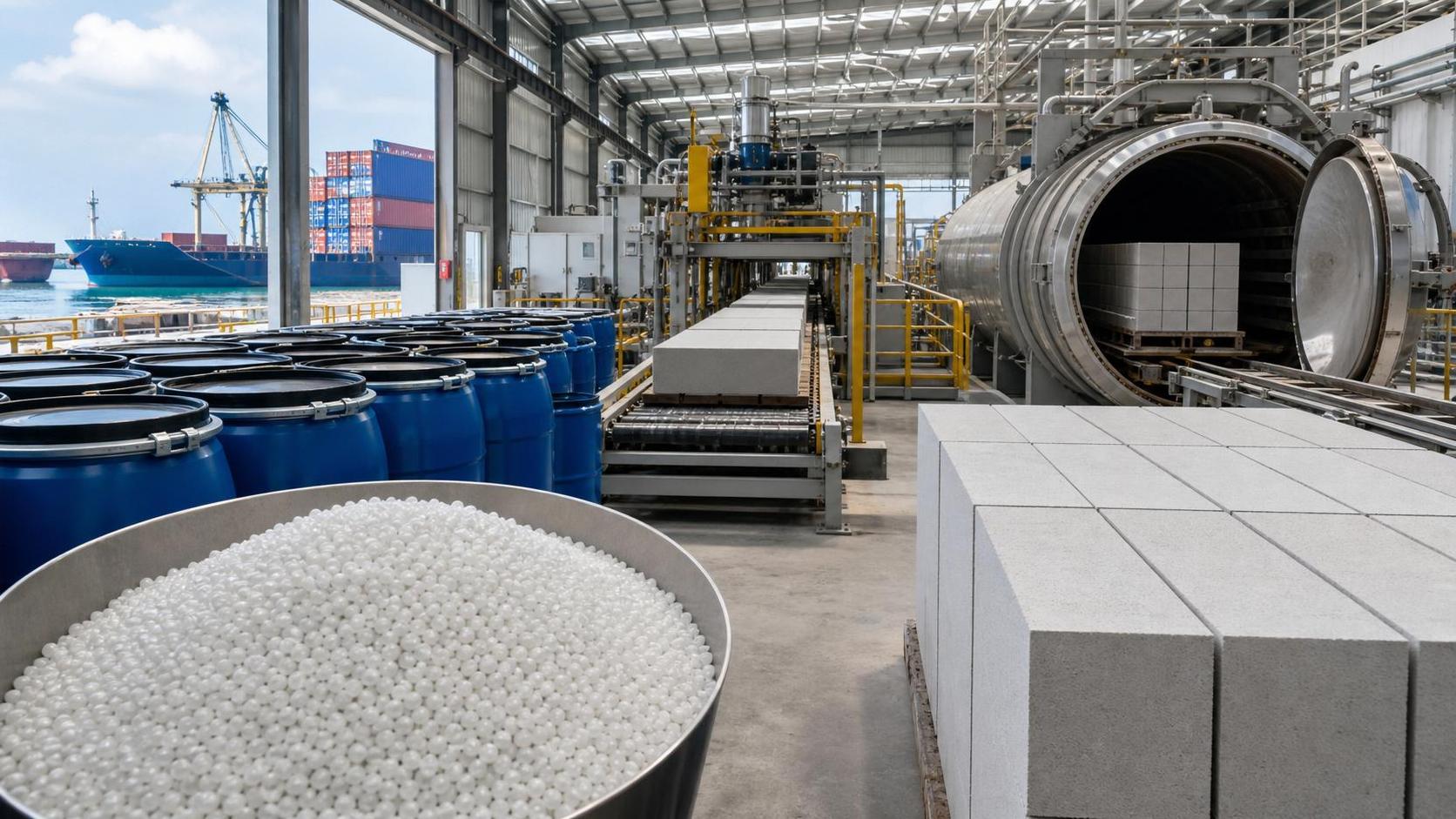
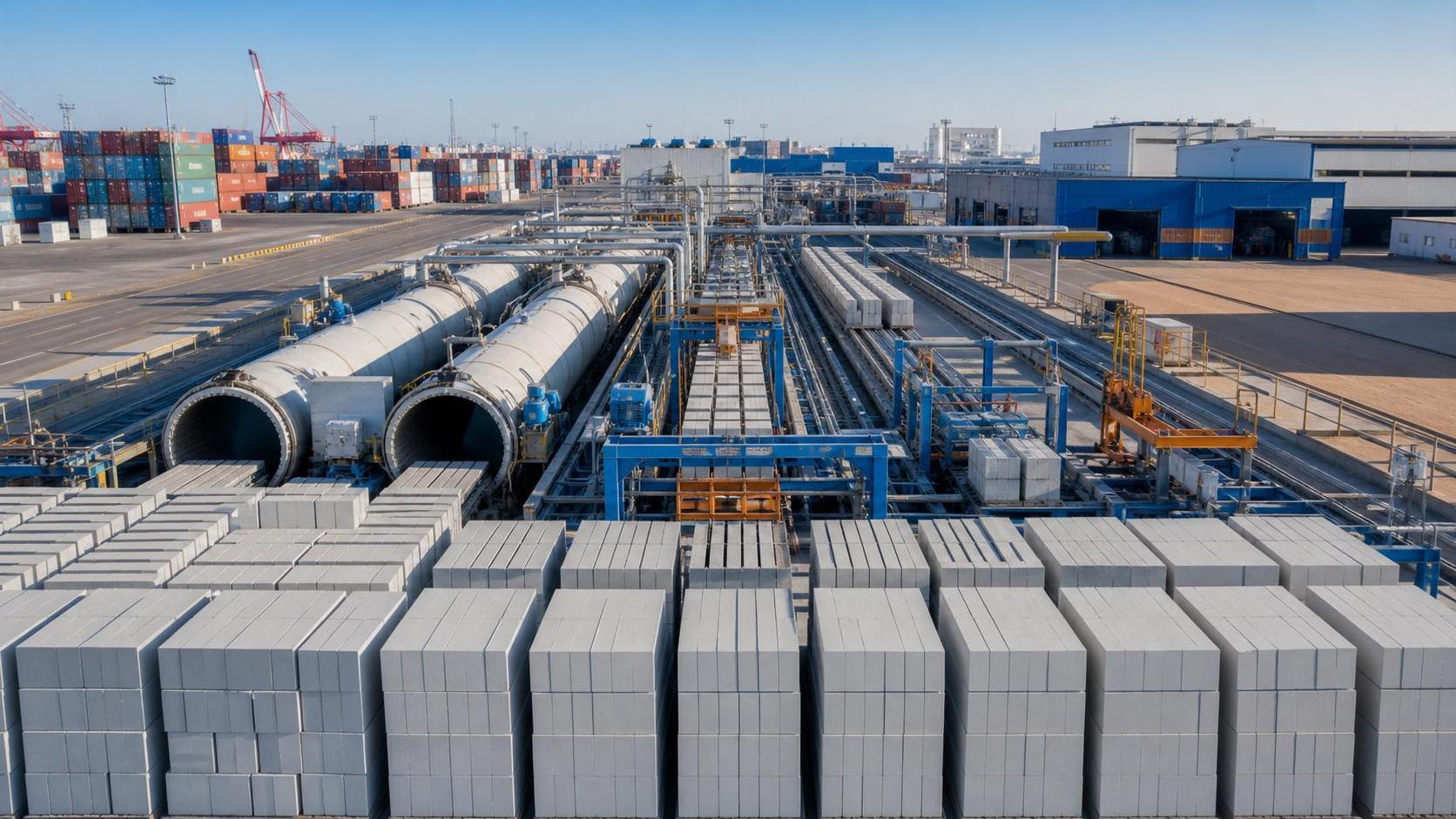
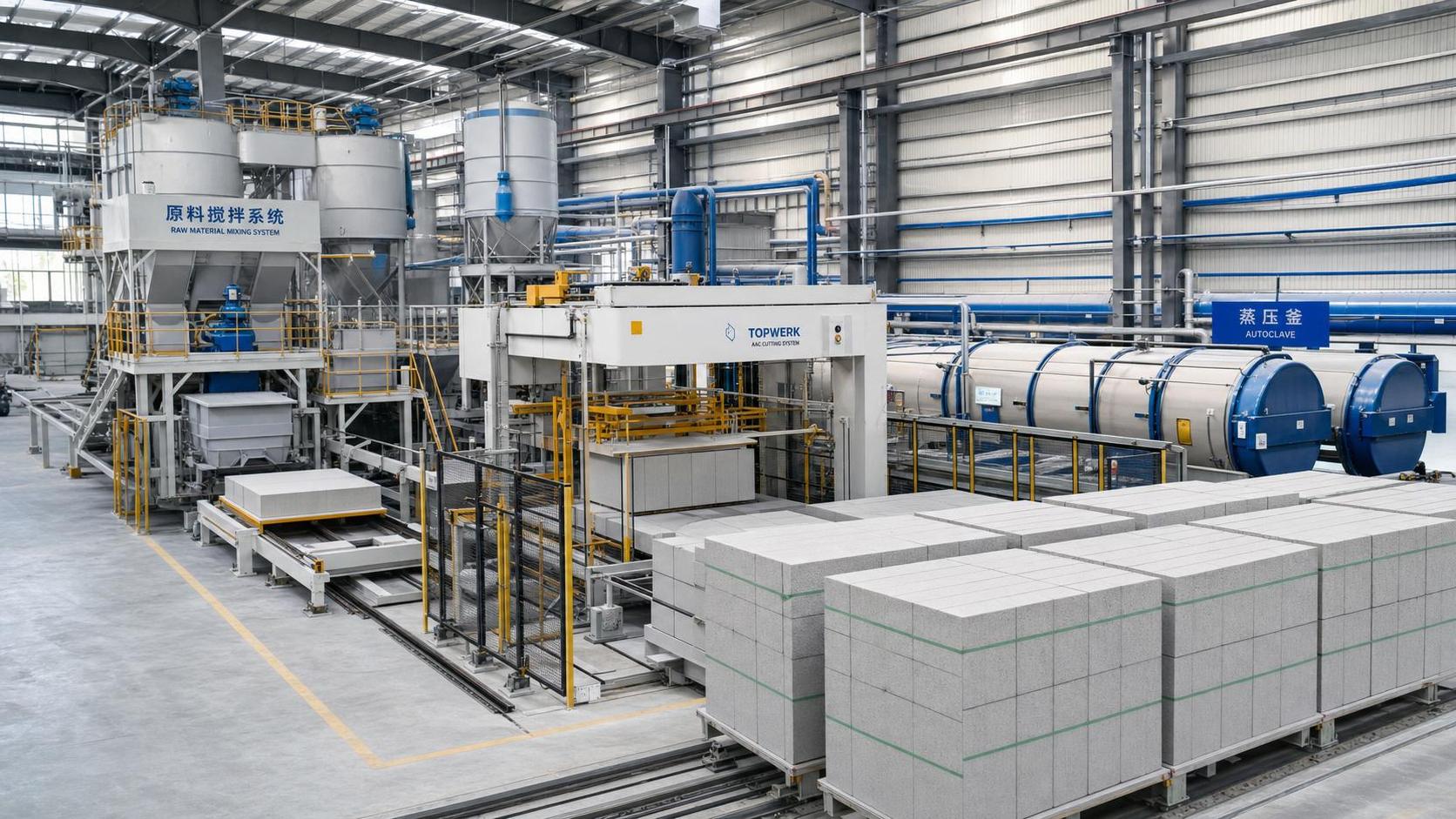
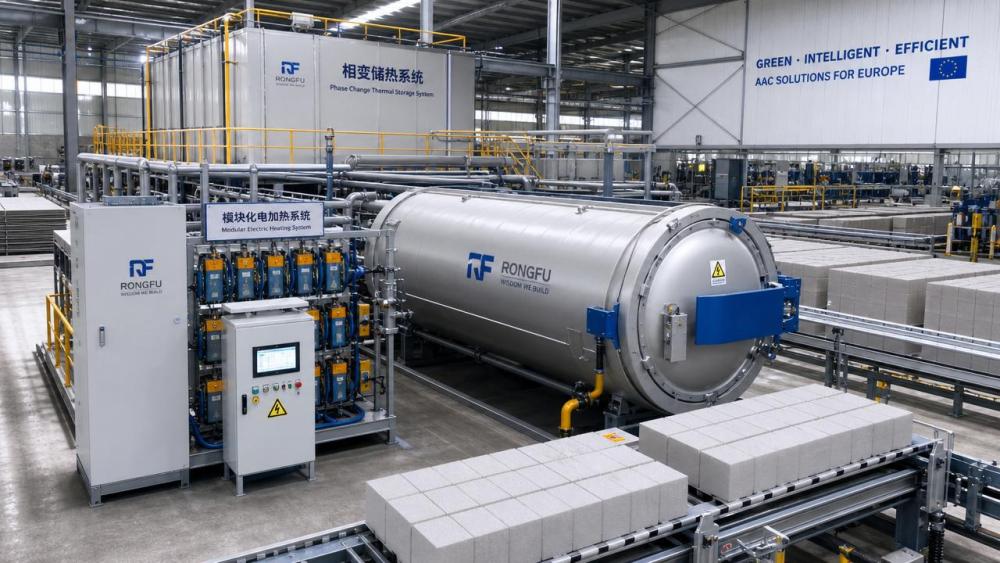
On June 8, 2026, a China-based EPC company in Jiangsu delivered what was described as the world’s first 100% electrically heated AAC block plant autoclave curing system. For AAC producers, EPC contractors, export-oriented building materials manufacturers, and buyers targeting the European market, the development is worth watching because it links process design, factory carbon compliance, and potential access to green project subsidies under the EU’s EPBD III framework.
What has been confirmed so far
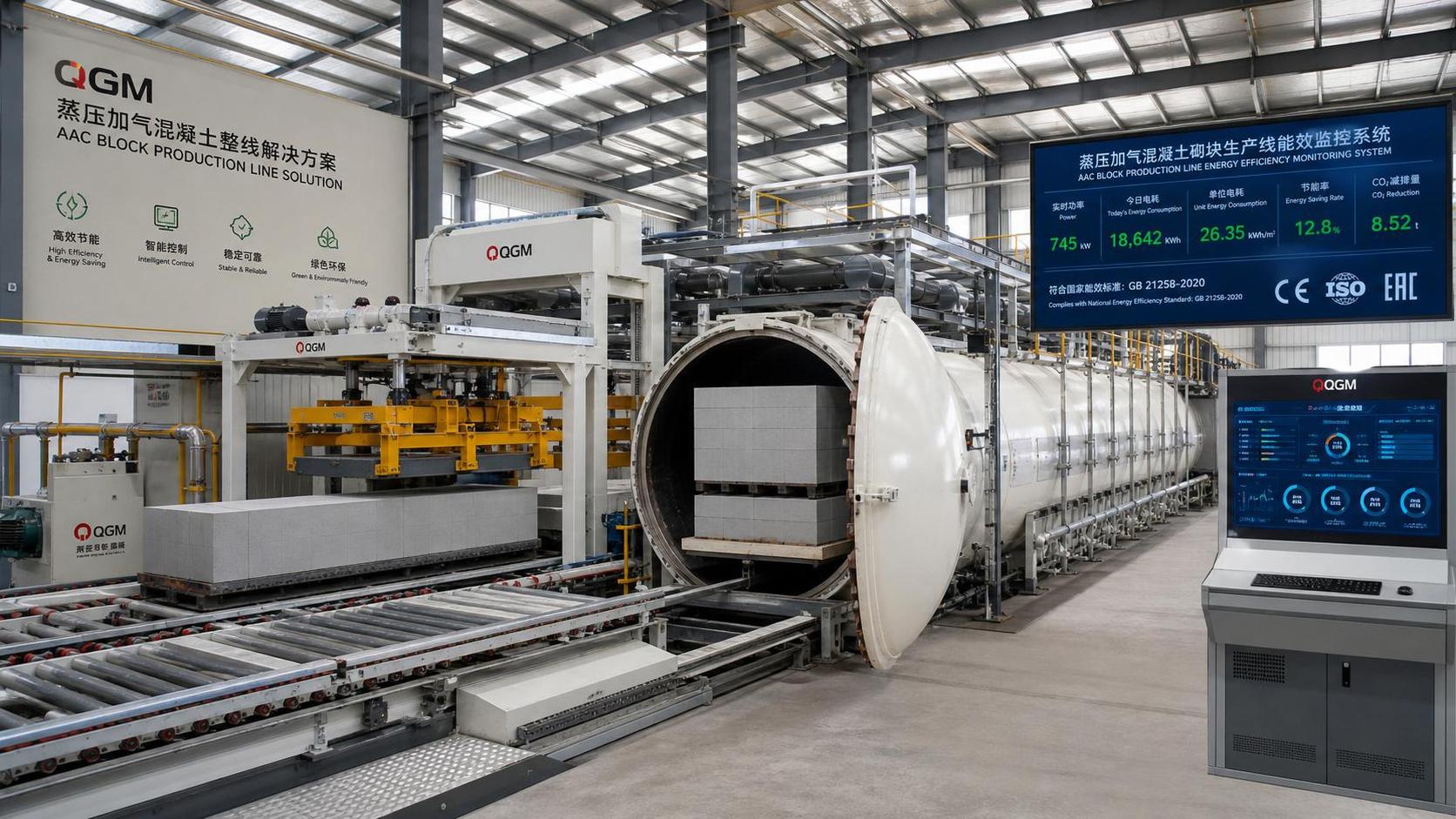
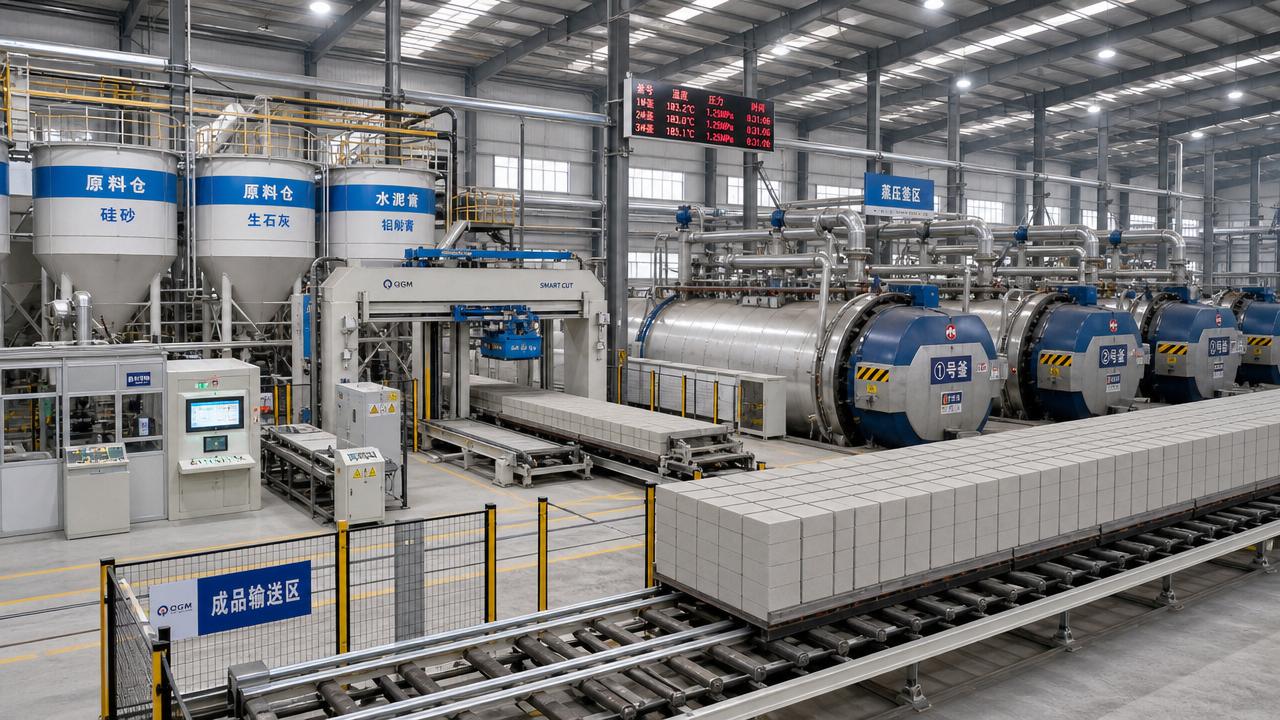
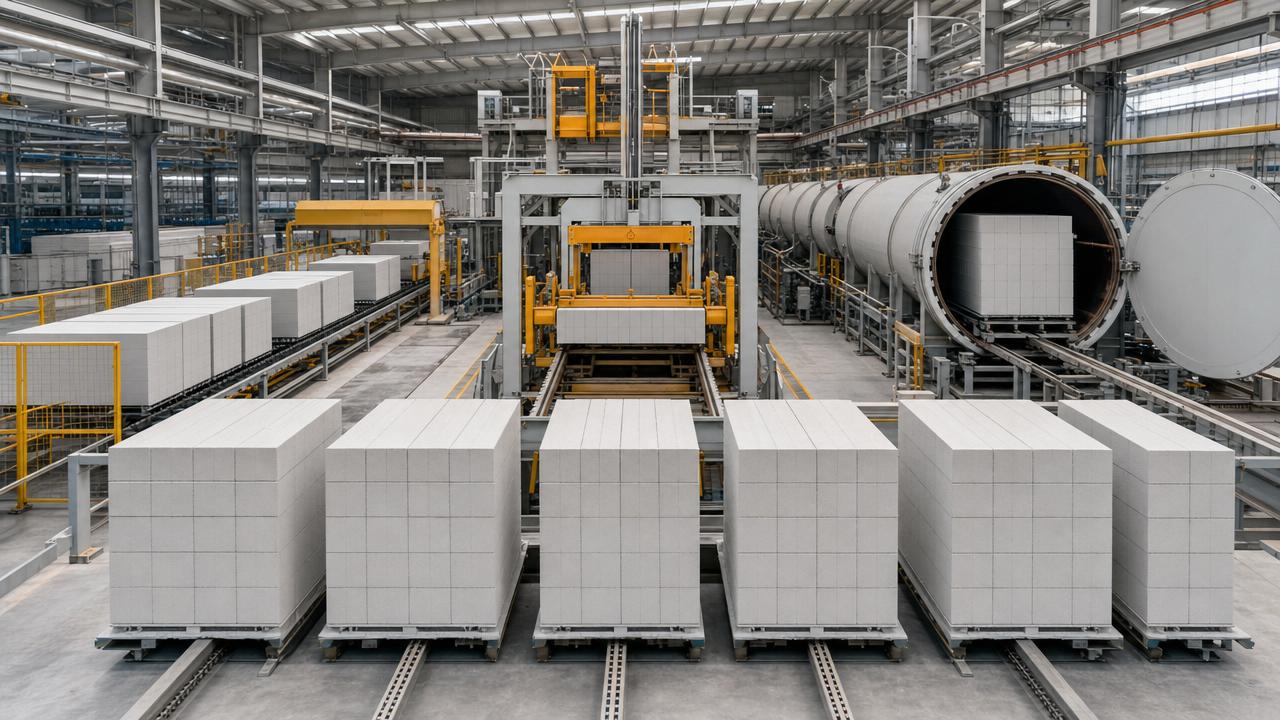
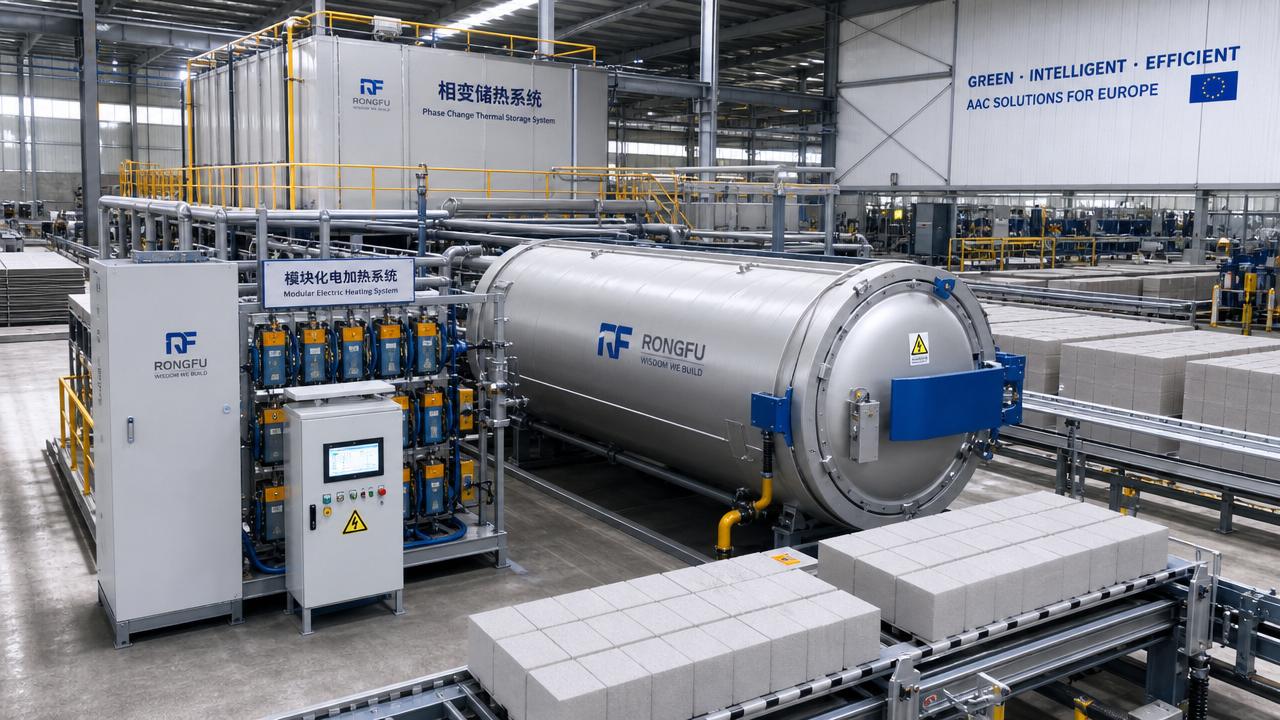
According to the information provided, the delivered system uses modular resistance heating combined with phase-change thermal storage for AAC autoclave curing. The solution removes natural gas combustion from this part of the production line, bringing overall line emissions close to zero. The scheme has also passed TÜV SÜD certification and is stated to meet the Zero-Operational-Carbon recognition requirements for prefabricated building materials factories under the EU Energy Performance of Buildings Directive, EPBD III. The provided summary further notes that this may help overseas customers apply for green project subsidies.
Why different market participants may pay attention
For AAC manufacturers serving export projects
Analysis shows this development may matter most to producers that need to align factory operations with low-carbon project requirements in overseas markets. The impact is likely to be felt in production planning, plant technology selection, and customer-facing compliance discussions, especially where buyers ask for evidence tied to operational carbon performance.
For EPC and plant engineering providers
From an industry perspective, the news points to a possible shift in how curing systems are positioned in project proposals. What deserves closer attention is whether future tenders and client negotiations begin to place more weight on all-electric process design, third-party certification, and the ability to support downstream compliance claims.
For procurement teams and project buyers
Observably, procurement decisions may increasingly extend beyond equipment output and delivery scope to include whether a plant configuration can support subsidy applications or factory-level carbon qualification in the target market. The practical effect would likely appear in technical specifications, supplier screening, and document review during project evaluation.
For supply-chain and compliance service providers
Service firms involved in certification, technical documentation, or cross-border project support may also be affected. If customer demand moves toward zero-operational-carbon positioning, the need for clearer verification materials, conformity records, and structured communication across suppliers could become more important in the delivery process.
What companies should track next
How certification language is used in business practice
Companies should pay close attention to how TÜV SÜD certification is described in formal customer communication and contract materials. The key practical issue is to distinguish between a certified technical solution and broader commercial claims about project eligibility, compliance scope, or subsidy access.
How EPBD III requirements translate into orders
What deserves closer attention is the gap between policy alignment and actual purchasing behavior. Even where a solution is stated to meet Zero-Operational-Carbon recognition requirements, companies still need to assess how buyers, consultants, and project owners apply those requirements in real tenders and acceptance processes.
Which documents customers may request
For exporters and project suppliers, preparation should focus on technical descriptions, certification-related materials, and consistent explanations of what part of the production line the low-carbon design covers. This is especially relevant where overseas customers need supporting records for internal approvals or subsidy-related submissions.
Whether delivery and sourcing models need adjustment
If market interest in all-electric AAC curing systems grows, related businesses may need to review supplier readiness, equipment integration capability, and communication timelines with overseas clients. The issue is less about broad strategy statements and more about whether teams can support specification changes and compliance questions without slowing project execution.
How this signal should be interpreted now
In editorial observation, this development is better understood as a concrete technical and compliance signal rather than a confirmed market-wide shift. It shows that low-carbon plant design in AAC production is beginning to be framed not only as an energy choice, but also as a market access and project qualification issue. At the same time, it remains too early to treat one delivered line as proof of immediate large-scale adoption.
What this means for the sector at this stage
At this stage, the most balanced reading is that the Jiangsu project highlights a new point of connection between AAC production technology and European building-policy compliance. The news does not by itself establish a broad industry transition, but it does suggest that manufacturers, EPC providers, and buyers involved in cross-border building materials projects should monitor how zero-operational-carbon requirements are reflected in future plant specifications and commercial discussions.
Basis of this article
This article is based on the user-provided news title, event date, and event summary. For this type of industry update, commonly relevant source categories may include official company announcements, project delivery notices, industry association releases, authoritative media coverage, and standard or certification body documents. No specific official source link was provided in the input, so the exact source chain still requires continued verification. Areas that merit follow-up include subsequent official wording, any further clarification on EPBD III application in practice, and whether similar project deliveries emerge in the market.
Related News
- When does heavy building material equipment make sense for AAC block plants?Author :Masonry Automation Architect

- What Determines the ROI of AAC Block Equipment in a New Plant Setup?Author :Masonry Automation Architect

- CBP Requires LCA Declarations for Imported AAC LinesAuthor :Masonry Automation Architect

- AAC Block Manufacturing Cost Breakdown and Line Selection GuideAuthor :Masonry Automation Architect

- Vietnam sets Q3 filing deadline for AAC plant IoT modulesAuthor :Masonry Automation Architect

- Vietnam Rule Adds IoT Module to AAC Plant ImportsAuthor :Masonry Automation Architect

- Vietnam Opens Fast-Track VIEP Review for AAC PlantsAuthor :Masonry Automation Architect

- Vietnam Requires VIEP Certification for Imported AAC Block PlantsAuthor :Masonry Automation Architect

- AAC Block Equipment: Common Selection Mistakes That Raise Operating CostsAuthor :Masonry Automation Architect
![]()
- Steam Curing AAC: How It Affects Strength, Cycle Time, and Energy UseAuthor :Masonry Automation Architect
![]()
- AAC Block Production Line Cost Drivers and Output BenchmarksAuthor :Masonry Automation Architect

- Vietnam Enforces 28.3% Temporary Duty on China Block EquipmentAuthor :Masonry Automation Architect

- Vietnam Imposes Temporary AD Duty on Chinese Block MachineryAuthor :Masonry Automation Architect

- Autoclaved aerated concrete USA: plant selection guideAuthor :Masonry Automation Architect

- AAC Block Production Cost Breakdown: What Impacts Plant ProfitabilityAuthor :Masonry Automation Architect

- Anhui Conch Cement Buyout Sharpens EPC Export ReadinessAuthor :Masonry Automation Architect

- Indonesia Tariff on Chinese Polypropylene Raises AAC Input CostsAuthor :Masonry Automation Architect

- India’s Parboiled Rice Duty Pressures AAC Raw Material CostsAuthor :Masonry Automation Architect

- Middle East AAC Rules Lift China Plant Exports 41%Author :Masonry Automation Architect

- Vietnam Requires ESG Labels for Imported Green Building MaterialsAuthor :Masonry Automation Architect

- Insulated Prefabricated Wall Materials: Key Performance Checks Before Specifying a SystemAuthor :Masonry Automation Architect

- AAC Block Plant Equipment Checklist Before Final SelectionAuthor :Masonry Automation Architect

- China Building Materials Hits Carbon PeakAuthor :Masonry Automation Architect

- Fly Ash AAC Blocks: Key Cost Drivers, Strength Limits, and Best-Fit Building ApplicationsAuthor :Masonry Automation Architect

- Autoclaved AAC Block System: Key Factors for Plant SelectionAuthor :Masonry Automation Architect

- AAC Block Factory Setup: Key Line Choices and Capacity Trade-OffsAuthor :Masonry Automation Architect

- NHTSA Proposes Ending Light-Vehicle Fuel Economy Credit Trading by 2028Author :Masonry Automation Architect

- Jiangsu Launches First Fully Electric AAC Autoclave LineAuthor :Masonry Automation Architect

- AAC Block Production: Output, Steam Use, and Payback BasicsAuthor :Masonry Automation Architect

- AAC Block Production Problems Caused by Poor Curing ControlAuthor :Masonry Automation Architect