



Search News
Industry Portal
Popular Tags
All categories
Autoclaved aerated concrete USA: plant selection guide




If you are sourcing autoclaved aerated concrete USA solutions, the plant decision reaches far beyond equipment price. It shapes output stability, steam and power consumption, product consistency, and the long-term economics of the whole project. In a market where low-carbon materials, labor efficiency, and building-code compliance all matter, the right AAC line has to fit both the feedstock and the business case.
For autoclaved aerated concrete USA projects, plant selection is usually a balance between capacity, automation, autoclave design, and local operating conditions. The best choice is rarely the largest line on paper. It is the one that can match raw material quality, maintain repeatable curing results, and support a reliable supply chain for years, not just during commissioning.
What matters first in an AAC plant decision
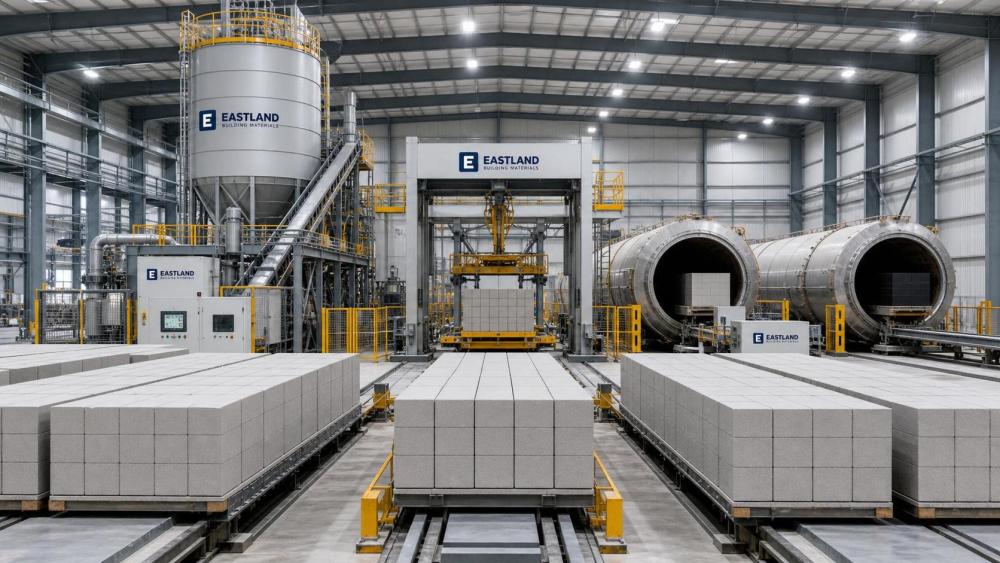
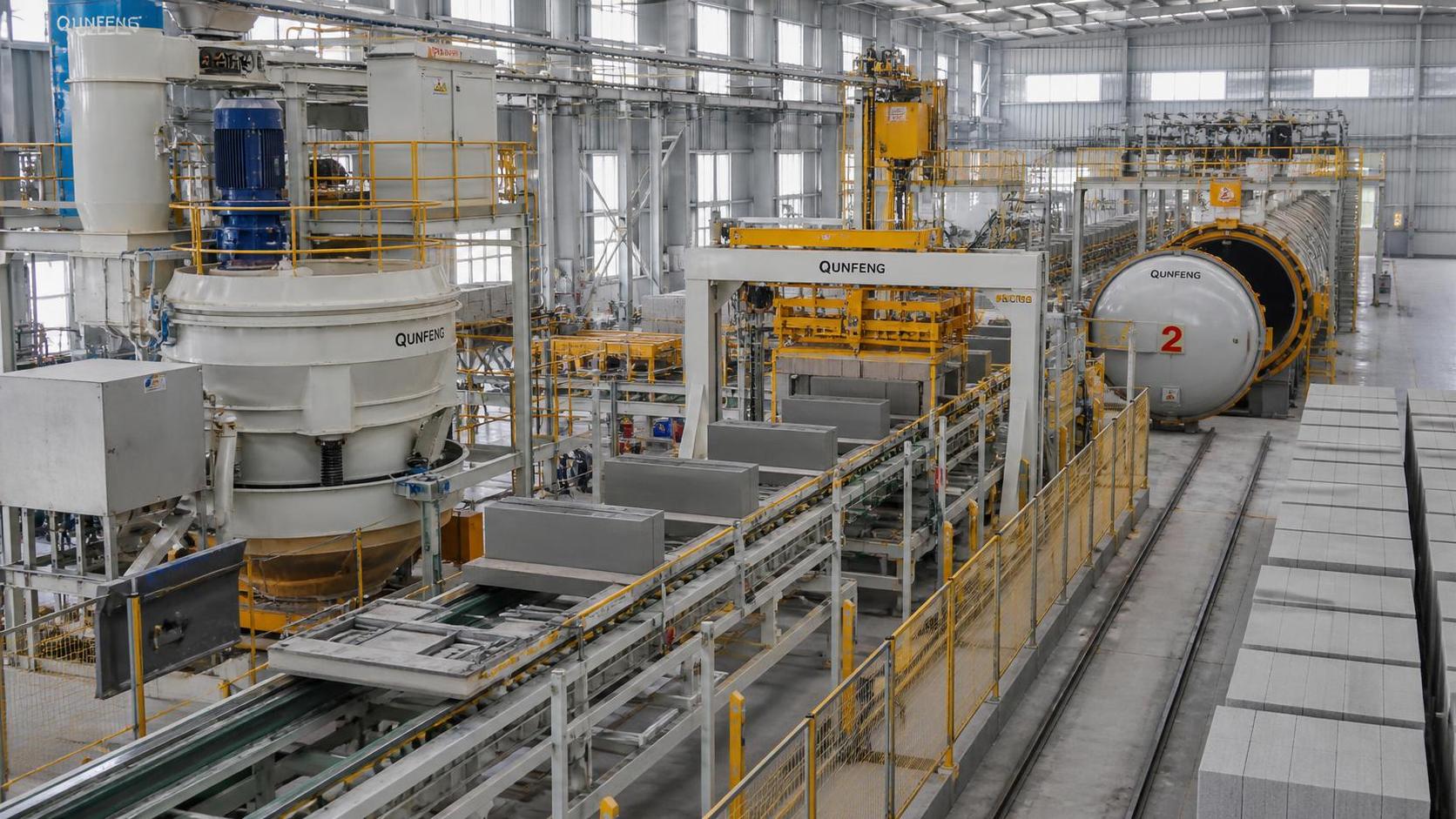
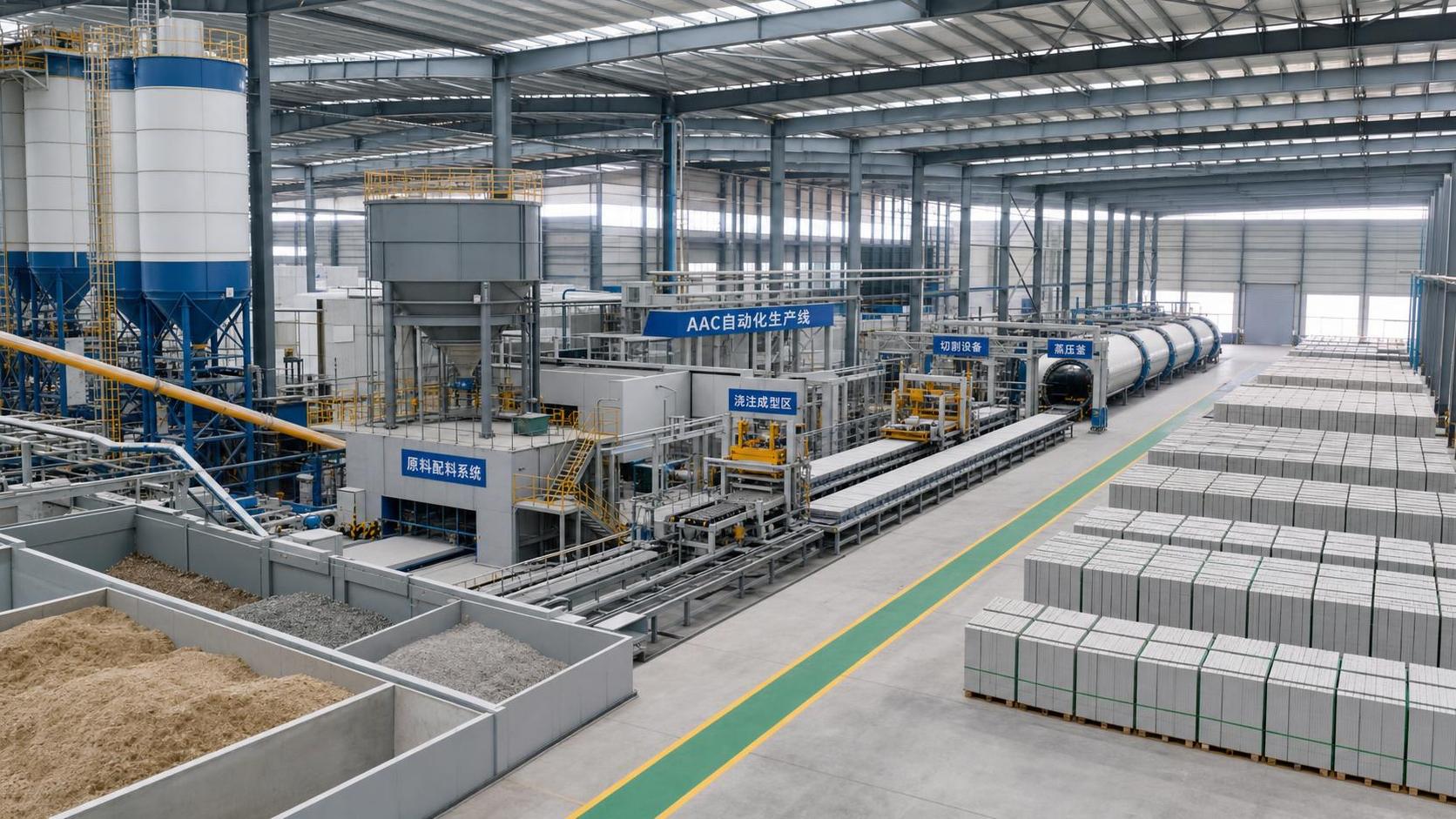
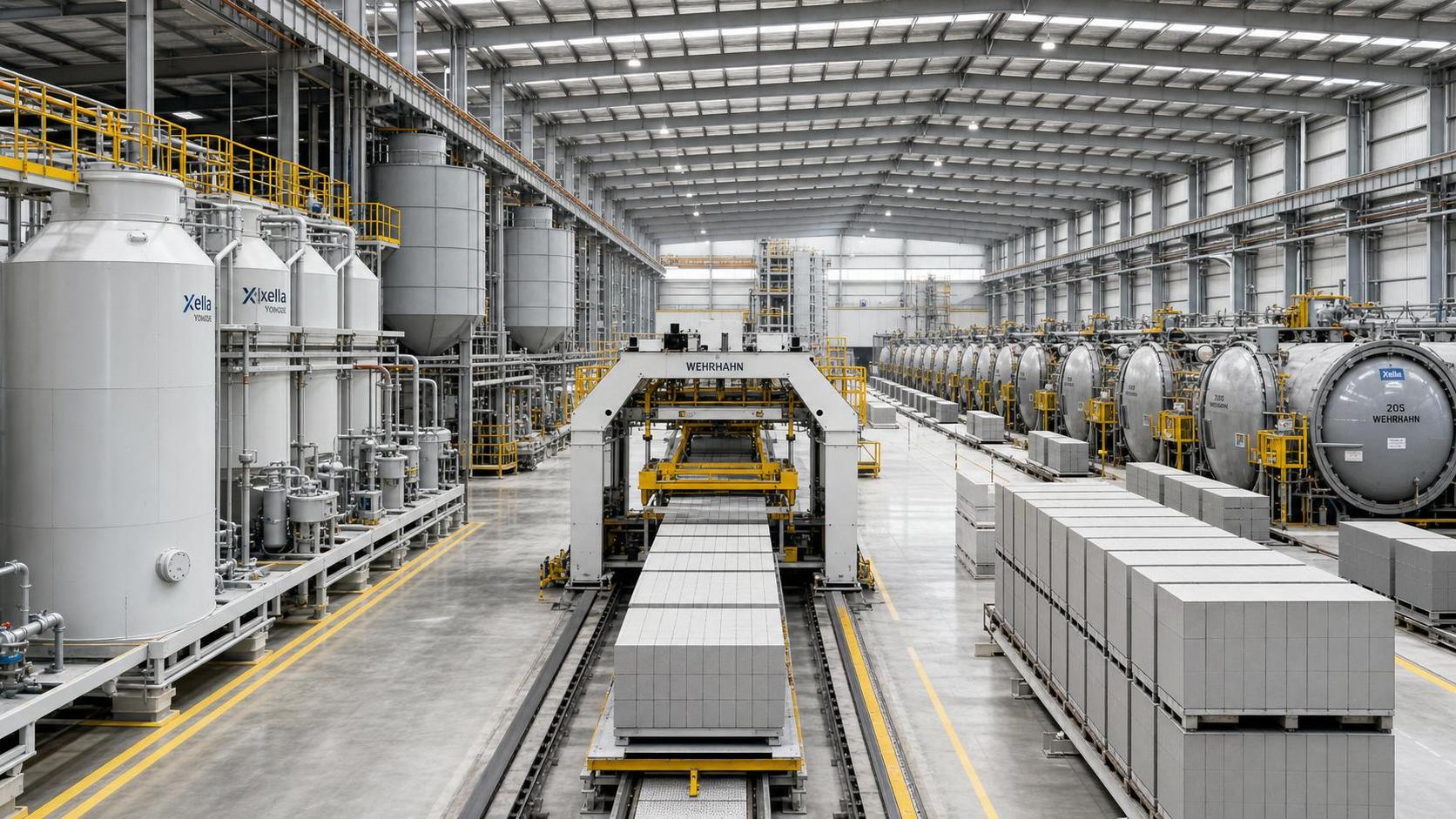
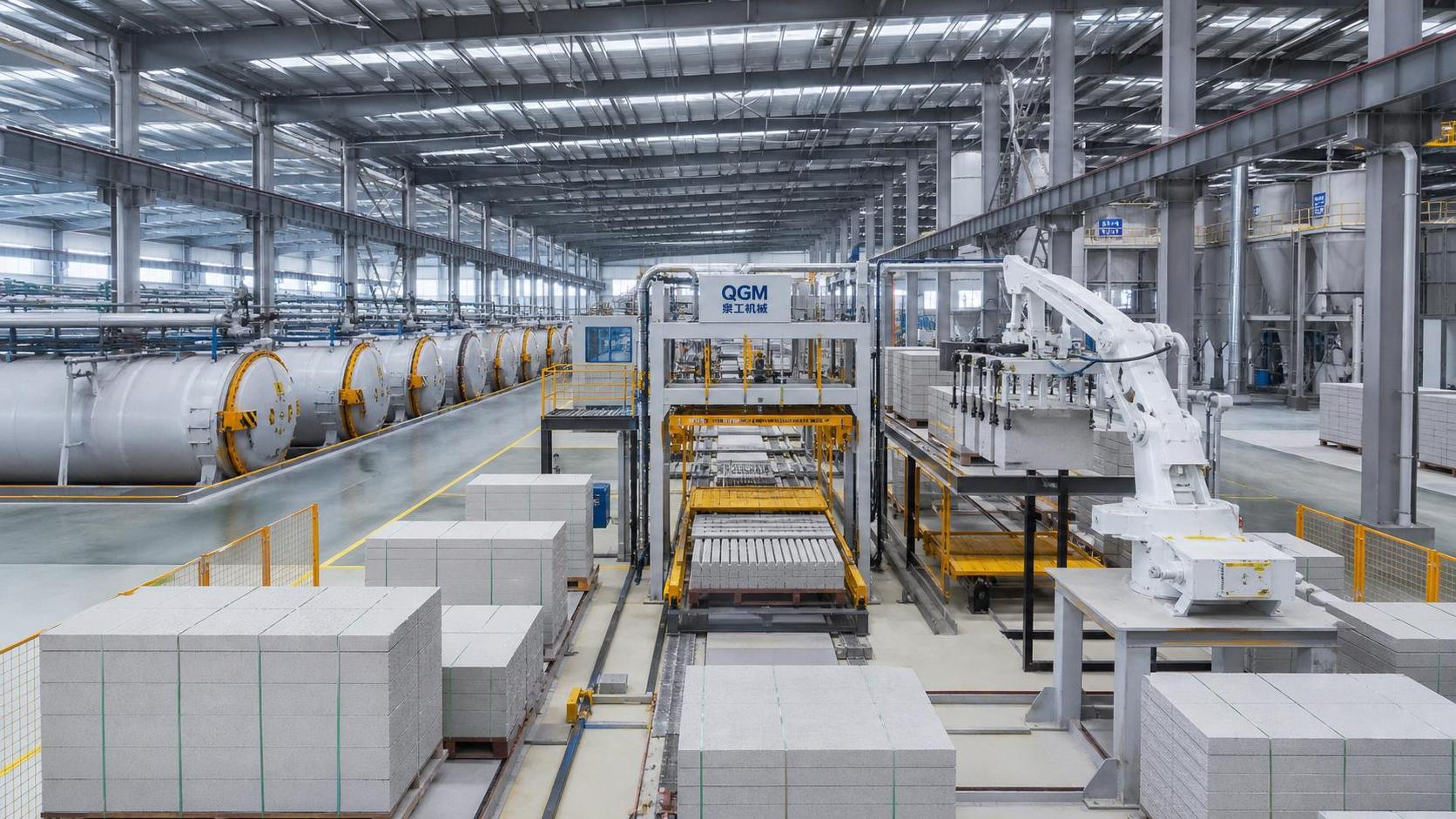
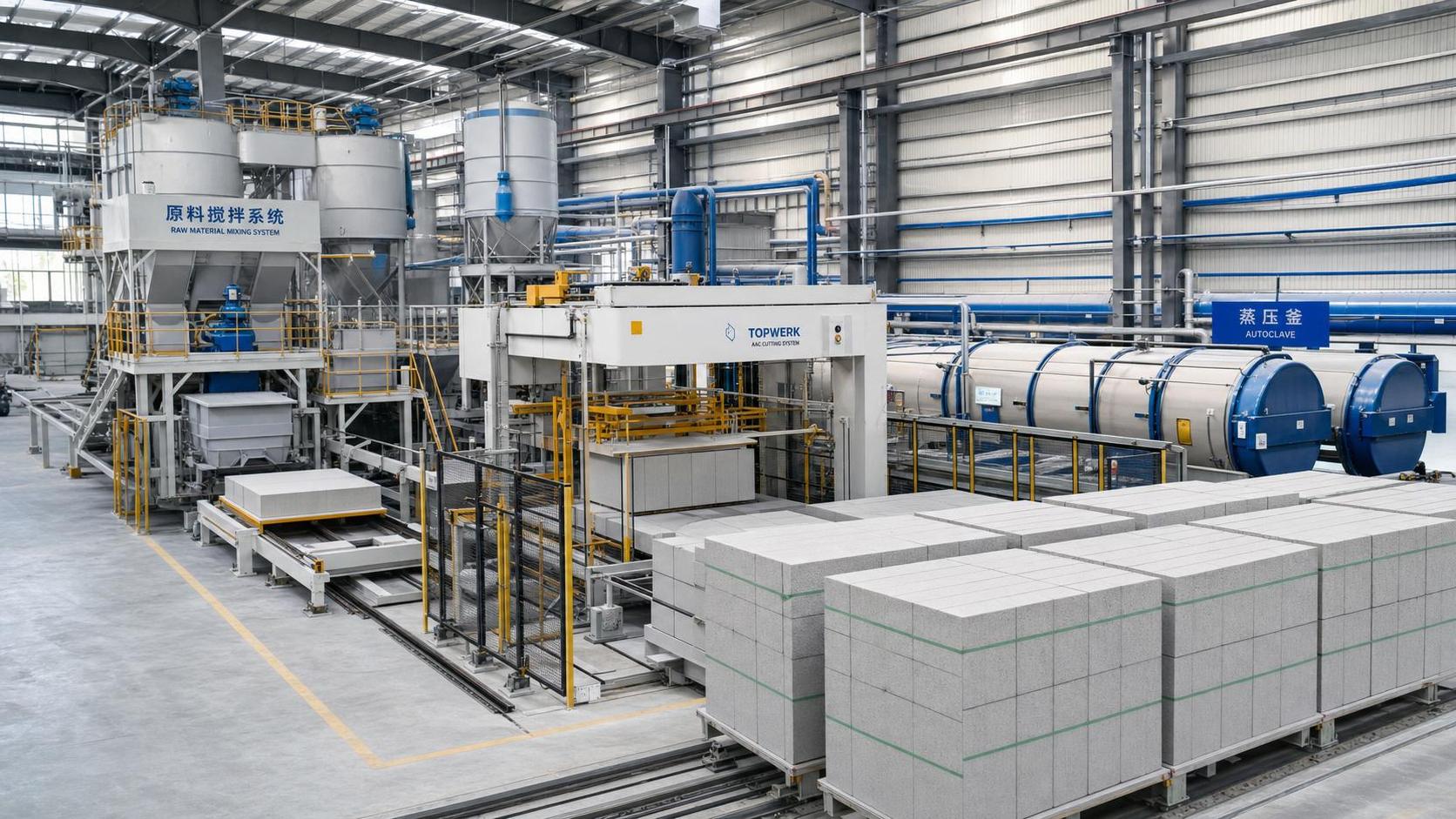
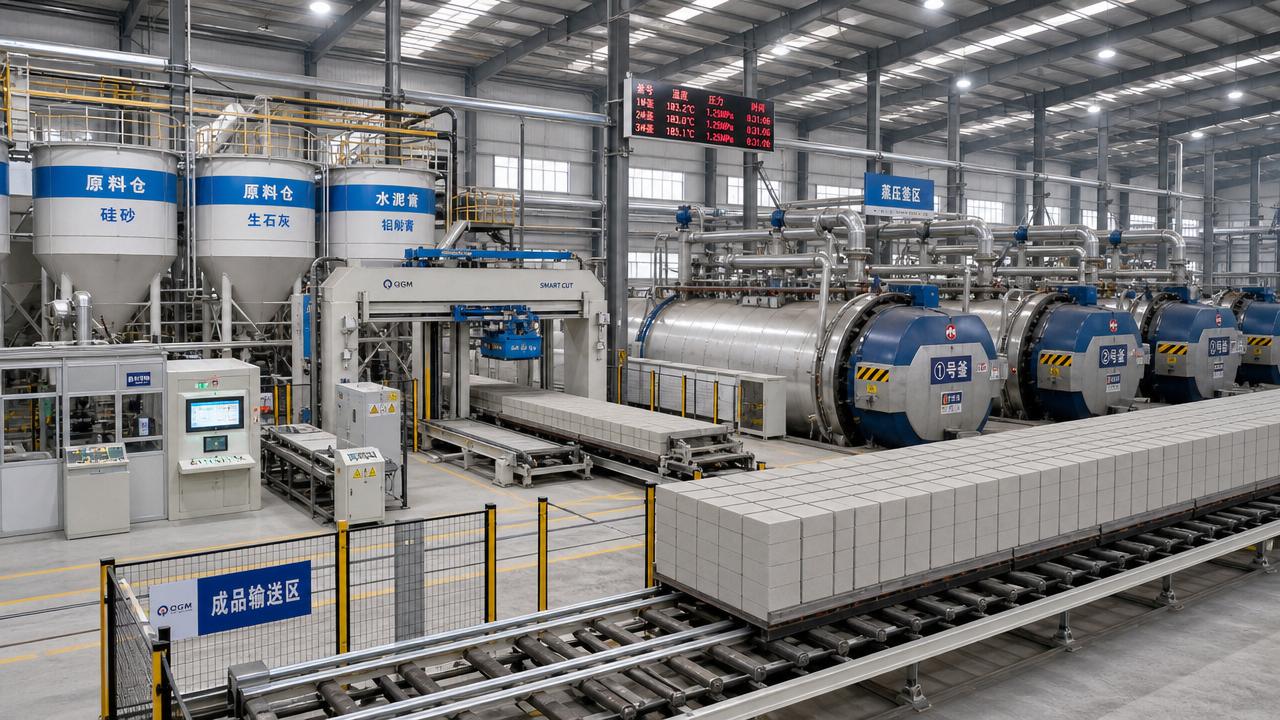
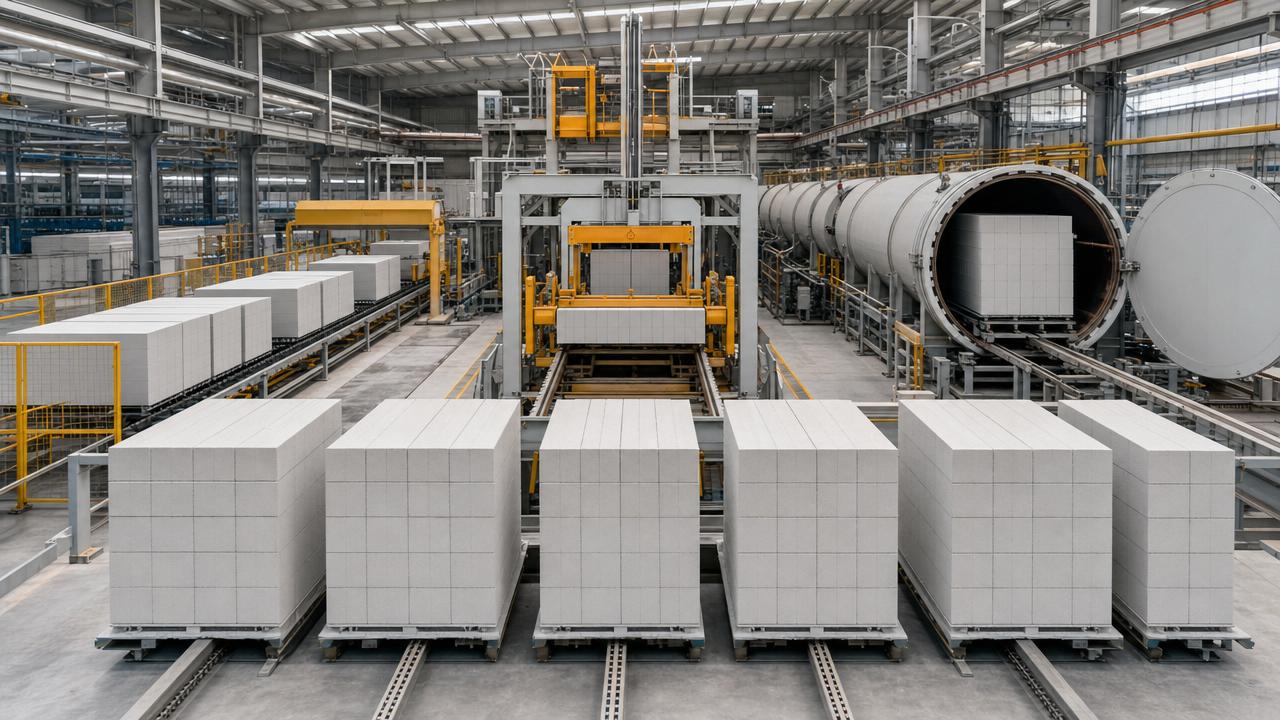
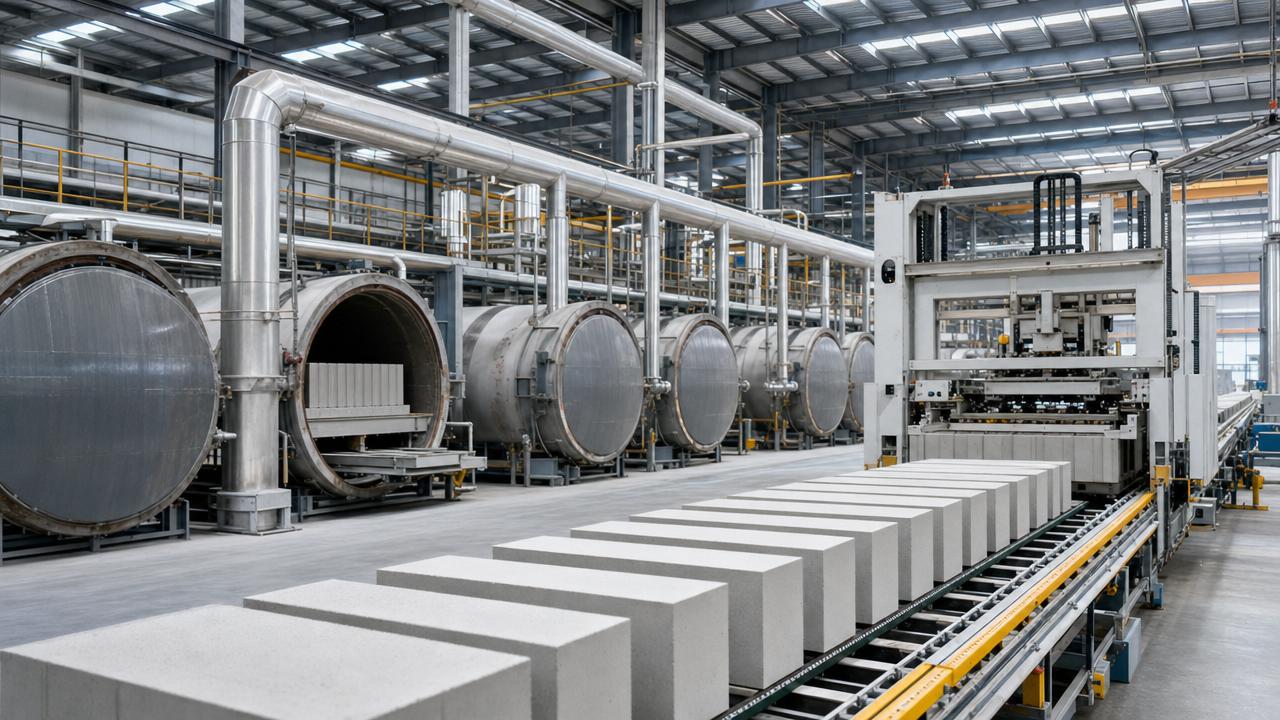
In autoclaved aerated concrete USA projects, the plant is not a single machine but a linked system. Mixing, casting, pre-curing, cutting, autoclaving, and handling all affect final block quality. If one section is oversized while another is weak, the line may still run, but the economics will drift.
The most useful starting point is the target product mix. Some projects focus on blocks, while others need panels or both. That choice changes the mold design, cutting accuracy, curing cycle, and material handling layout. It also changes how much floor space, steam capacity, and labor a plant needs.
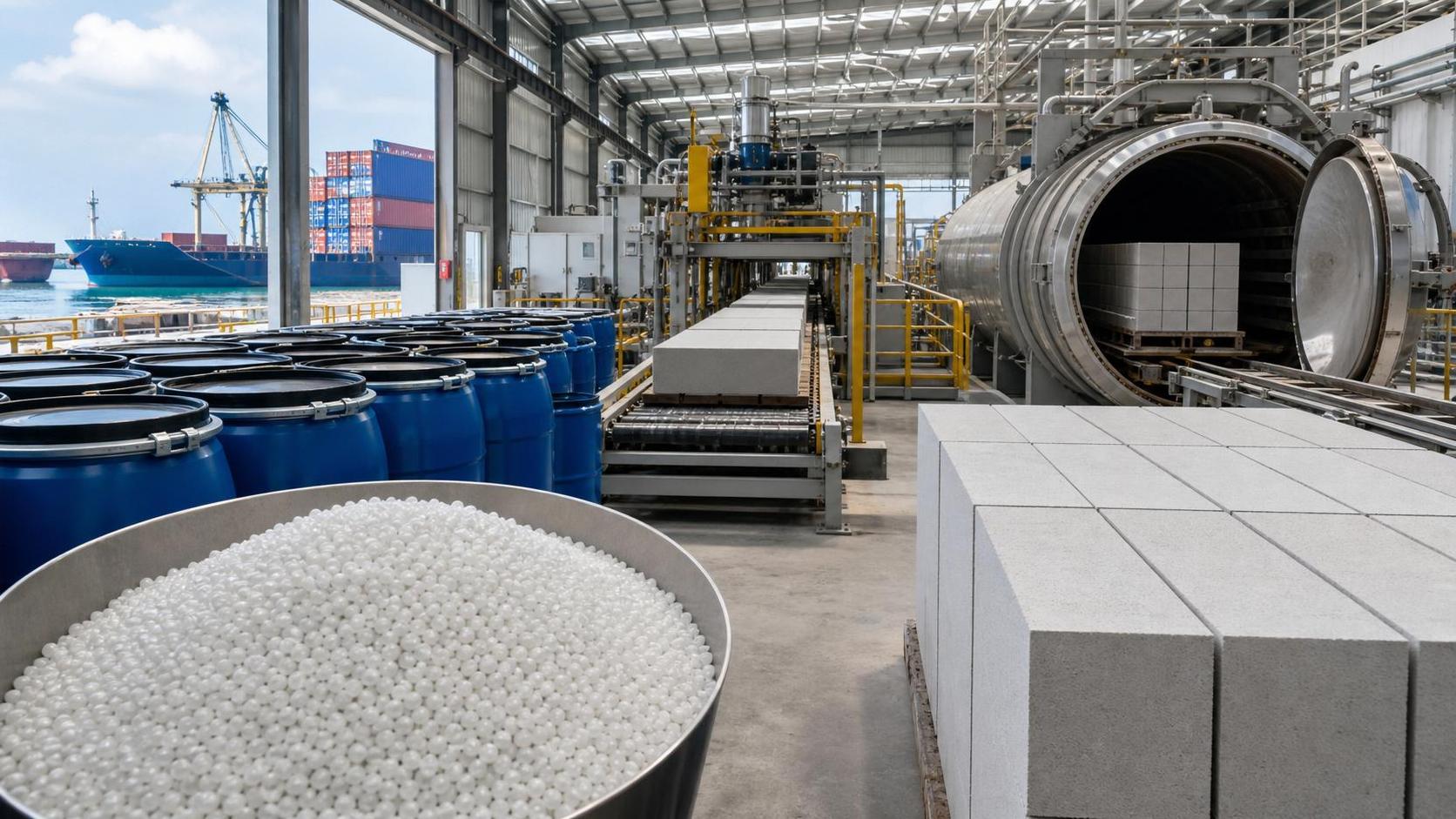
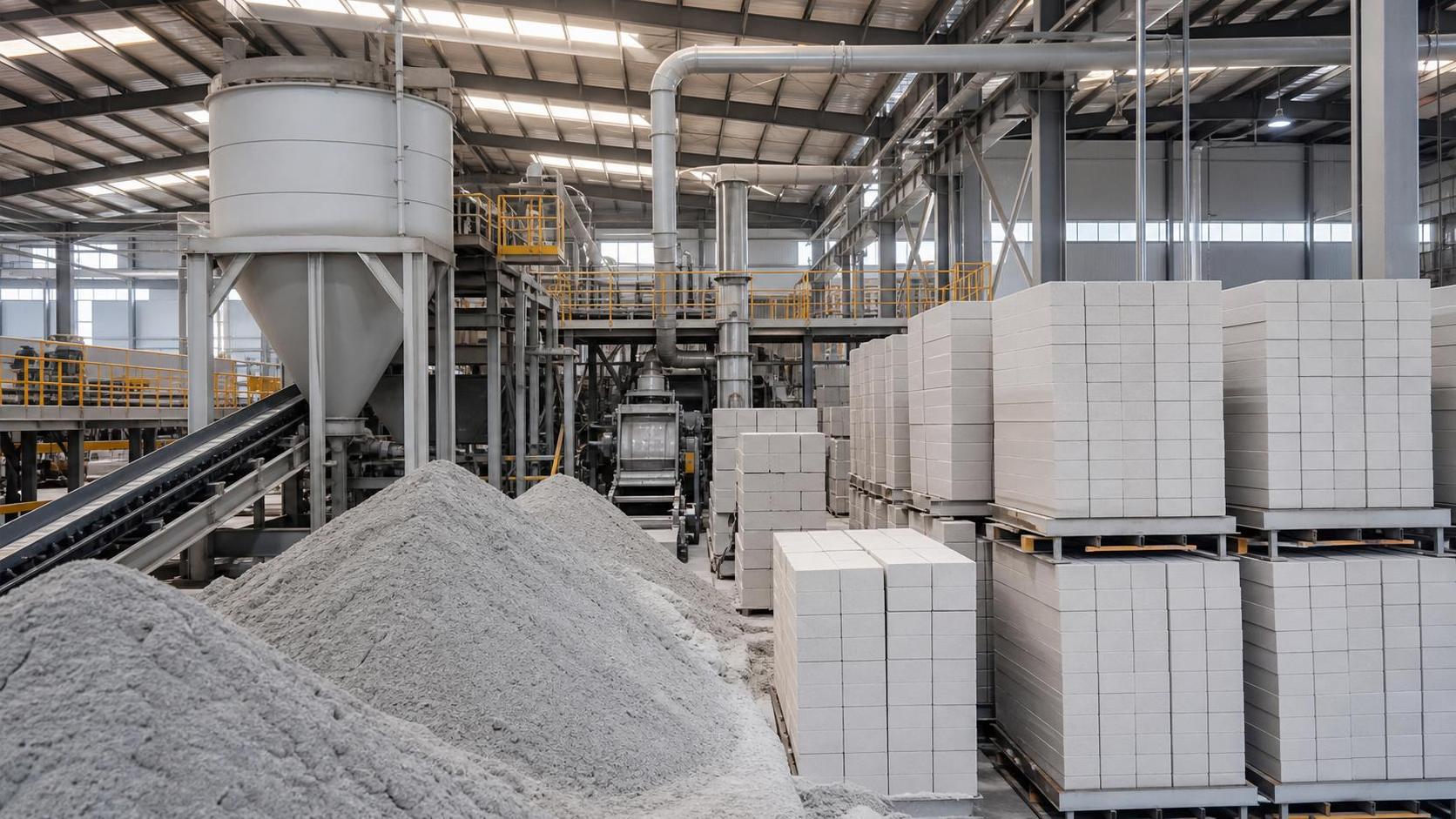
Raw material adaptability is another major filter. Fly ash, sand, lime, gypsum, cement, and aluminum powder all behave differently. A good line should tolerate reasonable variation without producing unstable density or compressive strength. That is especially important in autoclaved aerated concrete USA supply chains, where local raw material sources can vary by region.
Why the U.S. market pushes buyers to be selective
The U.S. market is attractive, but it is also selective. Construction projects increasingly ask for lighter wall systems, better thermal performance, and predictable installation. At the same time, environmental rules and energy costs make inefficient curing lines harder to justify. That is why autoclaved aerated concrete USA is drawing more attention from both builders and industrial investors.
For procurement planning, the key issue is not only whether a plant can produce AAC. It is whether it can produce consistent AAC at a cost structure that works in U.S. operating conditions. Steam system efficiency, autoclave insulation, waste heat recovery, and material loss control all affect the real payback period.
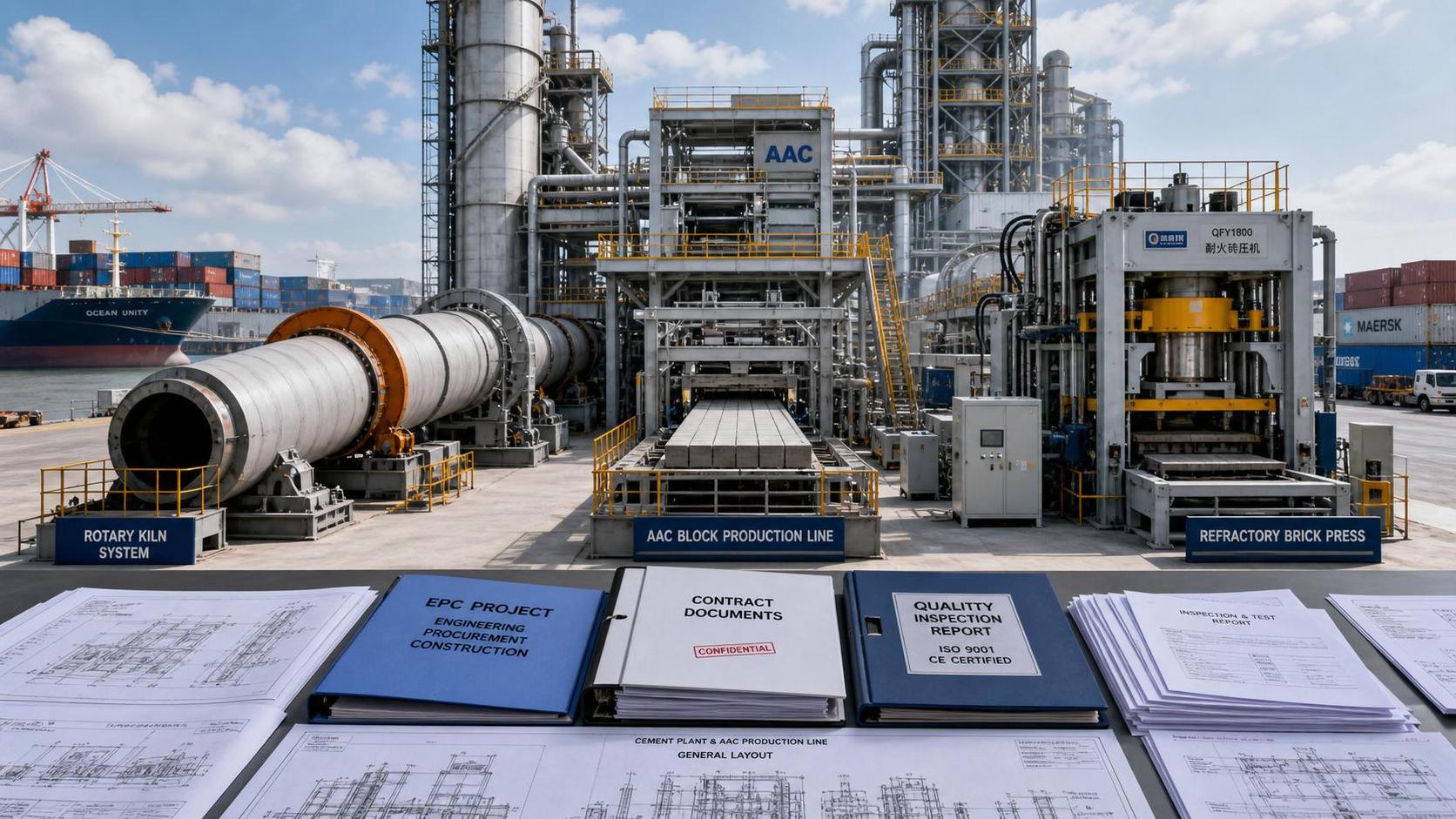
This is where broader industrial intelligence matters. NMBS tracks non-metallic material processing systems across cement, glass, refractory, and AAC-related technologies, which helps buyers compare plant logic rather than only brochures. That perspective is useful when evaluating equipment suppliers that claim strong automation, low emissions, or export experience.
Core configuration choices that change performance
A practical autoclaved aerated concrete USA selection guide should start with three core questions: how much output is needed, how much automation is acceptable, and how flexible the plant must be on raw materials. Those answers determine most of the technical configuration.
- Batching and mixing accuracy decide density control and strength consistency.
- Cutting system precision affects edge quality, waste rate, and panel dimensional stability.
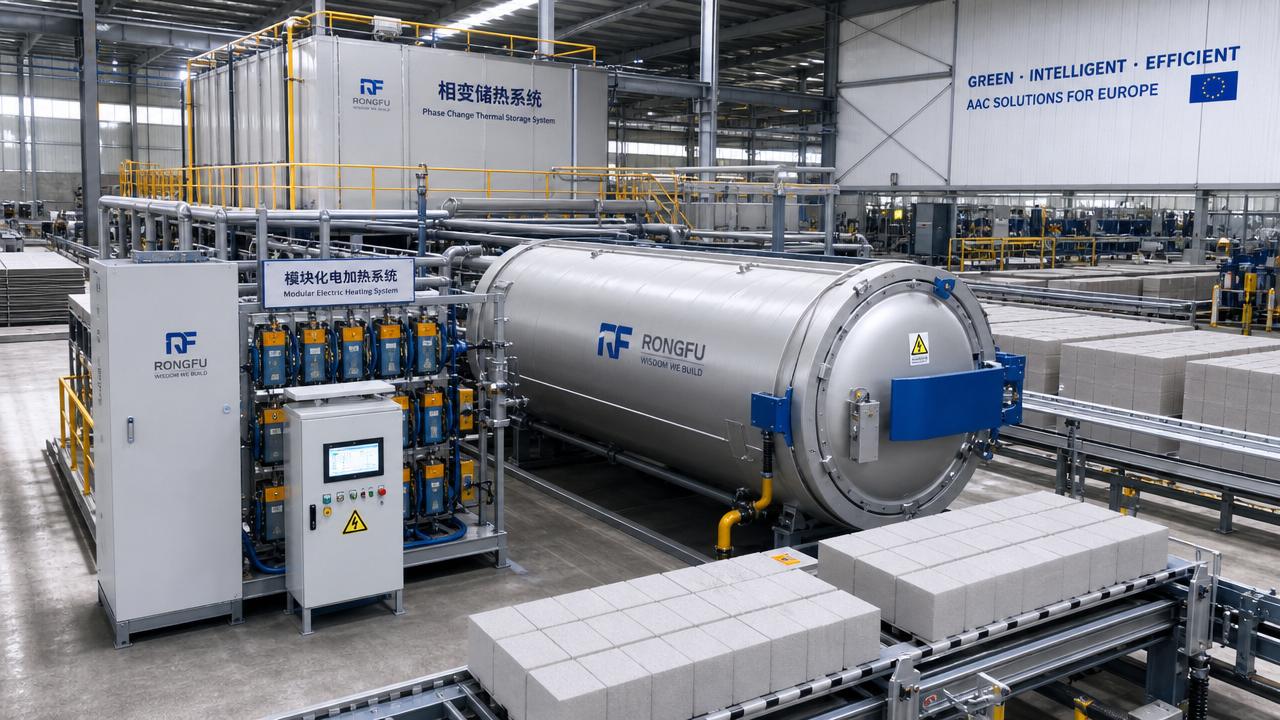
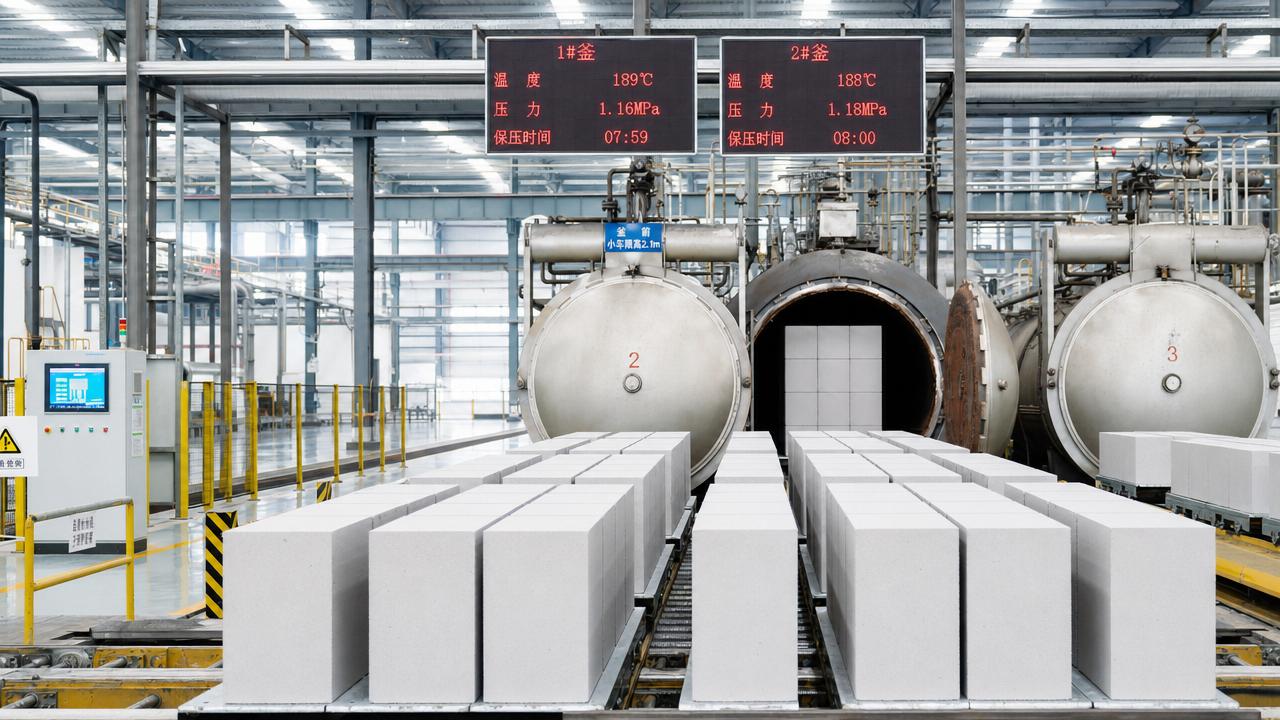
- Autoclave size, pressure rating, and cycle control shape throughput and energy use.
- Material handling automation influences labor demand and line continuity.
- Dust control and steam recovery affect compliance and operating cost.
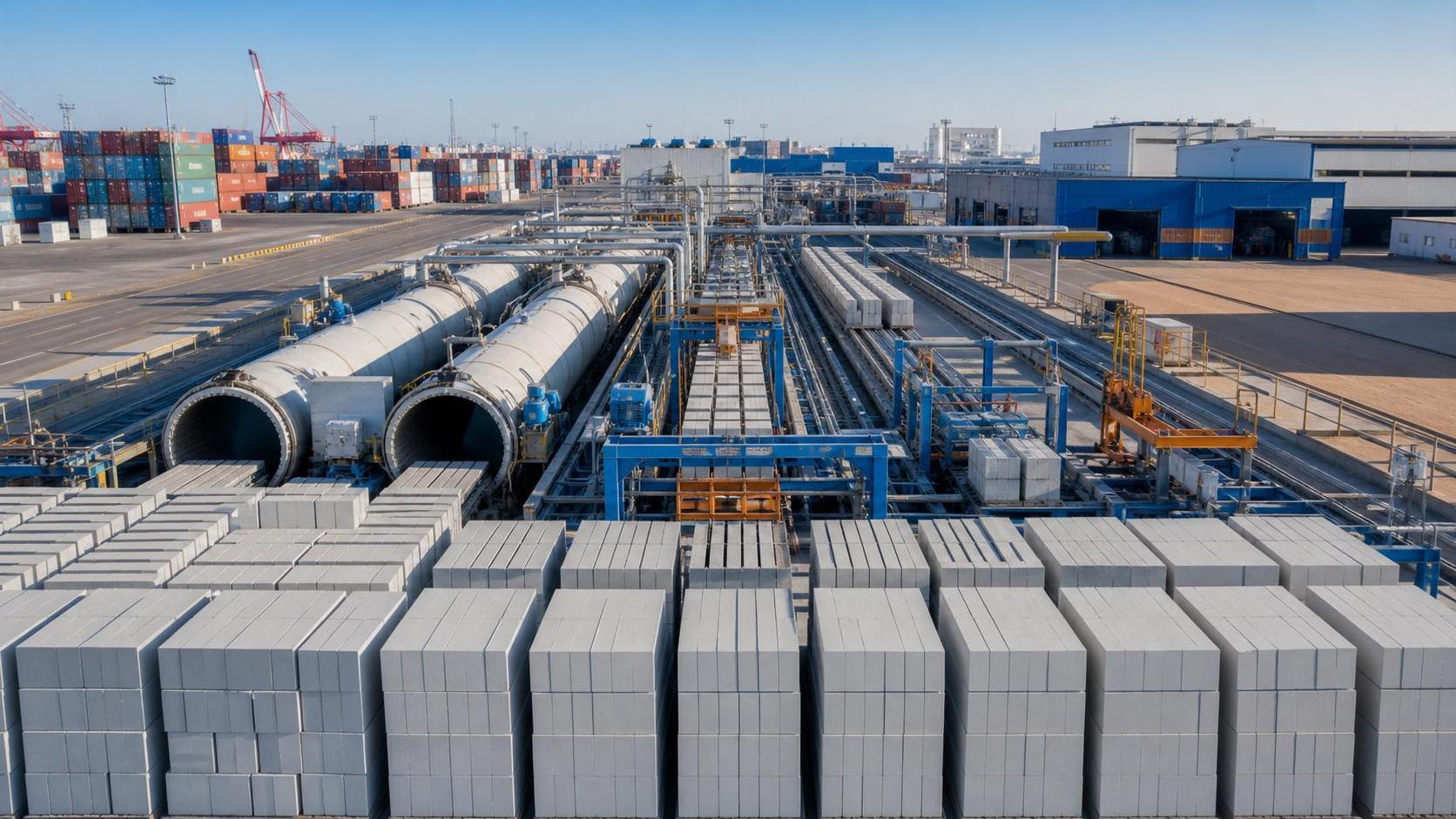
In many autoclaved aerated concrete USA projects, the autoclave section deserves the closest review. It is the most visible thermal bottleneck, and it also has a direct effect on maintenance planning. A supplier should be able to explain pressure control, thermal uniformity, safety interlocks, and service access in plain engineering terms.
Automation level also deserves careful thought. Full automation can lower labor dependence, but it only pays off if upstream and downstream equipment are equally stable. Partial automation may fit a phased project better when capacity is expected to expand in stages.
How to judge supplier fit without relying on slogans
Many suppliers describe their line as efficient or advanced, but autoclaved aerated concrete USA sourcing needs harder evidence. Reference projects, process drawings, commissioning scope, and spare-parts support matter more than polished presentations.
A strong supplier should clarify what is included in the engineering package, how raw materials are tested before final design, and what kind of operator training is provided. It should also explain whether the line supports blocks only, panels only, or a mixed product strategy. That distinction affects mold inventory, cutting equipment, and warehouse planning.
Business value comes from operating discipline
A well-selected plant only creates value when it is operated with discipline. In autoclaved aerated concrete USA production, that means monitoring slurry consistency, controlling cutting losses, tracking steam demand, and keeping preventive maintenance on schedule. Small deviations can become costly when the line runs at scale.
It also means thinking beyond the initial capital budget. Energy use, labor structure, consumables, and unplanned downtime often define the real return. A lower-priced line that struggles with curing stability or spare-parts support can become more expensive than a better-configured system over time.
For that reason, autoclaved aerated concrete USA projects are best evaluated with a life-cycle view. Capacity is important, but so are maintainability, flexibility, and compliance readiness. A plant that fits current demand and still leaves room for phased expansion is usually the safer commercial choice.
A practical way to move forward
The next step is to translate the project into measurable procurement criteria. Define target output, product format, available raw materials, energy assumptions, and site constraints. Then compare plant proposals on the same basis instead of treating every quotation as if it were built for the same job.
That approach makes autoclaved aerated concrete USA sourcing much clearer. It reduces technical surprises, exposes weak assumptions early, and helps separate real engineering capability from general sales claims. In a sector shaped by carbon pressure and tighter construction standards, that clarity is often the difference between a workable project and a difficult one.
If the plan is still open, focus on three checks first: raw material suitability, autoclave and curing design, and after-sales support. Once those are aligned, the rest of the plant specification becomes much easier to judge.
Related News
- When does heavy building material equipment make sense for AAC block plants?Author :Masonry Automation Architect

- What Determines the ROI of AAC Block Equipment in a New Plant Setup?Author :Masonry Automation Architect

- CBP Requires LCA Declarations for Imported AAC LinesAuthor :Masonry Automation Architect

- AAC Block Manufacturing Cost Breakdown and Line Selection GuideAuthor :Masonry Automation Architect

- Vietnam sets Q3 filing deadline for AAC plant IoT modulesAuthor :Masonry Automation Architect

- Vietnam Rule Adds IoT Module to AAC Plant ImportsAuthor :Masonry Automation Architect

- Vietnam Opens Fast-Track VIEP Review for AAC PlantsAuthor :Masonry Automation Architect

- Vietnam Requires VIEP Certification for Imported AAC Block PlantsAuthor :Masonry Automation Architect

- AAC Block Equipment: Common Selection Mistakes That Raise Operating CostsAuthor :Masonry Automation Architect
![]()
- Steam Curing AAC: How It Affects Strength, Cycle Time, and Energy UseAuthor :Masonry Automation Architect
![]()
- AAC Block Production Line Cost Drivers and Output BenchmarksAuthor :Masonry Automation Architect

- Vietnam Enforces 28.3% Temporary Duty on China Block EquipmentAuthor :Masonry Automation Architect

- Vietnam Imposes Temporary AD Duty on Chinese Block MachineryAuthor :Masonry Automation Architect

- Autoclaved aerated concrete USA: plant selection guideAuthor :Masonry Automation Architect

- AAC Block Production Cost Breakdown: What Impacts Plant ProfitabilityAuthor :Masonry Automation Architect

- Anhui Conch Cement Buyout Sharpens EPC Export ReadinessAuthor :Masonry Automation Architect

- Indonesia Tariff on Chinese Polypropylene Raises AAC Input CostsAuthor :Masonry Automation Architect

- India’s Parboiled Rice Duty Pressures AAC Raw Material CostsAuthor :Masonry Automation Architect

- Middle East AAC Rules Lift China Plant Exports 41%Author :Masonry Automation Architect

- Vietnam Requires ESG Labels for Imported Green Building MaterialsAuthor :Masonry Automation Architect

- Insulated Prefabricated Wall Materials: Key Performance Checks Before Specifying a SystemAuthor :Masonry Automation Architect

- AAC Block Plant Equipment Checklist Before Final SelectionAuthor :Masonry Automation Architect

- China Building Materials Hits Carbon PeakAuthor :Masonry Automation Architect

- Fly Ash AAC Blocks: Key Cost Drivers, Strength Limits, and Best-Fit Building ApplicationsAuthor :Masonry Automation Architect

- Autoclaved AAC Block System: Key Factors for Plant SelectionAuthor :Masonry Automation Architect

- AAC Block Factory Setup: Key Line Choices and Capacity Trade-OffsAuthor :Masonry Automation Architect

- NHTSA Proposes Ending Light-Vehicle Fuel Economy Credit Trading by 2028Author :Masonry Automation Architect

- Jiangsu Launches First Fully Electric AAC Autoclave LineAuthor :Masonry Automation Architect

- AAC Block Production: Output, Steam Use, and Payback BasicsAuthor :Masonry Automation Architect

- AAC Block Production Problems Caused by Poor Curing ControlAuthor :Masonry Automation Architect