



Search News
Industry Portal
Popular Tags
All categories
China Building Materials Hits Carbon Peak




On December 31, 2025, the latest industry update signaled more than a performance milestone for China’s building materials sector: it also pointed to a clearer compliance and market-access pathway for green building materials in cross-border trade. With sector-wide carbon peaking now reported and selected products moving through a dual-certification route combining China Green Building Materials Certification and EU EPD recognition dialogue, exporters, manufacturers, buyers, certification teams, and supply-chain service providers all have reason to watch how documentation, product claims, procurement criteria, and customs-facing compliance practices may evolve.
A verified shift in carbon and certification positioning
According to the latest notice cited from the China Building Materials Federation, by the end of 2025 China’s building materials industry had achieved an overall carbon peak. The same notice states that CO₂ emissions per unit of value added fell by 25.3% compared with 2020, and revenue from green building materials products exceeded 250 billion yuan.
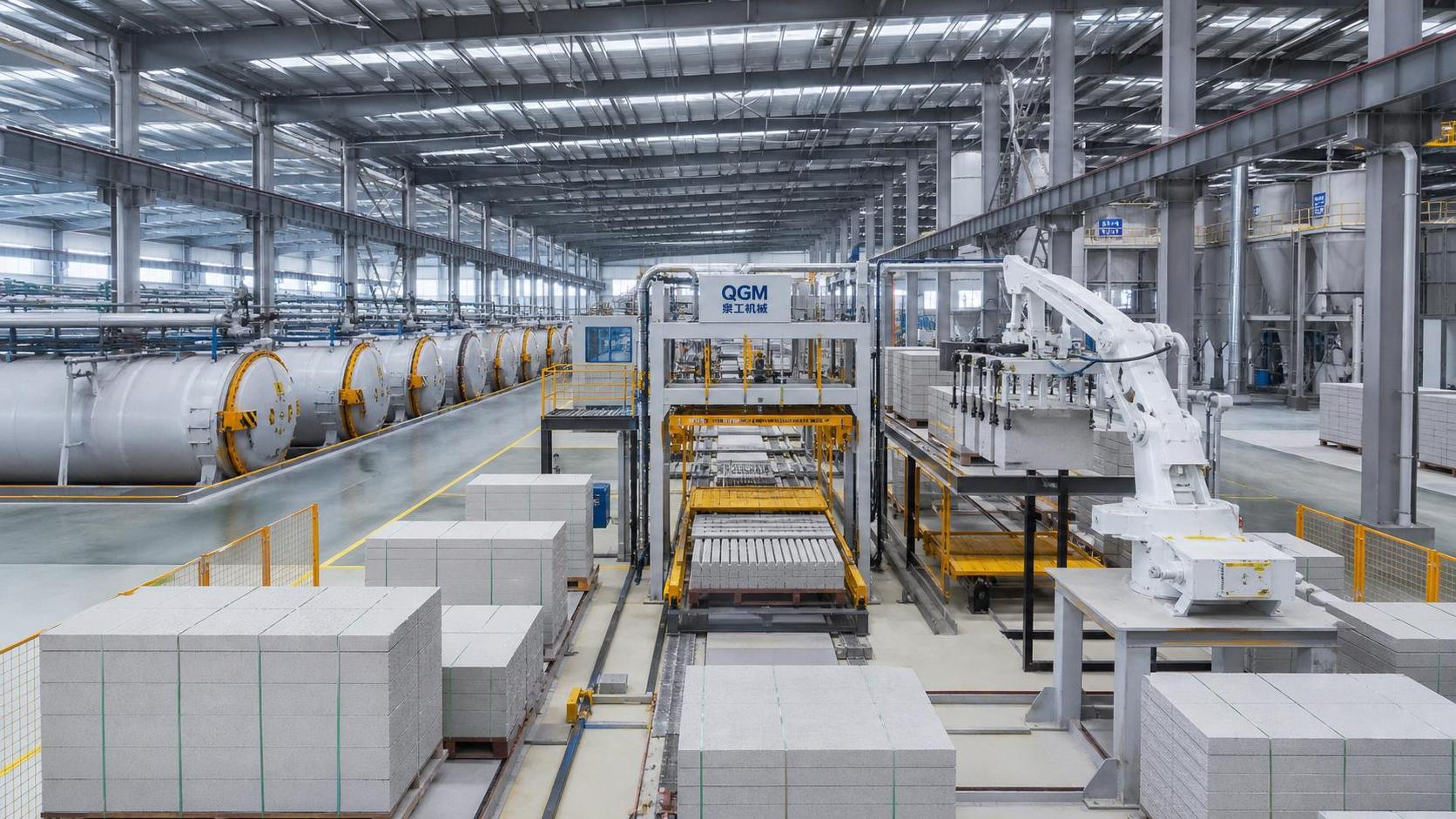
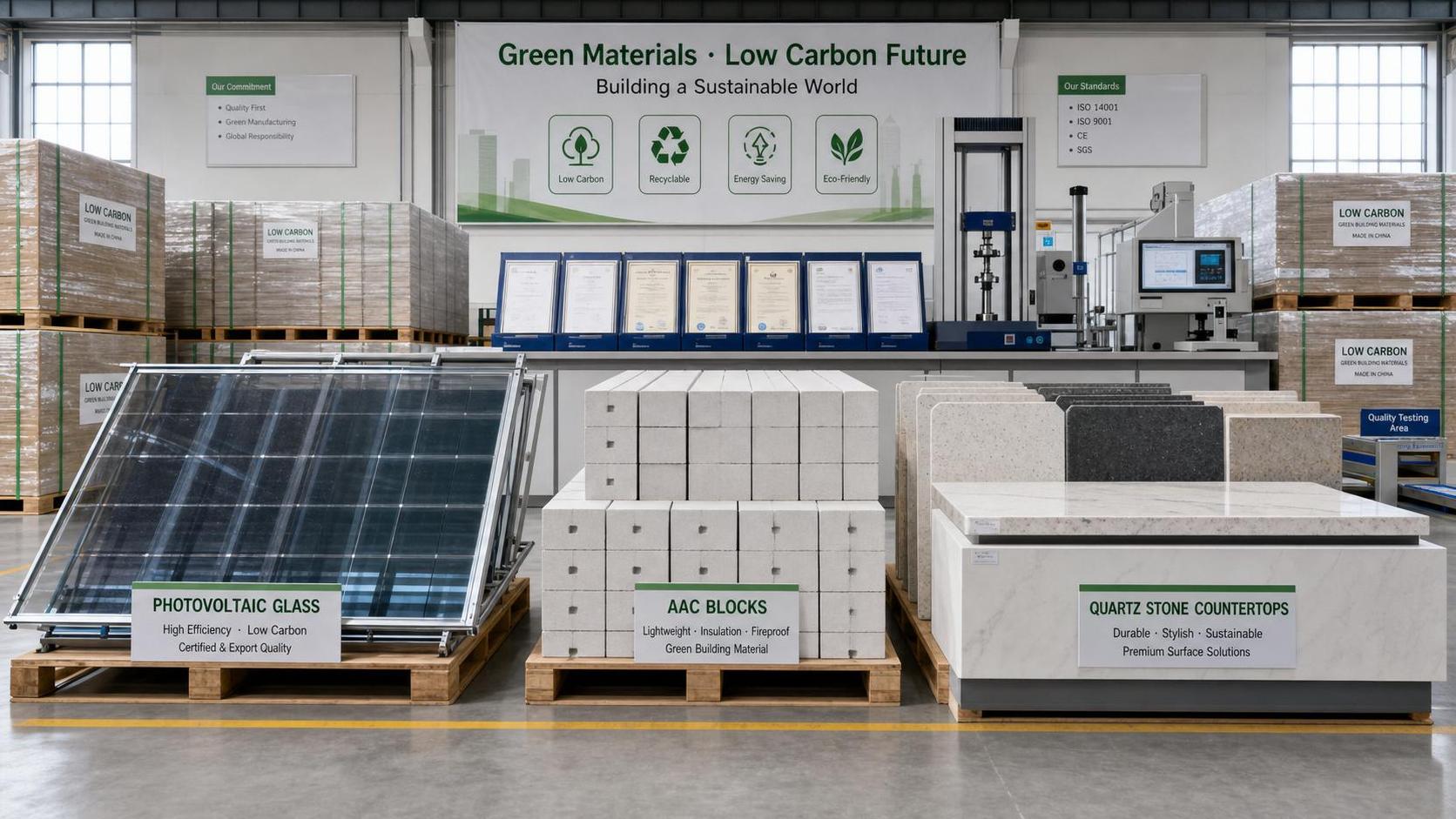
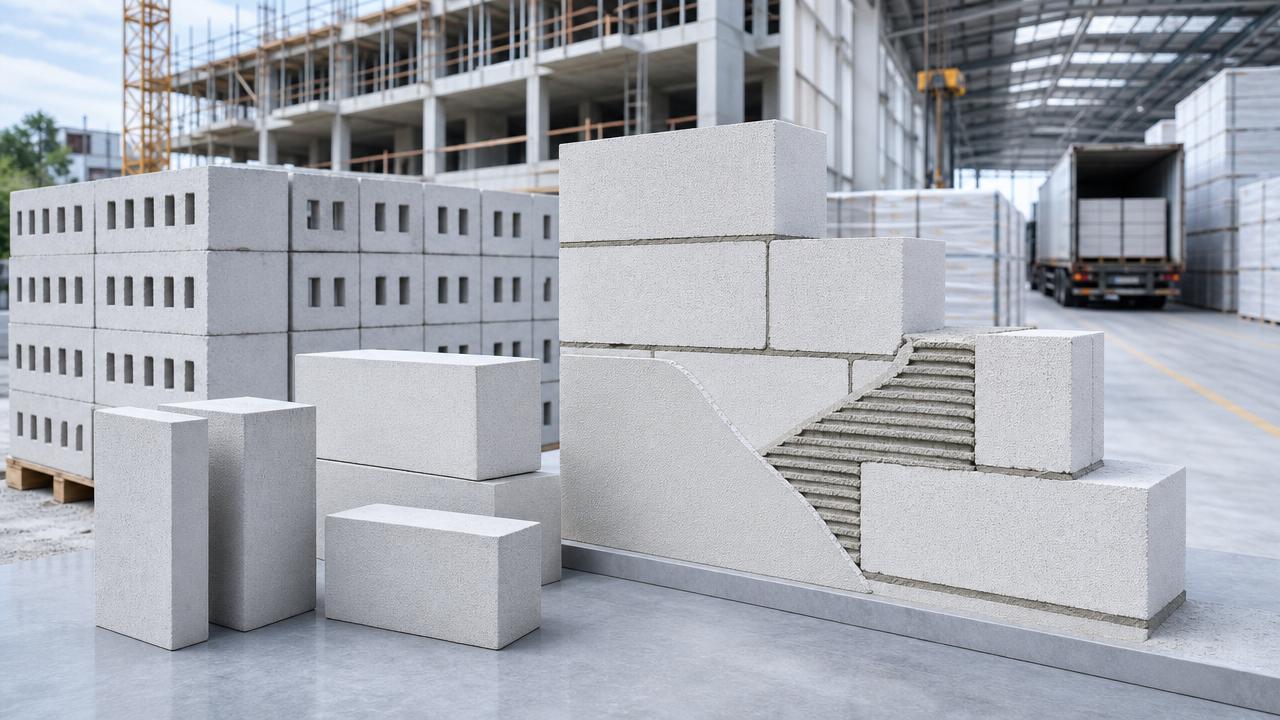
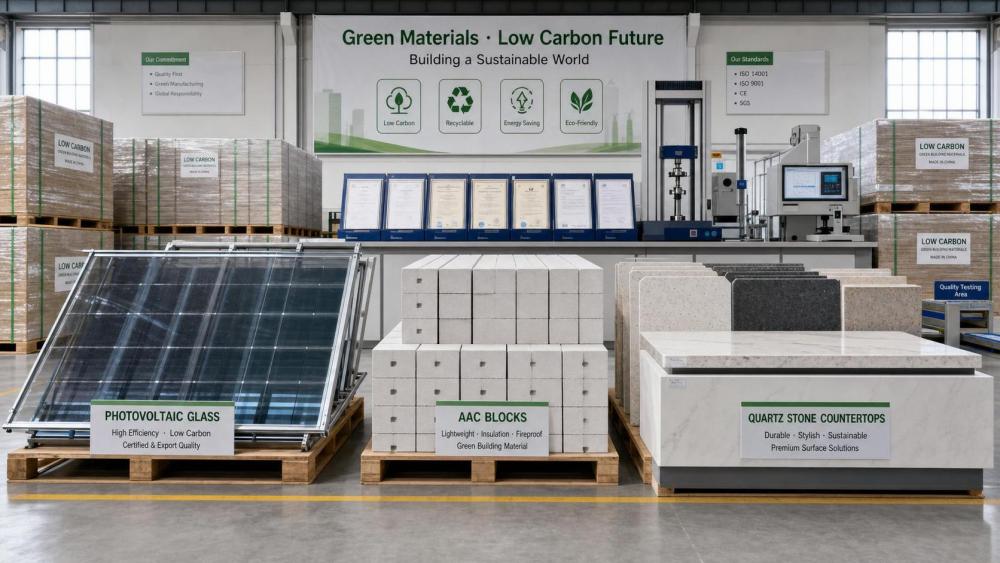
The reported outcome has also been incorporated into the mutual-recognition dialogue mechanism under the China-EU Green Partnership framework. In the information provided, photovoltaic glass, AAC blocks, and quartz stone countertops are among the products using a dual-certification route based on China Green Building Materials Certification and EU EPD to improve customs clearance efficiency and pricing room.
Where business processes may start to change
Export-facing product lines may see documentation become more commercially relevant
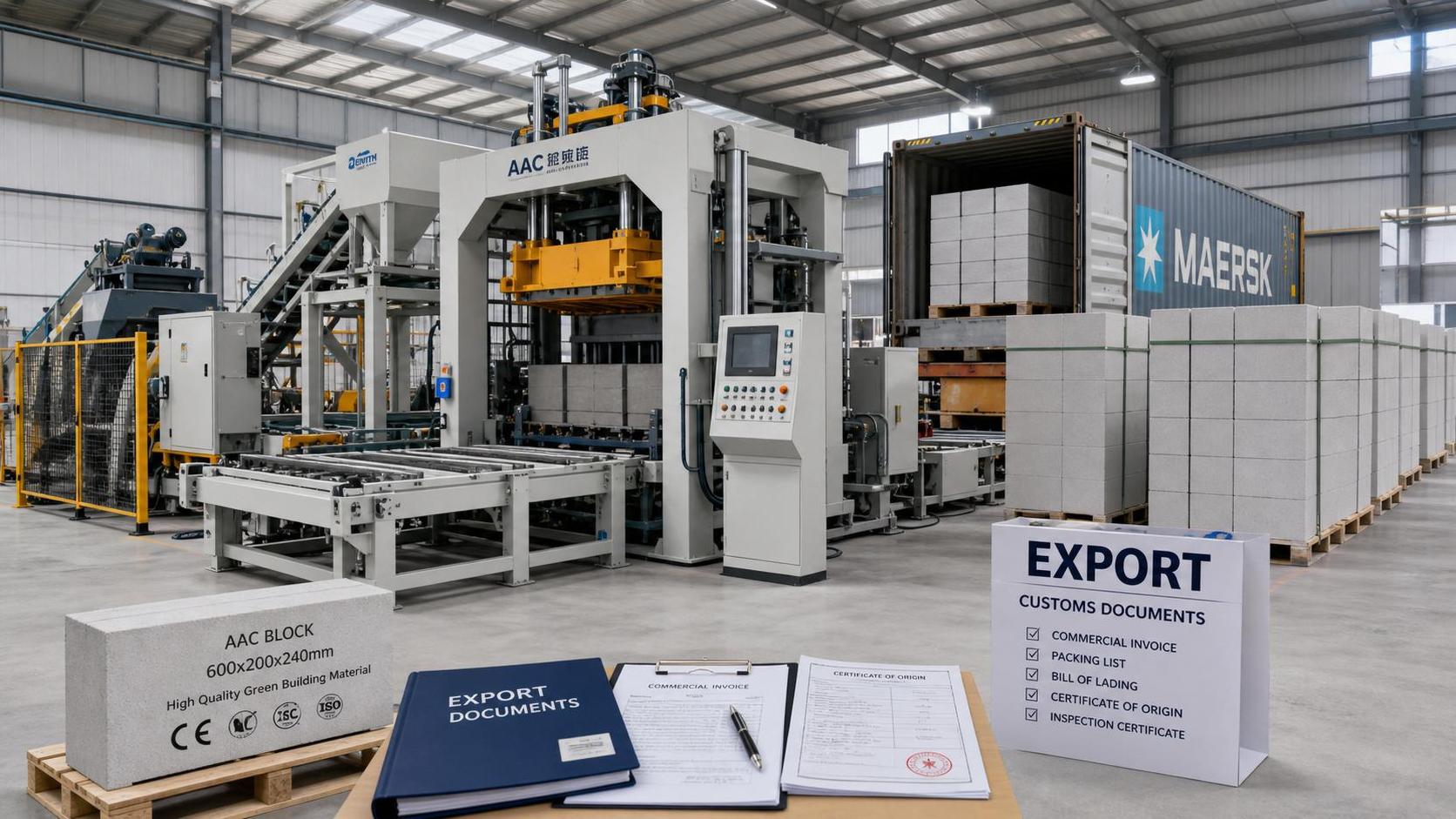
From an industry perspective, exporters of the product categories mentioned in the update may be affected first because the reported dual-certification path is tied directly to customs efficiency and pricing potential. The practical impact is likely to appear in product files, certification readiness, technical declarations, and the consistency of supporting documents used in export transactions. What deserves closer attention is whether buyers and intermediaries begin treating certification alignment not just as a branding element, but as part of transaction execution.
Manufacturers may need tighter coordination between production claims and certification evidence
For processing and manufacturing companies, the signal is not only about emissions performance at the industry level. Analysis shows that once certification routes become more visible in trade dialogue, internal alignment across production data, testing materials, specification sheets, and external product claims may matter more. The businesses most exposed are those selling into projects or channels where green attributes influence acceptance, qualification review, or quote comparison.
Procurement and channel participants may revisit supplier screening criteria
Buyers, distributors, and channel operators may also be affected because the update links green certification more closely with trade efficiency and premium positioning. Observably, this can influence supplier qualification reviews, tender documentation, requested supporting certificates, and decisions on whether a product is easier to place in a compliance-sensitive project pipeline. The key change to monitor is not a confirmed universal rule change, but a possible rise in the commercial value of recognized certification combinations.
Certification and testing service providers may face more demand for cross-system alignment
For certification-related businesses and testing service institutions, the development points to increased attention on how domestic green product certification materials correspond to EU-facing environmental product declarations. Analysis shows that service demand may shift toward document completeness, audit traceability, report usability, and consistency across different compliance contexts, especially where exporters want to reduce friction in customs or customer review.
What companies should watch now
Check whether certification files support both domestic and export use
Companies with relevant product lines should review whether existing certification materials, technical files, and product descriptions are consistent enough for both domestic communication and export-facing use. The information provided confirms the importance of the dual-certification route, but it does not provide detailed execution rules, so firms should avoid assuming uniform acceptance conditions without further verification.
Track how official wording and market practice develop
It is more appropriate to understand this update as a meaningful execution signal rather than a fully detailed rulebook. Businesses should therefore follow later official wording, market-facing interpretations, and any changes in procurement or tender language that refer to green building materials, certification status, or environmental declarations.
Focus on the product categories already named in the update
The most immediate attention is likely to fall on photovoltaic glass, AAC blocks, and quartz stone countertops, because these are the categories explicitly mentioned in the provided information. Exporters and suppliers in these lines should pay particular attention to how certificates, testing reports, technical specifications, and supporting declarations are presented during customer review, customs preparation, and delivery coordination.
Prepare for closer scrutiny of traceability and after-delivery claims
Where green credentials are linked to pricing room or clearance efficiency, companies may also need stronger traceability across batches, specifications, and delivered products. Observably, this does not confirm a new mandatory rule in itself, but it does suggest that unsupported environmental claims or inconsistent paperwork could become a more visible commercial risk.
Why this looks like an execution signal, not the final word
Analysis shows that the significance of this development lies less in a new single regulation being announced and more in the fact that carbon-performance results, certification pathways, and international dialogue are appearing in the same policy and trade narrative. That combination matters because it can influence how market participants interpret acceptable proof, competitive differentiation, and buyer confidence.
At the same time, this remains a development that still requires observation. The provided information confirms inclusion in a mutual-recognition dialogue mechanism and highlights a dual-certification route, but it does not define detailed implementation standards, transaction-level requirements, or a uniform enforcement timetable. For that reason, the market still needs to watch how certification language is used in tenders, customer approvals, customs practice, and supplier qualification.
How the market may best read this development
A neutral reading is that China’s building materials sector has moved into a stage where carbon performance and green certification are becoming more closely connected to export execution and product positioning. The update is therefore best understood as a concrete sign of rule-related market alignment already taking shape, while many practical details still depend on follow-up interpretation, certification practice, and commercial adoption. For industry participants, the immediate task is not to overstate the outcome, but to monitor where compliance documents and recognized environmental credentials begin to influence real transactions.
Basis of this article and what still needs verification
This article is generated from the user-provided news title, event date, and event summary. For developments of this kind, the source types typically relevant include official announcements, releases from regulatory authorities, customs or trade-administration information, industry association notices, standards documentation, certification materials, and reporting by authoritative media. No specific official source link was provided in the input, so the precise official link remains unconfirmed and should be checked on an ongoing basis.
Further observation is still needed on detailed policy interpretation, certification implementation language, possible changes in tender documents, market feedback, and how companies apply these requirements in actual export, procurement, and delivery processes.
Related News
- When does heavy building material equipment make sense for AAC block plants?Author :Masonry Automation Architect

- What Determines the ROI of AAC Block Equipment in a New Plant Setup?Author :Masonry Automation Architect

- CBP Requires LCA Declarations for Imported AAC LinesAuthor :Masonry Automation Architect

- AAC Block Manufacturing Cost Breakdown and Line Selection GuideAuthor :Masonry Automation Architect

- Vietnam sets Q3 filing deadline for AAC plant IoT modulesAuthor :Masonry Automation Architect

- Vietnam Rule Adds IoT Module to AAC Plant ImportsAuthor :Masonry Automation Architect

- Vietnam Opens Fast-Track VIEP Review for AAC PlantsAuthor :Masonry Automation Architect

- Vietnam Requires VIEP Certification for Imported AAC Block PlantsAuthor :Masonry Automation Architect

- AAC Block Equipment: Common Selection Mistakes That Raise Operating CostsAuthor :Masonry Automation Architect
![]()
- Steam Curing AAC: How It Affects Strength, Cycle Time, and Energy UseAuthor :Masonry Automation Architect
![]()
- AAC Block Production Line Cost Drivers and Output BenchmarksAuthor :Masonry Automation Architect

- Vietnam Enforces 28.3% Temporary Duty on China Block EquipmentAuthor :Masonry Automation Architect

- Vietnam Imposes Temporary AD Duty on Chinese Block MachineryAuthor :Masonry Automation Architect

- Autoclaved aerated concrete USA: plant selection guideAuthor :Masonry Automation Architect

- AAC Block Production Cost Breakdown: What Impacts Plant ProfitabilityAuthor :Masonry Automation Architect

- Anhui Conch Cement Buyout Sharpens EPC Export ReadinessAuthor :Masonry Automation Architect

- Indonesia Tariff on Chinese Polypropylene Raises AAC Input CostsAuthor :Masonry Automation Architect

- India’s Parboiled Rice Duty Pressures AAC Raw Material CostsAuthor :Masonry Automation Architect

- Middle East AAC Rules Lift China Plant Exports 41%Author :Masonry Automation Architect

- Vietnam Requires ESG Labels for Imported Green Building MaterialsAuthor :Masonry Automation Architect

- Insulated Prefabricated Wall Materials: Key Performance Checks Before Specifying a SystemAuthor :Masonry Automation Architect

- AAC Block Plant Equipment Checklist Before Final SelectionAuthor :Masonry Automation Architect

- China Building Materials Hits Carbon PeakAuthor :Masonry Automation Architect

- Fly Ash AAC Blocks: Key Cost Drivers, Strength Limits, and Best-Fit Building ApplicationsAuthor :Masonry Automation Architect

- Autoclaved AAC Block System: Key Factors for Plant SelectionAuthor :Masonry Automation Architect

- AAC Block Factory Setup: Key Line Choices and Capacity Trade-OffsAuthor :Masonry Automation Architect

- NHTSA Proposes Ending Light-Vehicle Fuel Economy Credit Trading by 2028Author :Masonry Automation Architect

- Jiangsu Launches First Fully Electric AAC Autoclave LineAuthor :Masonry Automation Architect

- AAC Block Production: Output, Steam Use, and Payback BasicsAuthor :Masonry Automation Architect

- AAC Block Production Problems Caused by Poor Curing ControlAuthor :Masonry Automation Architect