



Search News
Industry Portal
Popular Tags
All categories
Anhui Conch Cement Buyout Sharpens EPC Export Readiness




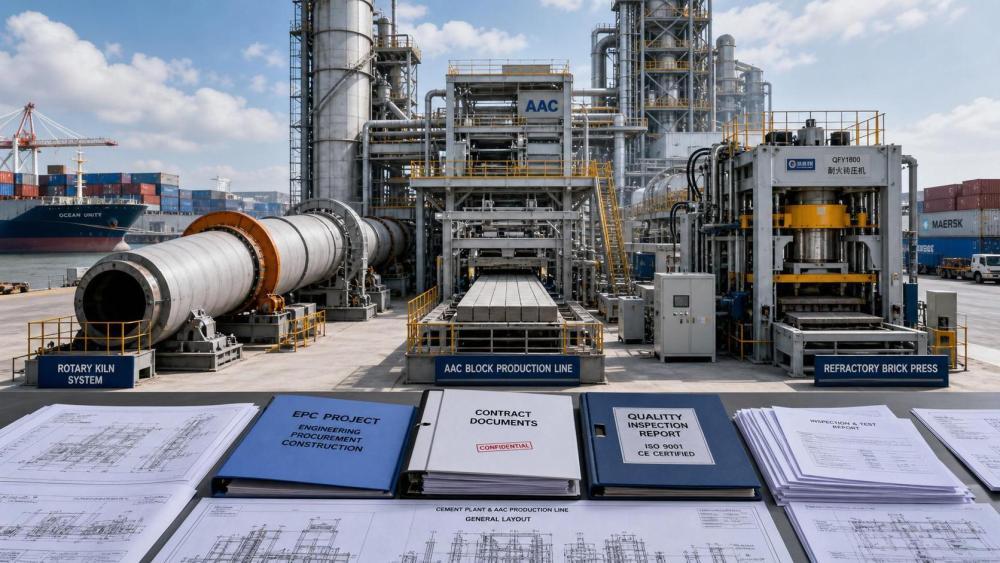
On June 24, 2026, Anhui Conch Cement disclosed that it would acquire 100% of Conch Design Institute for RMB 561.6 million. The transaction matters beyond corporate restructuring because it points to a practical shift in how engineering qualifications, EPC responsiveness, and localized service capacity may increasingly shape export execution for complete industrial systems. For suppliers, exporters, buyers, certification-related firms, and after-sales service providers linked to AAC Block Plants, Rotary Kiln Systems, and Refractory Brick Presses, the more immediate issue is not only ownership change, but how integrated design and contracting capability can affect compliance review, tender alignment, documentation readiness, and delivery coordination in overseas projects.
What the June 24 disclosure confirms
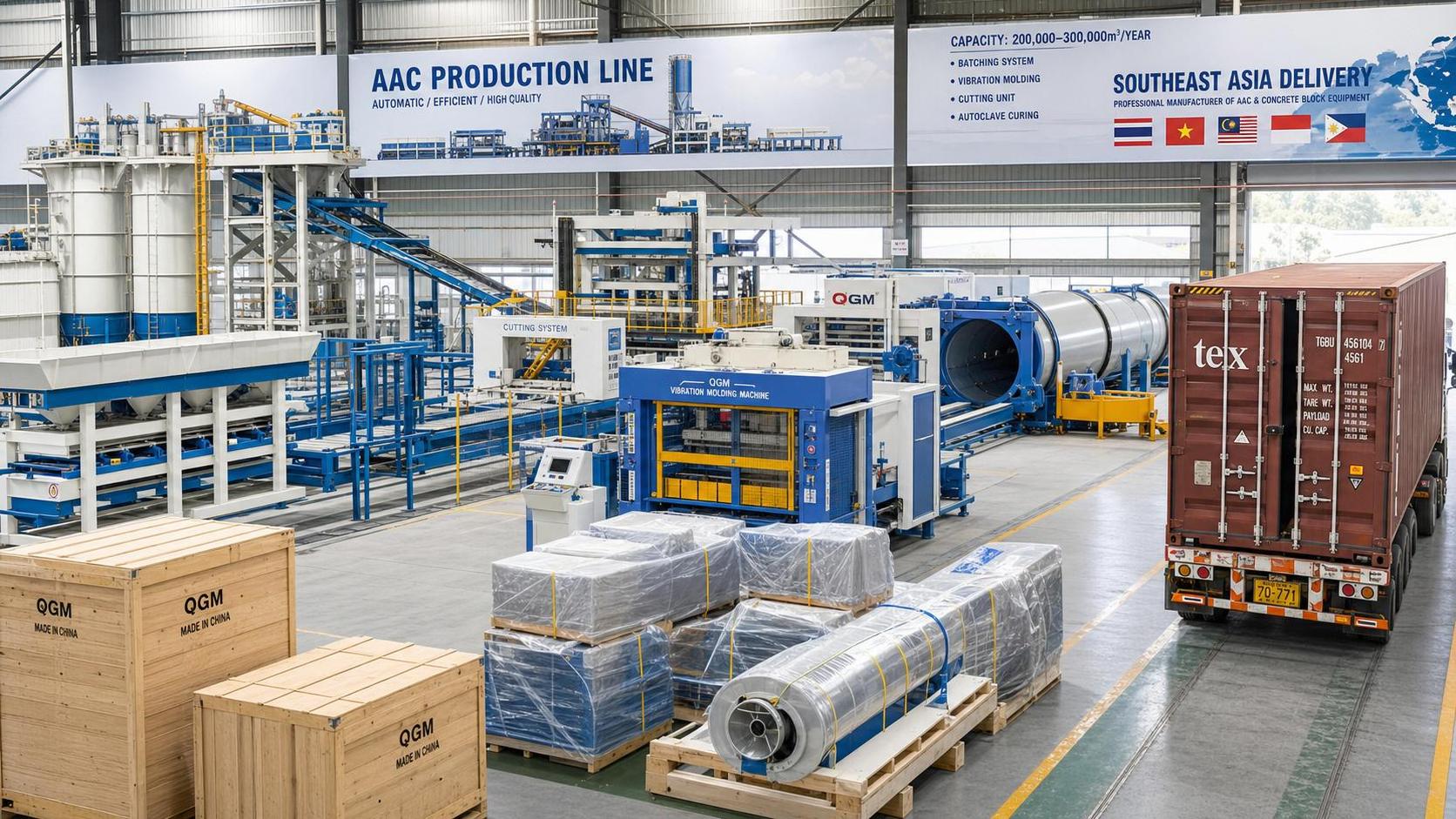
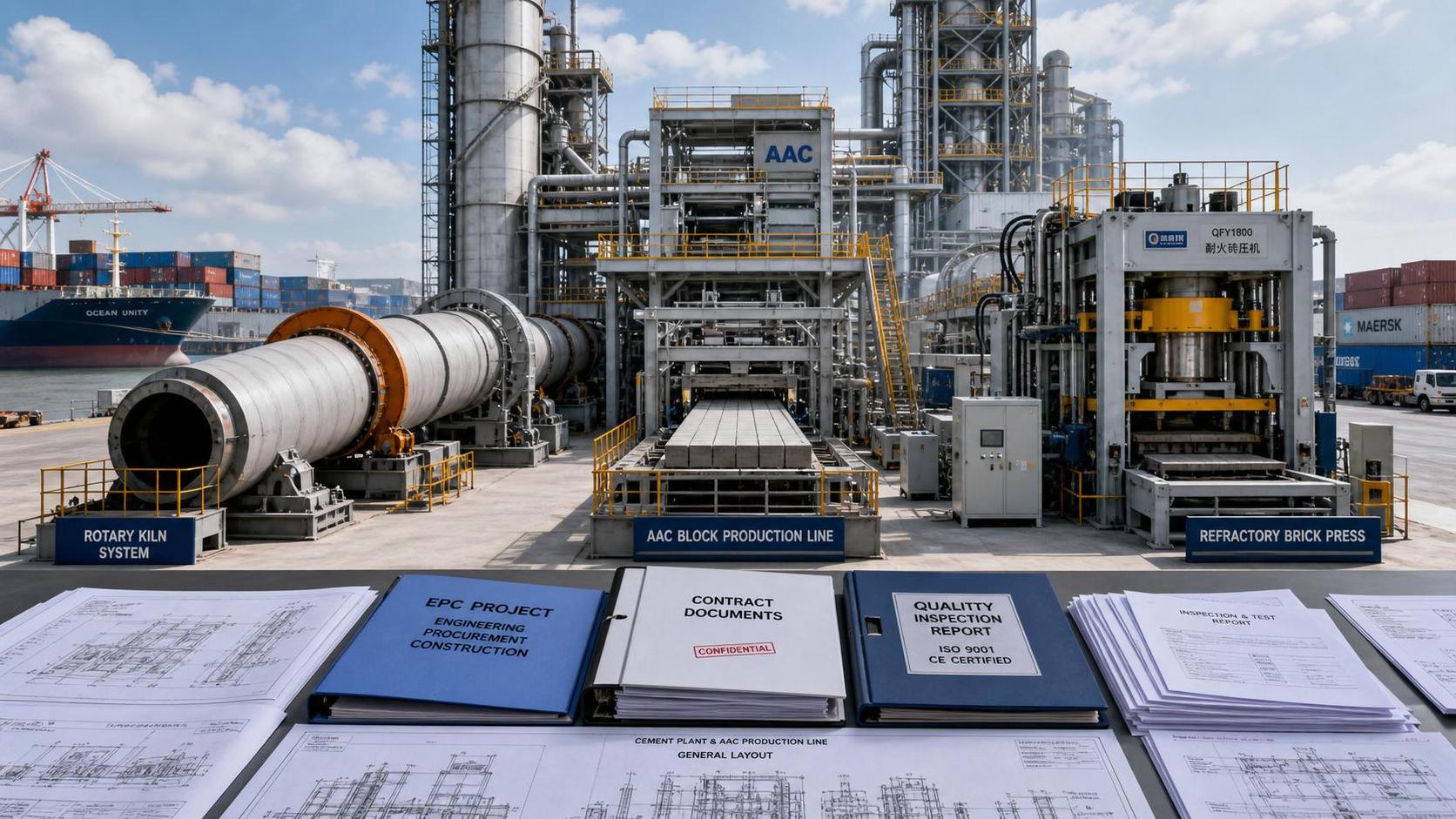
According to the disclosed information, Anhui Conch Cement (00914.HK) announced on June 24, 2026 that it would purchase 100% equity in Conch Design Institute for RMB 561.6 million. The institute is described as a national high-tech enterprise with Class A design qualification for the building materials industry. Its stated business focus covers cement engineering, new building materials production lines, new energy power generation, and ecological and environmental protection EPC contracting. The disclosed summary also states that the integration is intended to improve EPC response efficiency and localized service capability for exports of complete systems, including AAC Block Plants, Rotary Kiln Systems, and Refractory Brick Presses, to Southeast Asia, the Middle East, and Africa.
Why export execution and compliance workflows may feel the change first
For equipment exporters, integrated capability may raise documentation expectations
Analysis shows that when design qualification and EPC capability are brought closer into one operating chain, export projects may face tighter expectations around technical consistency between bid documents, engineering drawings, equipment specifications, and delivery files. Companies participating in overseas system exports should pay closer attention to whether qualification statements, technical schedules, acceptance criteria, and scope descriptions remain fully aligned across commercial and engineering documents.
For project buyers, procurement review may move beyond price and lead time
From an industry perspective, buyers of complete lines and plant systems may increasingly evaluate whether suppliers can support localized engineering response in addition to equipment supply. This may affect procurement review at the stages of tender clarification, interface definition, installation support, commissioning preparation, and after-sales coordination. What deserves closer attention is whether project documentation and supplier qualification packages become more central in bid comparison and contract execution.
For supply-chain and service firms, handover responsibility may become more visible
Observably, logistics providers, installation partners, testing-related firms, and after-sales service teams may be affected if EPC response and local service become more integrated in project delivery. The business impact is likely to appear in shipment batching, site handover files, technical document control, spare-parts readiness, and quality traceability. Firms working around exported industrial systems should therefore watch for changes in document requests, interface schedules, and service responsibility boundaries.
For certification-related and inspection-support businesses, timing may matter more
Analysis shows that where complete systems are exported with stronger engineering integration, certification review, conformity documentation, testing records, and technical file preparation may need to be synchronized earlier with project execution. The disclosed information does not provide specific certification pathways, so this should not be treated as a confirmed rule change. Still, companies in inspection and compliance support should monitor whether buyer-side requirements or tender documents begin to place more weight on integrated engineering credentials and traceable technical submissions.
What companies should watch in current project practice
Track how qualification language appears in future tenders
What deserves closer attention is whether future bid documents, technical appendices, or supplier prequalification materials place greater emphasis on design capability, EPC response, or localized service arrangements. Since no new formal rule text is provided in the disclosed information, companies should treat this as an execution signal to monitor rather than a finalized regulatory requirement.
Review the completeness of technical and trade documents
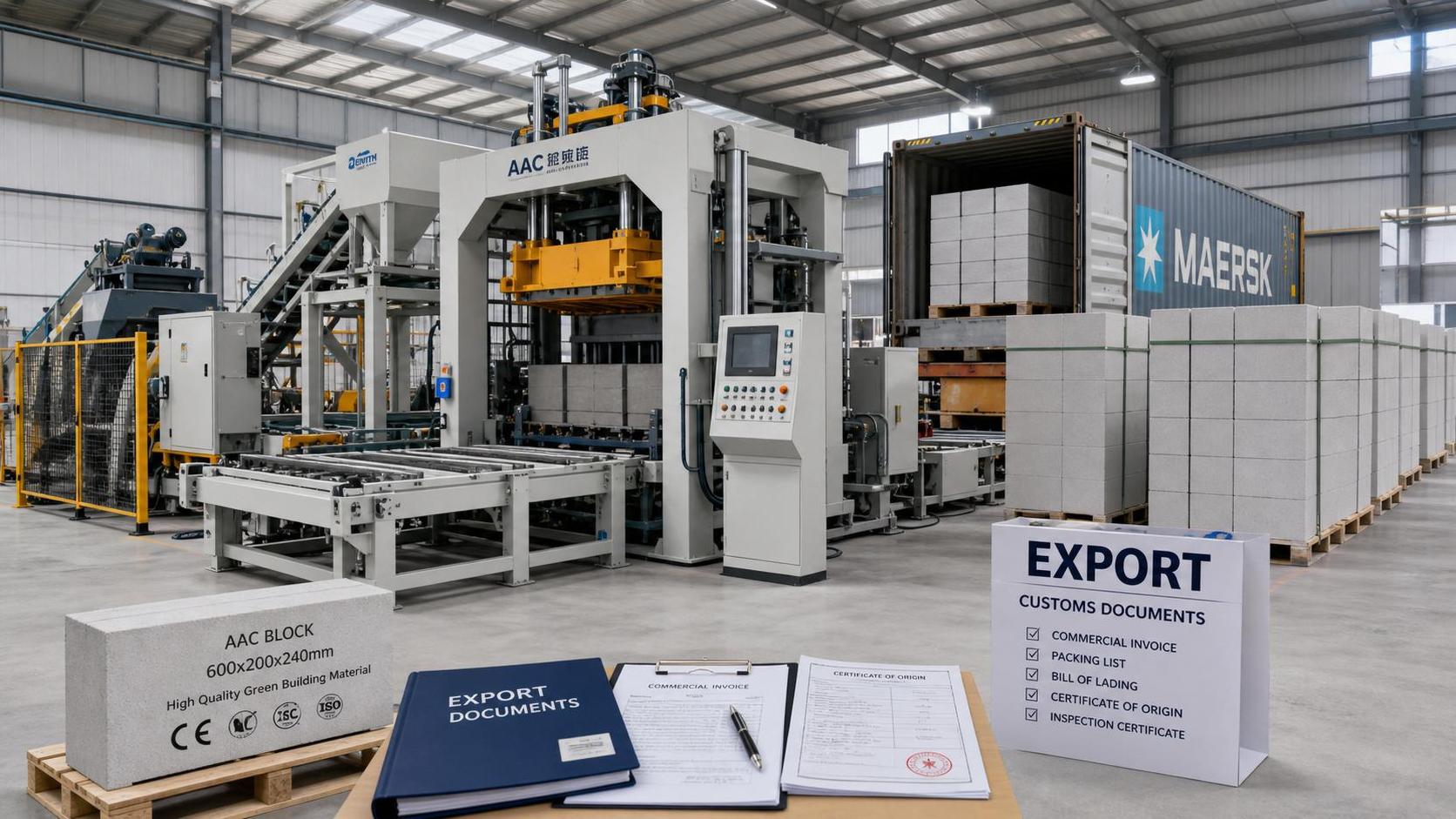
Exporters and suppliers involved in AAC Block Plants, Rotary Kiln Systems, and Refractory Brick Presses should review whether their technical descriptions, product specifications, inspection records, packing lists, contract attachments, and after-sales commitments are internally consistent. Analysis shows that stronger integration between engineering and export delivery can expose gaps more quickly when project files are fragmented.
Recheck supplier qualification and subcontract coordination
For firms serving overseas EPC projects, supplier qualification files and subcontract handover arrangements may require closer review. This is especially relevant where design input, equipment manufacturing, installation support, and environmental or power-related interfaces must be coordinated under one delivery schedule. The currently available information does not confirm any mandatory new format, but it does indicate that capability integration may become more commercially important.
Prepare for closer scrutiny of service and traceability commitments
Observably, localized service capacity often affects how buyers assess delivery risk, defect response, and lifecycle support. Companies should therefore pay attention to whether project counterparties request clearer statements on service coverage, technical support scope, quality traceability, and post-delivery responsibility. At this stage, that is best understood as a practical compliance and execution concern rather than a confirmed new regulation.
How this development is best understood at this stage
Analysis shows that this disclosure is more useful as an execution signal than as evidence of a newly published rule. The confirmed facts relate to an acquisition, the target's qualification profile, and the stated goal of improving EPC response efficiency and localized service for overseas markets. From an industry perspective, the significance lies in how export competitiveness in complete industrial systems may increasingly depend on the combination of engineering qualification, document control, project responsiveness, and service localization. Whether this later translates into clearer procurement rules, certification expectations, or tender wording still requires observation.
A measured reading for the market
It is more appropriate to understand this event as a concrete sign that engineering capability and export delivery are being linked more tightly in market practice. The current information does not prove a formal regulatory overhaul, nor does it establish a uniform standard across all markets. However, it does suggest that companies participating in overseas plant and system delivery should pay closer attention to qualification presentation, technical file readiness, service commitments, and contract execution discipline. The near-term value of this development lies in its practical implications for trade and project delivery, while the broader rule impact remains something the market should continue to watch.
Basis of this article and what still needs verification
This article is generated from the user-provided news title, event date, and event summary. Source types commonly relevant to developments of this kind may include official company disclosures, regulatory releases, customs or trade authority information, industry association materials, standard-setting documents, and reporting by established business media. A specific official source link was not provided in the input, so further verification remains necessary. Observably, the next points worth tracking include any later policy detail, certification interpretation, tender document changes, industry feedback, and actual execution practices by participating companies.
Related News
- When does heavy building material equipment make sense for AAC block plants?Author :Masonry Automation Architect

- What Determines the ROI of AAC Block Equipment in a New Plant Setup?Author :Masonry Automation Architect

- CBP Requires LCA Declarations for Imported AAC LinesAuthor :Masonry Automation Architect

- AAC Block Manufacturing Cost Breakdown and Line Selection GuideAuthor :Masonry Automation Architect

- Vietnam sets Q3 filing deadline for AAC plant IoT modulesAuthor :Masonry Automation Architect

- Vietnam Rule Adds IoT Module to AAC Plant ImportsAuthor :Masonry Automation Architect

- Vietnam Opens Fast-Track VIEP Review for AAC PlantsAuthor :Masonry Automation Architect

- Vietnam Requires VIEP Certification for Imported AAC Block PlantsAuthor :Masonry Automation Architect

- AAC Block Equipment: Common Selection Mistakes That Raise Operating CostsAuthor :Masonry Automation Architect
![]()
- Steam Curing AAC: How It Affects Strength, Cycle Time, and Energy UseAuthor :Masonry Automation Architect
![]()
- AAC Block Production Line Cost Drivers and Output BenchmarksAuthor :Masonry Automation Architect

- Vietnam Enforces 28.3% Temporary Duty on China Block EquipmentAuthor :Masonry Automation Architect

- Vietnam Imposes Temporary AD Duty on Chinese Block MachineryAuthor :Masonry Automation Architect

- Autoclaved aerated concrete USA: plant selection guideAuthor :Masonry Automation Architect

- AAC Block Production Cost Breakdown: What Impacts Plant ProfitabilityAuthor :Masonry Automation Architect

- Anhui Conch Cement Buyout Sharpens EPC Export ReadinessAuthor :Masonry Automation Architect

- Indonesia Tariff on Chinese Polypropylene Raises AAC Input CostsAuthor :Masonry Automation Architect

- India’s Parboiled Rice Duty Pressures AAC Raw Material CostsAuthor :Masonry Automation Architect

- Middle East AAC Rules Lift China Plant Exports 41%Author :Masonry Automation Architect

- Vietnam Requires ESG Labels for Imported Green Building MaterialsAuthor :Masonry Automation Architect

- Insulated Prefabricated Wall Materials: Key Performance Checks Before Specifying a SystemAuthor :Masonry Automation Architect

- AAC Block Plant Equipment Checklist Before Final SelectionAuthor :Masonry Automation Architect

- China Building Materials Hits Carbon PeakAuthor :Masonry Automation Architect

- Fly Ash AAC Blocks: Key Cost Drivers, Strength Limits, and Best-Fit Building ApplicationsAuthor :Masonry Automation Architect

- Autoclaved AAC Block System: Key Factors for Plant SelectionAuthor :Masonry Automation Architect

- AAC Block Factory Setup: Key Line Choices and Capacity Trade-OffsAuthor :Masonry Automation Architect

- NHTSA Proposes Ending Light-Vehicle Fuel Economy Credit Trading by 2028Author :Masonry Automation Architect

- Jiangsu Launches First Fully Electric AAC Autoclave LineAuthor :Masonry Automation Architect

- AAC Block Production: Output, Steam Use, and Payback BasicsAuthor :Masonry Automation Architect

- AAC Block Production Problems Caused by Poor Curing ControlAuthor :Masonry Automation Architect