



Search News
Industry Portal
Popular Tags
All categories
Industrial Glass Technology Trends Reshaping Processing Lines




Industrial glass technology is moving from capacity expansion to precision-led line design
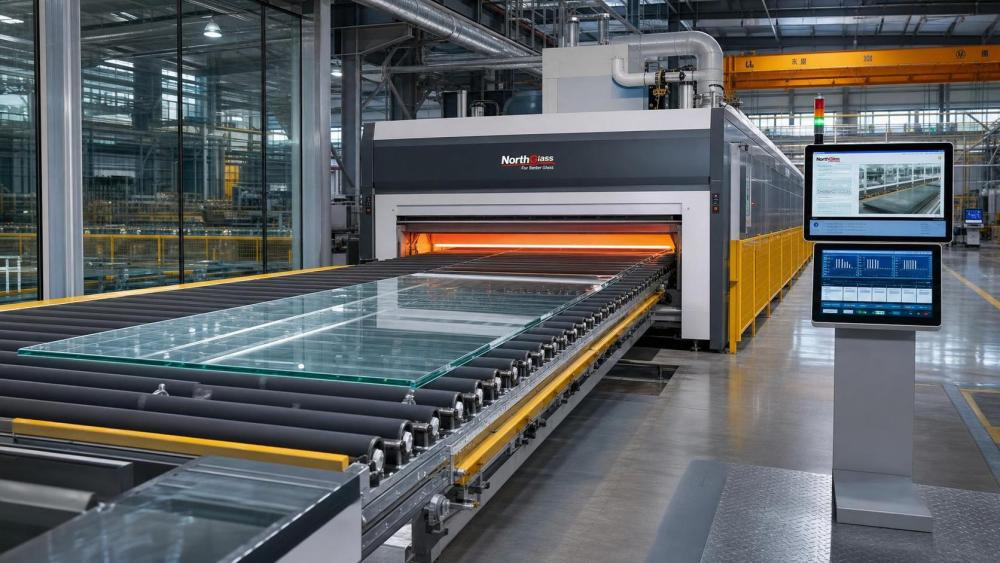
Industrial glass technology is no longer judged by furnace speed alone.
The bigger shift is how processing lines now balance throughput, optical quality, energy use, traceability, and compliance in one integrated system.
That change is becoming more visible across architectural glass, appliance glass, interior glass, and especially photovoltaic applications.
In practical terms, industrial glass technology is reshaping line planning decisions much earlier than before.
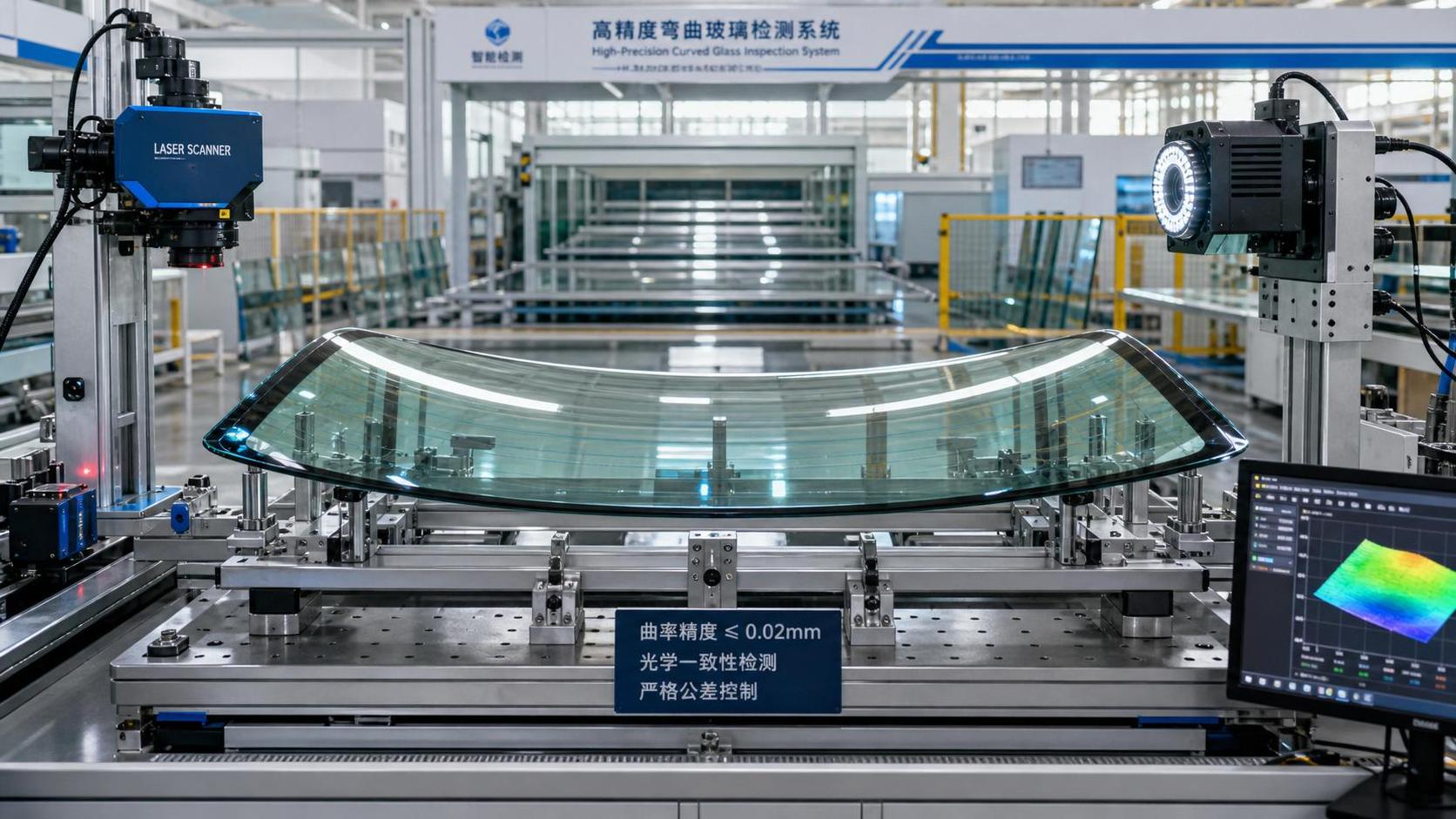
Equipment selection now depends on distortion control, quenching uniformity, digital monitoring, and downstream compatibility, not just headline output.
This is also why the glass segment increasingly overlaps with wider non-metallic material strategy.
On platforms such as NMBS, glass processing machinery is tracked alongside cement systems, kiln upgrades, refractory production, dust control, and low-carbon building material technologies.
The reason is simple.
Heavy materials industries are facing the same pressure to raise performance while reducing energy intensity and compliance risk.
From recent market signals, the strongest demand is not for isolated machines.
It is for processing lines that can stay stable under tighter product specifications and stricter operating conditions.
Why this shift is becoming harder to ignore
Several forces are pushing industrial glass technology in the same direction.
The first is product complexity.
PV glass, coated architectural glass, oversized panels, and thinner substrates all demand tighter process windows.
The second is energy economics.
Heat-intensive lines can no longer treat power and fuel volatility as a background issue.
The third is environmental scrutiny.
Emission limits, carbon accounting, and cleaner production standards are influencing technology choices at the project stage.
The fourth is data visibility.
Once line owners can compare defect rates, downtime patterns, and energy intensity in real time, weak process design becomes difficult to hide.
What makes this moment different is the way these pressures reinforce one another.
Higher quality expectations are arriving at the same time as tighter energy and compliance constraints.
The new center of gravity is line stability, not individual equipment performance
A noticeable market shift is that industrial glass technology is being evaluated as a connected processing environment.
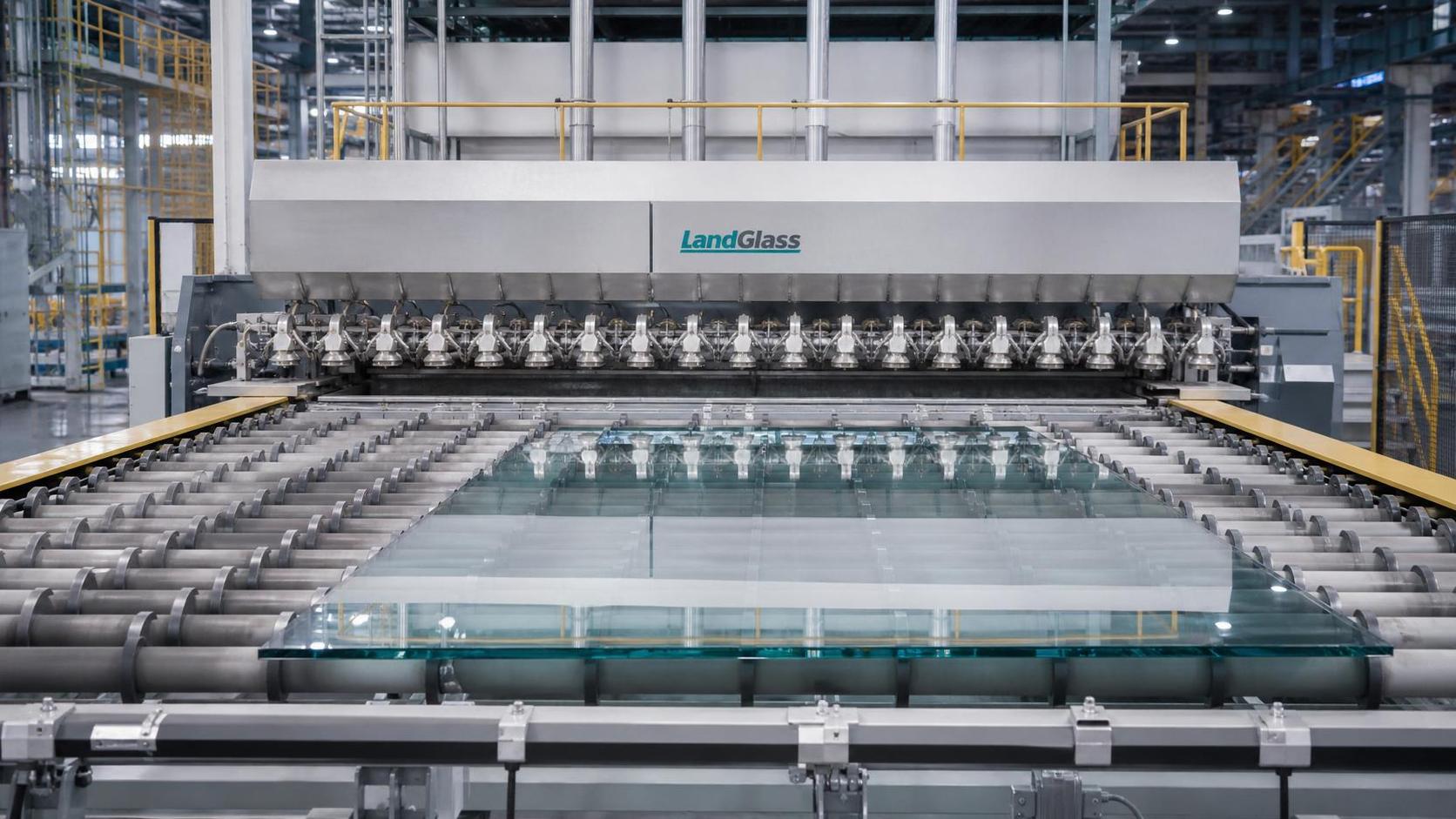
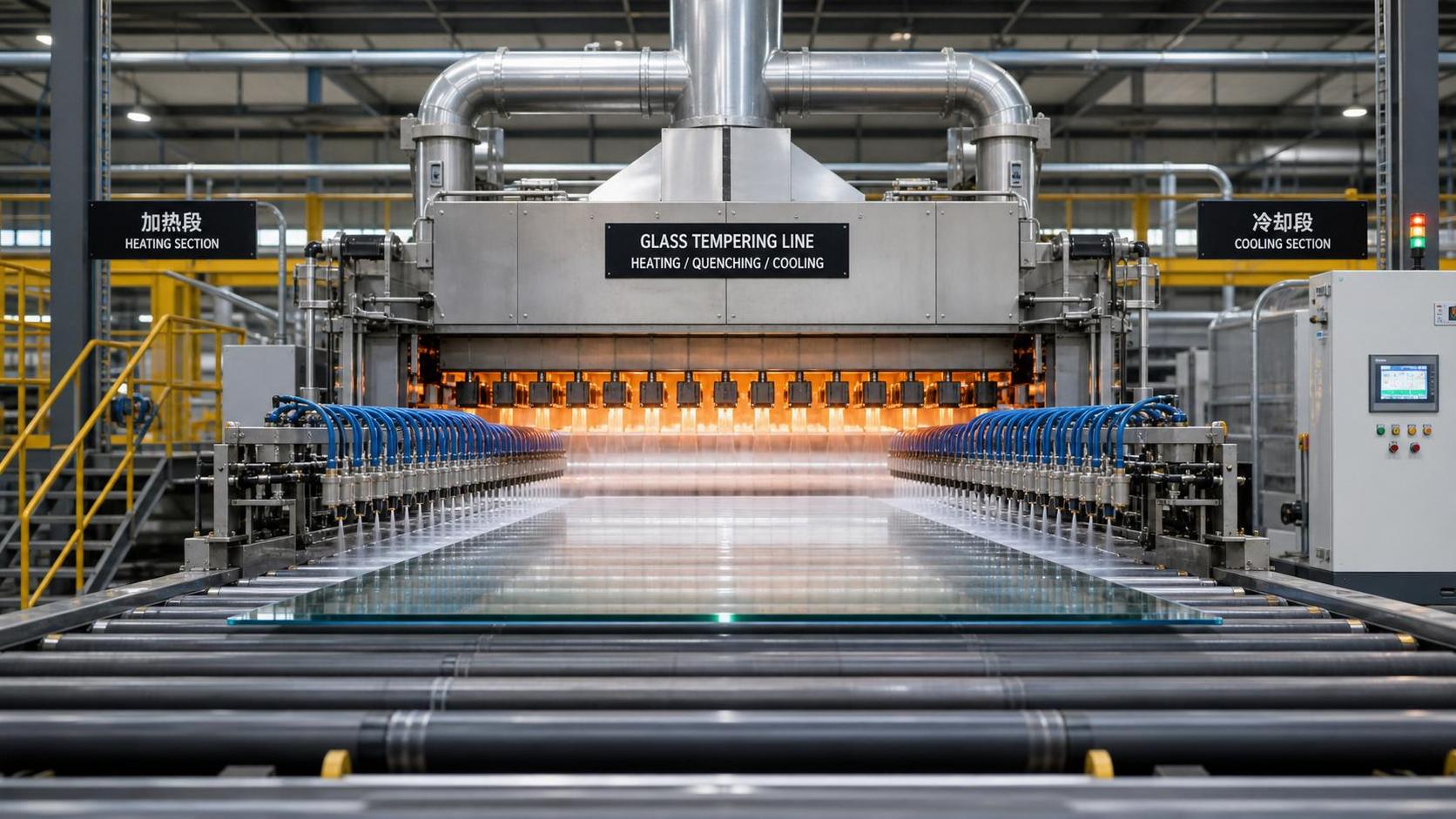
Heating, conveying, edge treatment, inspection, tempering, and unloading can no longer be optimized separately.
When one section becomes faster than the rest, hidden costs appear.
Those costs usually show up as unplanned stoppages, thermal inconsistency, secondary handling damage, and unstable yield.
This is especially relevant in architectural and photovoltaic glass processing lines.
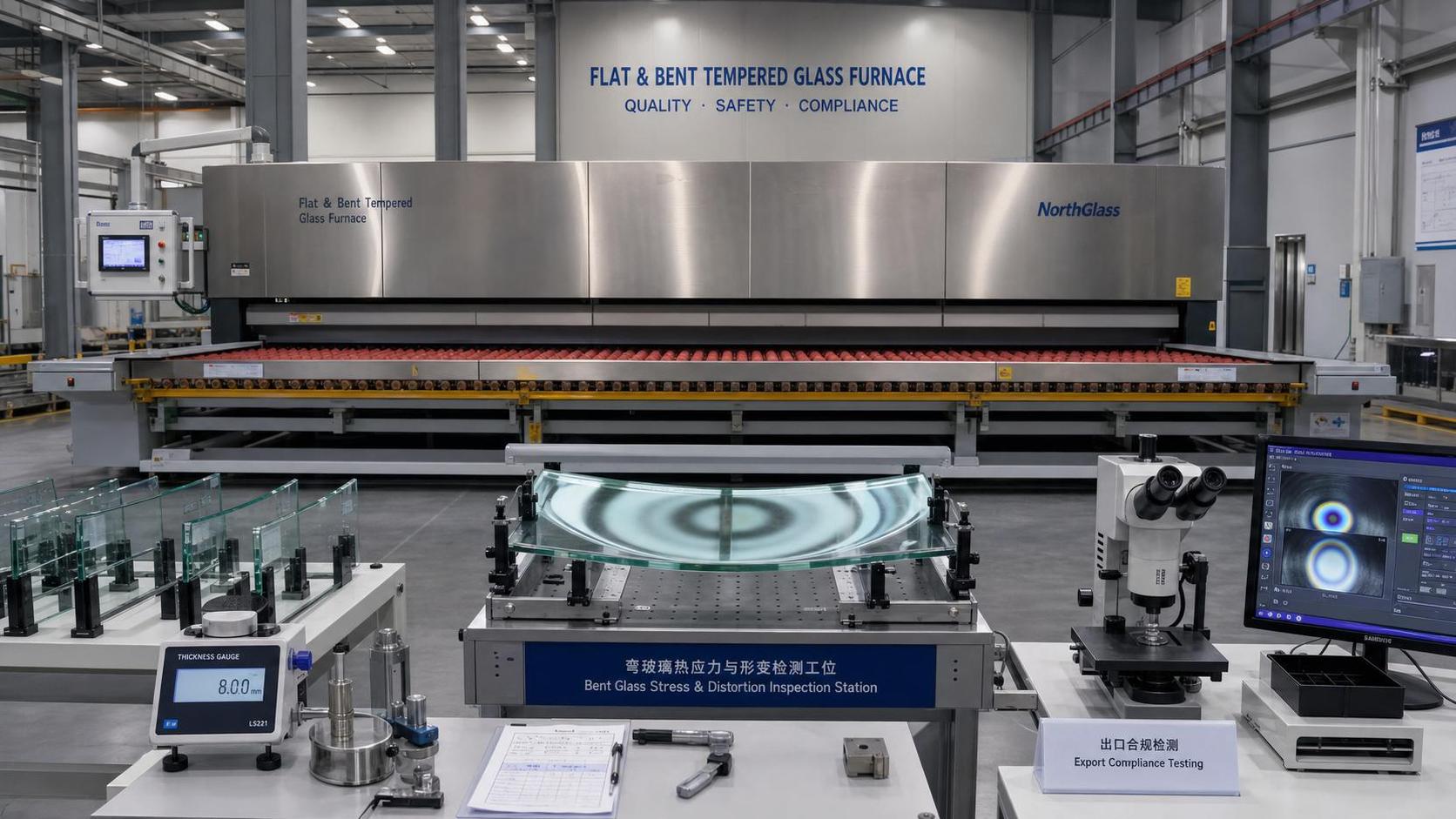
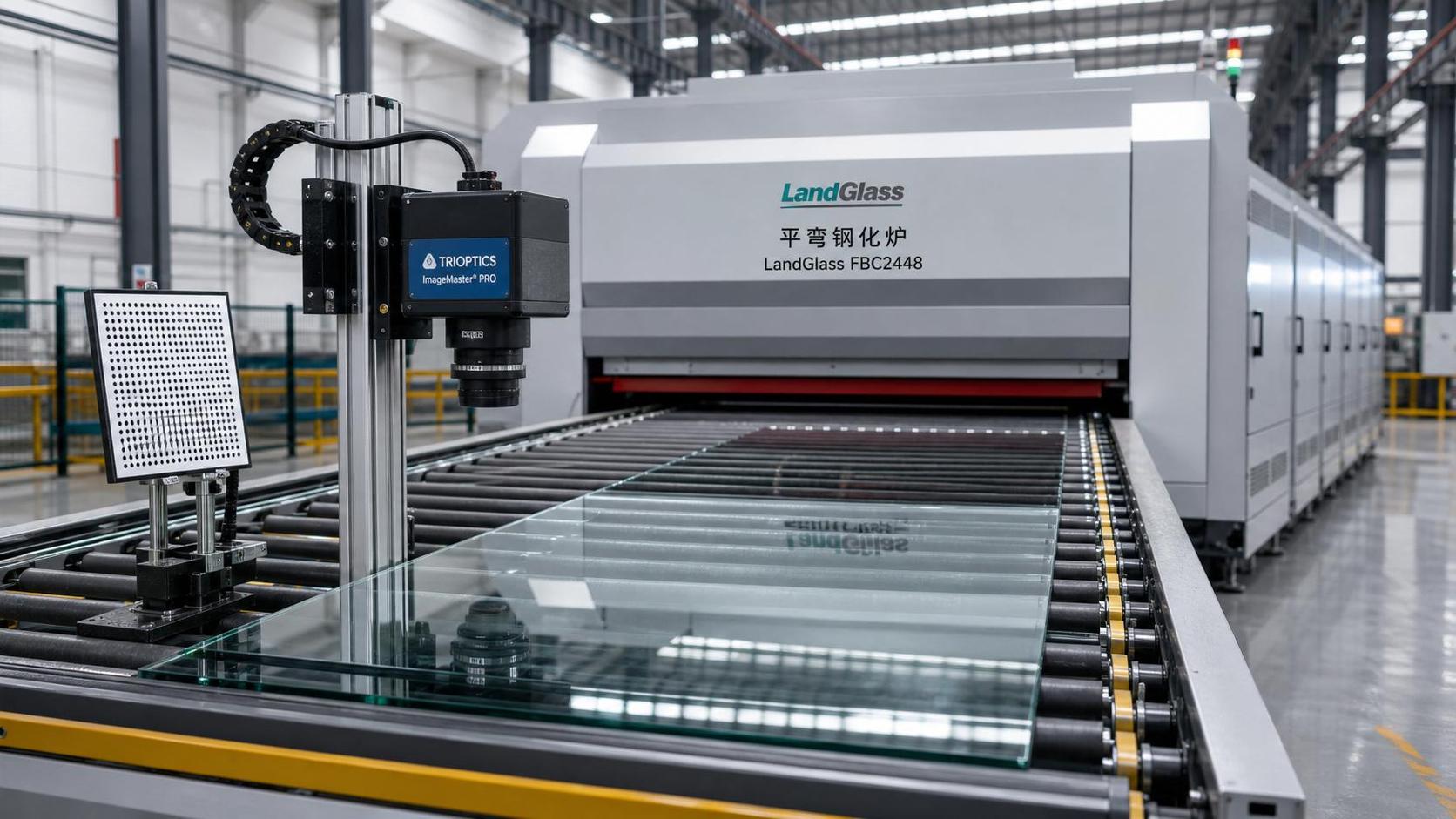
A line may look efficient on paper, yet underperform because roller wave, edge stress, or warpage stays outside downstream tolerance.
The stronger suppliers are responding with more integrated engineering logic.
They are linking furnace zoning, fan control, recipe management, inspection feedback, and maintenance prediction into one process architecture.
That does not eliminate risk, but it changes where risk is managed.
Instead of reacting after defects leave the line, teams can identify thermal drift or handling imbalance during production.
What this means for project planning
- Layout decisions should consider glass flow continuity, not only machine placement.
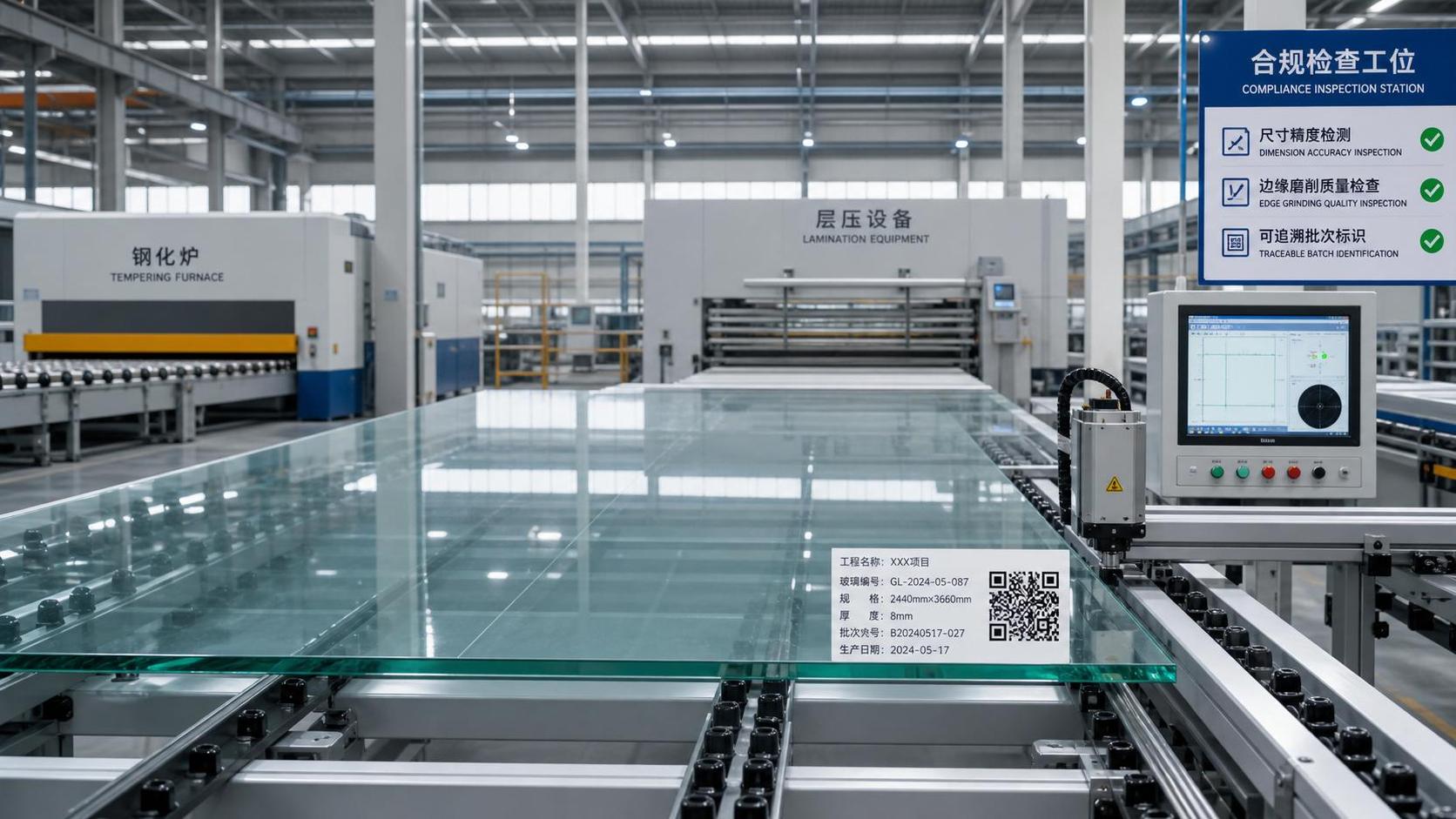
- Specification reviews should include flatness, anisotropy, optical distortion, and scrap traceability.
- Utility design should account for real operating loads, not nominal brochure values.
- Automation discussions should cover recipe switching speed and fault recovery logic.
Energy and compliance are now shaping industrial glass technology choices
A few years ago, energy efficiency was often treated as a bonus feature.
Now it is moving into the core investment case for industrial glass technology.
This is happening because the economics of glass processing are becoming more exposed to electricity prices, carbon rules, and reporting obligations.
In some markets, line efficiency also influences access to international tenders and green building supply chains.
More attention is going to furnace insulation, heat recovery, blower efficiency, dust capture, and electrified subsystem upgrades.
What matters is not the label of low carbon alone.
What matters is whether the line can document lower specific energy use without compromising quenching quality or throughput stability.
This broader logic aligns with the wider heavy materials transition tracked by NMBS.
Glass, cement, ceramics, and refractory systems are different industries, yet their investment decisions increasingly share the same filters.
Those filters include carbon exposure, heat management, automation maturity, and lifecycle operating cost.
Signals worth watching over the next planning cycle
The next wave of industrial glass technology decisions will likely be shaped by a few measurable signals.
- Tighter reporting of energy consumption per square meter processed
- Higher demand for defect mapping linked to furnace data
- More line retrofits instead of full replacement projects
- Faster adoption of remote diagnostics and predictive maintenance tools
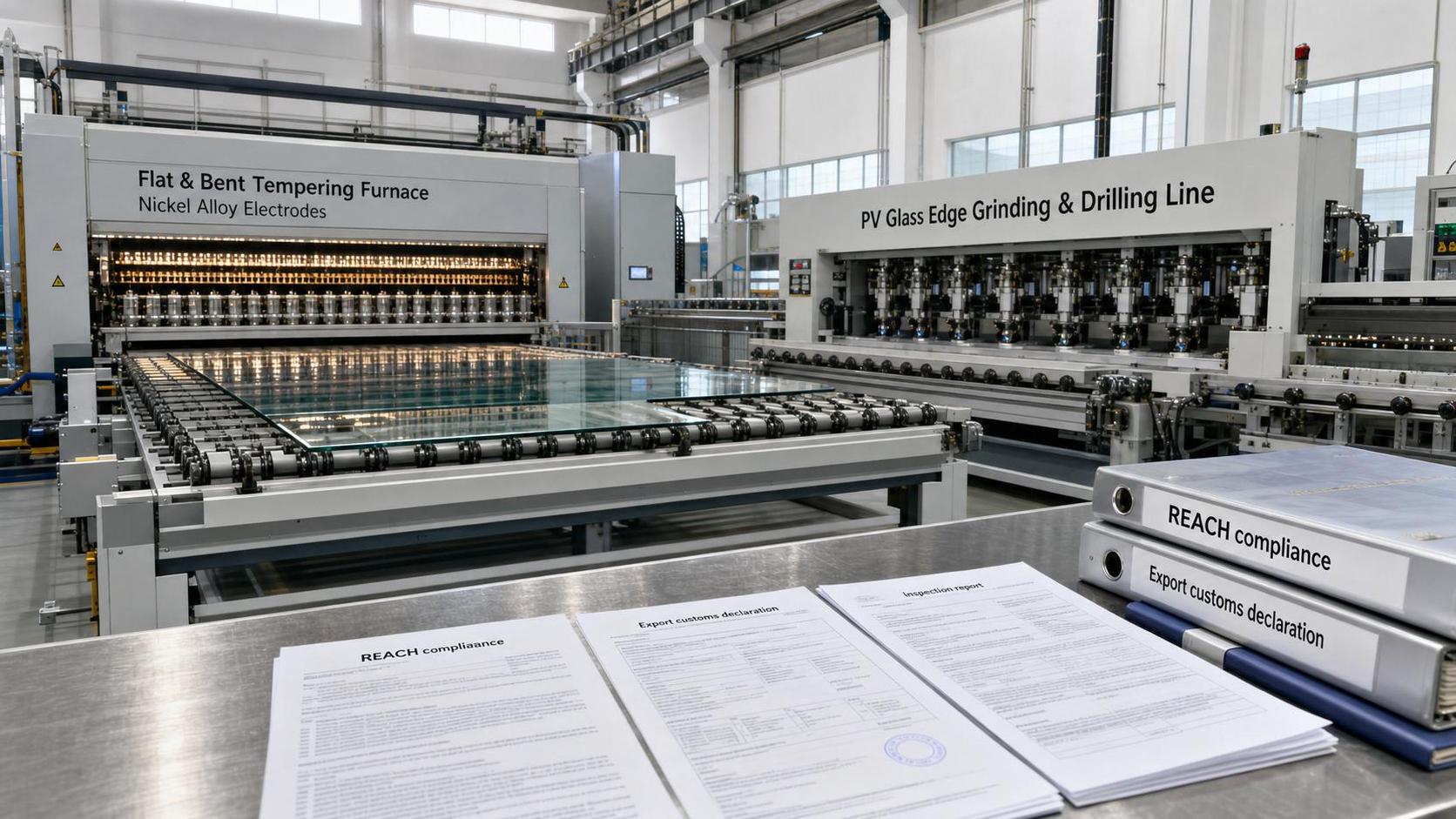
- Closer review of compliance readiness before export-oriented investment
Demand is shifting differently across application segments
Not every part of the market is moving at the same speed.
Architectural glass is being pulled by coatings, larger dimensions, and facade performance requirements.
PV glass is being pushed by transmission targets, warpage control, and high-volume consistency.
Interior and appliance glass often place stronger emphasis on visual quality, edge finish, and flexible batch handling.
That means industrial glass technology cannot be assessed with a single benchmark.
The same tempering concept may perform very differently depending on thickness mix, coating sensitivity, and downstream assembly requirements.
In actual projects, this is where many early assumptions fail.
Teams compare line capacities without matching them to the quality profile of the target application.
A more reliable approach is to define the application risk first.
Then evaluate whether the industrial glass technology under consideration can maintain yield under that specific risk profile.
The most useful response is disciplined comparison, not faster buying
The market is sending a clear message, but the response should stay practical.
Industrial glass technology is evolving toward smarter, cleaner, and more interconnected processing lines.
Even so, not every upgrade creates equal value in every plant.
The best next step is to compare technologies against process bottlenecks that already exist or are likely to emerge.
For some lines, the key issue is optical consistency.
For others, it is energy intensity, maintenance interruption, or changeover flexibility.
A grounded review usually starts with a short checklist.
- Map current defects to their likely thermal, mechanical, or control causes.
- Check whether future glass formats exceed the safe window of existing handling systems.
- Review energy data at subsystem level, not only plant level.
- Compare automation depth, recipe governance, and diagnostic transparency between options.
- Track regulatory and tender requirements that could affect line design within two to three years.
Industrial glass technology will keep advancing, but the most durable advantage comes from reading the shift early and planning with evidence.
That is where structured industry intelligence becomes useful.
When glass machinery trends are viewed together with low-carbon process upgrades, material handling, kiln efficiency, and digital operations, the investment picture becomes clearer.
The immediate priority is not to chase every new feature.
It is to identify which changes in industrial glass technology will materially improve line resilience, compliance readiness, and long-term return.
Related News
- China Temporarily Bans Helium Exports, Affecting Cooling Supply ChainsAuthor :Glass Tempering & Coating Expert

- EU Raises EN 12600 Impact Test RequirementsAuthor :Glass Tempering & Coating Expert

- EU updates CE certification requirements for glass equipmentAuthor :Glass Tempering & Coating Expert
![]()
- EU Updates EN 1863-2 for Glass Processing EquipmentAuthor :Glass Tempering & Coating Expert

- CBP Rule Adds Energy Declarations for Glass EquipmentAuthor :Glass Tempering & Coating Expert

- CBAM Transition Update Extends Carbon Reporting to Glass EquipmentAuthor :Glass Tempering & Coating Expert

- EU RoHS Update Brings Lead and Cadmium Limits to Glass Processing EquipmentAuthor :Glass Tempering & Coating Expert

- EU CBAM Adds Carbon Reporting for Glass EquipmentAuthor :Glass Tempering & Coating Expert

- EU Rule Takes Effect for Real-Load EMC TestingAuthor :Glass Tempering & Coating Expert

- EU Rule Requires Real-Load EMC Tests for Tempering FurnacesAuthor :Glass Tempering & Coating Expert

- EU EMC Guidance Tightens Clearance for Glass MachineryAuthor :Glass Tempering & Coating Expert

- EU Updates CE Guide for Glass MachineryAuthor :Glass Tempering & Coating Expert

- EU Requires Pre-Clearance CBAM Carbon Data for Industrial FurnacesAuthor :Glass Tempering & Coating Expert

- EU Revises EN 12150-2 for PV Glass Tempering FurnacesAuthor :Glass Tempering & Coating Expert

- EU Rule Ties Furnace Imports to EN 1863-2:2026Author :Glass Tempering & Coating Expert

- EU to Require EPDs for Imported Glass EquipmentAuthor :Glass Tempering & Coating Expert

- EU Extends CE-EPD Rule to Glass Processing EquipmentAuthor :Glass Tempering & Coating Expert

- EU Rule Makes CE-EPD Certification Mandatory for Glass Tempering FurnacesAuthor :Glass Tempering & Coating Expert

- EU Extends CE-EPD Rule to Glass Tempering FurnacesAuthor :Glass Tempering & Coating Expert

- Glass Tempering Technology Cost: What Drives ROI in 2026?Author :Glass Tempering & Coating Expert

- EU Ecodesign Rule Takes Effect for Glass Tempering FurnacesAuthor :Glass Tempering & Coating Expert

- EU Tightens EN 12150-2 for PV Glass FurnacesAuthor :Glass Tempering & Coating Expert

- Architectural Glass Quenching Problems: Causes of Warp, Haze, and BreakageAuthor :Glass Tempering & Coating Expert

- Six Gulf States Add New Test for Glass Tempering FurnacesAuthor :Glass Tempering & Coating Expert

- GCC Glass Furnace Rule Adds ISO 12233:2026 TestAuthor :Glass Tempering & Coating Expert

- EU REACH Rule Takes Effect for Nickel Parts in Glass EquipmentAuthor :Glass Tempering & Coating Expert

- Glass Quenching Control: Common Defects and How to Correct ThemAuthor :Glass Tempering & Coating Expert

- Export Controls Stretch Tempering Furnace Lead TimesAuthor :Glass Tempering & Coating Expert

- Architectural Glass Fabrication Standards: Key Compliance ChecksAuthor :Glass Tempering & Coating Expert

- EU Makes EN 12150-3:2026 Mandatory for Glass Tempering EquipmentAuthor :Glass Tempering & Coating Expert
![]()
- How to Evaluate High Precision Glass Bending for Tight-Tolerance ProjectsAuthor :Glass Tempering & Coating Expert

- EU Updates EN 12150-2:2026 for Tempering Furnace ExportsAuthor :Glass Tempering & Coating Expert

- EU CBAM Expansion Adds Carbon Data Rule for Kiln EquipmentAuthor :Glass Tempering & Coating Expert

- EU Requires THU Monitoring on PV Glass FurnacesAuthor :Glass Tempering & Coating Expert

- EU Updates CE Guide for PV Glass Tempering FurnacesAuthor :Glass Tempering & Coating Expert

- EU Tightens CE Rules for Architectural Glass from July 2026Author :Glass Tempering & Coating Expert