



Search News
Industry Portal
Popular Tags
All categories
EU updates CE certification requirements for glass equipment




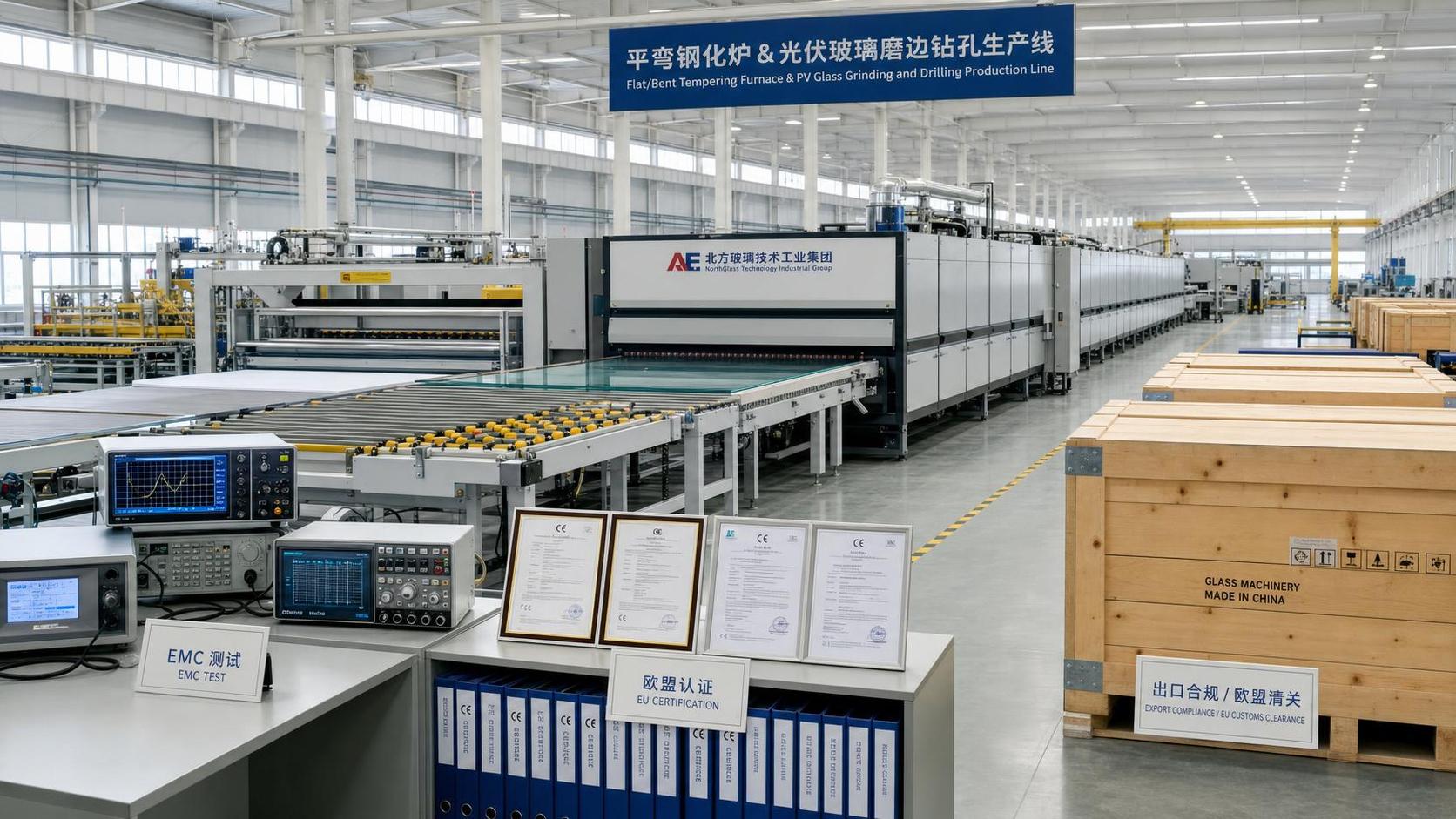
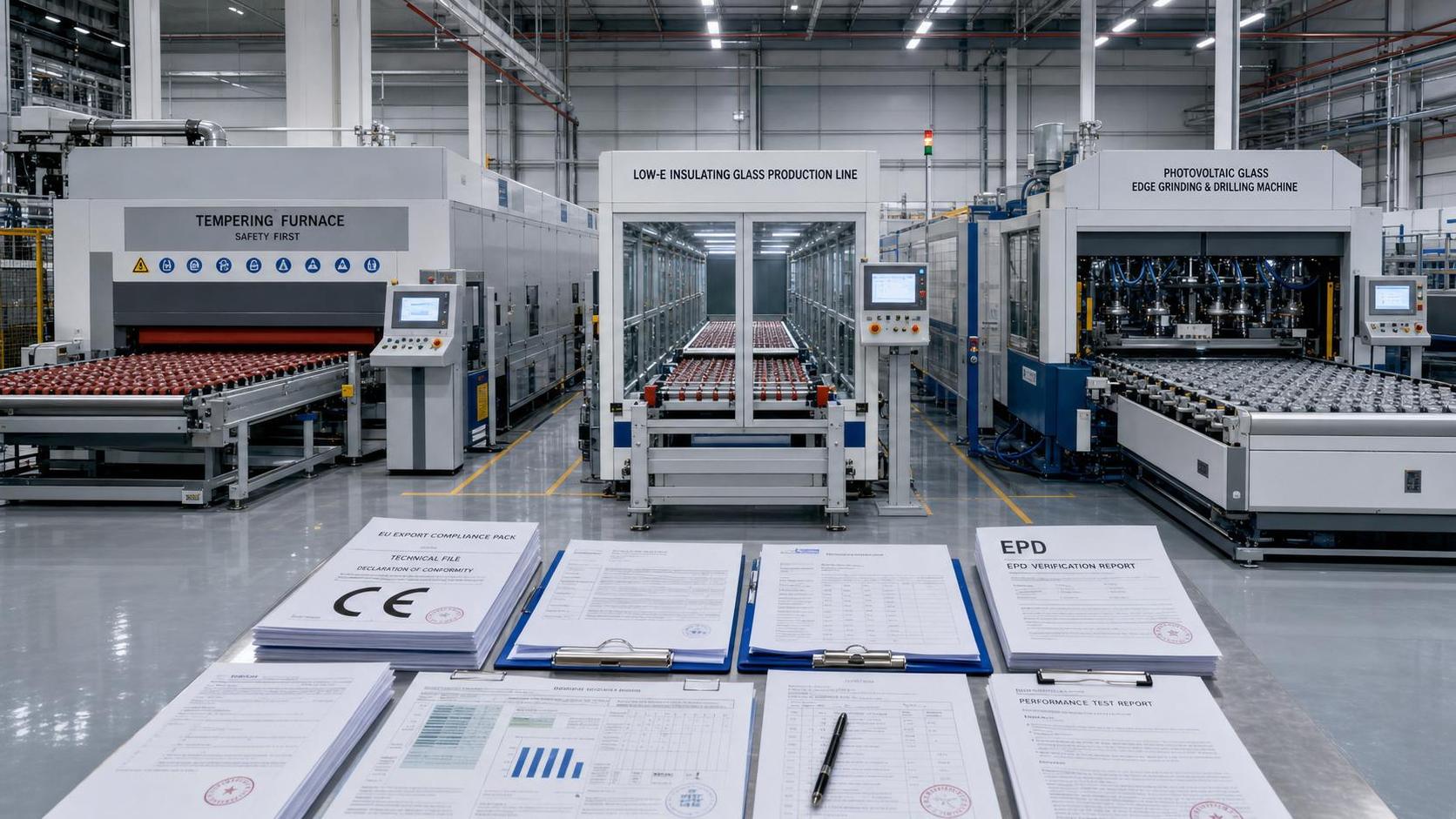
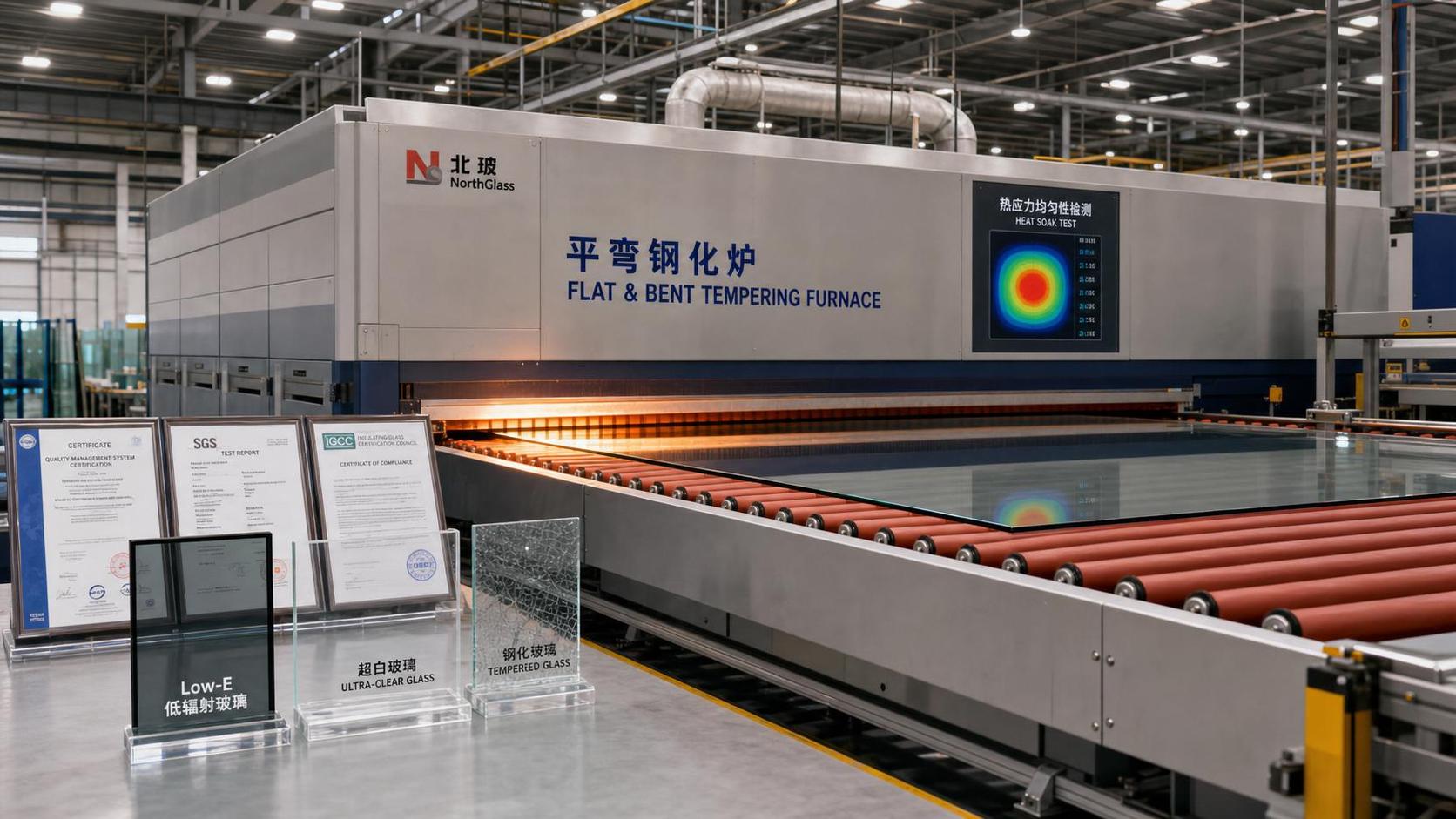
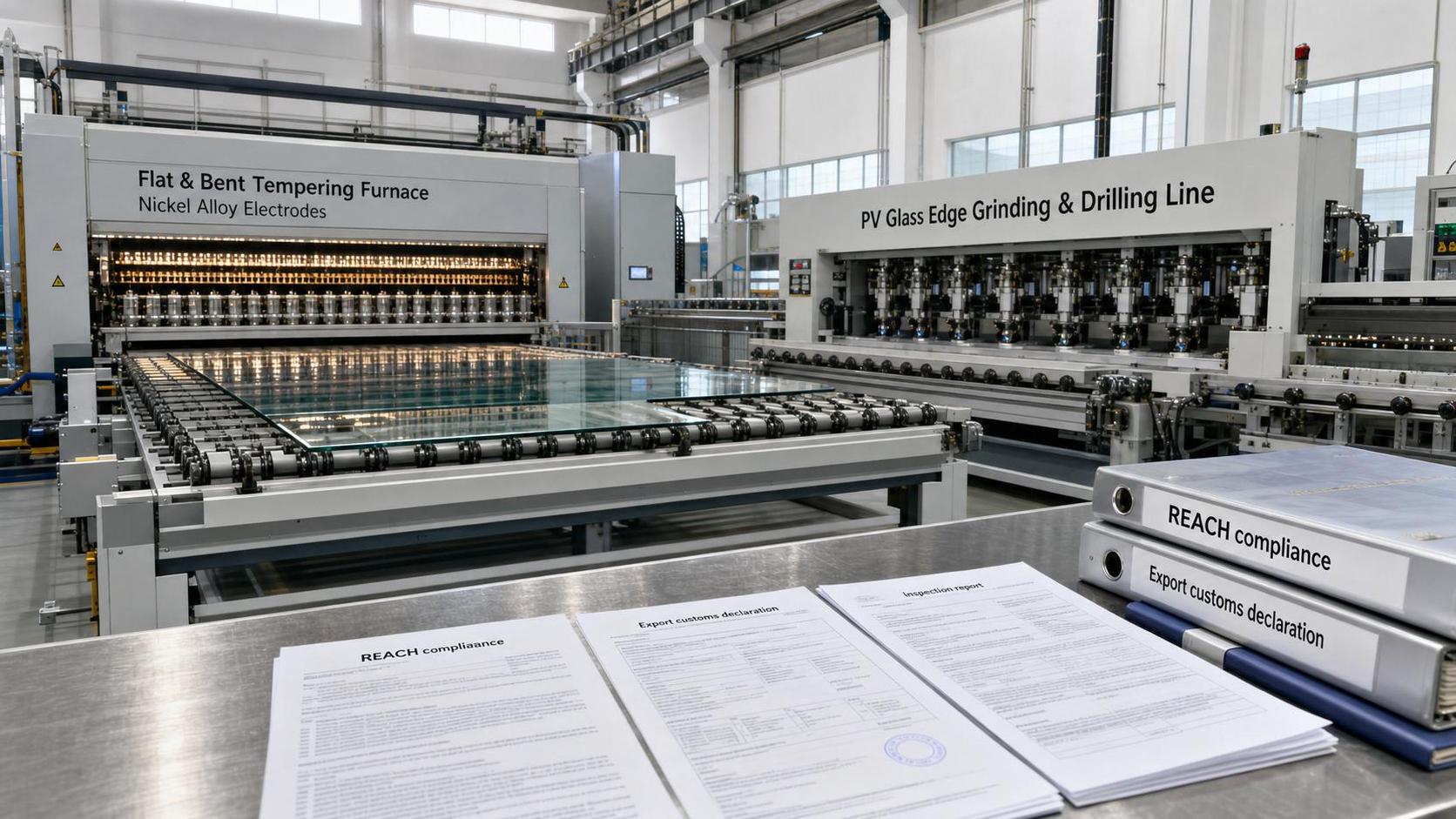
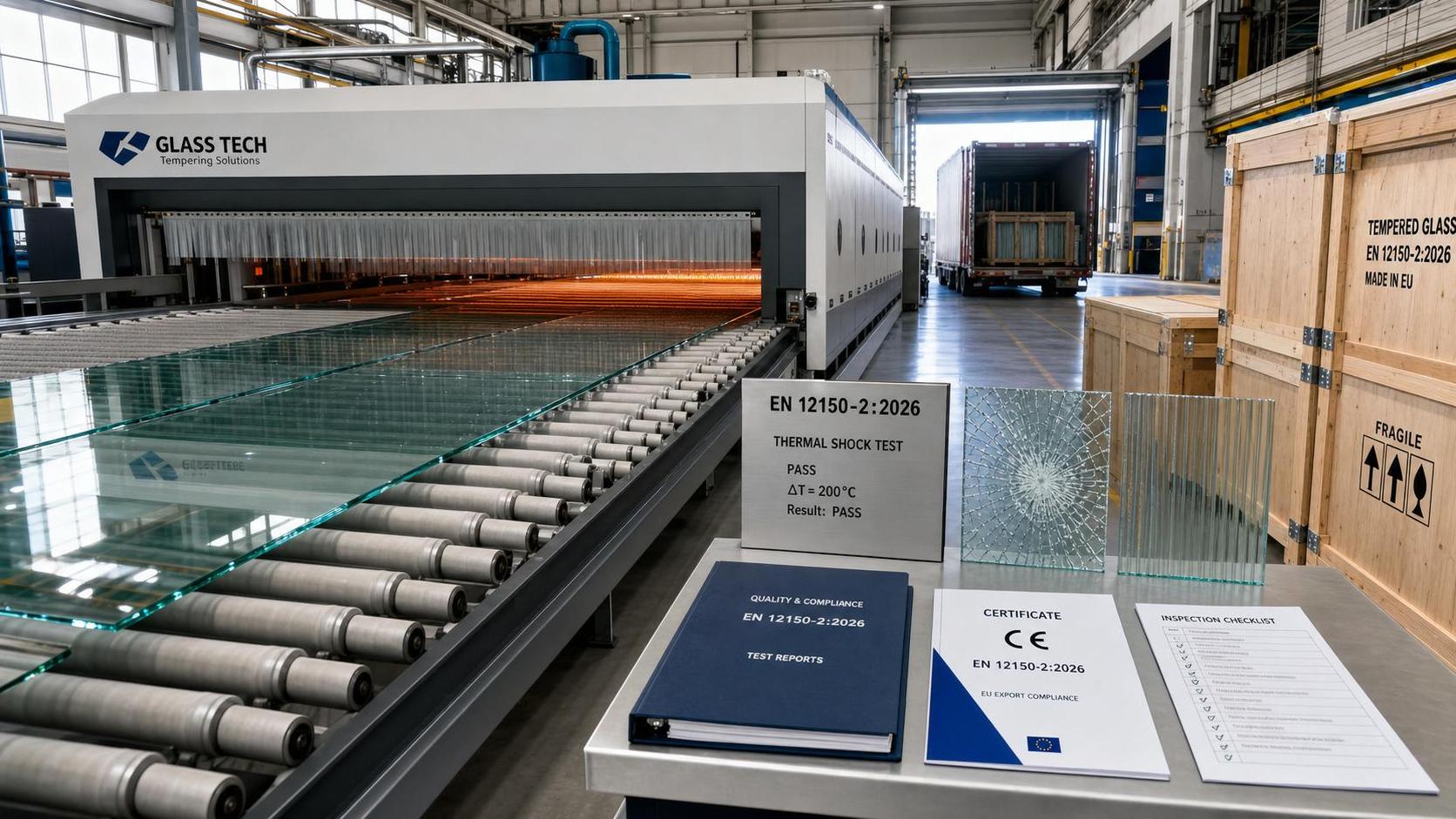
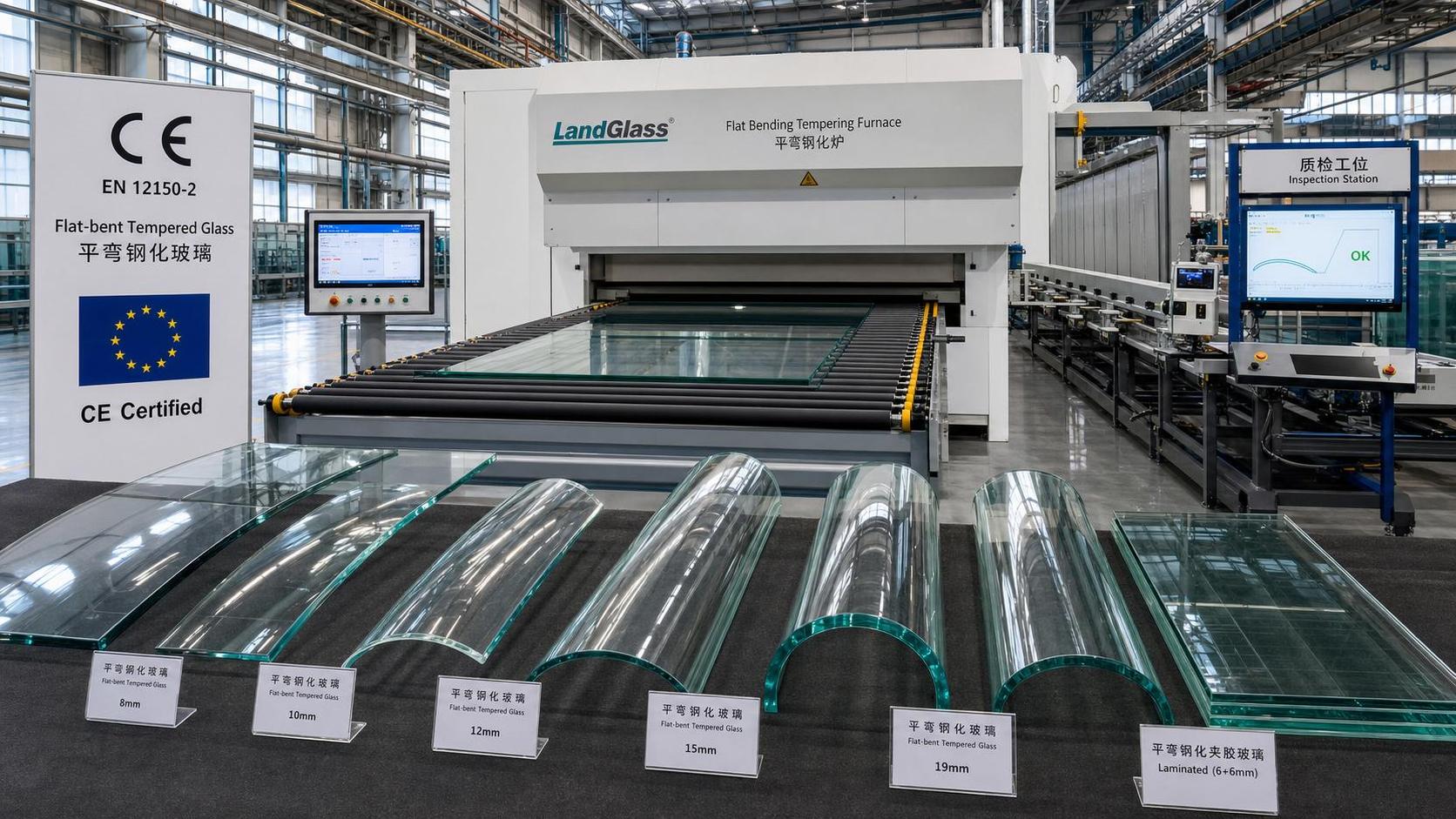
Starting from August 11, 2026, the EU will begin to implement the updated version of the glass machinery safety standard EN 12150-2:2026+A1. Imported equipment such as flat/curved glass tempering furnaces, Low-E/IGU production lines, and PV glass edge processing lines must pass the new CE type inspection. This change is directly related to export compliance, certification cycle and arrival arrangements, and will especially affect the connection between Chinese suppliers and their overseas customers in procurement, customs declaration and delivery. ZXTAG 1Z

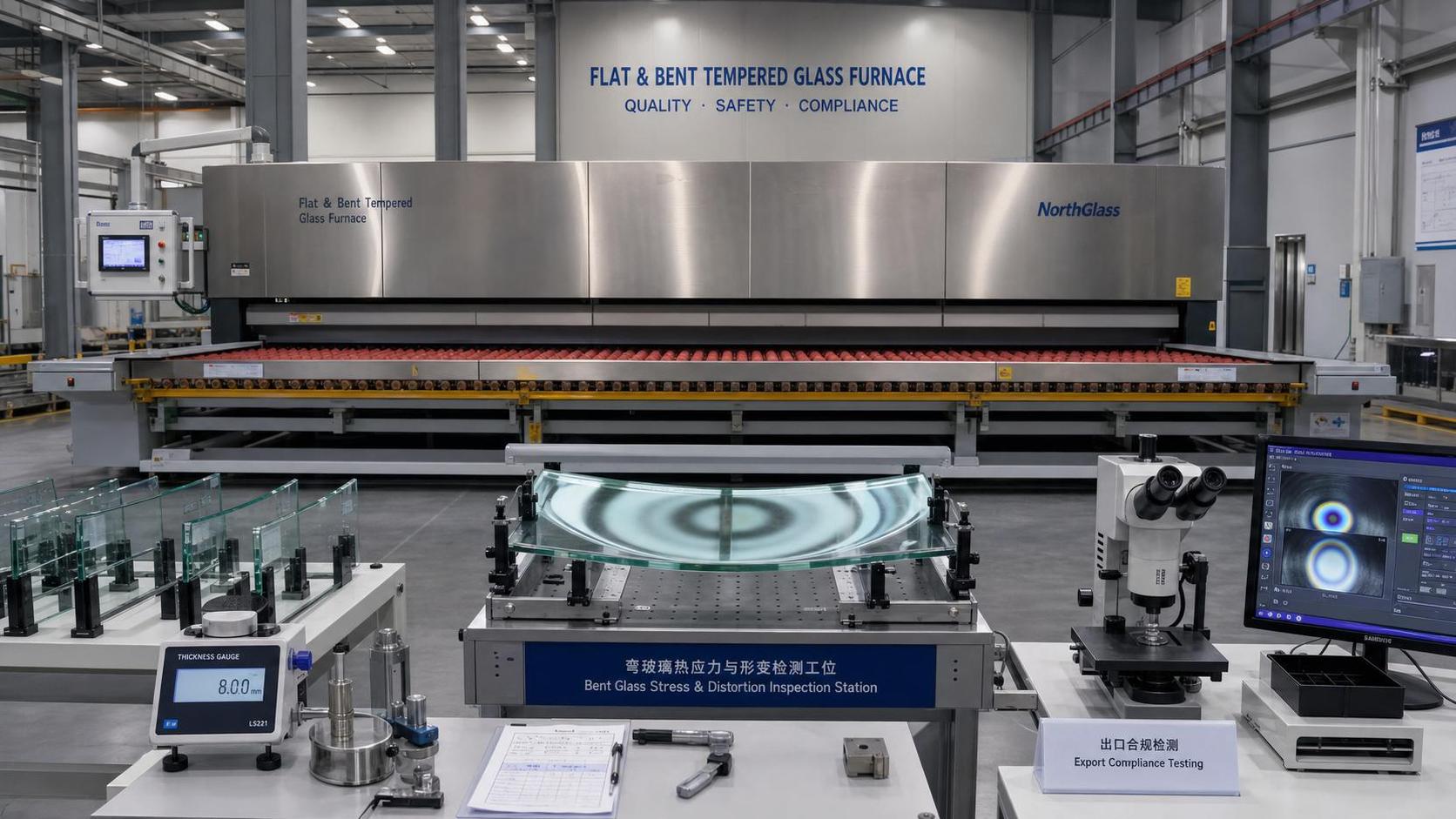
The new regulations require relevant imported equipment to pass the new version of CE type inspection, and add three new hard indicators: thermal stress monitoring system verification, AI abnormal shutdown response delay not exceeding 200ms, and infrared temperature control accuracy reaching ±1.5°C. At the same time, products that have not obtained the new version of the certificate will not be able to clear customs.
From export to delivery, multiple links will be rechecked
The certification path of Chinese suppliers will be affected first
For Chinese export companies, the most direct change lies in the export compliance path. As long as the equipment falls within the above scope, it can no longer directly promote export arrangements based on the original certificate or old version inspection results. Certification renewal, test verification and technical document preparation must be realigned with the new version requirements. The impact is first reflected in compliance reviews before shipment, and secondly in order delivery.
The purchaser needs to put the certificate status into the purchasing decision.
For overseas purchasers, whether the equipment has completed the new version of CE type inspection is no longer just a document issue after delivery, but a prerequisite for customs clearance. The pace of procurement, contract signing and production scheduling may be adjusted as a result, especially for projects that are sensitive to delivery dates. The status of the certificate will directly affect whether the goods can be picked up as originally planned.
Testing and certification-related services will bear stronger node pressure
Testing service agencies, certification-related companies and technical service providers will focus on the new version of indicator verification requirements. The focus is not on general explanations, but on the closed loop of actual measurement and documentation of thermal stress monitoring, abnormal shutdown response and temperature control accuracy. For such service entities, project queuing, prototype preparation and report issuance rhythm may become key constraints in the delivery chain.
After-sales and supply chain collaboration will also be pulled into the compliance chain
Once the equipment enters the new version of the certification framework, after-sales service providers and supply chain service providers also need to pay more attention to technical data consistency, version traceability and delivery node control. For some signed orders, what needs to be checked later is whether the equipment version, inspection status and documents are synchronized, rather than just looking at the production completion status.
At present, what needs to be paid more attention to are certificates, documents and delivery rhythm.
From the analysis, this information is more suitable to be understood as an enforcement signal that has been implemented, rather than a simple discussion of rules. For relevant companies, the most important thing at the moment is not to judge whether standards will continue to be tightened, but to check as soon as possible whether existing orders cover the new version of certification requirements, and to check whether technical documents, inspection reports and contract terms have been synchronized.
For equipment that is still scheduled for production or has not yet been shipped, companies need to focus on confirming whether the new version of CE type inspection has been completed, whether the certificate covers the corresponding product range, and whether the delivery cycle needs to be re-evaluated. If you only prepare according to the old version of the process, the most likely risk points in the future are blocked customs clearance and delayed delivery.
This type of change is more like a tightening at the executive level
From an industry perspective, this is not general market news, but the result of the tightening of standards, certification and trade clearance requirements. It has a relatively direct impact on equipment manufacturing, export trade, procurement orders, and customs declaration and release, so it is more suitable to be understood as an enforcement change after the rules are implemented. What still needs to be observed in the future are official rules, certification standards, bidding document citation methods, and actual enforcement by enterprises.
The scope of public information this article is based on
This article is generated based on the information title, event time and event summary provided by the user. Types of sources typically associated with such events include official announcements, regulatory agency releases, customs or trade authority information, industry association information, standards organization documents and authoritative media reports. No specific official source link is provided in the input. It is still necessary to continue to verify the relevant enforcement standards, certification requirements, changes in bidding documents and industry feedback.
Related News
- China Temporarily Bans Helium Exports, Affecting Cooling Supply ChainsAuthor :Glass Tempering & Coating Expert

- EU Raises EN 12600 Impact Test RequirementsAuthor :Glass Tempering & Coating Expert

- EU updates CE certification requirements for glass equipmentAuthor :Glass Tempering & Coating Expert
![]()
- EU Updates EN 1863-2 for Glass Processing EquipmentAuthor :Glass Tempering & Coating Expert

- CBP Rule Adds Energy Declarations for Glass EquipmentAuthor :Glass Tempering & Coating Expert

- CBAM Transition Update Extends Carbon Reporting to Glass EquipmentAuthor :Glass Tempering & Coating Expert

- EU RoHS Update Brings Lead and Cadmium Limits to Glass Processing EquipmentAuthor :Glass Tempering & Coating Expert

- EU CBAM Adds Carbon Reporting for Glass EquipmentAuthor :Glass Tempering & Coating Expert

- EU Rule Takes Effect for Real-Load EMC TestingAuthor :Glass Tempering & Coating Expert

- EU Rule Requires Real-Load EMC Tests for Tempering FurnacesAuthor :Glass Tempering & Coating Expert

- EU EMC Guidance Tightens Clearance for Glass MachineryAuthor :Glass Tempering & Coating Expert

- EU Updates CE Guide for Glass MachineryAuthor :Glass Tempering & Coating Expert

- EU Requires Pre-Clearance CBAM Carbon Data for Industrial FurnacesAuthor :Glass Tempering & Coating Expert

- EU Revises EN 12150-2 for PV Glass Tempering FurnacesAuthor :Glass Tempering & Coating Expert

- EU Rule Ties Furnace Imports to EN 1863-2:2026Author :Glass Tempering & Coating Expert

- EU to Require EPDs for Imported Glass EquipmentAuthor :Glass Tempering & Coating Expert

- EU Extends CE-EPD Rule to Glass Processing EquipmentAuthor :Glass Tempering & Coating Expert

- EU Rule Makes CE-EPD Certification Mandatory for Glass Tempering FurnacesAuthor :Glass Tempering & Coating Expert

- EU Extends CE-EPD Rule to Glass Tempering FurnacesAuthor :Glass Tempering & Coating Expert

- Glass Tempering Technology Cost: What Drives ROI in 2026?Author :Glass Tempering & Coating Expert

- EU Ecodesign Rule Takes Effect for Glass Tempering FurnacesAuthor :Glass Tempering & Coating Expert

- EU Tightens EN 12150-2 for PV Glass FurnacesAuthor :Glass Tempering & Coating Expert

- Architectural Glass Quenching Problems: Causes of Warp, Haze, and BreakageAuthor :Glass Tempering & Coating Expert

- Six Gulf States Add New Test for Glass Tempering FurnacesAuthor :Glass Tempering & Coating Expert

- GCC Glass Furnace Rule Adds ISO 12233:2026 TestAuthor :Glass Tempering & Coating Expert

- EU REACH Rule Takes Effect for Nickel Parts in Glass EquipmentAuthor :Glass Tempering & Coating Expert

- Glass Quenching Control: Common Defects and How to Correct ThemAuthor :Glass Tempering & Coating Expert

- Export Controls Stretch Tempering Furnace Lead TimesAuthor :Glass Tempering & Coating Expert

- Architectural Glass Fabrication Standards: Key Compliance ChecksAuthor :Glass Tempering & Coating Expert

- EU Makes EN 12150-3:2026 Mandatory for Glass Tempering EquipmentAuthor :Glass Tempering & Coating Expert
![]()
- How to Evaluate High Precision Glass Bending for Tight-Tolerance ProjectsAuthor :Glass Tempering & Coating Expert

- EU Updates EN 12150-2:2026 for Tempering Furnace ExportsAuthor :Glass Tempering & Coating Expert

- EU CBAM Expansion Adds Carbon Data Rule for Kiln EquipmentAuthor :Glass Tempering & Coating Expert

- EU Requires THU Monitoring on PV Glass FurnacesAuthor :Glass Tempering & Coating Expert

- EU Updates CE Guide for PV Glass Tempering FurnacesAuthor :Glass Tempering & Coating Expert

- EU Tightens CE Rules for Architectural Glass from July 2026Author :Glass Tempering & Coating Expert