



Search News
Industry Portal
Popular Tags
All categories
EU Raises EN 12600 Impact Test Requirements




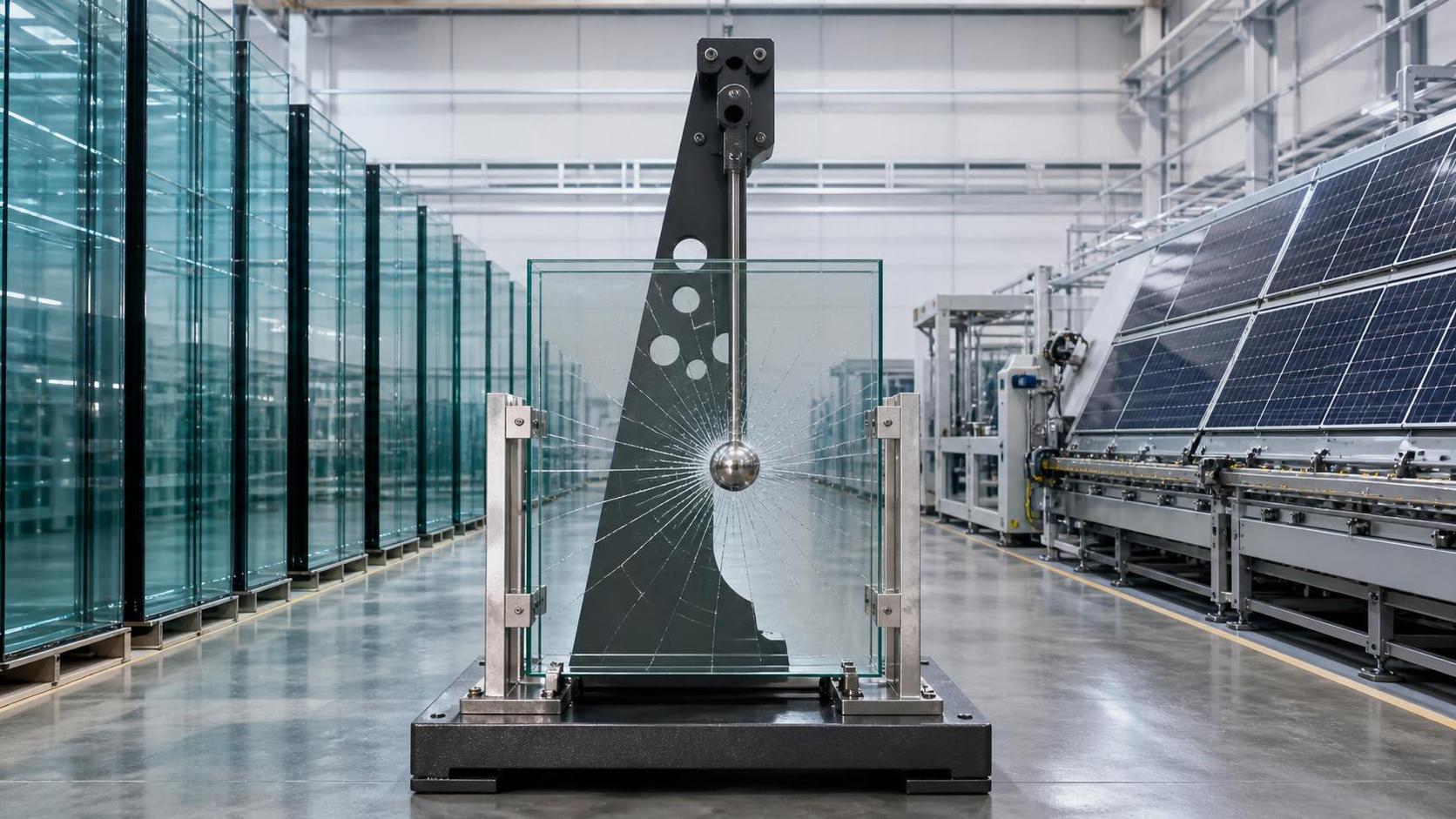
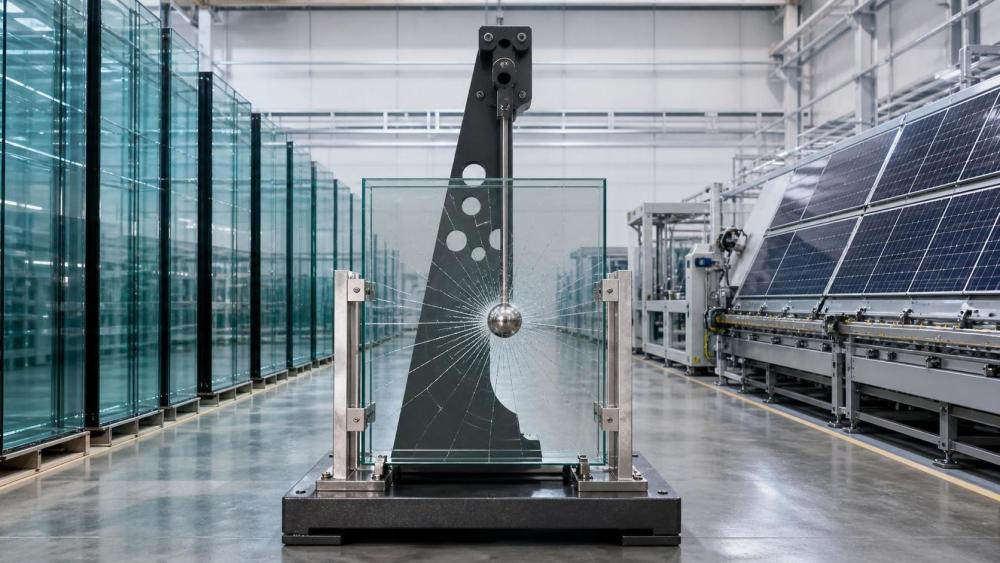
On August 12, 2026, the Official Journal of the European Union published the revised EN 12600:2026+A1 standard, with mandatory application starting on February 1, 2027. The update raises the pendulum impact energy threshold for laminated and tempered building glass to at least 120 J and adds an edge-stress verification requirement under dynamic loading. For companies supplying building glass, curtain wall systems, or PV BIPV components to the EU, this is not just a testing change; it is a compliance signal that can affect product qualification, equipment output consistency, technical documentation, and delivery readiness across multiple manufacturing and export links.
What the revision formally changes
The confirmed update is that EN 12600:2026+A1 was published in the OJEU on August 12, 2026, and will become mandatory on February 1, 2027. According to the provided summary, the revised standard significantly increases the pendulum impact energy threshold for laminated and tempered glass used in buildings to at least 120 J. It also introduces a new requirement to verify edge stress under dynamic loading conditions.
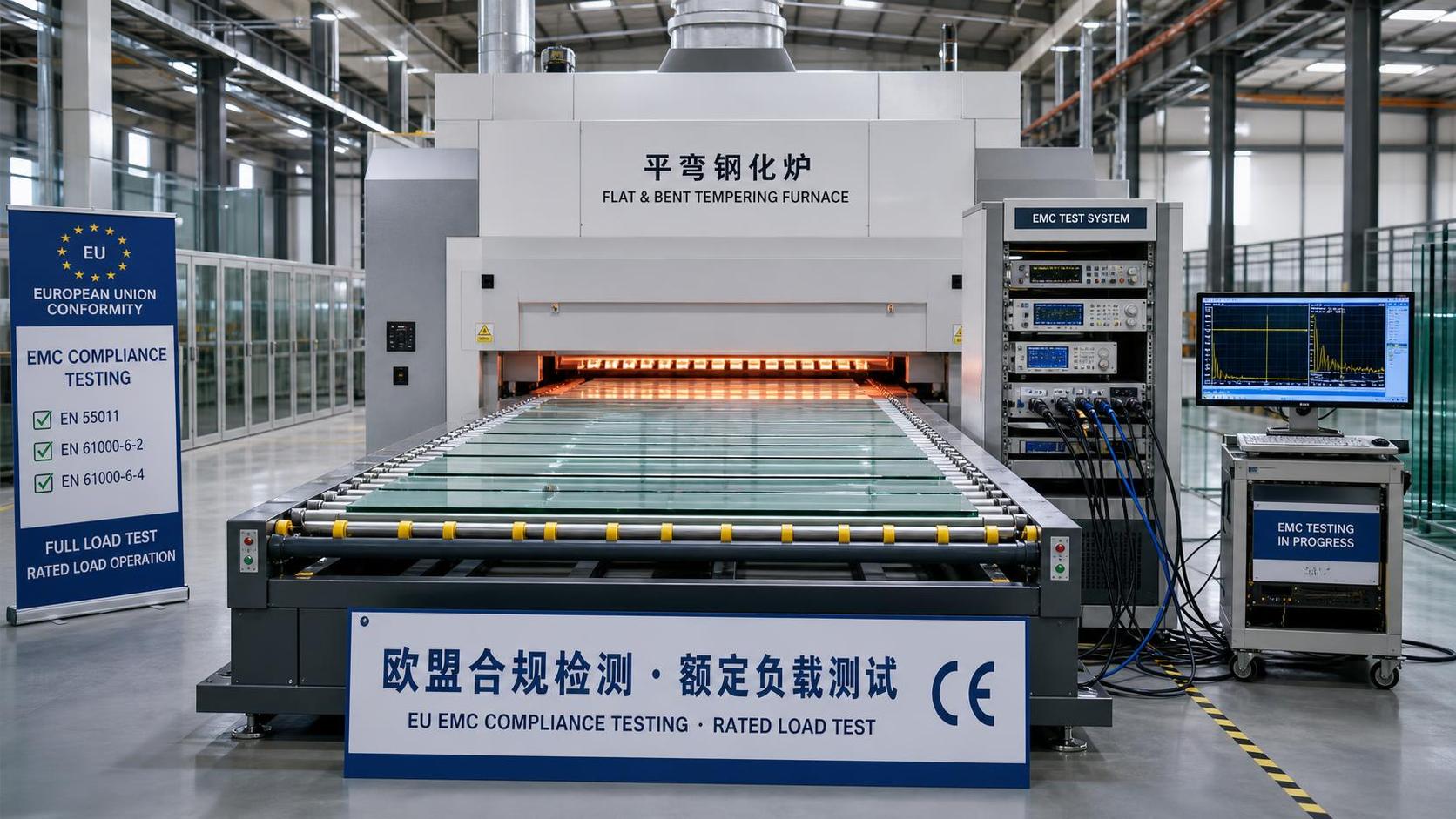
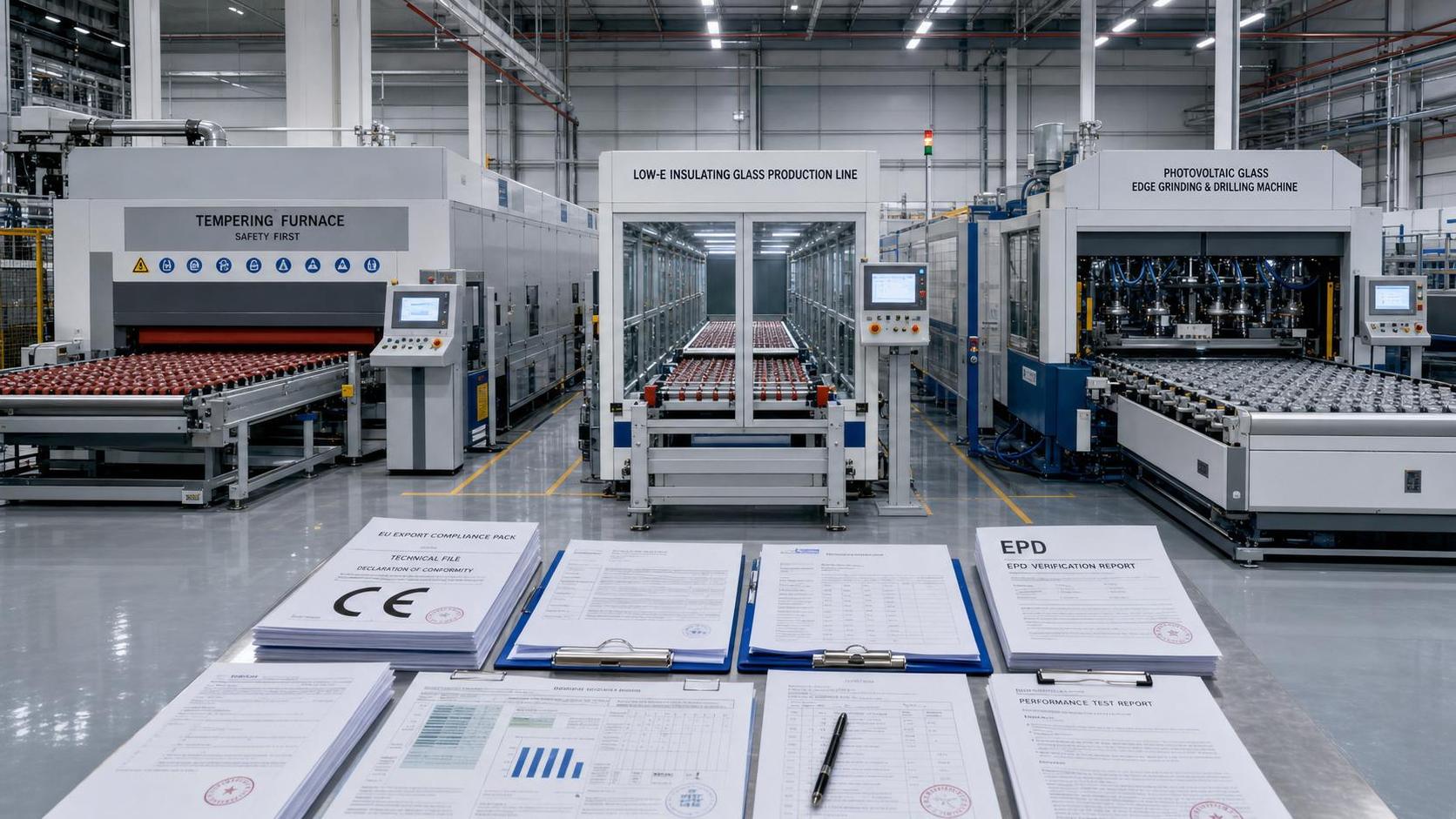
The standard directly applies to end glass products produced through Flat/Bent Glass Tempering Furnaces, Low-E/IGU Production Lines, and PV Glass Edging/Drilling Lines. The stated impact scope includes Chinese manufacturers and equipment suppliers exporting building glass, curtain wall systems, and PV BIPV components to the EU market.
Where the pressure is likely to appear first
Export-facing manufacturers may face a tighter proof-of-compliance burden
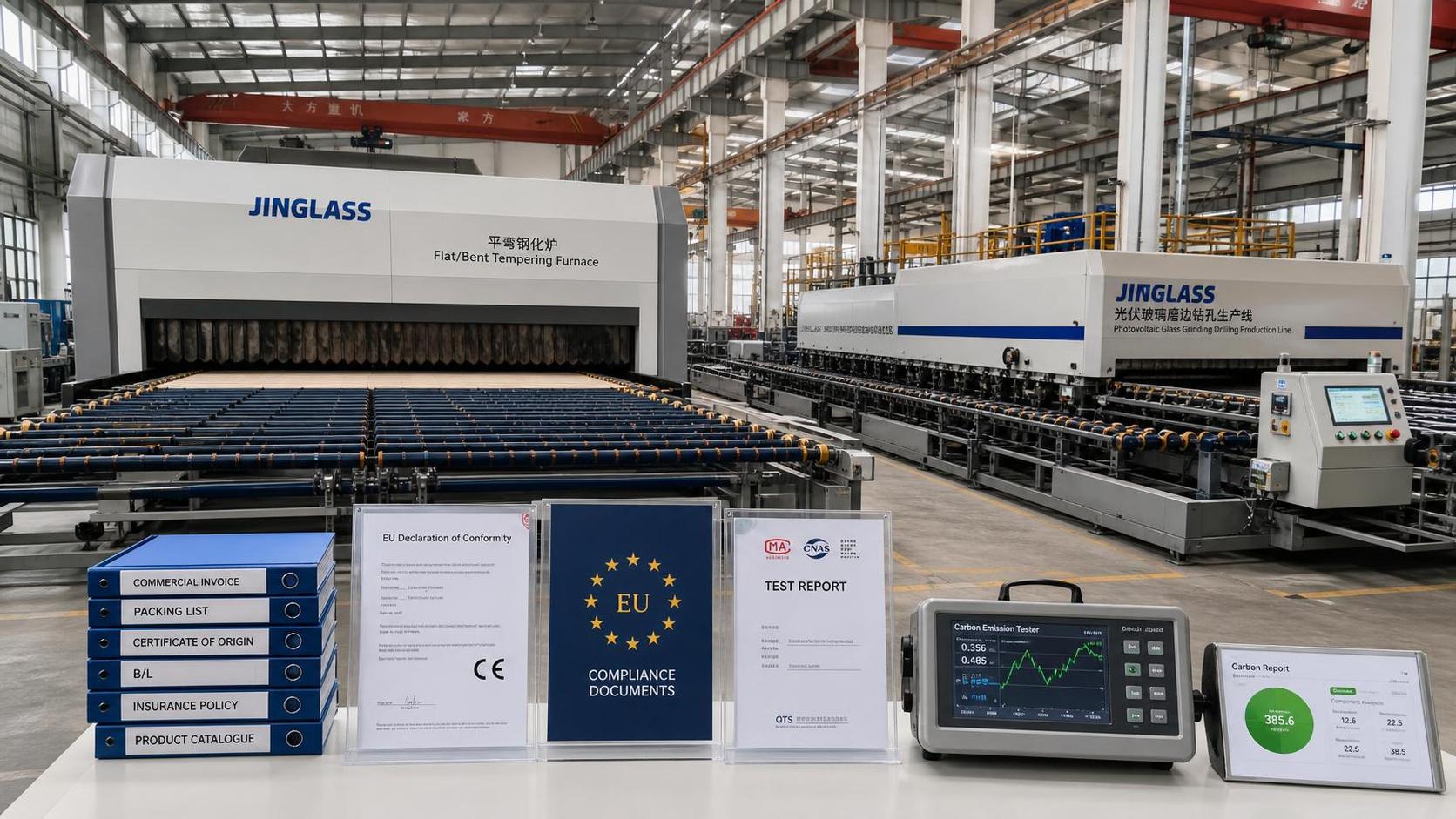
From an industry perspective, manufacturers shipping finished building glass and related systems to the EU are likely to feel the immediate effect because the rule change is tied to the performance of the final glass product. The main business impact may appear in product qualification review, test report alignment, technical file updates, and shipment readiness for goods intended for the post-February 1, 2027 compliance window. What deserves closer attention is whether existing product specifications and supporting documents still match buyer or project requirements once the revised threshold and edge-stress check become mandatory.
Equipment suppliers are indirectly affected through product output expectations
For suppliers of tempering, insulating glass, coating-related, edging, and drilling production equipment, the change matters because the revised standard directly concerns the end products made on those lines. Analysis shows that customer inquiries may increasingly focus on whether production equipment can support stable output for glass that must meet the higher impact threshold and the new dynamic-load edge-stress verification requirement. The practical issue is less about the equipment label itself and more about how equipment capability is reflected in downstream compliance, acceptance, and delivery documents.
Procurement and project delivery teams may need earlier specification checks
Buyers, sourcing teams, and project delivery units involved in curtain wall systems or PV BIPV components may also be affected because purchasing decisions often depend on whether a product can clear applicable technical and compliance review. Observably, the revised standard may influence tender specifications, supplier qualification screening, and document review before shipment or project acceptance. The point to monitor is whether procurement files, product descriptions, and contract attachments continue to reference older testing expectations after the mandatory date approaches.
Testing and certification-related service providers may see a shift in review focus
Testing and certification support organizations connected to export projects may need to pay closer attention to how conformity evidence is presented for the revised EN 12600:2026+A1 requirements. The likely impact is concentrated in report interpretation, technical submission packages, and communication between manufacturers, buyers, and compliance reviewers. Since the input does not provide detailed execution procedures, it is more appropriate to understand this as a likely review-pressure point rather than a confirmed operational outcome.
What companies should review now
Check whether current product files align with the revised threshold
Analysis shows that companies exporting to the EU should first compare existing product specifications, test references, and technical documents against the revised EN 12600:2026+A1 requirements described in the provided summary. The key issue is whether documents prepared under earlier assumptions remain suitable once the mandatory date arrives.
Track how customers and projects reference the new standard
What deserves closer attention is how the revised standard begins to appear in tender files, customer technical requirements, order negotiations, and acceptance conditions. Even before the mandatory date, market participants may start adjusting specification language, and exporters should monitor that shift carefully rather than relying only on existing templates.
Review production and delivery planning for affected product categories
For products tied to Flat/Bent Glass Tempering Furnaces, Low-E/IGU Production Lines, and PV Glass Edging/Drilling Lines, companies should review whether production scheduling, sample preparation, compliance checking, and delivery commitments leave enough room for updated verification work. Since detailed implementation practice is not provided in the input, the prudent focus is on preparation and document readiness rather than assuming a settled execution model.
Strengthen traceability for after-sales and compliance queries
Observably, once a higher impact threshold and an added edge-stress check become mandatory, post-delivery questions may focus more directly on how a shipped product was verified and documented. Exporters and suppliers should therefore pay close attention to the traceability of technical records, test references, and version control in the documents used for sales and delivery.
Why this should be read as a concrete compliance signal
Analysis shows that this update is better understood as an implemented rule change with a defined future enforcement date, rather than as an early policy discussion. The publication in the OJEU and the stated mandatory date mean the market now has a fixed compliance milestone to work against. At the same time, it would be premature to treat every downstream execution detail as settled, because the input does not provide further information on certification practice, project-level interpretation, or procurement-side transition language.
From an industry perspective, the more important near-term question is not whether the standard exists, but how quickly its revised requirements begin to reshape technical review, buyer expectations, and document control in actual export business.
How the market may need to frame this update
This development points to a narrower but more demanding compliance environment for building safety glass and related systems entering the EU market. The confirmed change is clear: the impact test threshold is higher, a dynamic-load edge-stress check has been added, and the rule becomes mandatory on February 1, 2027. The broader commercial effect should be assessed with discipline, especially across qualification, procurement, manufacturing, and delivery interfaces.
It is more appropriate to understand this update as a formal rule landing with immediate preparation value and with further market interpretation still worth monitoring. That makes early document review and specification alignment more relevant now than broad assumptions about final market outcomes.
Basis of this article and points still requiring verification
This article is based on the user-provided news title, event date, and event summary. For developments of this type, relevant source categories commonly include official notices, regulator publications, trade or customs authority releases, industry association updates, standard-setting organization documents, and reporting by established professional media. A specific official source link was not provided in the input, so the exact source document path still requires follow-up verification.
Further observation is still needed on detailed implementation language, certification interpretation, tender document updates, industry feedback, and how companies execute compliance preparation in practice. Any later judgment on market impact should therefore be checked against subsequent official wording and real transaction requirements.
Related News
- China Temporarily Bans Helium Exports, Affecting Cooling Supply ChainsAuthor :Glass Tempering & Coating Expert

- EU Raises EN 12600 Impact Test RequirementsAuthor :Glass Tempering & Coating Expert

- EU updates CE certification requirements for glass equipmentAuthor :Glass Tempering & Coating Expert
![]()
- EU Updates EN 1863-2 for Glass Processing EquipmentAuthor :Glass Tempering & Coating Expert

- CBP Rule Adds Energy Declarations for Glass EquipmentAuthor :Glass Tempering & Coating Expert

- CBAM Transition Update Extends Carbon Reporting to Glass EquipmentAuthor :Glass Tempering & Coating Expert

- EU RoHS Update Brings Lead and Cadmium Limits to Glass Processing EquipmentAuthor :Glass Tempering & Coating Expert

- EU CBAM Adds Carbon Reporting for Glass EquipmentAuthor :Glass Tempering & Coating Expert

- EU Rule Takes Effect for Real-Load EMC TestingAuthor :Glass Tempering & Coating Expert

- EU Rule Requires Real-Load EMC Tests for Tempering FurnacesAuthor :Glass Tempering & Coating Expert

- EU EMC Guidance Tightens Clearance for Glass MachineryAuthor :Glass Tempering & Coating Expert

- EU Updates CE Guide for Glass MachineryAuthor :Glass Tempering & Coating Expert

- EU Requires Pre-Clearance CBAM Carbon Data for Industrial FurnacesAuthor :Glass Tempering & Coating Expert

- EU Revises EN 12150-2 for PV Glass Tempering FurnacesAuthor :Glass Tempering & Coating Expert

- EU Rule Ties Furnace Imports to EN 1863-2:2026Author :Glass Tempering & Coating Expert

- EU to Require EPDs for Imported Glass EquipmentAuthor :Glass Tempering & Coating Expert

- EU Extends CE-EPD Rule to Glass Processing EquipmentAuthor :Glass Tempering & Coating Expert

- EU Rule Makes CE-EPD Certification Mandatory for Glass Tempering FurnacesAuthor :Glass Tempering & Coating Expert

- EU Extends CE-EPD Rule to Glass Tempering FurnacesAuthor :Glass Tempering & Coating Expert

- Glass Tempering Technology Cost: What Drives ROI in 2026?Author :Glass Tempering & Coating Expert

- EU Ecodesign Rule Takes Effect for Glass Tempering FurnacesAuthor :Glass Tempering & Coating Expert

- EU Tightens EN 12150-2 for PV Glass FurnacesAuthor :Glass Tempering & Coating Expert

- Architectural Glass Quenching Problems: Causes of Warp, Haze, and BreakageAuthor :Glass Tempering & Coating Expert

- Six Gulf States Add New Test for Glass Tempering FurnacesAuthor :Glass Tempering & Coating Expert

- GCC Glass Furnace Rule Adds ISO 12233:2026 TestAuthor :Glass Tempering & Coating Expert

- EU REACH Rule Takes Effect for Nickel Parts in Glass EquipmentAuthor :Glass Tempering & Coating Expert

- Glass Quenching Control: Common Defects and How to Correct ThemAuthor :Glass Tempering & Coating Expert

- Export Controls Stretch Tempering Furnace Lead TimesAuthor :Glass Tempering & Coating Expert

- Architectural Glass Fabrication Standards: Key Compliance ChecksAuthor :Glass Tempering & Coating Expert

- EU Makes EN 12150-3:2026 Mandatory for Glass Tempering EquipmentAuthor :Glass Tempering & Coating Expert
![]()
- How to Evaluate High Precision Glass Bending for Tight-Tolerance ProjectsAuthor :Glass Tempering & Coating Expert

- EU Updates EN 12150-2:2026 for Tempering Furnace ExportsAuthor :Glass Tempering & Coating Expert

- EU CBAM Expansion Adds Carbon Data Rule for Kiln EquipmentAuthor :Glass Tempering & Coating Expert

- EU Requires THU Monitoring on PV Glass FurnacesAuthor :Glass Tempering & Coating Expert

- EU Updates CE Guide for PV Glass Tempering FurnacesAuthor :Glass Tempering & Coating Expert

- EU Tightens CE Rules for Architectural Glass from July 2026Author :Glass Tempering & Coating Expert