



Search News
Industry Portal
Popular Tags
All categories
Indonesia Coal Export Shift Pressures Kiln Fuel Chains




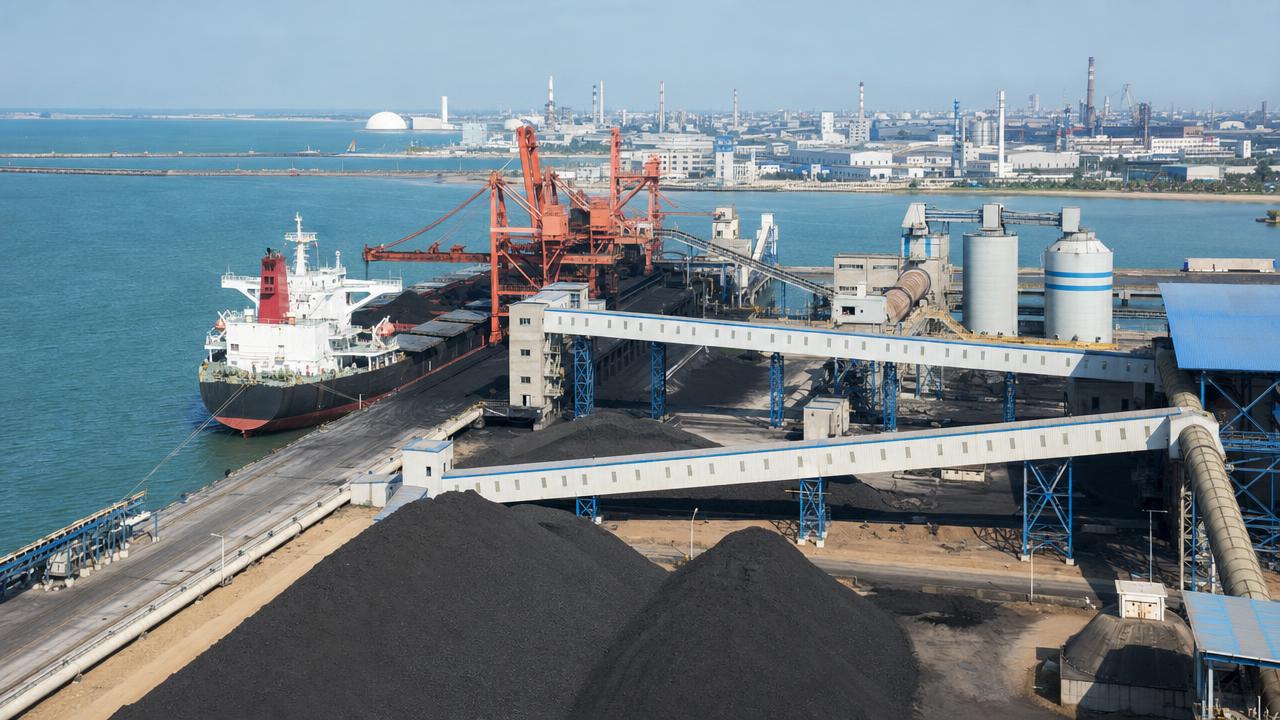
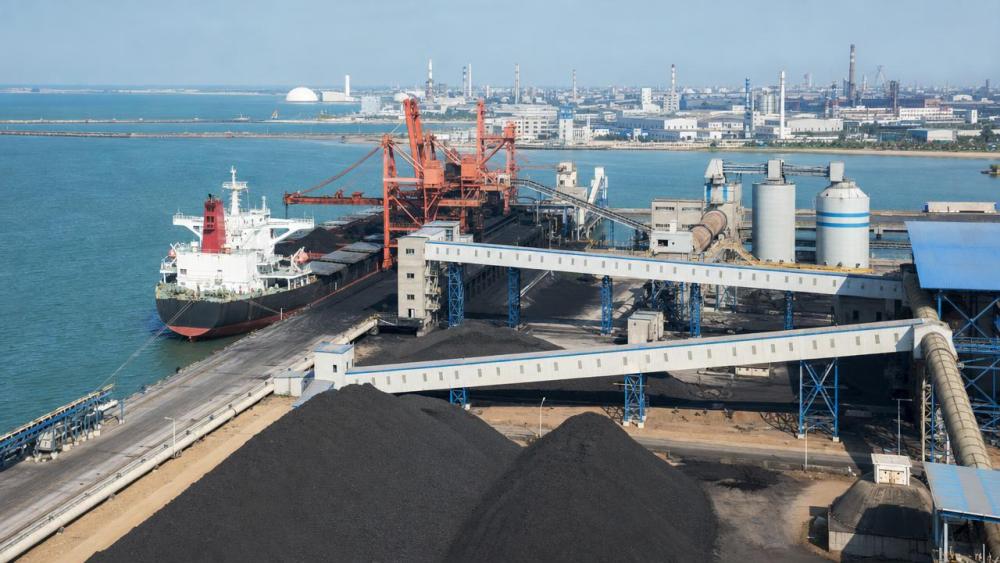
On June 13, 2026, Indonesia announced a new state-owned entity, DSI, as the sole export channel for coal and other strategic resources, while ending private-sector coal export qualifications with immediate effect. For overseas cement plants, AAC autoclave operators, and users of roller kilns and rotary kilns that rely on Indonesian low-ash thermal coal, this is an industry development worth close attention because it directly touches fuel access, procurement timing, and contract execution rather than remaining a policy signal in isolation.
What has been officially announced
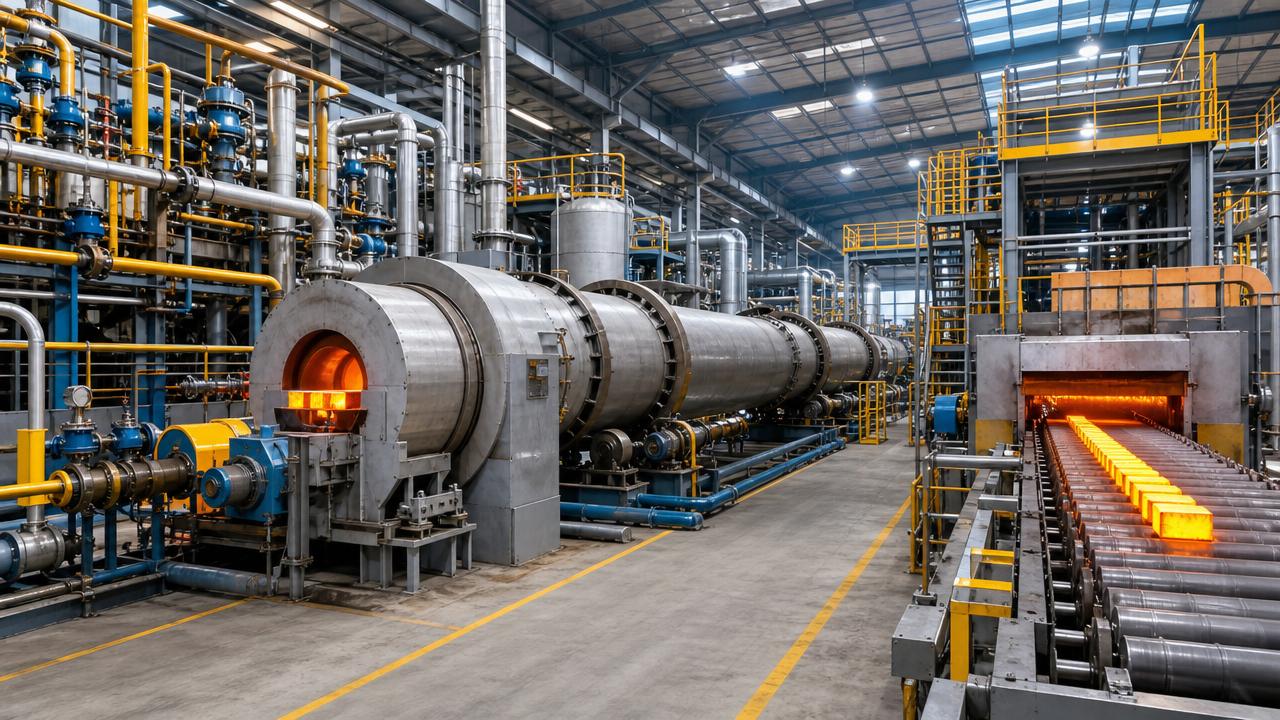
The confirmed information is limited but clear on the core change. The Indonesian government stated on June 13, 2026 that DSI has been established as the only export entity for coal and other strategic resources. At the same time, private companies lost their coal export qualifications. The event summary also indicates that this change is expected to affect overseas industrial users that depend on Indonesian low-ash thermal coal, including cement plants, AAC autoclave operations, and roller kiln and rotary kiln users.
Where operational pressure may emerge first
Procurement teams facing a new export channel
From an industry perspective, buyers and trading participants may feel the first impact in procurement workflows. If export access is concentrated in a single state-owned entity, the practical issue is not only price discussion but also how purchasing cycles, supplier confirmation, and contract arrangements are handled under the new structure.
Fuel-dependent production lines under scheduling pressure
For cement plants, AAC autoclave operators, and kiln users named in the event summary, the main concern is continuity of fuel supply. Analysis shows that any delay in procurement or contract renegotiation can quickly move from a commercial issue into a production-planning issue, especially where fuel specifications are closely tied to process stability.
Equipment and retrofit suppliers seeing urgent inquiries
The event summary also points to a possible rise in urgent inquiries for alternative-fuel adaptation equipment, including biomass co-firing systems and electric-heating kilns. Observably, this does not yet confirm a broad equipment replacement cycle, but it does indicate that some end users may begin evaluating technical flexibility sooner than planned.
What companies should watch now
Further official wording and implementation rules
What deserves closer attention is the difference between the headline policy move and its business execution. Companies should watch for any follow-up official clarification related to export procedures, qualification transition, documentation, and transaction arrangements connected to DSI.
Contract exposure and delivery timing
Businesses with ongoing or near-term coal purchasing needs should focus on whether existing delivery schedules, contractual terms, and supplier commitments need to be revisited. The key issue is not to assume outcomes, but to identify where procurement lead times may lengthen and where customer communication may need to start earlier.
Supplier credentials and trade documents
For trading firms, buyers, and supply-chain service providers, supplier qualification status and document compliance become immediate checkpoints. If private export qualifications have been terminated, counterparties will need to verify how cargo arrangements, paperwork, and performance responsibilities are handled under the revised export structure.
Fuel flexibility in process equipment
For plants heavily tied to Indonesian low-ash thermal coal, analysis shows that equipment-side adaptability deserves renewed attention. This does not mean an immediate switch is required, but it does make fuel substitution capability, co-firing readiness, and electric-heating options more relevant in contingency planning.
Why this matters beyond a single trade announcement
Observably, this development is significant because it connects resource-export control with downstream industrial operations. It is more appropriate to understand this as both an immediate supply-chain issue and a policy signal that may alter how fuel-dependent industrial users assess sourcing resilience. At the same time, it is still too early to treat all downstream outcomes as settled, because the practical effect will depend on how the new export arrangement is implemented.
How to read the signal at this stage
At this stage, the news is best understood as a material change in export governance with direct relevance for coal-reliant industrial fuel users. The confirmed facts already justify closer attention from procurement teams, kiln operators, and equipment suppliers, but the full market effect still requires continued observation. A neutral reading is that the short-term pressure is likely to center on procurement rhythm and contract handling, while the longer-term implication may be a stronger focus on fuel flexibility and supply-chain risk management.
Basis of this article
This article is generated from the user-provided news title, event date, and event summary. Typical source types relevant to developments like this may include official government announcements, corporate notices, industry association updates, authoritative media reporting, and standard-setting documents. No specific official source link was provided in the input, so the exact source documents still need ongoing verification. Follow-up attention should remain on any formal clarification of export rules, documentation requirements, and downstream effects on procurement and equipment demand.
Related News
- Which kiln upgrades cut fuel use in low-carbon cement production?Author :Powder Comminution Scientist

- When does a cement grinding machine become a bottleneck in clinker outputAuthor :Powder Comminution Scientist

- How to Evaluate Refractory Kiln Technology in ChinaAuthor :Powder Comminution Scientist

- Material Handling Machinery for Cement Plants: What to Check Before SelectionAuthor :Powder Comminution Scientist

- How to Evaluate a Cement Plant EPC Contractor Beyond Bid PriceAuthor :Powder Comminution Scientist

- EPC Cement Plant Risks That Delay Budget and StartupAuthor :Powder Comminution Scientist

- Key Cost Drivers in Cement Plant EPC Projects Before Contract SigningAuthor :Powder Comminution Scientist

- Cement Production Technology: How to Cut Fuel Use Without Process InstabilityAuthor :Powder Comminution Scientist

- Zaozhuang Speeds Export Clearance for Equipment MakersAuthor :Powder Comminution Scientist

- Indonesia Coal Export Shift Pressures Kiln Fuel ChainsAuthor :Powder Comminution Scientist

- OPEC Cuts 2026 Oil Demand View, Easing Kiln Fuel SwingsAuthor :Powder Comminution Scientist

- IMO MEPC 84 Adopts MARPOL Annex VI Amendments Effective September 2027Author :Powder Comminution Scientist

- How to Compare Cement Kiln Systems for Fuel Efficiency and OutputAuthor :Powder Comminution Scientist