



Search News
Industry Portal
Popular Tags
All categories
EPC Cement Plant Risks That Delay Budget and Startup




Why does an EPC cement plant that looks well planned still go off budget?
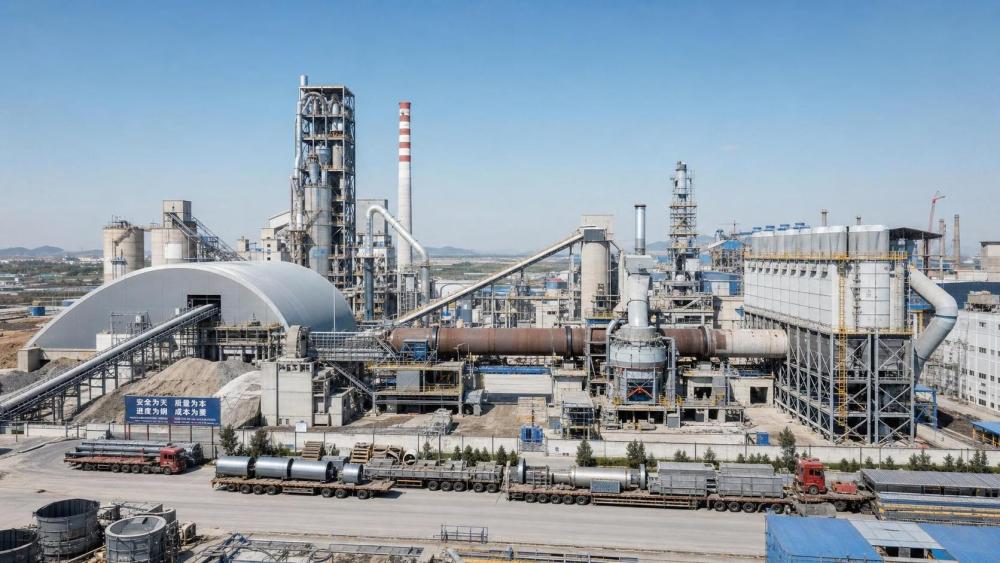
An EPC cement plant often appears predictable during tendering. The flow sheet is defined, the capacity target is clear, and major equipment seems easy to price.
The problem starts when early assumptions are treated as fixed facts. Small gaps in raw material data, utilities, layout, or permitting turn into major budget drift later.
In practice, delays rarely come from one dramatic failure. They usually build from linked issues across engineering, procurement, civil works, shipping, and startup readiness.
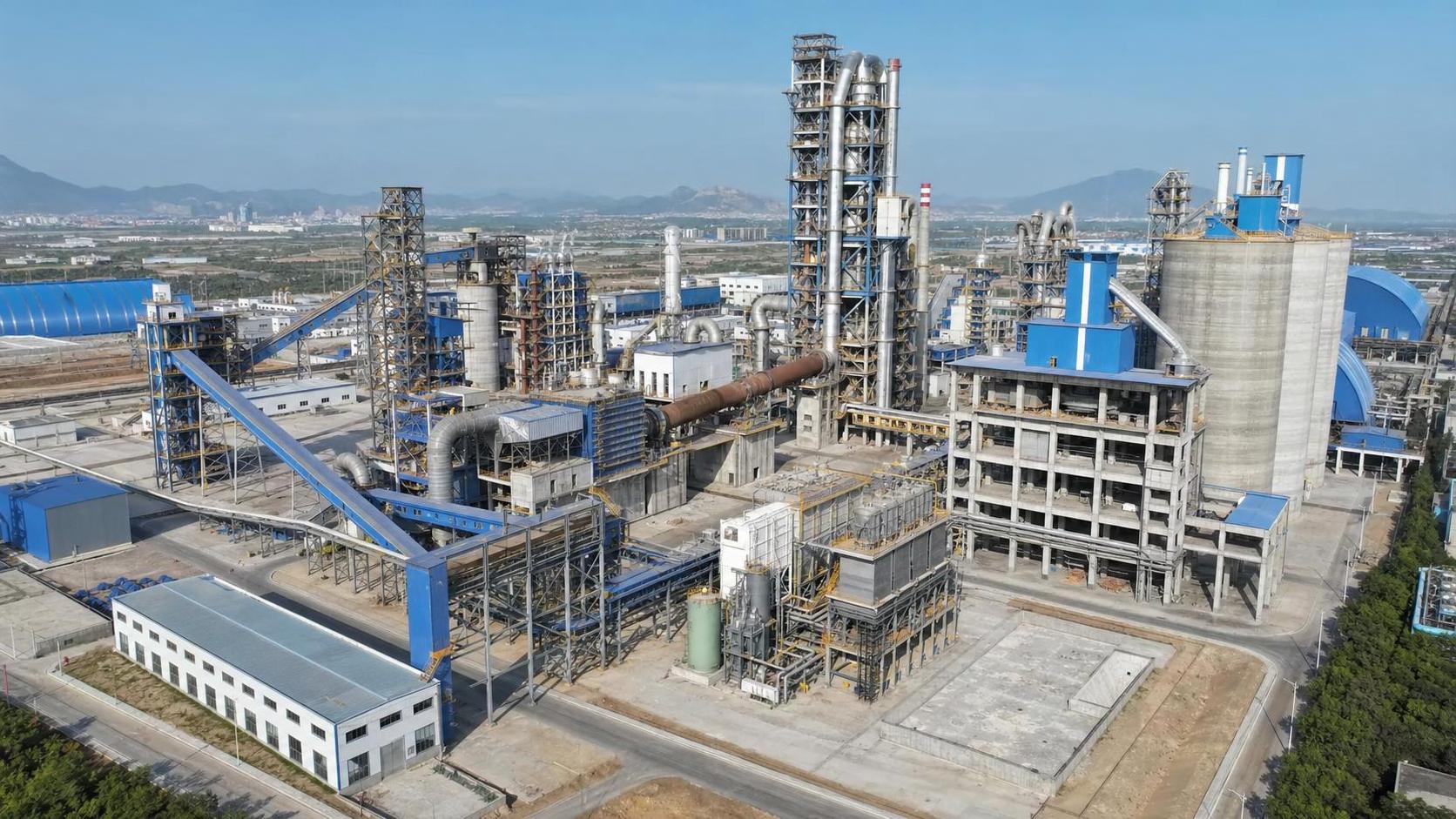
That is why an EPC cement plant should be reviewed as a system, not a package of isolated contracts. The real risk sits in interfaces.
This matters even more in heavy building material industries, where dust control, energy use, automation, and emissions are now tied to both project approval and operating cost.
A practical reading of technical intelligence helps here. Platforms such as NMBS are useful because they connect equipment choice with process behavior, compliance pressure, and commercial consequences.
Which early-stage mistakes create the biggest EPC cement plant delays?
The most expensive delays often begin before procurement. They are usually locked into the project during feasibility, basic design, and scope definition.
One common mistake is incomplete raw material characterization. If limestone variability, moisture, abrasiveness, or additive behavior is underestimated, mill sizing and wear planning become unreliable.
Another weak point is utility planning. Power quality, gas pressure, water balance, compressed air capacity, and backup systems are often assumed rather than verified.
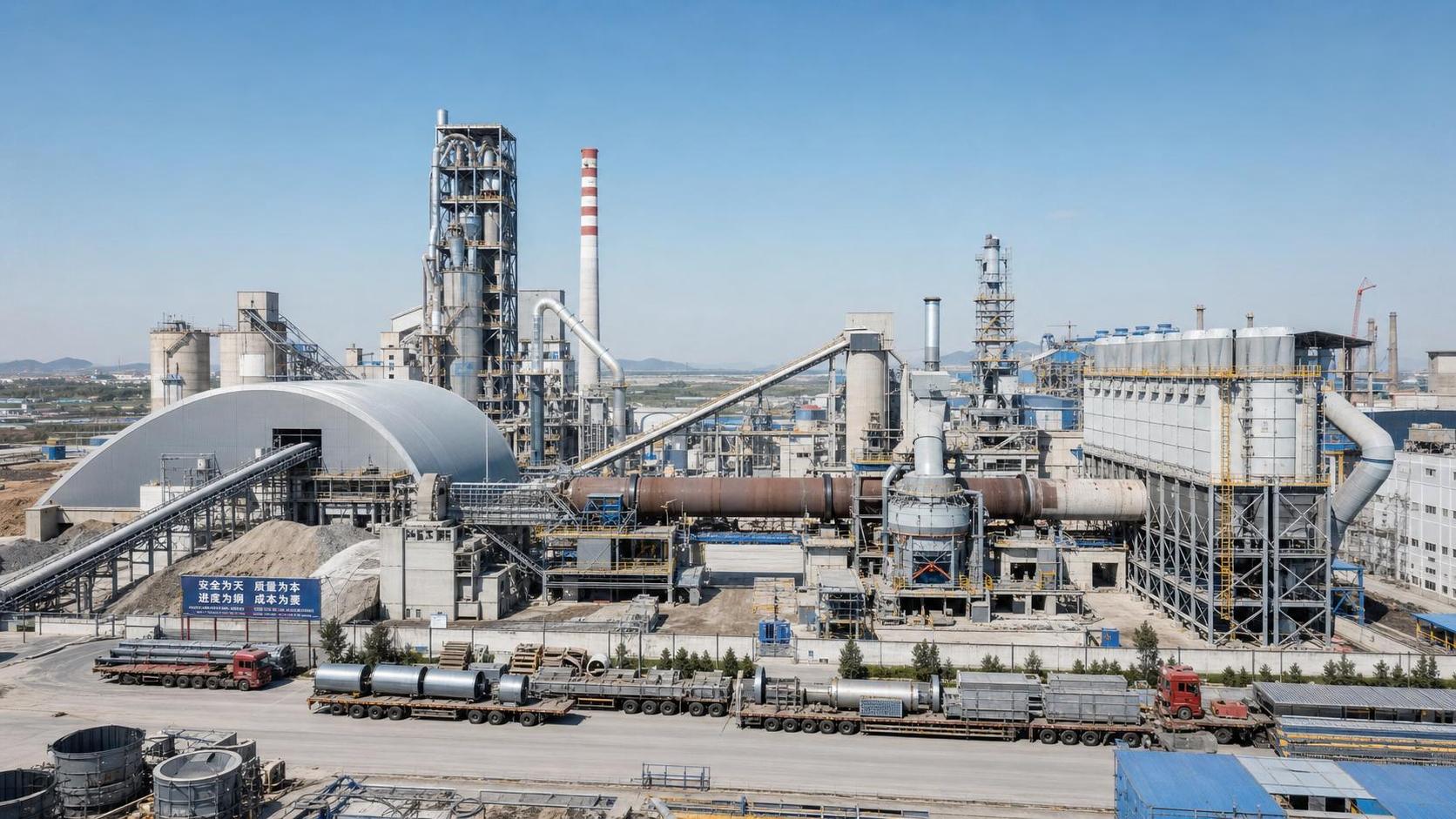
Site logistics also get simplified too early. Port restrictions, inland transport permits, crane access, monsoon seasons, and customs lead times can all move the startup date.
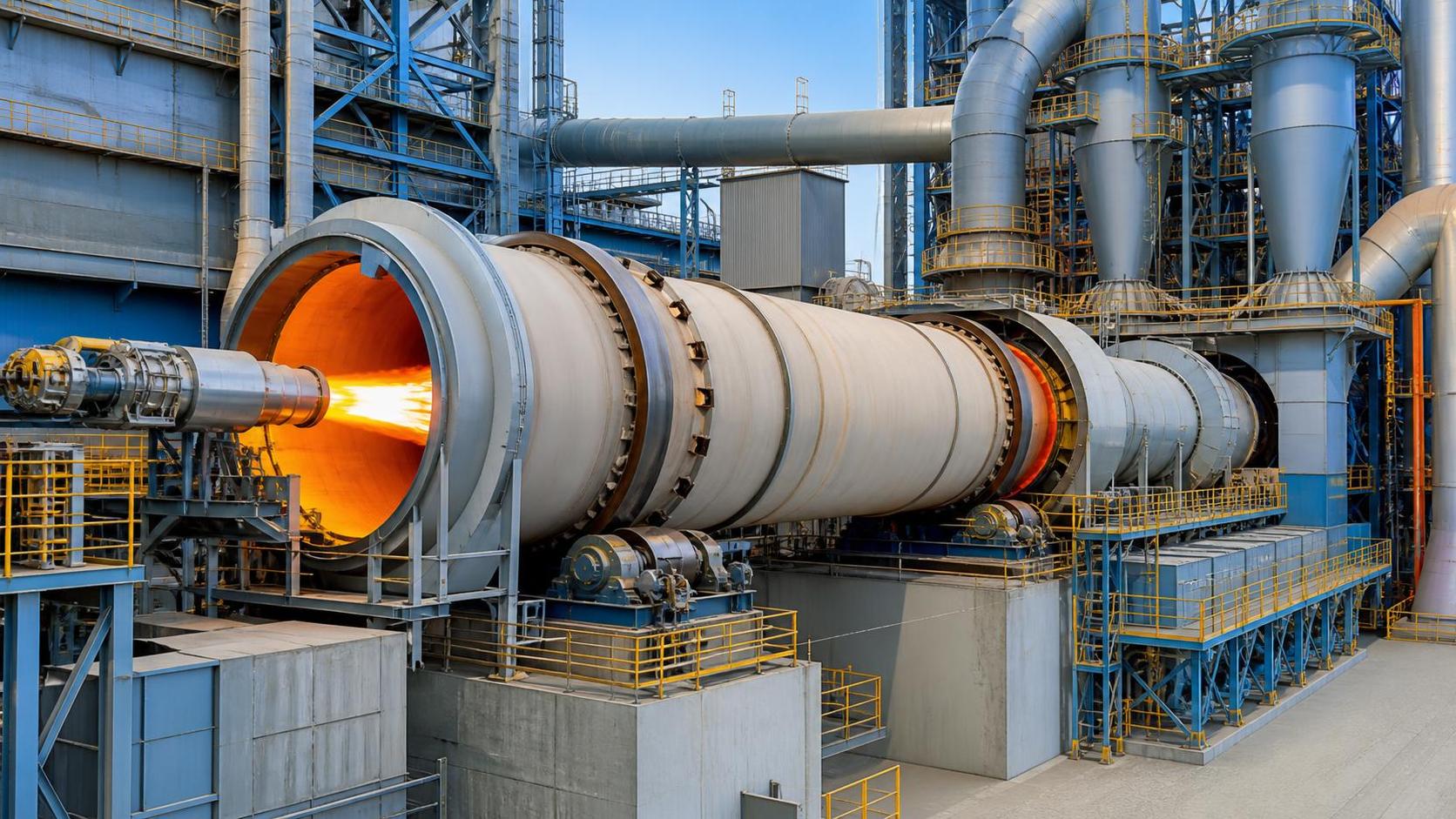
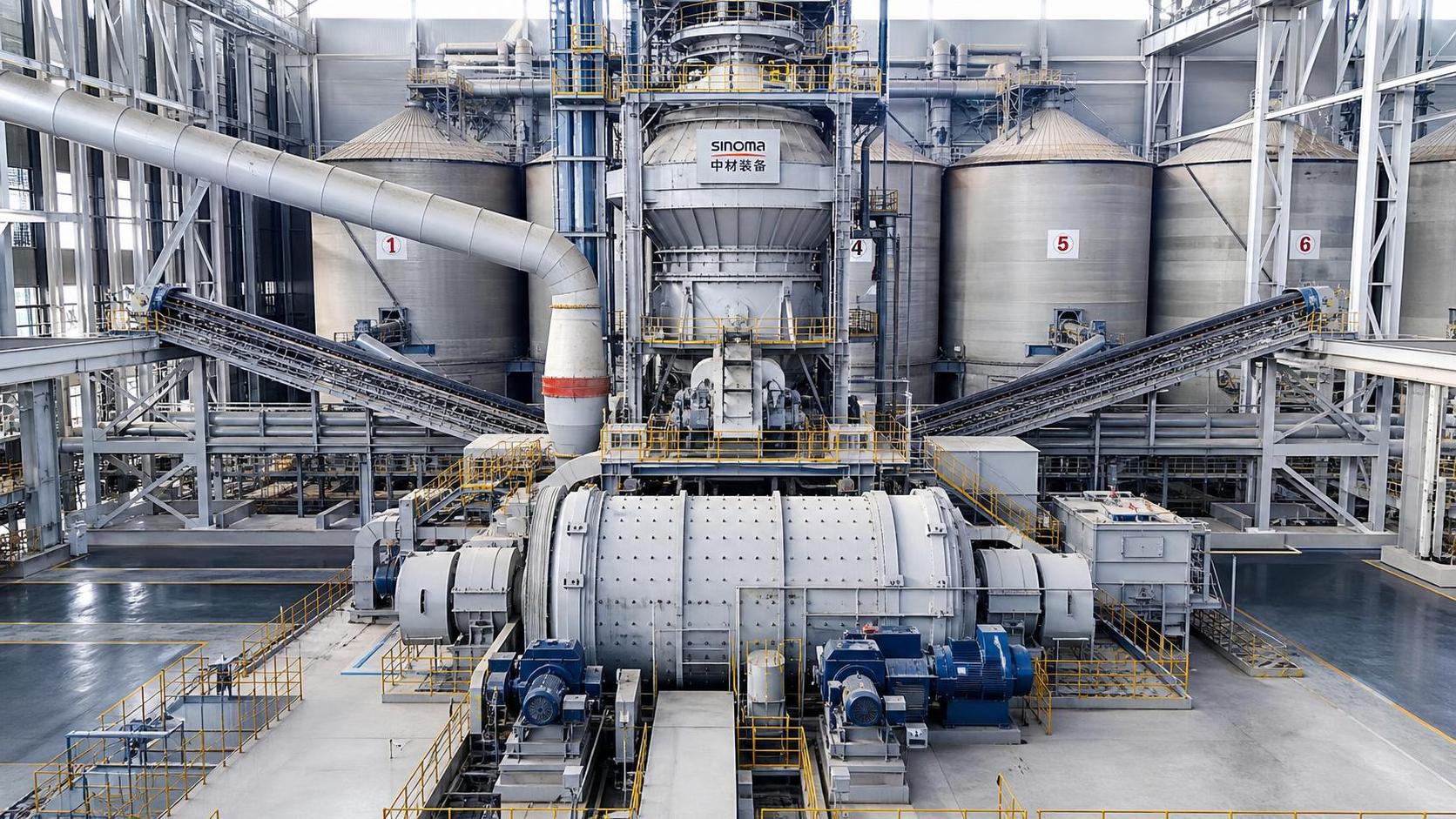
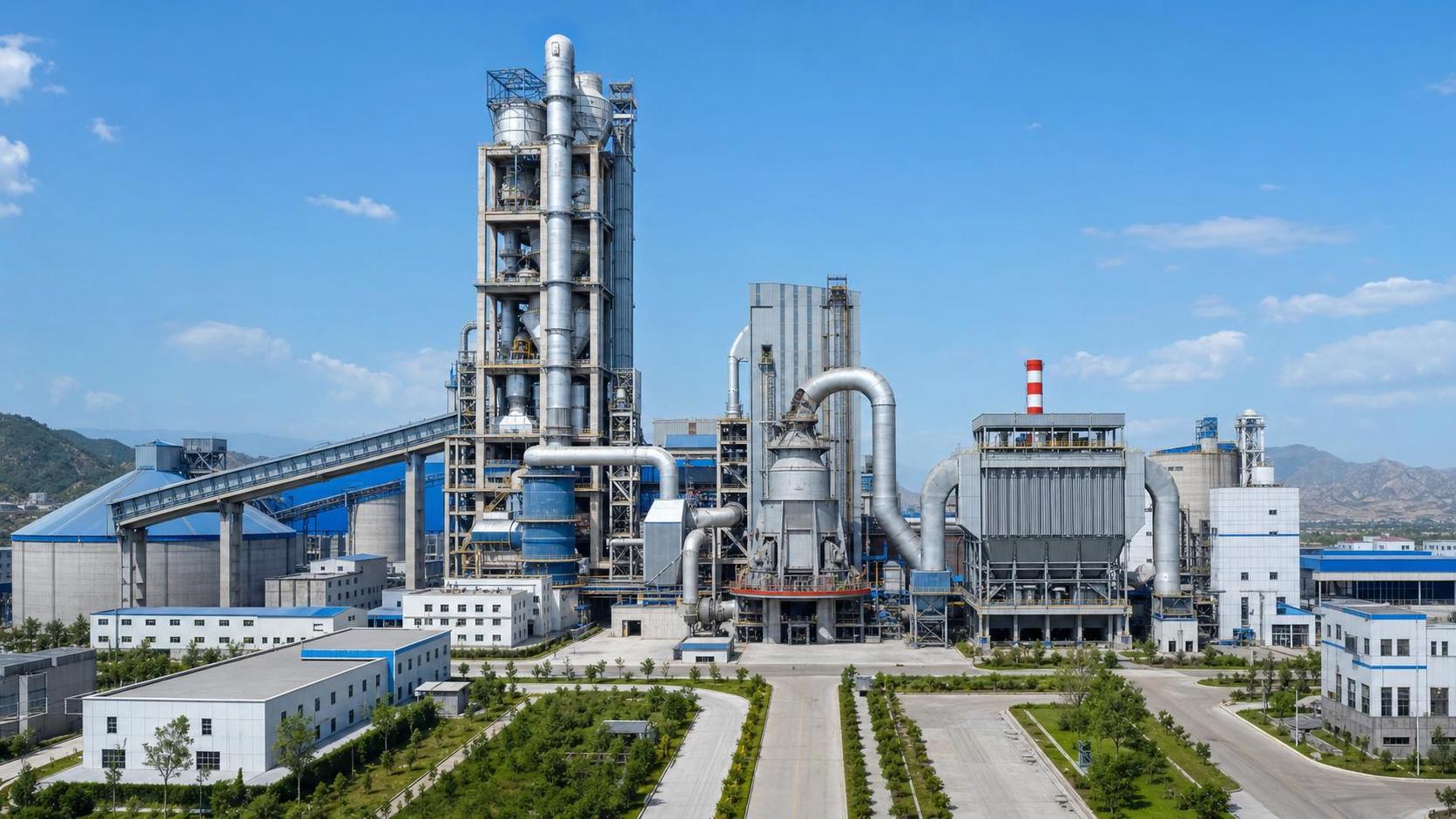
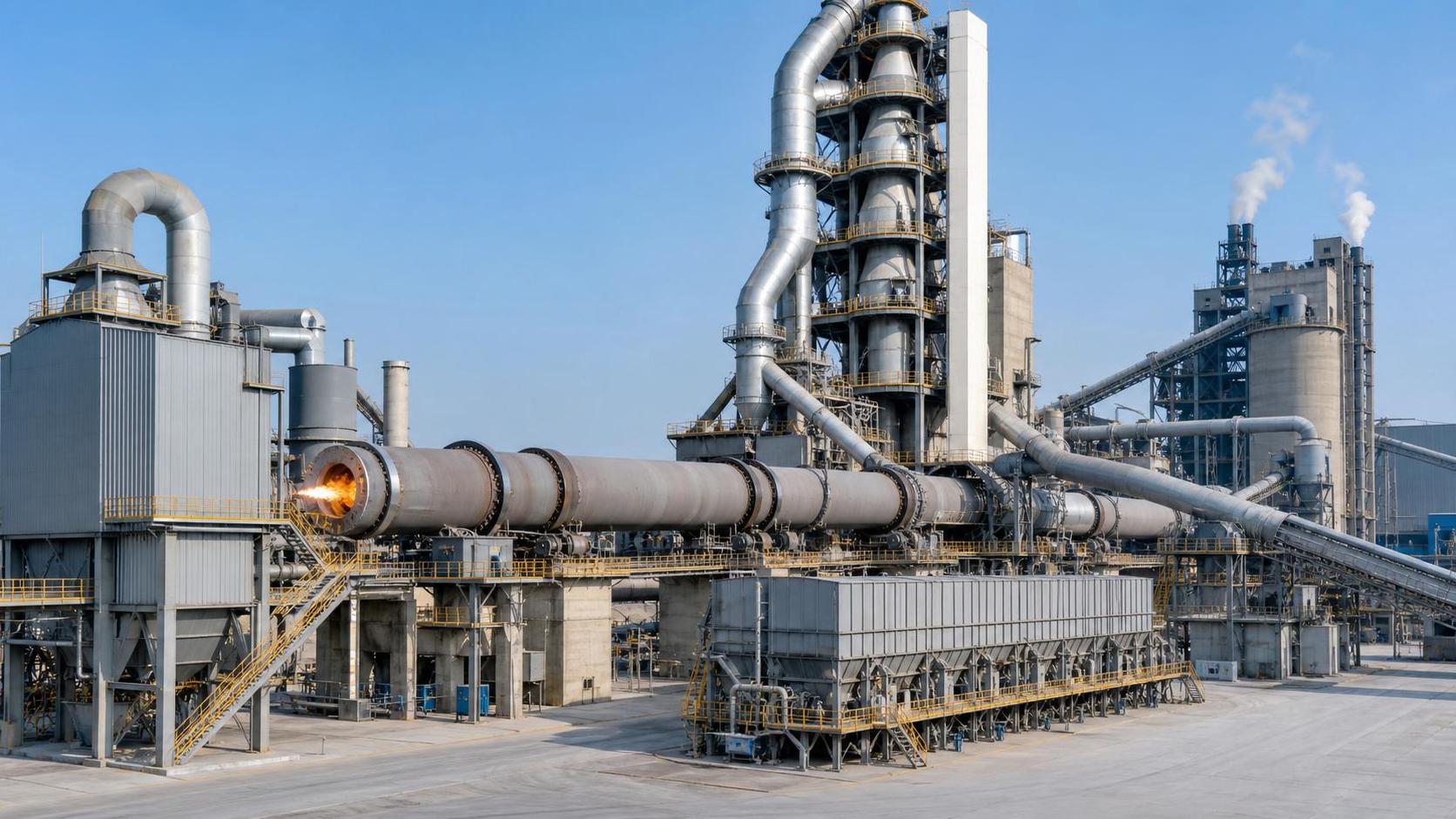
There is also a design coordination issue. A vertical mill, bag filter, kiln line, waste heat recovery unit, and packing section may each look correct individually, yet still conflict in elevation, duct routing, or control logic.
A useful checkpoint is to ask whether the EPC cement plant has a fully closed mass and energy balance, not only equipment lists and nameplate capacities.
This kind of review is more effective than asking whether the budget looks high or low. It shows where the budget is structurally fragile.
How do procurement choices quietly damage schedule certainty?
Procurement delays are not only about late purchase orders. More often, the issue is buying equipment before the technical basis is mature enough.
An EPC cement plant can lose months when mechanical specifications ignore automation compatibility, spare parts philosophy, local standards, or service access after installation.
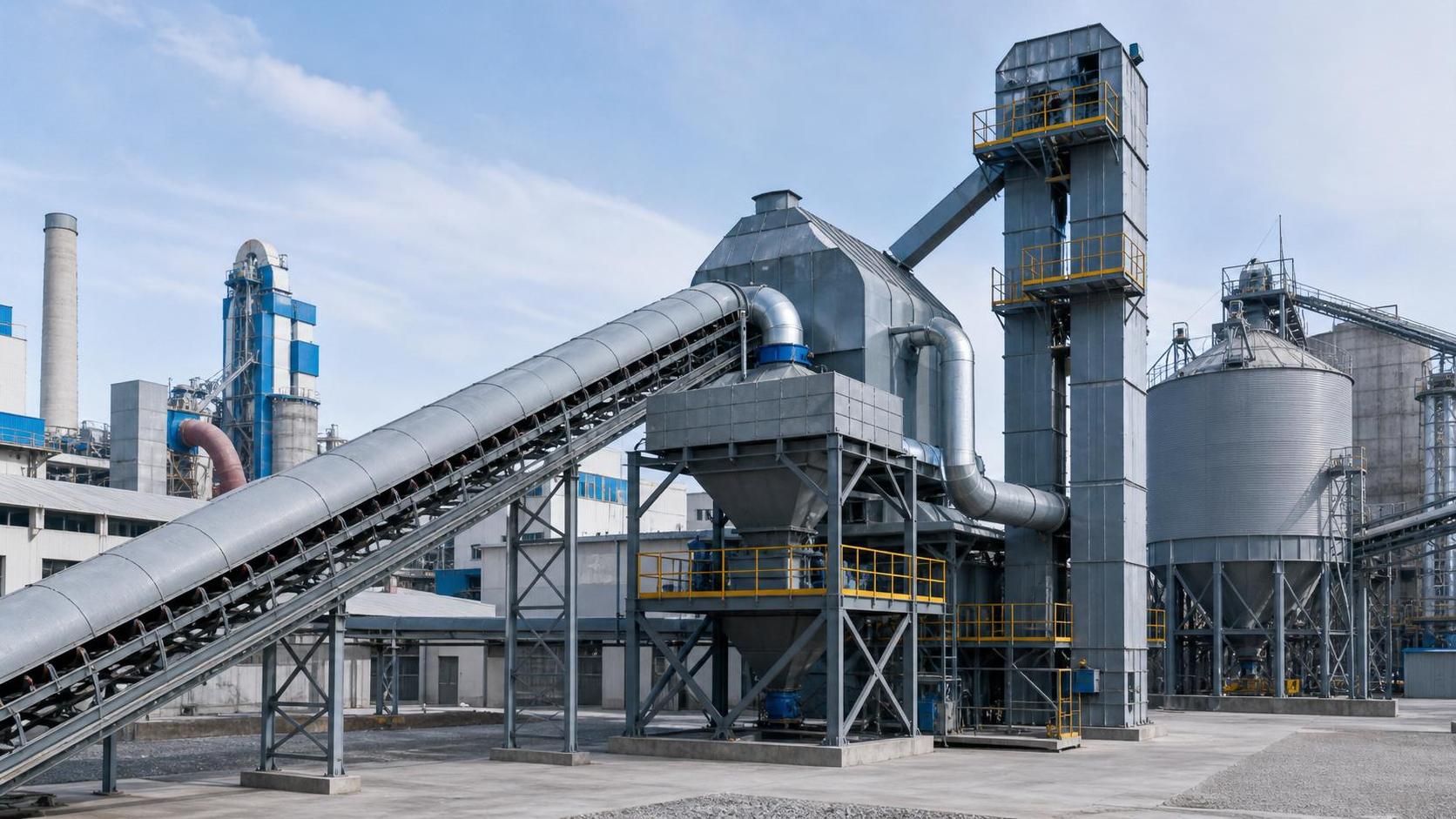
Long-lead items deserve special attention. Mills, gearboxes, kiln drives, transformers, bag filters, and laboratory systems can each become schedule drivers.
It is also risky to compare suppliers only on capital price. A cheaper package may exclude erection tools, training, refractory supervision, software licenses, or performance testing.
More serious problems appear when equipment is technically efficient but operationally mismatched. High-efficiency grinding, for example, is only valuable if feed stability, separator tuning, and dust handling support it.
- Check whether guarantees cover throughput, power draw, product fineness, and emissions together.
- Confirm what is excluded from the supply boundary, especially cables, field instruments, structural steel, and insulation.
- Review supplier manufacturing load, export history, and response time for engineering clarifications.
- Tie inspection milestones to document release and shipment approval.
In sectors covered by NMBS, this wider equipment view matters because process performance is now linked to carbon intensity, dust control, and digital monitoring, not only mechanical completion.
Why do commissioning and startup often slip even after construction looks complete?
Mechanical completion is not the same as startup readiness. Many EPC cement plant schedules hide this distinction until the very end.
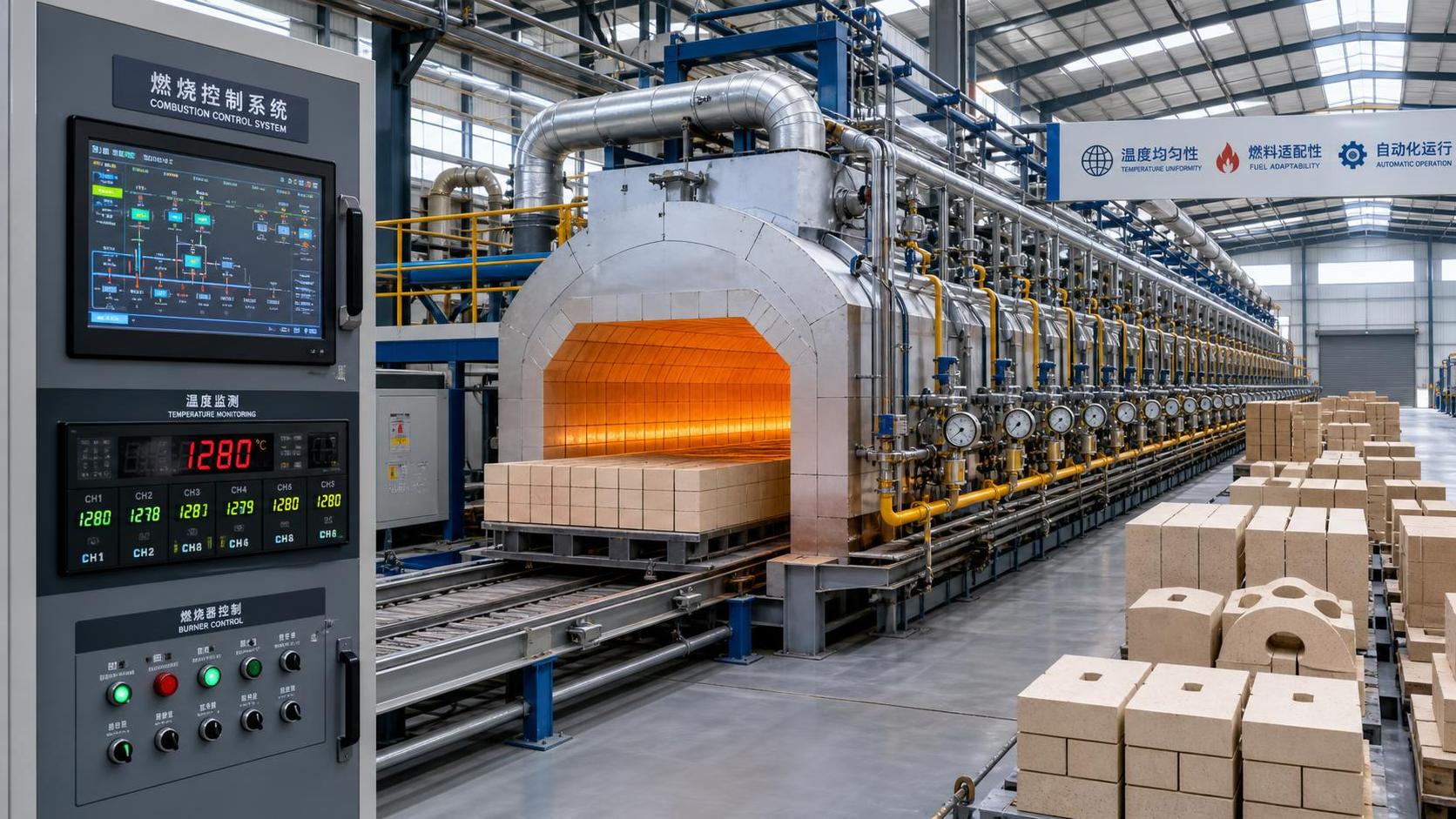
A plant may be physically built, yet still not ready because loop checks are unfinished, interlocks are not validated, instruments are poorly calibrated, or operator procedures are incomplete.
Startup also depends on consumables and operating conditions. Grinding media, refractory dry-out plans, lubricants, additives, test fuel, and laboratory protocols must be in place before hot commissioning.
Another common delay comes from performance testing logic. If acceptance criteria are vague, every underperforming section becomes a commercial dispute instead of an engineering correction.
The better approach is to define startup in stages. Cold tests, no-load rotation, load introduction, process stabilization, and guaranteed performance runs should each have entry conditions.
That sounds basic, but it is where many cement projects lose time. The startup date was approved, yet the plant was never operationally integrated.
What compliance risks are underestimated in a modern EPC cement plant?
Environmental compliance is no longer a finishing detail. It can affect layout, equipment selection, fuel strategy, automation architecture, and long-term operating margins.
Dust emissions remain a basic issue, but the bigger challenge is integrated compliance. Local rules may combine particulate limits with NOx, noise, carbon reporting, and waste heat expectations.
For an EPC cement plant, this means bag filter sizing, sealing quality, stack monitoring, and data logging should be designed for future scrutiny, not only for initial permit approval.
Energy transition pressure is also changing project evaluation. Fuel flexibility, waste heat recovery, digital energy monitoring, and lower-clinker strategies increasingly influence financing and export competitiveness.
This is where cross-industry intelligence becomes valuable. NMBS tracks low-carbon upgrades, process automation, and compliance trends across cement, glass, ceramics, and refractories, which helps place cement decisions in a wider industrial context.
The practical lesson is simple. If compliance is reviewed after procurement, the project usually pays twice.
How can an EPC cement plant be stress-tested before money and time are lost?
A useful stress test does not ask whether the schedule looks ambitious. It asks where assumptions have not yet been proven.
Start with interface mapping. Track every handoff between process design, civil works, electrical systems, automation, logistics, and compliance documents.
Then build a short decision matrix for the EPC cement plant. Focus on the items most likely to move cost or startup timing.
A final review should also test scenario changes. For example, what happens if fuel cost spikes, clinker factor drops, or transport lead times double?
That kind of stress test turns an EPC cement plant from a static contract into a more resilient industrial asset.
What should be done next if the project is still in planning or early execution?
Begin with a disciplined gap review. Check whether process assumptions, scope boundaries, delivery logic, and startup criteria are aligned across all major parties.
If the EPC cement plant is already moving, focus on unresolved interfaces rather than headline progress percentages. That is where hidden delay usually sits.
It also helps to compare current design choices against broader building material industry experience. Lessons from grinding systems, dust control, automation, and low-carbon retrofits often transfer well.
A good next step is to create a short risk register around five items: design maturity, logistics exposure, utility certainty, commissioning readiness, and compliance margin.
When those five are visible, budget risk becomes easier to challenge, startup dates become more realistic, and the EPC cement plant stands a better chance of reaching stable production without costly rework.
Related News
- Which kiln upgrades cut fuel use in low-carbon cement production?Author :Powder Comminution Scientist

- When does a cement grinding machine become a bottleneck in clinker outputAuthor :Powder Comminution Scientist

- How to Evaluate Refractory Kiln Technology in ChinaAuthor :Powder Comminution Scientist

- Material Handling Machinery for Cement Plants: What to Check Before SelectionAuthor :Powder Comminution Scientist

- How to Evaluate a Cement Plant EPC Contractor Beyond Bid PriceAuthor :Powder Comminution Scientist

- EPC Cement Plant Risks That Delay Budget and StartupAuthor :Powder Comminution Scientist

- Key Cost Drivers in Cement Plant EPC Projects Before Contract SigningAuthor :Powder Comminution Scientist

- Cement Production Technology: How to Cut Fuel Use Without Process InstabilityAuthor :Powder Comminution Scientist

- Zaozhuang Speeds Export Clearance for Equipment MakersAuthor :Powder Comminution Scientist

- Indonesia Coal Export Shift Pressures Kiln Fuel ChainsAuthor :Powder Comminution Scientist

- OPEC Cuts 2026 Oil Demand View, Easing Kiln Fuel SwingsAuthor :Powder Comminution Scientist

- IMO MEPC 84 Adopts MARPOL Annex VI Amendments Effective September 2027Author :Powder Comminution Scientist

- How to Compare Cement Kiln Systems for Fuel Efficiency and OutputAuthor :Powder Comminution Scientist