



Search News
Industry Portal
Popular Tags
All categories
Indonesia Curbs Nickel, Tightens Tin Exports




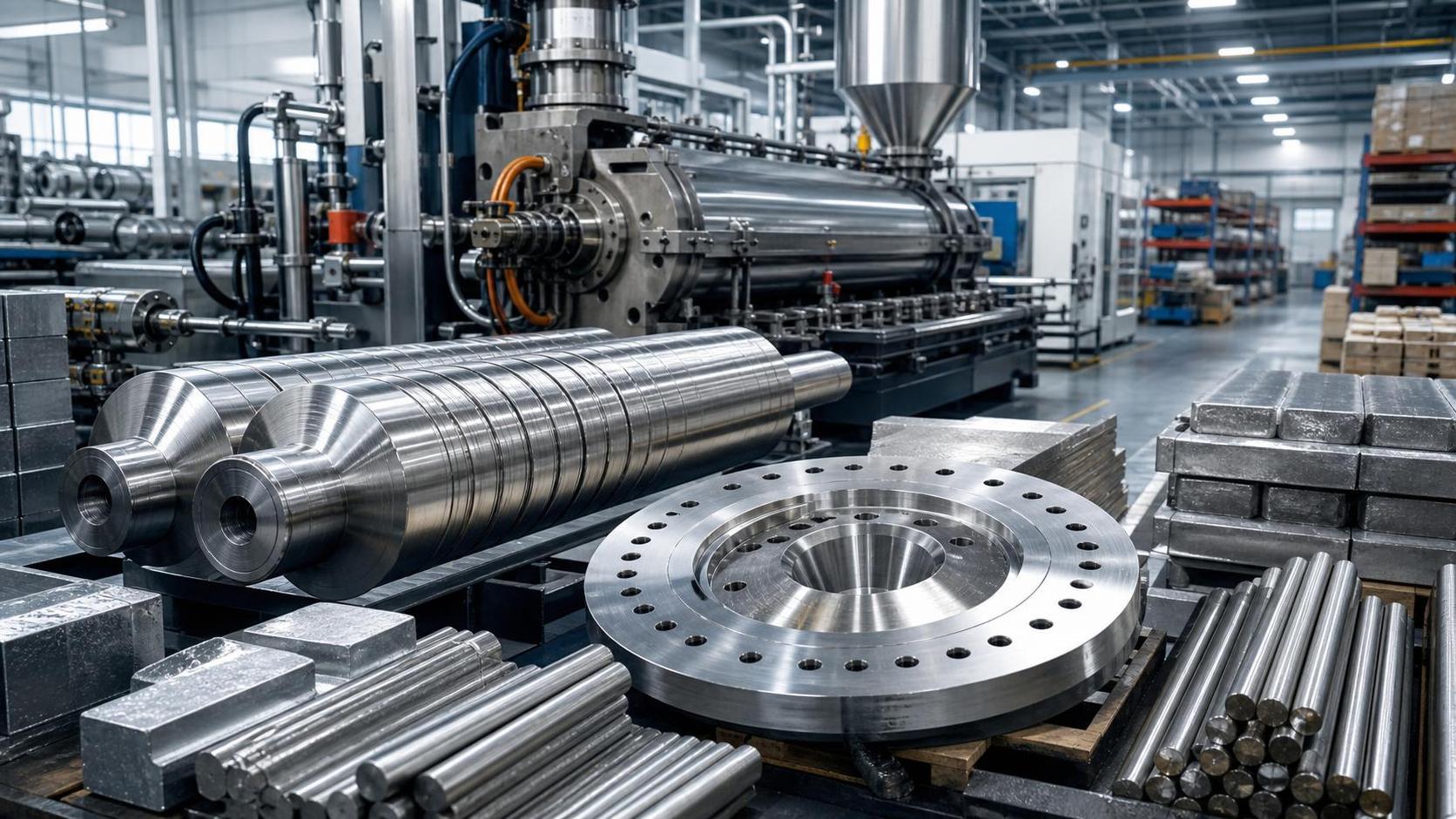
On June 1, 2026, Indonesia moved to cut nickel mining quotas by more than 30%, maintain its ban on nickel ore exports, and tighten controls on tin ore exports. For manufacturers and buyers linked to roller presses and vacuum extruders, this matters because imported alloy-intensive parts such as heat-resistant rollers and vacuum extrusion die cores are already seeing weaker delivery stability and higher pricing, making procurement, scheduling, and customer commitments key areas to watch.
What Has Changed in the Upstream Supply Picture
The confirmed development is that Indonesia began reducing nickel mining quotas by more than 30% from June 2026, while continuing its nickel ore export ban and advancing tighter tin ore export controls. The same input indicates that Indonesia accounts for more than 40% of global nickel output and is the largest tin producer. Based on the information provided, these policy moves are directly affecting the delivery stability and cost of key imported components, including heat-resistant alloy rollers and vacuum extrusion die cores.
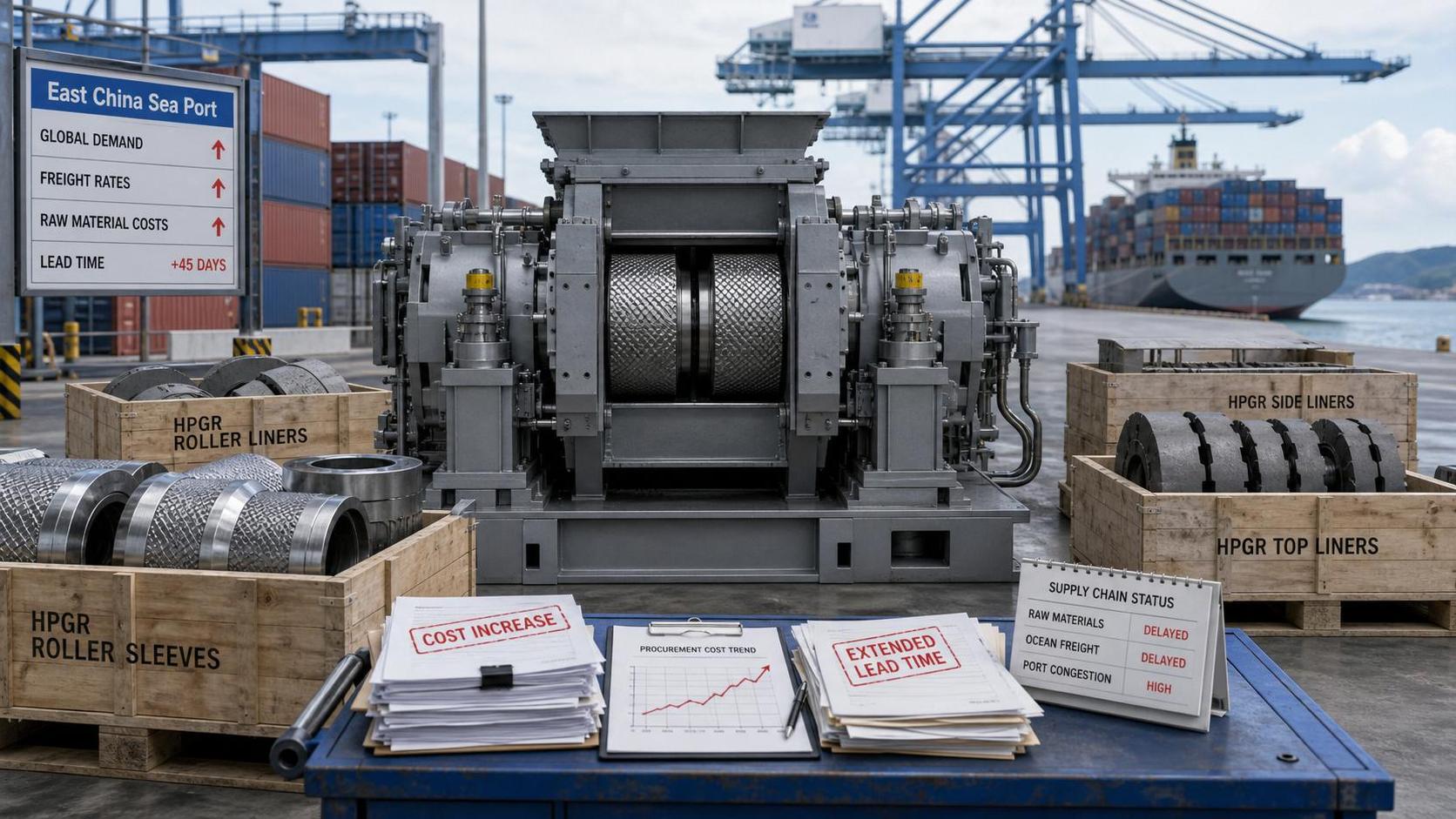
The reported impact has already appeared in the domestic equipment segment: lead times for some roller press and vacuum extruder manufacturers have extended to 16 weeks, while quotations for customized alloy components have risen by 18%.
Where the Pressure Is Showing Along the Chain
Imported component sourcing is under immediate strain
From an industry perspective, the most direct pressure falls on companies sourcing imported alloy parts used in roller presses and vacuum extruders. The reason is straightforward: when upstream nickel and tin policies tighten, parts that depend on high-temperature alloy materials face greater delivery uncertainty and cost pressure. The business impact is most visible in procurement timing, supplier quotations, and order confirmation cycles.
Equipment manufacturers face delivery and quotation challenges
For processing and equipment manufacturers, the issue is not only input cost. Observably, longer lead times for critical parts can affect production scheduling, customization timelines, and the reliability of delivery promises made to customers. The reported 16-week lead time and 18% rise in customized alloy component quotations suggest that commercial planning is becoming more difficult even before any broader market response is fully visible.
Buyers and project-side customers may see slower decisions
Procurement teams and downstream buyers may also feel the effect through revised quotations, longer equipment delivery windows, or requests to reconfirm technical configurations tied to imported alloy parts. What deserves closer attention is whether the affected components are standard items or highly customized parts, because the latter are typically more exposed to supply disruptions and price adjustments.
What Companies Should Watch Now
Track official wording and implementation details separately
Analysis shows that companies should distinguish between the policy signal itself and its actual business execution. The input confirms tighter quotas and export controls, but the operational effect on specific parts, contracts, and delivery slots may develop unevenly. Firms should therefore keep watching for any further official clarification or rule adjustments that may shape actual supply availability.
Review exposure in critical alloy-dependent parts
A practical priority is to identify which products rely on imported heat-resistant alloy rollers, vacuum extrusion die cores, or similar components affected by nickel and tin supply tightening. This matters because not every part on a bill of materials carries the same supply risk, and the current disruption appears concentrated in upstream alloy-intensive items.
Recheck lead times, quotations, and contract assumptions
Companies involved in procurement, manufacturing, and project delivery should pay close attention to changes in supplier lead times, quotation validity periods, and fulfillment assumptions. Based on the information provided, the combination of extended lead times and higher custom-part pricing makes communication with customers and internal production planning more important than usual.
Prepare documentation and supplier communication early
Observably, when delivery cycles lengthen, execution risk often shifts to order confirmation, technical approval, and supporting documents. Firms may need to verify supplier qualifications, product specifications, and delivery commitments earlier in the process so that commercial discussions do not drift out of sync with real component availability.
Why This Looks Bigger Than a Single Pricing Move
Analysis shows that this development should not be read only as a short-term cost fluctuation. It also signals how resource policy in a major producing country can quickly feed into specialized equipment supply chains through alloy-based components. At the same time, it is too early to treat the current situation as a fully settled long-term outcome based only on the provided information. It is more appropriate to understand this as a clear upstream warning signal with immediate operational effects and a need for continued monitoring.
How to Read the Current Signal
For the roller press and vacuum extruder supply chain, the main significance of this update lies in the link between mineral policy and component availability. The confirmed facts already point to longer lead times and higher quotations for customized alloy parts. A neutral reading is that the market is facing a real upstream constraint, but the full extent of its duration and spread still requires observation. At this stage, it is more appropriate to treat the development as both a short-term supply adjustment and a longer-term signal about material concentration risk.
Basis of This Report
This article is generated from the user-provided news title, event date, and event summary. For topics of this kind, commonly relevant source types may include official policy announcements, corporate disclosures, industry association updates, authoritative media reporting, and standard-setting documents. No specific official source link was provided in the input, so the underlying policy wording, implementation details, and follow-on market effects still require continued verification. Ongoing attention should focus on any further official clarification and on whether lead-time and pricing changes continue to expand across affected alloy components.
Related News
- Cement Grinding System Selection: Energy Use, Output, and Wear Trade-OffsAuthor :Powder Comminution Scientist

- HPGR Bearing Export Controls TightenAuthor :Powder Comminution Scientist

- HPGR Parts Export Controls Tighten on Bearings and ValvesAuthor :Powder Comminution Scientist

- 7 Ways to Improve Clinker Grinding Efficiency Without Major RetrofitsAuthor :Powder Comminution Scientist

- Vertical Roller Mill for Slag: When Is It the Better Option?Author :Powder Comminution Scientist

- Industrial Crushing Technology Options for Lower Energy Use and Finer OutputAuthor :Powder Comminution Scientist

- Cement Clinker Grinding Equipment: Ball Mill or Roller Press?Author :Powder Comminution Scientist

- Vertical Mill Retrofit Checklist: Capacity Gains vs Downtime RiskAuthor :Powder Comminution Scientist

- Cement Grinding Mill Efficiency: When Upgrades Deliver Real Energy SavingsAuthor :Powder Comminution Scientist

- Industrial Crushing Technology for Limestone: Choosing the Right SetupAuthor :Powder Comminution Scientist

- How to Compare Industrial Crushing Machinery Suppliers on Output and Wear CostsAuthor :Powder Comminution Scientist

- HPGR Energy Limit Tightened to 2.1 kWh/tAuthor :Powder Comminution Scientist

- Cement Grinding Systems: When High-Pressure Roller Mills Outperform Ball MillsAuthor :Powder Comminution Scientist

- Draft Capacity Rules May Delay Export EquipmentAuthor :Powder Comminution Scientist

- Vertical Mill Retrofit: When It Pays Off and What to Upgrade FirstAuthor :Powder Comminution Scientist

- Uzbekistan BIG5 Opens in August as Tax Breaks Support China Building Equipment ExportsAuthor :Powder Comminution Scientist

- China HPGR Exports Rise 35% on Middle East Cement UpgradesAuthor :Powder Comminution Scientist

- EuroBLECH 2026 Puts Hybrid Processing in FocusAuthor :Powder Comminution Scientist

- How to Compare Heavy Duty Crushing Machinery for High-Volume Plant OperationsAuthor :Powder Comminution Scientist

- Indonesia Curbs Nickel, Tightens Tin ExportsAuthor :Powder Comminution Scientist

- Dry High-Capacity Grinding Technology: When It Beats Ball Milling on Throughput and EnergyAuthor :Powder Comminution Scientist

- PPI Signal: HPGR Input Costs Up, Lead Times Reach 14 WeeksAuthor :Powder Comminution Scientist

- China’s HPGR Exports Jump 41% in Q1 as Southeast Asia Leads DemandAuthor :Powder Comminution Scientist

- When Vertical Roller Mills Beat Ball Mills on Power and FootprintAuthor :Powder Comminution Scientist