



Search News
Industry Portal
Popular Tags
All categories
EuroBLECH 2026 Puts Hybrid Processing in Focus




EuroBLECH 2026 is scheduled for October 21–24, 2026, and the event is notable not only for its exhibition agenda but also for the compliance and procurement signals implied by its first dedicated "Non-Metallic Integration Zone." For equipment suppliers, processing manufacturers, buyers, and cross-border project teams, the development is worth watching because it suggests growing market attention to energy-use claims, particle-size control, integrated line documentation, and specification alignment in metal and non-metal composite processing applications.
A new exhibition focus with compliance relevance
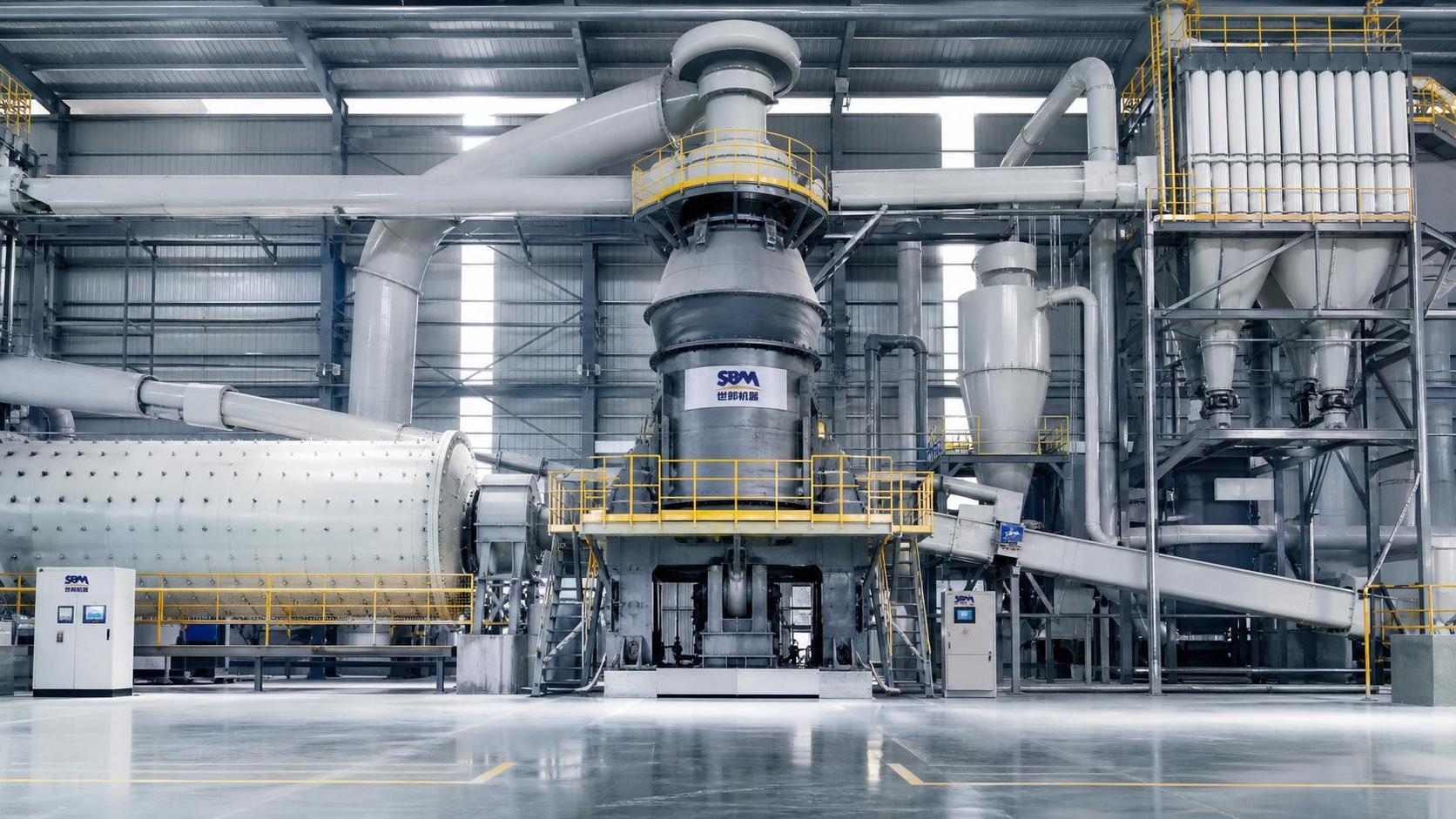
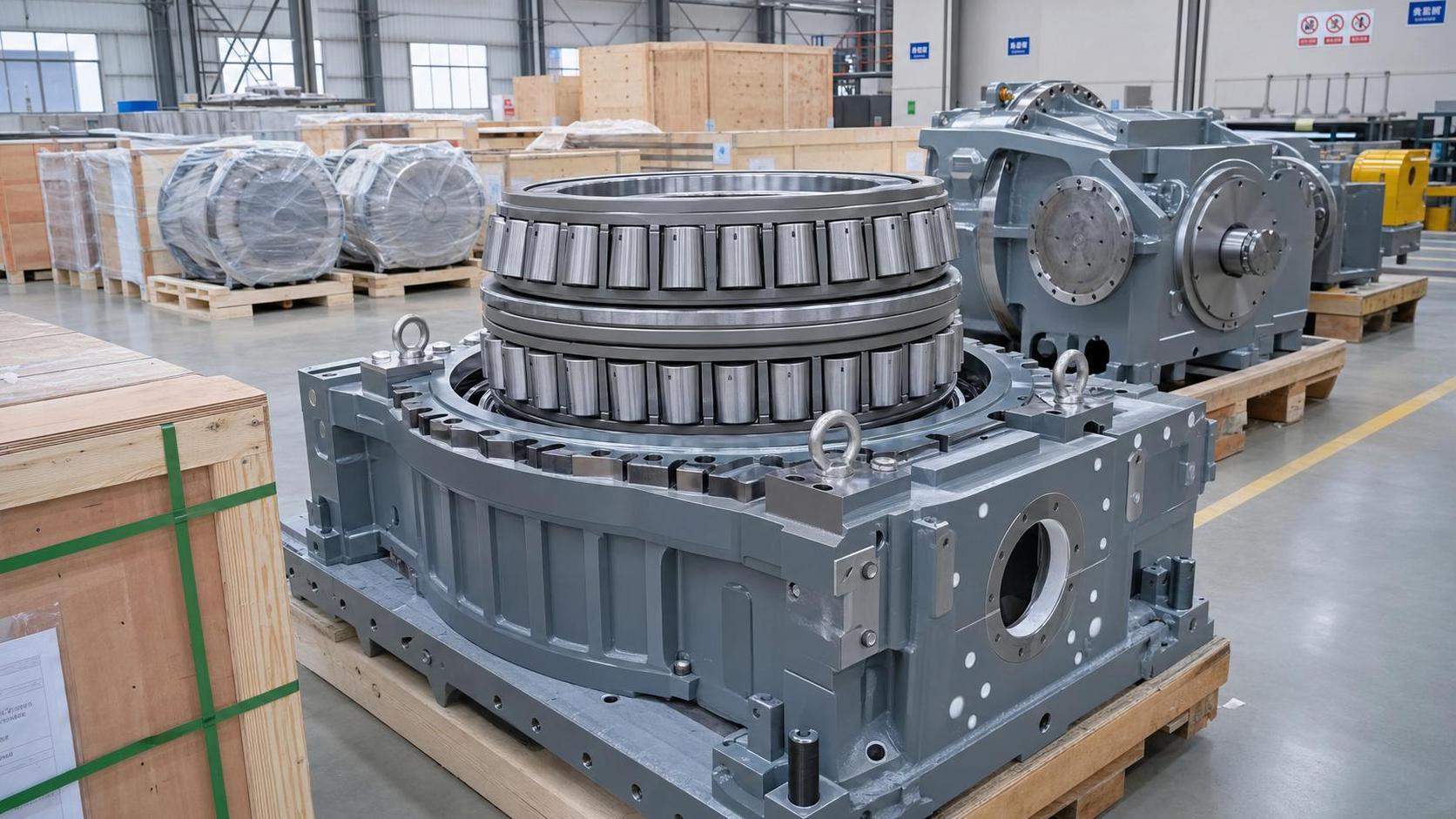
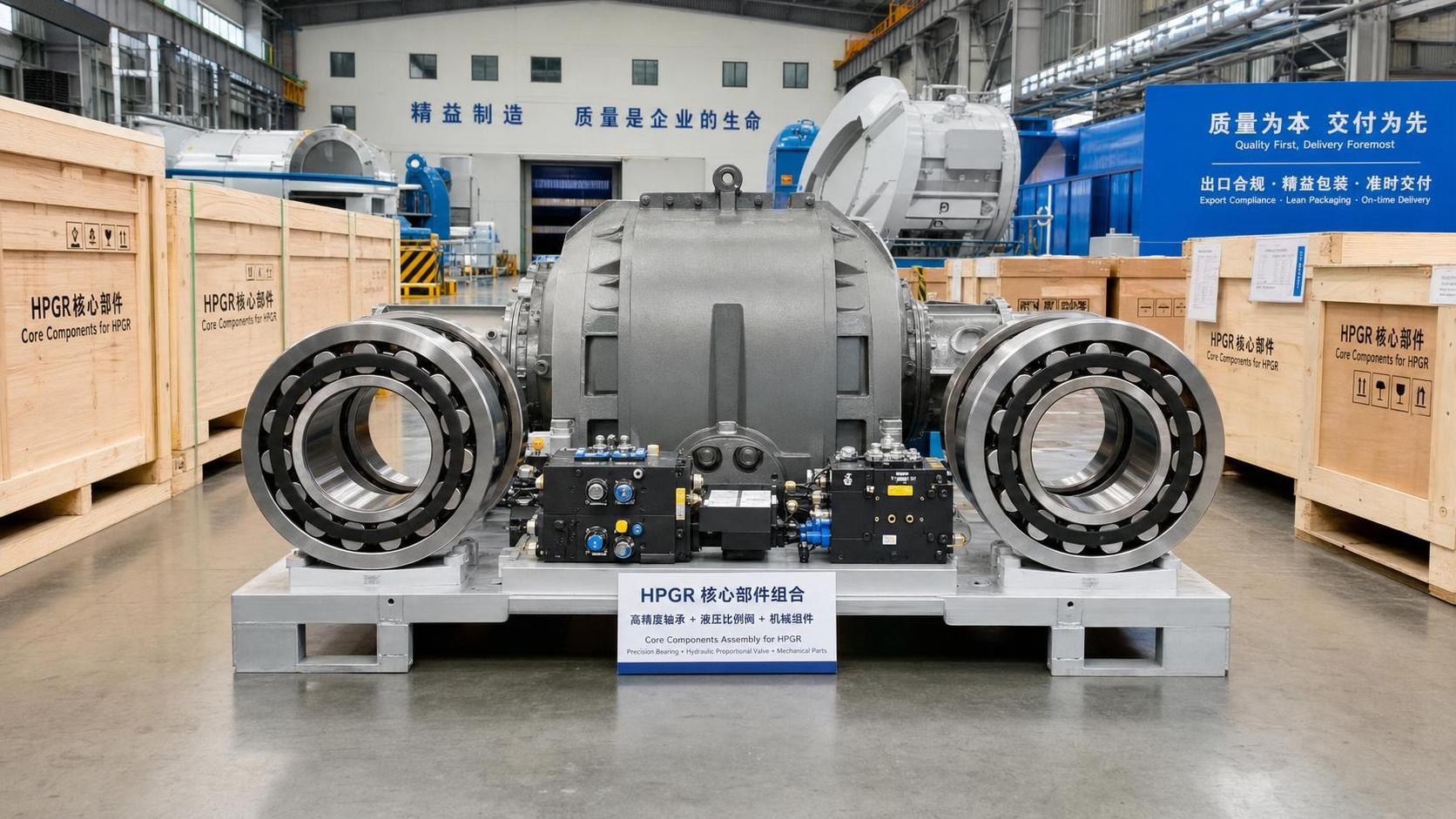
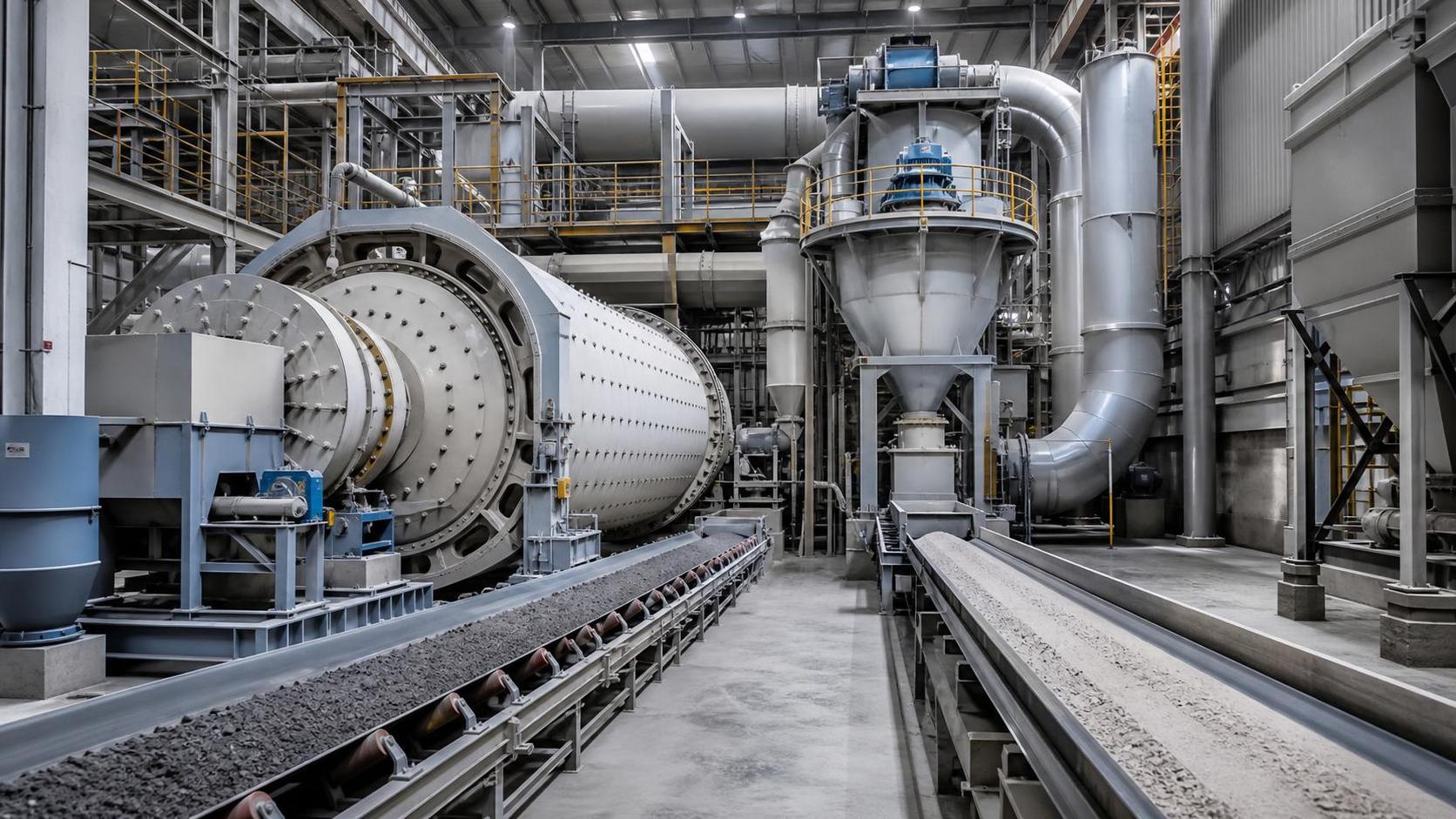
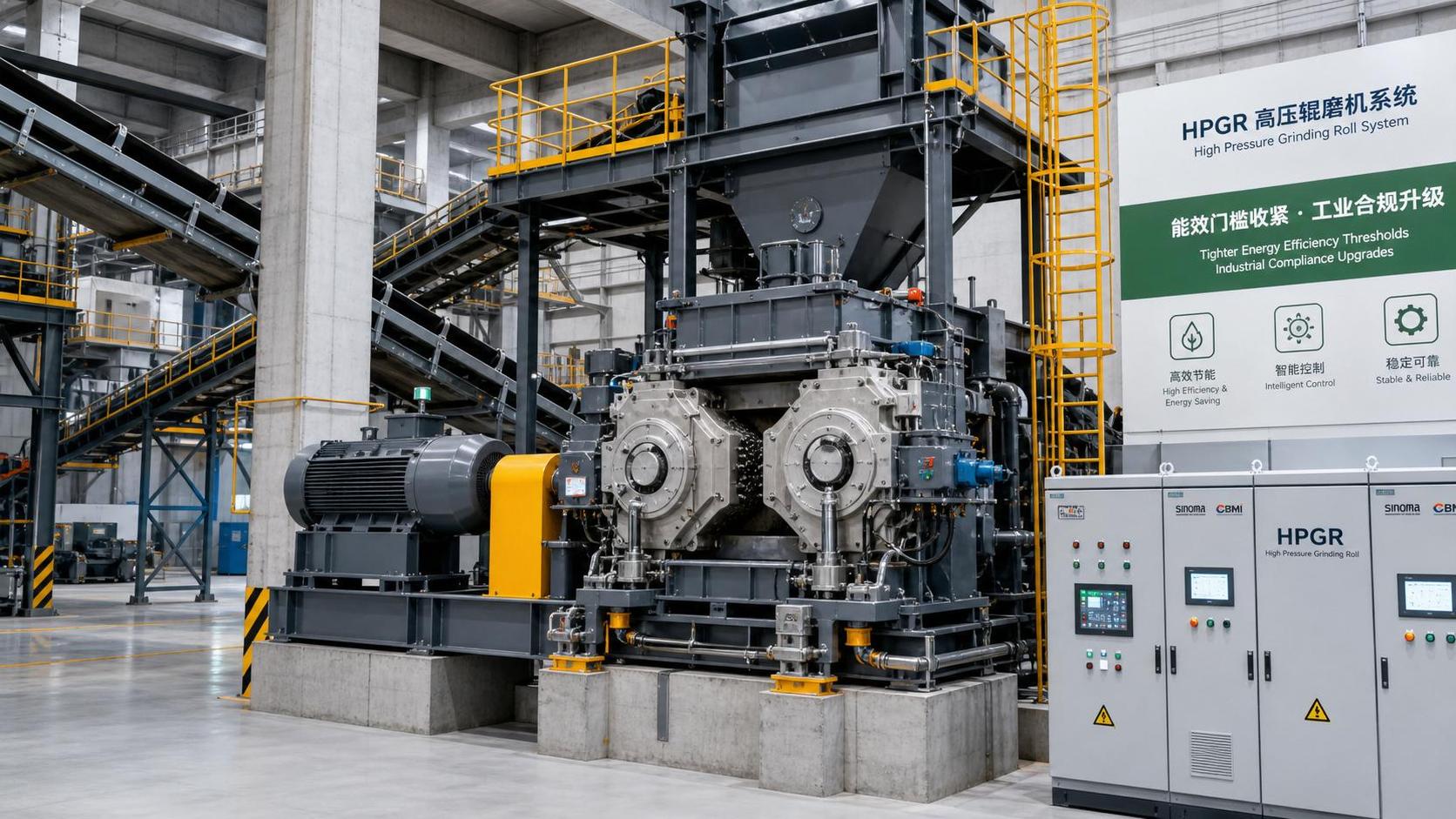
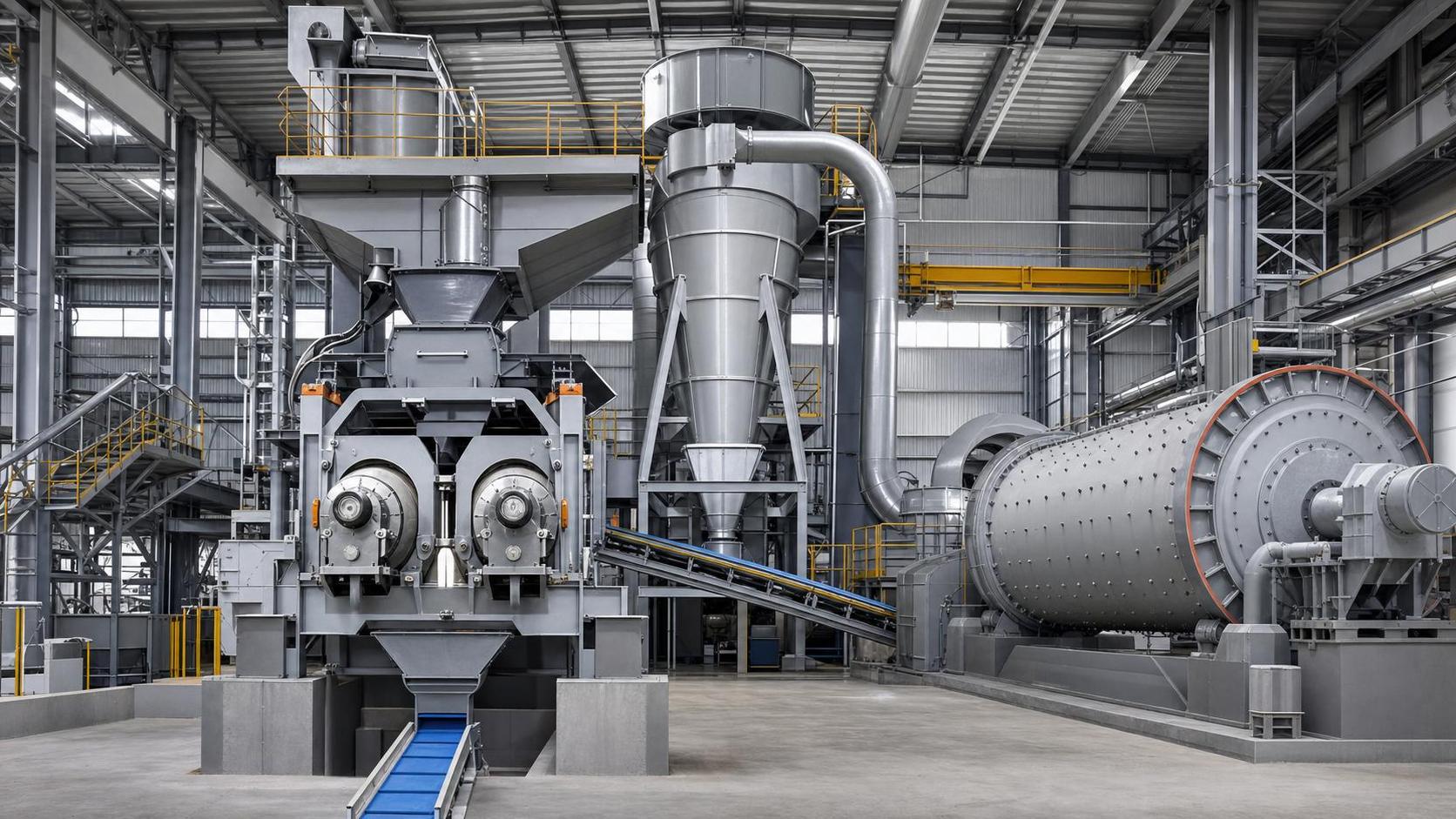
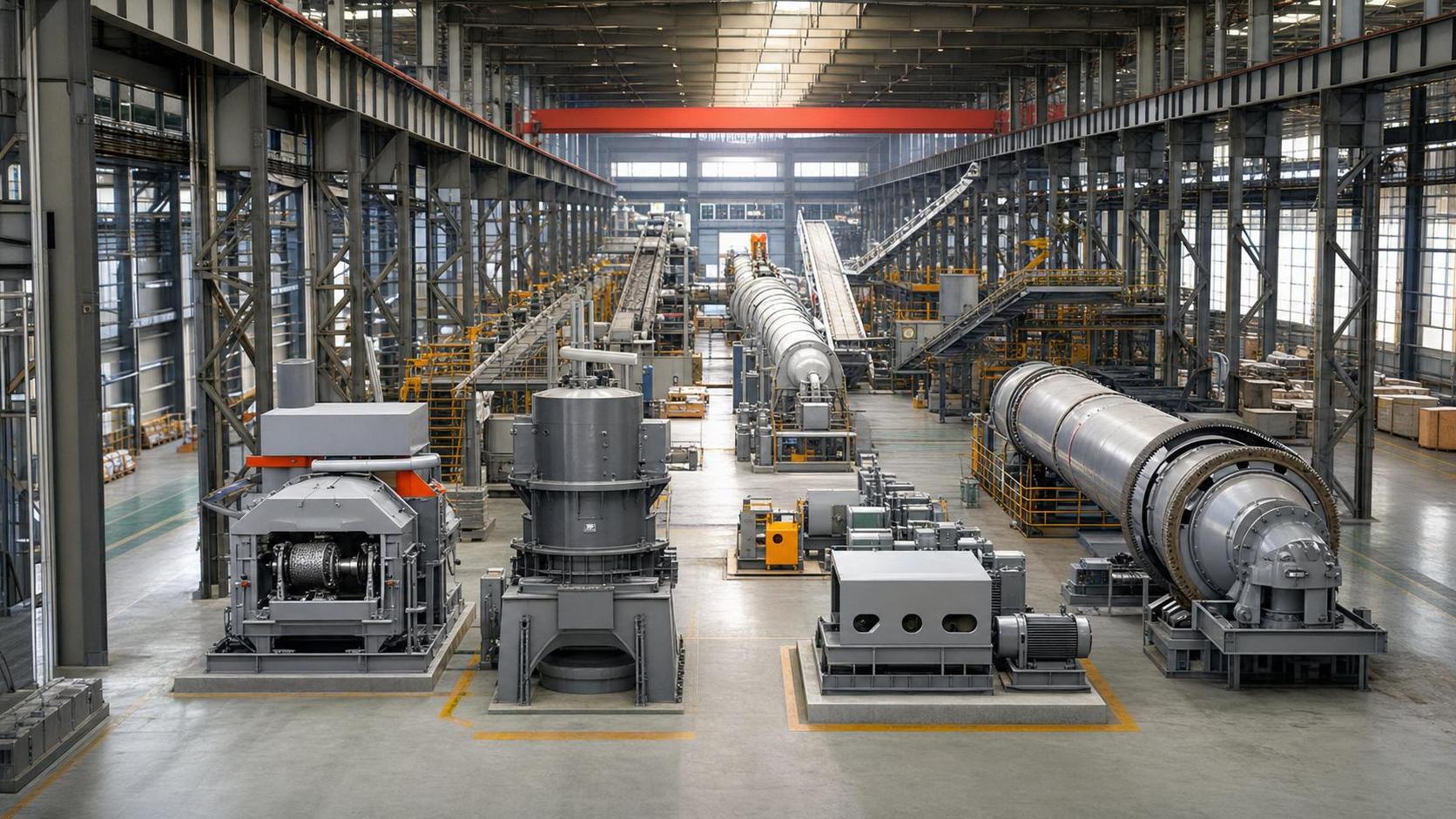
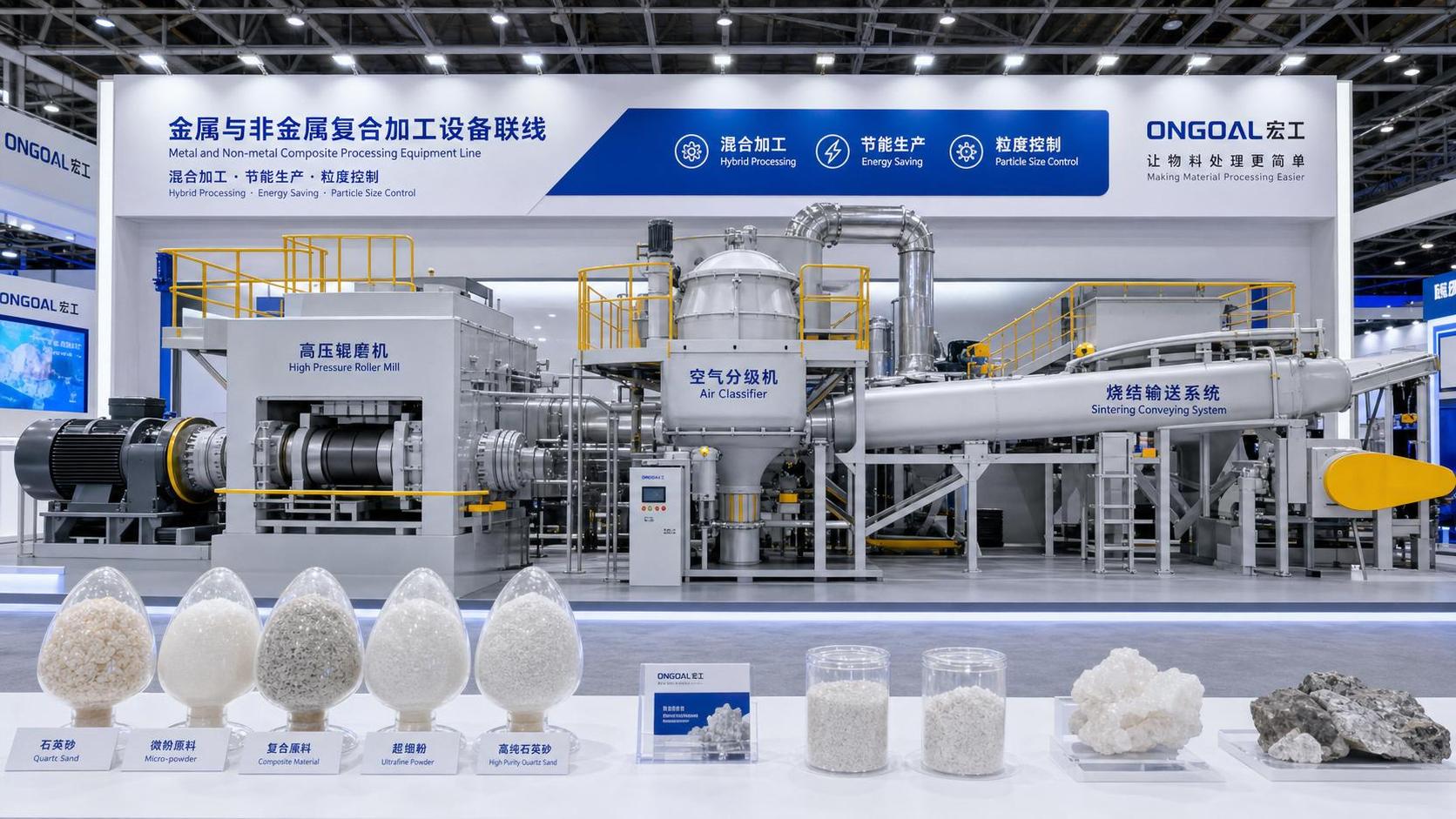
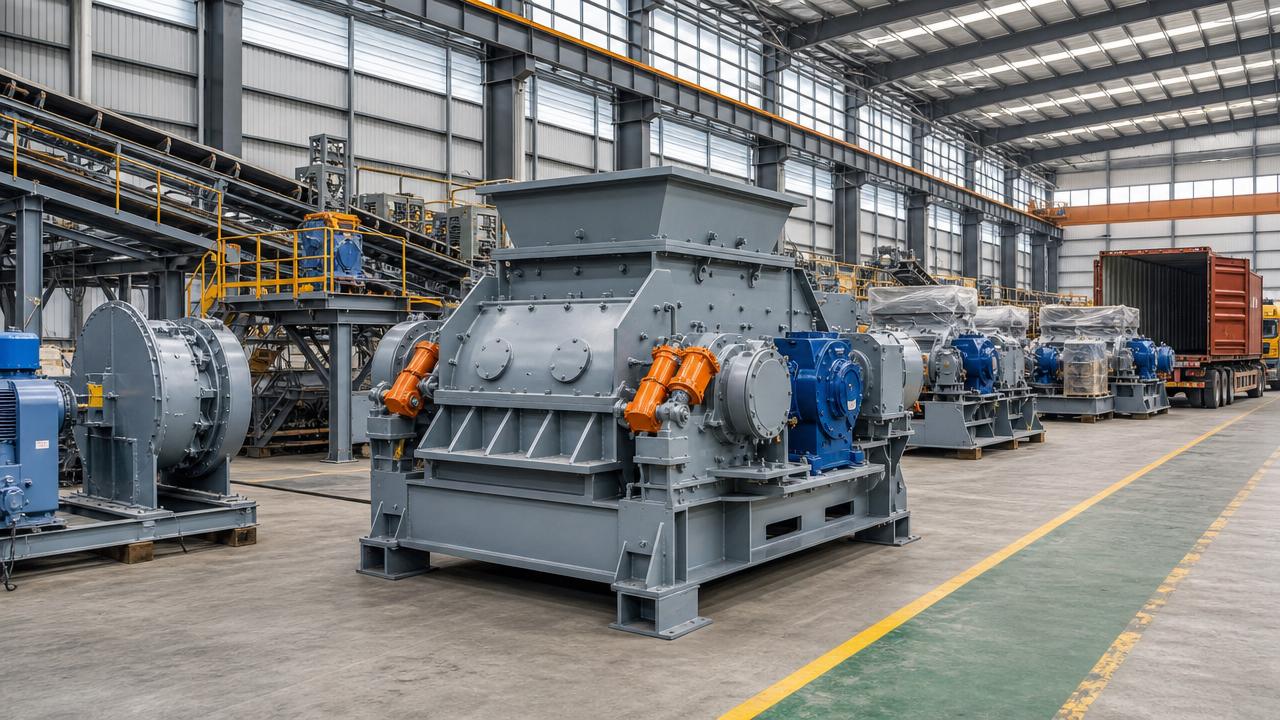
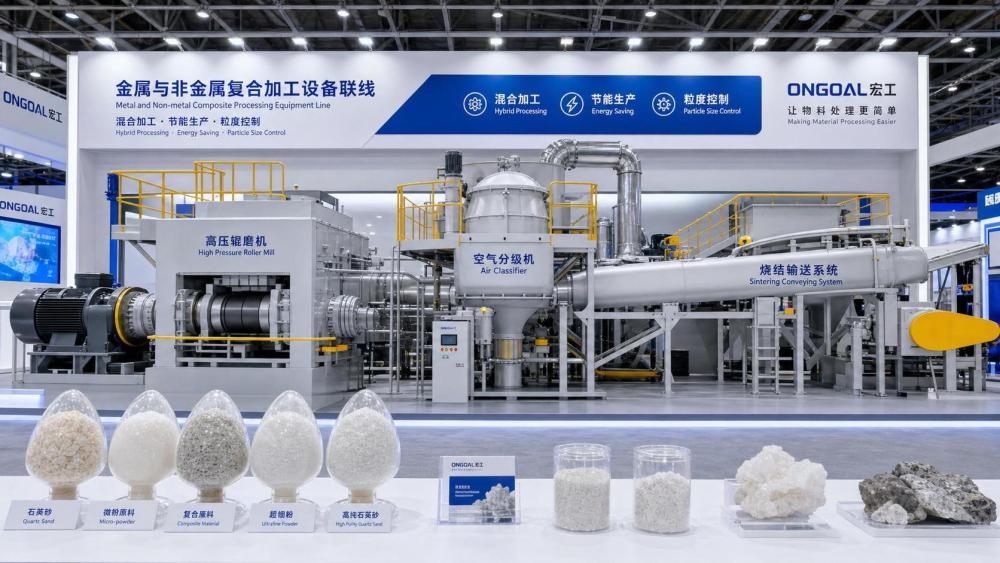
According to the provided event summary, EuroBLECH 2026 will be held in Hanover from October 21 to 24, 2026. The exhibition will, for the first time, establish a "Non-Metallic Integration Zone." The highlighted exhibits include high-pressure grinding rolls for energy-saving applications in fly ash and tailings micronized powder preparation, air classifiers for particle-size control of ultrafine quartz sand used in photovoltaic glass, and integrated roll-pressing, classification, and sintering production line solutions. The summary also states that Chinese equipment suppliers including Sinoma International and CITIC Heavy Industries will participate in a concentrated manner.
Why this matters across bidding, sourcing, and delivery
Specification alignment is likely to tighten for equipment vendors
From an industry perspective, a dedicated zone centered on non-metallic integration may affect how equipment suppliers position technical claims in bids and customer communications. The immediate business impact is less about a new formal rule already announced and more about the likelihood that buyers will pay closer attention to energy-saving descriptions, process integration logic, and particle-size control capability when comparing suppliers. What deserves closer attention is whether technical files, test descriptions, and equipment scope statements are sufficiently clear for procurement review and project acceptance.
Processors and buyers may face more detailed procurement checks
For processing manufacturers and industrial buyers, the exhibit themes point to practical review points in sourcing and project planning. High-pressure grinding rolls linked to fly ash and tailings micronized powder preparation, and air classifiers linked to photovoltaic-glass quartz sand control, both touch on process consistency and output suitability. Analysis shows that procurement teams may need to examine supporting technical documentation more carefully, especially where integrated lines are purchased as a package rather than as separate machines.
Cross-border supply and delivery teams should watch documentation expectations
The concentrated participation of Chinese equipment suppliers also makes trade execution and delivery documentation more relevant. Observably, when integrated processing solutions become a visible theme at an international exhibition, export-oriented suppliers, procurement managers, and after-sales teams may need to pay closer attention to product descriptions, technical attachments, acceptance criteria, and traceability records used during contract execution. The provided information does not confirm any new mandatory trade rule, but it does suggest a market environment in which documentation quality could carry more weight.
What companies should review now
Recheck how performance claims are presented
Companies showing or sourcing high-pressure grinding rolls, air classifiers, or integrated line solutions should review whether energy-saving statements, particle-size control descriptions, and process-flow explanations are consistently expressed across brochures, technical proposals, bid files, and delivery documents. Where the input information does not provide formal execution rules, it is more appropriate to treat this as a preparation issue rather than a confirmed compliance change.
Prepare technical files for integrated-line evaluation
For suppliers involved in roll-pressing, classification, and sintering line solutions, integrated delivery usually raises the importance of complete technical documentation. Analysis shows that businesses should pay attention to how system boundaries, process interfaces, component responsibilities, and acceptance references are described, because integrated solutions often face broader review than single-machine sales.
Track tender language and customer-side qualification requests
What deserves closer attention is whether future tender documents, buyer qualification forms, or technical clarification requests begin to use more detailed wording around non-metallic integration, energy efficiency presentation, or particle-size control capability. The current event summary does not establish that such wording has already changed, but it signals an area that commercial and technical teams should monitor closely.
Keep after-sales and traceability materials ready
Where projects involve export delivery or long-cycle industrial installation, suppliers may also need to ensure that quality records, operating documentation, and service response materials are organized in a way that supports later verification. This is especially relevant when equipment is marketed as part of a coordinated process solution rather than a stand-alone unit.
How this signal should be read
Observably, this development is better understood as an execution signal from the market than as proof of a newly issued regulation. The first-time creation of a "Non-Metallic Integration Zone" indicates that hybrid processing topics are moving closer to mainstream industrial specification and procurement discussions. Analysis shows that the key issue is not whether a single exhibition creates binding rules, but whether exhibitors, buyers, and project owners begin to translate this focus into tighter technical review, more explicit qualification language, and more structured documentation demands.
A cautious reading of the near-term impact
At this stage, the event is most appropriately understood as an indicator of where market-facing requirements may become more detailed, especially in sourcing, technical bid alignment, integrated-line delivery, and supporting documentation. It does not by itself confirm a finalized regulatory change in trade, certification, or enforcement. For industry participants, the practical takeaway is to watch how exhibition themes are later reflected in customer requirements, tender files, qualification review, and project execution feedback.
Basis of this article and what still needs verification
This article is generated from the user-provided news title, event date, and event summary. For events of this type, relevant source categories usually include official event announcements, regulator publications, trade or customs authority information, industry association updates, standards organization documents, and reporting from established industry media. No specific official source link was provided in the input, so the exact official source path still requires follow-up verification. What still needs continued observation includes any later policy detail, certification interpretation, tender-document changes, market feedback, and actual implementation by participating companies and buyers.
Related News
- Cement Grinding System Selection: Energy Use, Output, and Wear Trade-OffsAuthor :Powder Comminution Scientist

- HPGR Bearing Export Controls TightenAuthor :Powder Comminution Scientist

- HPGR Parts Export Controls Tighten on Bearings and ValvesAuthor :Powder Comminution Scientist

- 7 Ways to Improve Clinker Grinding Efficiency Without Major RetrofitsAuthor :Powder Comminution Scientist

- Vertical Roller Mill for Slag: When Is It the Better Option?Author :Powder Comminution Scientist

- Industrial Crushing Technology Options for Lower Energy Use and Finer OutputAuthor :Powder Comminution Scientist

- Cement Clinker Grinding Equipment: Ball Mill or Roller Press?Author :Powder Comminution Scientist

- Vertical Mill Retrofit Checklist: Capacity Gains vs Downtime RiskAuthor :Powder Comminution Scientist

- Cement Grinding Mill Efficiency: When Upgrades Deliver Real Energy SavingsAuthor :Powder Comminution Scientist

- Industrial Crushing Technology for Limestone: Choosing the Right SetupAuthor :Powder Comminution Scientist

- How to Compare Industrial Crushing Machinery Suppliers on Output and Wear CostsAuthor :Powder Comminution Scientist

- HPGR Energy Limit Tightened to 2.1 kWh/tAuthor :Powder Comminution Scientist

- Cement Grinding Systems: When High-Pressure Roller Mills Outperform Ball MillsAuthor :Powder Comminution Scientist

- Draft Capacity Rules May Delay Export EquipmentAuthor :Powder Comminution Scientist

- Vertical Mill Retrofit: When It Pays Off and What to Upgrade FirstAuthor :Powder Comminution Scientist

- Uzbekistan BIG5 Opens in August as Tax Breaks Support China Building Equipment ExportsAuthor :Powder Comminution Scientist

- China HPGR Exports Rise 35% on Middle East Cement UpgradesAuthor :Powder Comminution Scientist

- EuroBLECH 2026 Puts Hybrid Processing in FocusAuthor :Powder Comminution Scientist

- How to Compare Heavy Duty Crushing Machinery for High-Volume Plant OperationsAuthor :Powder Comminution Scientist

- Indonesia Curbs Nickel, Tightens Tin ExportsAuthor :Powder Comminution Scientist

- Dry High-Capacity Grinding Technology: When It Beats Ball Milling on Throughput and EnergyAuthor :Powder Comminution Scientist

- PPI Signal: HPGR Input Costs Up, Lead Times Reach 14 WeeksAuthor :Powder Comminution Scientist

- China’s HPGR Exports Jump 41% in Q1 as Southeast Asia Leads DemandAuthor :Powder Comminution Scientist

- When Vertical Roller Mills Beat Ball Mills on Power and FootprintAuthor :Powder Comminution Scientist