



Search News
Industry Portal
Popular Tags
All categories
Draft Capacity Rules May Delay Export Equipment




On June 18, 2026, China’s industry authority opened a public consultation on a revised capacity replacement method for the cement and glass sectors. The proposal points to tighter cross-provincial replacement requirements, a higher 1.5:1 replacement ratio for clinker lines, and stronger front-end review of energy efficiency and carbon emissions for new projects. For equipment makers, exporters, buyers, and supply-chain teams, the issue is worth close attention because a domestic regulatory change may quickly reshape order timing for energy-saving grinding systems while also affecting production scheduling for some glass-furnace supporting equipment linked to overseas projects.
What the draft proposal clearly changes
According to the information provided, the Ministry of Industry and Information Technology released the Implementation Method for Capacity Replacement in the Cement and Glass Industries (2024 Version) (Draft for Comments) for public consultation on June 18, 2026. The draft would tighten the threshold for cross-provincial capacity replacement, raise the replacement ratio for clinker production lines to 1.5:1, and strengthen prerequisite review of energy efficiency and carbon emissions for new projects.
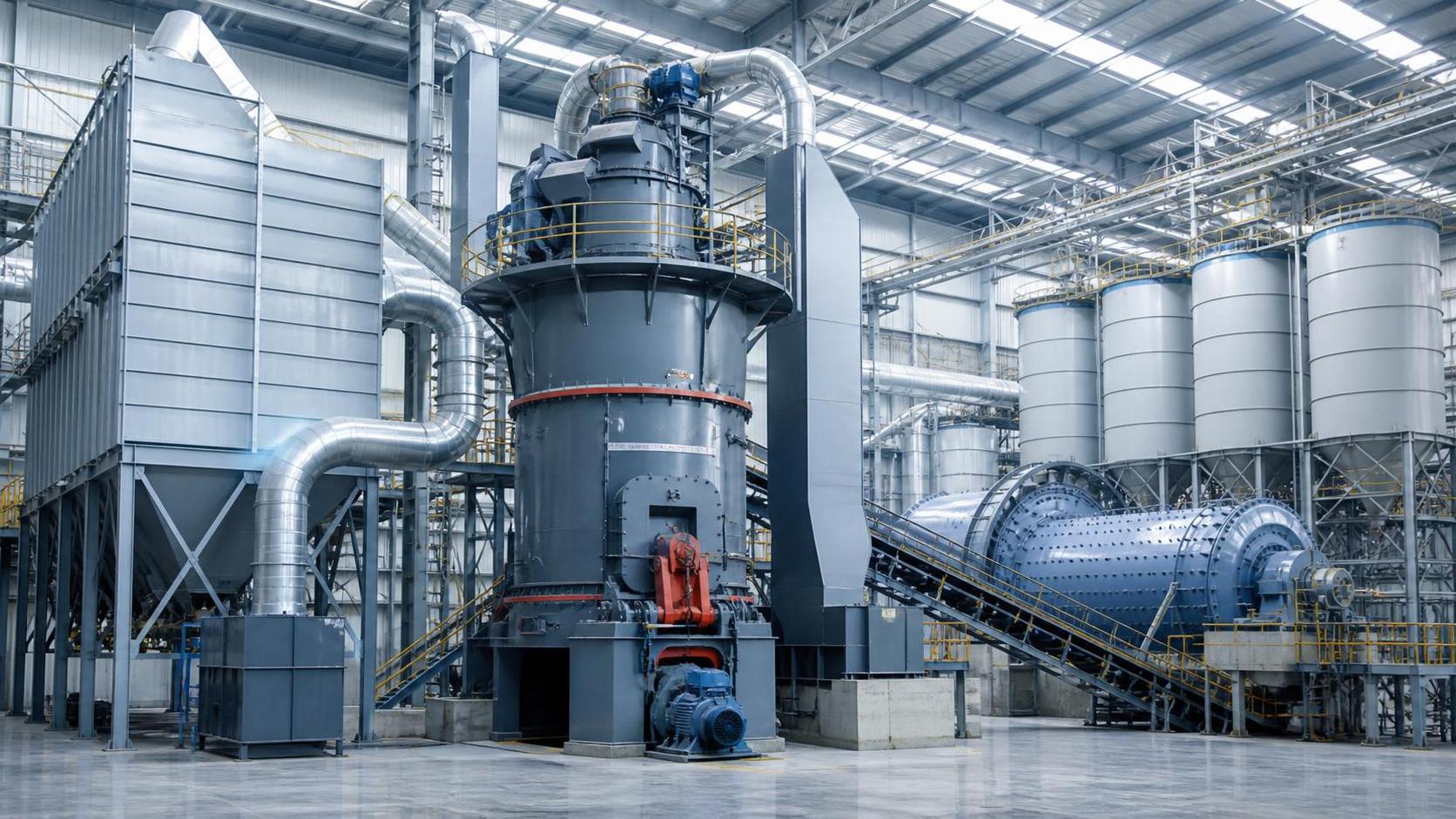
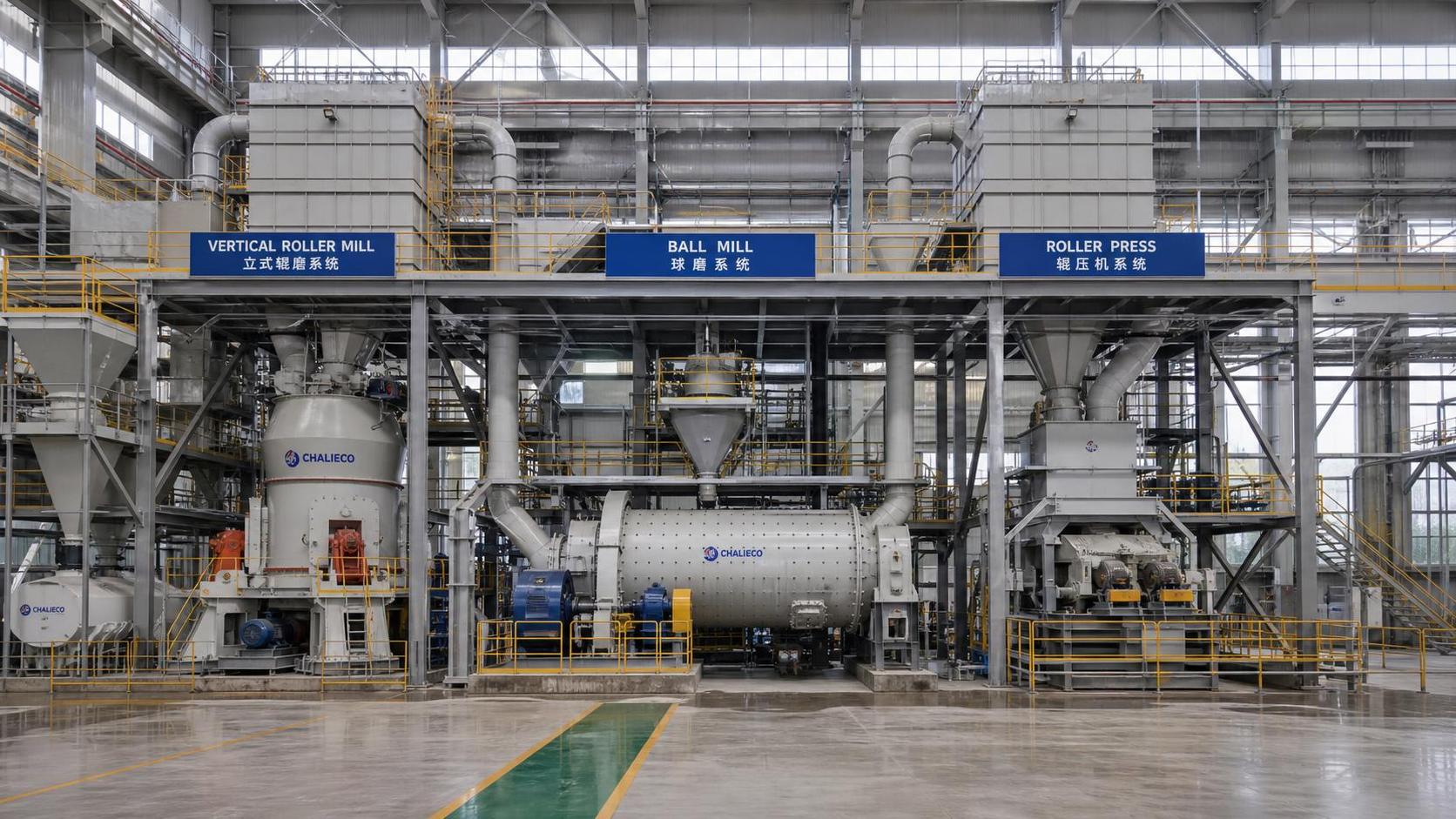
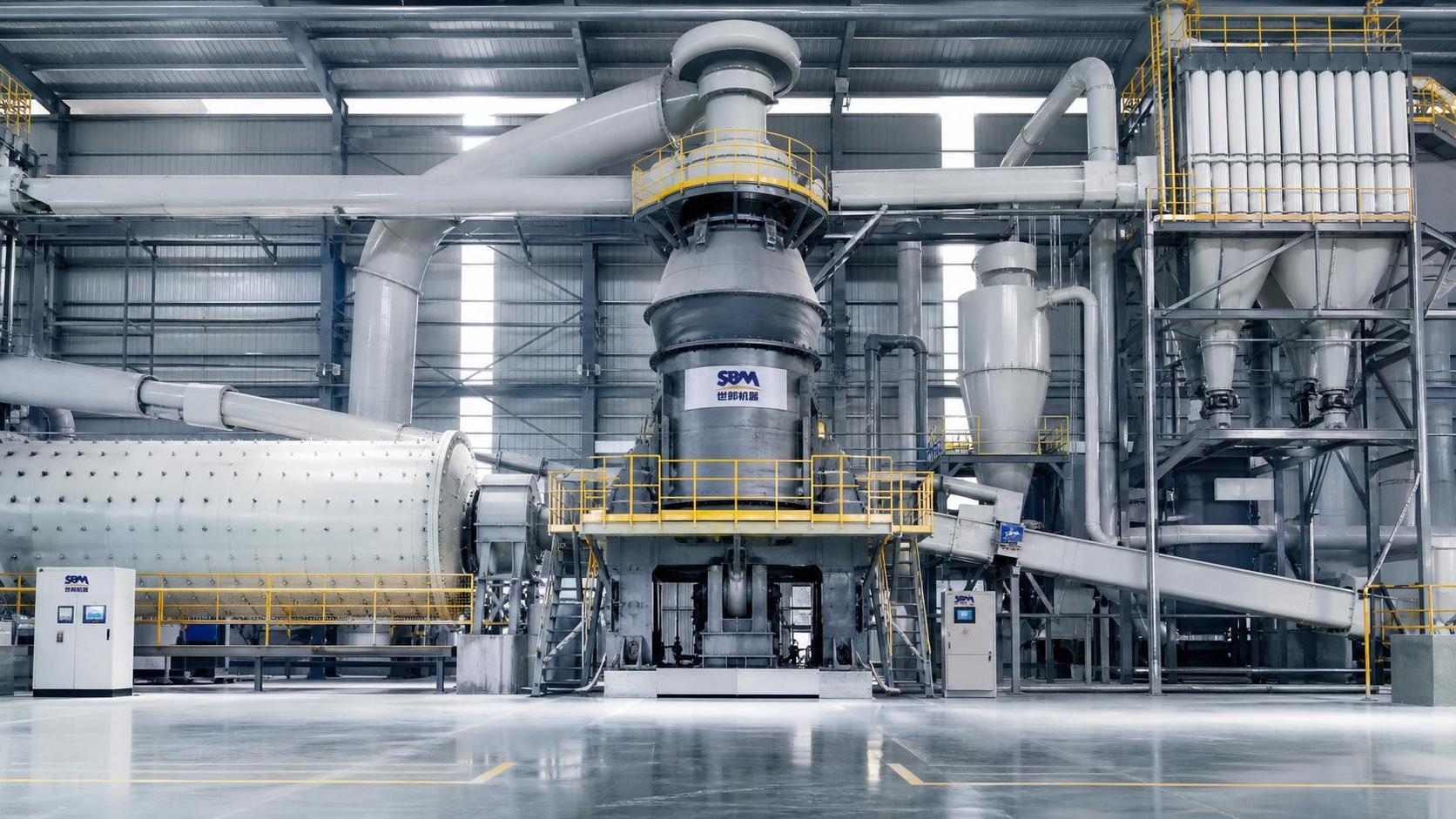
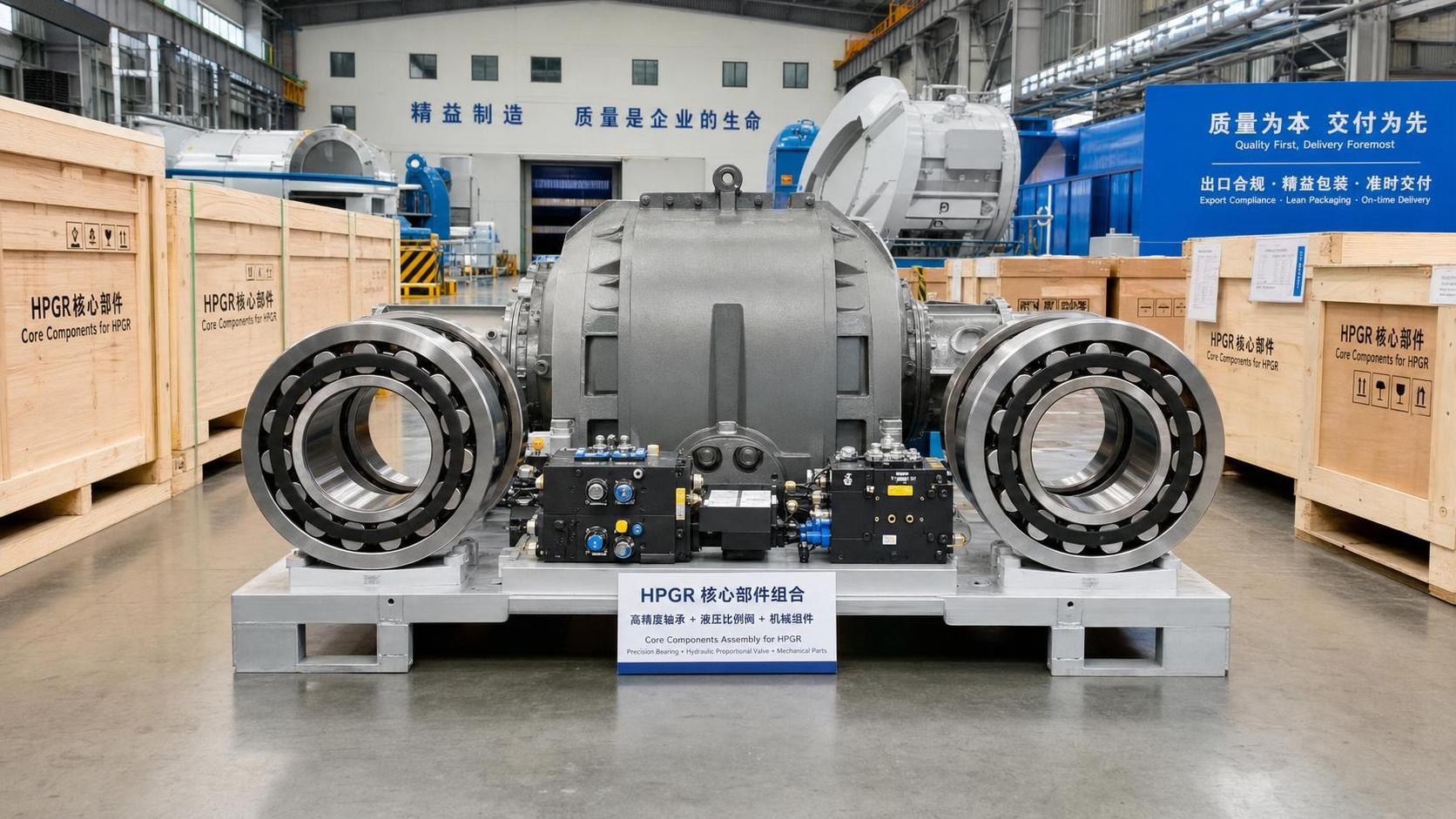
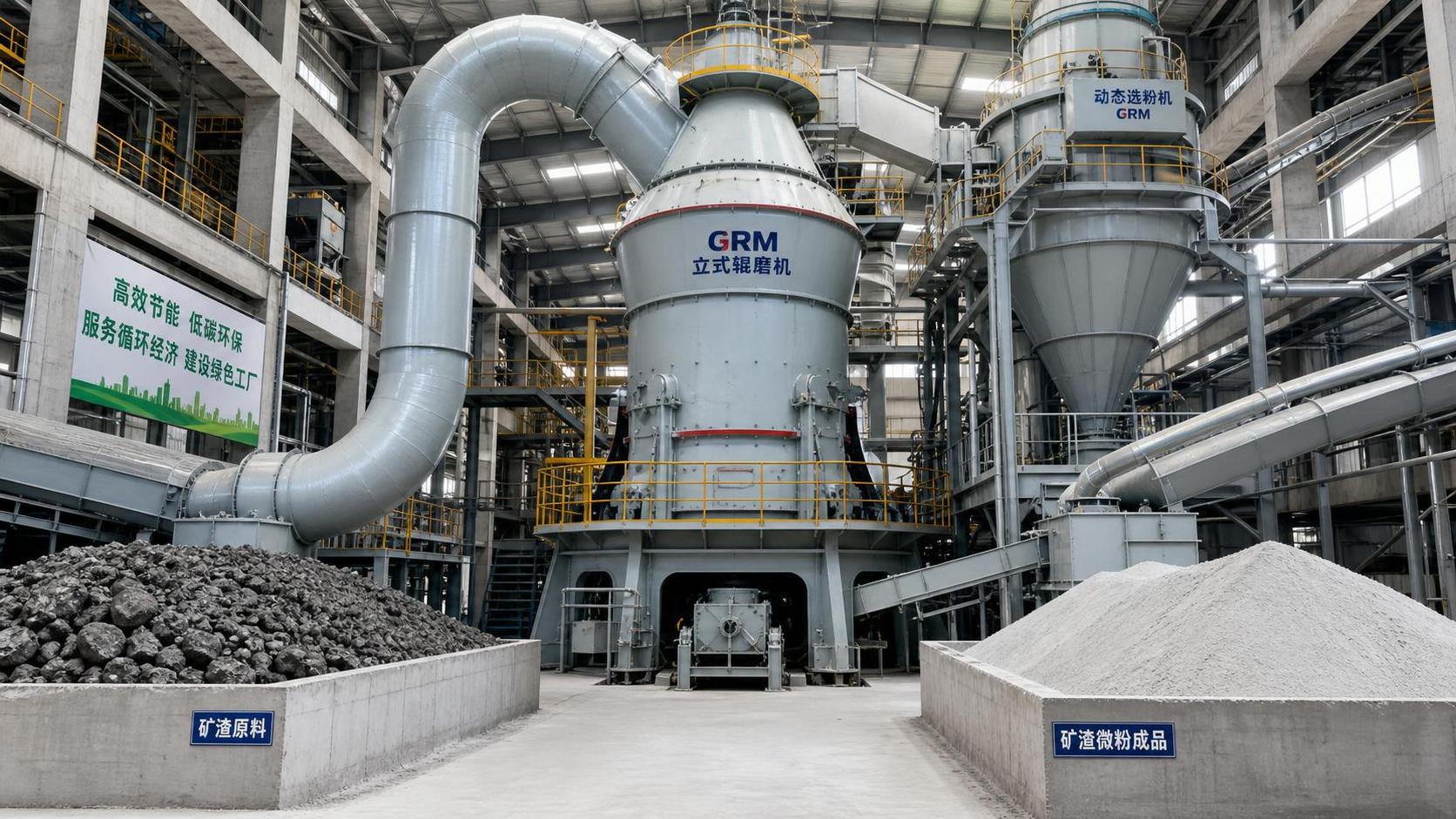
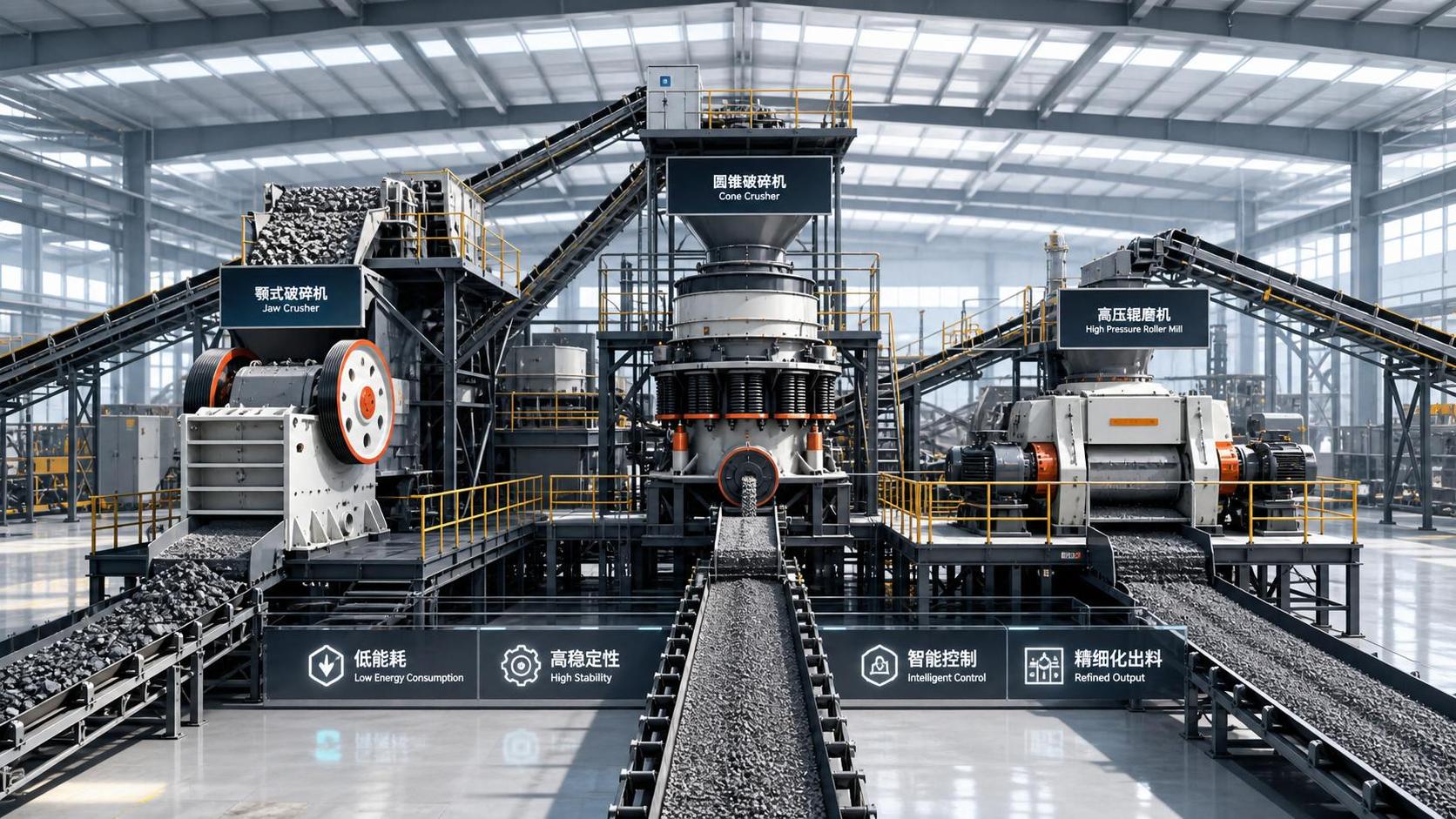
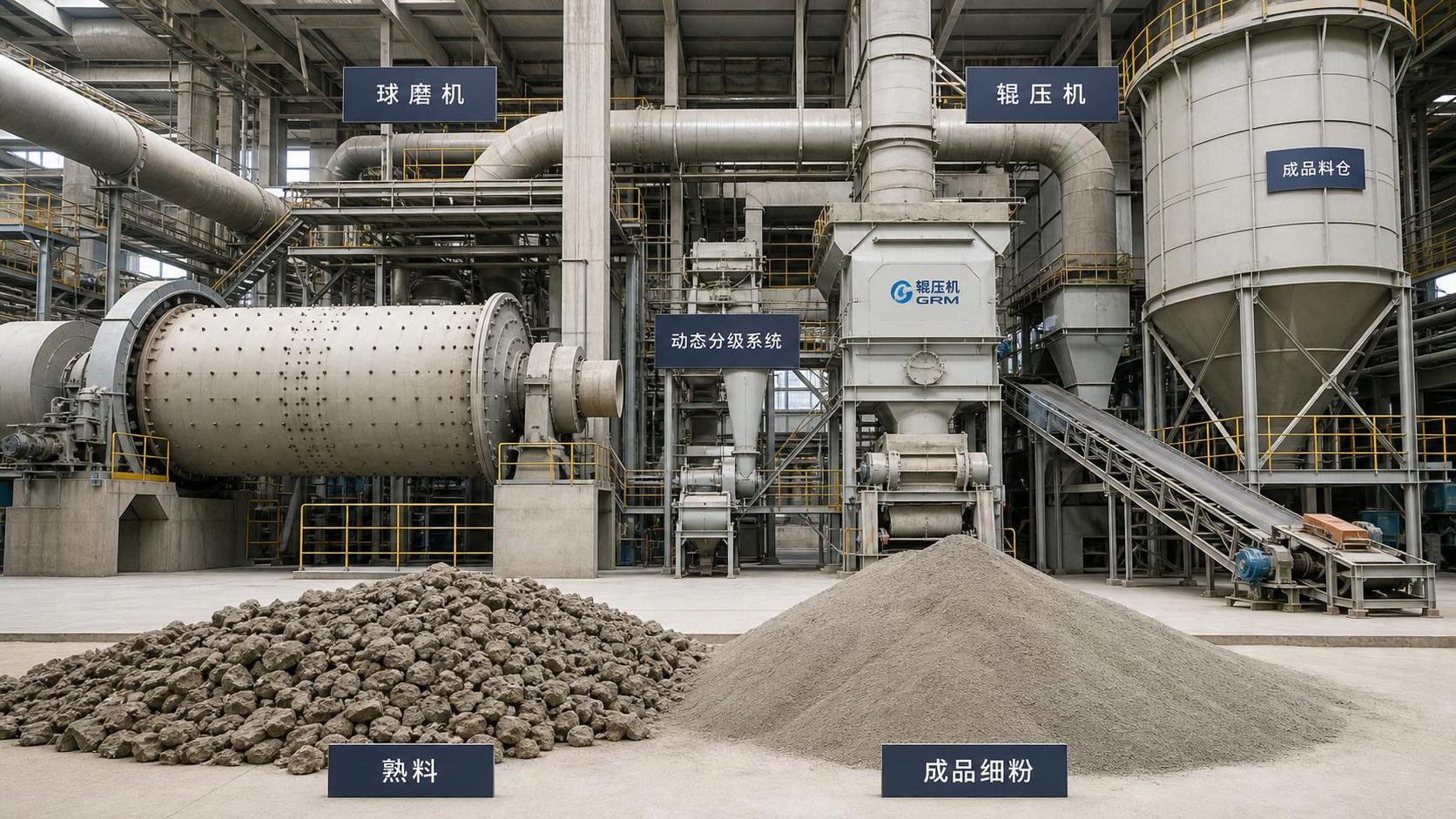
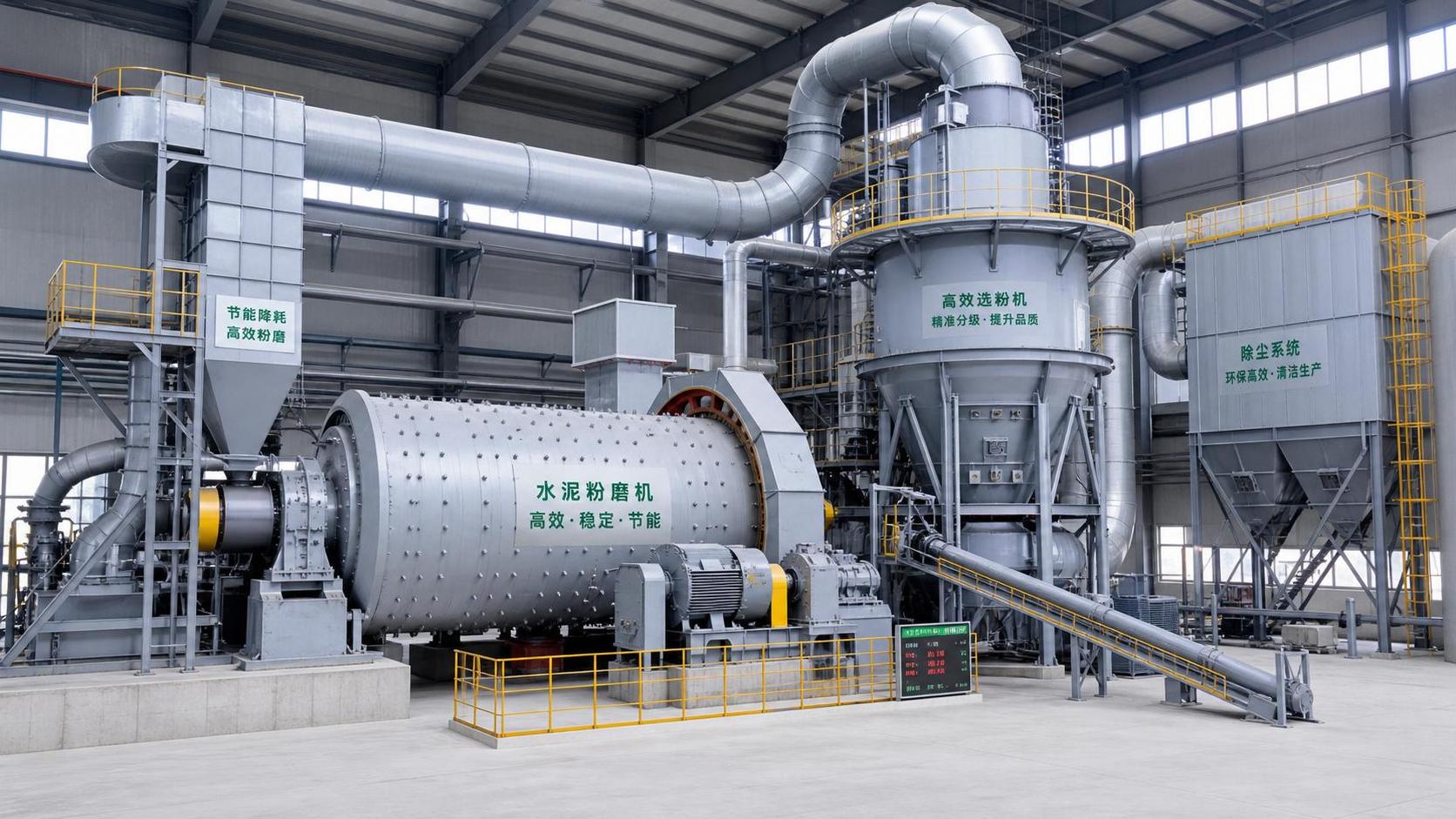
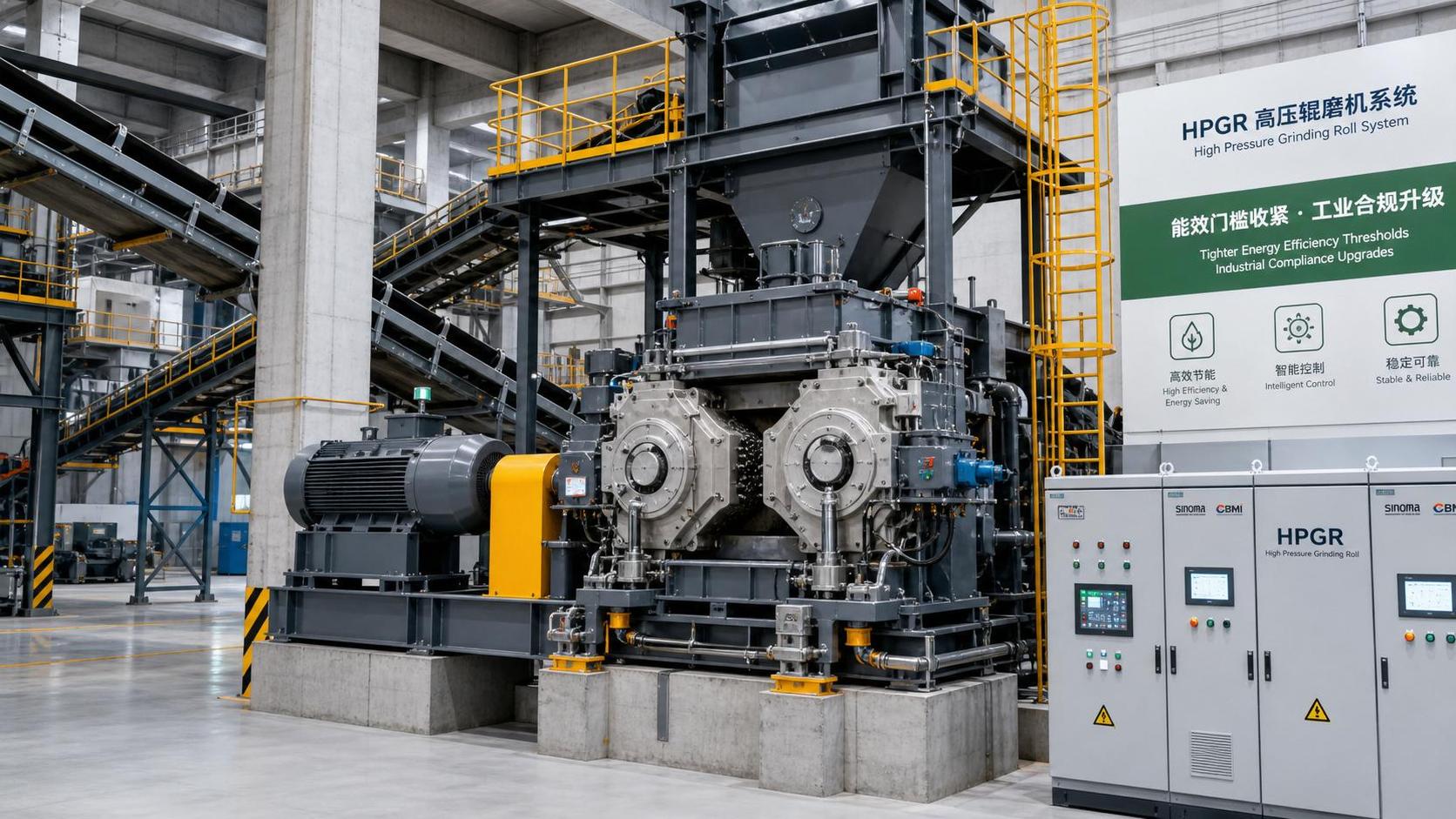
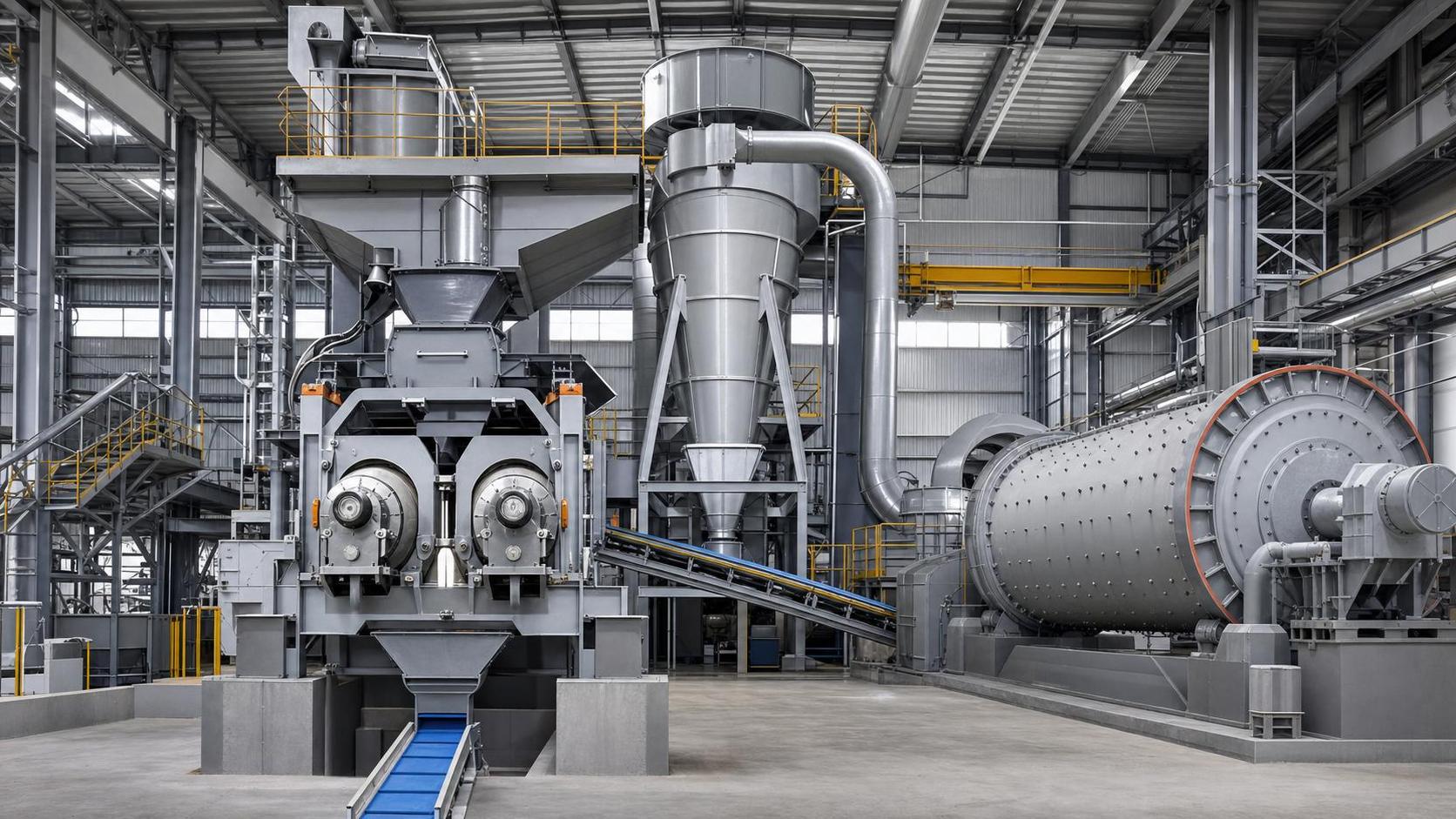
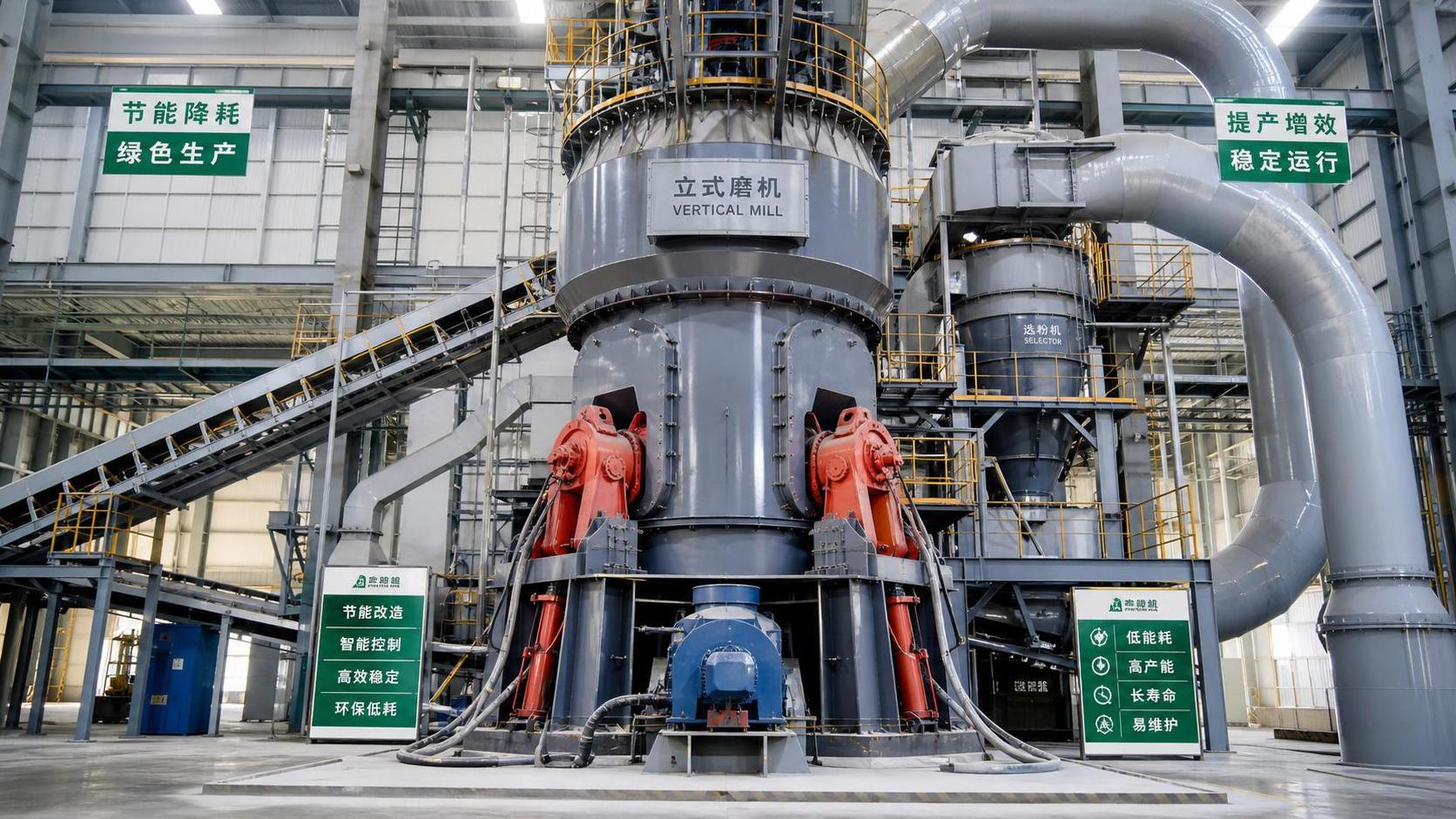
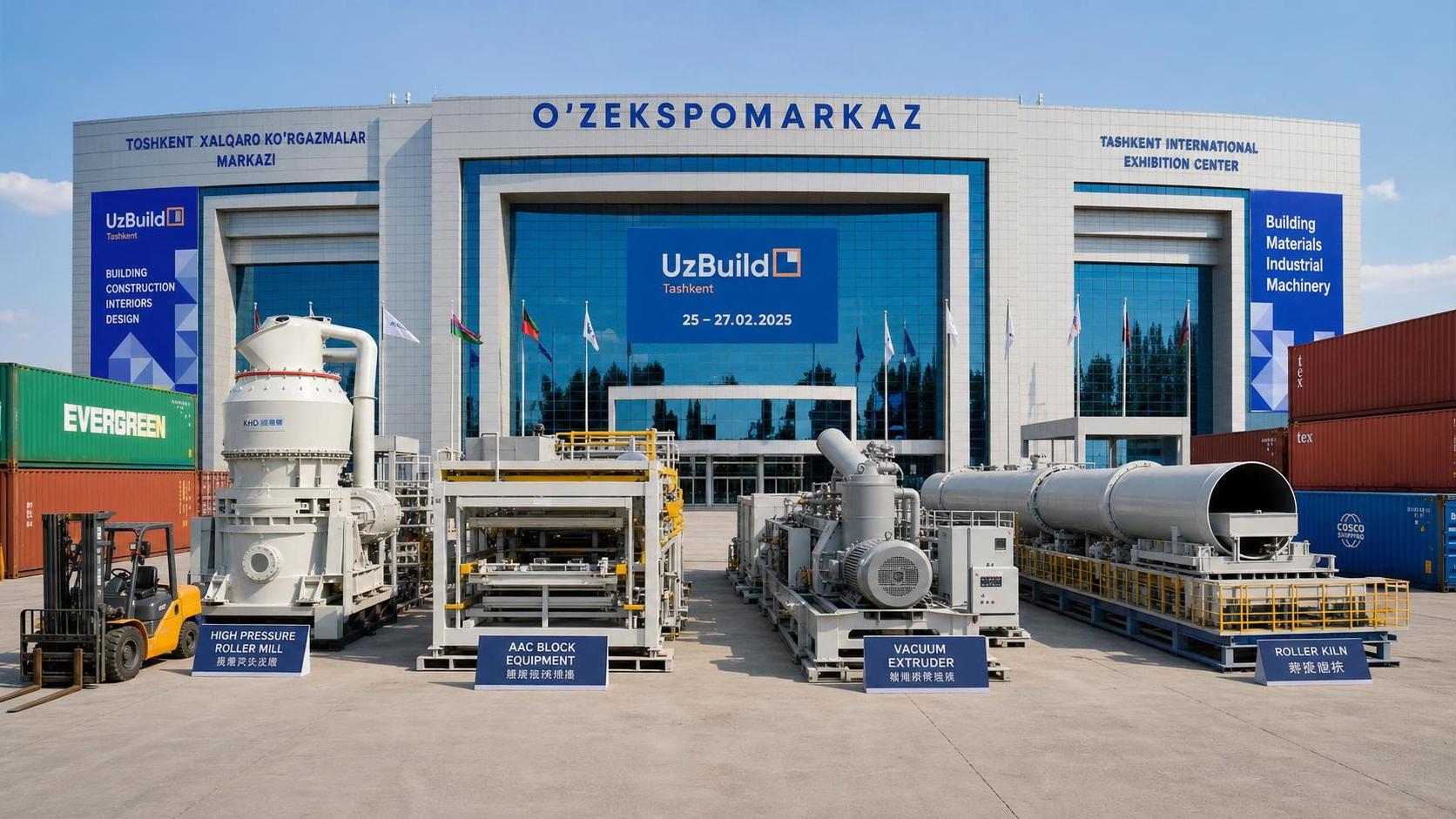
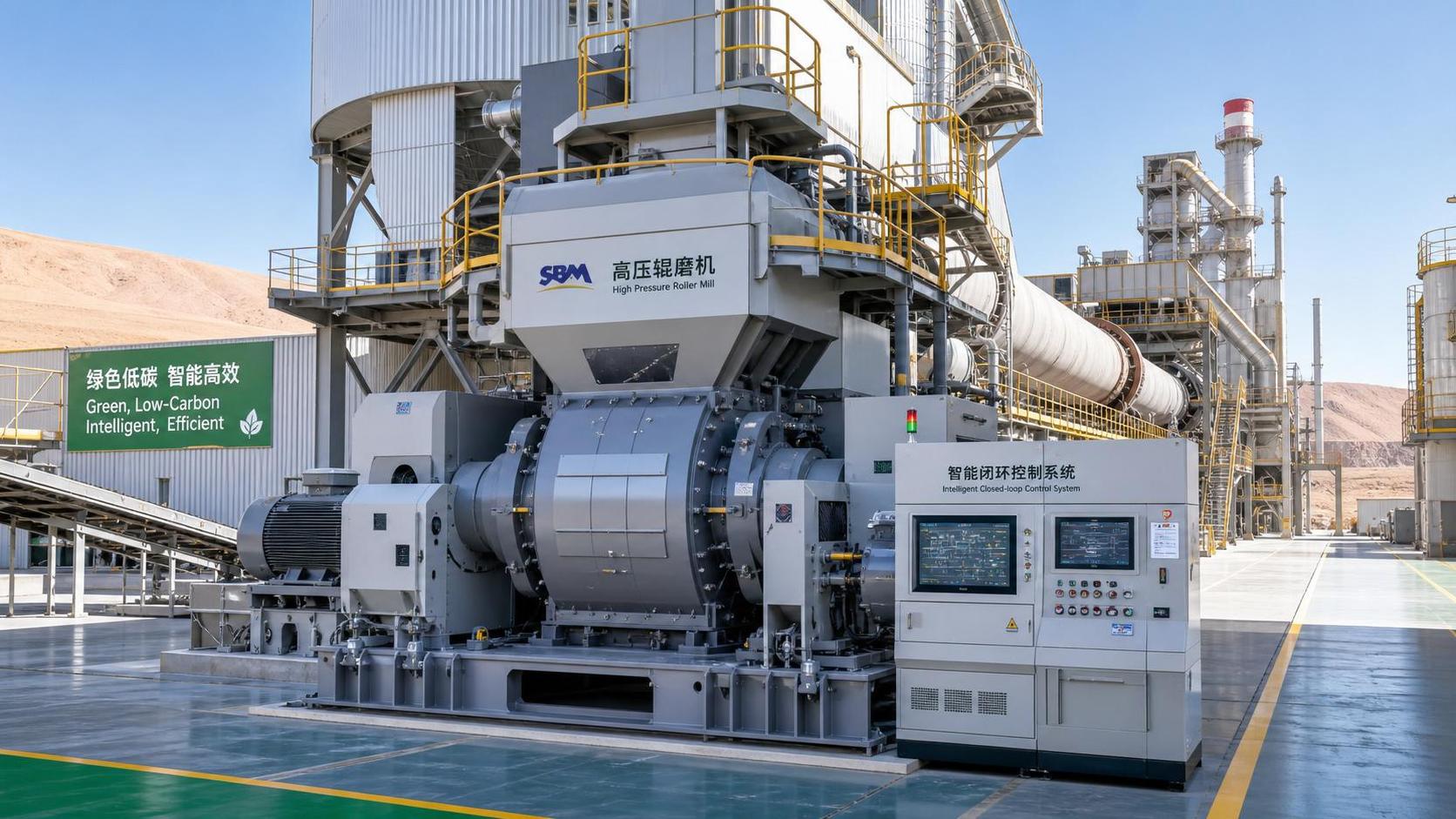
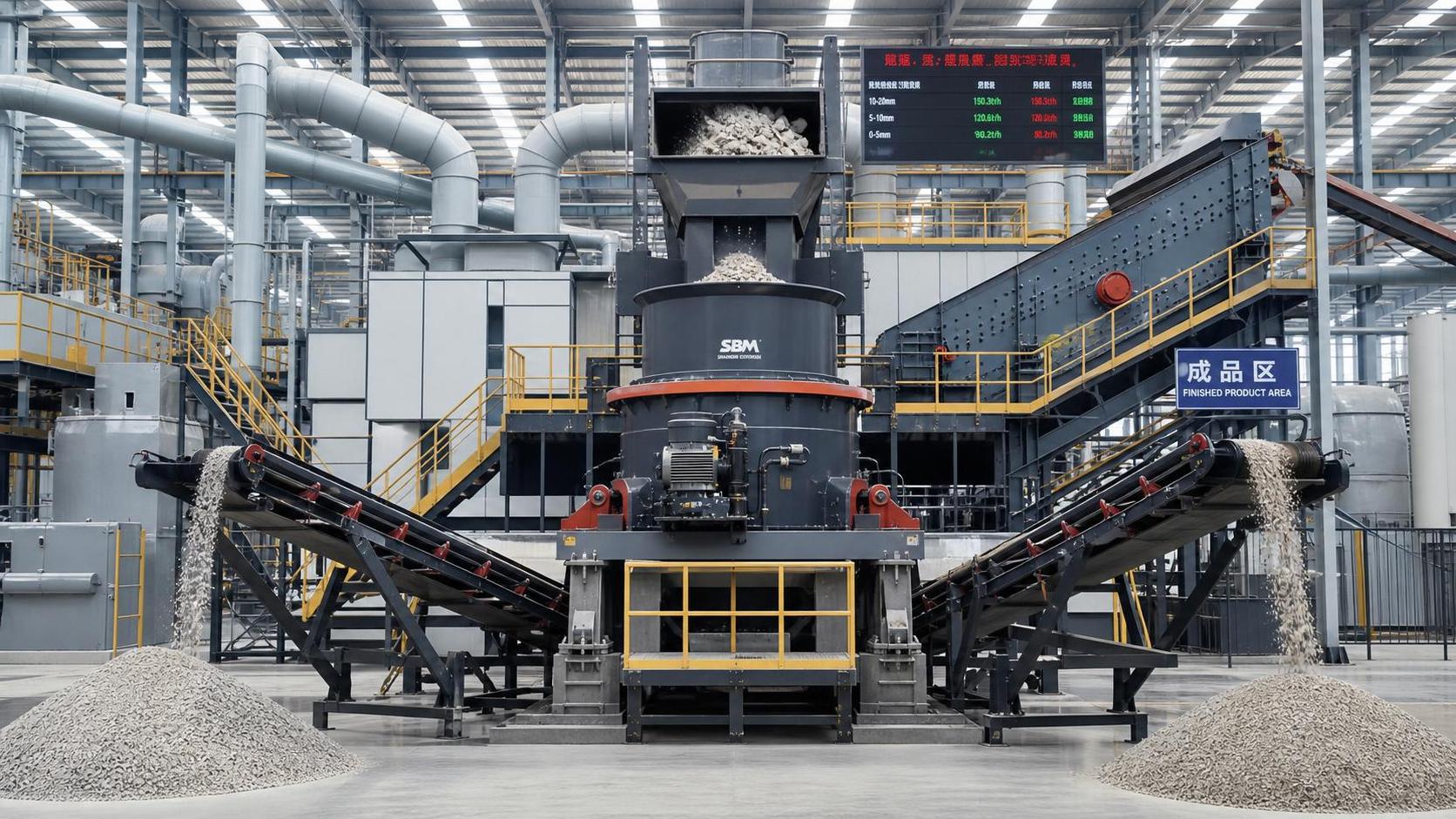
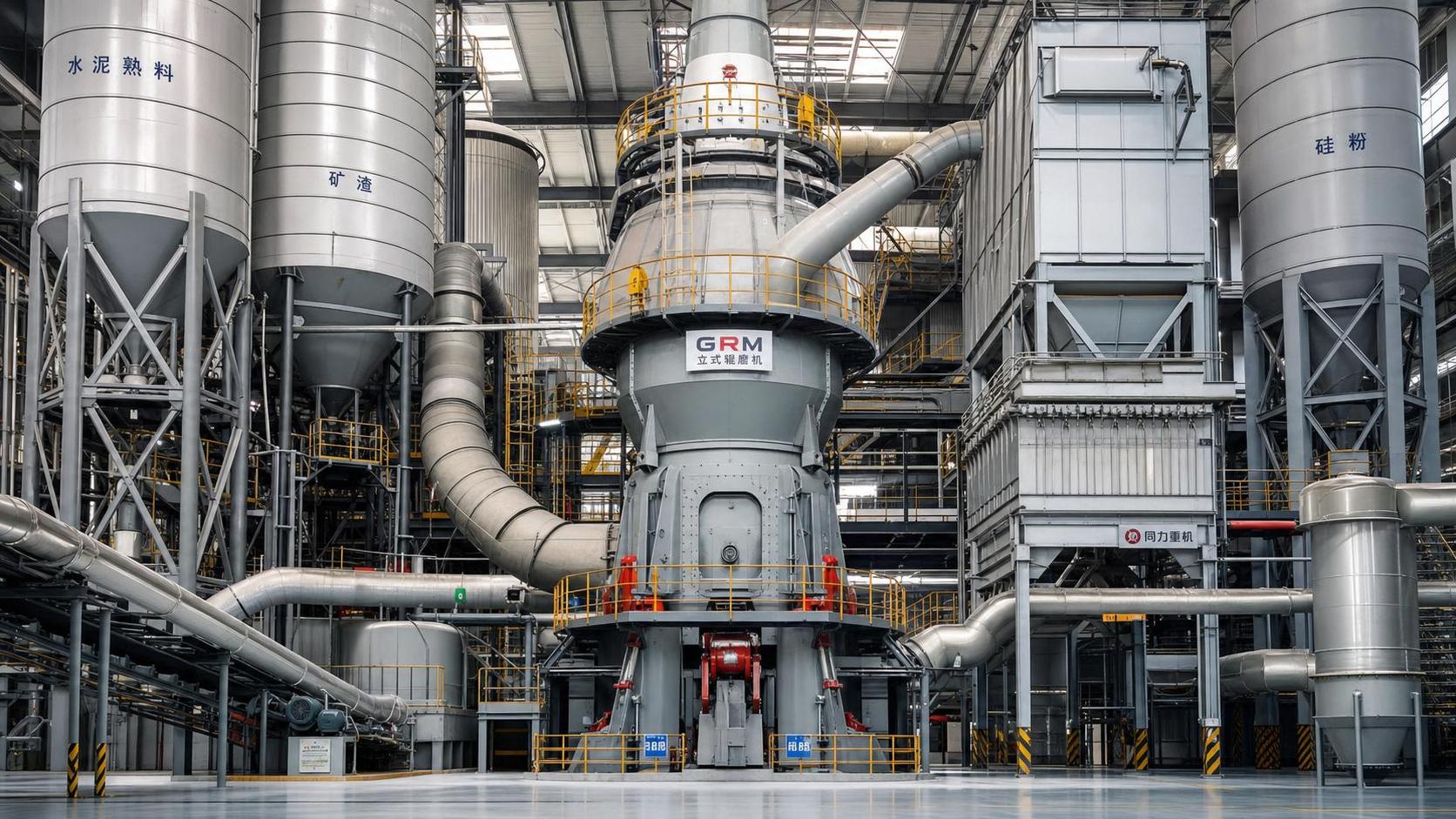
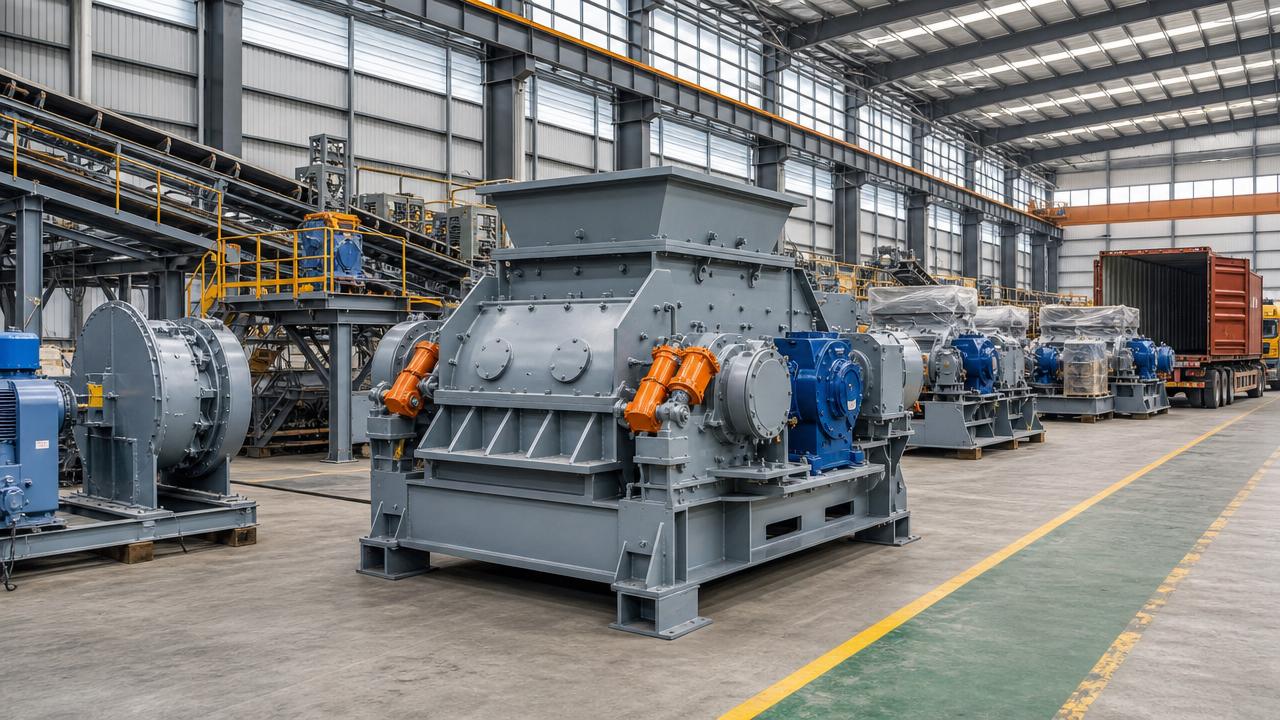
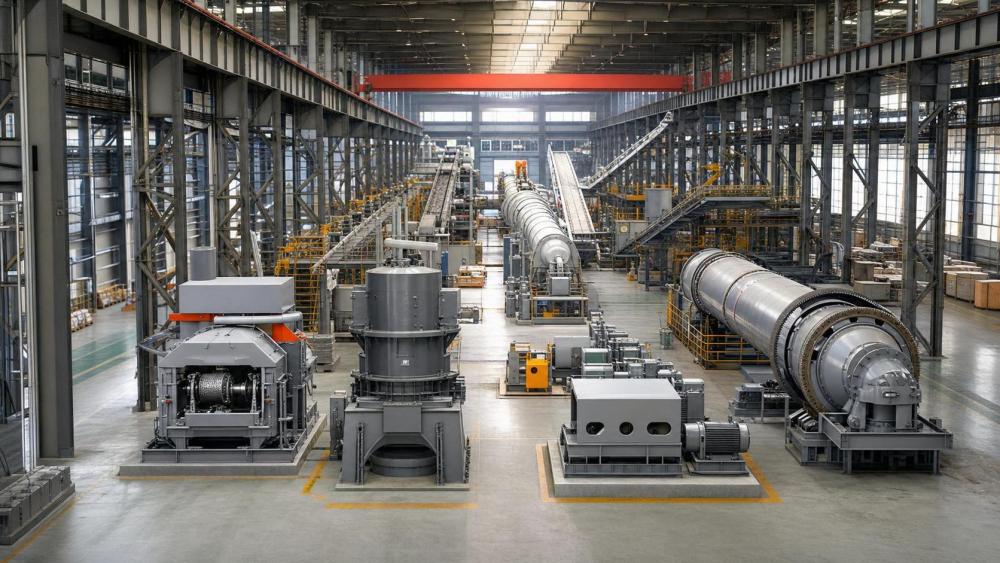
The same information indicates that, although this is a domestic regulatory measure, it may accelerate the concentrated release of orders for energy-efficient grinding equipment such as High-pressure Roller Mills and Air Classifying Mills in the domestic market. It may also lengthen domestic production scheduling for some export-oriented supporting equipment used in glass melting furnace projects, including Roller Kilns & Sintering Furnaces.
Why different business functions may feel the impact differently
Equipment manufacturers may see demand shift first
From an industry perspective, manufacturers of energy-saving grinding systems may be among the first to feel the effect because the draft links new project progress more closely to energy-efficiency and carbon-emissions review. If domestic demand becomes more concentrated around compliant and efficiency-oriented equipment, the main impact is likely to appear in quotation activity, production planning, and order prioritization. What deserves closer attention is whether technical specifications, bid documents, and compliance descriptions begin to place greater weight on energy and emissions performance.
Export project suppliers may need to watch domestic scheduling pressure
Suppliers serving overseas glass projects may face a different issue. Analysis shows that if domestic orders for certain categories rise more quickly, some export-oriented supporting equipment could experience longer domestic production lead times. The practical pressure point is not only manufacturing capacity, but also delivery commitments, coordination with project milestones, and the timing of technical document confirmation. Export teams should therefore pay closer attention to contract lead-time assumptions, factory slot allocation, and any changes in supplier communication around dispatch schedules.
Procurement and supply-chain teams may need earlier coordination
For procurement departments and supply-chain service providers, the rule change matters because it could alter the sequence in which domestic and export orders are processed. The business effect may emerge in sourcing plans, supplier confirmation cycles, and shipment coordination rather than in the policy text itself. Observably, buyers of equipment connected to cement grinding efficiency or glass furnace support systems should monitor whether vendors begin revising lead times, technical submission requirements, or production reservation practices.
Practical points companies should monitor now
Track how compliance language evolves
Because the current text is a draft for comments, companies should focus on how official wording develops around replacement thresholds, energy-efficiency review, and carbon-emissions prerequisites. This is especially relevant for teams preparing technical bids, internal compliance reviews, or project approval materials tied to equipment selection.
Recheck lead-time assumptions in active orders
Analysis shows that the immediate operational question is not whether every order will be delayed, but whether domestic demand concentration could affect factory scheduling for specific equipment categories. Companies with active or upcoming export deliveries involving Roller Kilns & Sintering Furnaces or related supporting equipment should revisit production windows, milestone buffers, and supplier confirmation frequency.
Prepare technical and documentary consistency earlier
Where projects involve efficiency-oriented grinding equipment such as High-pressure Roller Mills or Air Classifying Mills, it is more appropriate to prepare technical documentation, specification alignment, and supporting compliance materials earlier in the procurement cycle. The input provided does not define detailed execution rules, so this should be treated as a precautionary monitoring point rather than a confirmed new filing requirement.
Watch tender and contract language for subtle changes
What deserves closer attention is whether tender documents, procurement specifications, or supplier qualification requests begin to reflect the policy direction before final rules are issued. Even without a final implementation result, commercial practice can shift early when market participants anticipate tighter review standards or more concentrated domestic ordering.
How this should be read at this stage
Observably, this development is better understood as a policy signal with potential execution effects rather than a fully settled operating rule. The consultation itself confirms the direction of tighter replacement conditions and stronger front-end scrutiny tied to efficiency and emissions. At the same time, the actual pace of market response, supplier prioritization, and delivery impact still depends on how the final wording is adopted and how quickly industry participants adjust their procurement and production decisions.
A measured reading for the market
The most reasonable takeaway is that this draft matters beyond domestic project approval because it may influence equipment demand sequencing and delivery expectations across connected supply chains. For now, it is more appropriate to understand the development as an important regulatory dynamic that warrants continued tracking, especially for companies exposed to energy-saving grinding equipment demand or export scheduling for glass-furnace supporting systems.
Basis of this article and what still needs verification
This article is generated from the user-provided news title, event date, and event summary. For events of this kind, commonly relevant source types may include official notices, regulatory releases, trade or customs authorities, industry association updates, standards documents, and reporting by established industry media. A specific official source link was not provided in the input, so the exact source document should be verified on an ongoing basis. Further observation is still needed on final policy wording, implementation interpretation, changes in tender documents, industry feedback, and how companies adjust procurement and delivery arrangements in practice.
Related News
- When does vertical roller mill grinding outperform ball milling?Author :Powder Comminution Scientist

- How to Choose Cement Grinding Equipment for Slag by Throughput and FinenessAuthor :Powder Comminution Scientist

- Cement Grinding System Selection: Energy Use, Output, and Wear Trade-OffsAuthor :Powder Comminution Scientist

- HPGR Bearing Export Controls TightenAuthor :Powder Comminution Scientist

- HPGR Parts Export Controls Tighten on Bearings and ValvesAuthor :Powder Comminution Scientist

- 7 Ways to Improve Clinker Grinding Efficiency Without Major RetrofitsAuthor :Powder Comminution Scientist

- Vertical Roller Mill for Slag: When Is It the Better Option?Author :Powder Comminution Scientist

- Industrial Crushing Technology Options for Lower Energy Use and Finer OutputAuthor :Powder Comminution Scientist

- Cement Clinker Grinding Equipment: Ball Mill or Roller Press?Author :Powder Comminution Scientist

- Vertical Mill Retrofit Checklist: Capacity Gains vs Downtime RiskAuthor :Powder Comminution Scientist

- Cement Grinding Mill Efficiency: When Upgrades Deliver Real Energy SavingsAuthor :Powder Comminution Scientist

- Industrial Crushing Technology for Limestone: Choosing the Right SetupAuthor :Powder Comminution Scientist

- How to Compare Industrial Crushing Machinery Suppliers on Output and Wear CostsAuthor :Powder Comminution Scientist

- HPGR Energy Limit Tightened to 2.1 kWh/tAuthor :Powder Comminution Scientist

- Cement Grinding Systems: When High-Pressure Roller Mills Outperform Ball MillsAuthor :Powder Comminution Scientist

- Draft Capacity Rules May Delay Export EquipmentAuthor :Powder Comminution Scientist

- Vertical Mill Retrofit: When It Pays Off and What to Upgrade FirstAuthor :Powder Comminution Scientist

- Uzbekistan BIG5 Opens in August as Tax Breaks Support China Building Equipment ExportsAuthor :Powder Comminution Scientist

- China HPGR Exports Rise 35% on Middle East Cement UpgradesAuthor :Powder Comminution Scientist

- EuroBLECH 2026 Puts Hybrid Processing in FocusAuthor :Powder Comminution Scientist

- How to Compare Heavy Duty Crushing Machinery for High-Volume Plant OperationsAuthor :Powder Comminution Scientist

- Indonesia Curbs Nickel, Tightens Tin ExportsAuthor :Powder Comminution Scientist

- Dry High-Capacity Grinding Technology: When It Beats Ball Milling on Throughput and EnergyAuthor :Powder Comminution Scientist

- PPI Signal: HPGR Input Costs Up, Lead Times Reach 14 WeeksAuthor :Powder Comminution Scientist

- China’s HPGR Exports Jump 41% in Q1 as Southeast Asia Leads DemandAuthor :Powder Comminution Scientist

- When Vertical Roller Mills Beat Ball Mills on Power and FootprintAuthor :Powder Comminution Scientist