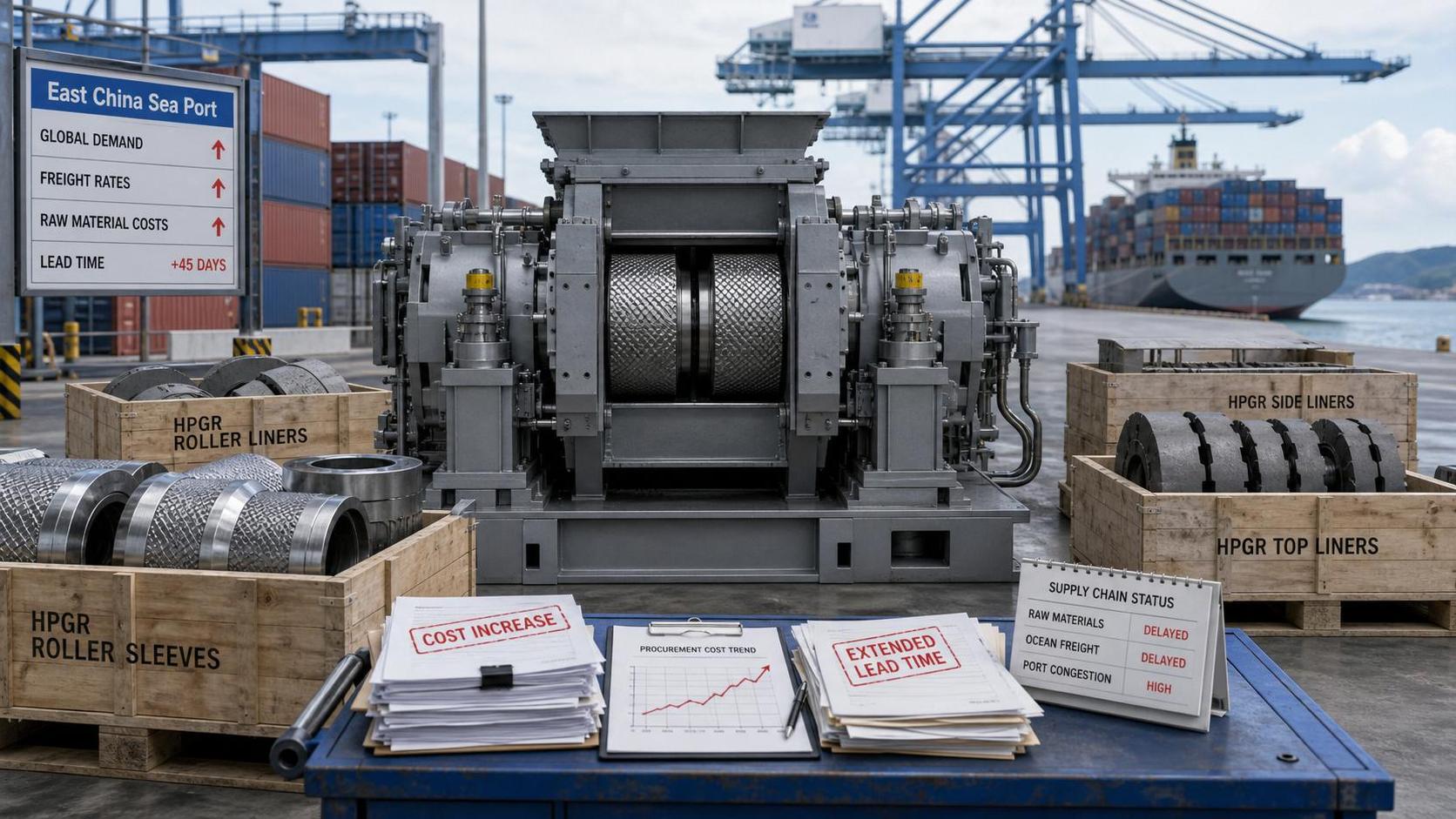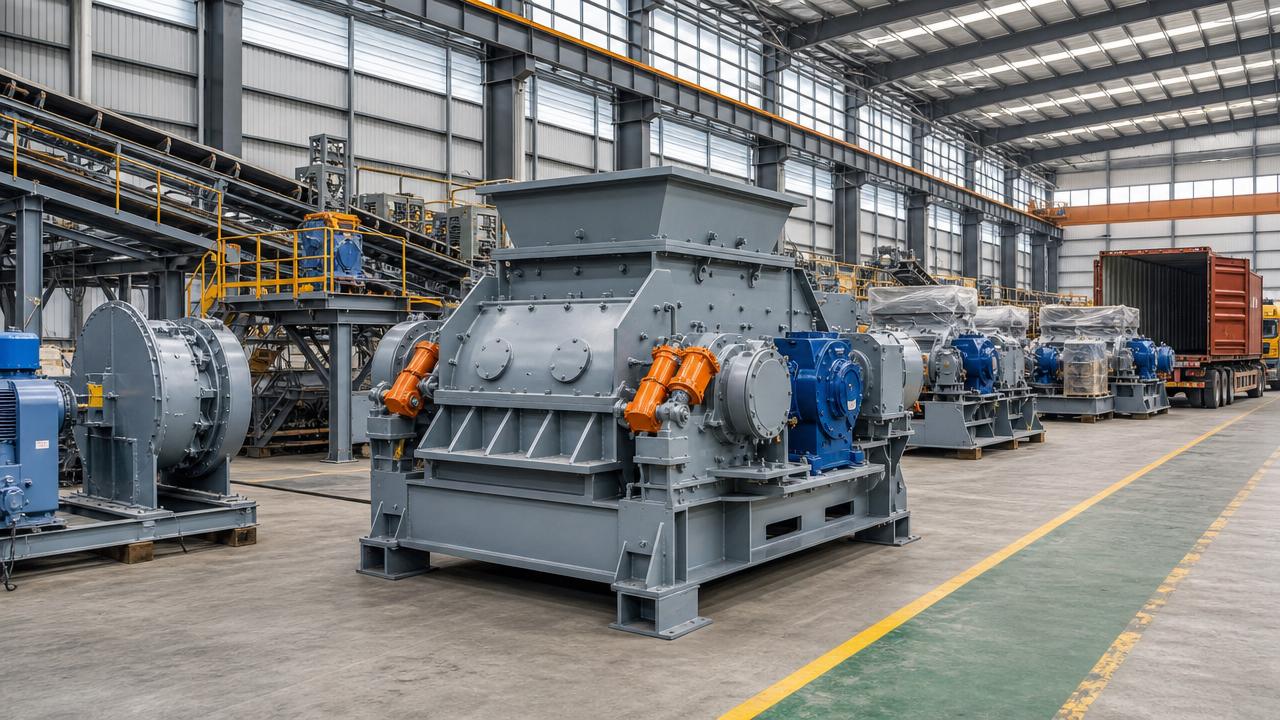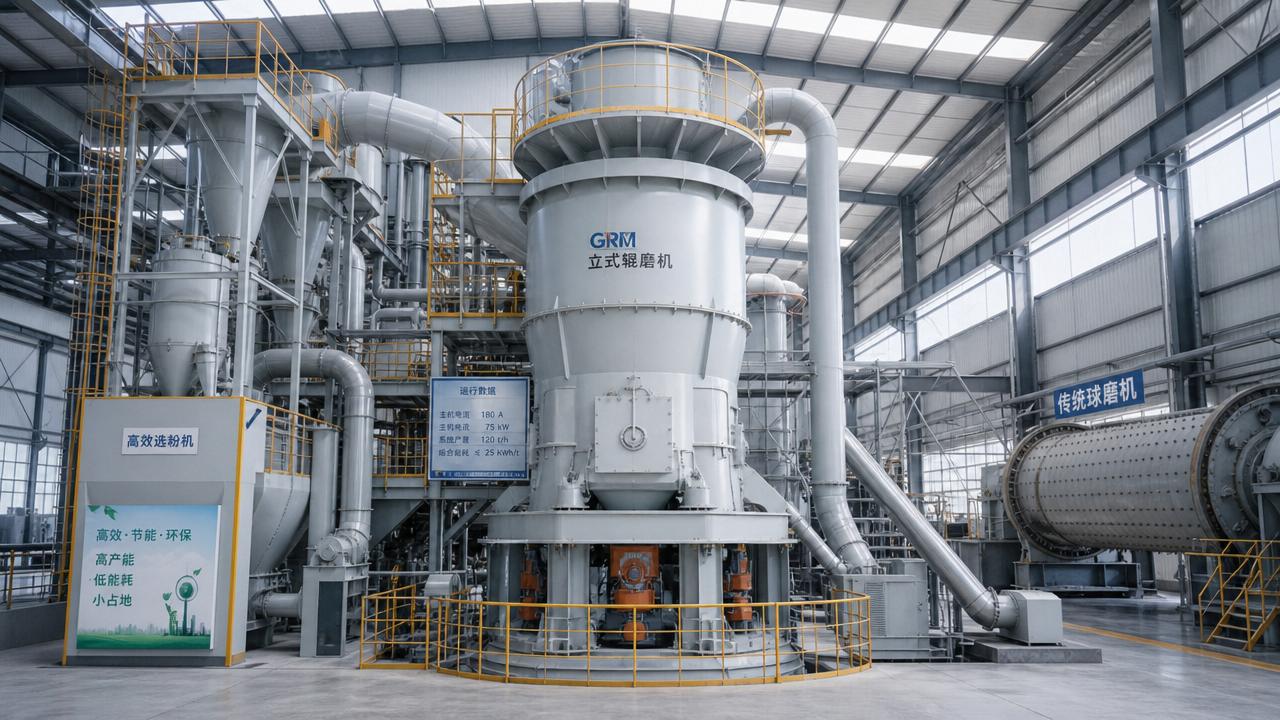




Search News
Industry Portal
Popular Tags
All categories
HPGR Bearing Export Controls Tighten




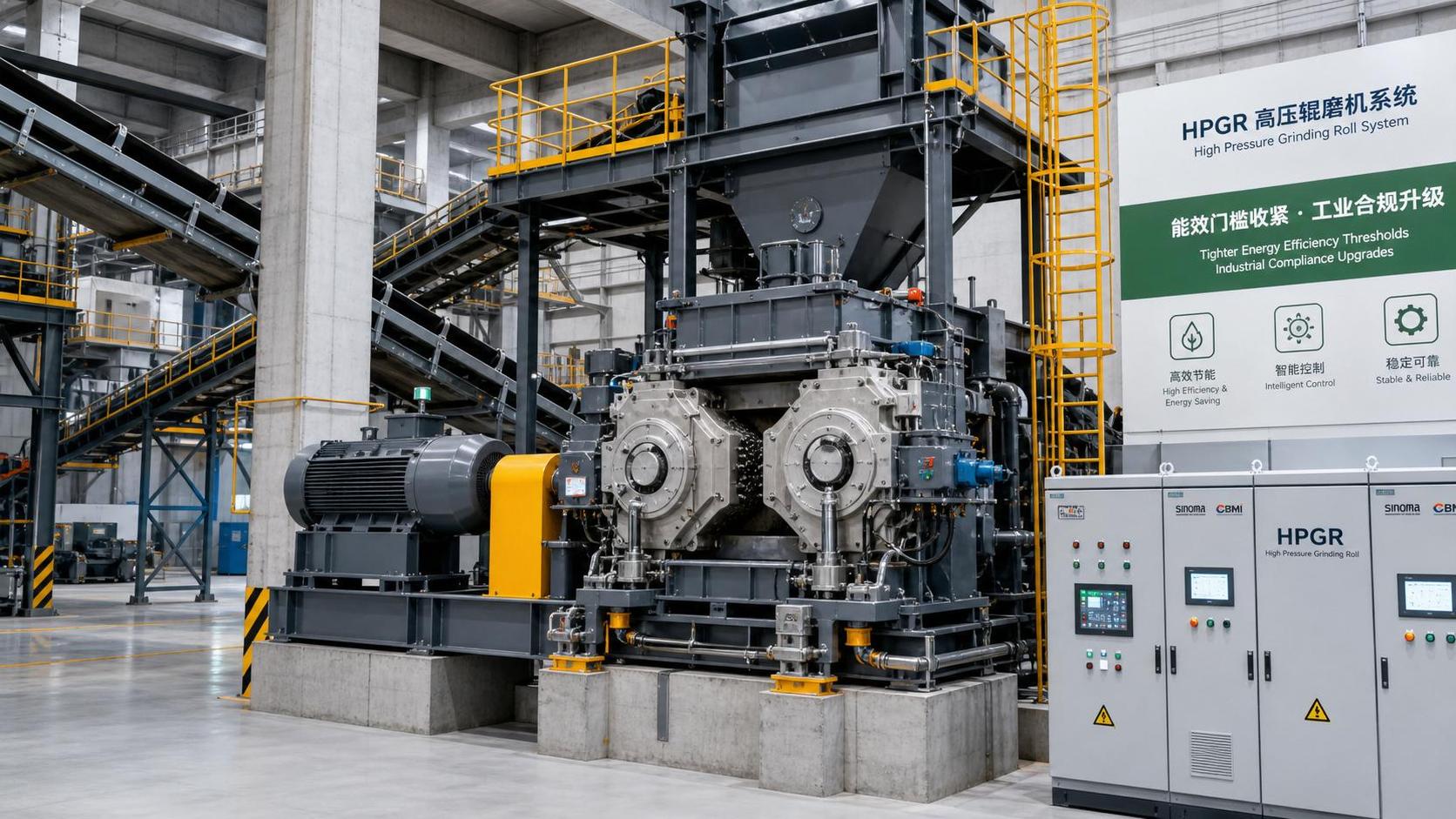
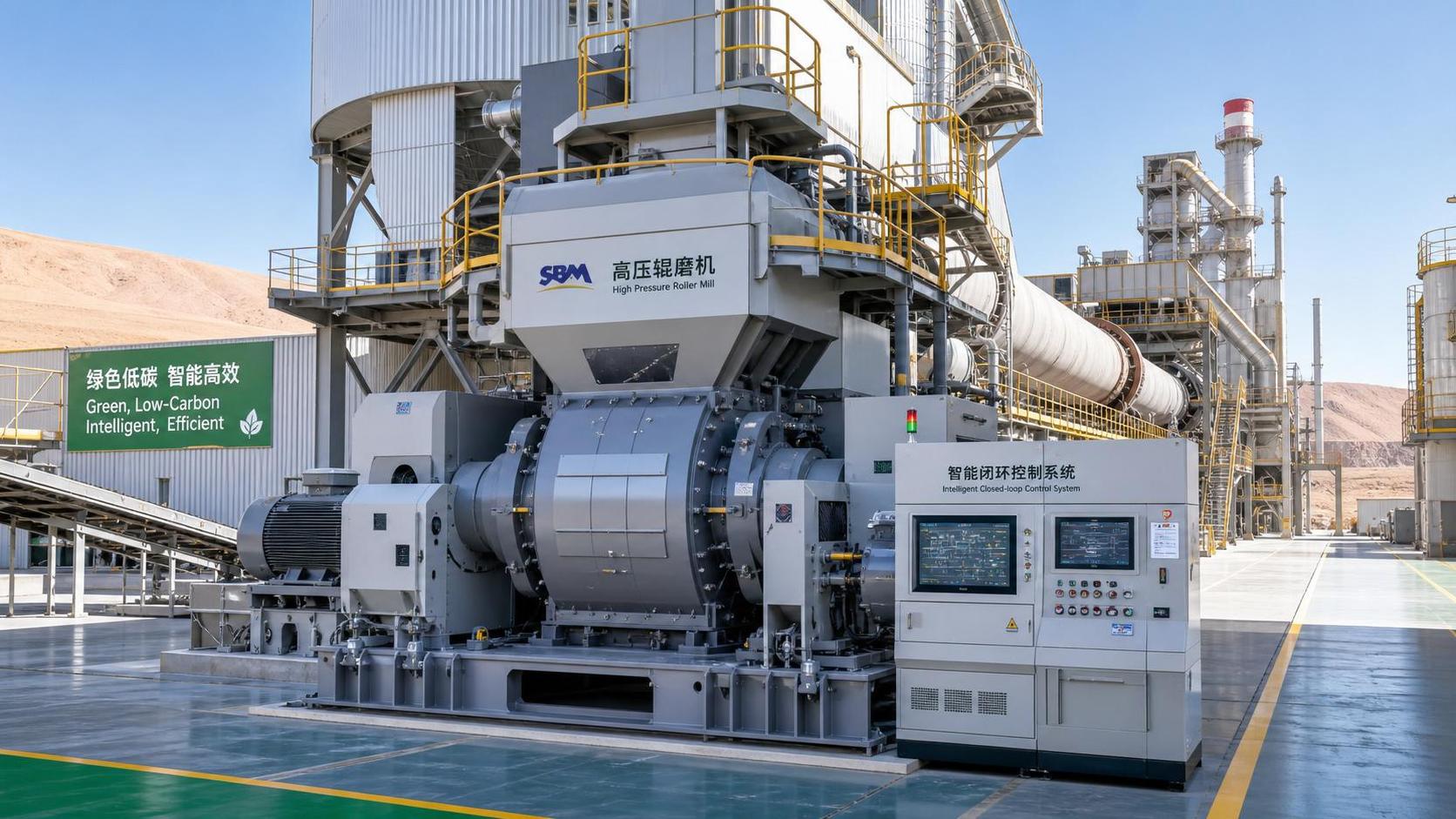
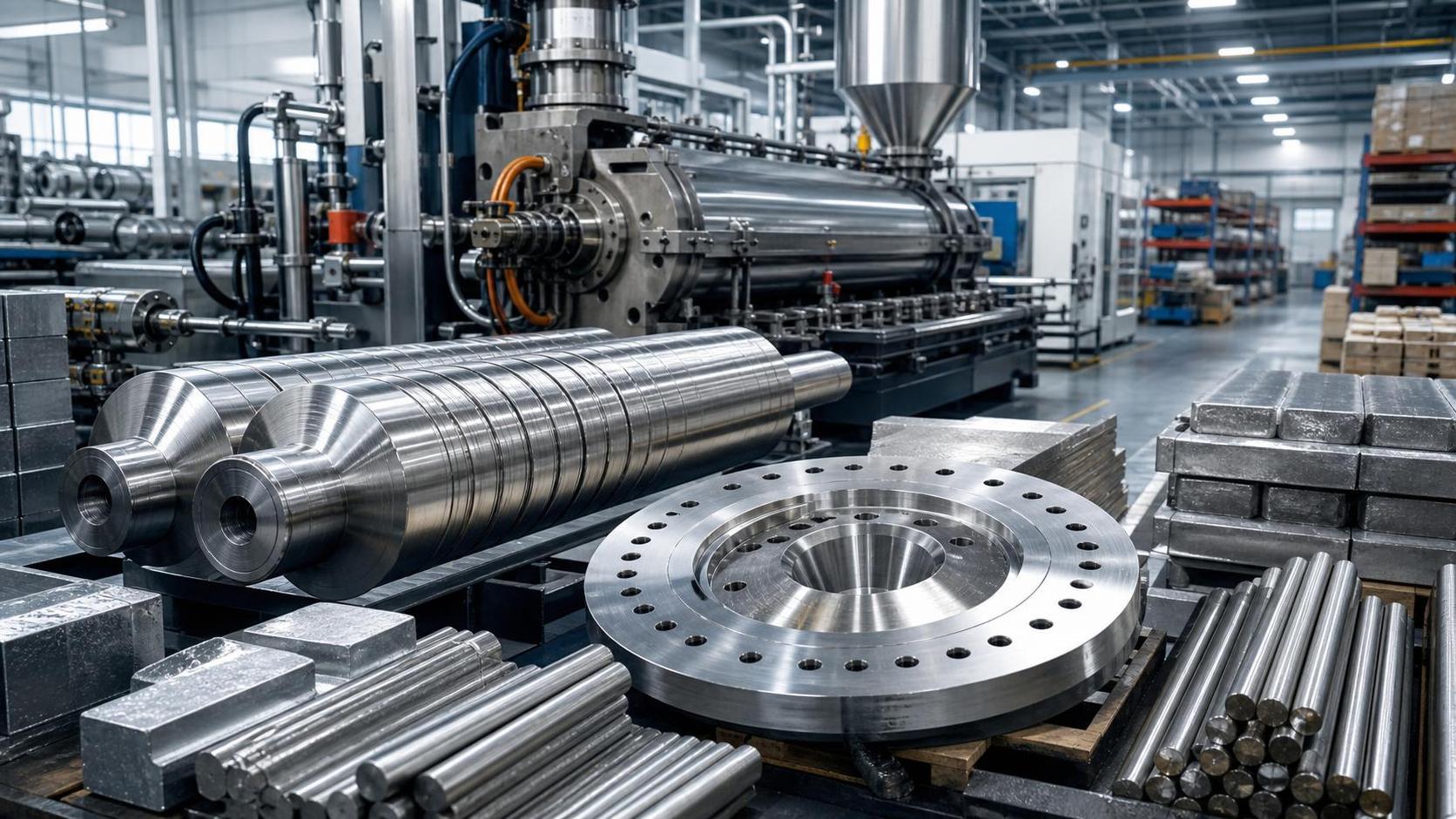
On July 13, 2026, a rule change affecting core components used in High-pressure Roller Mills (HPGR) moved from policy language into immediate trade execution. The updated dual-use control list issued jointly by BIS and the European Commission now covers customized double-row tapered roller bearings with the model suffix "-QCL" for HPGR applications. Because these bearings are tied to a major share of global HPGR line supply and now require bilateral licensing before export, the development deserves attention from exporters, equipment buyers, supply-chain coordinators, and project teams managing delivery schedules and compliance documentation.
What the New Control Now Covers
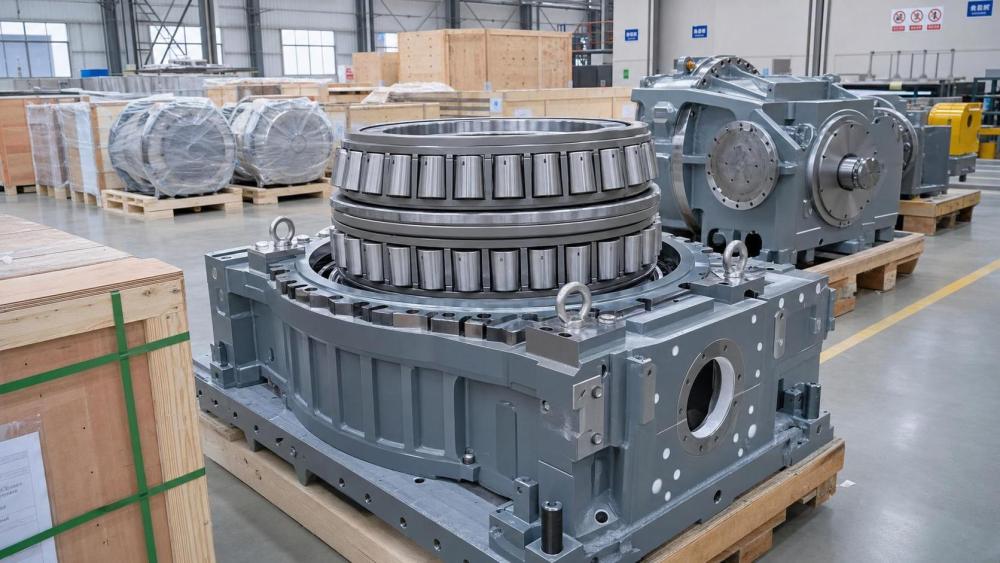
According to the information provided, BIS and the European Commission jointly updated the Critical Industrial Equipment Dual-Use Items Control List on July 13, 2026. The update adds customized double-row tapered roller bearings used in High-pressure Roller Mills, identified by the suffix "-QCL," to the controlled items list.
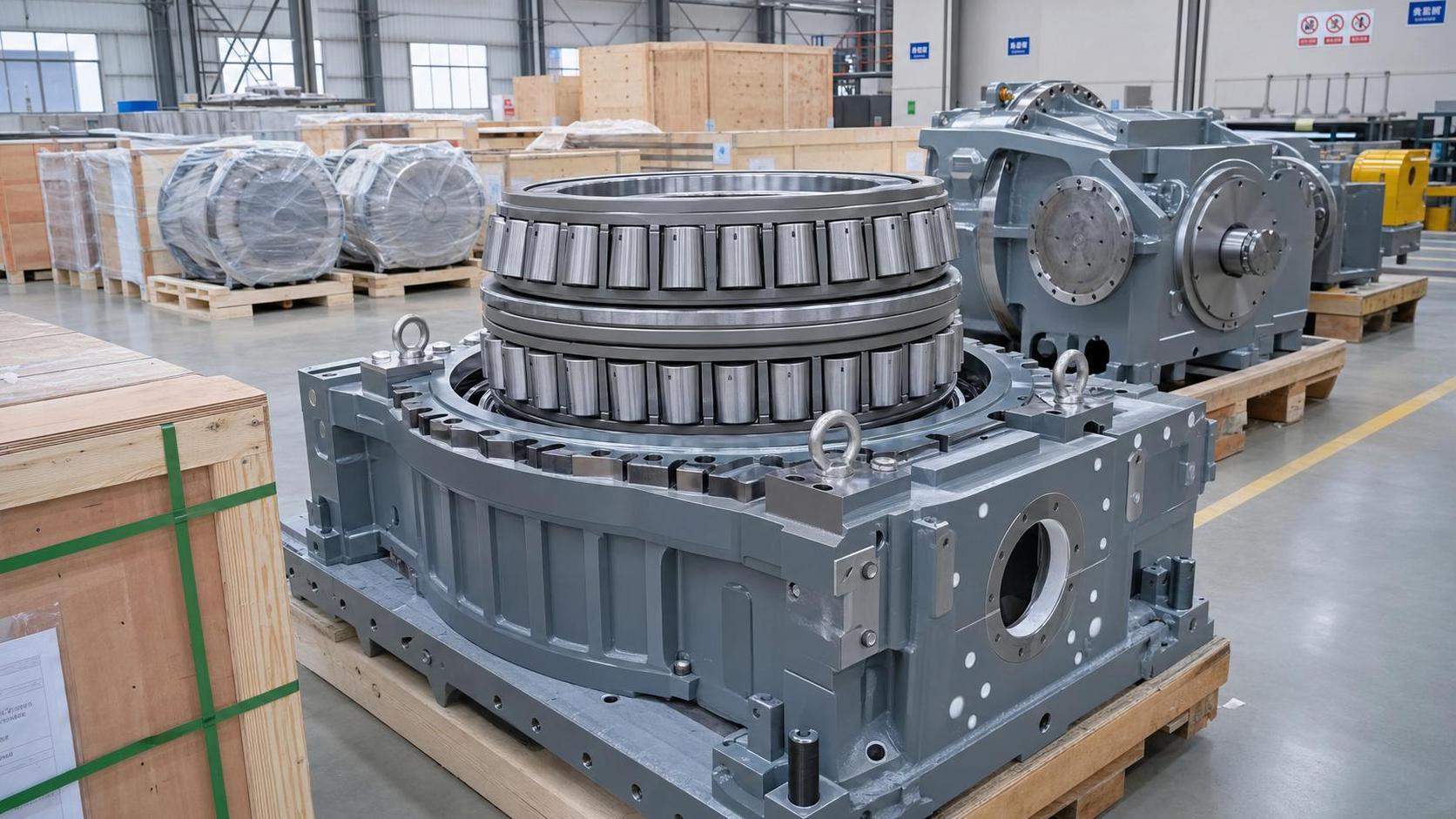
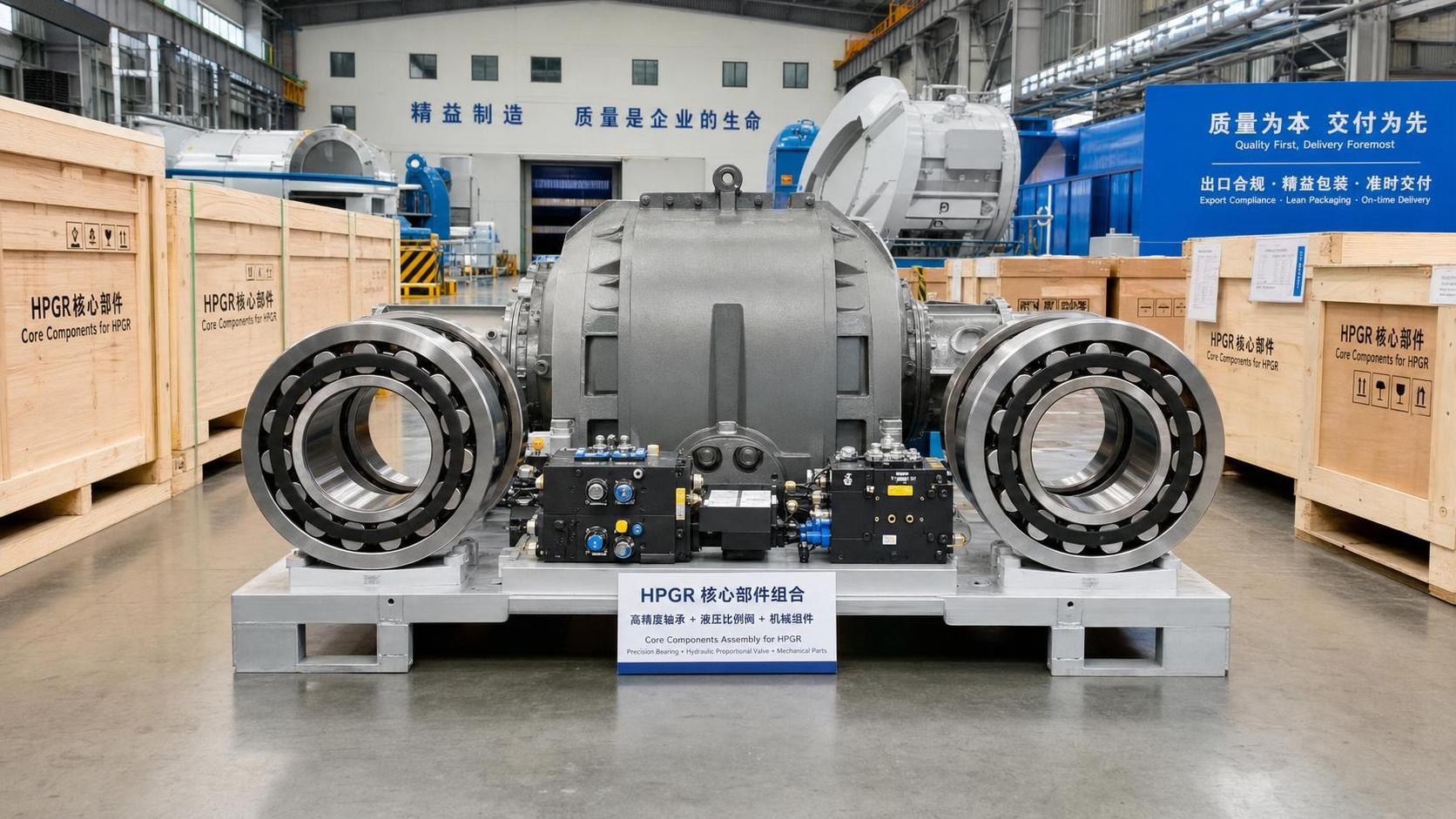
The same information states that this bearing category is manufactured in China by a leading bearing producer under SKF design and accounts for more than 40% of global HPGR production-line supply. The rule took effect immediately on the same date. Before export, the item now requires bilateral authorization, and the stated practical consequences are longer delivery cycles and higher compliance costs.
Where the Pressure Will Appear First in the Supply Chain
Export transactions will face a stricter pre-shipment gate
From an industry perspective, direct exporters and trading entities are likely to feel the change first because the new requirement applies before shipment. The key impact is not only on whether a product can move, but on whether classification, end-use review, and license preparation are complete early enough to avoid delays. What deserves closer attention is the documentation chain around product model identification, technical descriptions, and export approval readiness for "-QCL" bearings tied to HPGR use.
Procurement teams may need to reset delivery assumptions
Procurement functions at equipment makers, project contractors, and industrial buyers may be affected because the rule directly changes the lead-time risk attached to a critical component. Analysis shows that even where supply remains legally possible, purchasing plans, bid schedules, and delivery commitments may need to account for licensing time and added compliance handling. For buyers, the practical issue is less about a theoretical restriction and more about whether current purchase orders, framework agreements, and spare-parts planning still reflect realistic shipment timing.
Manufacturing and assembly schedules could become more exposed to component timing
Processing and assembly operations linked to HPGR lines may be affected where these bearings are part of production or integration milestones. Observably, when a controlled component sits in a narrow technical category and represents a meaningful share of available supply, schedule risk can move upstream into plant planning, commissioning coordination, and contractual delivery sequencing. Companies in this position should pay attention to technical file consistency, supplier declarations, and internal controls over part-number traceability.
Service and support obligations may require closer tracking
After-sales teams and supply-chain service providers may also need to monitor the rule change more closely, especially where replacement parts, maintenance planning, or urgent fulfillment are involved. The immediate concern is whether service commitments linked to HPGR installations rely on the same controlled bearing category. If they do, lead-time management, export paperwork readiness, and traceability of controlled part numbers may become more important in ongoing support arrangements.
What Companies Should Check Now
Confirm whether affected part numbers fall within the controlled scope
Analysis shows that the first practical step is product scope confirmation. Companies involved in HPGR equipment, components, or related procurement should verify whether any bearing references tied to their orders, BOM records, technical files, or tender documents match the controlled "-QCL" designation and application context described in the update.
Review compliance files before contracts move into shipment stage
What deserves closer attention is the completeness of export and technical documentation before goods are staged for dispatch. Where execution details have not been provided in the input, it is more appropriate to understand this as a compliance review priority rather than a settled operating procedure. Enterprises should therefore focus on whether their product descriptions, specifications, transaction documents, and end-use materials are consistent enough to support licensing review.
Rework procurement and delivery timelines with licensing risk in mind
Observably, the rule is already effective, so timeline assumptions based on ordinary export processing may no longer be sufficient for the covered bearings. Companies should examine whether order confirmation dates, production milestones, shipment windows, and customer delivery commitments need adjustment. This is especially relevant where HPGR projects depend on single-source or tightly specified bearing configurations.
Watch for changes in market-facing documents and execution language
From an industry perspective, a rule update like this can begin to appear indirectly through revised tender requirements, supplier qualification checks, customer compliance clauses, and supporting technical documentation. The input does not provide those downstream changes, so they should not be treated as confirmed outcomes. They remain areas for active monitoring as the rule is interpreted and applied in practice.
Why This Looks Like an Execution Signal, Not Just a Policy Headline
Analysis shows that this development is more than a general regulatory statement because the control took effect immediately and applies to a clearly identified bearing type used in a defined industrial application. That makes it more appropriate to understand the update as an execution signal already affecting trade handling and delivery planning.
At the same time, observably, the market still needs to watch how the rule is implemented in operational detail. The provided information confirms the licensing requirement and the expected pressure on lead times and compliance cost, but it does not establish the full working standard for documentation review, interpretation at transaction level, or the extent of downstream procurement reactions. For that reason, industry attention should remain on implementation practice rather than assumption-driven conclusions.
How This Update Is Best Understood at This Stage
The immediate industry meaning of this event is clear: a core HPGR bearing category has moved into a tighter export-control environment, and the effect is already relevant for cross-border shipment planning, supply coordination, and compliance preparation. The change should not be overstated as a complete market outcome, but it also should not be read as a distant policy signal.
Current conditions make it more appropriate to understand this as a rule change that has already landed, while many of its operational consequences still require continued observation. For companies exposed to HPGR supply, export execution, or project procurement, the practical focus now is on scope confirmation, licensing readiness, and schedule realism.
Basis of This Article and What Still Needs Verification
This article is based on the user-provided news title, event date, and event summary. It has been written from that provided information only and does not add unverified data, unnamed regulatory texts, extra company details, or external market figures.
For events of this kind, relevant source types would typically include official notices, releases from regulatory authorities, customs or trade administration updates, industry association communications, standard-setting documents, and reporting by authoritative trade media. No specific official source link was provided in the input, so the exact official publication path still requires follow-up verification.
Further observation is still needed on any detailed implementation guidance, certification or compliance interpretation, changes in tender language, market feedback, and how affected companies execute procurement, export review, and delivery adjustments in practice.
Related News
- When does vertical roller mill grinding outperform ball milling?Author :Powder Comminution Scientist

- How to Choose Cement Grinding Equipment for Slag by Throughput and FinenessAuthor :Powder Comminution Scientist

- Cement Grinding System Selection: Energy Use, Output, and Wear Trade-OffsAuthor :Powder Comminution Scientist

- HPGR Bearing Export Controls TightenAuthor :Powder Comminution Scientist

- HPGR Parts Export Controls Tighten on Bearings and ValvesAuthor :Powder Comminution Scientist

- 7 Ways to Improve Clinker Grinding Efficiency Without Major RetrofitsAuthor :Powder Comminution Scientist

- Vertical Roller Mill for Slag: When Is It the Better Option?Author :Powder Comminution Scientist

- Industrial Crushing Technology Options for Lower Energy Use and Finer OutputAuthor :Powder Comminution Scientist

- Cement Clinker Grinding Equipment: Ball Mill or Roller Press?Author :Powder Comminution Scientist

- Vertical Mill Retrofit Checklist: Capacity Gains vs Downtime RiskAuthor :Powder Comminution Scientist

- Cement Grinding Mill Efficiency: When Upgrades Deliver Real Energy SavingsAuthor :Powder Comminution Scientist

- Industrial Crushing Technology for Limestone: Choosing the Right SetupAuthor :Powder Comminution Scientist

- How to Compare Industrial Crushing Machinery Suppliers on Output and Wear CostsAuthor :Powder Comminution Scientist

- HPGR Energy Limit Tightened to 2.1 kWh/tAuthor :Powder Comminution Scientist

- Cement Grinding Systems: When High-Pressure Roller Mills Outperform Ball MillsAuthor :Powder Comminution Scientist

- Draft Capacity Rules May Delay Export EquipmentAuthor :Powder Comminution Scientist

- Vertical Mill Retrofit: When It Pays Off and What to Upgrade FirstAuthor :Powder Comminution Scientist

- Uzbekistan BIG5 Opens in August as Tax Breaks Support China Building Equipment ExportsAuthor :Powder Comminution Scientist

- China HPGR Exports Rise 35% on Middle East Cement UpgradesAuthor :Powder Comminution Scientist

- EuroBLECH 2026 Puts Hybrid Processing in FocusAuthor :Powder Comminution Scientist

- How to Compare Heavy Duty Crushing Machinery for High-Volume Plant OperationsAuthor :Powder Comminution Scientist

- Indonesia Curbs Nickel, Tightens Tin ExportsAuthor :Powder Comminution Scientist

- Dry High-Capacity Grinding Technology: When It Beats Ball Milling on Throughput and EnergyAuthor :Powder Comminution Scientist

- PPI Signal: HPGR Input Costs Up, Lead Times Reach 14 WeeksAuthor :Powder Comminution Scientist

- China’s HPGR Exports Jump 41% in Q1 as Southeast Asia Leads DemandAuthor :Powder Comminution Scientist

- When Vertical Roller Mills Beat Ball Mills on Power and FootprintAuthor :Powder Comminution Scientist