



Search News
Industry Portal
Popular Tags
All categories
Limestone Processing Equipment: Common Bottlenecks and Fixes




Where limestone processing equipment usually starts losing efficiency
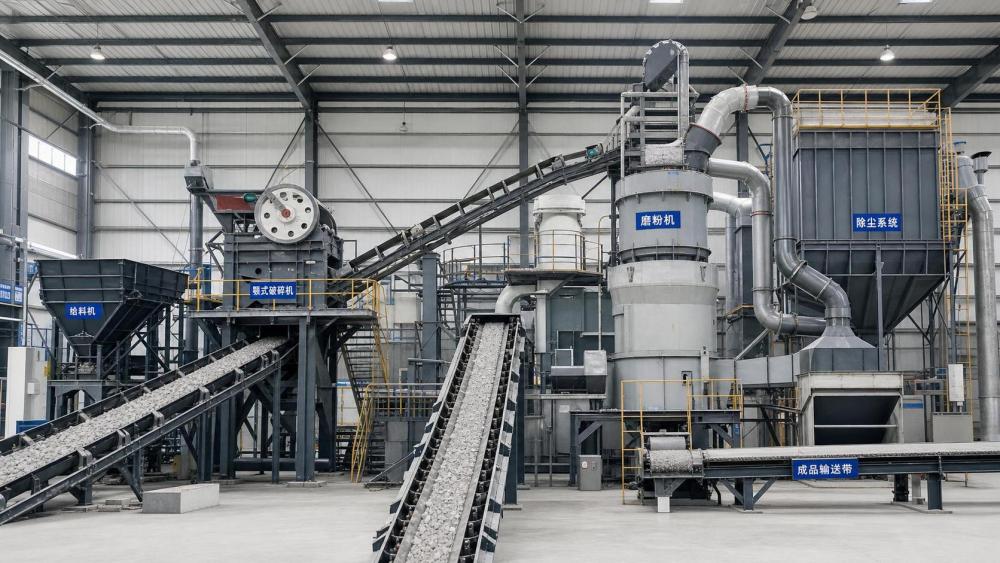
In many mineral and building material plants, trouble rarely starts with a total breakdown.
More often, limestone processing equipment begins to drift.
Output becomes uneven, dust escapes at transfer points, power draw rises, and maintenance intervals become shorter.
That pattern matters because limestone often feeds wider process systems.
It may support cement grinding, desulfurization, filler production, aggregate shaping, glass batching, or low-carbon building material blends.
Once one section becomes unstable, the downstream line usually feels it immediately.
A coarse feed issue in crushing can later appear as poor mill efficiency.
A dust collection weakness can become both a compliance risk and a product loss issue.
This is why limestone processing equipment should be judged by plant context, not by nameplate capacity alone.
In practical terms, the bottleneck depends on feed variability, moisture, target fineness, line automation, and the stability required by the final product.
The same plant problem looks different in different operating conditions
Limestone processing equipment behaves very differently in a quarry-linked crushing line and in a fine powder preparation system.
The first usually struggles with feed size variation and wear.
The second pays more for circulation instability, classifier inefficiency, and moisture-related buildup.
That difference is easy to underestimate.
Many plants replace a machine component and expect performance to recover.
In reality, the bottleneck often comes from mismatch between process conditions and equipment settings.
Where limestone is used for cement additives or dry mortar fillers, particle size consistency becomes critical.
Where it feeds flue gas treatment or construction aggregate, throughput and contamination control may matter more.
A useful way to diagnose limestone processing equipment is to ask one question first.
Is the plant losing tons, quality stability, environmental margin, or maintenance time?
The answer changes the fix.
When the bottleneck starts in primary crushing and material feeding
In high-volume lines, the first weak point is often upstream.
Limestone processing equipment may appear underpowered when the real issue is uncontrolled feed.
Large rock variation, sticky fines, or poor hopper discharge can choke crushers and screens.
That creates surges, idle cycles, and uneven conveyor loading.
In this setting, the best fix is rarely just a larger crusher.
More effective adjustments usually include feeder speed control, improved grizzly separation, better chute angles, and wear-liner review.
If moisture increases seasonally, transfer design becomes even more important.
Bridging inside bins can reduce line stability more than nominal machine capacity ever will.
This is common where limestone processing equipment serves integrated building material systems with variable quarry supply.
The judgement point here is simple.
If amperage spikes and throughput falls at the same time, look upstream before changing the core machine.
Fine grinding lines usually reveal bottlenecks through energy and fineness drift
Where limestone processing equipment is used for powder production, symptoms become more subtle.
A mill may continue running, yet the plant still loses margin.
Specific power consumption rises, finished powder becomes less stable, and recirculation loads climb.
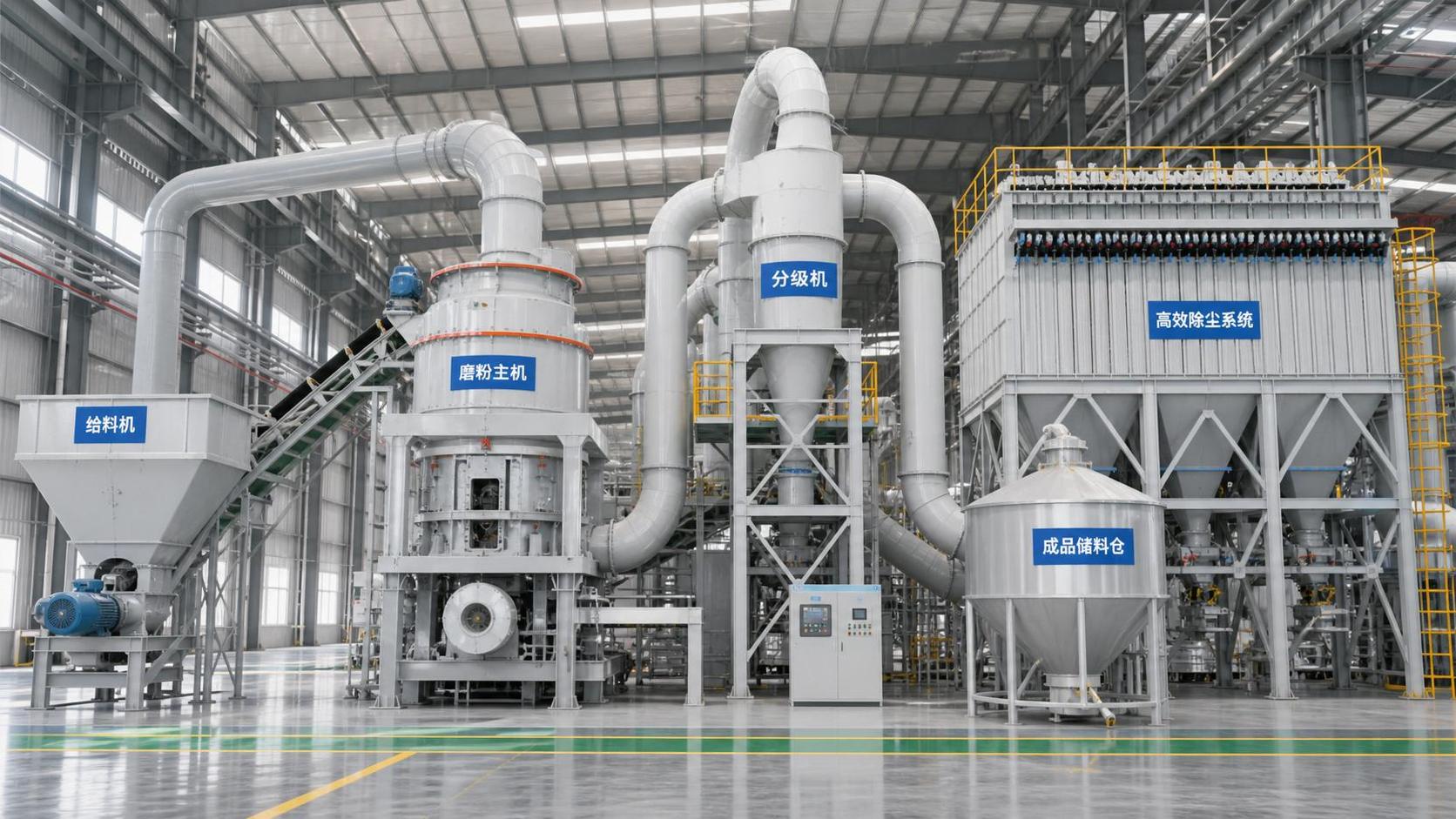
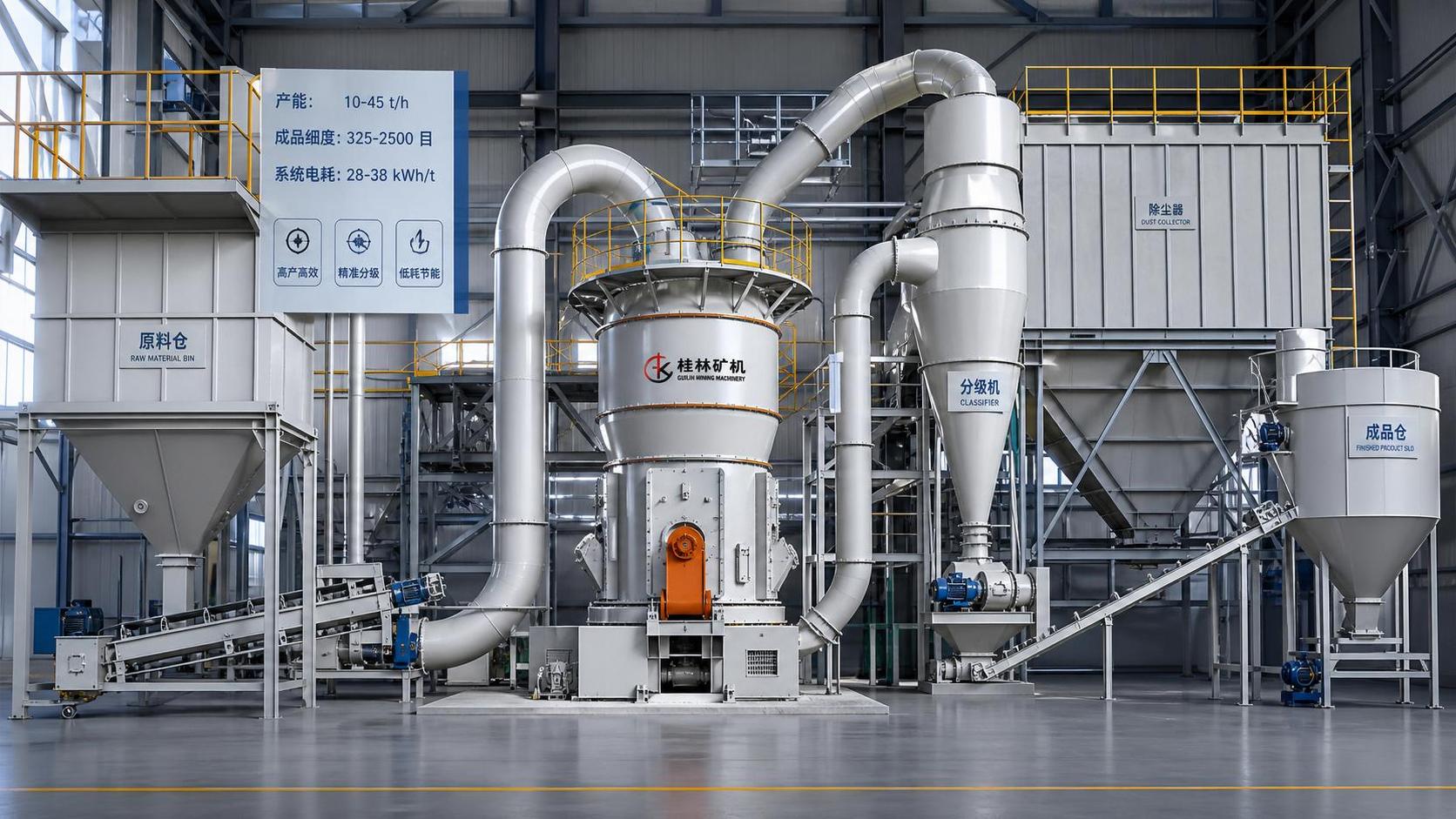
This often points to classifier settings, grinding media condition, roller pressure balance, or internal airflow problems.
The actual fix depends on the target application.
For filler-grade powder, narrow size distribution may be more valuable than peak tonnage.
For cement blending or desulfurization sorbent use, a slightly different fineness window may be acceptable if the line becomes more stable.
Plants connected to broader NMBS-covered process systems often face this tradeoff.
They are not optimizing one machine in isolation.
They are balancing mill behavior with storage, dosing, mixing, and environmental control.
- Check separator speed against actual product rejection, not only design values.
- Review differential pressure trends before assuming media or liners are worn out.
- Track feed moisture because small changes can shift airflow and powder transport.
- Compare energy per ton with fineness stability over several shifts, not one sample.
Dust, spillage, and emissions problems usually mean the system is out of balance
Dust is often treated as a housekeeping issue.
In limestone processing equipment, it is usually a process signal.
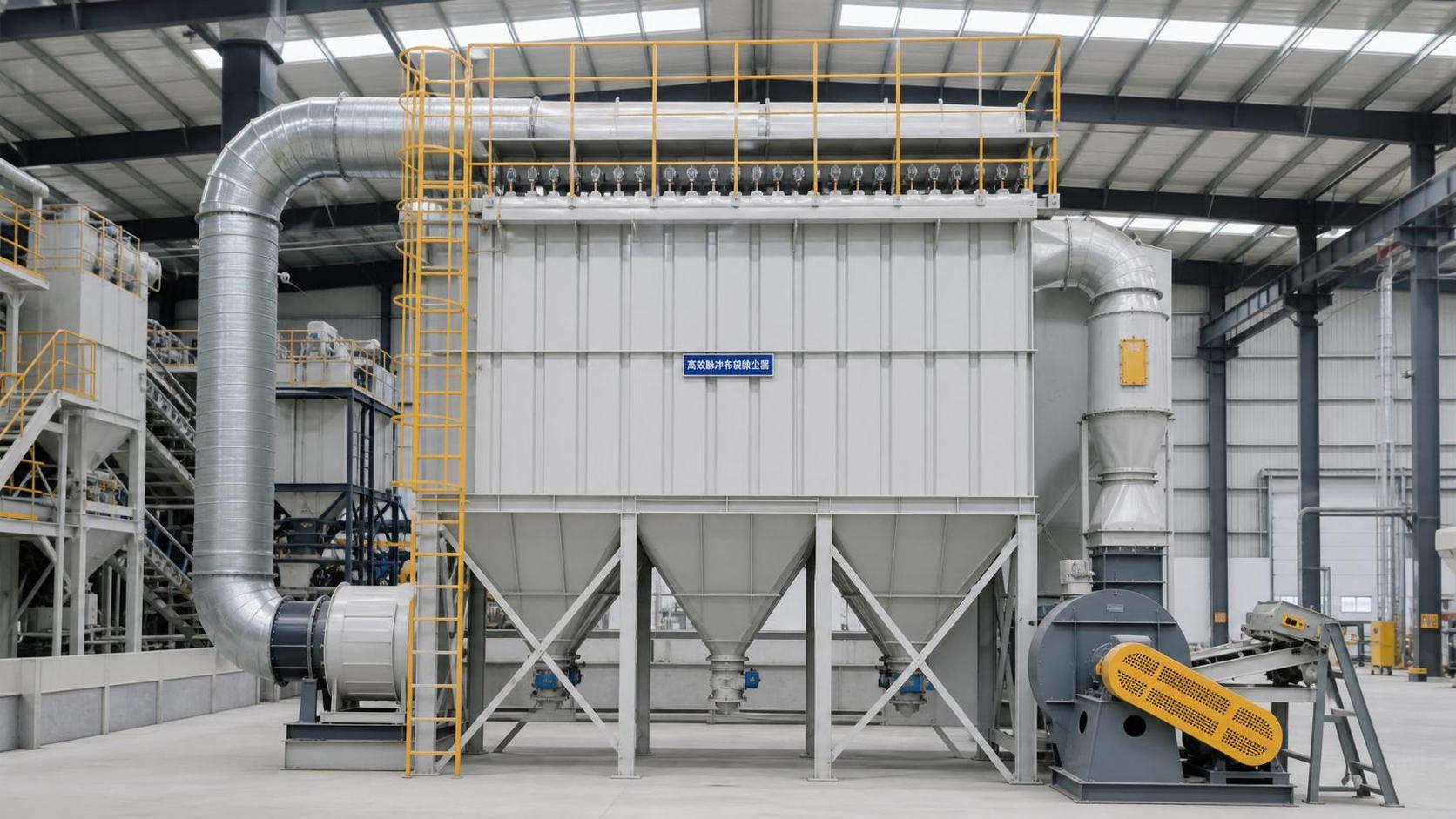
If transfer points leak, bag filters overload, or stockpile zones become visibly dusty, the root cause may be poor sealing, wrong air volume, or unstable material flow.
That matters more now because building material industries operate under tighter dust and carbon rules.
An inefficient collection point increases fan energy and can reduce usable product recovery.
In low-carbon upgrade projects, this issue is often linked with digital monitoring.
Plants want limestone processing equipment that can keep emissions stable without constant manual intervention.
The practical fix is not only changing filter bags.
It may involve sealing redesign, revised hood placement, fan balancing, or reducing drop height at loading points.
When dust rises together with spillage, the system is usually telling you that flow control is deteriorating.
Different limestone processing equipment bottlenecks require different decision priorities
The table below helps separate problems that look similar on the surface.
That makes troubleshooting faster and investment decisions more realistic.
What plants often misread before upgrading limestone processing equipment
A common mistake is treating all limestone as a uniform feed.
Hardness, clay content, moisture, and fines ratio can change enough to alter the whole line response.
Another misread is focusing only on purchase cost.
If limestone processing equipment needs frequent liner replacement, high fan power, or difficult cleaning shutdowns, the lower initial cost can disappear quickly.
There is also a process integration issue.
A line may be mechanically sound but poorly matched with storage, dosing, or conveying systems.
That is especially relevant in plants combining mineral grinding with cement, AAC, glass, or engineered material workflows.
The more integrated the plant, the less useful it is to judge limestone processing equipment as a stand-alone asset.
- Do not assume a capacity shortfall means the main machine is undersized.
- Do not treat dust only as an environmental line item.
- Do not copy settings from a similar plant without checking feed and product targets.
- Do not evaluate upgrades without including maintenance access and automation compatibility.
How to choose the next fix without disrupting the whole production system
The most effective next step is usually a structured site review.
Start with the point where process instability first appears, not where the final complaint is heard.
For limestone processing equipment, that means linking feed data, power use, fineness results, downtime records, and dust behavior.
The goal is to identify whether the constraint is mechanical, process-related, or system-level.
In actual projects, small changes often recover more value than a major replacement.
A feeder adjustment, separator retuning, transfer sealing change, or control update may restore stable performance at lower cost and lower shutdown risk.
Where a broader upgrade is needed, it helps to compare scenarios before committing.
Confirm raw material variation, target product window, emission limits, spare part cycle, and available operator control depth.
That approach fits the wider industrial logic behind NMBS coverage.
Reliable output, lower energy use, and cleaner production only happen when equipment decisions follow real process conditions.
Before changing limestone processing equipment, map the exact bottleneck, compare site conditions, and define the acceptable tradeoff between capacity, quality, energy, and compliance.
Related News
- When wet powder grinding improves particle size controlAuthor :Powder Comminution Scientist

- How to size high capacity powder grinding systems for steady throughputAuthor :Powder Comminution Scientist

- High Capacity Powder Grinding Systems: When Output Gains Justify the CostAuthor :Powder Comminution Scientist

- Powder Grinding Systems India: Cost Drivers and Output BenchmarksAuthor :Powder Comminution Scientist

- How to Choose Mineral Powder Equipment for Stable OutputAuthor :Powder Comminution Scientist

- Silica Sand Processing Equipment: Key Choices for Purity and ThroughputAuthor :Powder Comminution Scientist
![]()
- How to Evaluate a Non-Metallic Mineral Processing SupplierAuthor :Powder Comminution Scientist

- Powder Processing Equipment Selection for Yield, Fineness, and Energy CostAuthor :Powder Comminution Scientist

- How to Compare a Dust Collector Manufacturer for Fine Powder ControlAuthor :Powder Comminution Scientist

- Limestone Processing Equipment: Common Bottlenecks and FixesAuthor :Powder Comminution Scientist

- Mineral Powder Preparation Plant Setup: Key Risks in Capacity and Fineness PlanningAuthor :Powder Comminution Scientist