



Search News
Industry Portal
Popular Tags
All categories
Powder Grinding Systems India: Cost Drivers and Output Benchmarks




Why does the price of powder grinding systems India vary so much?
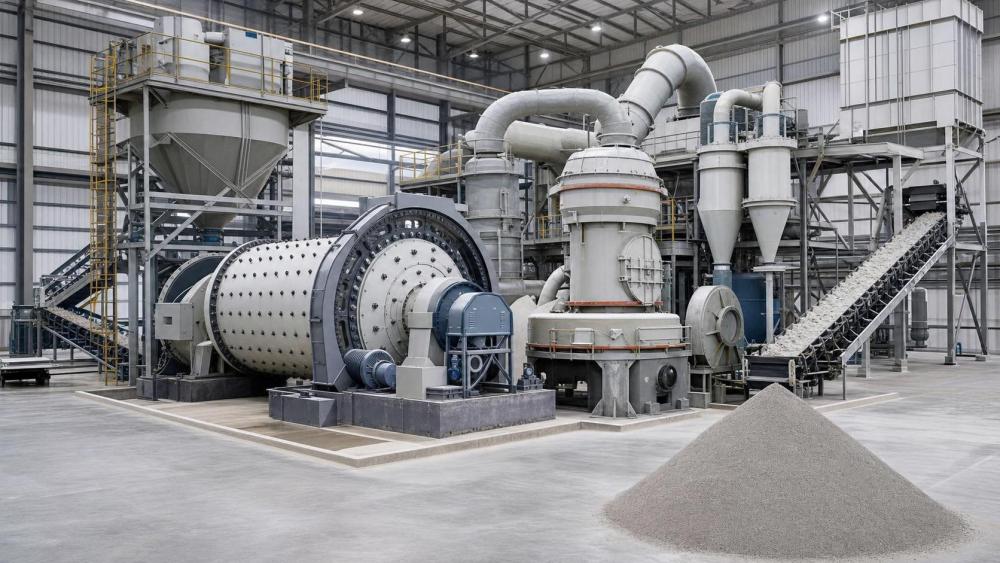
For powder grinding systems India, the visible equipment quote is only the starting point.
In mineral and building material projects, lifetime cost usually shifts with throughput stability, power draw, wear parts, and installation complexity.
That is why two systems with similar rated capacity can show very different ownership cost after one year.
In practical terms, the biggest cost drivers usually sit in five areas.
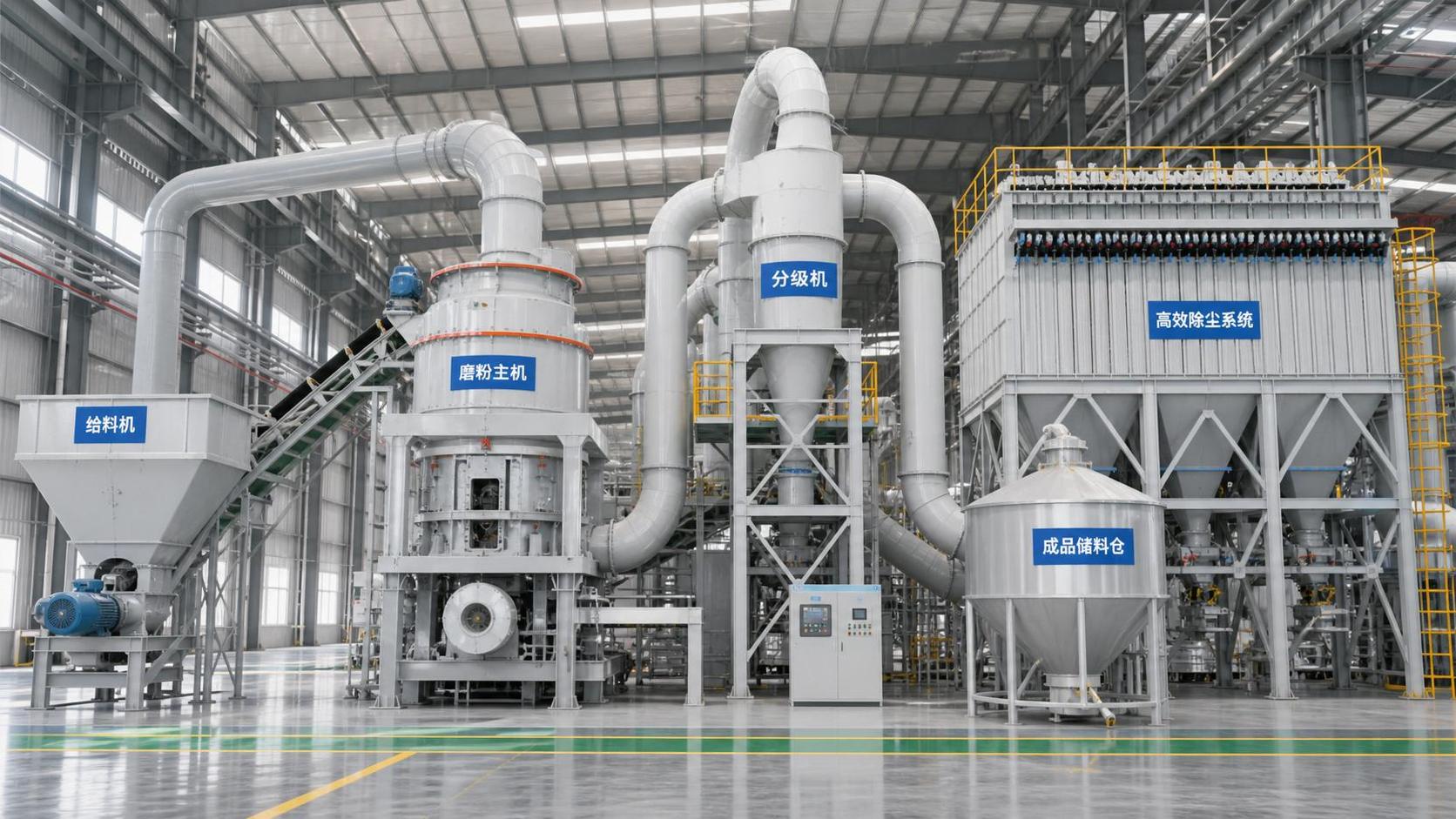
- Grinding technology choice, such as ball mill, vertical roller mill, or high-pressure grinding roll circuit.
- Feed characteristics, including hardness, moisture, abrasiveness, and top size variation.
- Required fineness, because tighter particle control often needs more energy and better classification.
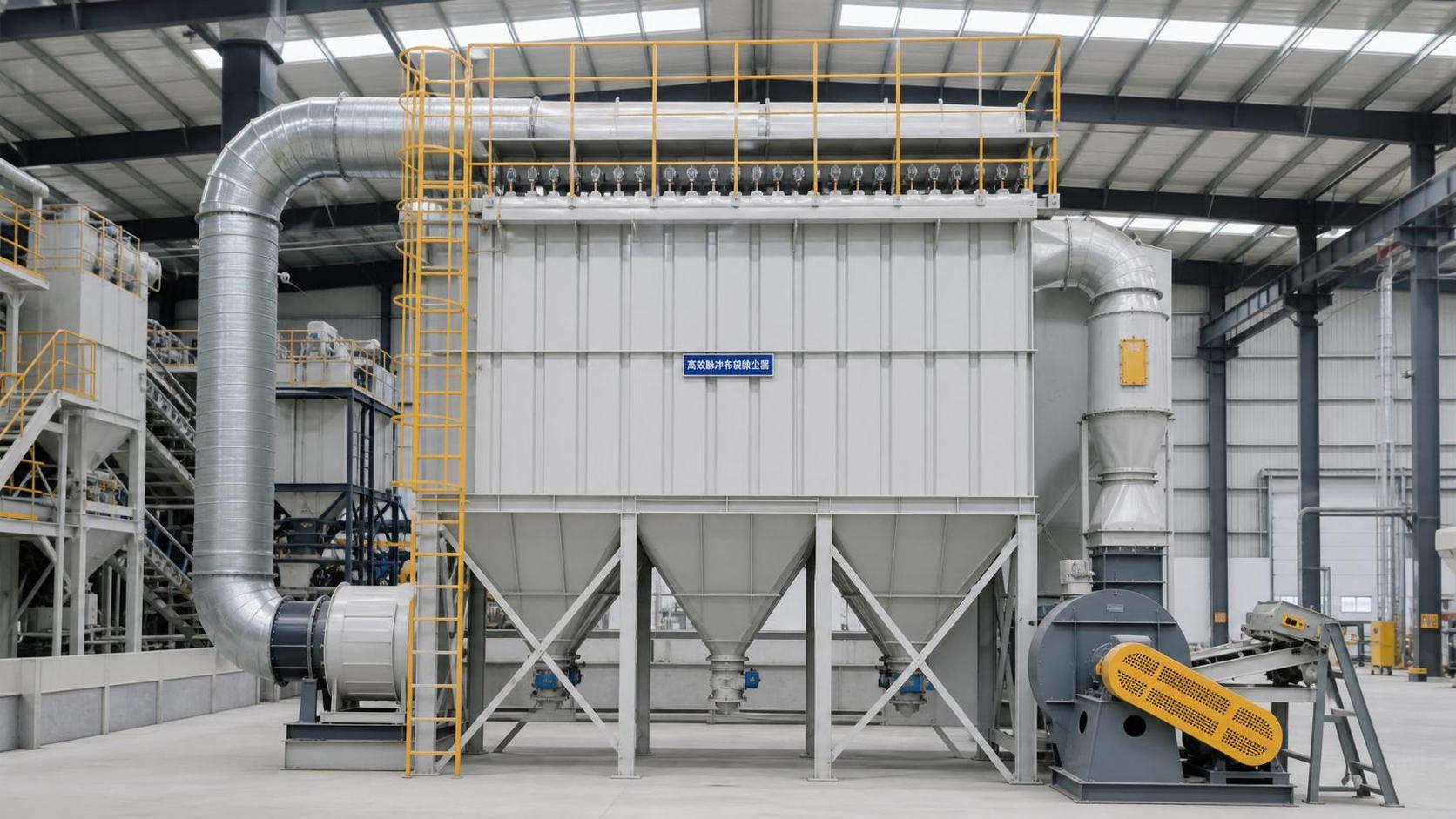
- Auxiliary systems, especially dust collection, conveying, drying, and automation scope.
- Local execution factors, such as civil work, utilities, commissioning, and spare parts availability in India.
The more useful question is not, “Which system is cheapest?”
A better question is, “Which powder grinding systems India option delivers the target product at the lowest dependable cost per ton?”
This approach fits how NMBS interprets industrial equipment decisions.
The platform connects equipment data with process behavior, project risk, energy performance, and commercial outcomes.
Which output benchmarks actually matter before comparing offers?
Nameplate capacity looks attractive on proposals, but it is rarely enough for comparison.
Output benchmarks should reflect what the system can sustain under normal feed fluctuation.
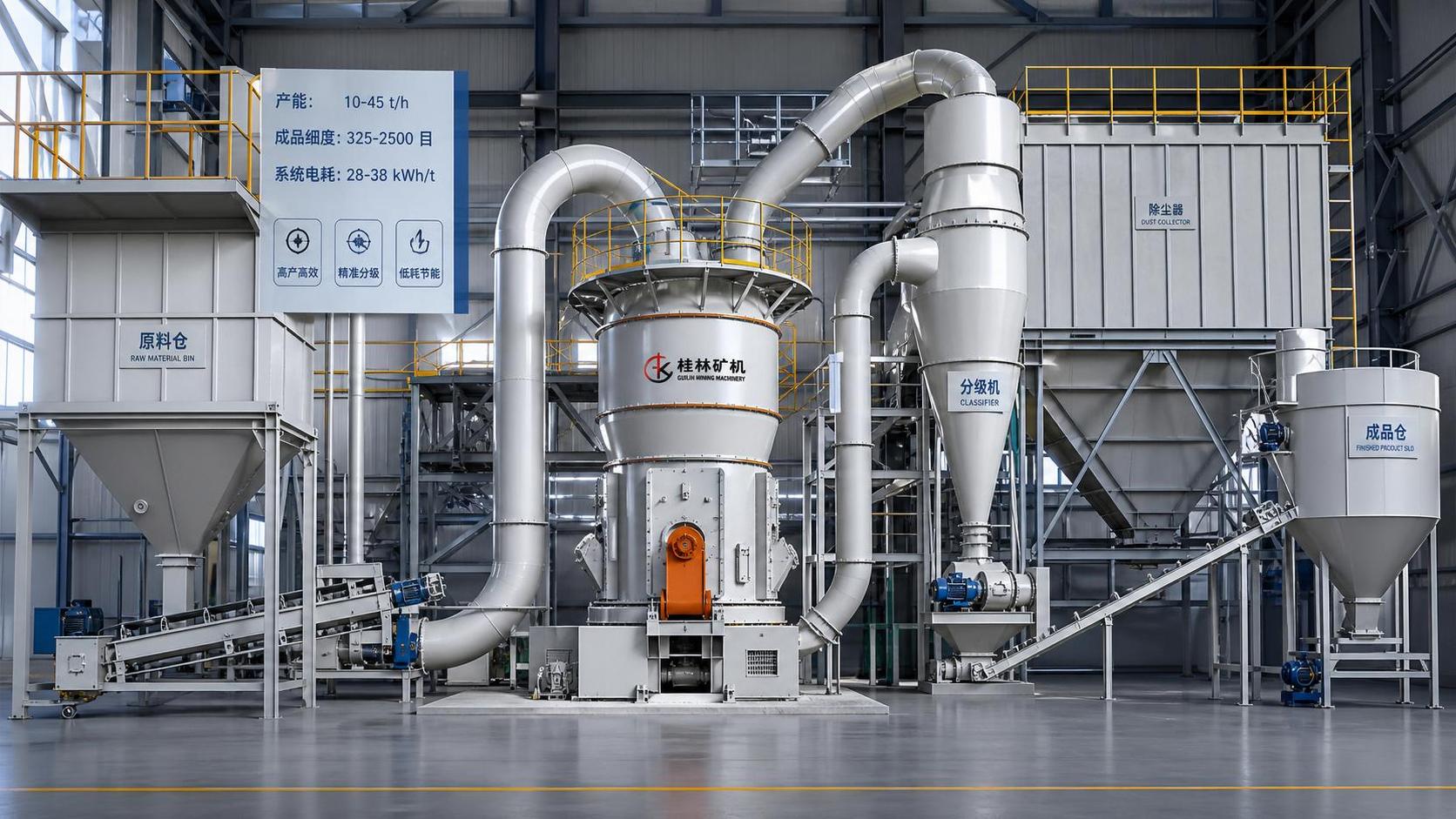
For powder grinding systems India, a dependable benchmark set usually includes the items below.
In actual evaluation, suppliers often present one strong number and leave the rest vague.
That is where many cost surprises begin.
For example, a system may promise high tph, but only at a coarser fineness than the intended application.
Or the stated power figure may exclude upstream drying and downstream collection.
NMBS often frames this as a process-system question rather than a standalone machine question.
That perspective is useful for comparing powder grinding systems India on equal technical ground.
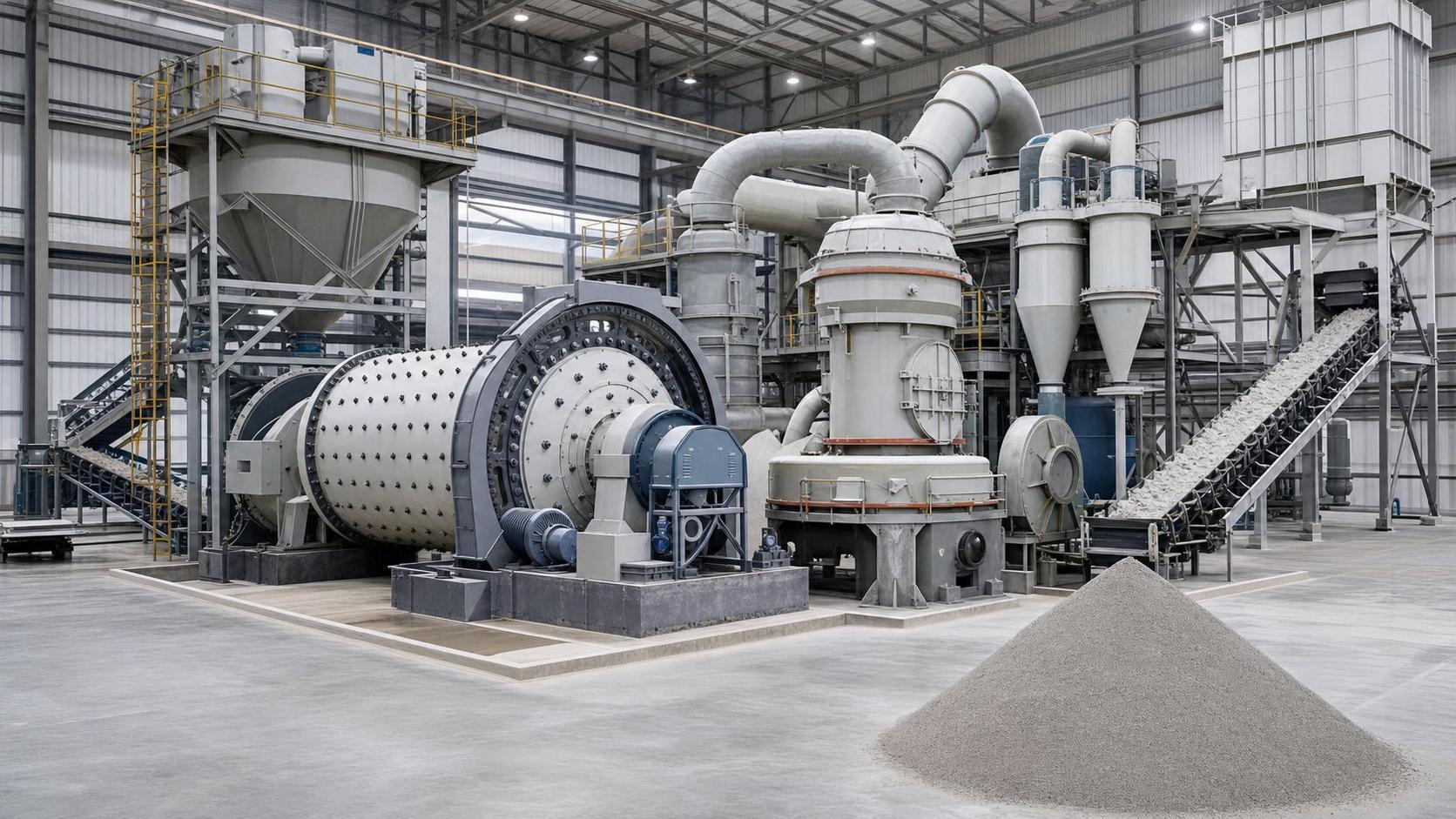
Ball mill, VRM, or HPGR circuit: which route makes more sense?
There is no universal winner.
The correct route depends on feed, target product, plant layout, and how much process control is expected.
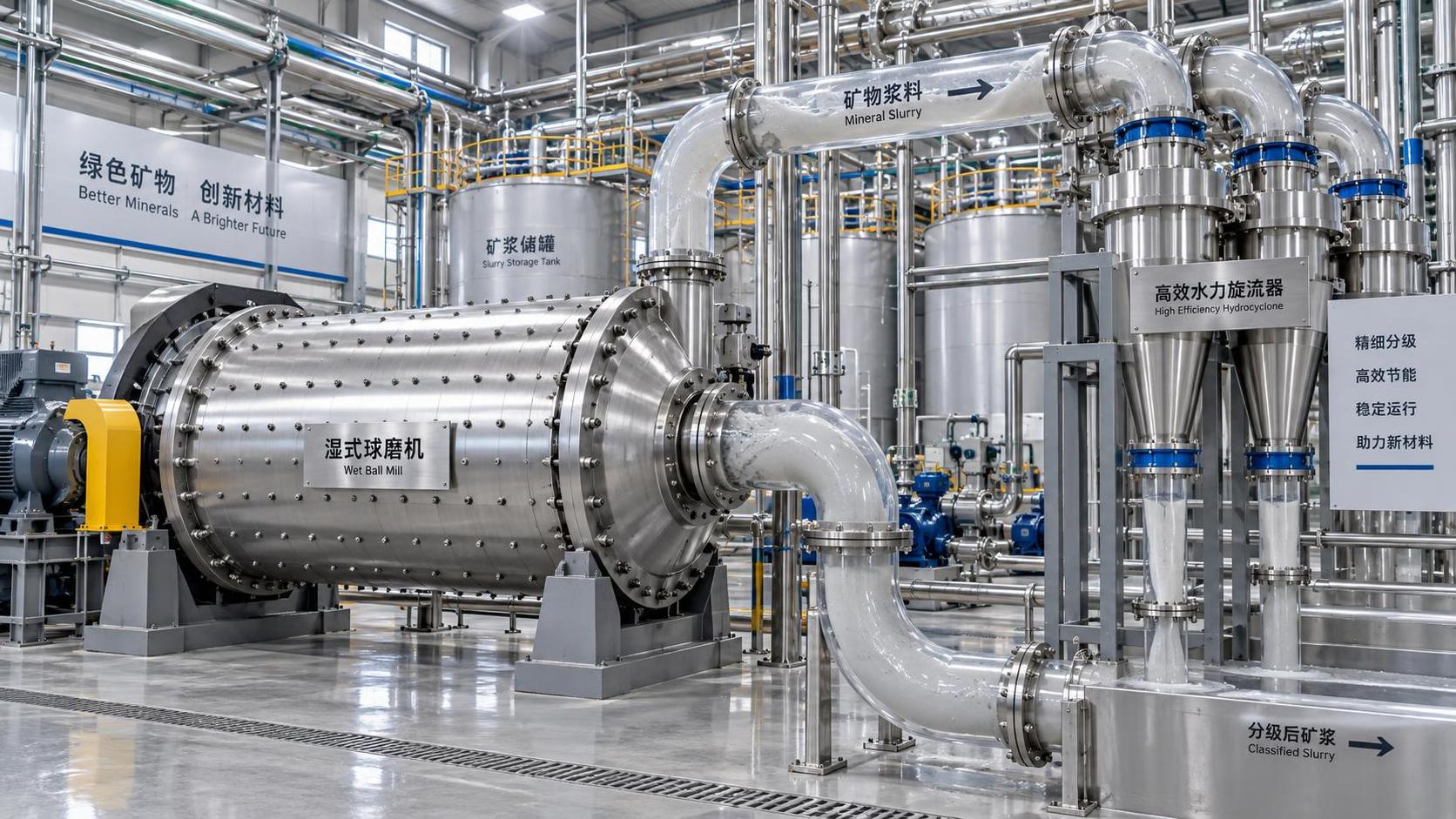
Ball mill systems remain common because they are familiar, flexible, and easier to understand during maintenance planning.
They can work well for varied mineral feeds, but power consumption is often higher.
Vertical roller mills usually gain attention when energy efficiency and drying capability matter.
They are often considered for slag, cementitious blends, fly ash, and certain industrial minerals.
However, their operating stability depends heavily on feed uniformity and good control logic.
HPGR-based circuits can reduce energy use and improve upstream breakage efficiency.
Still, the final result depends on the full circuit design, not the press alone.
When comparing powder grinding systems India, it helps to ask not only about technology type, but about circuit completeness.
- Is drying integrated or separate?
- How is classification handled at varying loads?
- What happens when feed moisture rises during monsoon conditions?
- Can the system adapt to future blended materials?
Those questions usually reveal more than a basic technology brochure.
Where do operating costs usually drift above the budget?
Most overruns come from assumptions that looked harmless during quotation review.
A common example is underestimating wear on rollers, liners, grinding media, or classifier parts.
High-silica or abrasive feed can change replacement cycles dramatically.
Another issue is utility load.
Compressed air, hot gas generation, dust collector fans, and recirculation elevators all add to actual cost per ton.
In powder grinding systems India, local service response time also matters more than many teams expect.
A low initial price can become expensive if the plant waits weeks for critical parts or process troubleshooting.
Environmental compliance is another cost layer that should be priced early.
Dust emissions, noise control, and energy efficiency targets increasingly affect project approval and operating continuity.
This is especially relevant in sectors tracked by NMBS, where low-carbon upgrades and cleaner production are shaping investment standards.
A useful check is to split operating cost into four buckets.
- Energy cost per ton at real load.
- Wear and maintenance cost per ton.
- Labor and supervision requirement.
- Downtime cost from unplanned stoppage.
If a proposal cannot support these numbers with references, the budget is still incomplete.
How can offers for powder grinding systems India be compared fairly?
The cleanest method is to force technical alignment before price ranking.
Without that step, the lowest offer may simply include less scope.
A practical comparison sheet should standardize feed data, product target, utility assumptions, and boundary limits.
That means the same moisture range, same top size, same fineness definition, and same annual working hours.
It should also clarify whether civils, steel structure, instrumentation, and commissioning are included.
The table below is a useful short-form check.
At this stage, case references matter more than broad claims.
Look for similar feed materials, similar climate conditions, and similar fineness targets.
That is usually a stronger indicator than a long global customer list.
What are the most common buying mistakes, and what should happen next?
One frequent mistake is choosing powder grinding systems India by capital cost alone.
Another is accepting output guarantees without checking the exact test conditions behind them.
There is also a tendency to treat grinding, classification, dust handling, and automation as separate packages.
In reality, product quality and plant stability depend on the whole process link.
A more reliable next step is to build a short decision file before final negotiation.
- Define feed chemistry, hardness, moisture, and annual variability.
- Fix the required product fineness and acceptable PSD range.
- Convert each offer into expected cost per ton over at least three years.
- Check local spare strategy and planned shutdown intervals.
- Review dust, energy, and compliance requirements before release.
The strongest decisions usually come from combining supplier data with independent process interpretation.
That is where an industry intelligence source such as NMBS becomes useful.
It helps connect grinding equipment choices with downstream material performance, operating economics, and future low-carbon pressure.
In the end, the best powder grinding systems India choice is the one that keeps product quality steady, energy predictable, maintenance manageable, and expansion options open.
Before moving ahead, align the benchmark sheet, normalize the offers, and verify the cost per ton under real plant conditions.
Related News
- When wet powder grinding improves particle size controlAuthor :Powder Comminution Scientist

- How to size high capacity powder grinding systems for steady throughputAuthor :Powder Comminution Scientist

- High Capacity Powder Grinding Systems: When Output Gains Justify the CostAuthor :Powder Comminution Scientist

- Powder Grinding Systems India: Cost Drivers and Output BenchmarksAuthor :Powder Comminution Scientist

- How to Choose Mineral Powder Equipment for Stable OutputAuthor :Powder Comminution Scientist

- Silica Sand Processing Equipment: Key Choices for Purity and ThroughputAuthor :Powder Comminution Scientist
![]()
- How to Evaluate a Non-Metallic Mineral Processing SupplierAuthor :Powder Comminution Scientist

- Powder Processing Equipment Selection for Yield, Fineness, and Energy CostAuthor :Powder Comminution Scientist

- How to Compare a Dust Collector Manufacturer for Fine Powder ControlAuthor :Powder Comminution Scientist

- Limestone Processing Equipment: Common Bottlenecks and FixesAuthor :Powder Comminution Scientist

- Mineral Powder Preparation Plant Setup: Key Risks in Capacity and Fineness PlanningAuthor :Powder Comminution Scientist