



Search News
Industry Portal
Popular Tags
All categories
Thermal Processing Machinery Cost: What Drives Total Investment?




Why does thermal processing machinery cost go far beyond the quoted equipment price?
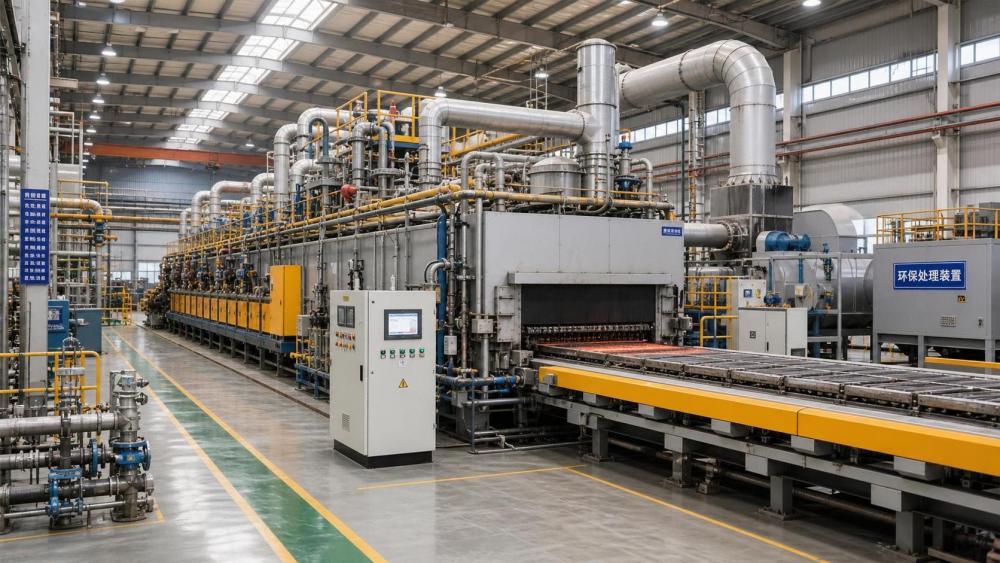
Thermal processing machinery cost is usually misunderstood at the quotation stage.
A furnace, kiln, dryer, autoclave, or tempering line may look comparable on paper, yet total investment can differ sharply after installation.
That happens because the real cost sits across the full production system, not only inside the machine frame.
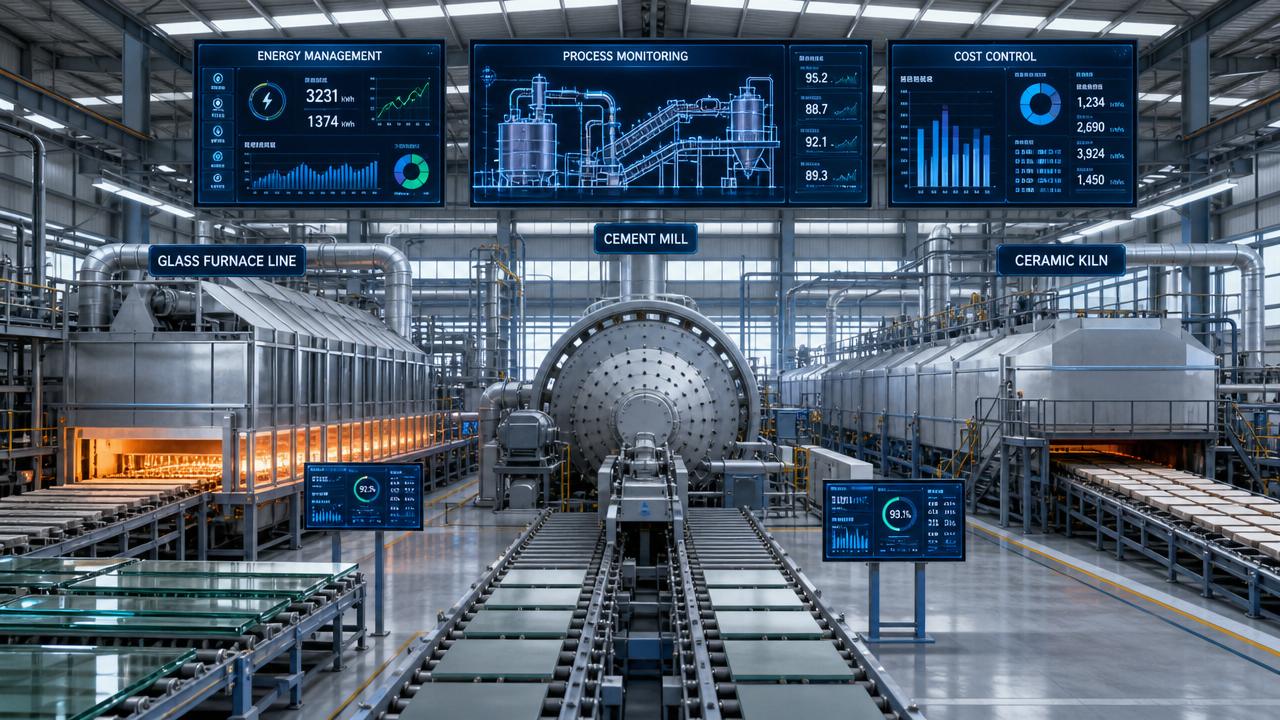
In building material industries, thermal systems shape capacity, product strength, fuel use, emissions, uptime, and plant scheduling.
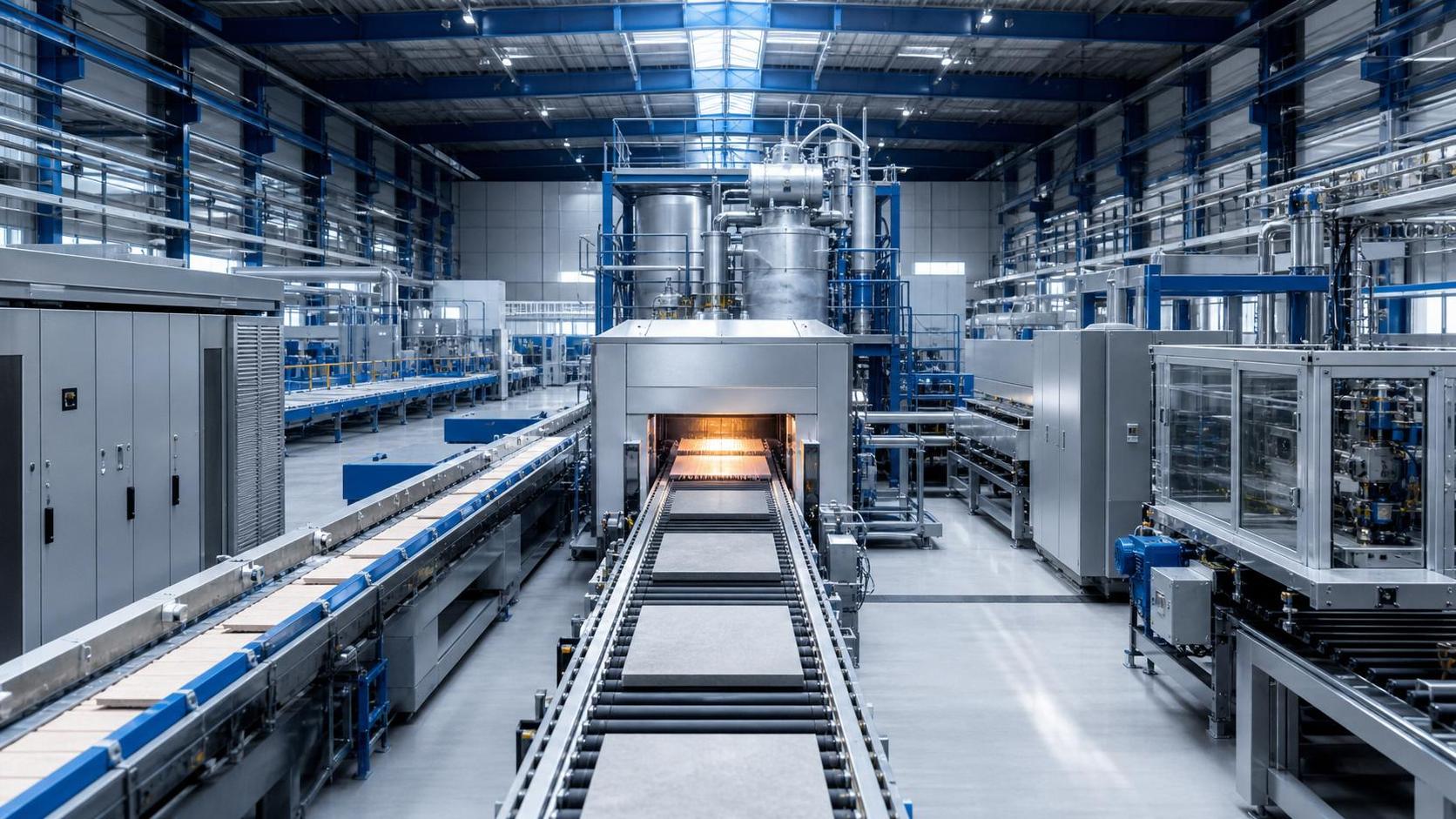
A ceramic kiln, glass tempering furnace, AAC autoclave, or refractory heat-treatment unit influences both operating margin and project risk.
This is why thermal processing machinery cost should be reviewed as a lifecycle investment.
A lower initial quote can still create a more expensive project if fuel demand is high, controls are weak, or compliance upgrades arrive later.
Platforms such as NMBS are useful here because they connect equipment pricing with process logic, supplier capability, and operational reality.
That broader view matters when comparing systems used in cement, glass, ceramics, refractory, engineered stone, and other non-metallic material sectors.
Which cost components usually have the biggest impact on total investment?
The most expensive part of thermal processing machinery cost is often not the equipment body itself.
In practice, total investment is shaped by several linked cost blocks.
- Heat source selection, including gas, electricity, hybrid systems, or waste heat integration.
- Production capacity and temperature uniformity requirements.
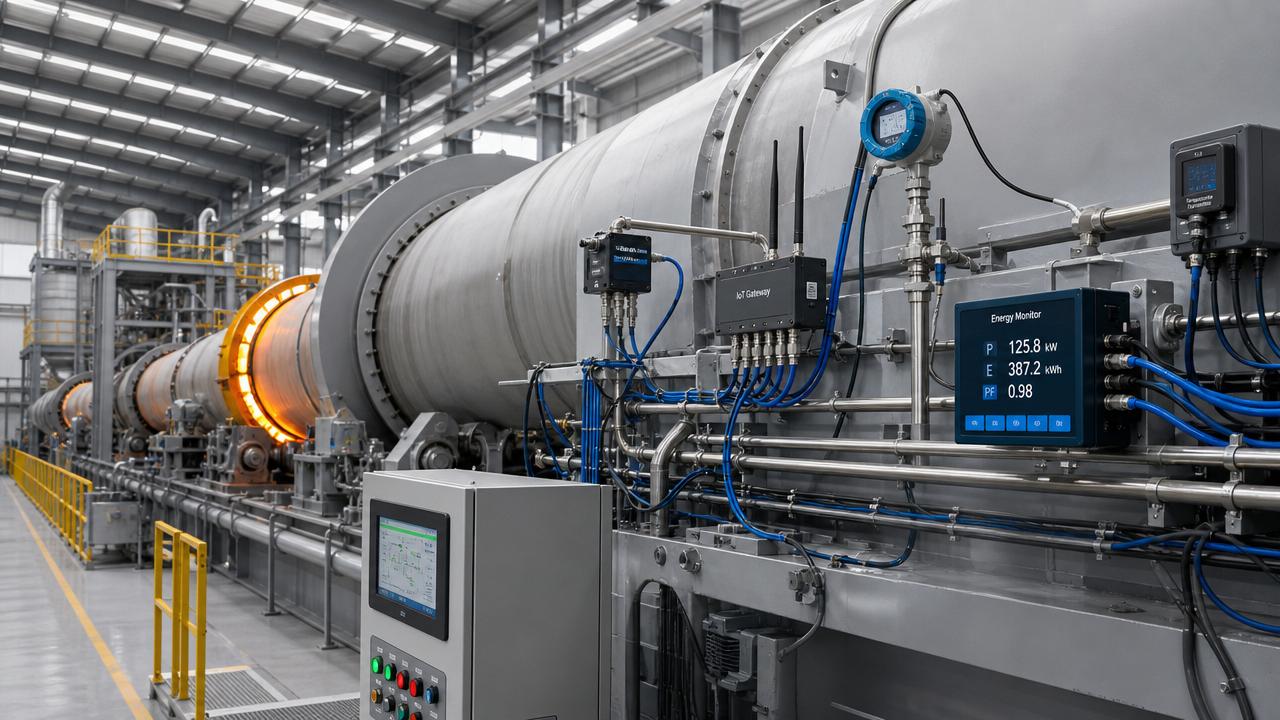
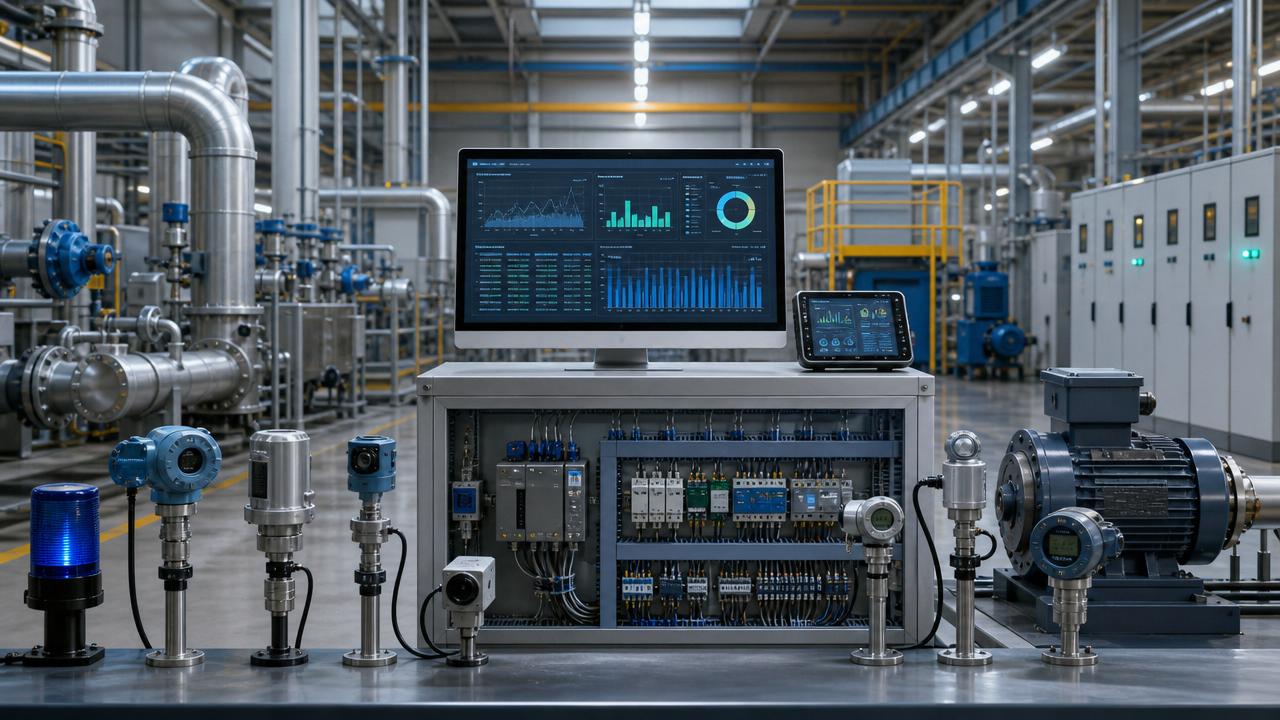
- Automation architecture, sensors, PLC logic, and data visibility.
- Refractory lining, insulation quality, and thermal loss control.
- Emission treatment, dust collection, and local environmental compliance.
- Civil works, utility connections, and upstream-downstream integration.
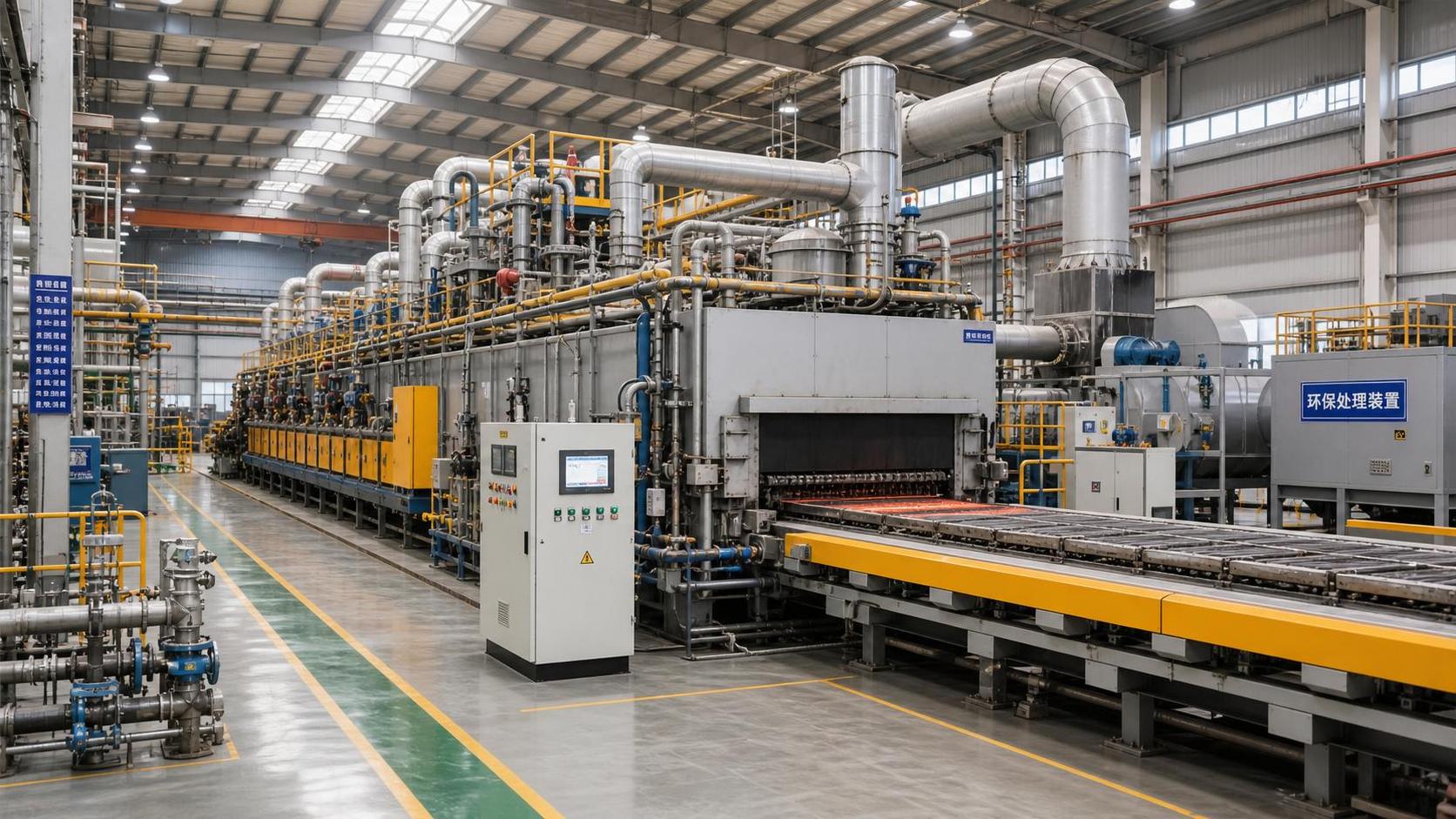
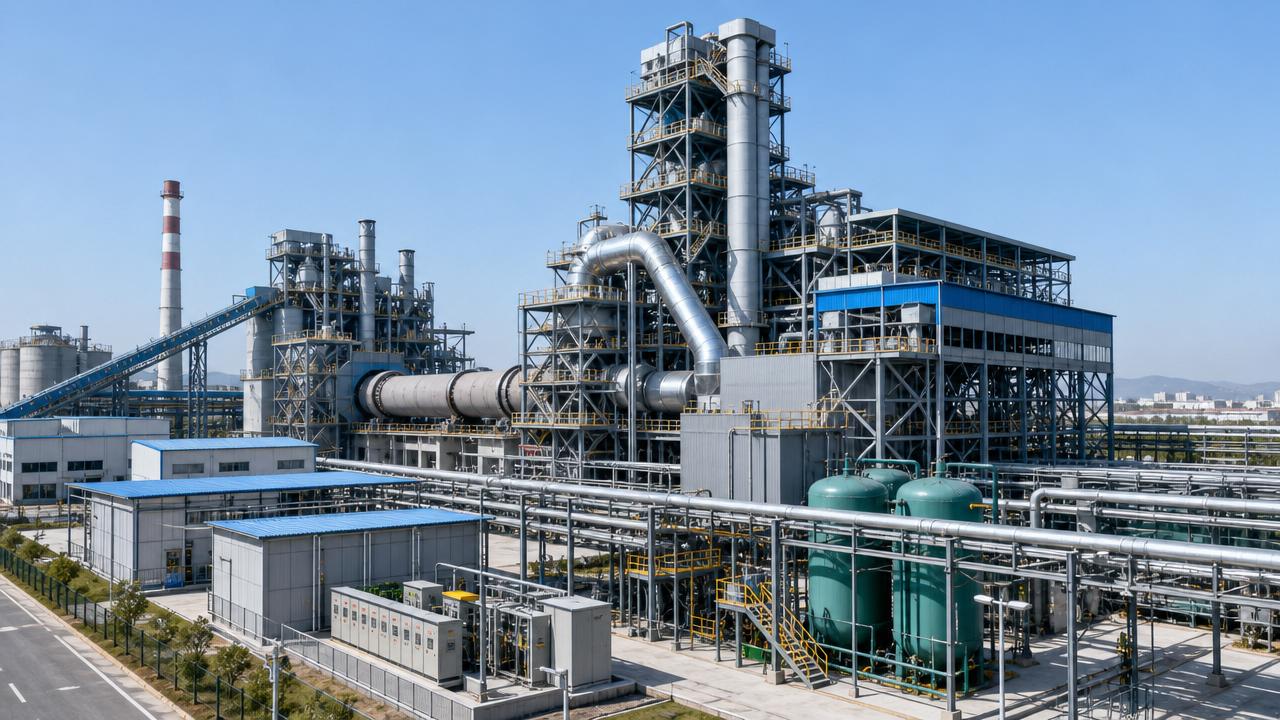
A compact dryer may need modest foundations, while a continuous kiln can require major steelwork, combustion piping, and exhaust treatment.
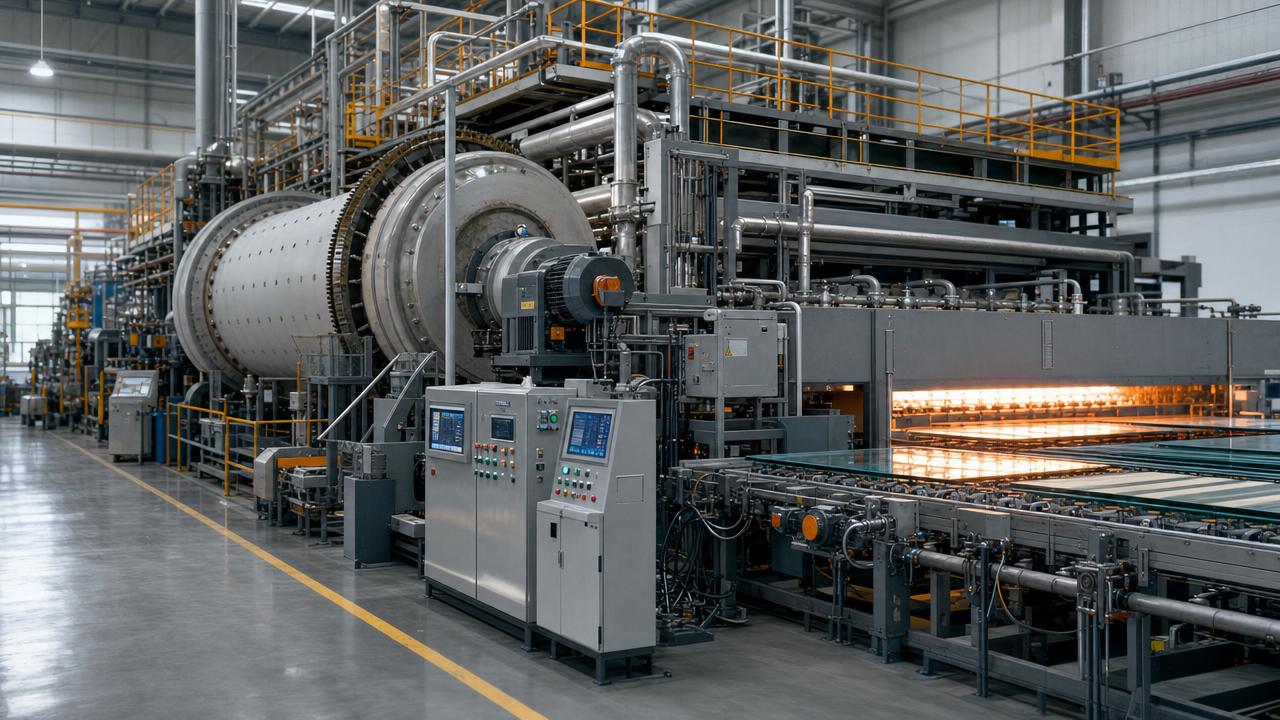
The same pattern appears in glass lines.
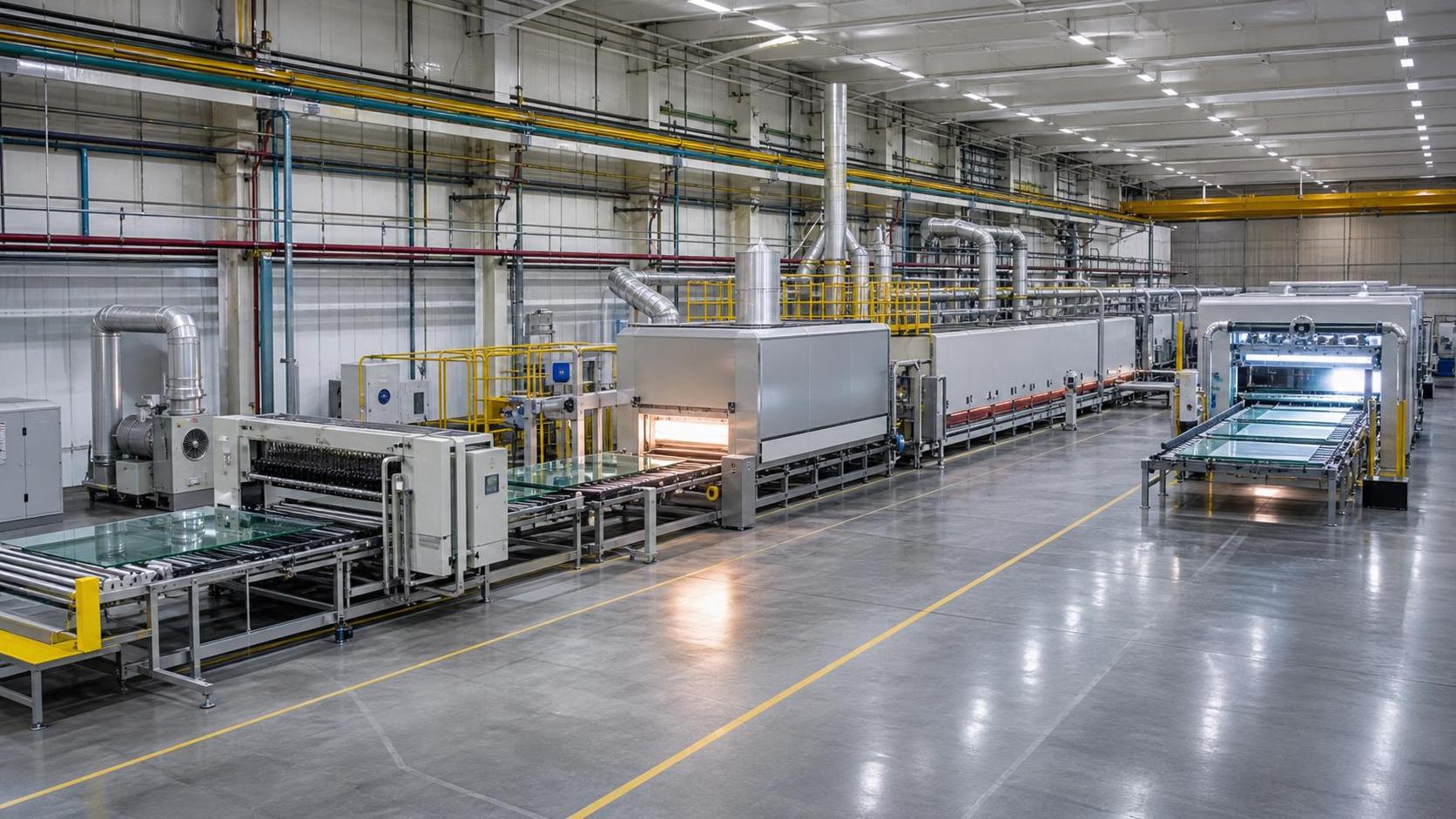
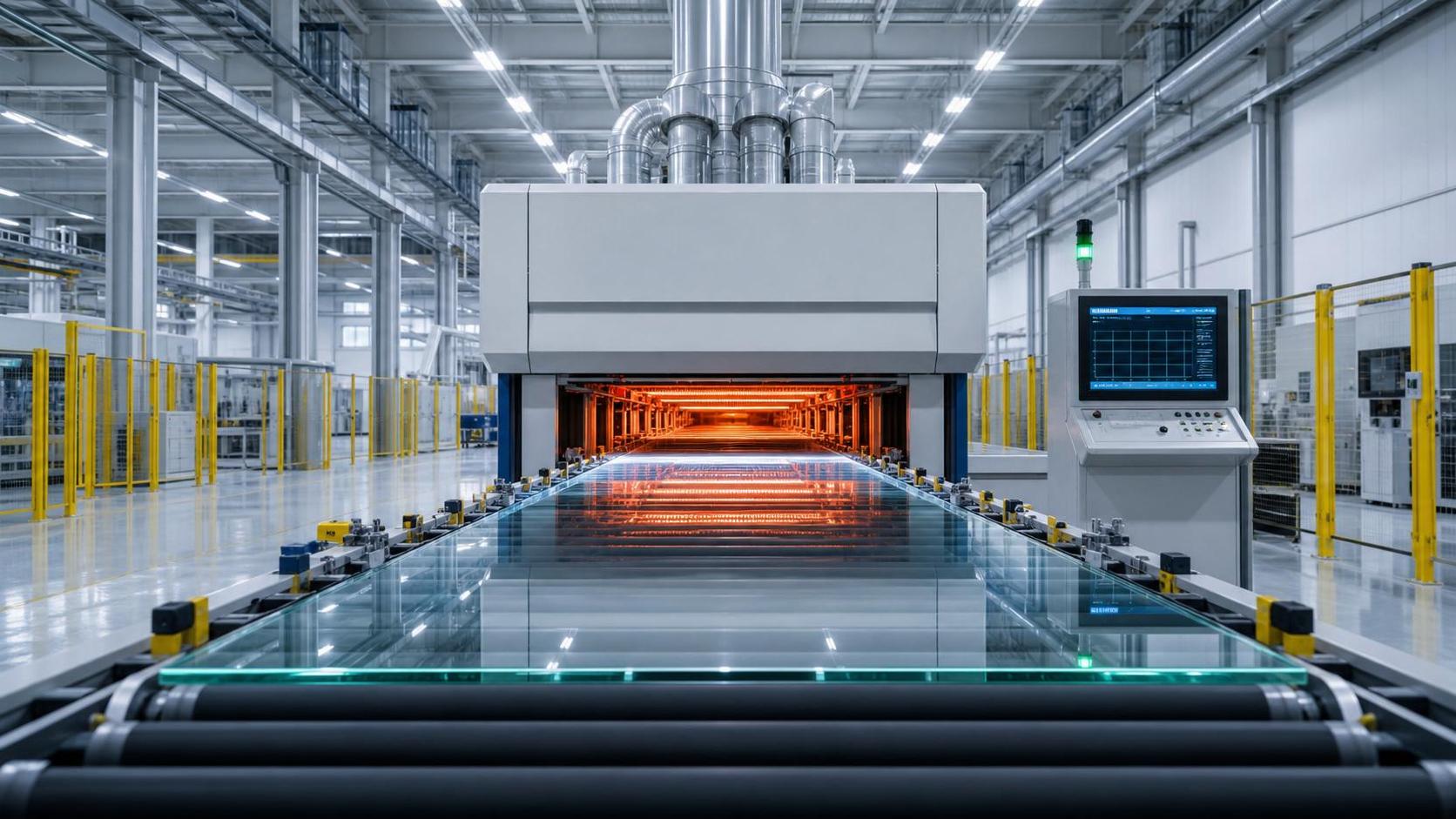
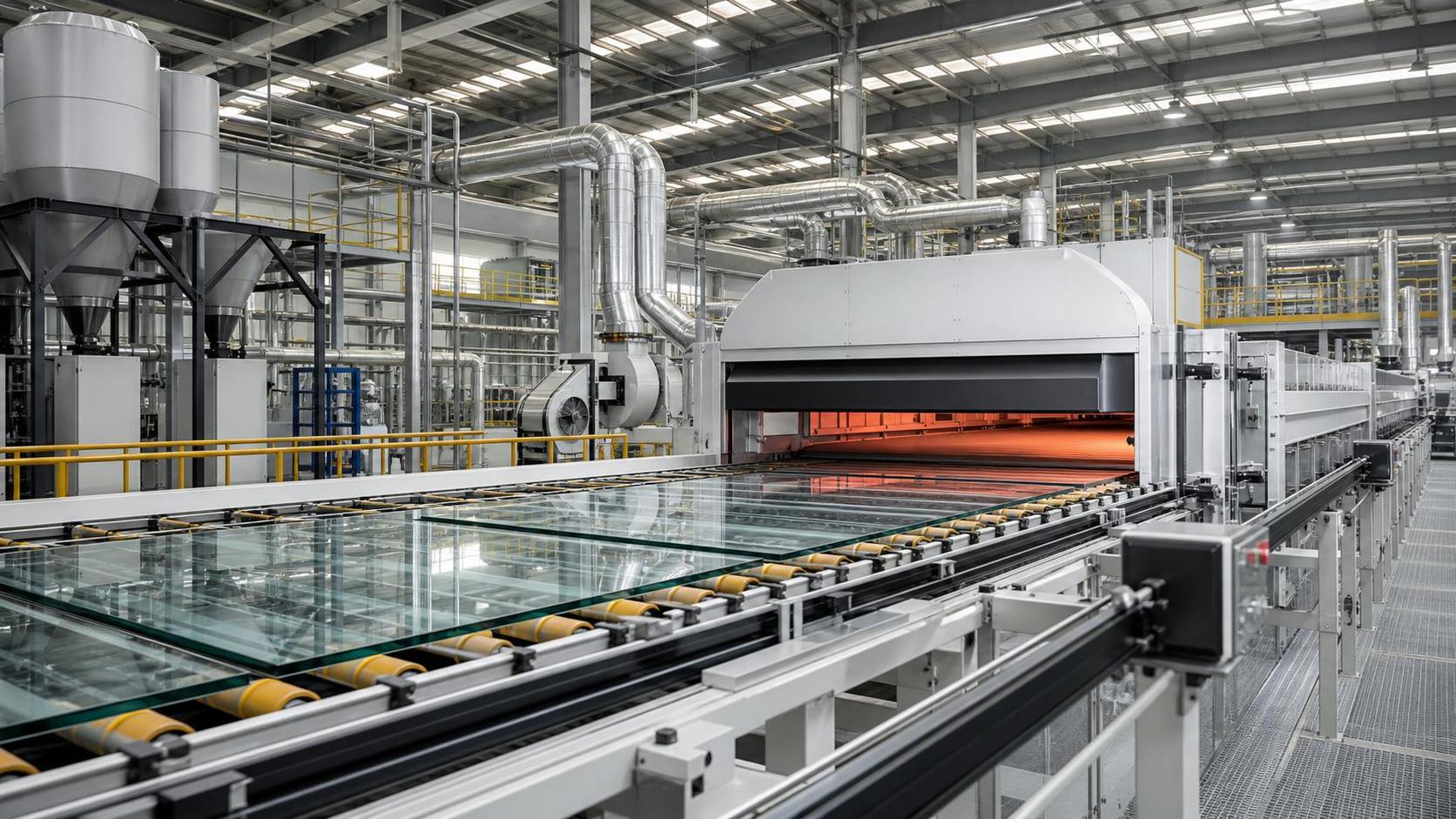
A tempering furnace with tighter flatness control may cost more upfront, but it can reduce rejection rates and improve sellable output.
That changes the investment case significantly.
A useful way to frame thermal processing machinery cost is to separate it into acquisition, integration, operation, and compliance.
Once those four layers are visible, supplier comparisons become much clearer.
A quick comparison table helps identify where hidden costs appear
This table is especially helpful when two proposals appear similar but produce very different lifecycle economics.
How do energy demand and automation change thermal processing machinery cost over time?
Energy is usually the most persistent cost driver in thermal processing.
That is true for kilns, dryers, tempering furnaces, sintering systems, curing chambers, and heat-treatment units across non-metallic materials.
A system with poor insulation or unstable combustion may look affordable at purchase, yet it quietly increases cost every production day.
More efficient thermal designs often include better burners, zoned temperature control, heat recovery, and tighter airflow management.
Those features raise capital cost, but they can shorten payback when energy prices are volatile.
Automation creates a similar effect.
Basic controls may run the machine, but advanced control packages help protect product consistency and reduce operator dependence.
In glass processing, this may mean better quench balance and less warpage.
In ceramic or refractory production, it may mean more reliable firing curves and fewer thermal shock defects.
In AAC or mineral-based systems, stable thermal cycles support predictable curing and better throughput planning.
When reviewing thermal processing machinery cost, it is worth asking a practical question.
Is the supplier selling a lower entry price, or a lower cost per qualified ton, square meter, or batch?
That distinction often changes the approval decision.
Where do projects usually underestimate risk and budget?
Most budget surprises come from items that were treated as secondary during early evaluation.
Thermal processing machinery cost tends to be underestimated when proposals exclude real site conditions.
One common issue is utility mismatch.
A machine may be priced for a standard gas supply, while the actual site needs LPG, electric conversion, or pressure stabilization work.
Another issue is environmental scope.
Emission control, carbon tracking, heat recovery, and noise treatment are often priced later, not in the first offer.
That approach can distort the project picture.
Downtime risk is also underestimated.
If spare parts are difficult to source, or if control logic is proprietary and unsupported locally, lost production can outweigh initial savings.
In actual applications, the following checkpoints reduce uncertainty:
- Ask for boundary conditions, not only equipment specifications.
- Check what is excluded from commissioning and performance acceptance.
- Review consumables, lining replacement cycles, and critical spare inventories.
- Confirm whether emission guarantees match target export or local market rules.
- Test claimed output against product mix, moisture level, and temperature profile.
NMBS-style project intelligence is valuable because it helps connect these technical details to commercial risk before orders are finalized.
What is the smarter way to compare suppliers when thermal systems look technically similar?
When several suppliers claim similar temperature range and capacity, the smarter comparison starts with operating outcome.
Thermal processing machinery cost should be judged against three practical measures: qualified output, energy intensity, and reliability.
That means looking beyond brochure language.
More useful evidence includes reference lines, defect rates, utility records, refractory life, and startup performance.
It also helps to compare what each proposal includes in engineering depth.
Some offers cover detailed integration with feeding, cooling, waste heat handling, and digital monitoring.
Others stop at main equipment supply.
That difference is not cosmetic.
It directly affects installation coordination, startup time, and the probability of post-order variations.
A concise supplier review matrix can keep the decision grounded.
This kind of comparison is often more revealing than a simple price ranking.
When is a higher thermal processing machinery cost actually the safer financial decision?
A higher investment is often justified when it removes recurring operational penalties.
That may include unstable quality, excess fuel use, production bottlenecks, or regulatory exposure.
For example, low-carbon upgrades matter more today than they did a few years ago.
In energy-intensive sectors, future carbon costs and stricter emission rules can quickly change equipment economics.
A thermal system prepared for waste heat recovery, cleaner combustion, or better digital control may protect value longer.
The safer financial decision is usually the one that keeps operating assumptions realistic.
If the process handles variable raw materials, demanding quality standards, or export-driven compliance requirements, cheap simplicity can become expensive complexity later.
That is especially relevant in sectors tracked closely by NMBS, where production efficiency and environmental performance increasingly move together.
A sound next step is to build a decision sheet around five items: installed cost, specific energy use, expected qualified output, maintenance cycle, and compliance readiness.
With that structure, thermal processing machinery cost becomes easier to compare on business terms, not only engineering terms.
If uncertainty remains, narrow the shortlist, request boundary-condition clarification, and test each proposal against actual production targets.
That approach usually leads to a more defensible investment decision and fewer surprises after approval.
Related News
- How to Compare Tailings Processing Equipment by Throughput, Moisture, and OPEXAuthor :Mr. Julian Thorne

- How to Evaluate a Ceramic Molding Machines Supplier for Long-Term Cost and OutputAuthor :Mr. Julian Thorne

- Heavy Building Material Equipment Cost: What Drives Total Investment?Author :Mr. Julian Thorne

- Automatic Hydraulic Press Tonnage vs Cycle Time: What Matters MostAuthor :Mr. Julian Thorne

- Building Material Equipment Manufacturer Checklist for Capacity and Service FitAuthor :Mr. Julian Thorne

- How to Vet a Non-Metallic Material Processing Supplier Before OrderingAuthor :Mr. Julian Thorne

- Automated Quality Control: When It Reduces Rejects and When It Does NotAuthor :Mr. Julian Thorne

- Heavy Duty Heavy Industry Machinery: Key Checks Before InvestmentAuthor :Mr. Julian Thorne

- Glass Processing Equipment Price List: What Shapes Total Line Cost?Author :Mr. Julian Thorne
![]()
- Powder Processing Equipment Cost: What Drives Total Investment?Author :Mr. Julian Thorne

- Heavy Building Material Machinery: Common Failure Points and Downtime RisksAuthor :Mr. Julian Thorne

- Building Material Project Export: Key Risks in Delivery, Compliance, and Payment TermsAuthor :Mr. Julian Thorne

- PV Glass Production Line Cost Breakdown: Equipment, Yield, and Utility InputsAuthor :Mr. Julian Thorne

- Cement Grinding Plant India: Cost Drivers That Shape Project PaybackAuthor :Mr. Julian Thorne

- PV Glass Line Efficiency: 7 Metrics That Change ROIAuthor :Mr. Julian Thorne

- Heavy Building Material Machinery Price: Budget Risks Beyond the Base QuoteAuthor :Mr. Julian Thorne

- PV glass manufacturing cost drivers in 2026Author :Mr. Julian Thorne

- Building Materials Industry 4.0: Practical Steps to Reduce DowntimeAuthor :Mr. Julian Thorne

- Digital Transformation in Building Materials: Where ROI Shows FirstAuthor :Mr. Julian Thorne

- High Speed Automated Production Lines: ROI, Output, and Downtime RisksAuthor :Mr. Julian Thorne

- Glass Processing Technology Cost Breakdown for New Line PlanningAuthor :Mr. Julian Thorne

- How to Evaluate an EPC Project Contractor Before Contract AwardAuthor :Mr. Julian Thorne

- What a Construction Material Automation Company Should Deliver in 2026Author :Mr. Julian Thorne

- Production Line Digital Integration in Germany: What Changes in 2026Author :Mr. Julian Thorne

- Choosing a Material Handling Technology Supplier with Lower Lifecycle RiskAuthor :Mr. Julian Thorne

- Precast Concrete Systems Cost: What Drives Total Project Spend?Author :Mr. Julian Thorne

- Thermal Processing Machinery Cost: What Drives Total Investment?Author :Mr. Julian Thorne

- RER Pilot Plant Signals New NdPr Supply ShiftAuthor :Mr. Julian Thorne

- Digital Control Building Materials: Where Automation Delivers Real GainsAuthor :Mr. Julian Thorne

- How the Digital Building Materials Industry Is Reshaping Cost ControlAuthor :Mr. Julian Thorne

- Industrial EPC Contractor Selection: 7 Risks to Check EarlyAuthor :Mr. Julian Thorne

- Plant Monitoring System Cost: What Drives ROI in 2026?Author :Mr. Julian Thorne

- Plant Monitoring System Cost: Hardware, Software, and Hidden FeesAuthor :Mr. Julian Thorne

- Cement Plant Upgrade Cost: What Drives ROI in 2026?Author :Mr. Julian Thorne

- How Smart Manufacturing Is Reshaping Building Materials ProductionAuthor :Mr. Julian Thorne

- Heavy Equipment Systems: Key Factors Before You Compare OptionsAuthor :Mr. Julian Thorne