



Search News
Industry Portal
Popular Tags
All categories
PV glass manufacturing cost drivers in 2026




In 2026, PV glass manufacturing will be shaped less by one single price shock and more by a stack of operating variables that move together. Energy tariffs, raw material quality, furnace efficiency, automation depth, yield stability, and carbon compliance will all influence the final cost per square meter. For businesses tied to the solar supply chain, the real question is not only how to cut cost, but how to keep output stable while the cost structure keeps changing.
What is really driving PV glass cost in 2026
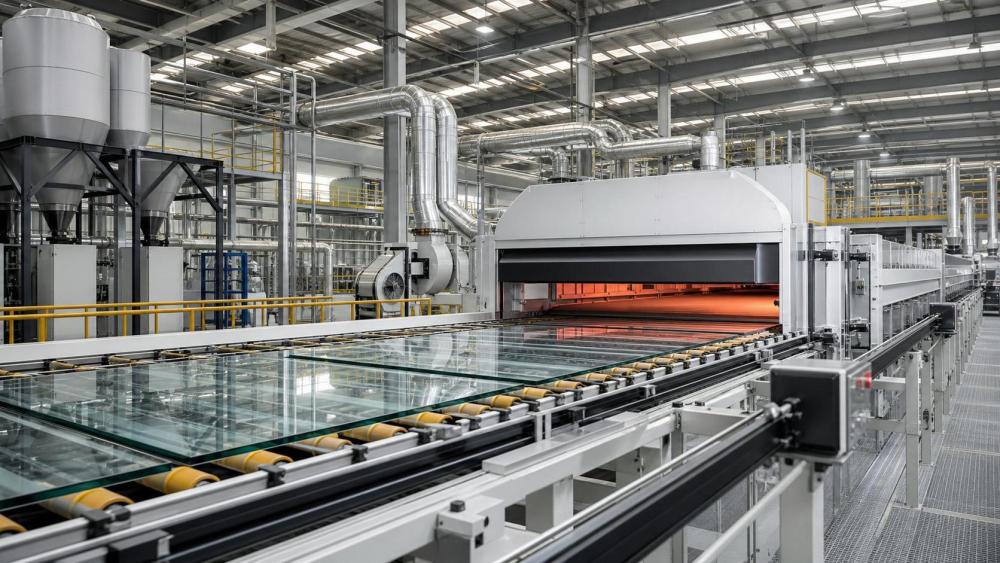
PV glass manufacturing sits at the intersection of glassmaking, energy management, and precision process control. The product looks simple at the end, but the cost base is built across mining, batching, melting, forming, tempering, coating compatibility, inspection, and packing. Every small loss in one step tends to show up again in energy use, breakage, rework, or lower conversion yield.
That is why PV glass manufacturing cost drivers in 2026 cannot be read from fuel prices alone. A plant with stable energy contracts can still face higher unit costs if furnace performance drifts, batch consistency weakens, or the rejection rate rises. In practice, cost is becoming a system outcome, not a line item.
This is also where industrial intelligence matters. NMBS tracks the process systems behind glass processing, furnace upgrades, heat recovery, automation, and low-carbon production, which helps connect technical decisions with business results. For PV glass manufacturing, that connection is now central to margin protection.
Energy and heat efficiency remain the biggest lever
Most PV glass plants still spend a large share of operating cost on thermal energy. Melting and tempering are both heat-intensive, and even minor inefficiencies can scale quickly across large-capacity lines. In 2026, the spread between efficient and average plants is likely to widen as gas, electricity, and auxiliary fuel pricing remain uneven across regions.
The most important factor is not just the fuel source, but how much useful heat reaches the product. Furnace insulation, burner control, exhaust recovery, and line balance all affect the amount of energy needed per ton. Plants that have invested in kiln heat recovery, better combustion tuning, and digital monitoring usually have a clearer cost advantage.
Electrified heating and hybrid systems are also gaining attention, especially where carbon rules are tightening. They do not automatically lower cost, but they can reduce exposure to future compliance pressure. For PV glass manufacturing, that trade-off is becoming part of the cost model itself.
Raw materials are no longer a background issue
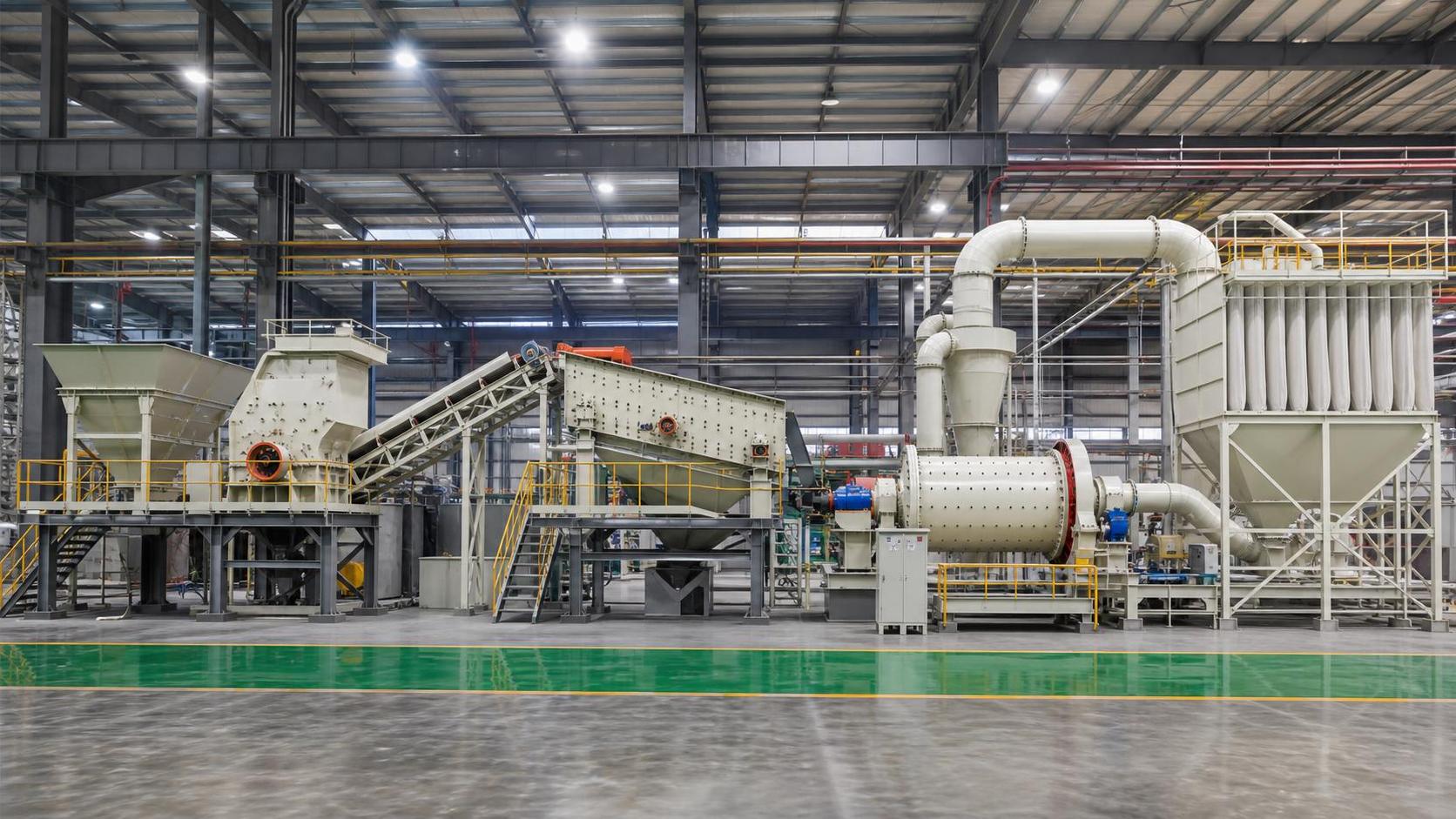
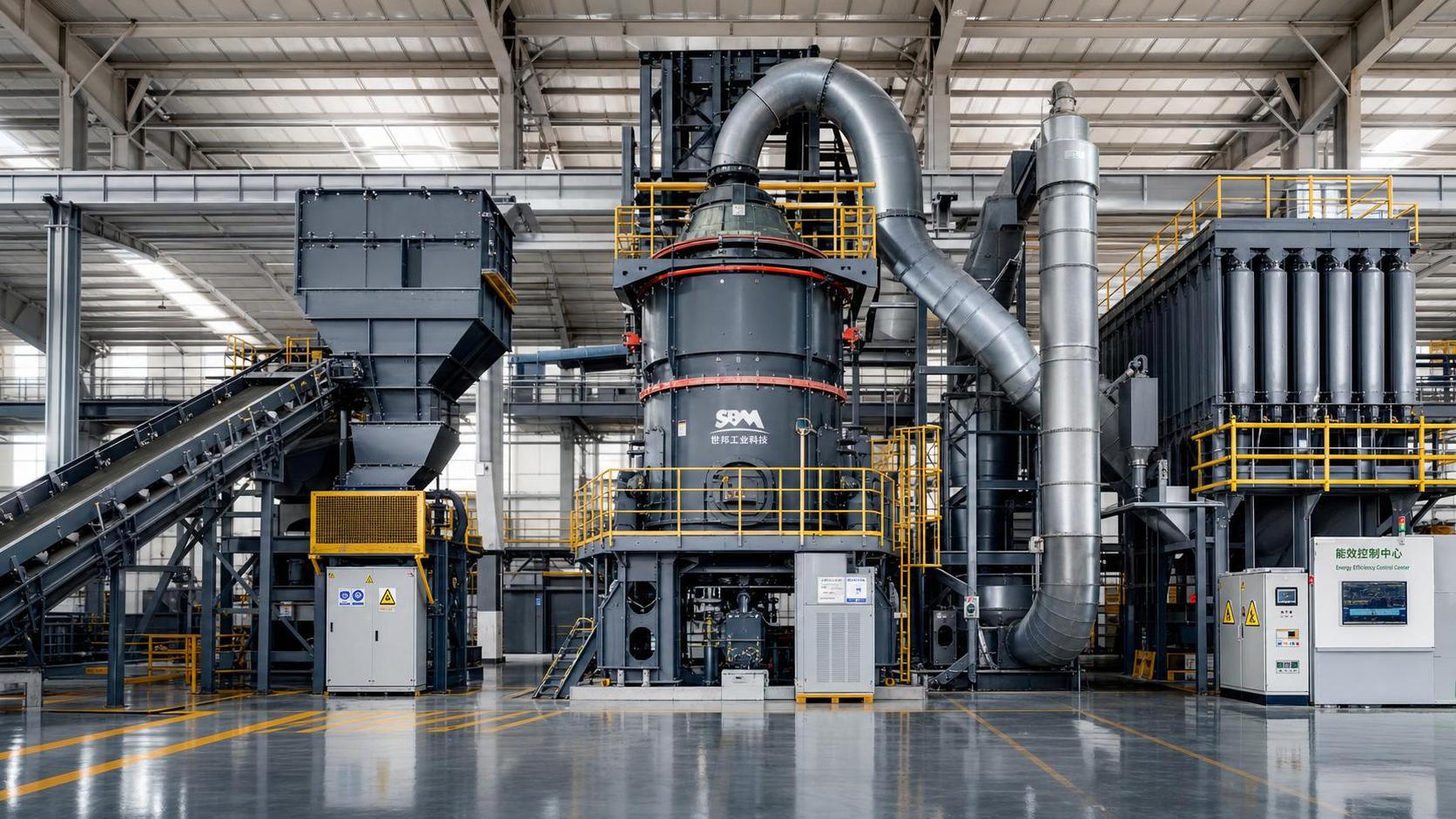
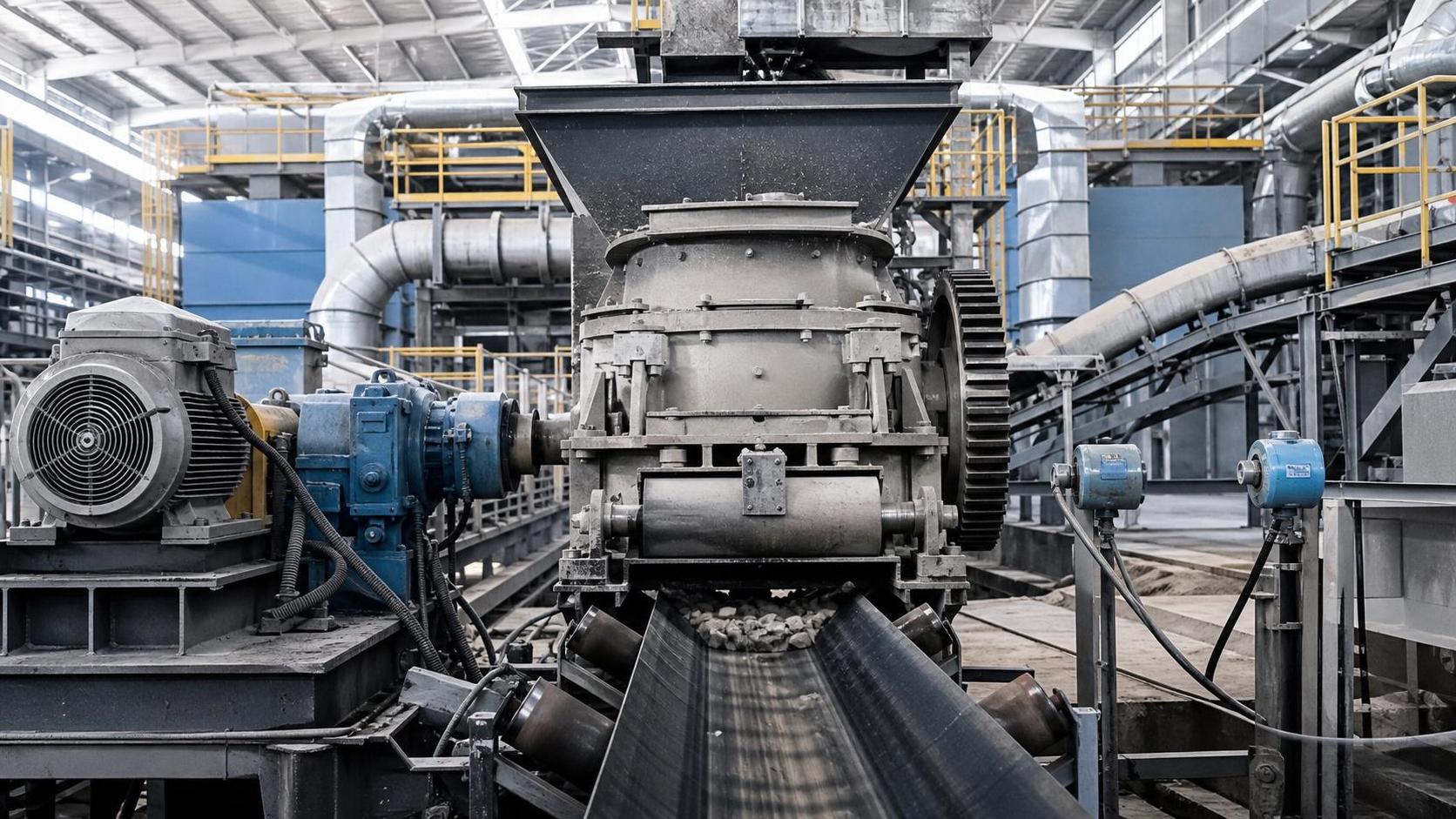
The quality and stability of silica sand, soda ash, dolomite, limestone, and additives directly affect melt behavior and finished glass performance. When raw materials vary too much, the furnace works harder, defects rise, and the line consumes more energy just to hold the same output quality. That means material volatility becomes a manufacturing cost, not only a procurement issue.
Another point that matters in PV glass manufacturing is impurity control. Iron content, particle size distribution, and moisture levels can influence transparency and process stability. If the batch chemistry is inconsistent, downstream processes must compensate, which often means slower speeds or more rejects. In a high-volume plant, that is expensive very quickly.
Decision-making in 2026 will increasingly depend on whether a plant can secure traceable inputs, multiple supply routes, and tighter incoming inspection. The cheapest material on paper is rarely the lowest-cost choice once losses are counted.
Automation changes the cost curve
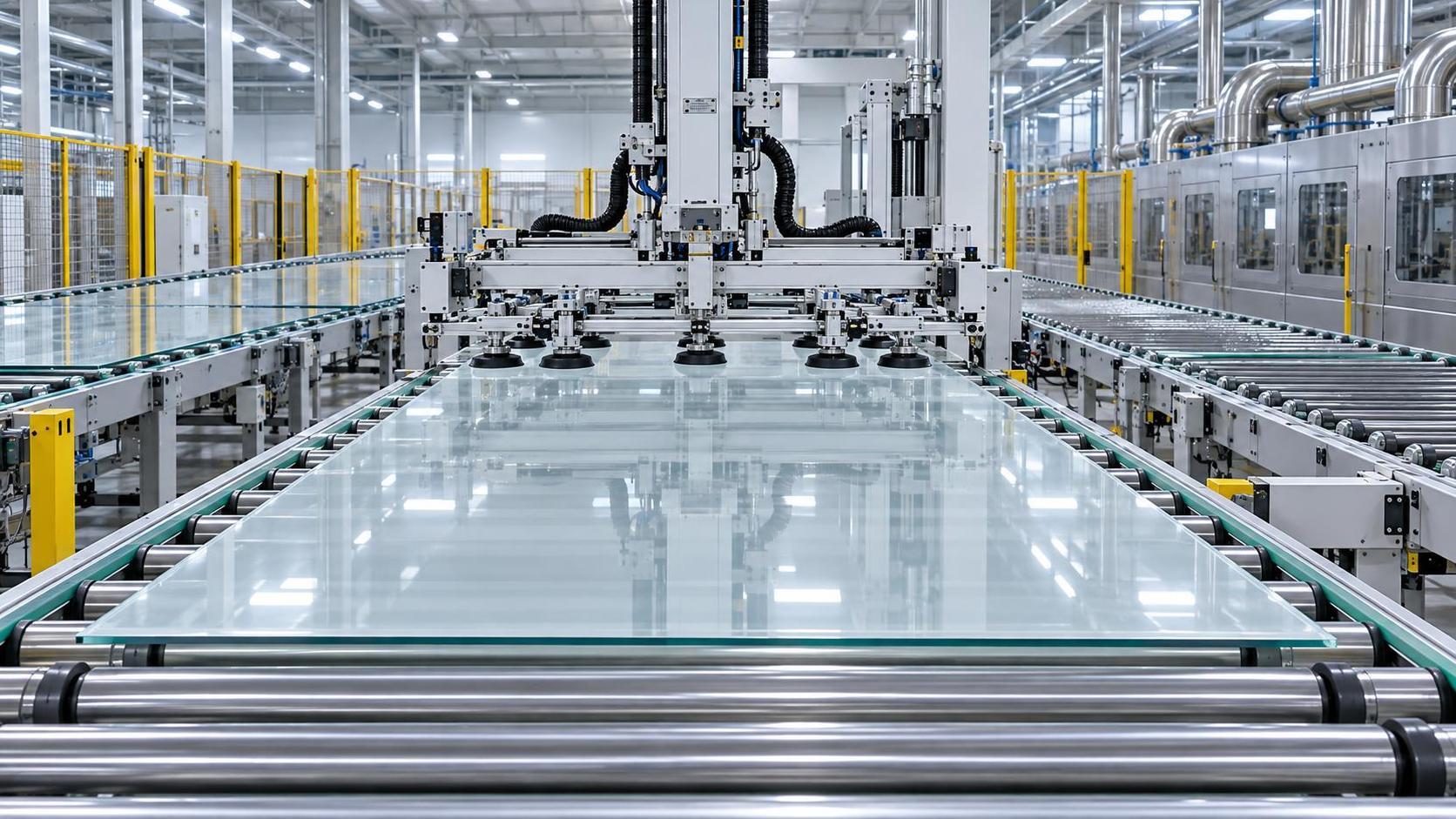
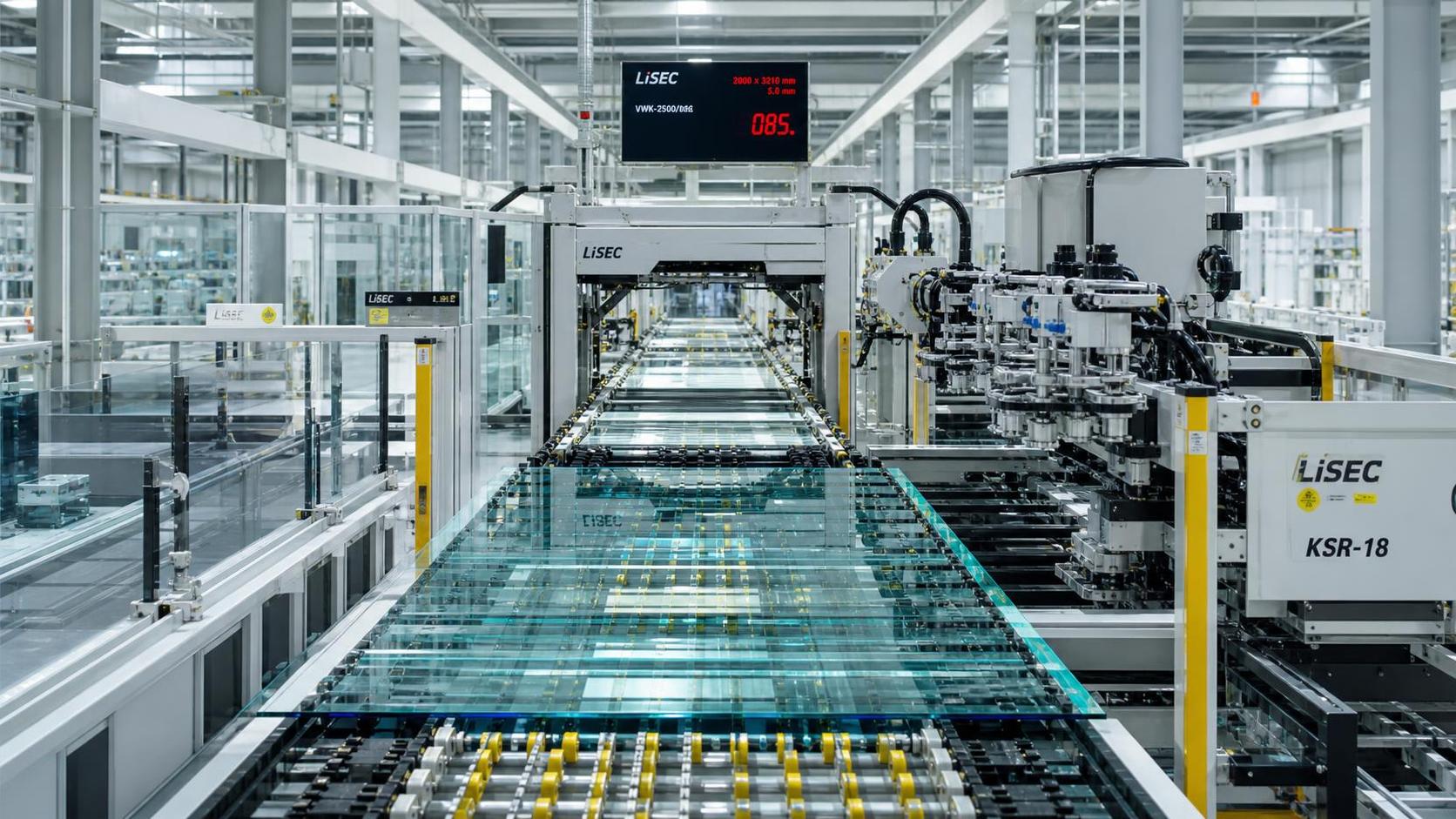
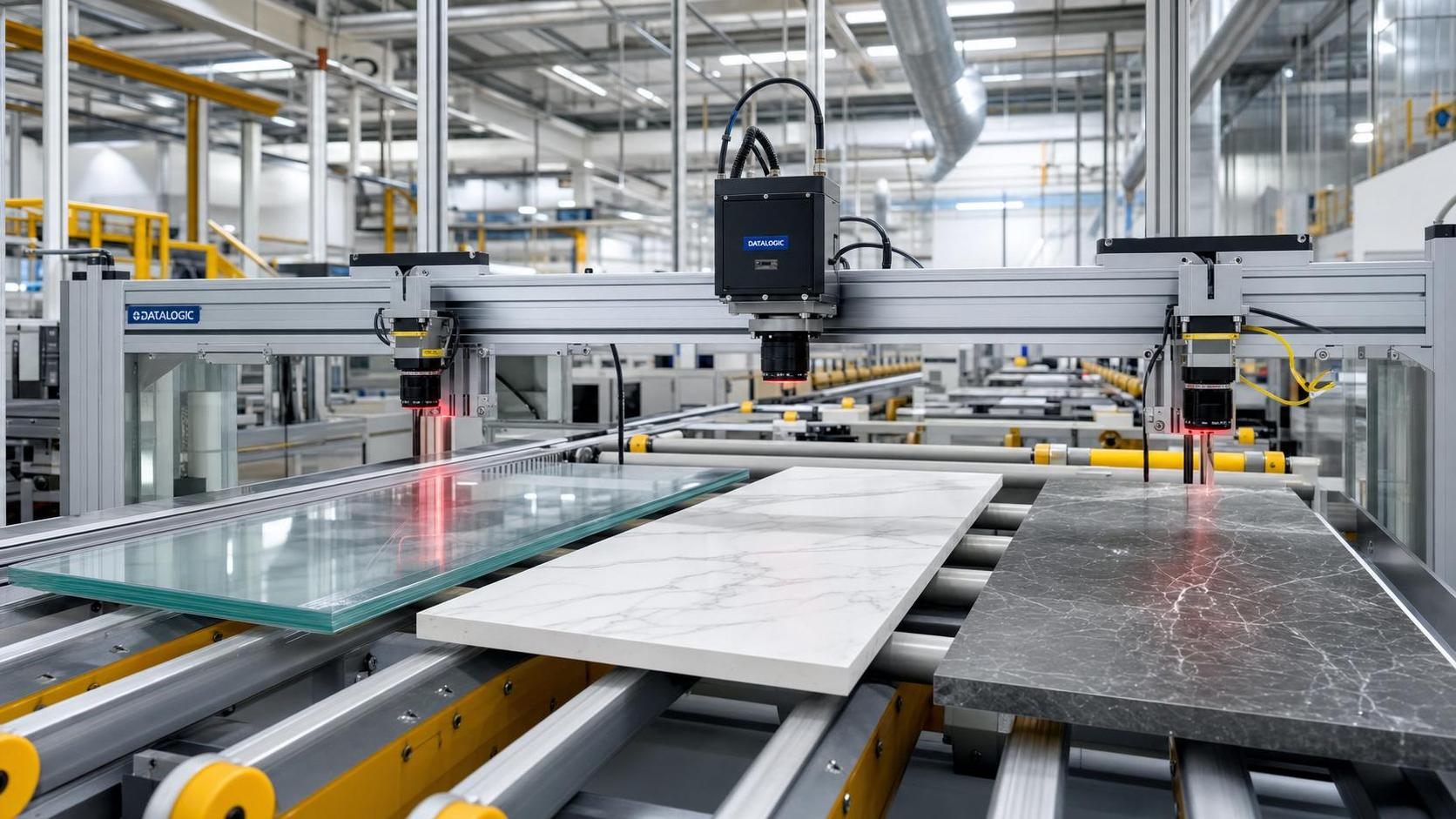
PV glass manufacturing has moved beyond simple labor substitution. Automation now affects batching accuracy, furnace control, inline inspection, defect detection, and warehouse flow. The more stable the process, the lower the waste, and the better the output per hour of installed capacity.
Plants with weak automation often pay twice. They carry higher labor costs and also absorb more hidden losses from manual adjustment, inconsistent operation, and unplanned stoppages. By contrast, better integrated lines can hold tighter tolerances and reduce the number of “nearly acceptable” sheets that later become scrap.
The investment case is not only about headcount reduction. It is about repeatability. In PV glass manufacturing, repeatability improves yield, and yield is one of the fastest ways to reduce cost without lowering quality standards.
Where automation usually pays back fastest
- Batch weighing and dosing control
- Furnace temperature and atmosphere management
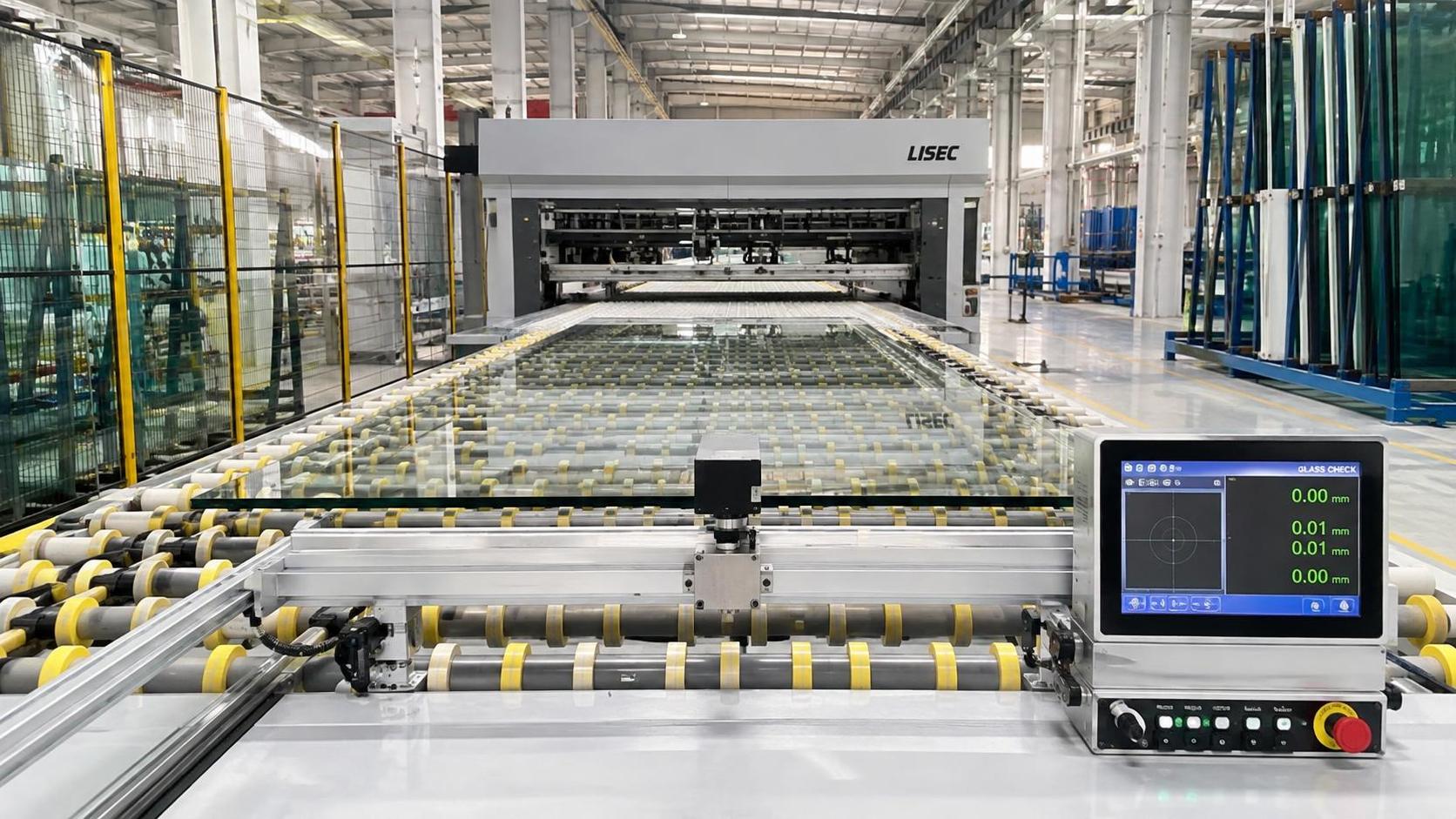
- Inline optical inspection and defect sorting
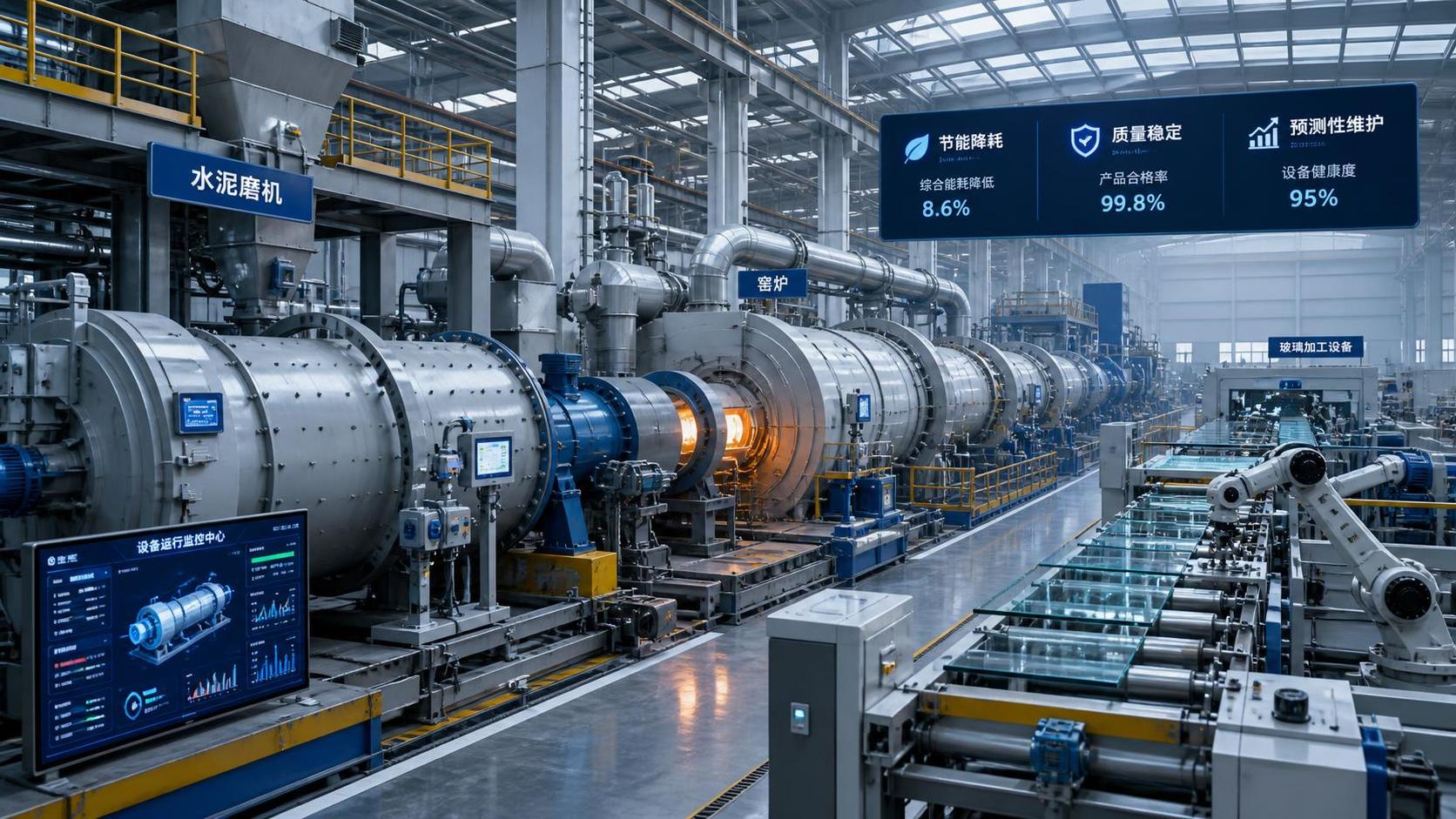
- Predictive maintenance for critical equipment
- Material handling and finished goods logistics
Yield stability matters more than headline capacity
A plant can look efficient on nameplate capacity and still be expensive to run. If breakage, warpage, edge damage, or coating-related rejection rates are high, the real unit cost rises sharply. This is especially true in PV glass manufacturing, where product consistency is tied closely to downstream module performance.
Yield losses are often hidden in small deviations. A slight furnace imbalance, poor cooling uniformity, or unstable conveyor speed may not stop production, but they can lower the share of saleable output. That is why 2026 cost control will depend on quality data, not only production volume.
A useful rule is to compare cost per ton with cost per qualified square meter. The second measure is usually more honest. It shows whether the plant is really converting raw material and energy into usable PV glass.
Carbon compliance is becoming a direct cost item
Environmental rules are no longer only about permits and reporting. They now affect energy choices, furnace retrofits, emissions equipment, monitoring systems, and even financing conditions. In some markets, carbon exposure can influence customer access as much as price does.
For PV glass manufacturing, this means compliance costs need to be planned early. Dust control, emissions measurement, heat recovery, and low-carbon process upgrades all require capital. However, ignoring them can create larger costs later through penalties, retrofit pressure, or weaker tender competitiveness.
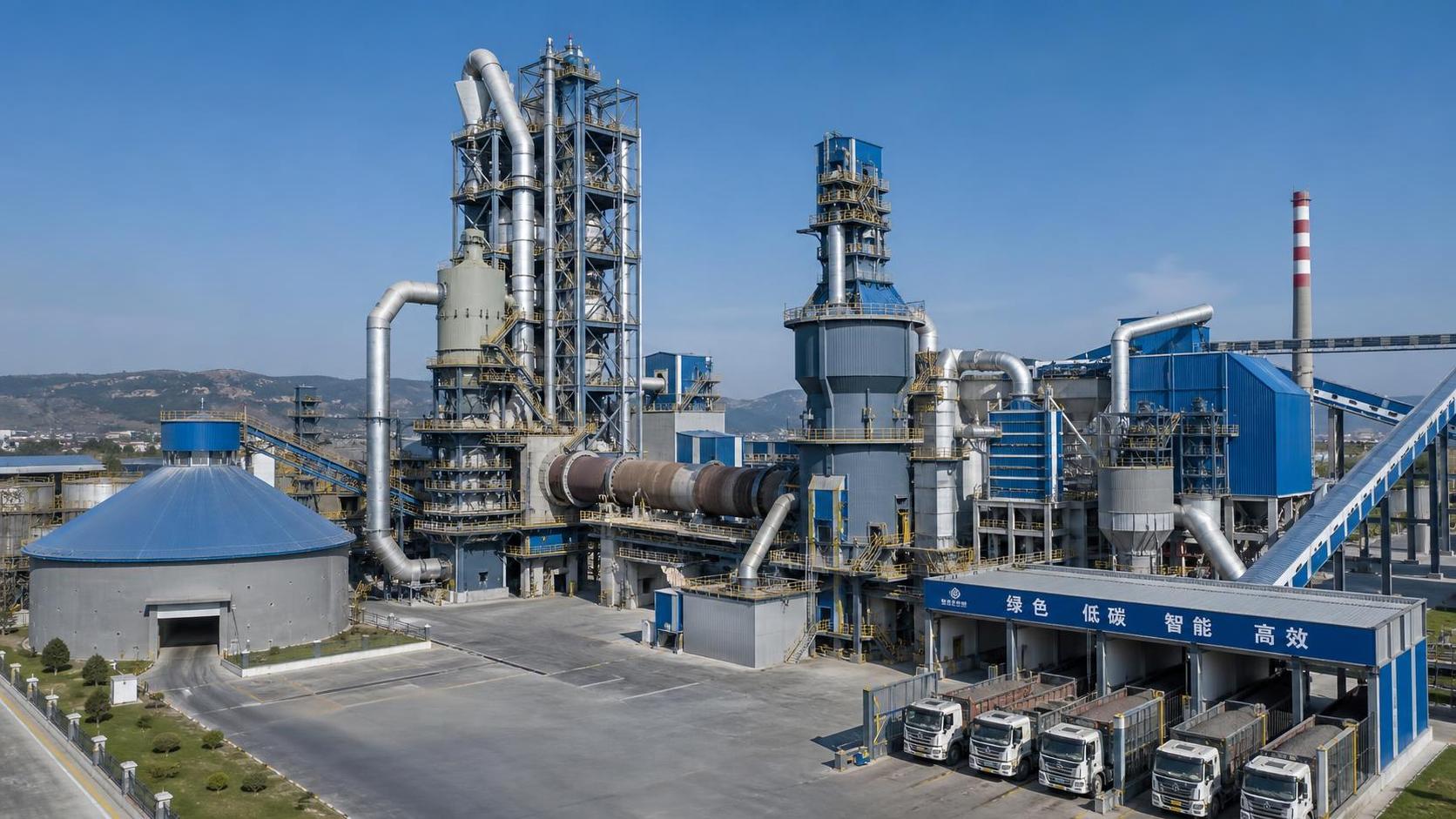
NMBS follows these industrial transitions because they affect the economics of heavy building materials, glass processing, and related production systems. The same logic used in cement or refractory modernization often applies to glass plants facing stricter operating rules.
How decision-makers should read the cost picture
This framework is useful because it turns a broad topic into a practical review. If one of these items is weak, PV glass manufacturing costs usually rise in a way that is not obvious in monthly accounting, but very clear in margin performance.
The next step is to compare cost with process control
The most reliable way to judge PV glass manufacturing cost in 2026 is to compare energy intensity, material stability, automation depth, and yield data together. No single metric gives the full picture. A plant that looks efficient on one chart can still be exposed on another.
For practical planning, it helps to ask three questions: where is energy leaking, where is yield being lost, and where will compliance costs rise next. Those answers usually show whether a line needs operational tuning, selective upgrading, or a broader process redesign.
In a market where solar supply chains remain competitive and cost-sensitive, PV glass manufacturing will reward plants that manage the process as a system. That is the clearest route to stronger margins, better stability, and more resilient growth in 2026.
Related News
- What drives material handling machinery cost in a new PV line?Author :Mr. Julian Thorne

- What to verify before choosing a glass processing equipment exporterAuthor :Mr. Julian Thorne

- What drives the total cost of heavy industry equipment in India?Author :Mr. Julian Thorne

- When precast concrete technology makes sense for bridge projectsAuthor :Mr. Julian Thorne

- When does a cement plant capacity upgrade deliver the best payback?Author :Mr. Julian Thorne

- When do high speed glass processing systems pay off in line output?Author :Mr. Julian Thorne

- When does building materials industry 4.0 deliver a real ROI?Author :Mr. Julian Thorne

- What affects the cost of a non-metallic mineral processing line?Author :Mr. Julian Thorne

- How to Compare Industrial Crushing Systems for Mining by Throughput, Wear Life, and Energy CostAuthor :Mr. Julian Thorne

- How to Compare Architectural Glass Fabrication Equipment by Throughput, Precision, and Line IntegrationAuthor :Mr. Julian Thorne

- How to Compare Tailings Processing Equipment by Throughput, Moisture, and OPEXAuthor :Mr. Julian Thorne

- How to Evaluate a Ceramic Molding Machines Supplier for Long-Term Cost and OutputAuthor :Mr. Julian Thorne

- Heavy Building Material Equipment Cost: What Drives Total Investment?Author :Mr. Julian Thorne

- Automatic Hydraulic Press Tonnage vs Cycle Time: What Matters MostAuthor :Mr. Julian Thorne

- Building Material Equipment Manufacturer Checklist for Capacity and Service FitAuthor :Mr. Julian Thorne

- How to Vet a Non-Metallic Material Processing Supplier Before OrderingAuthor :Mr. Julian Thorne

- Automated Quality Control: When It Reduces Rejects and When It Does NotAuthor :Mr. Julian Thorne

- Heavy Duty Heavy Industry Machinery: Key Checks Before InvestmentAuthor :Mr. Julian Thorne

- Glass Processing Equipment Price List: What Shapes Total Line Cost?Author :Mr. Julian Thorne
![]()
- Powder Processing Equipment Cost: What Drives Total Investment?Author :Mr. Julian Thorne

- Heavy Building Material Machinery: Common Failure Points and Downtime RisksAuthor :Mr. Julian Thorne

- Building Material Project Export: Key Risks in Delivery, Compliance, and Payment TermsAuthor :Mr. Julian Thorne

- PV Glass Production Line Cost Breakdown: Equipment, Yield, and Utility InputsAuthor :Mr. Julian Thorne

- Cement Grinding Plant India: Cost Drivers That Shape Project PaybackAuthor :Mr. Julian Thorne

- PV Glass Line Efficiency: 7 Metrics That Change ROIAuthor :Mr. Julian Thorne

- Heavy Building Material Machinery Price: Budget Risks Beyond the Base QuoteAuthor :Mr. Julian Thorne

- PV glass manufacturing cost drivers in 2026Author :Mr. Julian Thorne

- Building Materials Industry 4.0: Practical Steps to Reduce DowntimeAuthor :Mr. Julian Thorne

- Digital Transformation in Building Materials: Where ROI Shows FirstAuthor :Mr. Julian Thorne

- High Speed Automated Production Lines: ROI, Output, and Downtime RisksAuthor :Mr. Julian Thorne

- Glass Processing Technology Cost Breakdown for New Line PlanningAuthor :Mr. Julian Thorne

- How to Evaluate an EPC Project Contractor Before Contract AwardAuthor :Mr. Julian Thorne

- What a Construction Material Automation Company Should Deliver in 2026Author :Mr. Julian Thorne

- Production Line Digital Integration in Germany: What Changes in 2026Author :Mr. Julian Thorne

- Choosing a Material Handling Technology Supplier with Lower Lifecycle RiskAuthor :Mr. Julian Thorne

- Precast Concrete Systems Cost: What Drives Total Project Spend?Author :Mr. Julian Thorne