



Search News
Industry Portal
Popular Tags
All categories
Powder Processing Equipment Cost: What Drives Total Investment?




Powder Processing Equipment Cost: What Drives Total Investment?
Understanding powder processing equipment cost is essential when reviewing capital intensity, operating risk, and expected return.
The machine price is only one layer of the budget.
In most projects, total investment also includes engineering, utilities, automation, environmental control, installation, training, and maintenance.
That is why two suppliers can quote similar equipment, yet the real project cost can differ sharply.
For mineral powder, fly ash, silica, cement additives, ceramics, and other non-metallic materials, system choices shape both budget accuracy and long-term ROI.
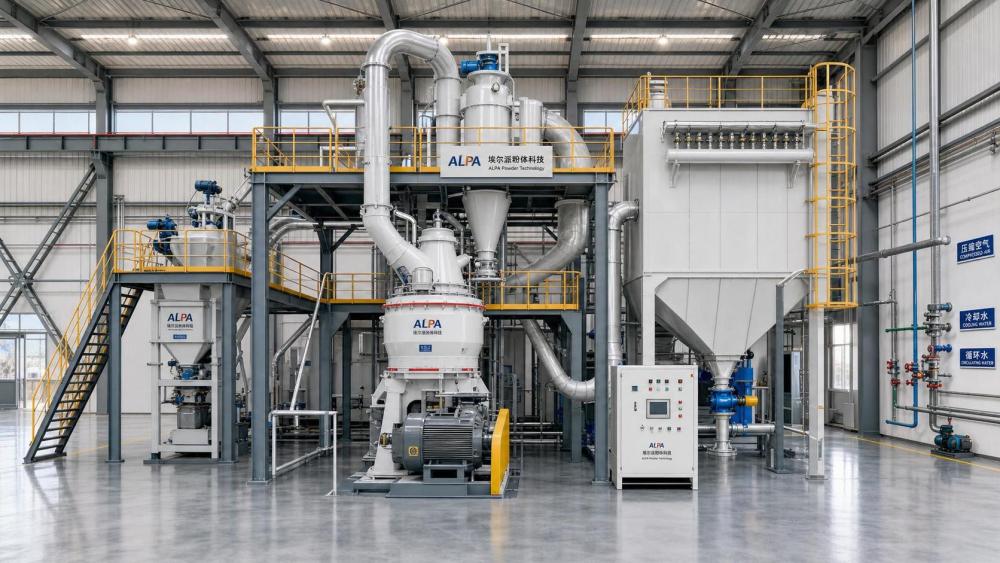
Why powder processing equipment cost is rarely just the equipment price
A supplier quote often highlights the main mill, classifier, feeder, or dryer.
But the real powder processing equipment cost usually sits inside a full process package.
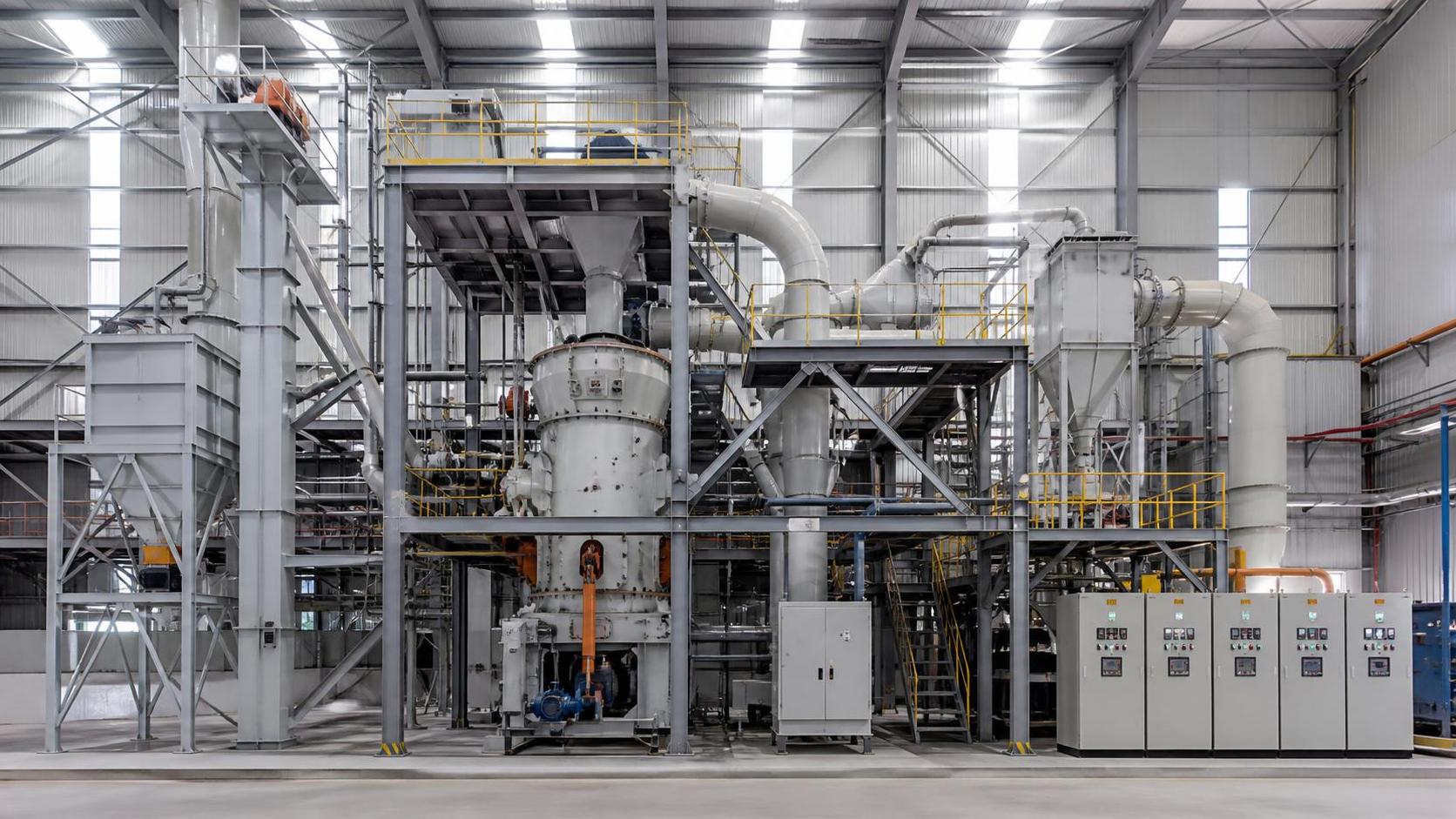
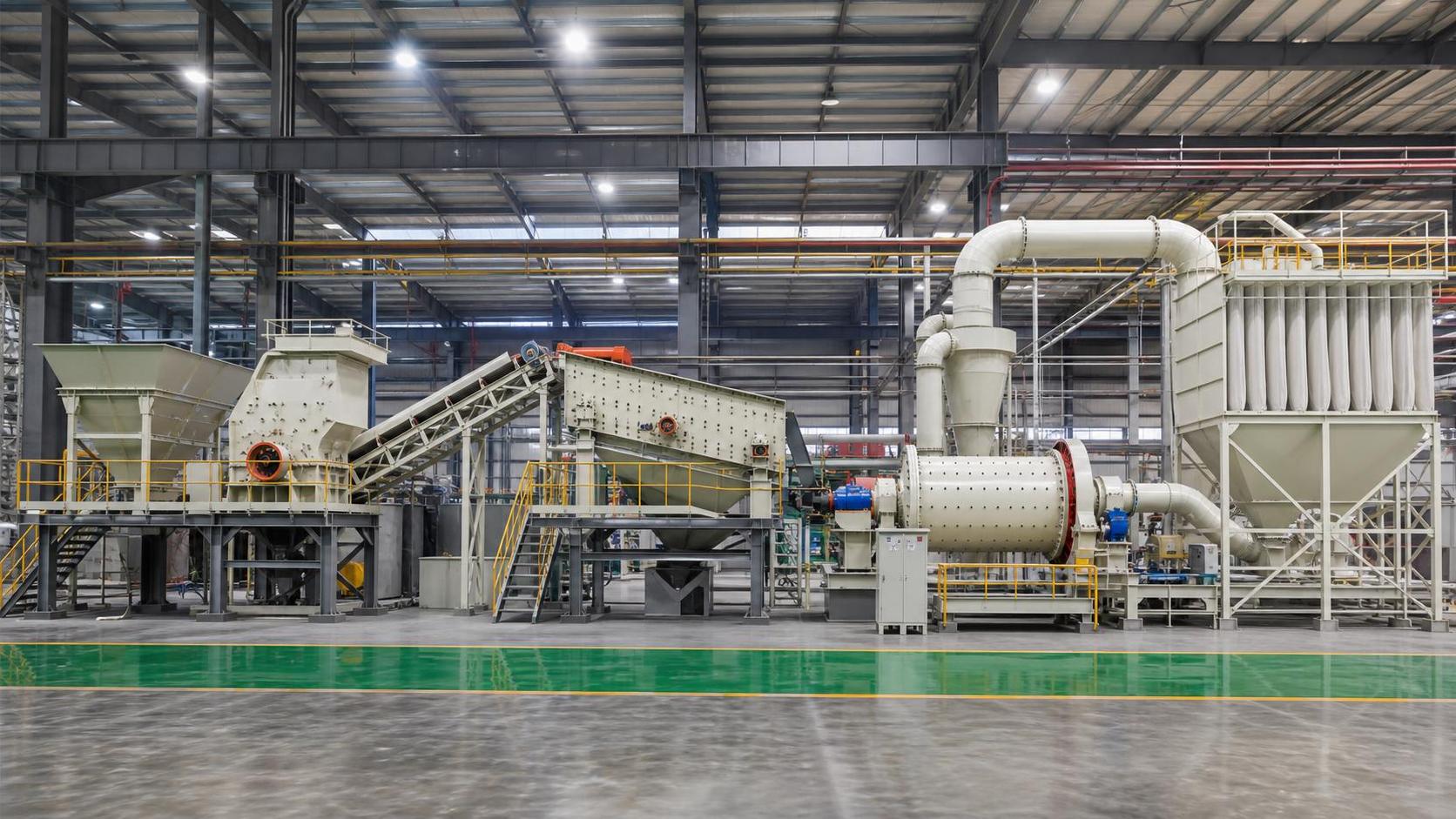
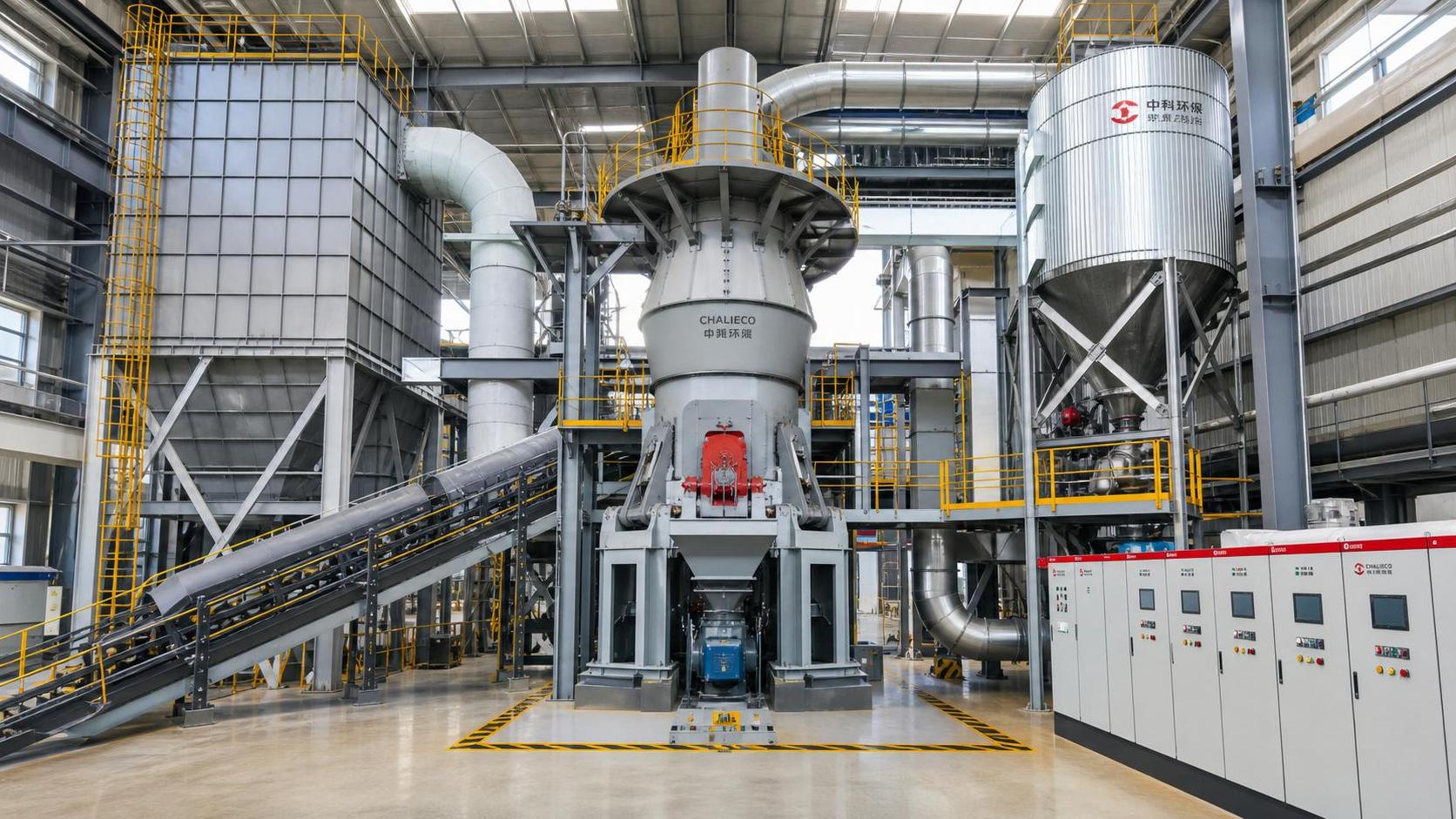
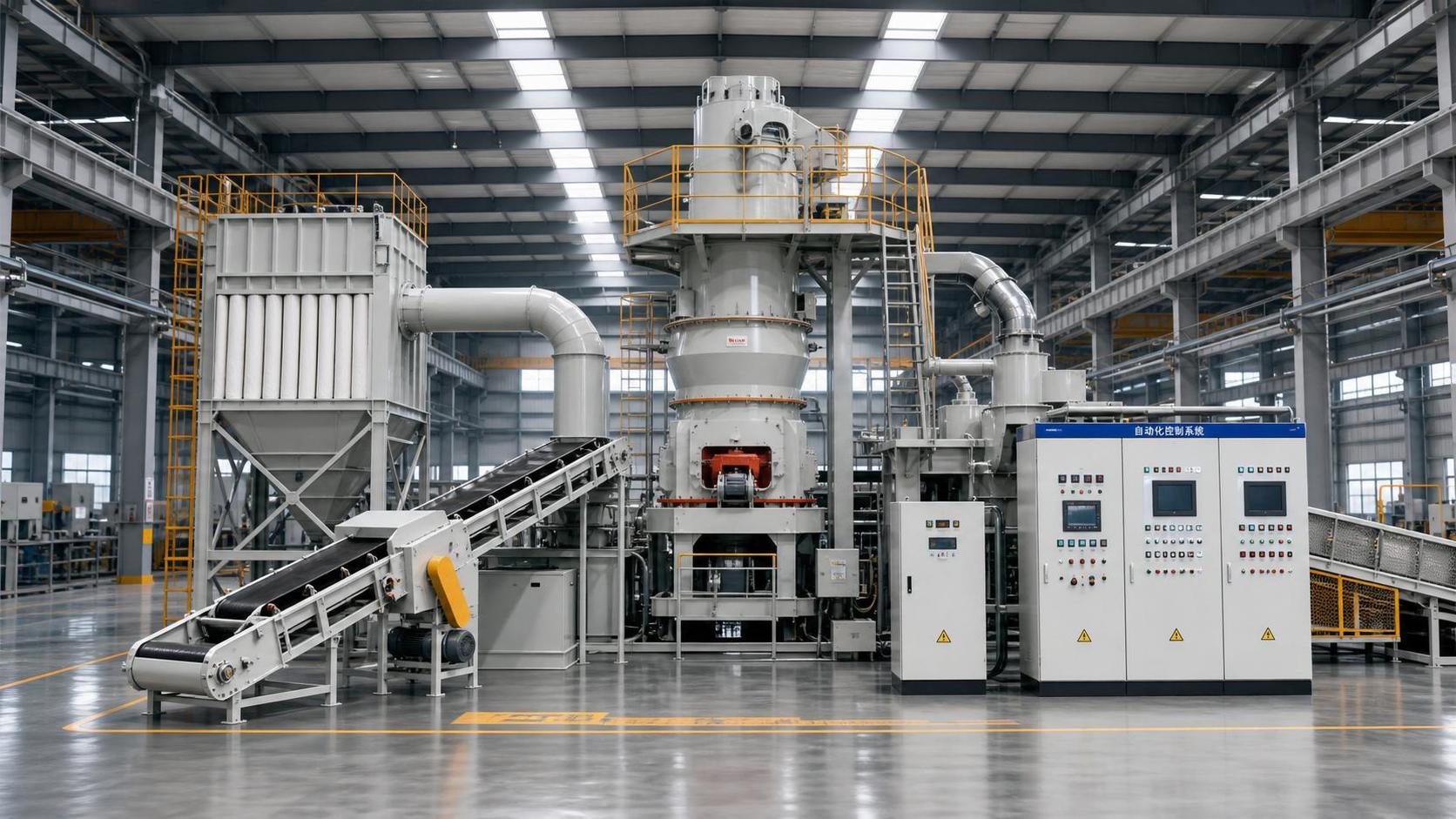
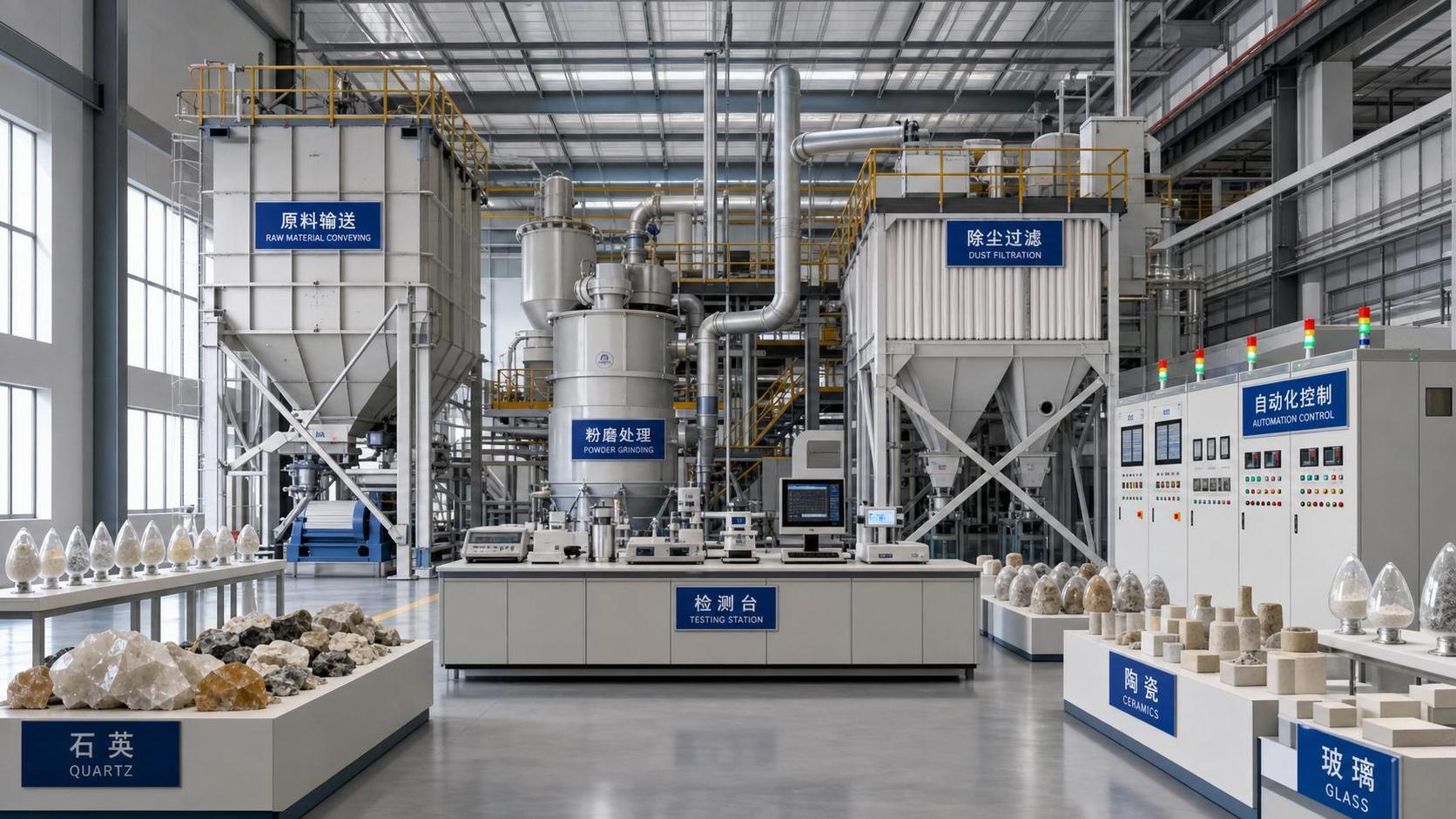
That package may include crushing, conveying, storage, dosing, dust collection, control cabinets, and finished product handling.
Civil works and steel structure can also become major cost items.
This is especially true when retrofitting an existing plant with limited layout flexibility.
In practical terms, financial review should separate three layers:
- Core equipment purchase cost
- Project implementation cost
- Lifecycle operating cost
Missing any one of these can distort the investment decision.
Main factors that change powder processing equipment cost
From recent projects, the biggest cost driver is process requirement, not supplier nationality alone.
The harder the target specification, the higher the powder processing equipment cost tends to be.
Capacity and throughput target
Higher throughput usually means larger mills, stronger drives, bigger classifiers, and more robust conveying systems.
It also increases transformer size, cable load, and dust collection demand.
Feed material characteristics
Hardness, moisture, abrasiveness, and bulk density all affect equipment selection.
Silica, tailings, slag blends, and ceramics can require different liners, wear parts, and drying steps.
That directly changes powder processing equipment cost and future maintenance exposure.
Fineness and product consistency
A product needing tighter particle size distribution needs better classification and process control.
That can push buyers toward vertical mills, high-performance classifiers, or closed-circuit grinding systems.
Automation level
Basic control reduces initial spend, but advanced automation improves stability and labor efficiency.
PLC systems, remote diagnostics, recipe control, and digital monitoring increase the upfront powder processing equipment cost.
They may still lower total ownership cost over several years.
Environmental compliance
Dust emission limits are tighter in many regions.
This adds filters, fans, sealing systems, noise control, and monitoring instruments.
A lower initial quote may exclude these items, creating later budget pressure.
Hidden cost areas that often appear after approval
This is where many budgets lose accuracy.
The visible equipment price may look manageable, while secondary items expand during execution.
Site preparation and civil works
Foundations, pits, platforms, access roads, and building reinforcement can materially raise project cost.
The impact is larger for heavy mills, tall classifiers, and retrofit installations.
Utility connection
Power distribution, compressed air, gas supply, water treatment, and heat sources are often underestimated.
If drying is required, fuel infrastructure can significantly affect powder processing equipment cost.
Imported components and logistics
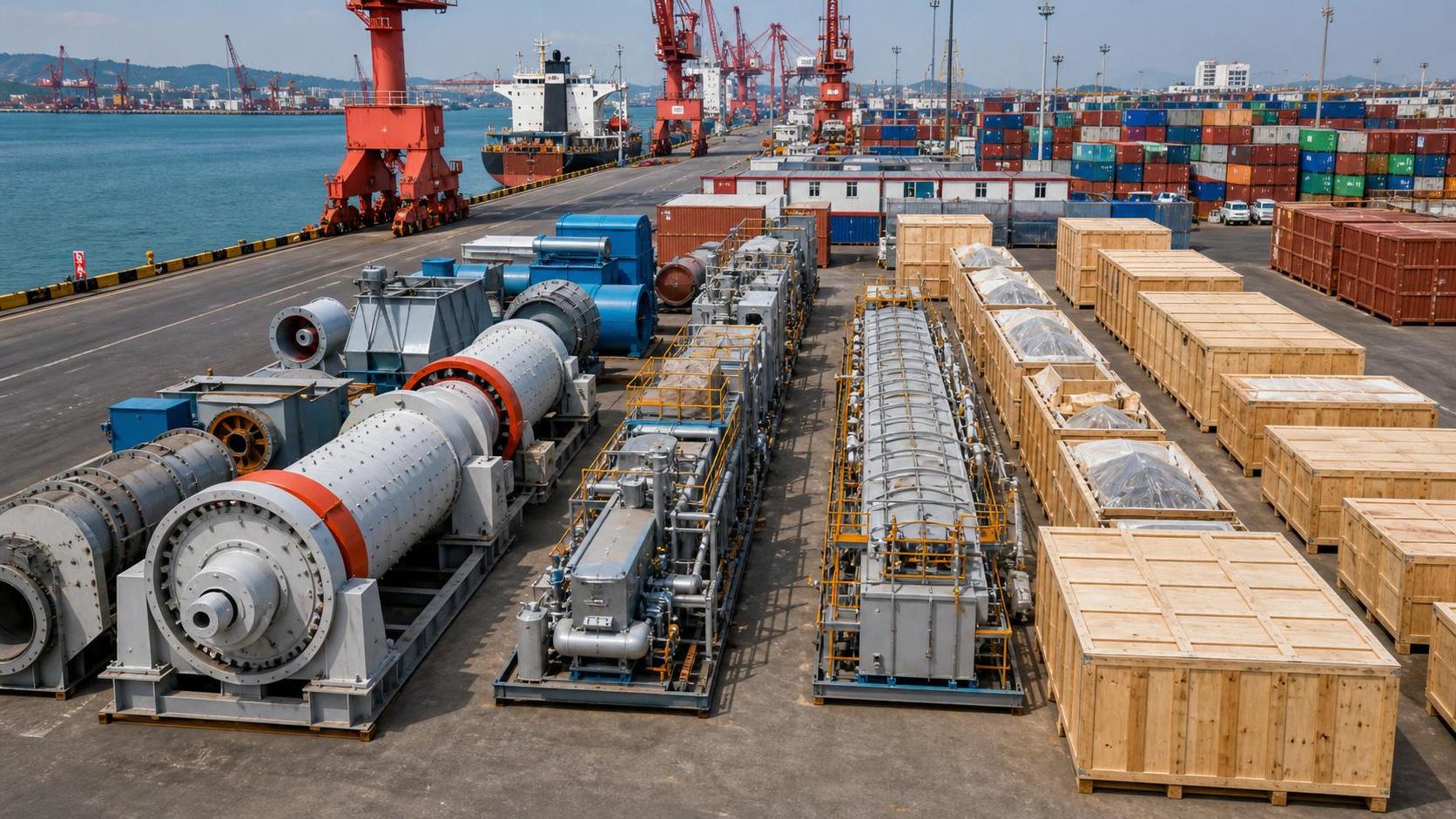
Freight, insurance, customs duty, inland transport, and port handling can reshape supplier comparisons.
Long lead items also add schedule risk, which may create indirect financial cost.
Commissioning and training
Stable output does not happen on installation day.
Commissioning teams, operator training, parameter optimization, and trial materials all add cost before full production begins.
Operating cost matters as much as purchase cost
A low purchase price can still produce a weak business case.
This becomes more obvious when energy and maintenance costs are modeled over five to ten years.
Energy consumption
Grinding and drying are energy-intensive.
Even a small difference in kWh per ton can materially change annual operating expense.
For this reason, powder processing equipment cost should always be reviewed together with unit energy consumption.
Wear parts and maintenance intervals
Rollers, liners, hammers, classifier parts, seals, and filters can create recurring expense.
Abrasive feedstock magnifies this effect.
Ask for wear life assumptions, spare part pricing, and shutdown intervals before approval.
Labor and uptime
More automation can reduce operator dependence and improve process repeatability.
Reliable uptime also protects revenue, which is often missed in narrow equipment-only comparisons.
How to compare supplier proposals without missing the real number
A disciplined comparison model is essential.
Otherwise, a cheaper proposal may simply be less complete.
- Define the process boundary clearly, from raw material feeding to final powder storage.
- List every included and excluded item in the supplier scope.
- Compare guaranteed output, fineness, moisture range, and energy performance.
- Normalize freight, tax, installation, and commissioning assumptions.
- Model annual power, wear parts, labor, and maintenance cost.
- Check compliance readiness for dust, noise, and local safety standards.
- Review reference projects with similar material and production targets.
This approach gives a more realistic view of powder processing equipment cost and investment quality.
A practical budget framework for better approval decisions
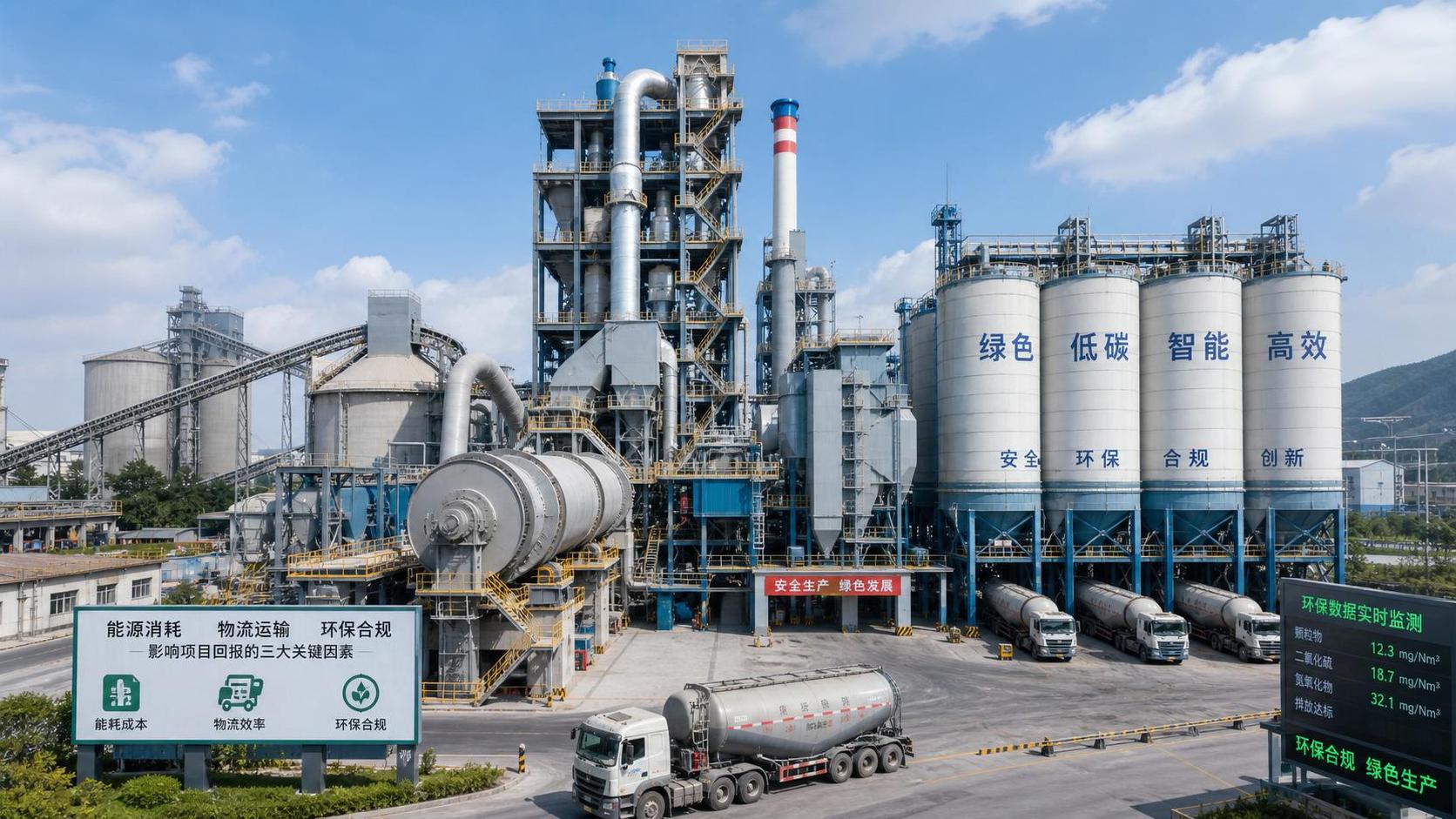
A useful review framework combines CAPEX, OPEX, and execution risk.
This framework helps translate technical differences into investment language that supports approval quality.
Final view on powder processing equipment cost
Powder processing equipment cost should be treated as a full-system investment, not a simple machine purchase.
The strongest decisions usually come from comparing complete scope, operating efficiency, compliance burden, and service reliability together.
In actual projects, the winning option is often the proposal with the clearest process fit and the most predictable lifecycle cost.
Before approval, ask one final question: does this quotation minimize only purchase price, or does it improve total return?
That single distinction often determines whether powder processing equipment cost becomes a burden or a durable competitive asset.
Related News
- What drives material handling machinery cost in a new PV line?Author :Mr. Julian Thorne

- What to verify before choosing a glass processing equipment exporterAuthor :Mr. Julian Thorne

- What drives the total cost of heavy industry equipment in India?Author :Mr. Julian Thorne

- When precast concrete technology makes sense for bridge projectsAuthor :Mr. Julian Thorne

- When does a cement plant capacity upgrade deliver the best payback?Author :Mr. Julian Thorne

- When do high speed glass processing systems pay off in line output?Author :Mr. Julian Thorne

- When does building materials industry 4.0 deliver a real ROI?Author :Mr. Julian Thorne

- What affects the cost of a non-metallic mineral processing line?Author :Mr. Julian Thorne

- How to Compare Industrial Crushing Systems for Mining by Throughput, Wear Life, and Energy CostAuthor :Mr. Julian Thorne

- How to Compare Architectural Glass Fabrication Equipment by Throughput, Precision, and Line IntegrationAuthor :Mr. Julian Thorne

- How to Compare Tailings Processing Equipment by Throughput, Moisture, and OPEXAuthor :Mr. Julian Thorne

- How to Evaluate a Ceramic Molding Machines Supplier for Long-Term Cost and OutputAuthor :Mr. Julian Thorne

- Heavy Building Material Equipment Cost: What Drives Total Investment?Author :Mr. Julian Thorne

- Automatic Hydraulic Press Tonnage vs Cycle Time: What Matters MostAuthor :Mr. Julian Thorne

- Building Material Equipment Manufacturer Checklist for Capacity and Service FitAuthor :Mr. Julian Thorne

- How to Vet a Non-Metallic Material Processing Supplier Before OrderingAuthor :Mr. Julian Thorne

- Automated Quality Control: When It Reduces Rejects and When It Does NotAuthor :Mr. Julian Thorne

- Heavy Duty Heavy Industry Machinery: Key Checks Before InvestmentAuthor :Mr. Julian Thorne

- Glass Processing Equipment Price List: What Shapes Total Line Cost?Author :Mr. Julian Thorne
![]()
- Powder Processing Equipment Cost: What Drives Total Investment?Author :Mr. Julian Thorne

- Heavy Building Material Machinery: Common Failure Points and Downtime RisksAuthor :Mr. Julian Thorne

- Building Material Project Export: Key Risks in Delivery, Compliance, and Payment TermsAuthor :Mr. Julian Thorne

- PV Glass Production Line Cost Breakdown: Equipment, Yield, and Utility InputsAuthor :Mr. Julian Thorne

- Cement Grinding Plant India: Cost Drivers That Shape Project PaybackAuthor :Mr. Julian Thorne

- PV Glass Line Efficiency: 7 Metrics That Change ROIAuthor :Mr. Julian Thorne

- Heavy Building Material Machinery Price: Budget Risks Beyond the Base QuoteAuthor :Mr. Julian Thorne

- PV glass manufacturing cost drivers in 2026Author :Mr. Julian Thorne

- Building Materials Industry 4.0: Practical Steps to Reduce DowntimeAuthor :Mr. Julian Thorne

- Digital Transformation in Building Materials: Where ROI Shows FirstAuthor :Mr. Julian Thorne

- High Speed Automated Production Lines: ROI, Output, and Downtime RisksAuthor :Mr. Julian Thorne

- Glass Processing Technology Cost Breakdown for New Line PlanningAuthor :Mr. Julian Thorne

- How to Evaluate an EPC Project Contractor Before Contract AwardAuthor :Mr. Julian Thorne

- What a Construction Material Automation Company Should Deliver in 2026Author :Mr. Julian Thorne

- Production Line Digital Integration in Germany: What Changes in 2026Author :Mr. Julian Thorne

- Choosing a Material Handling Technology Supplier with Lower Lifecycle RiskAuthor :Mr. Julian Thorne

- Precast Concrete Systems Cost: What Drives Total Project Spend?Author :Mr. Julian Thorne