



Search News
Industry Portal
Popular Tags
All categories
Turkey Keeps 22% Duty on Chinese Foil




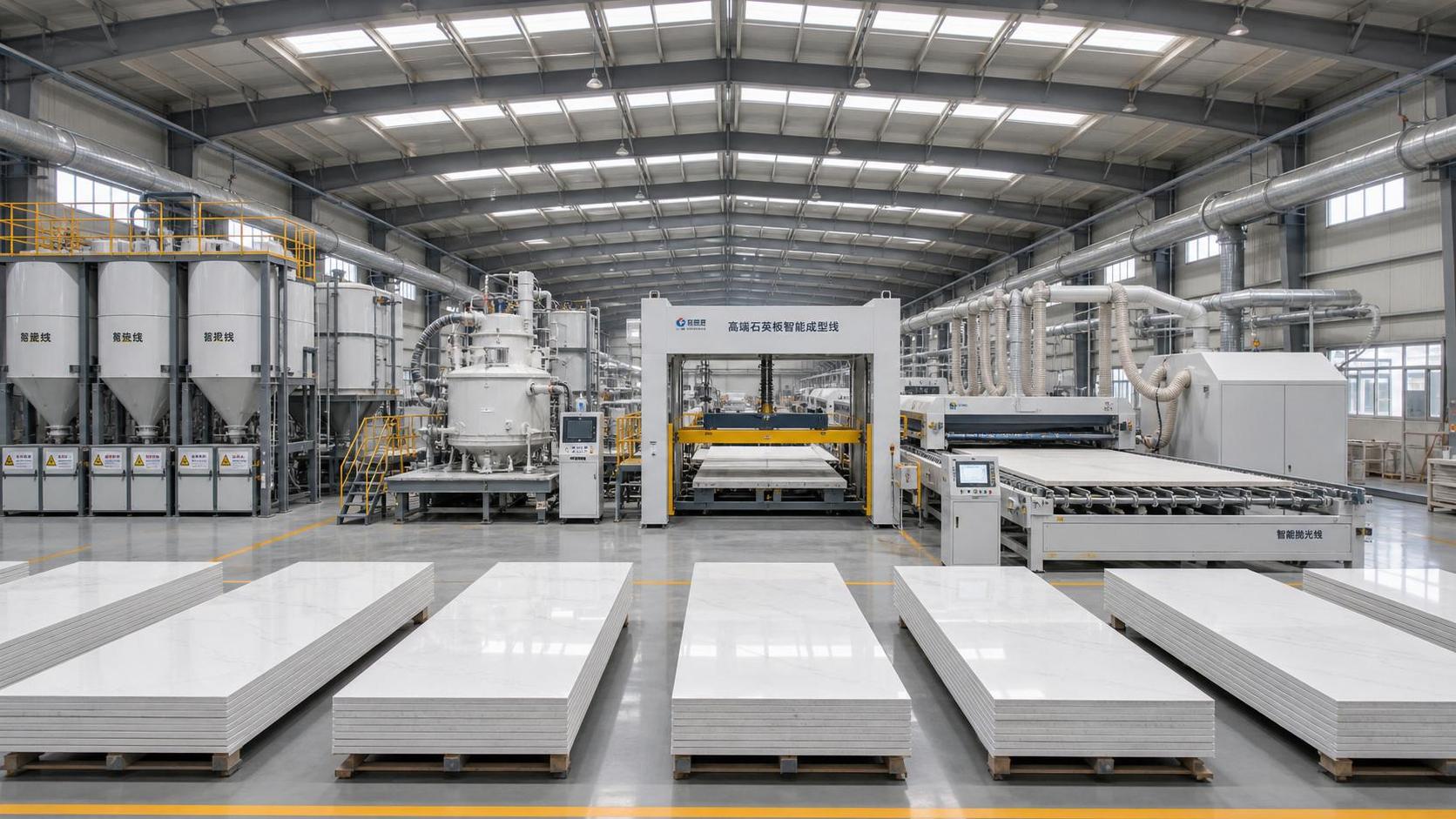
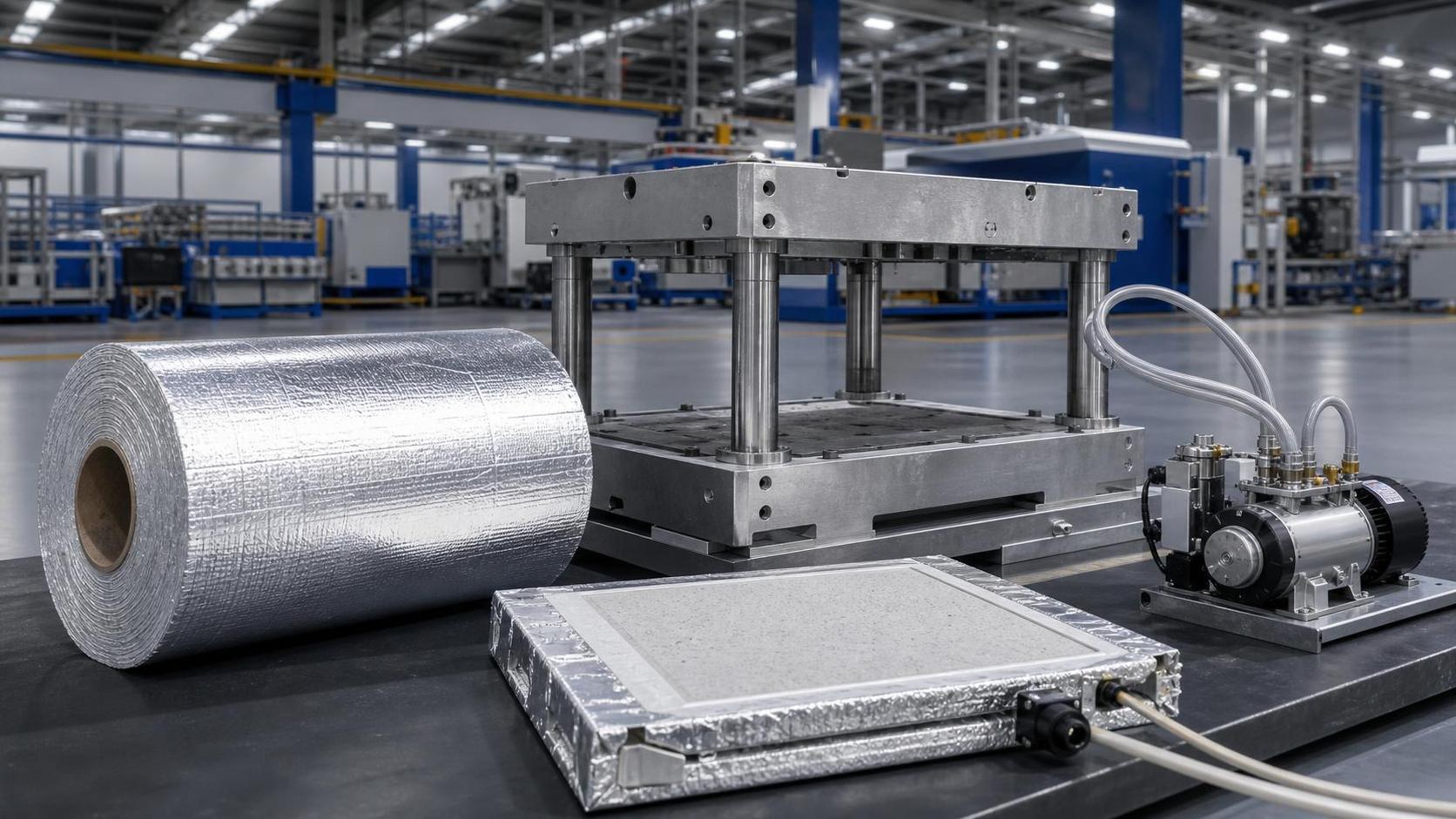
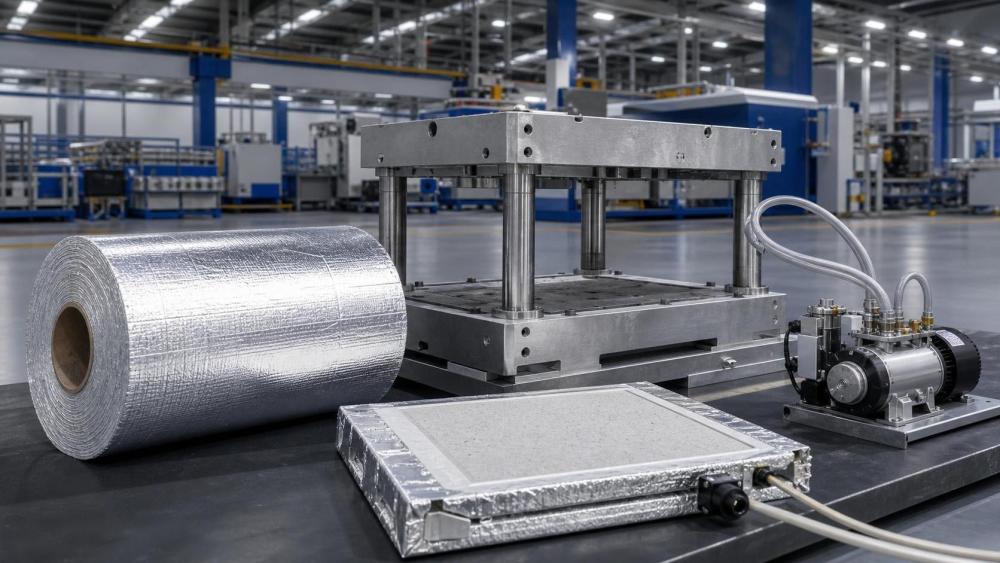
On May 24, 2026, Turkey moved to keep anti-dumping duties in place on Chinese aluminum foil of up to 0.2 mm thickness, a decision that matters beyond commodity trade because this grade is used in Quartz Stone Press Lines as a heat-transfer isolation layer in hot-press molds and as an auxiliary material in vacuum packaging. For stone machinery users, foil-related suppliers, and procurement teams serving the Turkish market, the development is worth watching because it may raise maintenance costs and shift purchasing interest toward integrated thermal insulation modules or high-temperature ceramic alternatives.
What the Turkish notice confirms
According to Notice No. 2026/16 issued by the Turkish Ministry of Trade on May 24, 2026, Turkey reached an affirmative final ruling in its second sunset review covering aluminum foil from China with a thickness of 0.2 mm or less. The measure remains a 22% anti-dumping duty calculated on a CIF basis. The input information also confirms that this high-purity aluminum foil is widely used in Quartz Stone Press Lines, specifically in thermal isolation for hot-press molds and as an auxiliary material for vacuum sealing.
The same input further states that Turkey is a major importer of quartz stone slabs in the Middle East and North Africa region, which is why the tariff decision is relevant to local press-line users and related maintenance demand.
Where the pressure is likely to appear first
Maintenance-linked buyers in quartz stone press operations
From an industry perspective, the most immediate exposure is likely to sit with local users of press equipment that rely on this foil in mold-side thermal management and vacuum-related auxiliary processes. The main business impact is likely to appear in replacement procurement, maintenance budgeting, and decisions on whether to continue with the same material path or reassess substitutes.
Chinese suppliers serving the Turkish market
Analysis shows that suppliers shipping these foil-related materials into Turkey may need to pay closer attention to how customers restructure orders. What deserves closer attention is not only direct foil demand, but also whether customers begin favoring pre-integrated insulation modules rather than purchasing foil as a standalone imported material.
Alternative material and module providers
Observably, the input points to a possible shift in interest toward high-temperature ceramic alternatives and pre-integrated thermal insulation solutions. For companies positioned around these products, the relevant business link is whether Turkish buyers start treating substitution as a maintenance and continuity issue rather than only a price issue.
What companies should monitor now
Watch for how the rule is applied in actual transactions
Analysis shows that the policy headline and day-to-day execution are not always the same issue. Companies involved in quoting, procurement, and delivery should closely monitor how the 22% CIF-based duty affects landed-cost calculations and customer purchasing decisions in practice.
Review product scope in customer communication
Where foil is used as part of a wider thermal or vacuum-support solution, suppliers should make sure product descriptions, specifications, and commercial communication clearly distinguish between standalone foil supply and integrated assemblies. This matters because customers may increasingly compare complete solution options rather than a single consumable item.
Prepare for substitution-driven inquiries
What deserves closer attention is the possibility of more requests related to pre-integrated insulation modules or high-temperature ceramics. For sales, technical, and service teams, the practical issue is whether they can respond with clear material positioning, delivery assumptions, and application fit for Quartz Stone Press Lines.
Keep documentation and fulfillment expectations aligned
For companies already serving Turkish customers, it is more appropriate to understand this as a documentation and execution issue as well as a pricing issue. Procurement files, product specifications, and delivery commitments may come under closer review when buyers reassess supply routes and maintenance plans.
Why this matters beyond a single tariff line
Observably, this development is not only about a trade remedy on aluminum foil. In this case, the affected material sits inside a narrow but operationally important part of quartz stone press-line maintenance. That makes the signal more relevant to equipment uptime, consumable replacement logic, and solution packaging than to headline trade policy alone.
Analysis shows that it is too early to describe this as a broad structural shift across the entire sector based only on the provided information. However, it is reasonable to view it as a concrete short-term cost and sourcing signal for Turkish market participants, while also treating it as a longer-term indicator that buyers may place more value on integrated thermal solutions or substitute materials where feasible.
How this update is best understood
At this stage, the news is best understood as a confirmed policy continuation with direct implications for a specific industrial use case rather than as a fully settled market outcome. The confirmed fact is the continued 22% duty on the covered Chinese foil product; the business significance lies in how press-line users, suppliers, and maintenance-related buyers react in sourcing and product selection. A neutral reading is that the immediate effect is clearer than the longer-term market response, which still needs continued observation.
Basis of this article
This article is generated from the user-provided news title, event date, and event summary. The confirmed factual basis includes the date of May 24, 2026, Turkey's Notice No. 2026/16, the continued 22% CIF anti-dumping duty on Chinese aluminum foil of up to 0.2 mm thickness, the material's use in Quartz Stone Press Lines, and the stated potential for higher local maintenance costs and interest in integrated insulation modules or high-temperature ceramic substitutes. Source types commonly relevant to developments of this kind include official government notices, company disclosures, industry association updates, authoritative media reporting, and standard-related documents. A specific official source link was not provided in the input, so continued verification remains necessary, especially regarding later implementation details and any follow-up market response.
Related News
- How Automatic Stone Surface Finishing Affects Gloss Consistency and ThroughputAuthor :Super-hard Machining Strategist

- EU Rule Takes Effect: CE-EPD Required for Quartz Press LinesAuthor :Super-hard Machining Strategist

- Vietnam Tightens Import Rules for Quartz Stone Press LinesAuthor :Super-hard Machining Strategist

- EU REACH Move Bans Certain Resins in Quartz Stone Press LinesAuthor :Super-hard Machining Strategist

- Stone Surface Finishing Methods: How to Choose for Wear, Slip, and LookAuthor :Super-hard Machining Strategist

- Vietnam Tightens Import Rule for Quartz Stone Press LinesAuthor :Super-hard Machining Strategist

- Vietnam Enforces QCVN 172:2026 for Quartz Press ImportsAuthor :Super-hard Machining Strategist

- EU Rule Takes Effect on Carbon Footprint Declarations for Quartz Stone Press LinesAuthor :Super-hard Machining Strategist

- India Opens Quartz Press Sunset Review on ChinaAuthor :Super-hard Machining Strategist

- Stone Fabrication Systems: Key Line Features That Affect Yield and ReworkAuthor :Super-hard Machining Strategist

- India Opens AD Sunset Review on China Quartz Press LinesAuthor :Super-hard Machining Strategist

- Quartz Slab Line Price: What Drives Total Project Cost in 2026?Author :Super-hard Machining Strategist

- How to Vet a Stone Fabrication Technology Supplier Before Line ExpansionAuthor :Super-hard Machining Strategist

- Granite CNC processing for faster edge finishingAuthor :Super-hard Machining Strategist

- Quartz Slab Production Line: Key Checks Before Equipment SelectionAuthor :Super-hard Machining Strategist

- Turkey Keeps 22% Duty on Chinese FoilAuthor :Super-hard Machining Strategist

- Vietnam Tightens Raw Mineral Exports, Raising Upstream Cost PressureAuthor :Super-hard Machining Strategist