



Search News
Industry Portal
Popular Tags
All categories
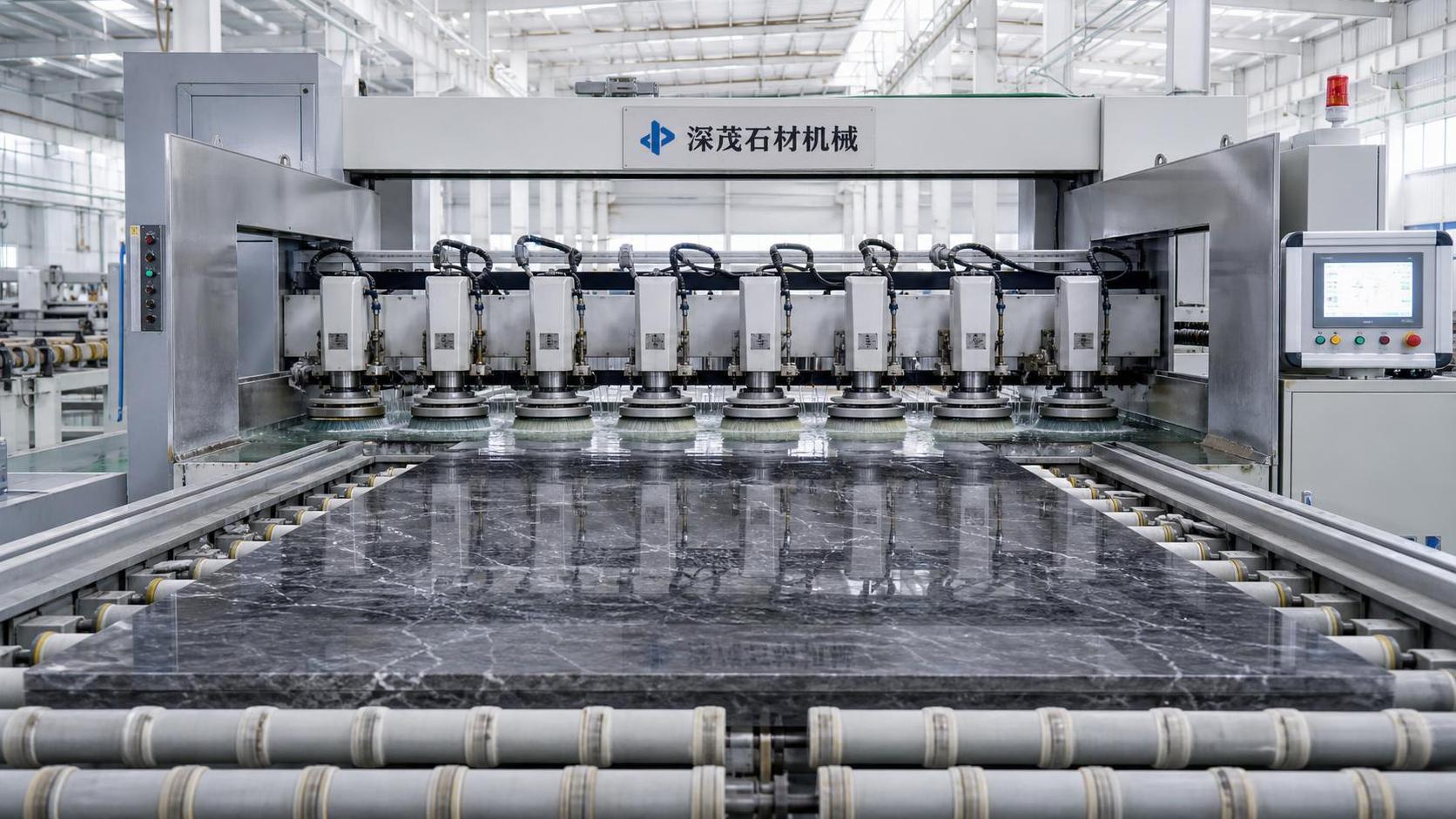
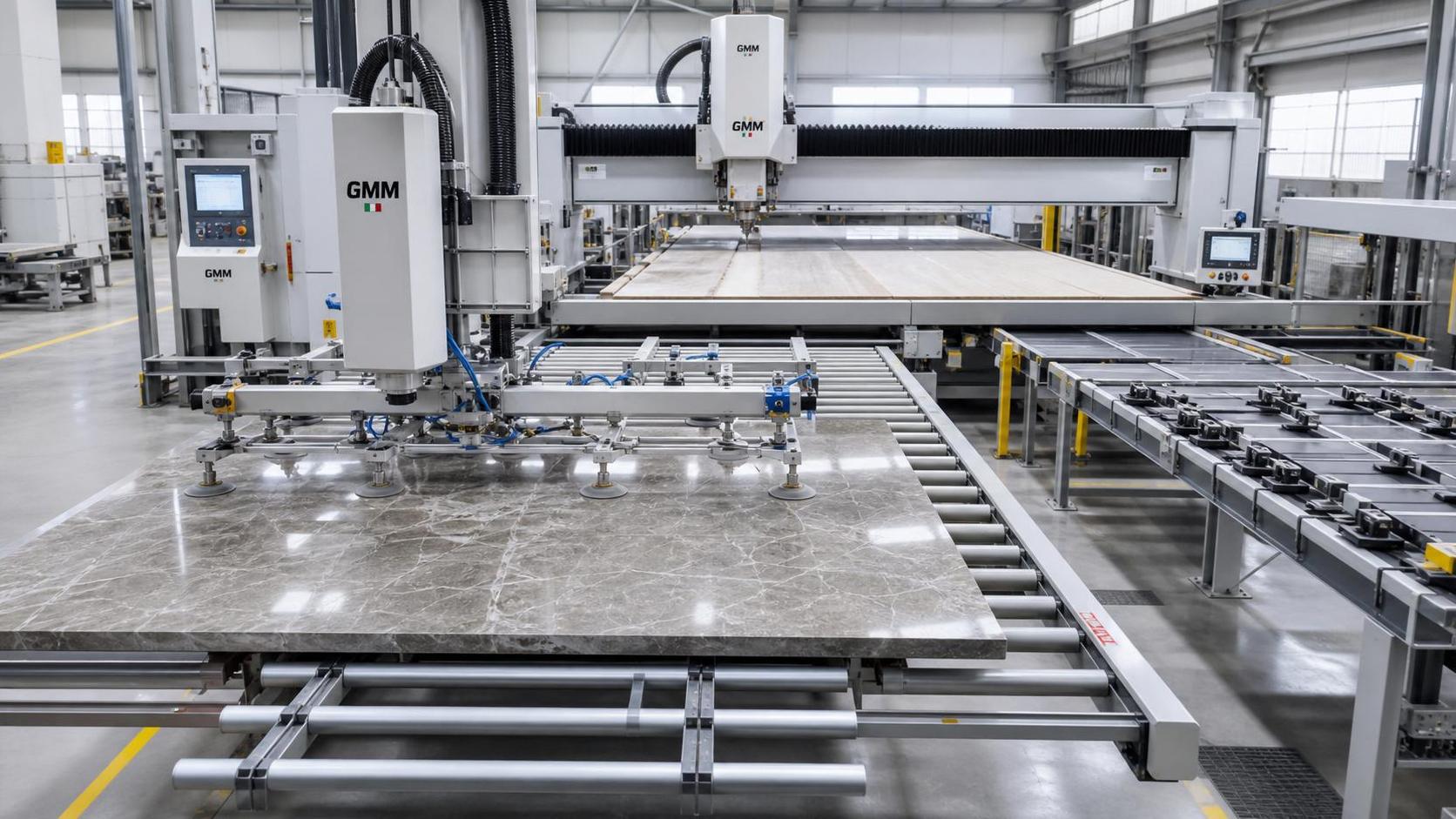
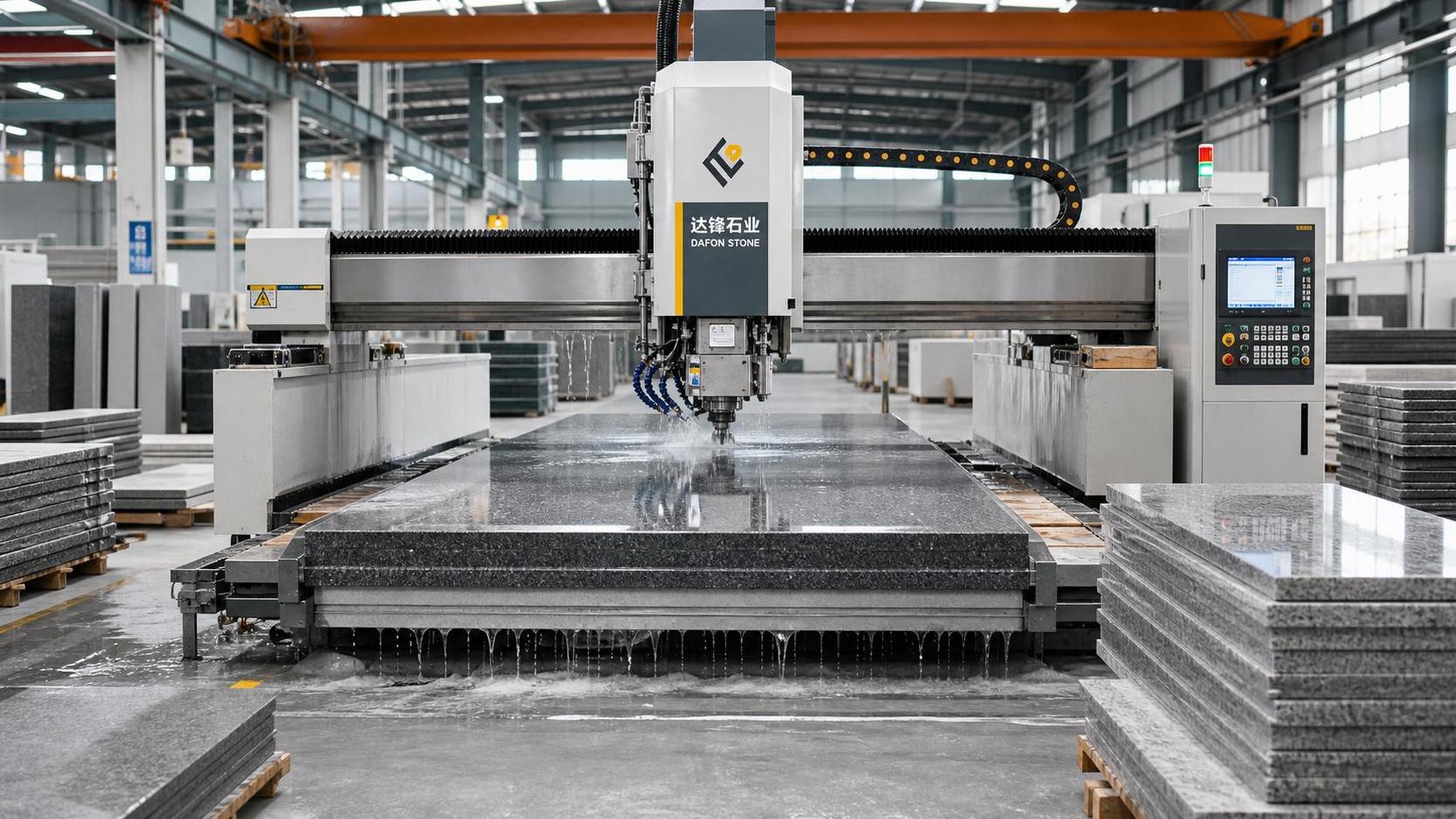
Granite CNC processing for faster edge finishing




Granite CNC processing matters most when edge speed also affects project delivery
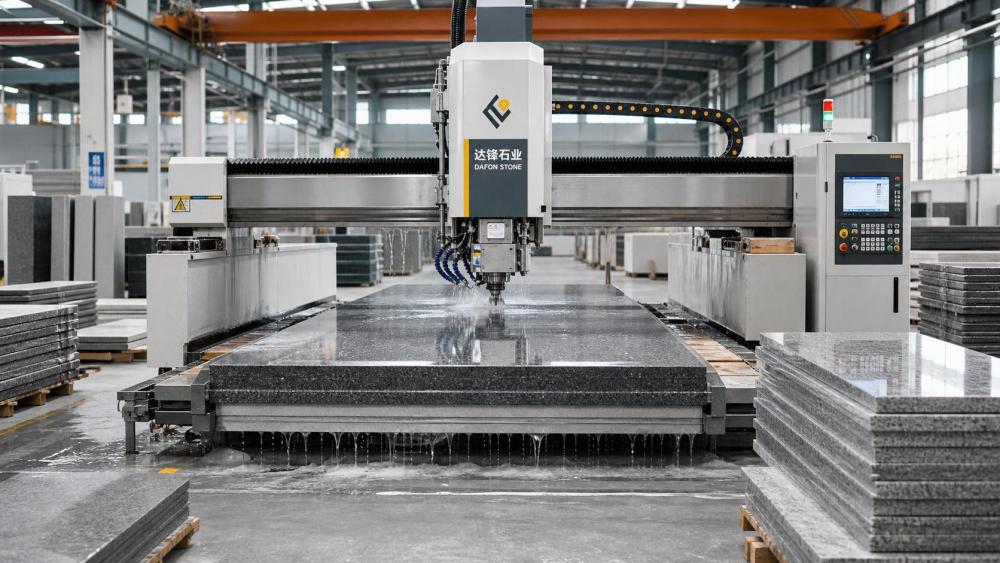
Granite CNC processing is no longer only a workshop upgrade.
In many building material projects, edge finishing now influences installation timing, visual consistency, and downstream labor coordination.
That is why faster edge finishing has become a practical production issue, not just a tooling preference.
The real value appears when granite profiles, chamfers, sink cutouts, and exposed edges must move quickly without visible deviation.
In actual use, granite CNC processing helps compress handwork, stabilize repeatability, and reduce polishing correction after machining.
This fits the broader NMBS perspective on industrial equipment.
Equipment is judged by how it improves output, quality control, operating cost, and implementation reliability at the same time.
For granite fabrication, the same logic applies.
A faster machine is not automatically the better machine.
What matters is whether the CNC workflow matches stone hardness, order mix, edge complexity, dust handling, and finishing standards on site.
Different granite jobs create different edge-finishing priorities
Granite CNC processing performs differently across mass facade work, interior custom pieces, and mixed-batch commercial fabrication.
The reason is simple.
Each environment puts pressure on a different part of the process chain.
Facade panels usually prioritize dimensional stability, edge straightness, and throughput across repeated geometries.
Interior countertops often care more about profile quality, corner transitions, and minimal chipping around visible details.
Infrastructure or public-space packages often sit in between.
They require speed, but also demand reliable tolerance control across long delivery windows and variable stone lots.
More common mistakes happen when these situations are treated as equivalent.
A line optimized for repetitive beveling may struggle with frequent tool changes.
A setup tuned for premium visible edges may deliver excellent finish, yet create avoidable cycle delays in standard utility stone.
Where repetitive production benefits most
For repeated panel sizes and simple edge forms, granite CNC processing creates value through rhythm.
Feed consistency, automatic compensation, and fixture stability become more important than maximum spindle headline numbers.
In these jobs, faster edge finishing depends on reducing interruptions.
Tool preset accuracy, slab loading flow, and water management often decide actual output more than catalog speed.
Where customized stone pieces change the decision
When every batch contains different cutouts, corner radii, and decorative edges, granite CNC processing must stay flexible.
Programming speed, tool library management, and operator-friendly path adjustment become critical.
Here, edge finishing quality is judged less by hourly volume and more by how little manual correction remains.
The workflow logic behind faster edge finishing
Granite CNC processing shortens finishing time when roughing, profiling, and polishing are treated as one controlled sequence.
If those steps are isolated, time savings often disappear in repositioning and touch-up.
A balanced workflow usually depends on five linked factors.
- Stable clamping that prevents micro-vibration on long granite edges.
- Tool paths matched to granite density and aggregate variation.
- Automatic tool change that does not introduce profile mismatch.
- Water and slurry control that protects surface clarity.
- Post-process inspection focused on visible edge zones.
In practical terms, the best granite CNC processing line is not always the one with the most aggressive cutting parameters.
It is the one that keeps the edge finish predictable from the first slab to the last.
That is also why stone CNC solutions increasingly sit inside wider production discussions on automation, dust reduction, and energy control.
The NMBS industrial viewpoint is useful here.
A machine should be evaluated as part of a process system, not as a stand-alone asset.
In day-to-day operations, the key differences are easier to compare side by side
The table below reflects common distinctions that influence granite CNC processing decisions.
This comparison shows why granite CNC processing cannot be selected by one benchmark alone.
The right answer depends on whether the operation is constrained by labor, geometry variation, finish expectations, or handoff timing.
What often gets misjudged before a stone CNC upgrade
A common error is focusing only on spindle power and quoted edge speed.
Granite CNC processing succeeds when the machine fits the entire fabrication environment.
That includes stone thickness variation, water cleanliness, abrasive consumption, and the availability of operators who can adjust programs confidently.
Another weak point is underestimating maintenance effects on finish quality.
Worn guideways, inconsistent vacuum holding, or delayed tool replacement usually show up first on edges.
The problem may look cosmetic, yet it often signals a broader process drift.
There is also a planning mistake seen in mixed industrial projects.
Granite CNC processing is sometimes evaluated without considering dust control, slurry recycling, or environmental compliance.
For modern building material operations, those points are no longer secondary.
They affect uptime, housekeeping, permitting, and long-term operating cost.
A quick checklist before committing
- Confirm the dominant edge types, not just the total monthly square meters.
- Measure rework hours caused by manual finishing today.
- Check whether current water, power, and slurry systems support the CNC load.
- Review tool consumption under actual granite grades, not sample material only.
- Define which tolerances matter visually and which matter for installation fit.
A better fit usually comes from process matching, not machine size alone
Granite CNC processing delivers the strongest return when equipment choice follows a clear process map.
That map should connect incoming slab variation, programming rules, tooling strategy, edge inspection, and maintenance intervals.
In repetitive jobs, standardization usually creates the biggest gain.
In customized jobs, flexibility and correction speed matter more.
Where schedules are tight, it is useful to compare total finishing hours before and after CNC integration, including loading and touch-up time.
That reveals whether granite CNC processing is truly accelerating the operation or simply relocating bottlenecks.
A practical next step is to sort current work into three groups.
Separate high-repeat edges, high-visibility edges, and high-variation edges.
Then compare tooling, cycle stability, and rework risk across those groups.
That approach makes granite CNC processing decisions more grounded and easier to scale.
It also aligns with the NMBS way of reading industrial equipment through performance, compliance, and long-term competitiveness together.
When edge finishing is evaluated in that wider context, faster output becomes more than a speed target.
It becomes a measurable improvement in quality stability, execution control, and project ROI.
Related News
- How Automatic Stone Surface Finishing Affects Gloss Consistency and ThroughputAuthor :Super-hard Machining Strategist

- EU Rule Takes Effect: CE-EPD Required for Quartz Press LinesAuthor :Super-hard Machining Strategist

- Vietnam Tightens Import Rules for Quartz Stone Press LinesAuthor :Super-hard Machining Strategist

- EU REACH Move Bans Certain Resins in Quartz Stone Press LinesAuthor :Super-hard Machining Strategist

- Stone Surface Finishing Methods: How to Choose for Wear, Slip, and LookAuthor :Super-hard Machining Strategist

- Vietnam Tightens Import Rule for Quartz Stone Press LinesAuthor :Super-hard Machining Strategist

- Vietnam Enforces QCVN 172:2026 for Quartz Press ImportsAuthor :Super-hard Machining Strategist

- EU Rule Takes Effect on Carbon Footprint Declarations for Quartz Stone Press LinesAuthor :Super-hard Machining Strategist

- India Opens Quartz Press Sunset Review on ChinaAuthor :Super-hard Machining Strategist

- Stone Fabrication Systems: Key Line Features That Affect Yield and ReworkAuthor :Super-hard Machining Strategist

- India Opens AD Sunset Review on China Quartz Press LinesAuthor :Super-hard Machining Strategist

- Quartz Slab Line Price: What Drives Total Project Cost in 2026?Author :Super-hard Machining Strategist

- How to Vet a Stone Fabrication Technology Supplier Before Line ExpansionAuthor :Super-hard Machining Strategist

- Granite CNC processing for faster edge finishingAuthor :Super-hard Machining Strategist

- Quartz Slab Production Line: Key Checks Before Equipment SelectionAuthor :Super-hard Machining Strategist

- Turkey Keeps 22% Duty on Chinese FoilAuthor :Super-hard Machining Strategist

- Vietnam Tightens Raw Mineral Exports, Raising Upstream Cost PressureAuthor :Super-hard Machining Strategist