



Search News
Industry Portal
Popular Tags
All categories
Precast Concrete Machinery: Downtime Risks Hidden in Mold Changeovers




In precast concrete machinery operations, mold changeovers often appear routine. Yet they frequently hide the most disruptive downtime risks inside an otherwise stable production plan.
A delayed swap can ripple across batching, reinforcement placement, curing, storage, transport, and site delivery. What starts as a short interruption can quickly become output loss.
For industrial plants pursuing tighter schedules, lower carbon intensity, and higher asset utilization, the performance of precast concrete machinery during changeovers deserves closer attention.
Why mold changeovers in precast concrete machinery are becoming a bigger operational signal
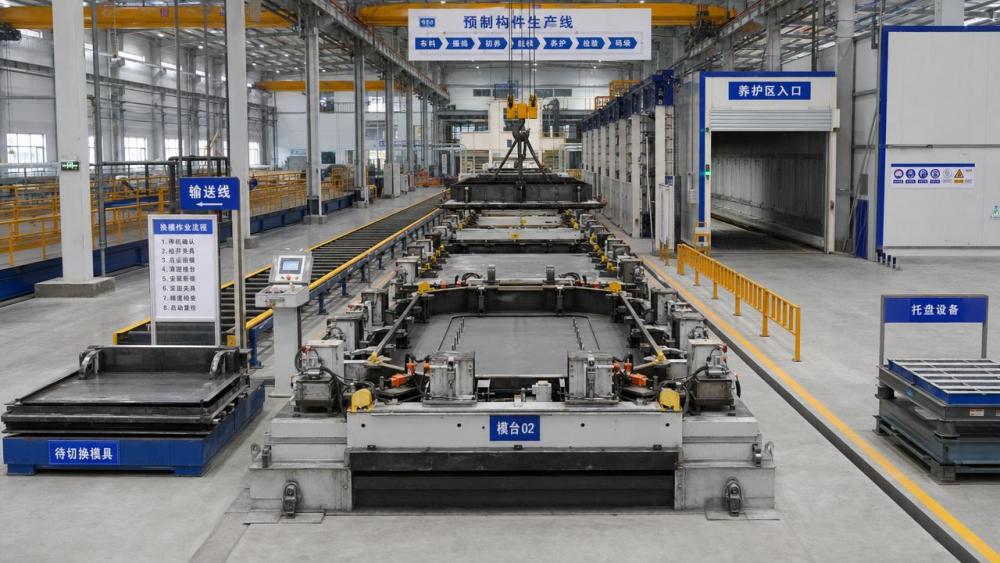
The market is shifting toward shorter runs, more customized elements, and stricter delivery windows. That makes mold changeovers a stronger indicator of plant resilience than before.
Many facilities once optimized for repeatable, long-batch production. Today, mixed product portfolios force precast concrete machinery to switch more often between dimensions, inserts, surface finishes, and reinforcement layouts.
At the same time, labor variability and digital traceability requirements are increasing. This means every changeover must be faster, safer, and more repeatable under tighter control.
Downtime is no longer just lost machine hours. It now affects on-time project delivery, energy consumption, curing room balance, and plant-wide workflow stability.
The hidden drivers behind downtime risks in precast concrete machinery
Downtime during changeovers usually comes from several small factors stacking together. Each looks manageable alone, but combined they can destabilize the whole line.
These factors matter because precast concrete machinery links mechanical setup with downstream process timing. Even a ten-minute overrun can disrupt curing slots and truck dispatch plans.
Where downtime often hides
- Waiting for cleaned molds or replacement plates
- Manual alignment checks after partial tightening
- Unexpected insert position corrections
- Recipe confirmation delays between software and floor teams
- Trial runs required because first-piece confidence is low
How mold changeovers in precast concrete machinery reshape plant-wide performance
The impact of unstable changeovers goes far beyond one station. It influences labor planning, energy use, quality consistency, and commercial credibility.
When precast concrete machinery restarts late, upstream batching may hold material longer than planned. Downstream finishing and storage then receive units in uneven waves.
That imbalance creates hidden costs. Forklifts travel more. Crews wait or rush. Curing chambers run less efficiently. Dispatch windows narrow, increasing the risk of site-side delays.
Effects across key business links
- Production: Lower line utilization and unstable daily output
- Quality: Greater dimensional variation after rushed setup
- Maintenance: More emergency adjustments and unplanned wear
- Energy: Higher power consumption per acceptable unit
- Delivery: Increased risk of sequence errors and missed milestones
For intelligence-led industrial platforms like NMBS, this trend connects directly with broader equipment modernization. Efficient precast concrete machinery now supports both capacity discipline and lower-carbon operations.
The warning signs that suggest changeover risk is already rising
Many plants do not recognize changeover deterioration until delivery pressure becomes visible. Earlier signals usually appear first in routine production data and floor behavior.
Tracking these indicators helps reveal whether precast concrete machinery is failing at the equipment level, the workflow level, or the information level.
What deserves priority attention in precast concrete machinery management
Reducing downtime risk requires more than faster labor. It depends on combining mechanical readiness, digital accuracy, and production discipline around every mold transition.
Core focus points
- Standardize mold preparation with visual checklists and pre-staged kits
- Measure actual changeover time by product family, not by rough shift averages
- Create wear thresholds for clamps, guides, pins, and sealing surfaces
- Link production orders with mold identity and insert confirmation digitally
- Separate cleaning, inspection, and setup responsibilities clearly
- Use first-piece approval rules that are fast but not informal
Plants using advanced precast concrete machinery increasingly treat changeovers as a strategic metric. This is similar to how grinding, glass, and molding systems are judged by uptime integrity.
Practical response paths for more stable mold changeovers
A useful response framework should balance fast wins with longer-term upgrades. Not every improvement requires full automation, but every step should improve repeatability.
This phased approach makes precast concrete machinery improvement easier to justify. It turns changeover stability into measurable gains in throughput, quality, and energy efficiency.
A smarter next step for reducing downtime risk
The most effective next step is simple: treat mold changeovers as a high-value operational event, not a routine pause between production batches.
Start with one production line. Record actual changeover durations, causes of delay, first-piece corrections, and tooling condition. Then compare those results with planned output stability.
That analysis often reveals where precast concrete machinery loses time silently. Once visible, those losses can be reduced through standardization, data integration, and targeted equipment upgrades.
In a market shaped by customization, faster delivery, and decarbonization pressure, resilient precast concrete machinery will increasingly be defined by what happens during changeovers.
Related News
- How to Evaluate a Brick and Block System Manufacturer for Output, Automation, and Lifecycle CostAuthor :Masonry Automation Architect

- How to Choose a Concrete Block Machine Based on Output, Mold Change Time, and Pallet SizeAuthor :Masonry Automation Architect

- Brick and Block Machine Manufacturer Checklist for Plant InvestmentAuthor :Masonry Automation Architect

- How High-Performance Concrete Technology Extends Bridge Service LifeAuthor :Masonry Automation Architect

- Fly Ash Brick Production Process: Key Steps and Quality RisksAuthor :Masonry Automation Architect

- Fly Ash Brick Production Cost: What Shapes ROI Beyond Equipment PriceAuthor :Masonry Automation Architect

- Precast Concrete Machinery: Downtime Risks Hidden in Mold ChangeoversAuthor :Masonry Automation Architect